 This article has a talk page!
Spirit Tracks is the sequel to Phantom Hourglass and uses a modified version of its predecessor's engine. Yes, Zelda really is a spirit, and she's even playable for the first time ever since The Wand of Gamelon and Zelda's Adventure in the Zelda series! This idea would eventually go one step further in The Legend of Zelda: Echoes of Wisdom, where you outright play as Zelda instead of Link!
 Course ListA list of all the stages in the game. And maybe some that aren't?
 English Translation Differences(Contains spoilers!) The US and European translators can't seem to agree with each other.
Unused Models#
Hyrule Town House Models#
There are a number of placeholder models for the houses in Hyrule Town. They carry the name of the building they're supposed to represent on their front.
They all look the same, so only one of them is shown here.

Train Wagon#
This is an early model that shows the train wagon.

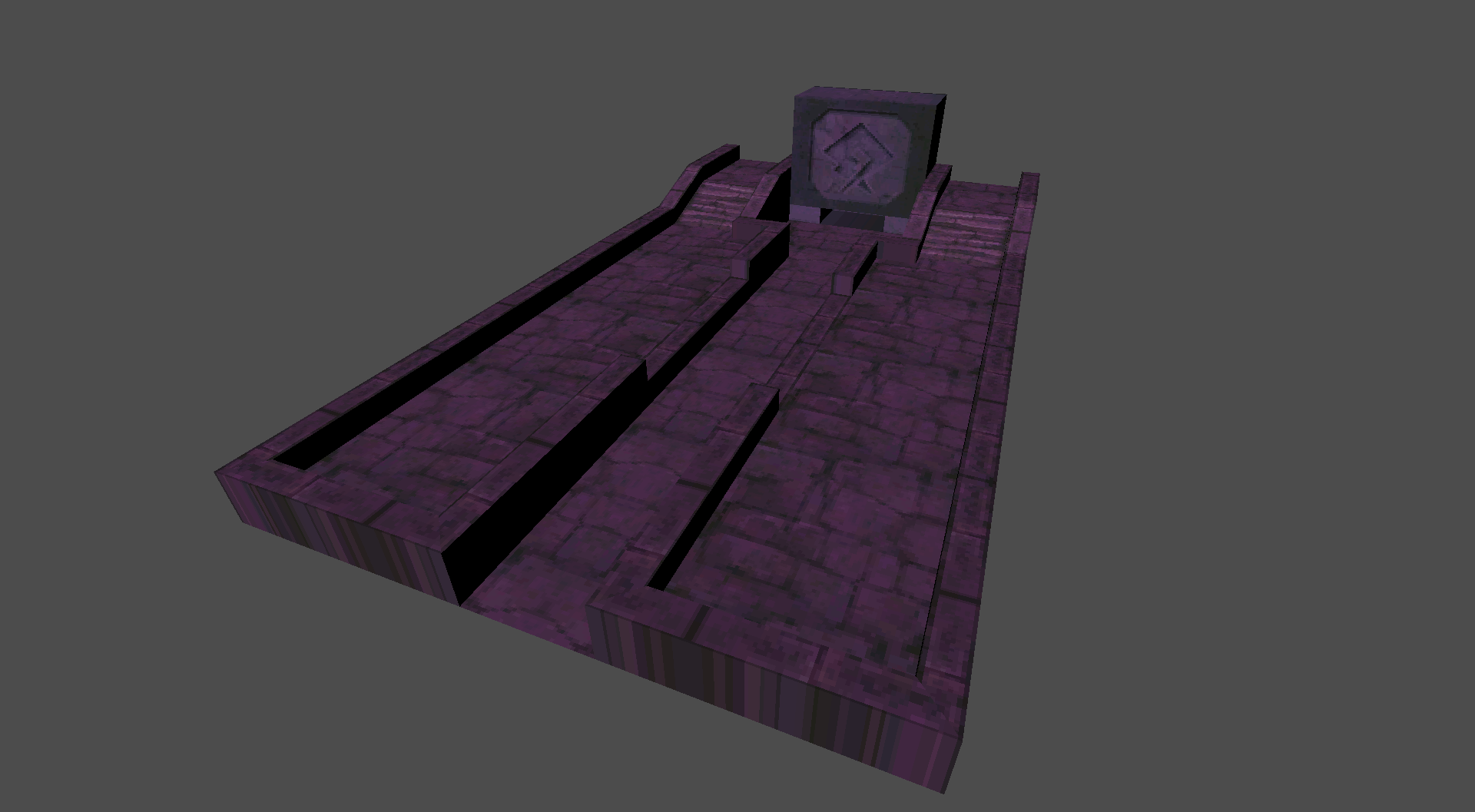
Dark Realm Temple Station Platform#
DSDK is a temple station platform that is not used in the game. This platform was meant for a dungeon in the dark realm, which was cut.
(Source: Hyrule Historia)
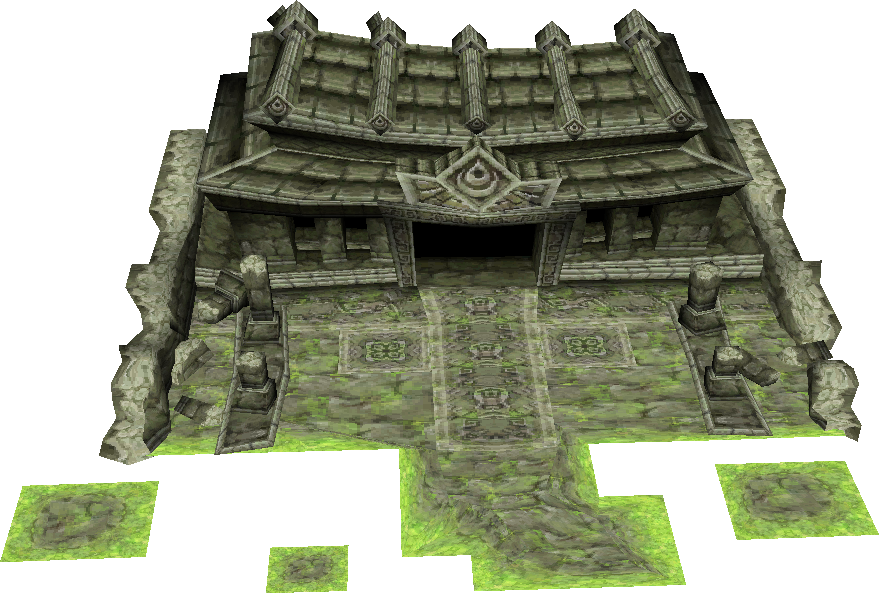
Temple of the Ocean King#
DNGN.nsmbd ("DNGN" stands for "Dungeon") is the Temple of the Ocean King's outside entrance, specifically a 3D model of it, which goes unused. In the final game, Link does get to visit what could be considered a homage to the temple, but he is teleported there instead via a statue in a remote island. It is not clear that this is in any way related to this model however.
Early Sand Temple Exterior#
Early version of the Sand Temple Exterior view. (sand_temple internally.) 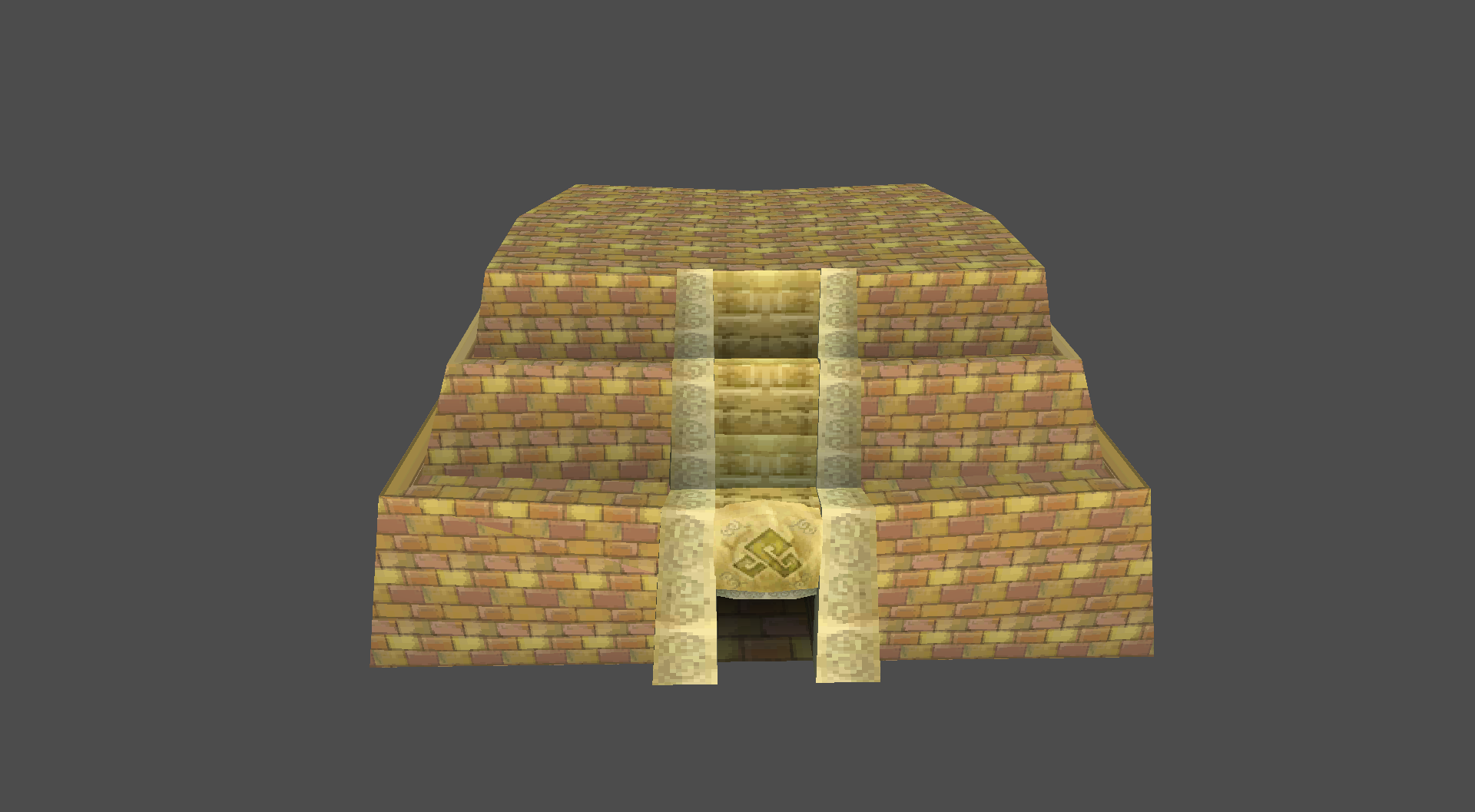
Salvage Minigame (Leftover from Phantom Hourglass)#
Model for the Phantom Hourglass Salvage Arm map. 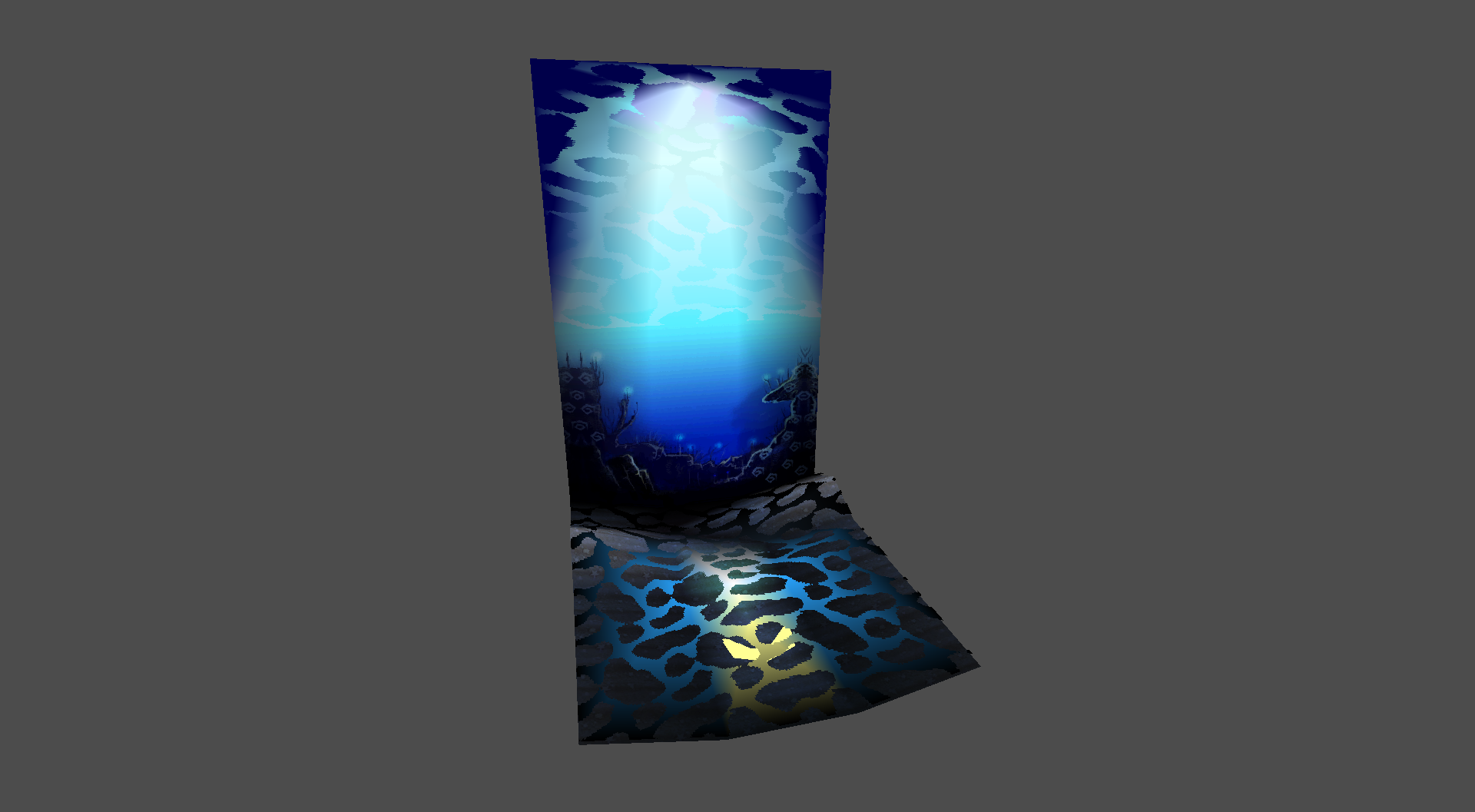
Hyrule Castle Town Train Station Model#
This is a leftover from before the entire Hyrule Town map was implemented using one MapObject. 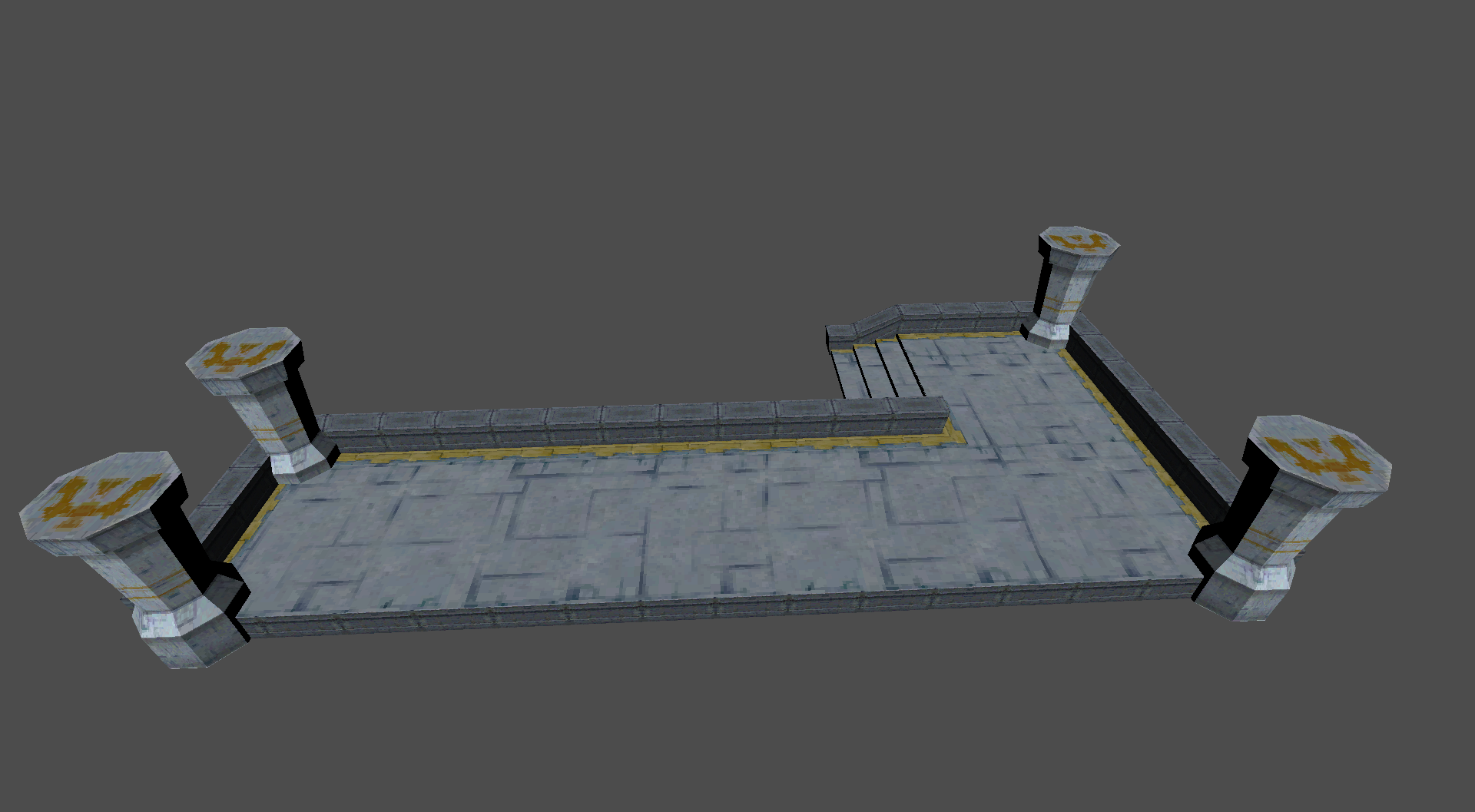
Ciela the Fairy#
Ciela the fairy was ported over to Spirit Tracks with only one animation: bouncing. She is named NAVI internally, like she was in Phantom Hourglass. This is the lower-resolution model of Ciela used as a stylus pointer, not the cutscene model.
Map Models#
Train Fight#
Early train fight sequence interior. 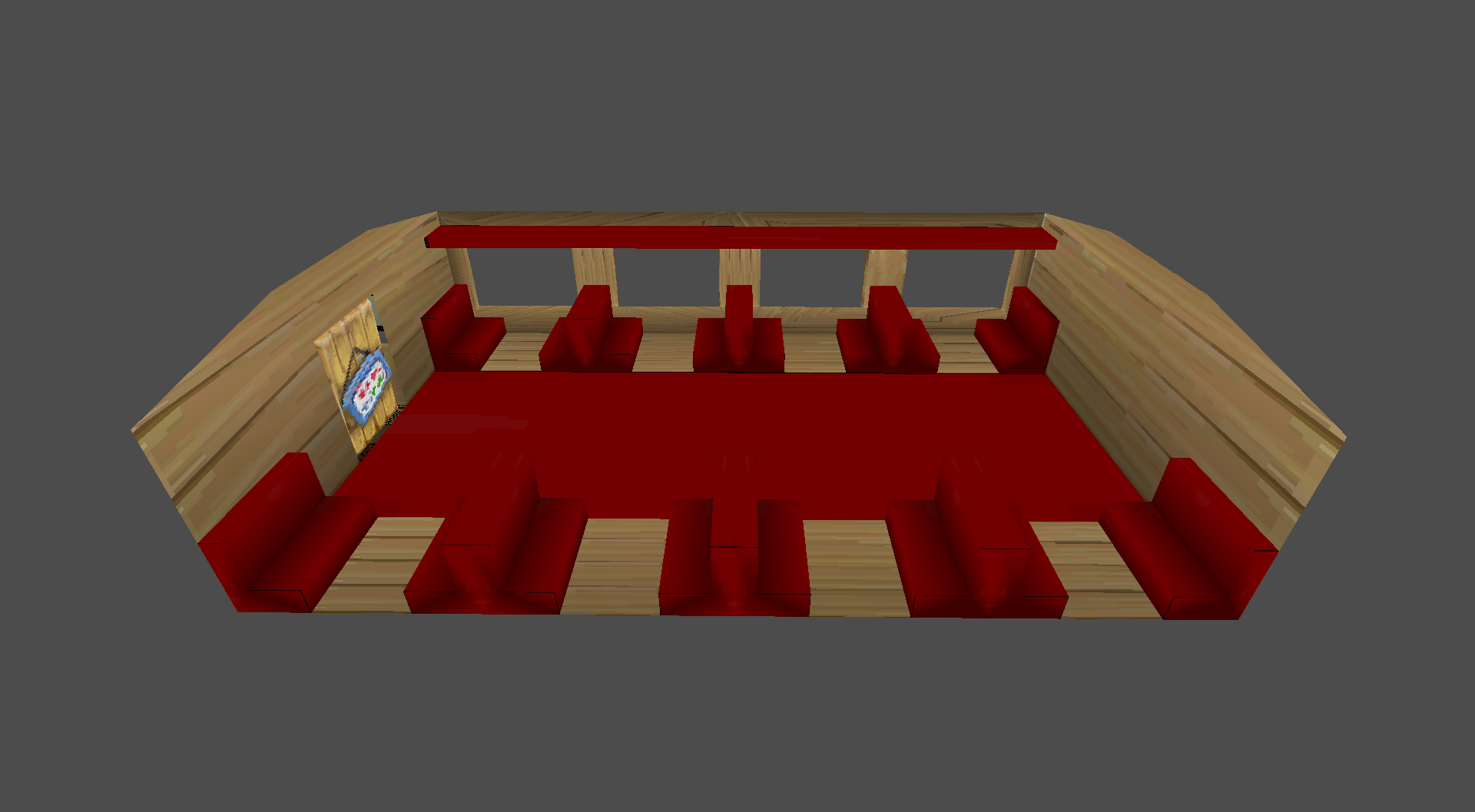
Final Battle#
Early final battle level geometry. 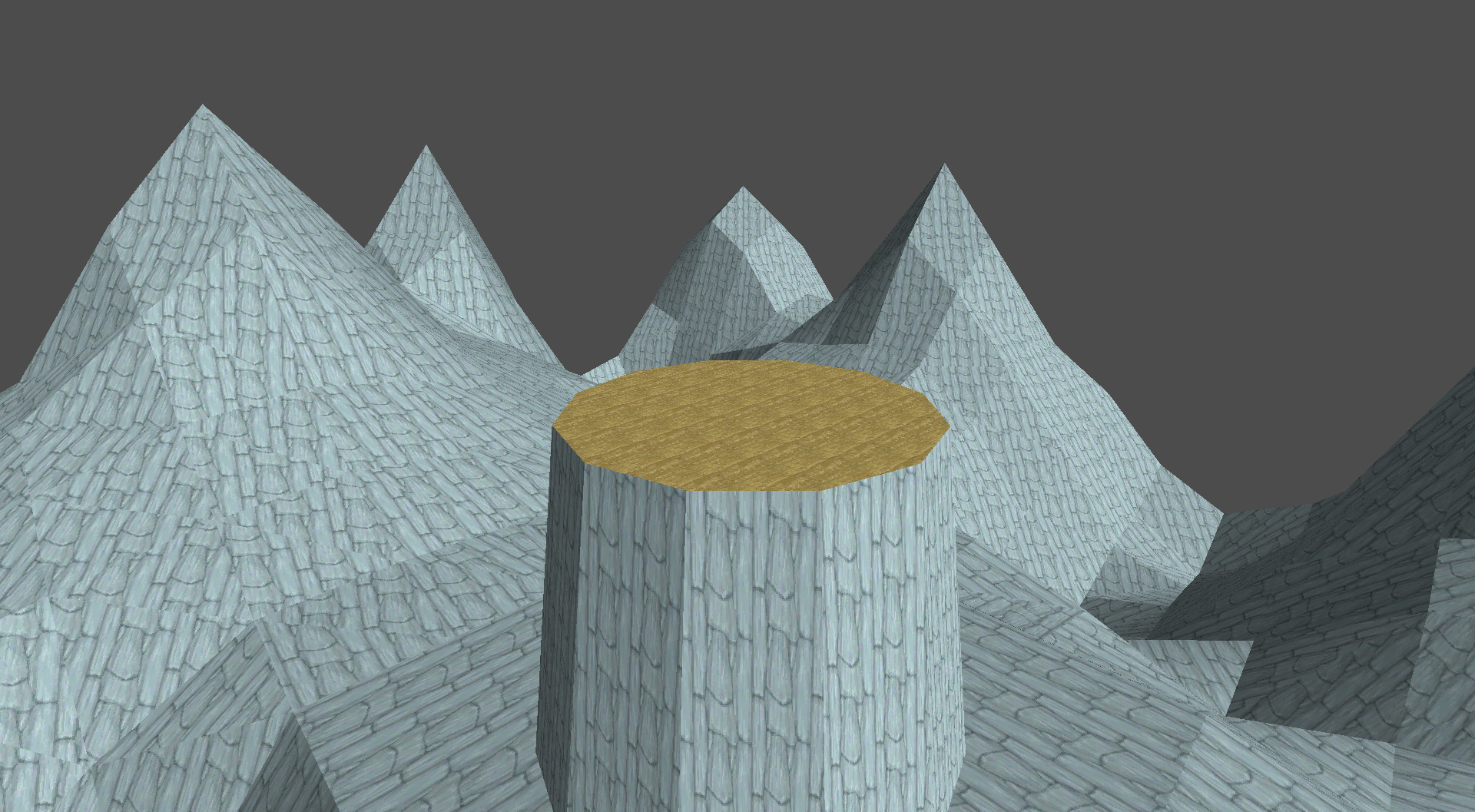
Water Boss v0#
This is a very early, rough version of the Water boss arena. It only contains rough geometric shapes and crude textures, and is usually the first step in creating a map from a piece of concept art. 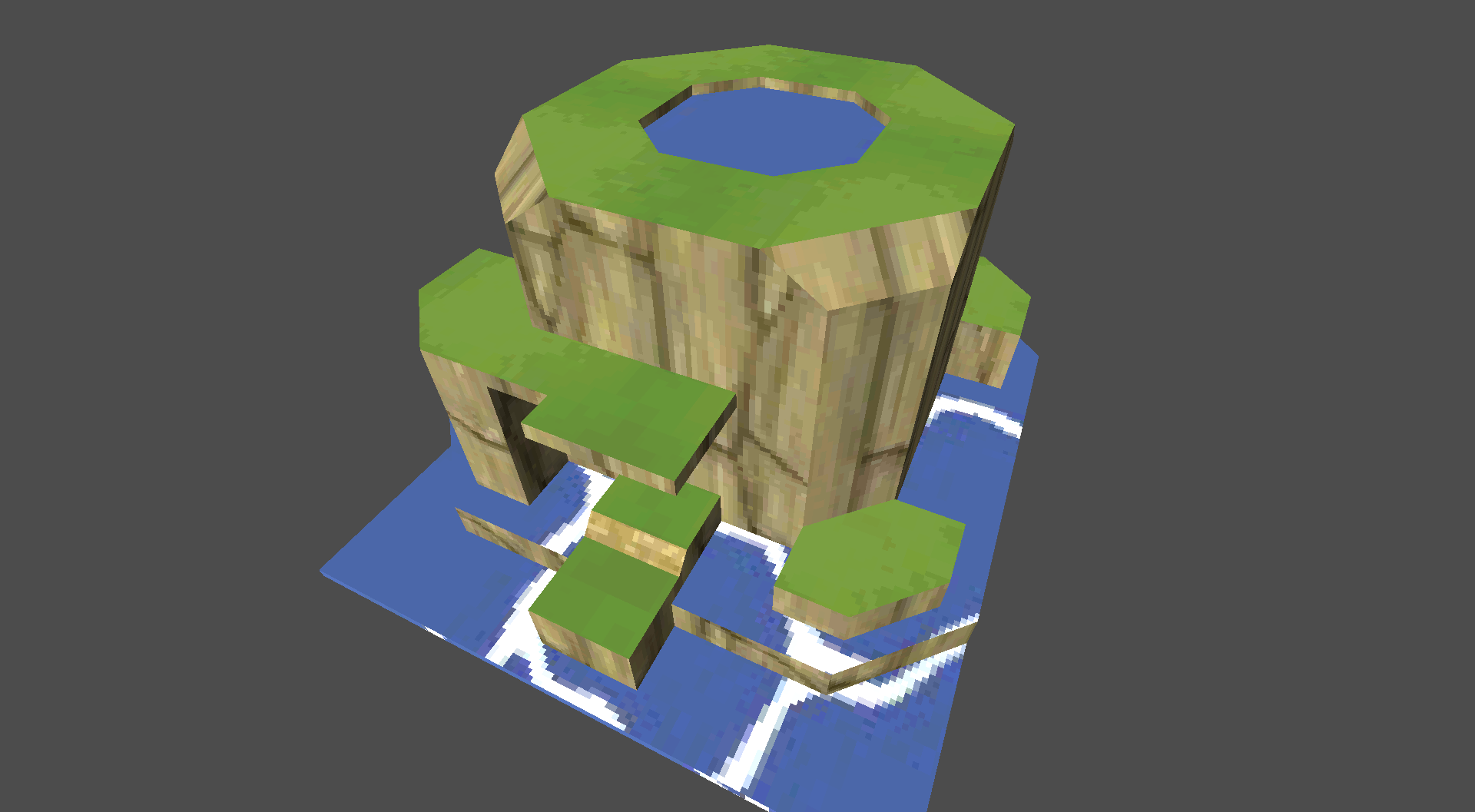
Water Boss v1#
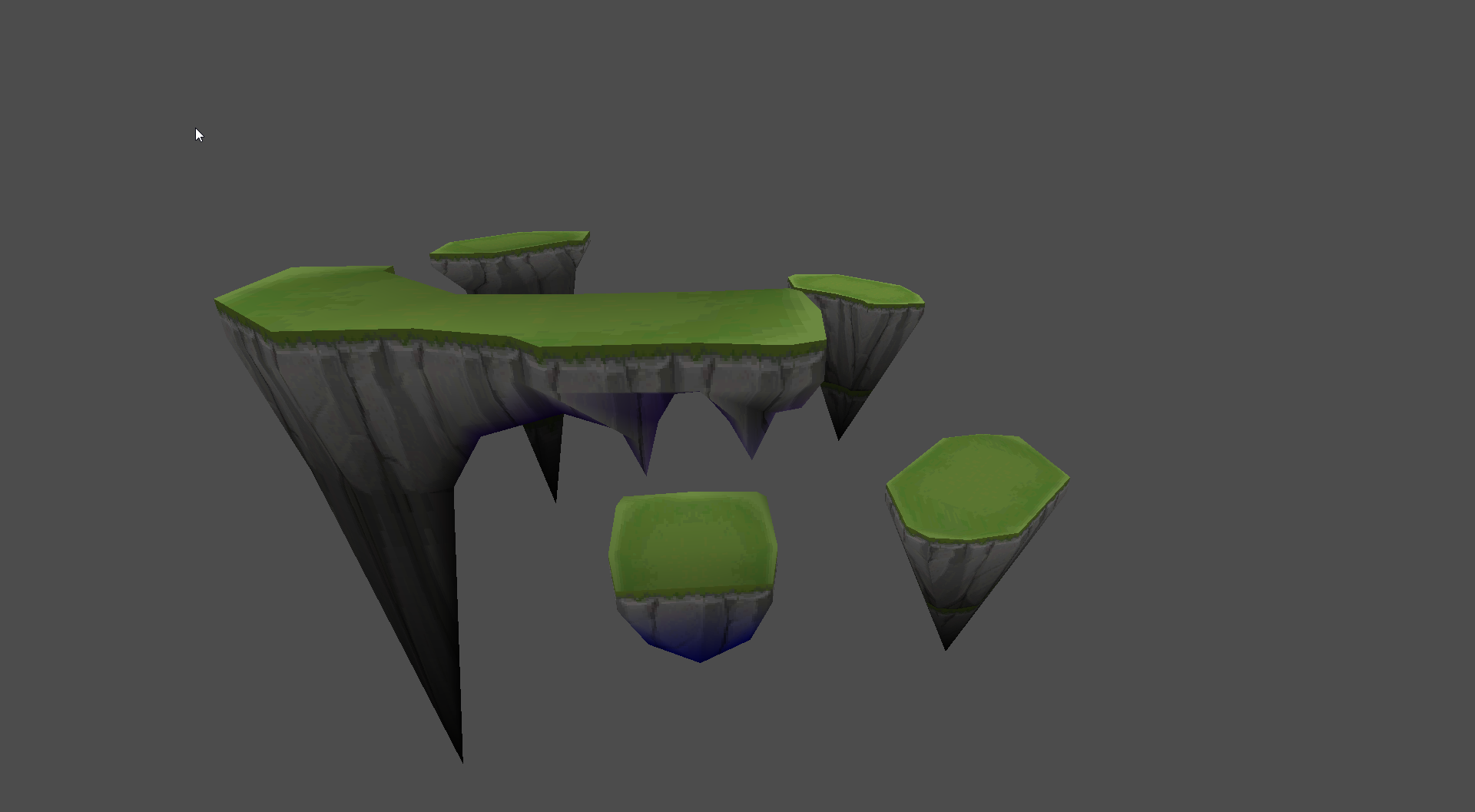
This is a different version of the Water Temple boss arena. Differences include the arcs surrounding the central structure having different, jagged shapes and more natural textures compared to the final one.
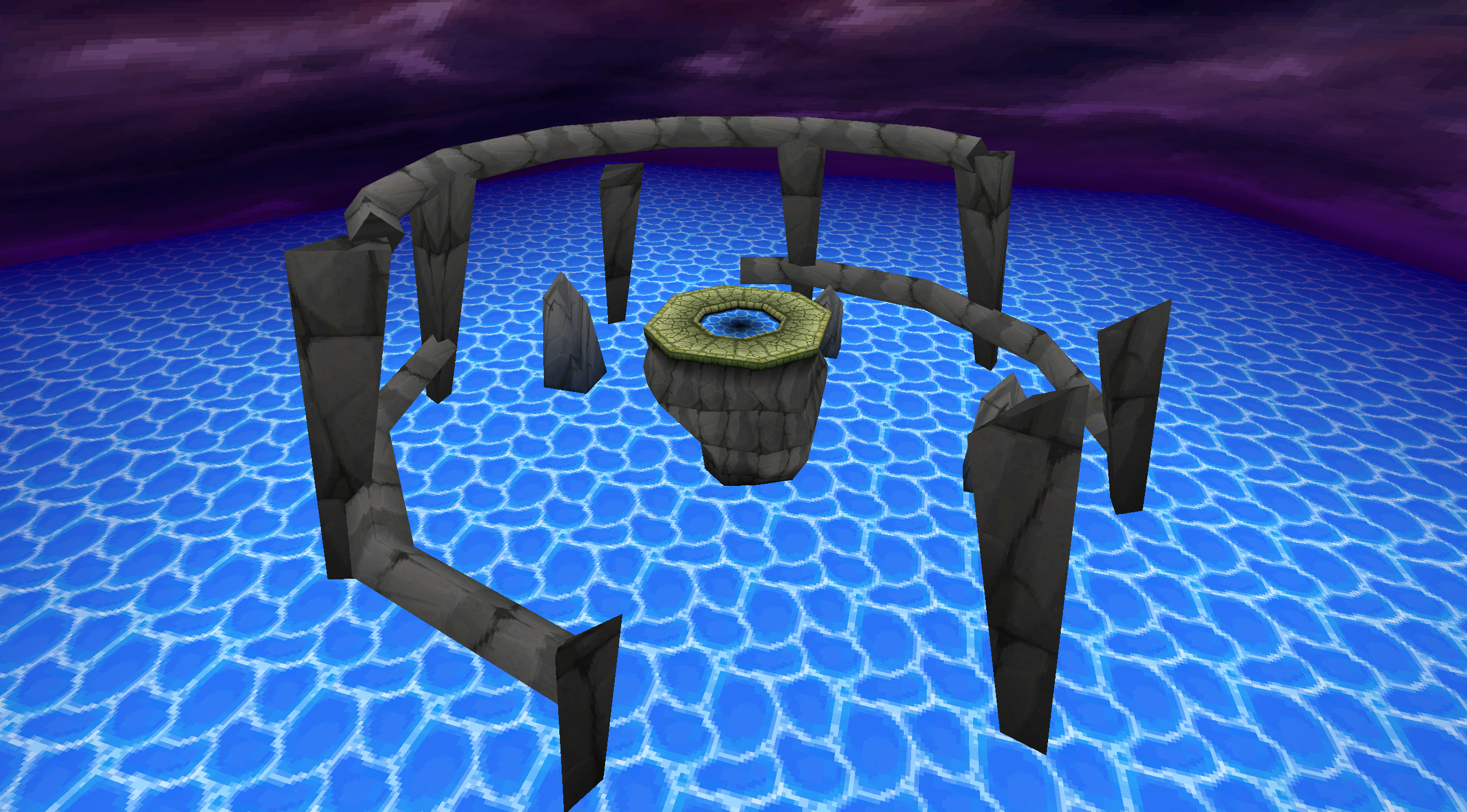
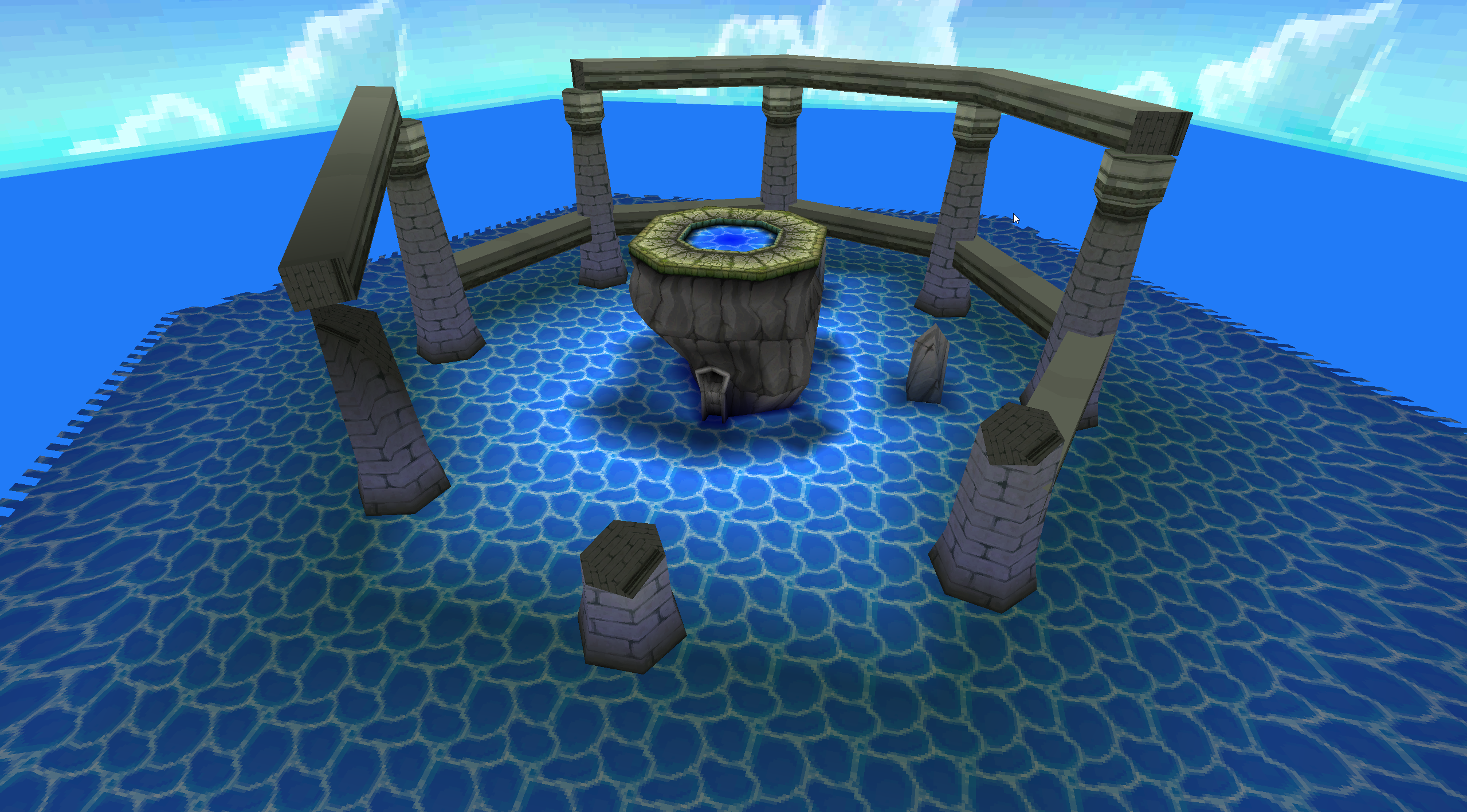
The platforms Link uses to climb towards the pool at the top of the central structure where he fights the boss are also slightly different, and the entrance to the map is part of the platforms and not the central structure, as can be seen by the lack of an entrance in the unused model screenshot above.
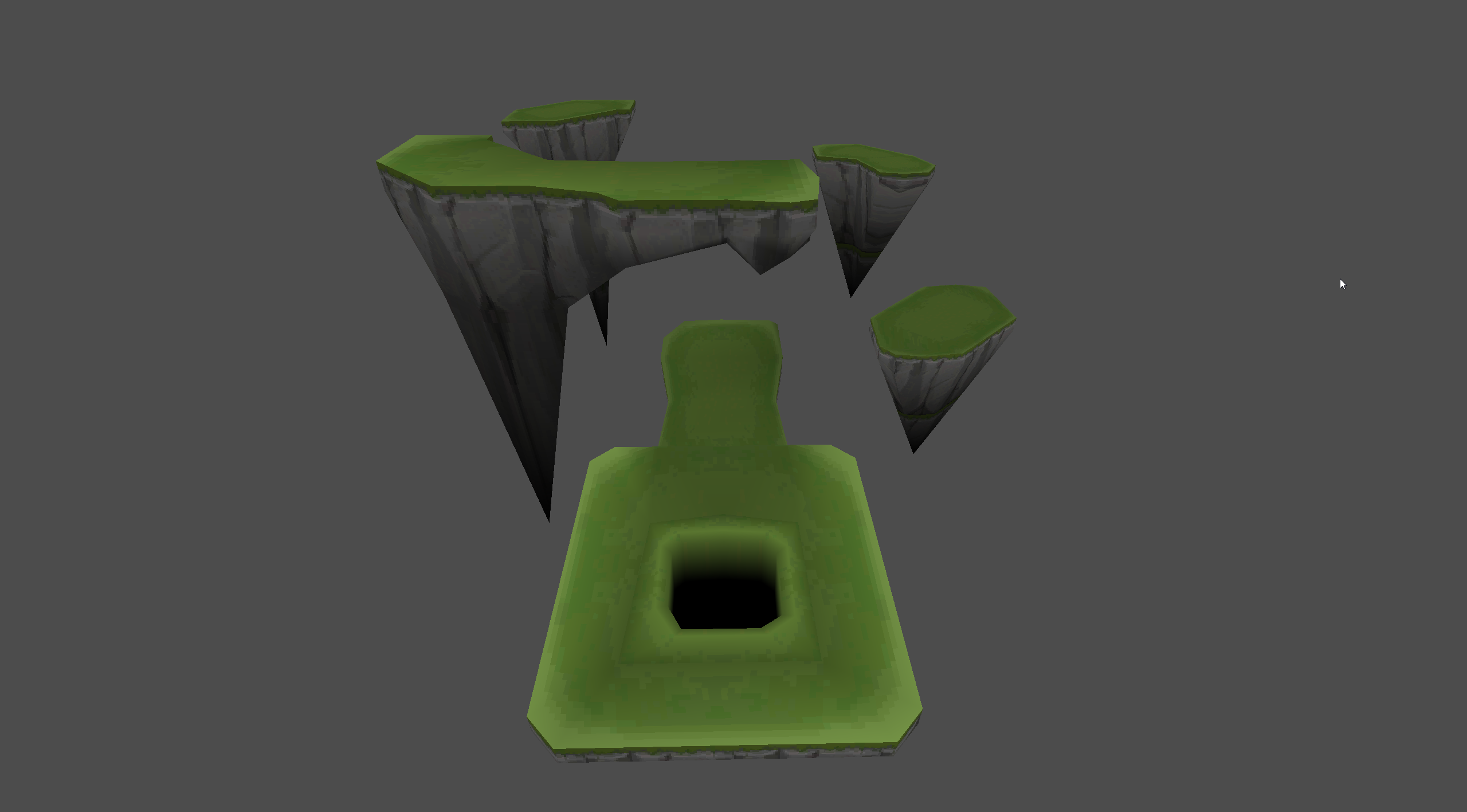
Top of the Tower of Spirits#
Early Top of the Tower of Spirits level geometry. 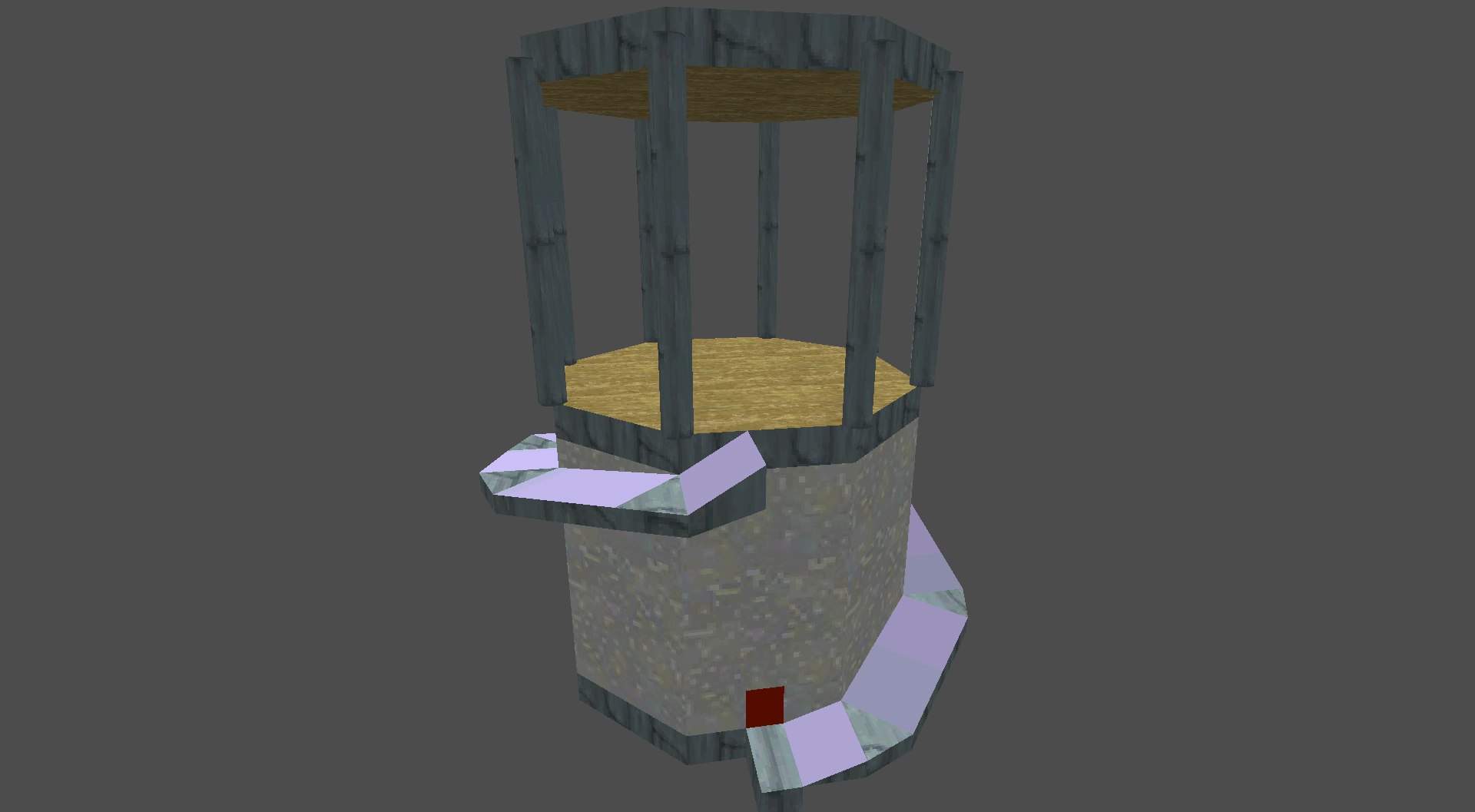
Tower of Spirits Staircase#
Early Tower of Spirits staircase interior. There are 4 versions of this, bottom, two middle ones, and the top. They all look the same though, so they're omitted here. 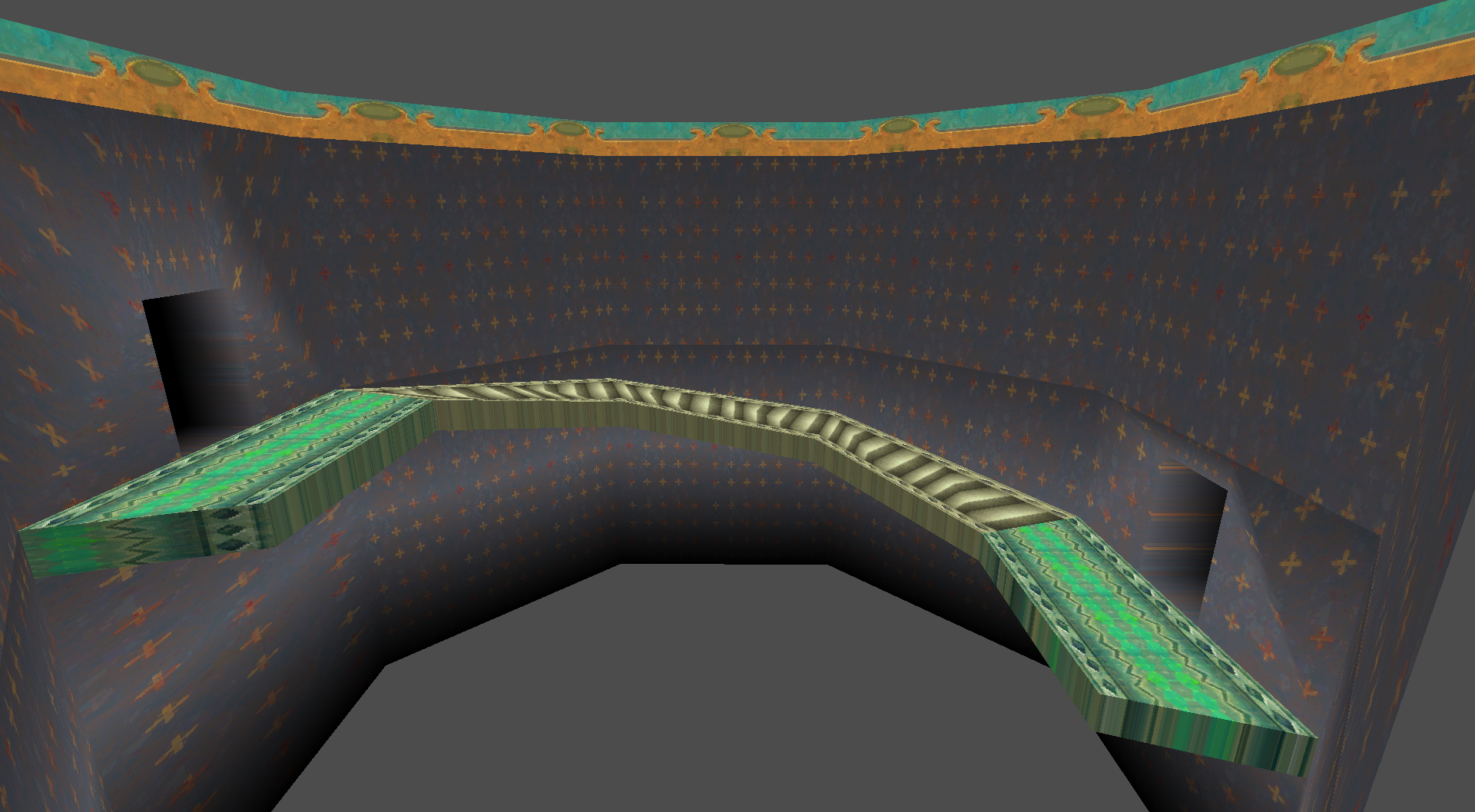
Hyrule Town#
Early model of Hyrule Town. There are three other versions of this. 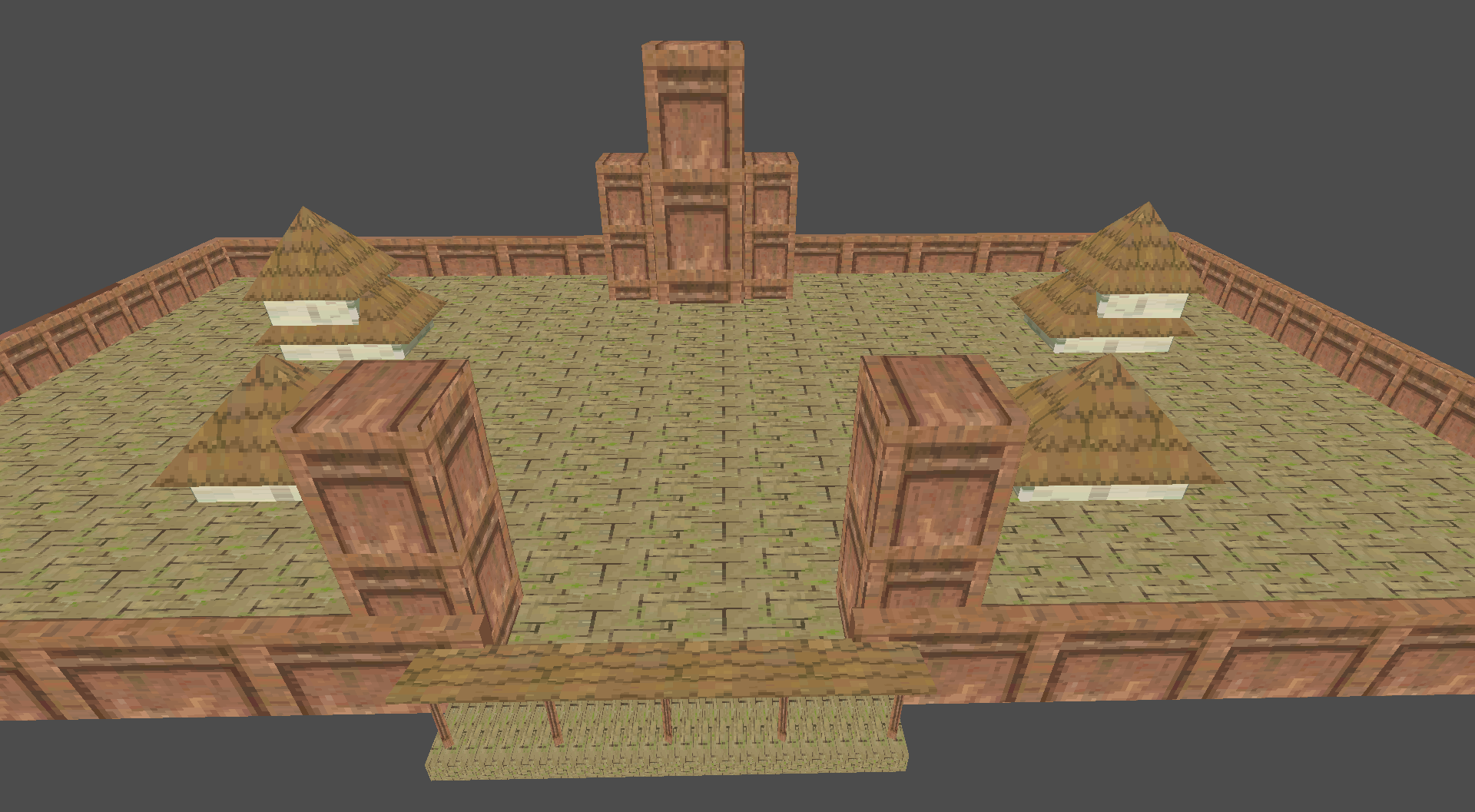
Hyrule Town 2#
Different version of Hyrule Town. There are three versions of this, TRGE, TRDA and TRBF. They all look identical, so only one is shown here. (From the abbreviation, it can be deduced that some of those were used as placeholders for stations on the train map.) 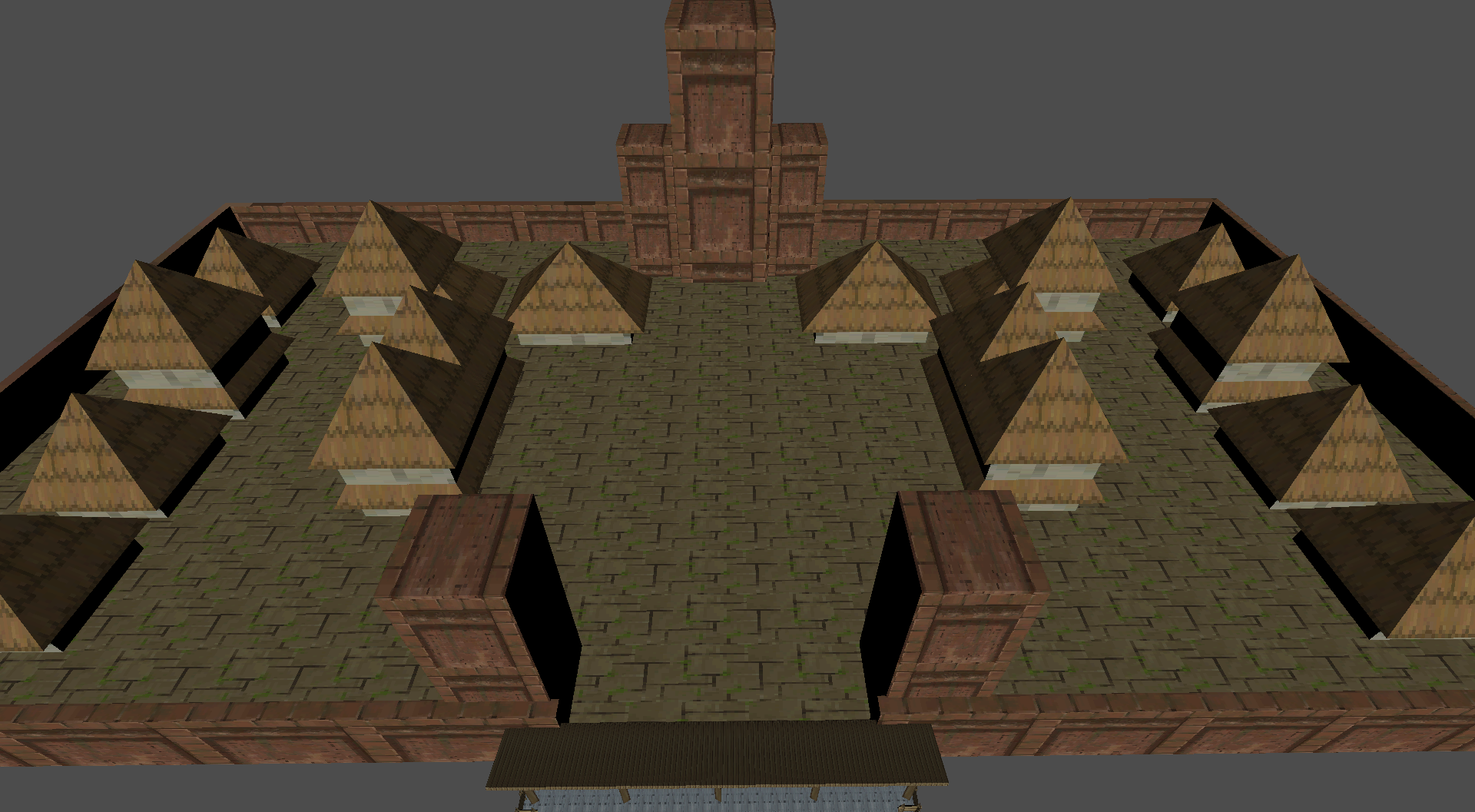
Byrne Fight#
Early version of the Byrne Fight Arena. (Called 'b_tower2' internally.) 
E3 Overworld Map#
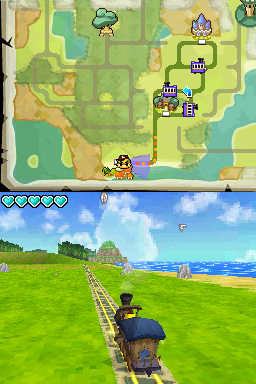
Early version of the overworld forest map from the E3 Demo. 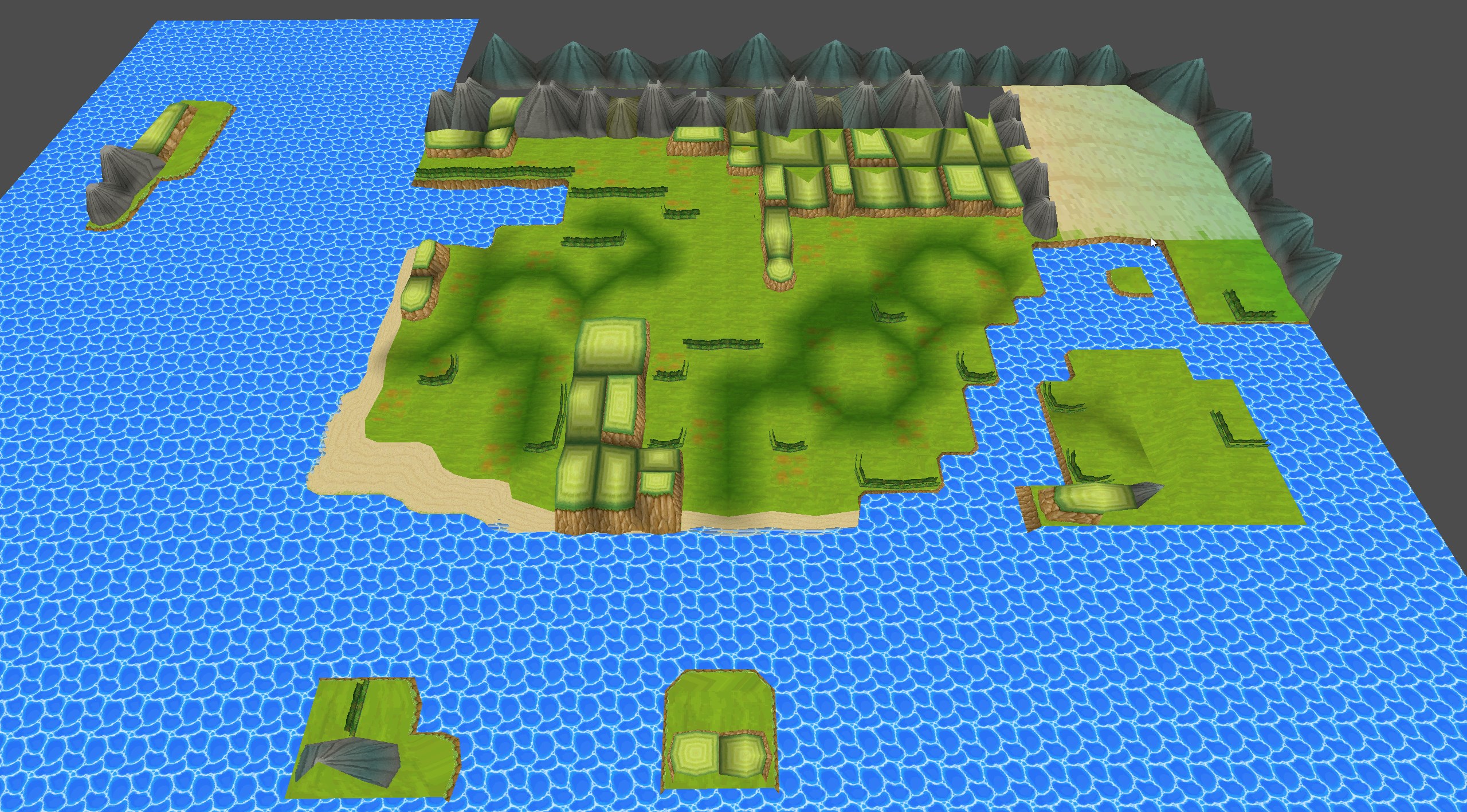
This corresponds to this minimap: 
Note that there is some geometry outside of the area shown in the minimap.
The various odd missing surfaces are due to this being supposed to be viewed from a train perspective, not a birds eye view.
Unused Music#
Two unused music tracks from Phantom Hourglass were carried over to Spirit Tracks. They both use slightly different instruments and echo effects, hinting that these updated versions were meant to be used.
The Boss Battle theme is sandwiched between the Cole/Possessed Zelda battle music, and the "Protect Zelda from Possessed Cole" battle music, so it may have been meant to play for one of those battles, or in an entirely separate part of the final boss.
Name |
Phantom Hourglass |
Spirit Tracks |
|---|---|---|
Boss Battle |
||
Great Sea |
Unused Graphics#
Byrne's Mouth#
Byrne has a fully textured mouth, but the player can never see it since it's always covered by his scarf. 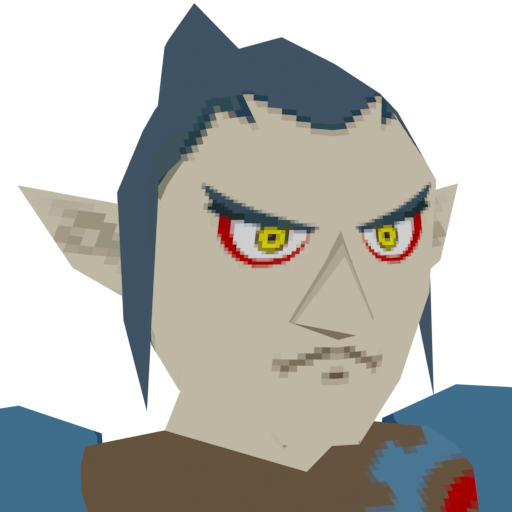
Placeholder Textures#
A bunch of placeholder textures were left over in the MapObj folder.

Found in HOT0.nsbtx, the Japanese text translates to 'Merchant'.

Found in HOT1.nsbtx.

Found in HOT2.nsbtx.


All of these were found in DRMC.nsbtx. The Kanji symbols translate to 'Forest', 'Snow', 'Water' and 'Fire' respectively. Presumably, these were used as placeholders for the realm symbols.
Debugging Leftovers#
DebugFont#

A debug font that is similar to the font used in the FDS version of The Legend of Zelda.
Unused Text#
Alongside the debug font, there is this odd-looking text file.
//-----------------------------------------------------


// This file was generated by g2dcvtr.exe converter.


// Avoid editting this file.


// creation date ==> 02/16/09.


//-----------------------------------------------------


#define    NANR_DebugFont_CellAnime0    0 // コメント未設定
Unused Placeholder Minimap#
The Demon Train map has a placeholder minimap. 
E3 Demo Leftovers#
The demo presented at the E3 convention had three modes: a train section, a dungeon section, and a battle with the first boss.
Unused Graphics#
UI/Textures#
The E3 version used a small red flag on the map to show the target (the Castle City in the demo). Its graphics are still in the final, just unused.


Graphics for the title screen, mode select, and ending screens are still present, as well, plus Mic Test menu graphics. Oddly, only the English versions of the graphics are present, although there are multiple language files for the demo text.
Maps#
|
|
To do: |



|
E3 |
Final |
|---|---|

|

|
|
E3 |
Final |
|---|---|
|
|

|
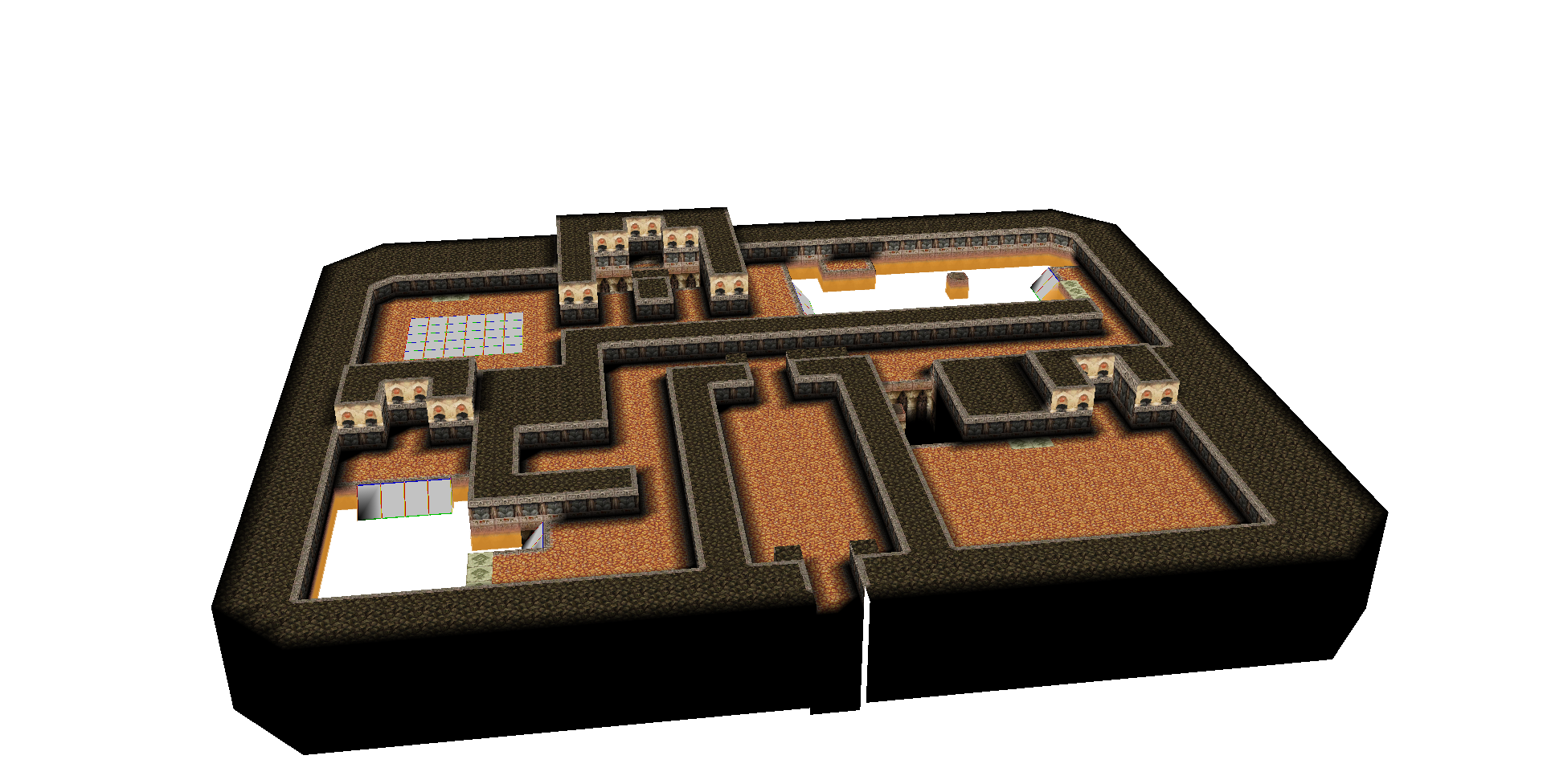
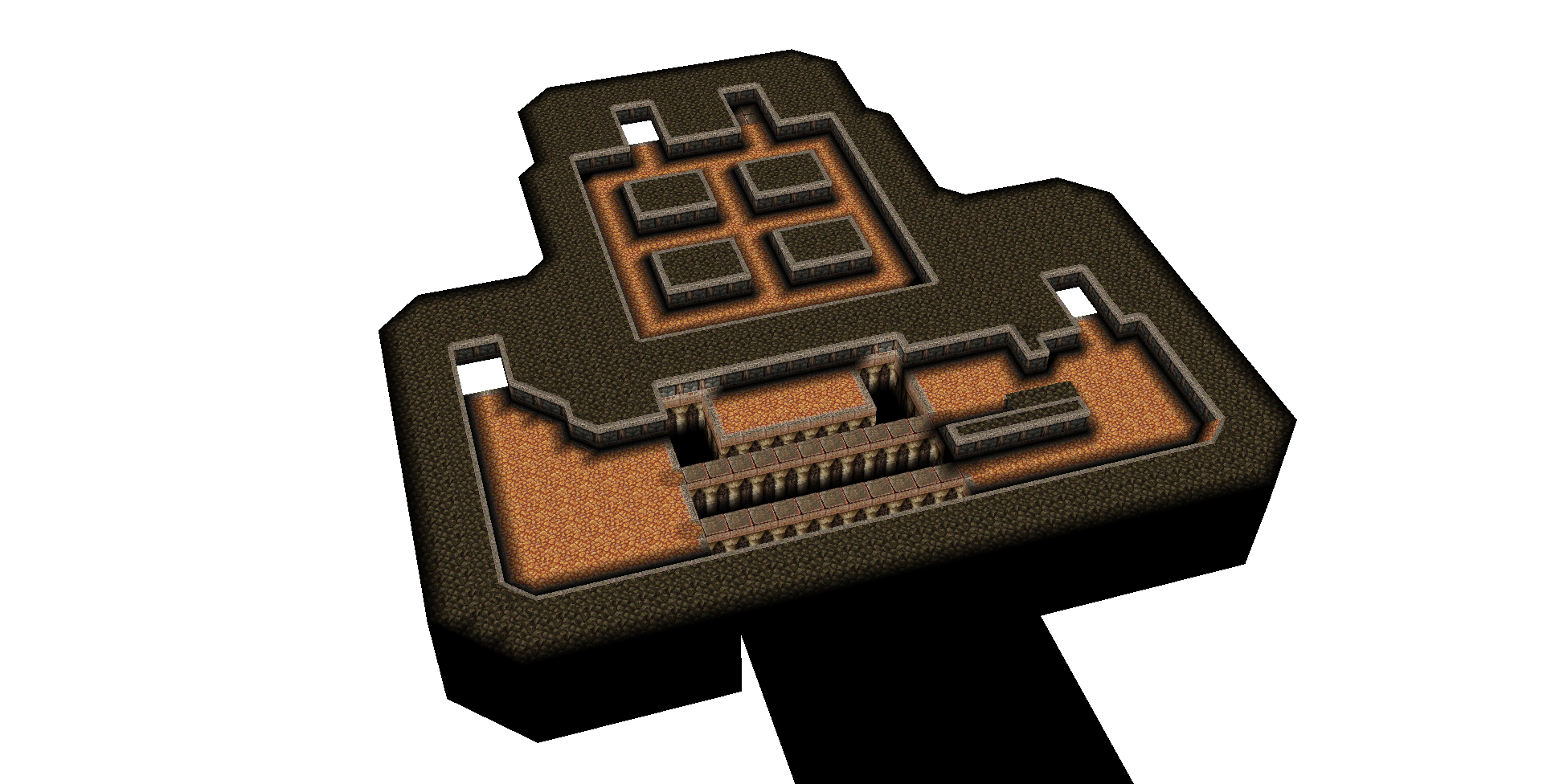
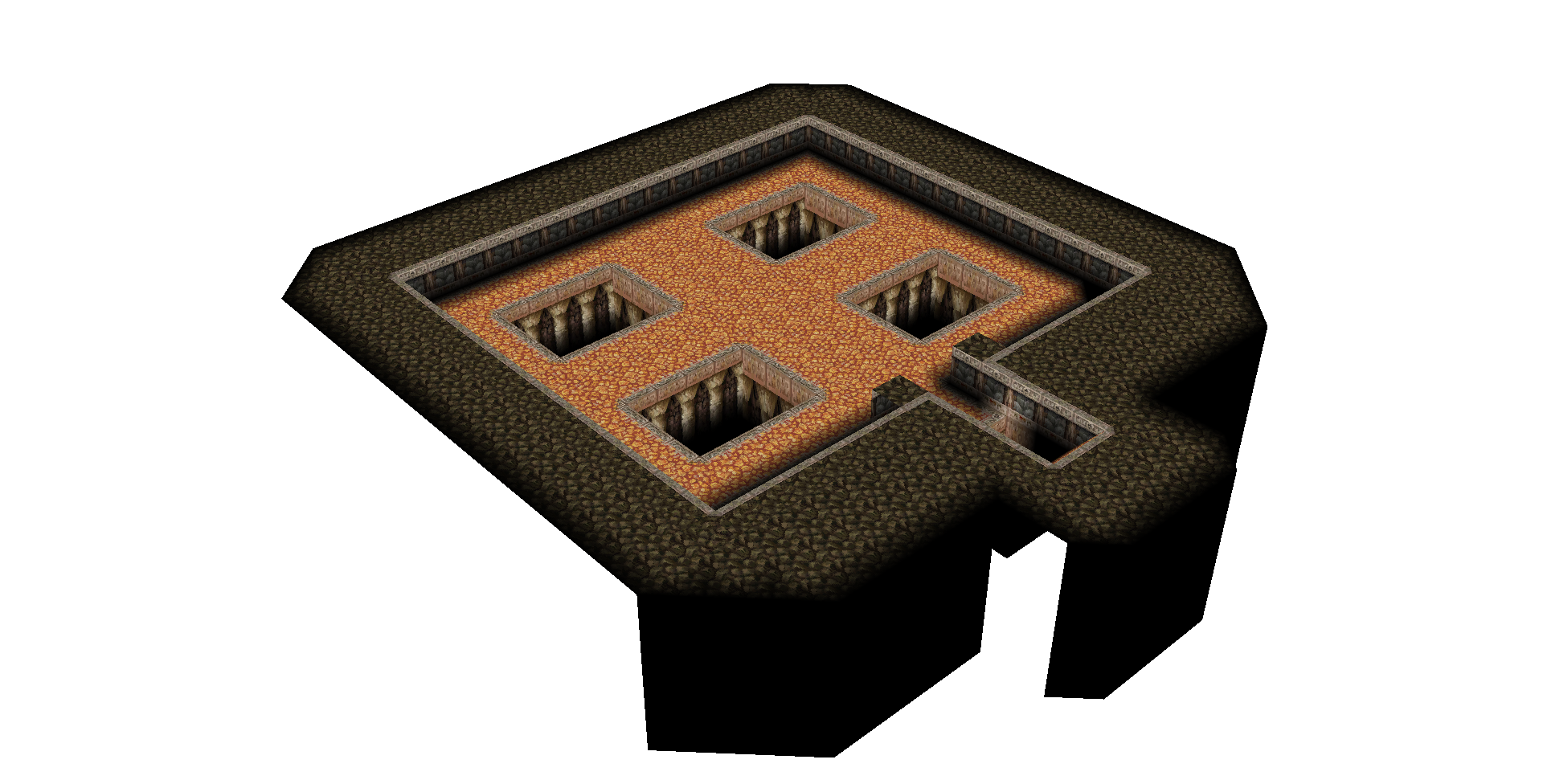
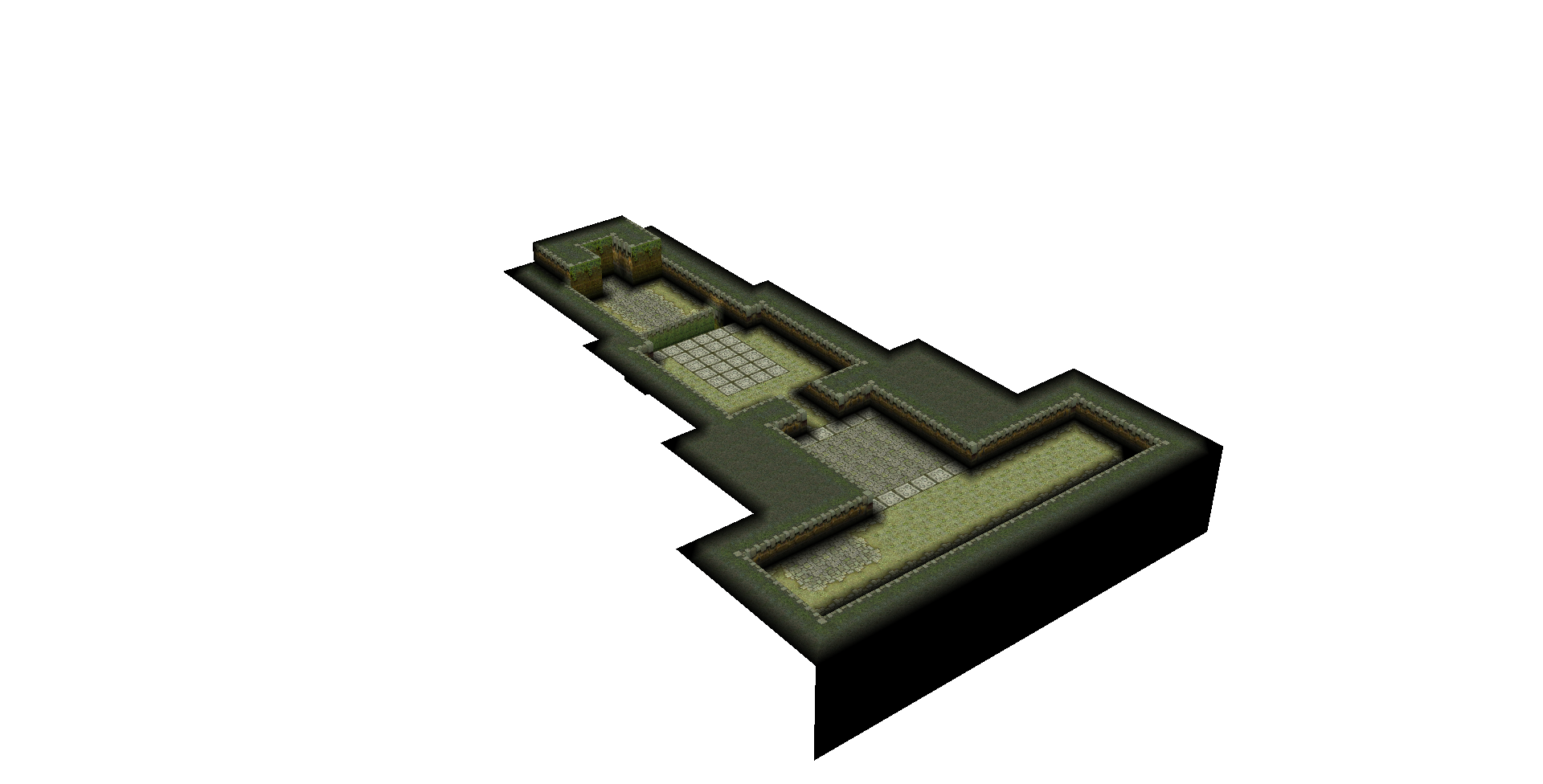
Leftover E3 map images for the touch screen. These cover the E3 dungeon, boss room, and the outdoor tutorial area.
(Source: Original TCRF research)
Unused Dungeon#
Watch on YouTubeThe E3 dungeon is roughly a compilation of many puzzles from other dungeons in the game in a fire setting, but it's still present in the final. It can be accessed in the European version by using an Action Replay code to delete the current save file and replace it with one that triggers the E3 dungeon when opened (start a new game, hold L + R while saving, quit, then reload). The code is:
(M)
00000000 00000000
00000000 00000001
00000000 04000136

E3 Dungeon (overwrites gamesave)
94000130 000000ff
02262060 00000052
02262064 00000000
02262068 00000000
0226206c 002b0000
02262074 00000052
02262078 00000000
0226207c 00000000
02262080 002b0000
d2000000 00000000
92265340 00005544
92265322 fffd0000
da000000 02265322
d4000000 00000002
d7000000 02265322
d2000000 00000000
There are some oddities with the dungeon, though, alongside glitches not present in the E3 demo:
- The text said by Zelda at the beginning is unused in the final, and is fully translated in other languages.
- When entering a new floor, Zelda exhibits a strange behavior: instead of entering first then Link coming after her, she tends to enter with him at the same time, which causes her to partly clip with the walls. She is also not supposed to be playable outside the Tower of Spirits.
- The stairs leading to the lava pools are untextured and often have glitchy behavior.
- Some triggers are non-functional: the shortcut door at the right side of the entrance opens prematurely, before its switch is pressed. The big chest holding the Whirlwind item appears before the enemies are defeated. Same goes for the big chest holding the heart piece in the miniboss room, which is there even before the miniboss is defeated.
- The dungeon is totally disconnected from any other rooms from the main game.
Unused Text#
|
|
To do:
|
In addition to the unused dungeon text documented above, the English/Message/train_extra.bmg file includes unused text that was likely used in this demo. Note that this text refers to "Link" directly, rather than using a control code to refer to the player's inputted name.
Demo |
Final |
|---|---|
Listen up! I'm going to |
You've probably got all this |
This is the Gear Box! |
This here is the gearbox. |
Flip it to [v] to go in |
Slide to [v] to go in |
This is the whistle. |
This is the whistle. Touch |
To look around, touch |
Oh, and you can look |
Touch up, down, left, |
Good engineers are always |
Got that? |
So, you catch all that? |
Fine. I'll explain it again! |
All right, all right. Here it |
Slide the lever on the |
Now set the gearbox lever |
There's an animal on the |
Moink on the tracks! Blow |
Hey! There's something |
Moink on the tracks! Blow |
The train can't take much |
Unknown |
Stick with it, Link! |
Unknown |
Regional Differences#
|
|
To do:
|
The American and European versions of Spirit Tracks, like many other Nintendo games, contain two different English translations, due to being localized simultaneously yet independently by Nintendo of America and Nintendo of Europe. In most cases, the American translation generally takes more liberties, while the European one has more literal dialog. Some sentences with grammatical errors found in the American version were fixed in the European version. They also have different names for many of the characters, items, and locations.
The French and Spanish scripts, while being present in the American version, were completely redone by NoE down to some of the names, due to subtle differences between the European and the Quebec/Latin American dialects.
While the American and European versions have the text aligned to the left, the Japanese version has the text centered.
Also, the Japanese version made the Tower of Spirits slightly easier. On the fifth visit, two puzzles were shortened significantly and on the sixth visit, the final floor is now entirely optional.
Anti-Piracy#
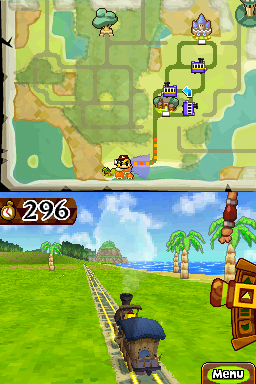
Watch on YouTubeThis game utilizes the DS Protect anti-piracy library to ensure that it is not being run off a flashcart or emulator. The game removes the train control UI if any of the DS Protect checks fail. The player will not be able to use the gearbox or whistle, and the timer for getting to Zelda's castle will also be removed. The train whistle specifically is required to make progress in the train's tutorial, as it is used to scare a pig off the tracks early on. Without the whistle, the player will simply run into the pig, stopping the train completely with no way to start moving again. Even though the timer is invisible, the time limit is still effective. Once the slated 300 seconds run up, the player is kicked out of the train tutorial like normal and greeted with the same dialogue for running out of time.
Interestingly, when the player hits the pig with the train, as well as when the pig gets mad and runs into the train itself, the train's health does not decrease. This indicates that it is impossible to actually lose health during the train tutorial, which the player cannot observe under normal circumstances due to the train's health bar being hidden during the tutorial.
|
Original |
Pirated |
|---|---|
|
|