
|
This page or section needs more images. |

|
To do:
|
Because of its heavy reliance on verbal language and different management between the localization teams, Rhythm Heaven Fever had to go through a number of changes when it was brought outside of Japan. This included the re-balance of certain rhythm timing, the replacement of an entire minigame, and (in the Korean version's case) their own cultural localization as well.
Wii Home Menu Channel & Save Data Banners#
Like most other Wii games, the region's appropriate logo and background is used for the game's Wii Home Screen Channel Banner. This also applies to the Save Data Icon and Save Data Banner.
Wii Channel Banners#
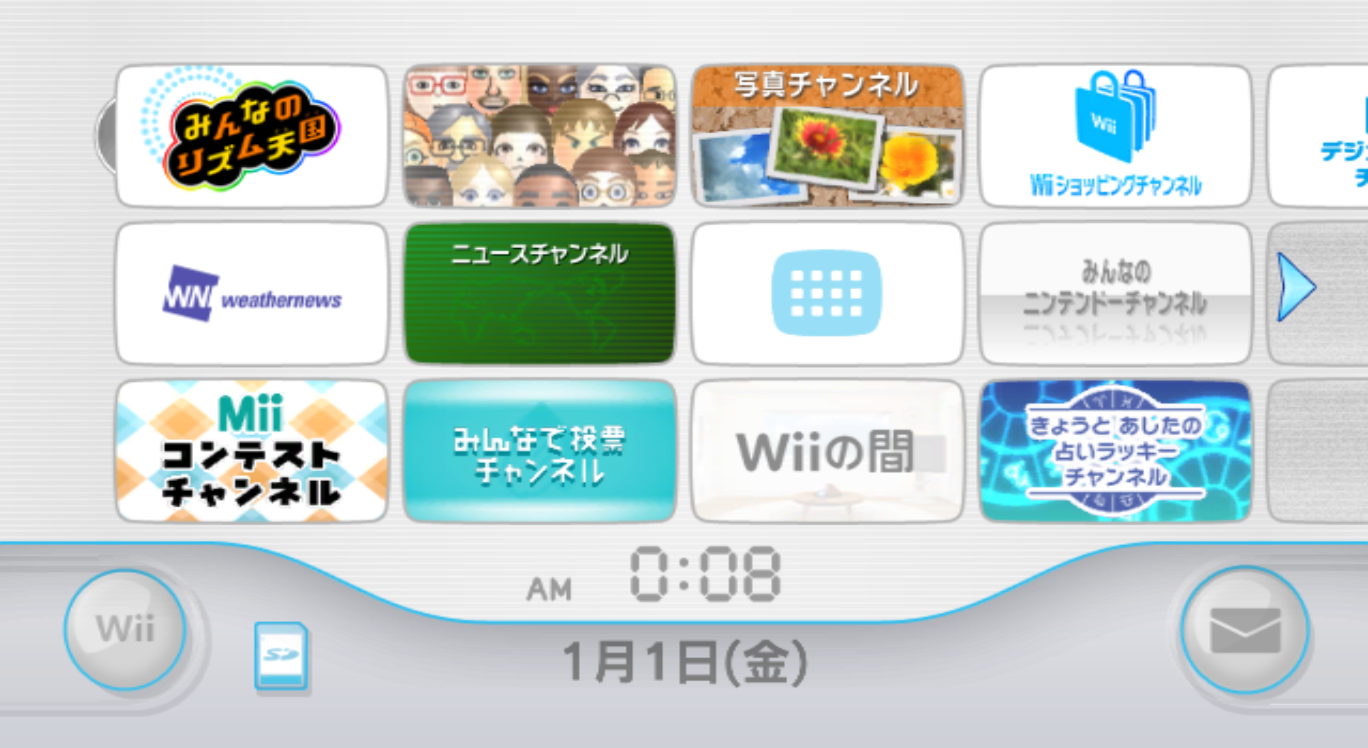
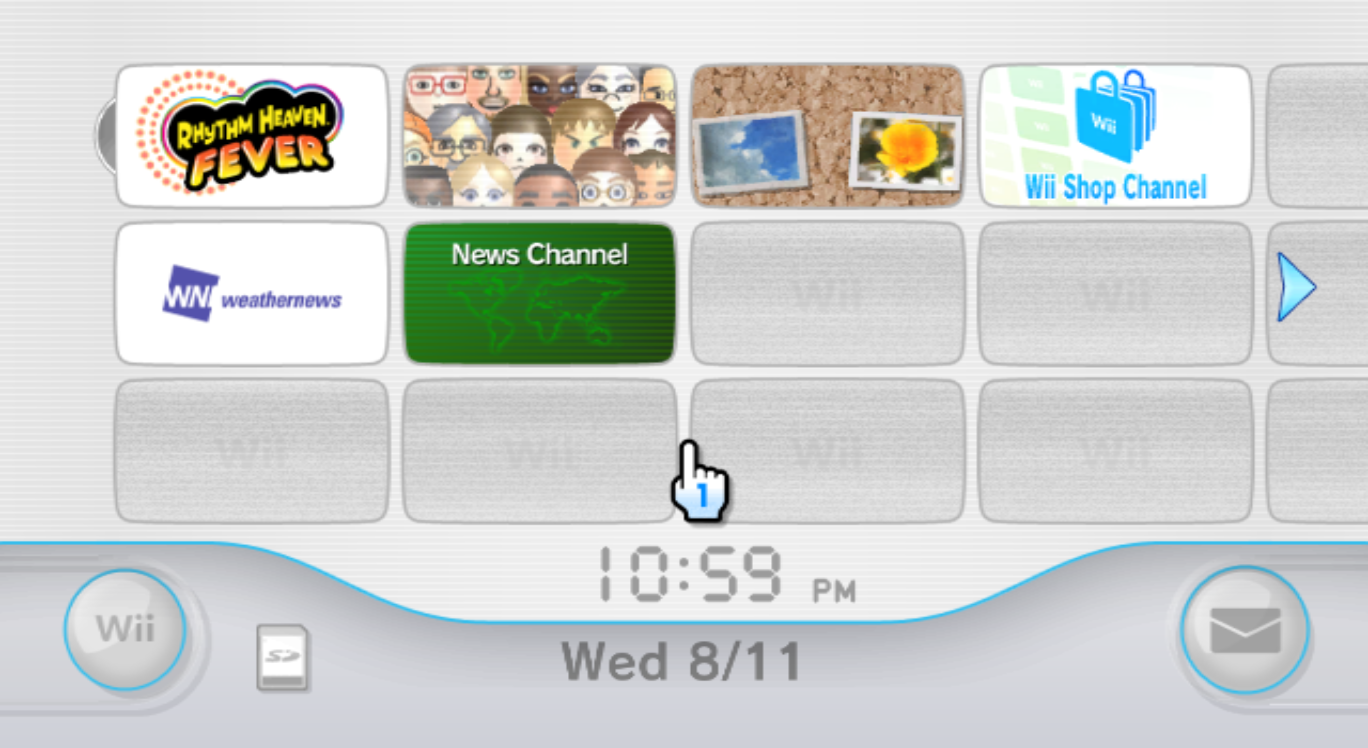
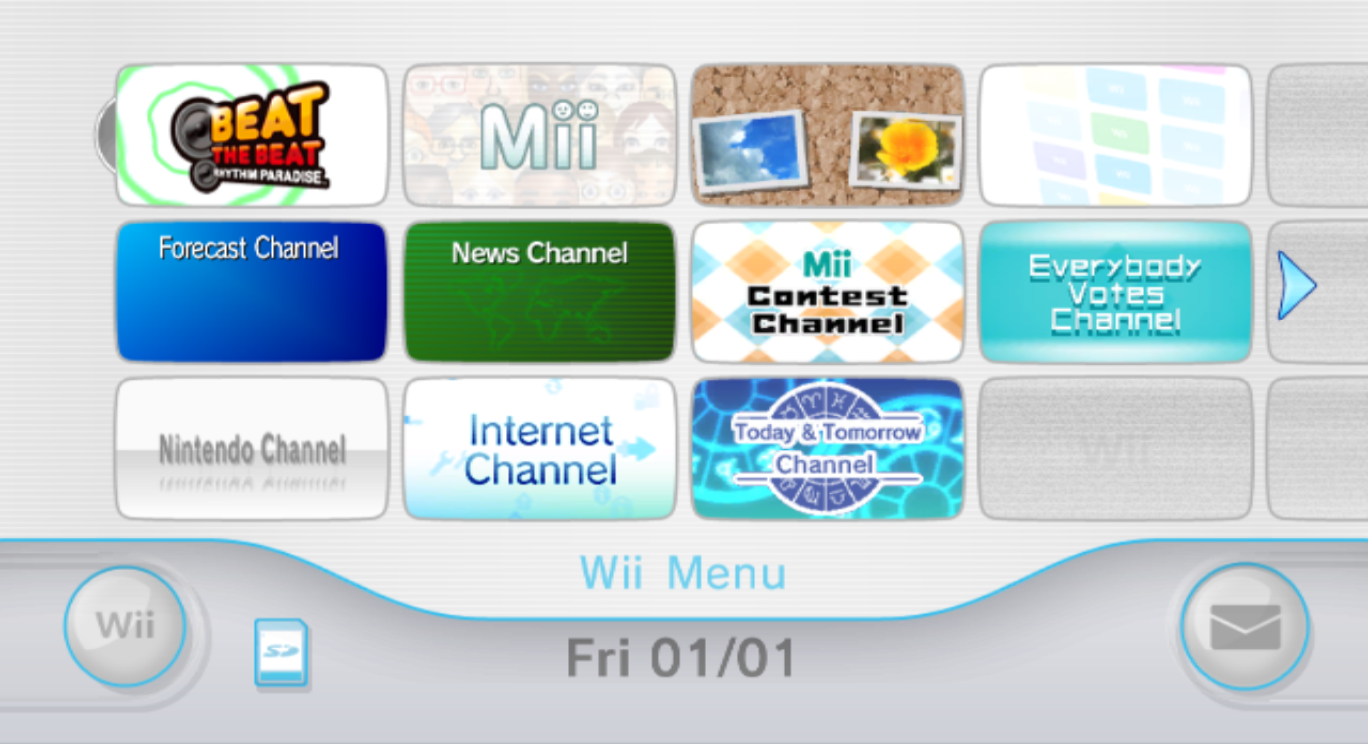
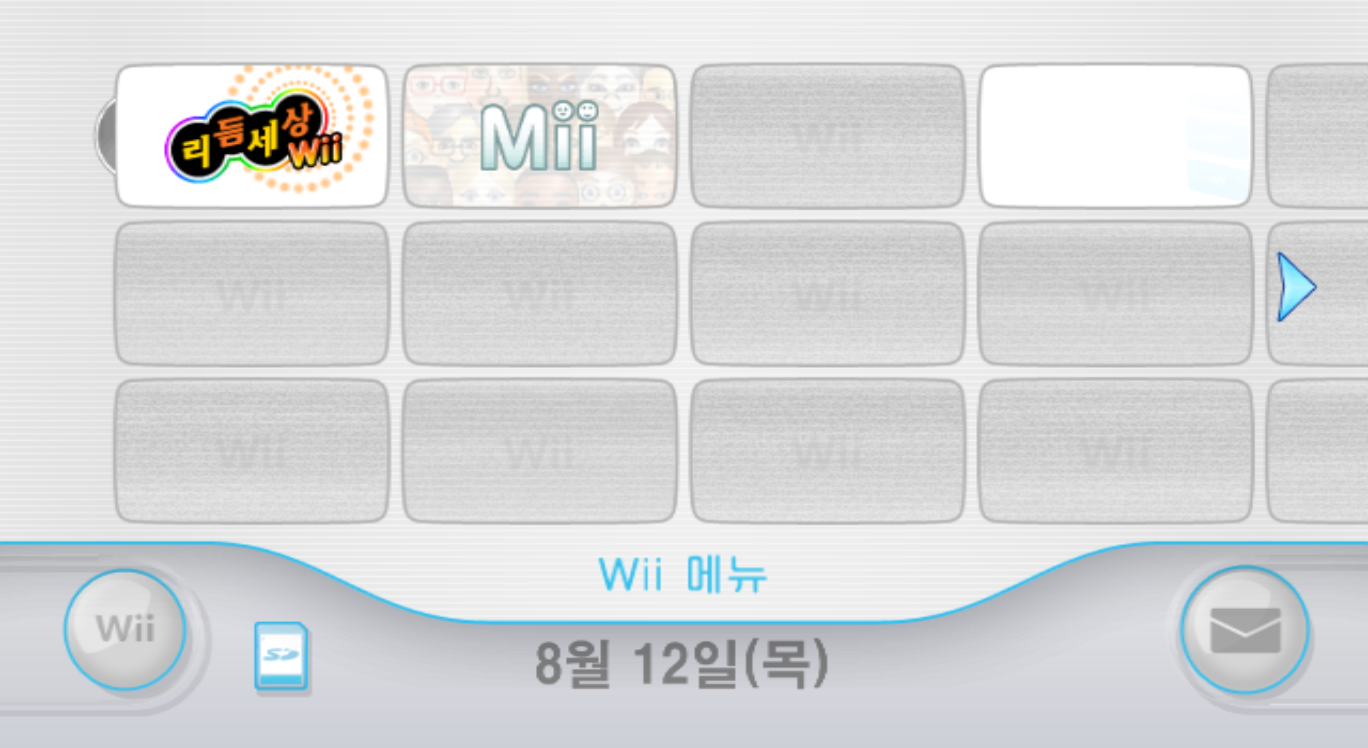
On the Wii System Menu screen, when the game's disc is inserted, the effects for the Japanese, North American, and Korean version's banners are colored firework-like circles. The European version changes these to colored sound waves, to better match up with its logo. Marshal/Matt, Cam & Miss Ribbon still pop-up though.
Japan |
North America |
|---|---|
 |
 |
Europe |
Korea |
 |
 |
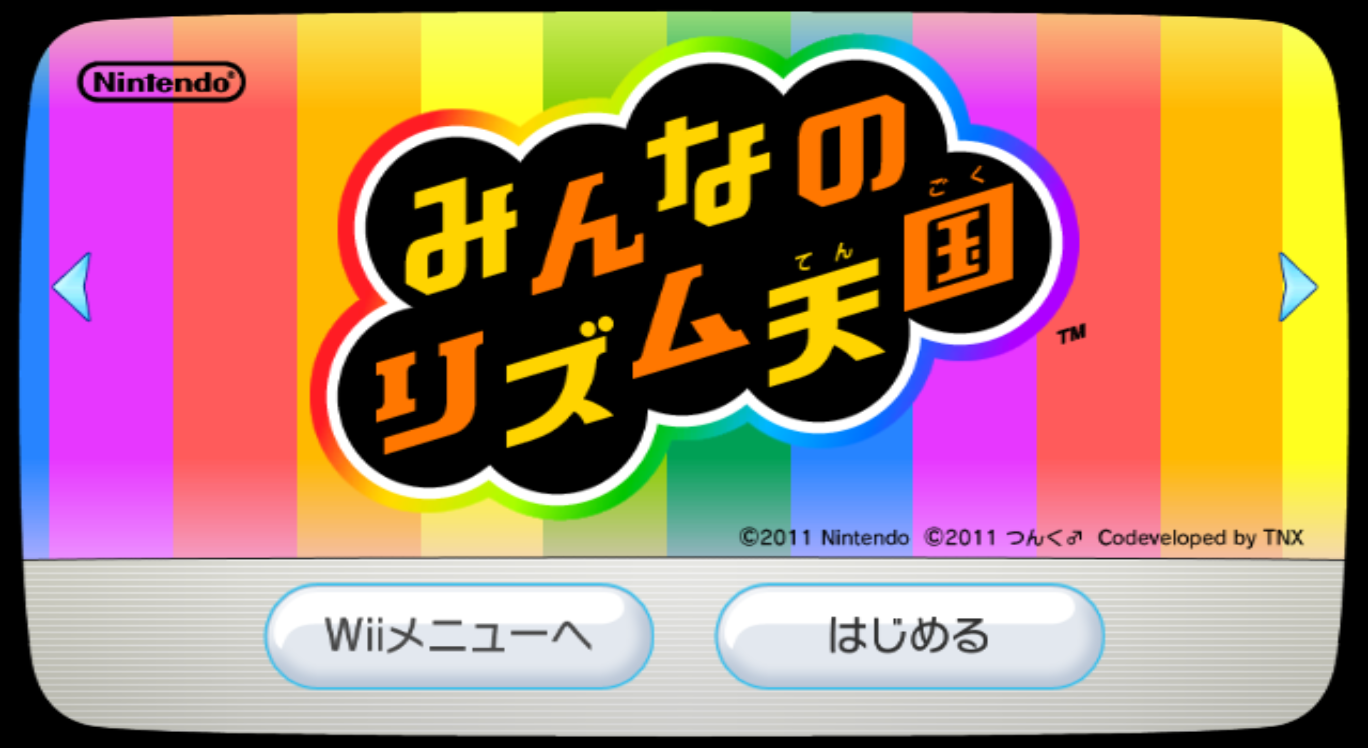
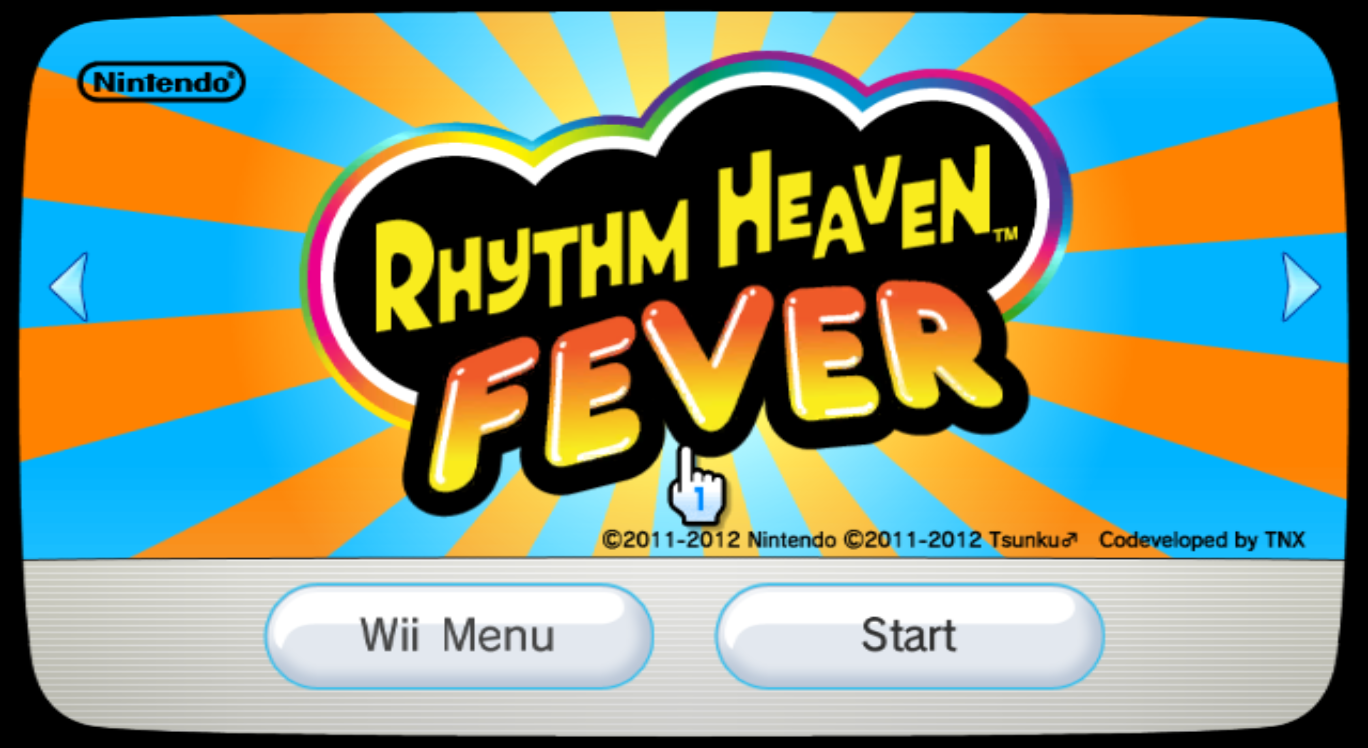
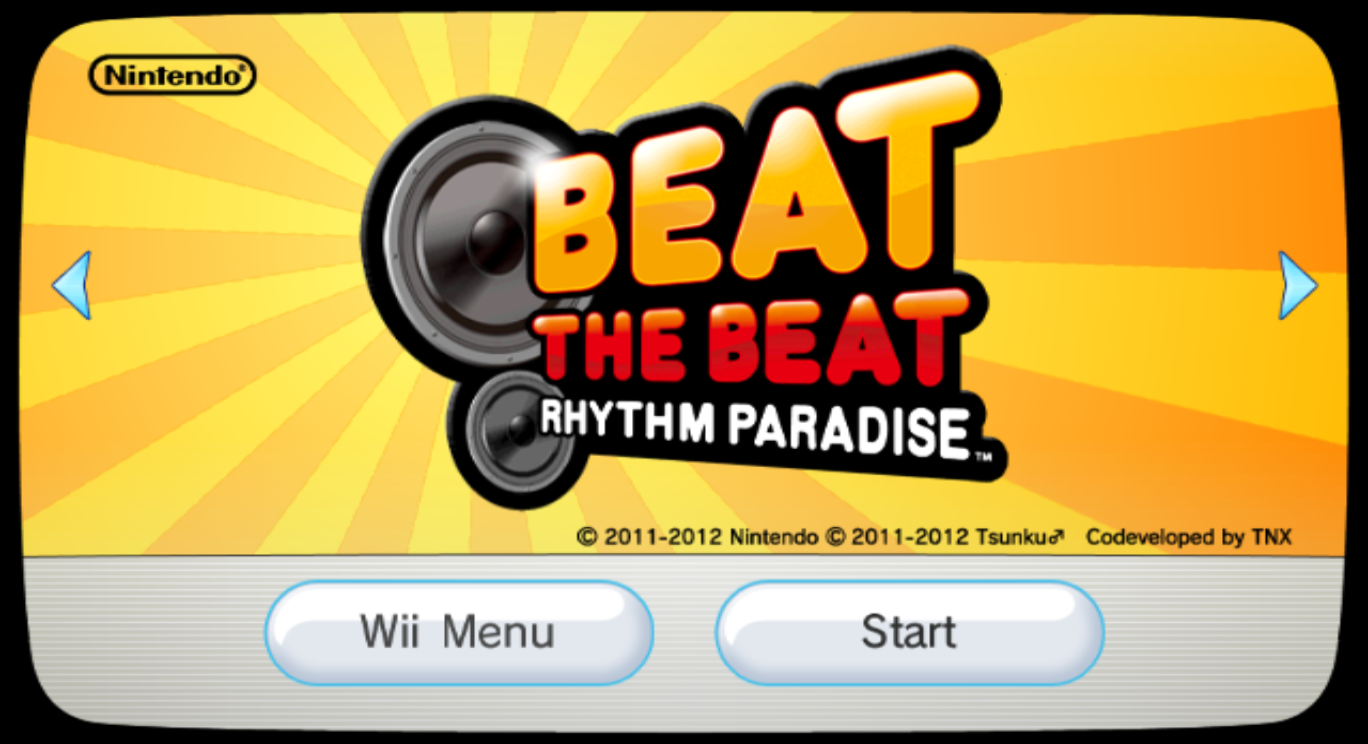
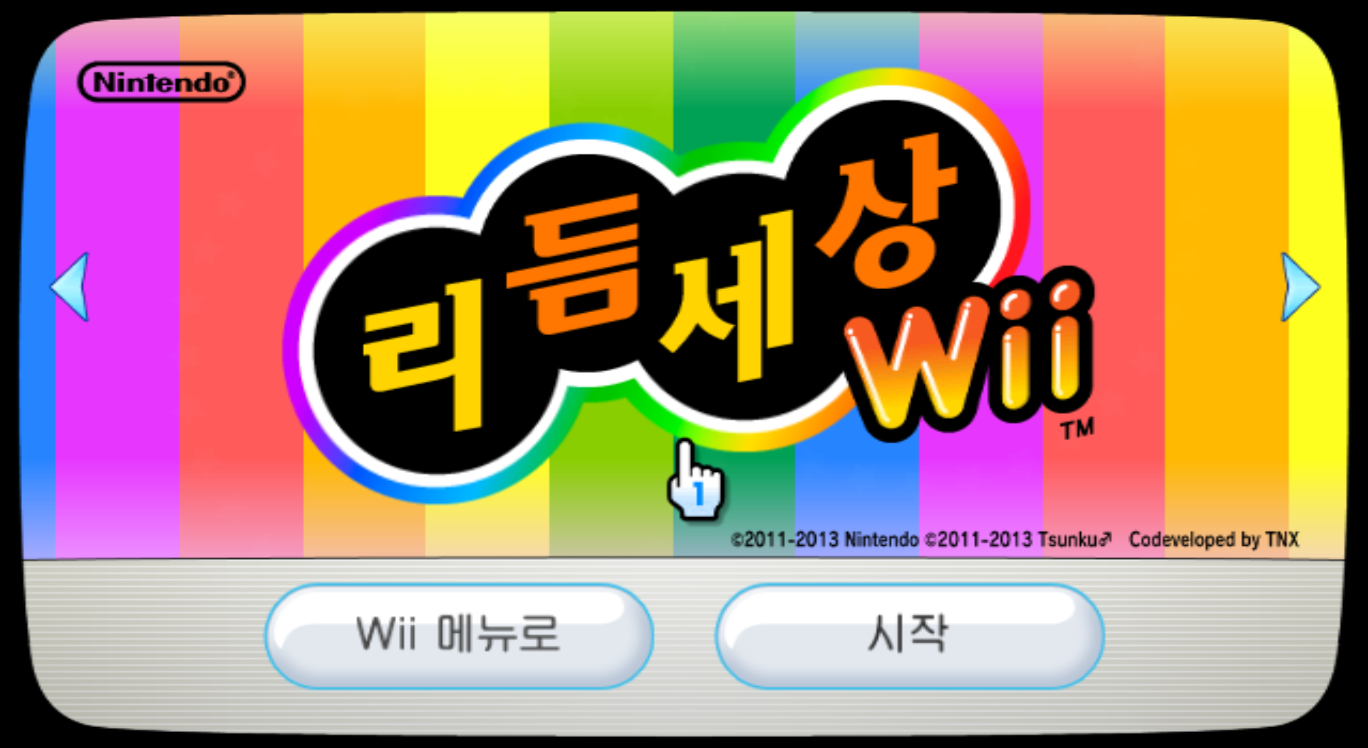
When the Disc Channel is selected, the banners for each region are different. Japan and Korea's versions use a rainbow-striped background, the North American version uses an orange and blue-striped sunburst background, and the European version uses an yellow and orange-striped sunburst background. The copyright text is also different for each region as well.
Japan |
North America |
|---|---|
 |
 |
Europe |
Korea |
 |
 |
Save Data Icon#
On the Japanese and Korean version's Save Data Icons, Marshal/Matt was given a white outline and the stars are white. The North American version's icon removes the white outline around him and has three yellow stars instead of two, and the European version's icon has the black stars moved slighty closer to his outline.
Japan / Korea |
North America |
Europe |
|---|---|---|
 |
 |
 |
Save Data Banner#
The region's appropriate background and logo are different for each version's Save Data Banner.
Japan |
North America |
|---|---|
 |
 |
Europe |
Korea |
 |
 |
Title Screen#
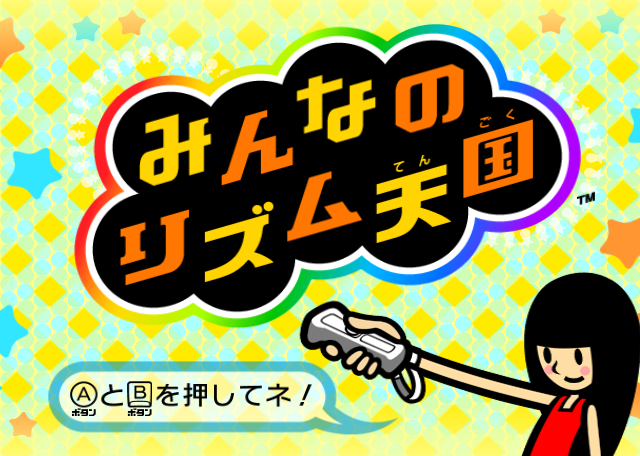
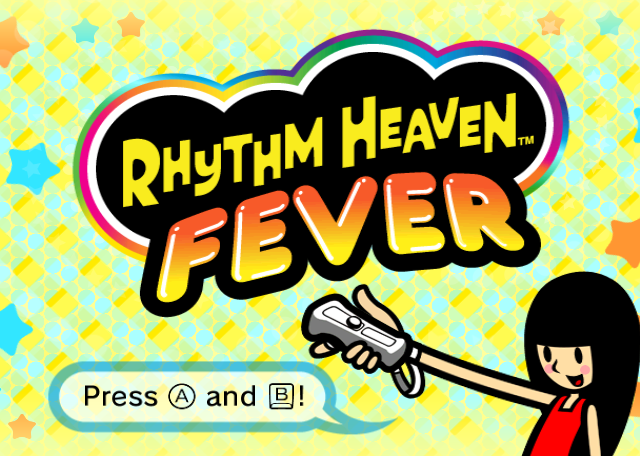
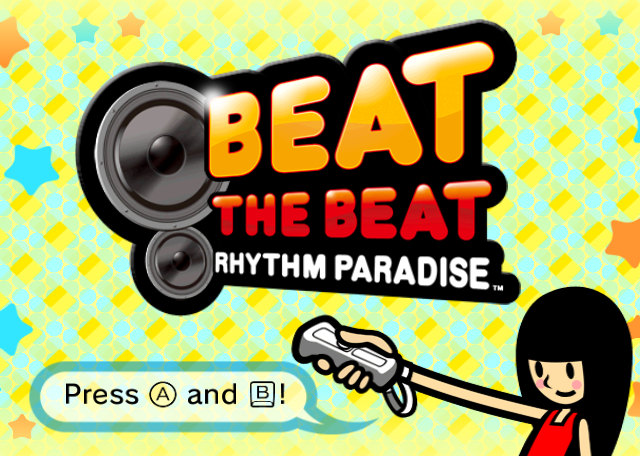
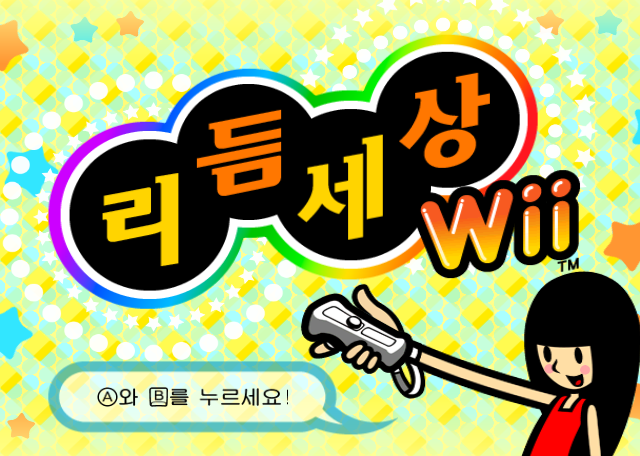
The North American version's title screen has slightly different outlines for the bubble characters compared to the Japan and Korean versions, while the European version gets an entirely new logo to compensate for its name change.
Japan |
North America |
|---|---|
|
 |
Europe |
Korea |
 |
 |
Language Toggle#
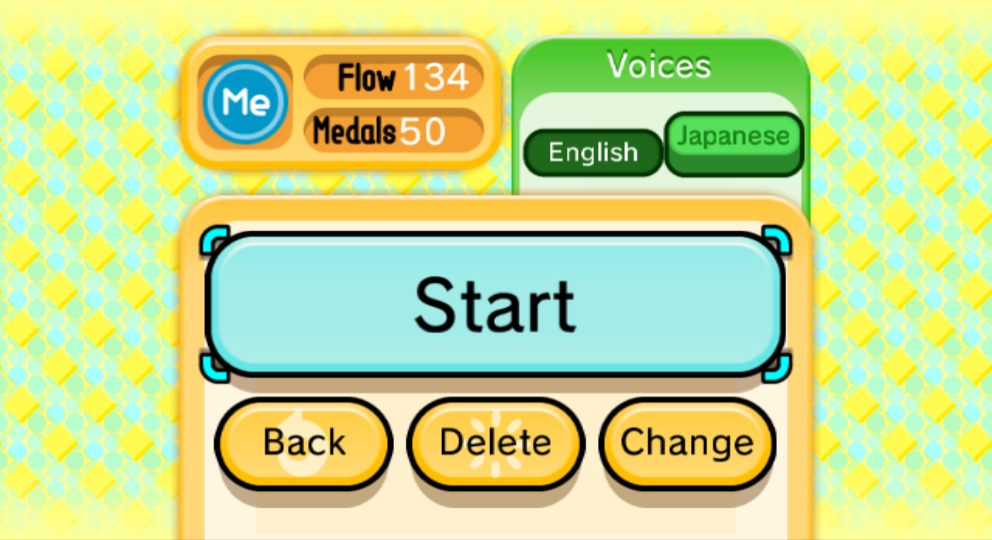
Exclusive to European versions is a new voice selection option seen in the file select screen. This option toggles the sound effects and music between their Japanese and English counterparts. This option would later appear in international versions of Rhythm Heaven Megamix, although not without certain caveats.
|
International |
Europe |
|---|---|
|
|
Save File Labels#
The European version changes "Pal" to "Grandson", and "You" to "Cousin".
Rhythm Games#
Screwbot Factory#
The Japanese version labels the robot arm with "安全第一" ("Safety First"). This was removed in international versions.
|
Japanese |
International |
|---|---|

|

|
Ringside#
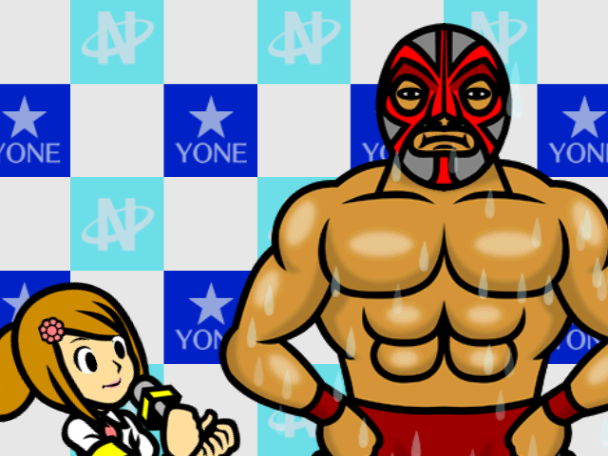
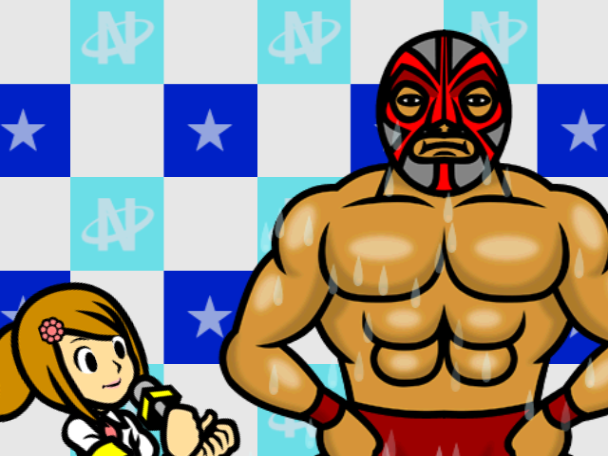
The "YONE" text (referring to the game's sound director, Masami Yone) was removed from the star pattern on the background in international version. The stars were centered to compensate.
Japan |
International |
|---|---|
 |
 |
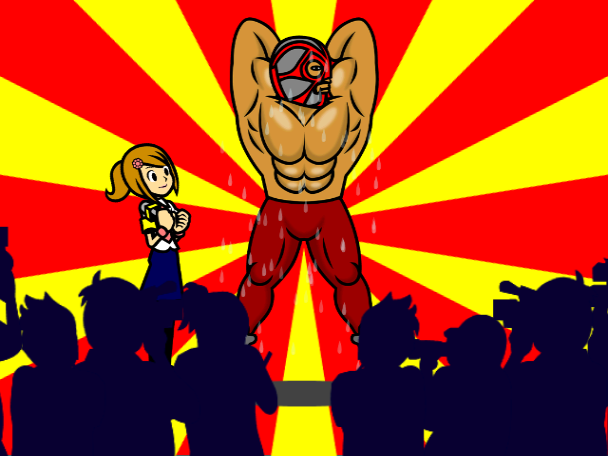
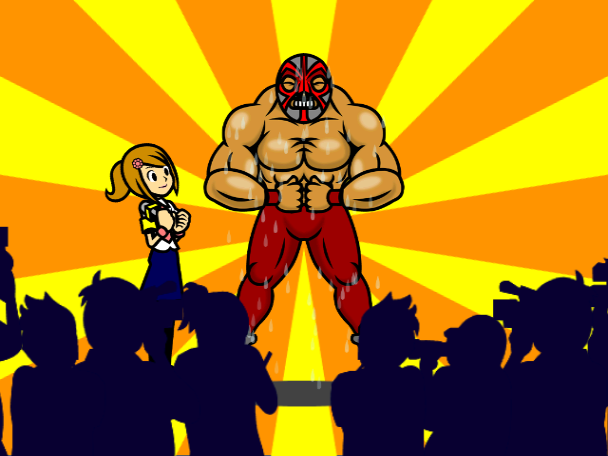
The Korean version changed the red and yellow background of the wrestler's pose to orange and yellow, most likely to avoid resemblance to Japan's rising sun flag.
International |
Korea |
|---|---|
 |
 |
Packing Pests#
- In the Japanese version, the bonus cash has kanji on it. In the North American version, a dollar sign is used. The European and Korean versions use the word for "PAY" in their respective languages.
- In the Japanese version, the signs on the walls are written vertically. In the international versions, they are written horizontally.
- The "Spider-Free Candy" sign reads "Quality goods"/"최고 품질의" in the European and Korean versions. Curiously enough, in Rhythm Heaven Megamix, the "Spider-Free Candy" sign is used in both the North American and European versions.
Samurai Slice#
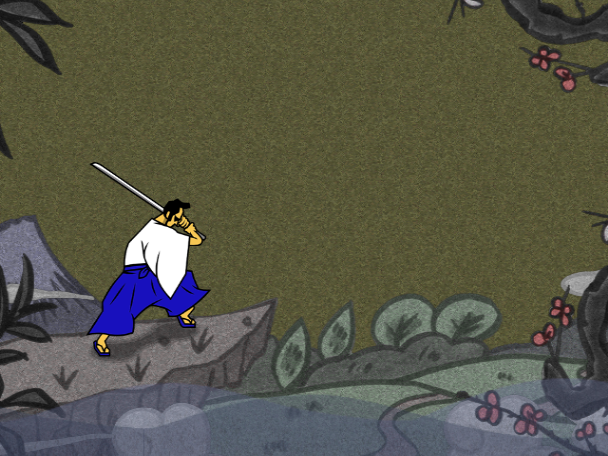
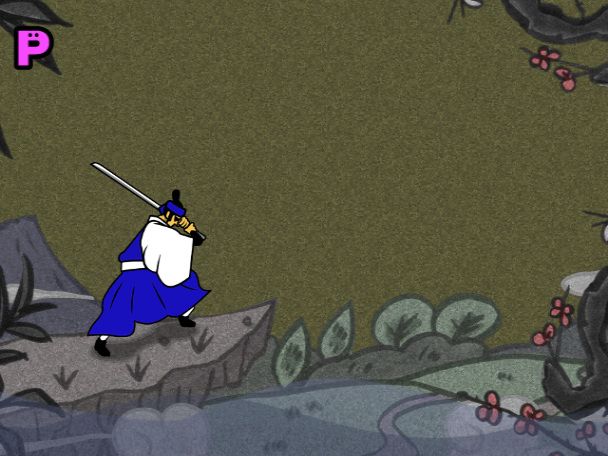
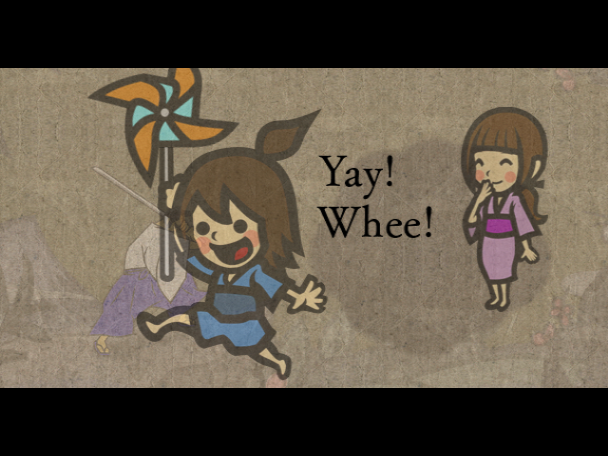
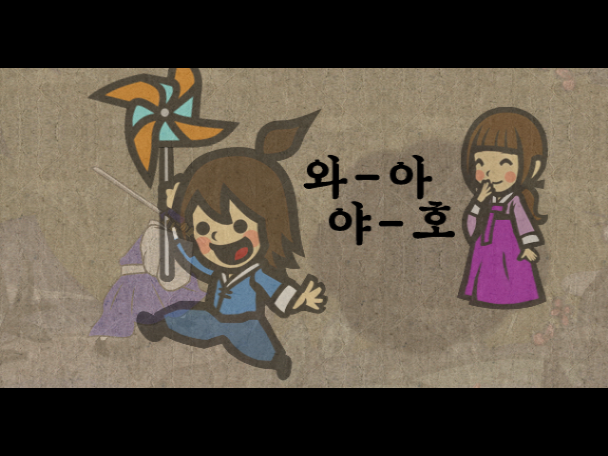
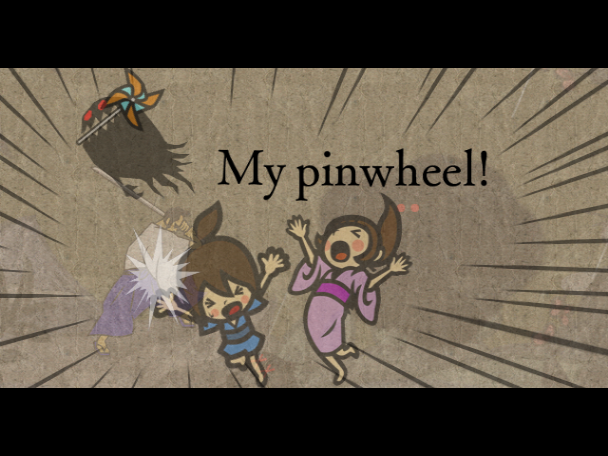
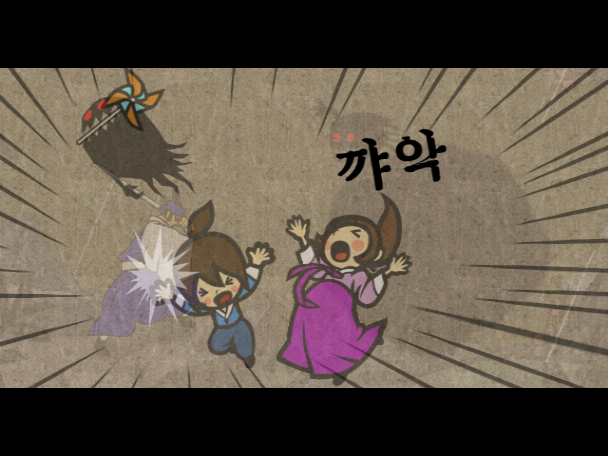
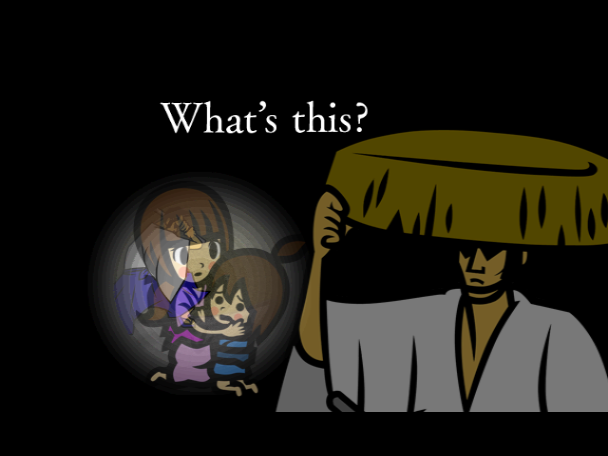
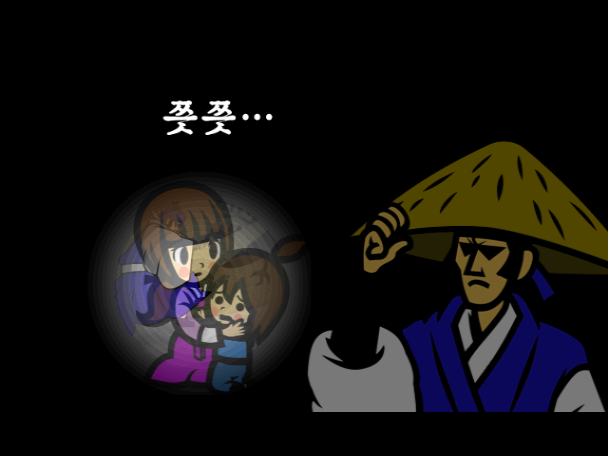
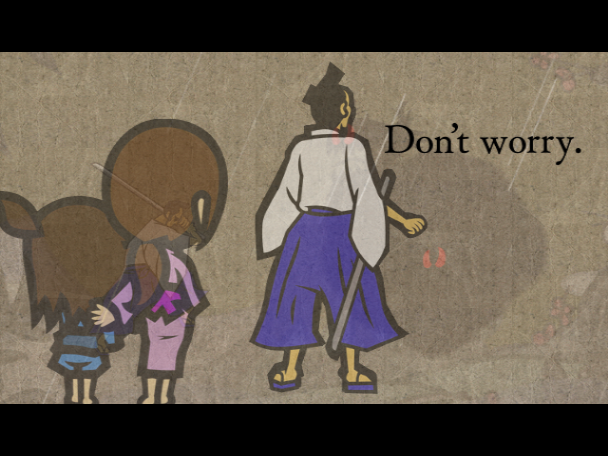
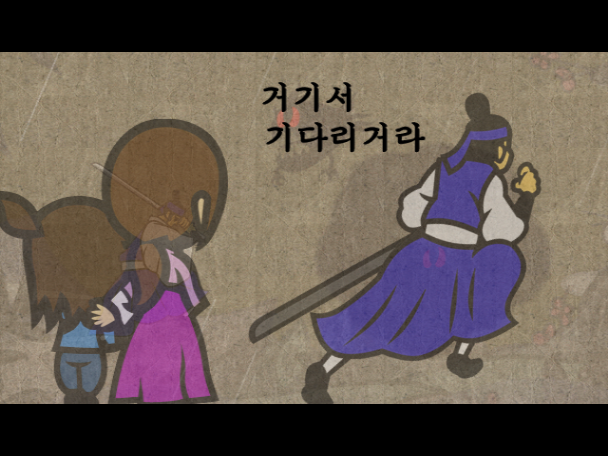
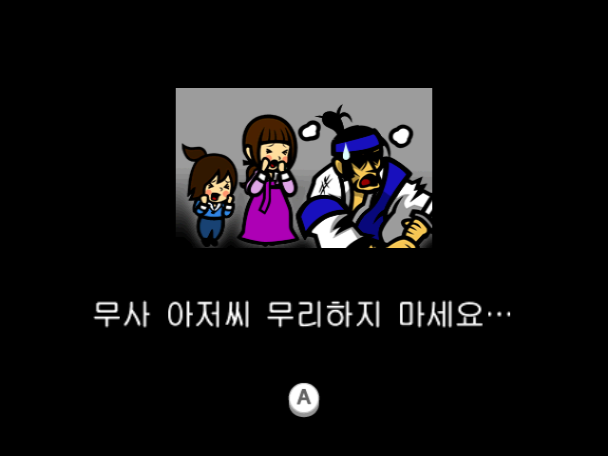
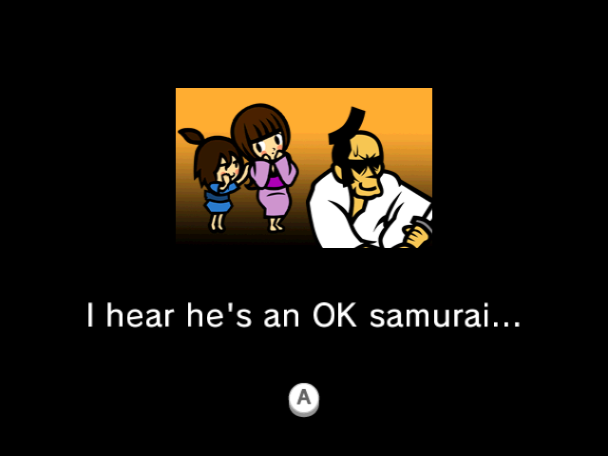
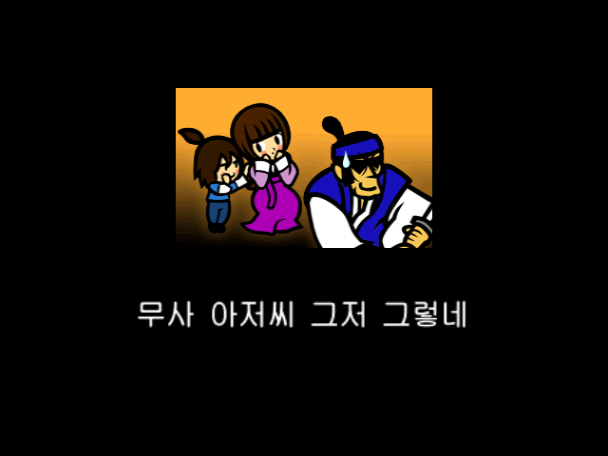
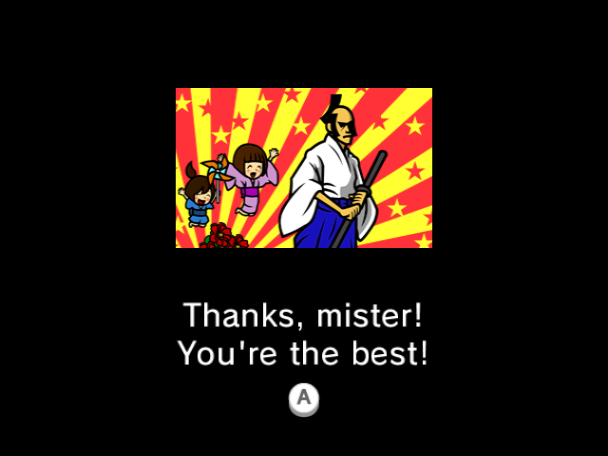
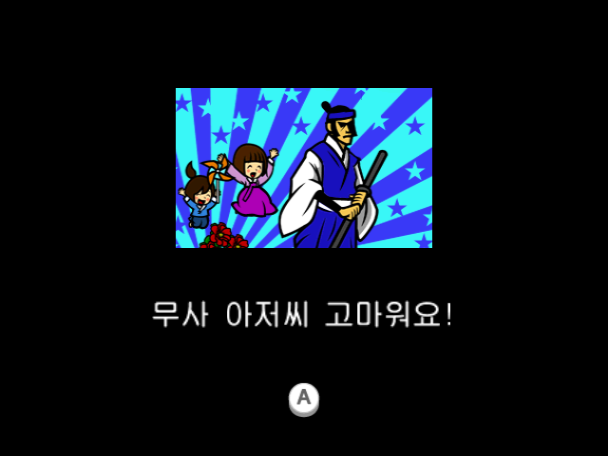
Much of the character designs for this game and its sequel had to be altered in Korea to scrub out the references to Japanese culture, dressing all the characters in traditional Korean attire, and inverting the background colors of the superb image.
International |
Korea |
|---|---|
 |
 |
 |
 |
 |
 |
 |
 |
 |
 |
 |
 |
 |
 |
 |
 |
Exhibition Match#
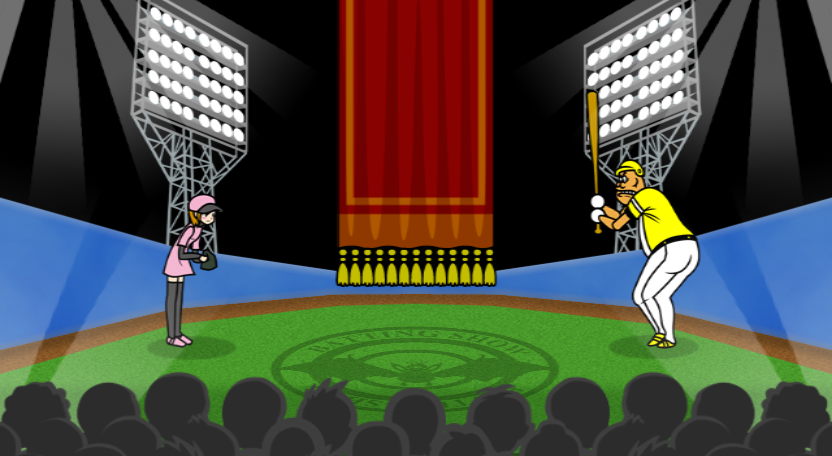
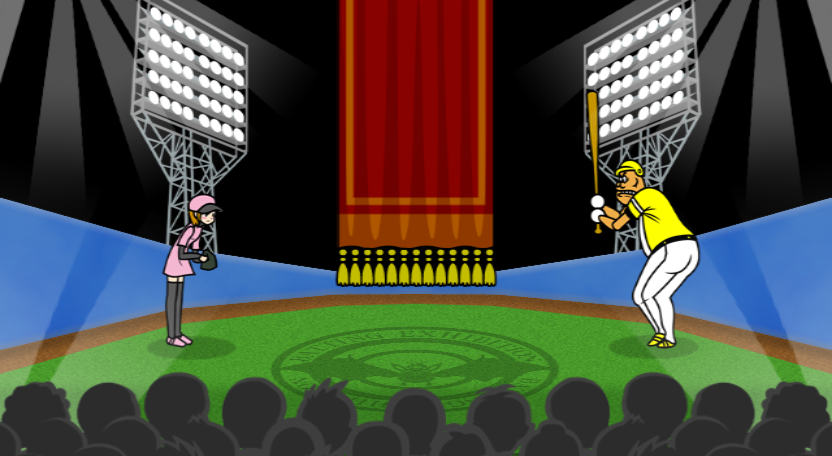
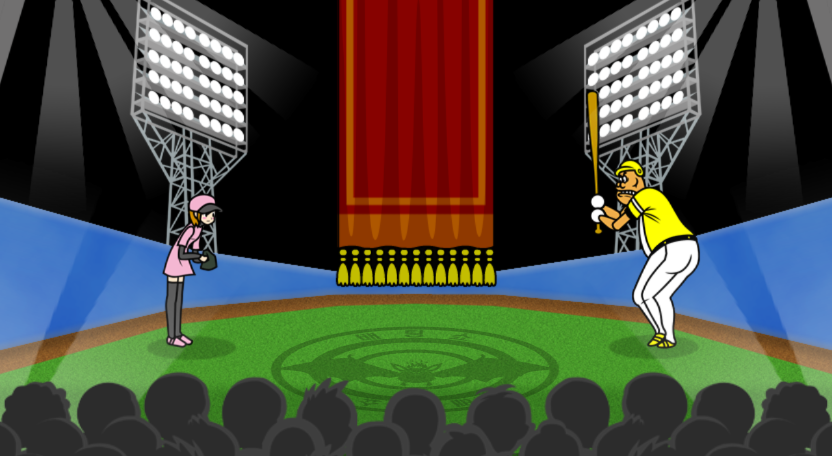
The North American version changed the logo at the bottom from "Batting Show" to "Batting Exhibition", while in the Korean version, the logo was translated into Korean as "batting show". The European version forgoes this change and uses the same texture as the Japanese version.
Japan/Europe |
North America |
Korea |
|---|---|---|
 |
 |
 |
 |
 |
 |
Donk-Donk#
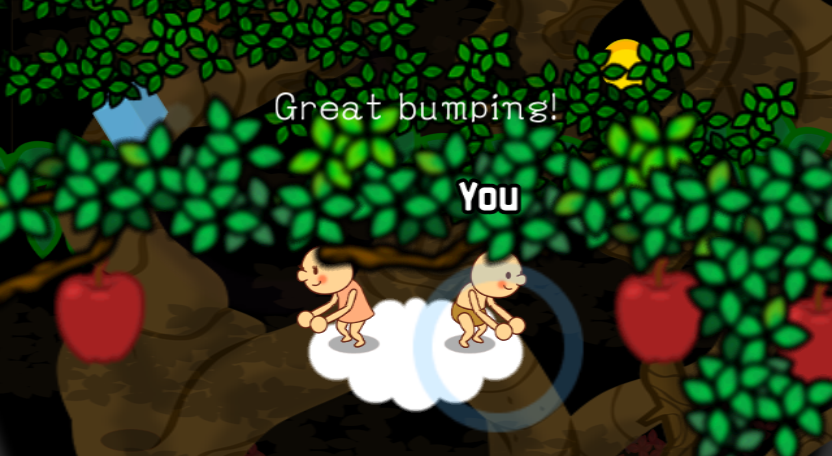
In the Japanese version of the game, the player figure is labeled "You". In other versions, outside of the practice mode, this text doesn't appear.
Bossa Nova#
The Japanese version positions the text on the right side of the screen and is read vertically, while it is at the top and horizontal in the international releases.
|
Japan |
International |
|---|---|

|
|
Shrimp Shuffle#
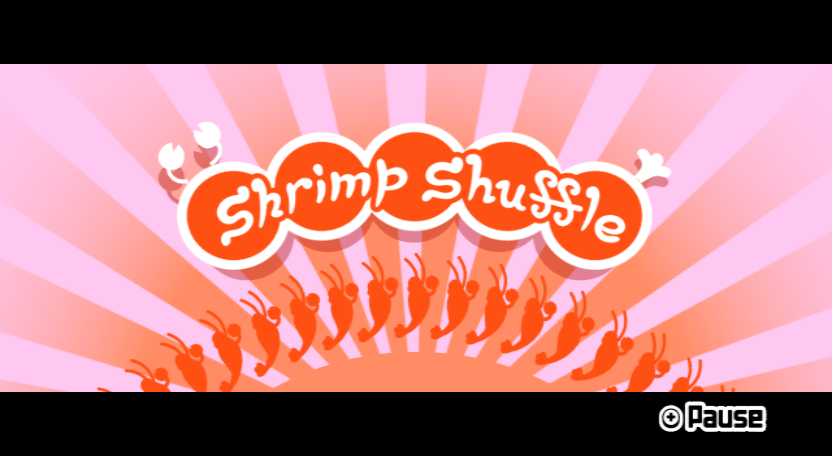
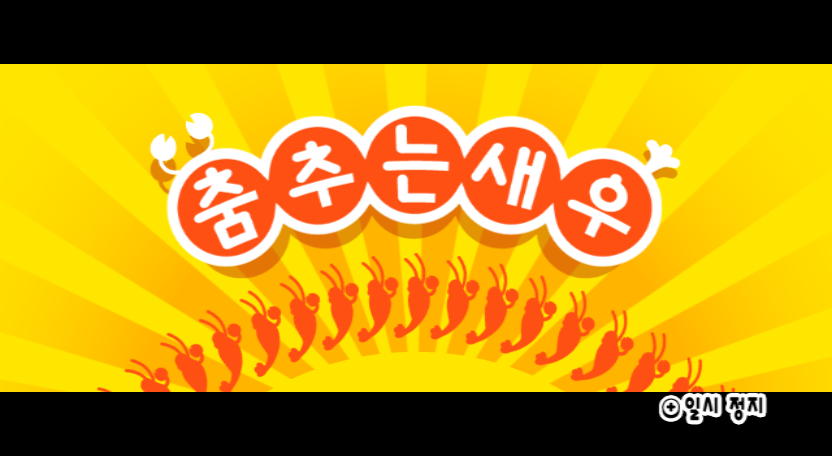
The Korean version changes the prologue's background colors from shades of pink to shades of yellow, once again to likely remove the rising sun reference.
International |
Korea |
|---|---|
 |
 |
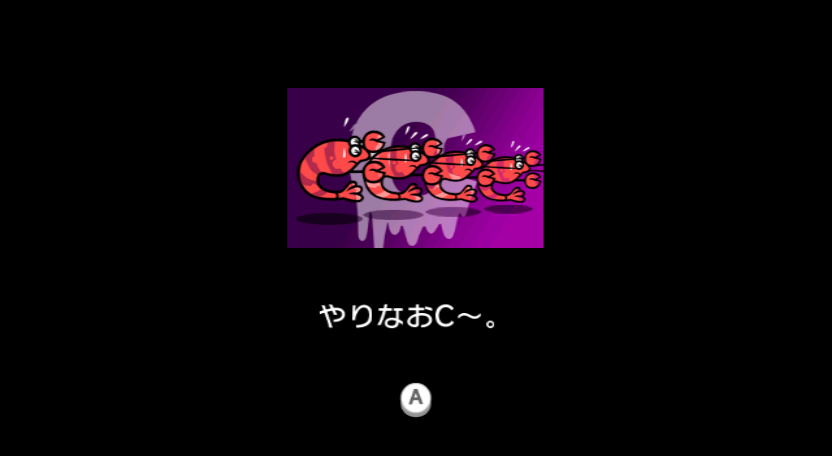
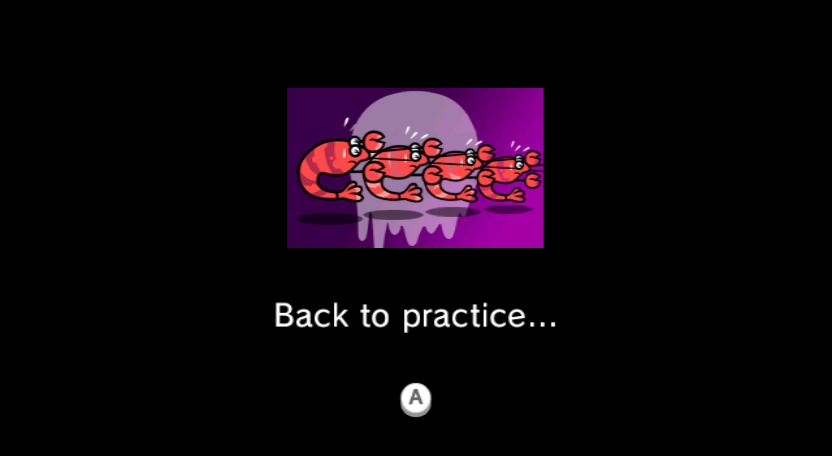
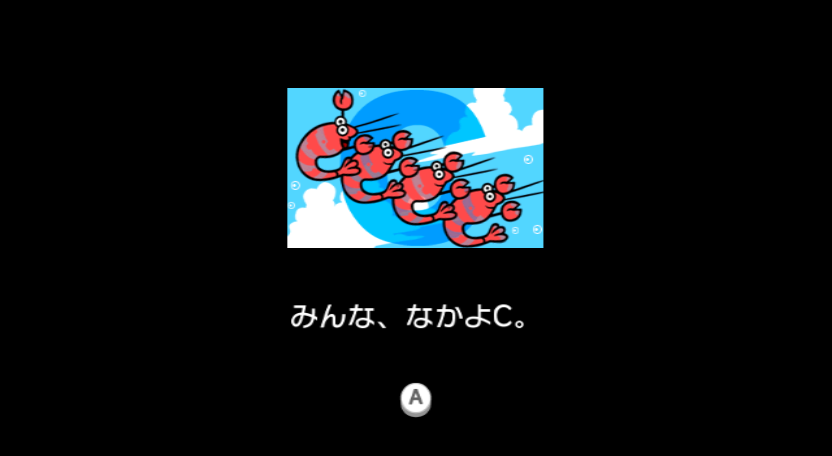
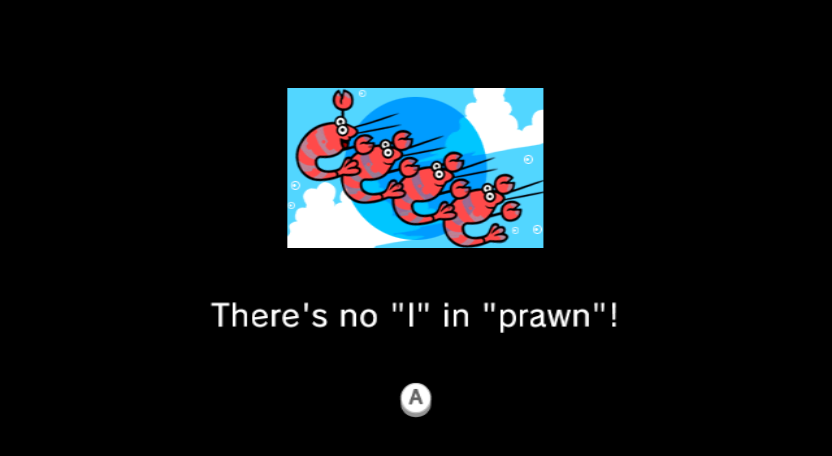
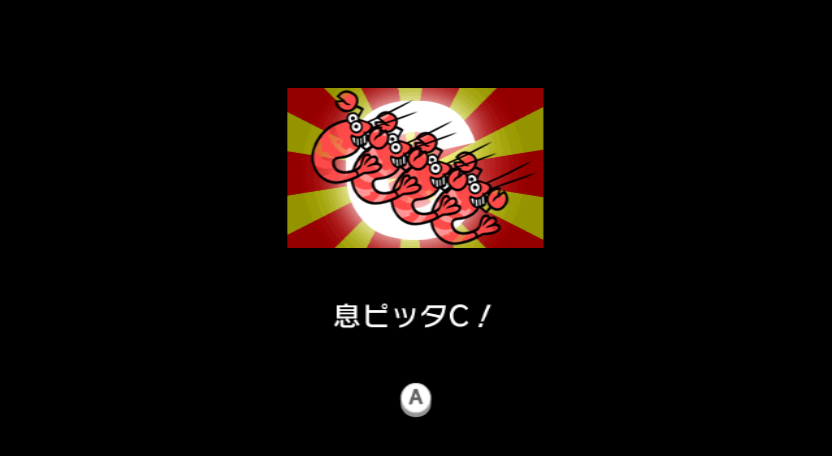
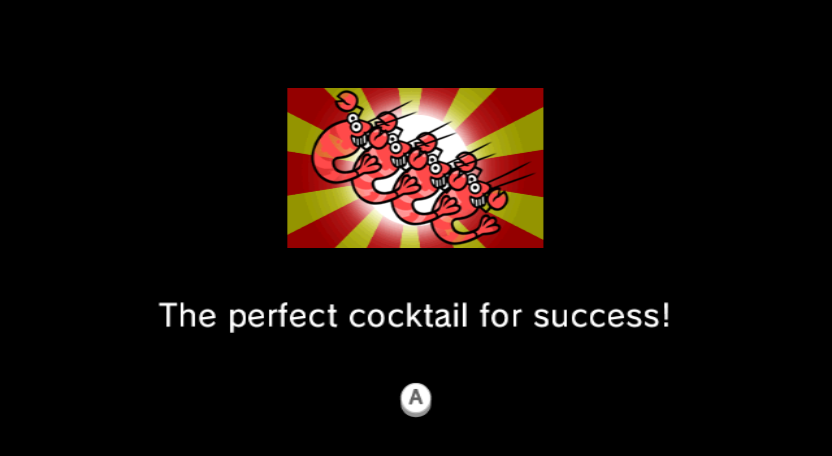
The epilogues in the Japanese version all have the letter C in the background, due to the fact that Shrimp Shuffle is largely based around a word-play joke; The backwards jump cue "A, B, C!" can be both interpreted as the first three letters of the English alphabet, or as "Ebi Sea", meaning "Shrimp Sea". This joke even extends to the epilogue text itself, which all have the letter C in place of the Japanese character "shi". This pun wouldn't really work well in other languages, so all references to it were removed in International versions. The C in the backgrounds were all turned into circles.
Japan |
International |
|---|---|
 |
 |
 |
 |
|
 |
(Source: Rhythm Heaven Wiki)
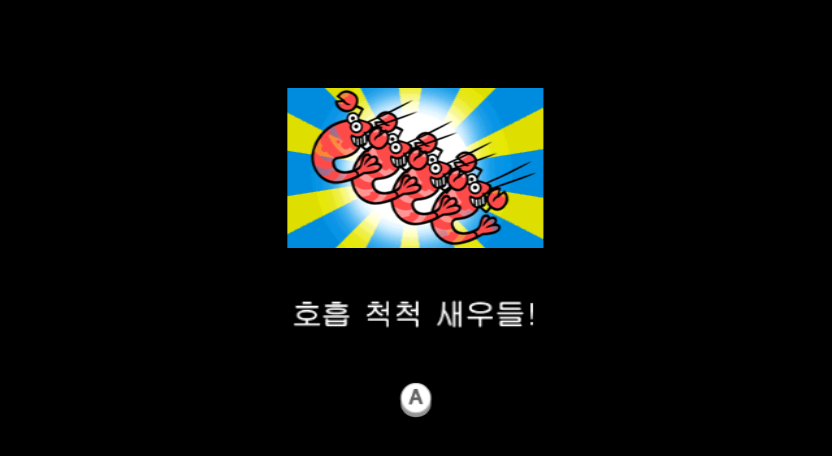
The Korean version changed the background's red color to blue, again to avoid a resemblance to Japan's rising sun. The colors were also made a bit brighter.
|
International |
Korea |
|---|---|
|
|
|
Cheer Readers#
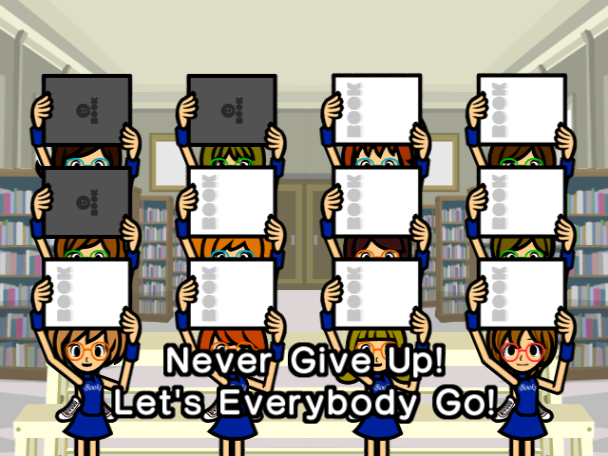
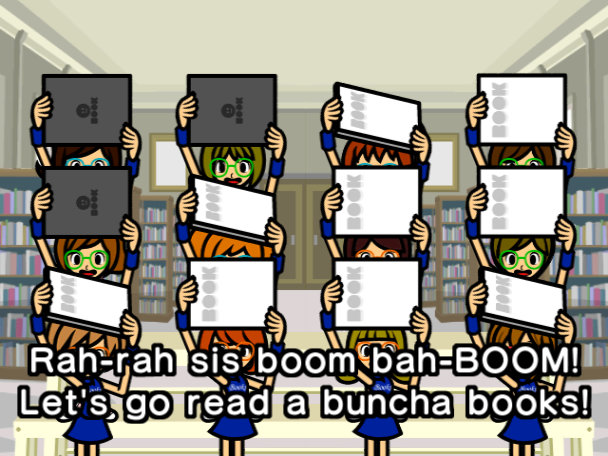
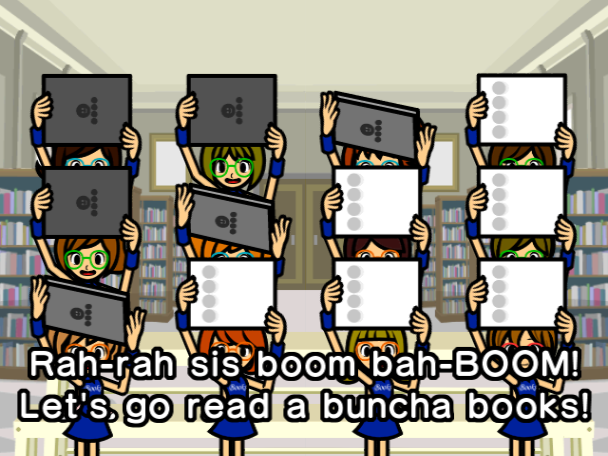
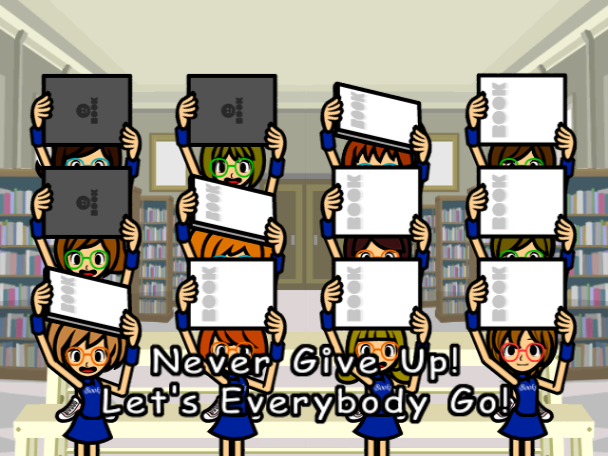
In a likely effort to simplify localization, the European version replaced the "BOOK" labels from the books, with four circles. The main game font was given transparency in the European version, while the Korean version changed the font to a 두리둥실.
Japan |
North America |
|---|---|
 |
 |
Europe |
Korea |
 |
 |
While the "lyrics" and subtitles are in English across versions, the grammar was cleaned up for the international releases.
Japan/Korea |
International |
|---|---|
OK Don't Mind! |
OK, it's on! |
1! 2! 3! |
One! Two! Three! |
Hey! You Can Do! |
It's up to you! |
Let's Everybody Go! |
Let's go read a buncha books! |
Never Give Up! |
Rah-rah sis boom bah-BOOM! |
Karate Man#
Oddly, the song's key was lowered by three semitones in the International version, a change that persisted for both its sequel and its section in Remix 10, likely so that the English singer's vocals would fit better alongside it. This change was retained in Rhythm Heaven Megamix.
Japan |
International |
|---|---|
Samurai Slice 2#
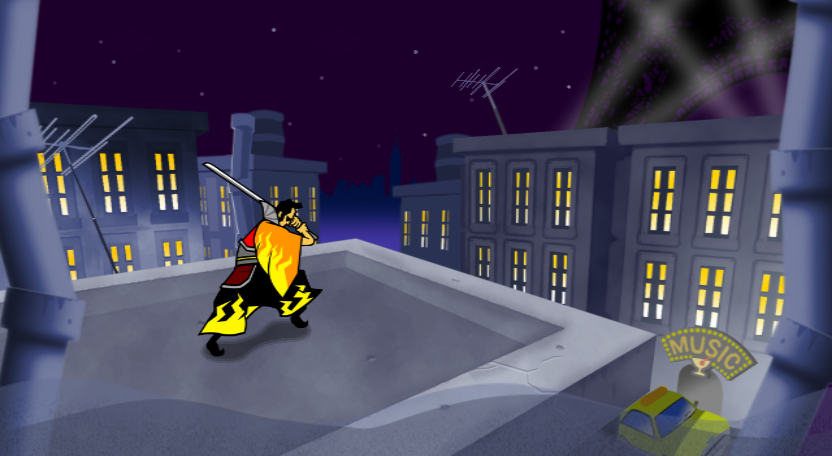
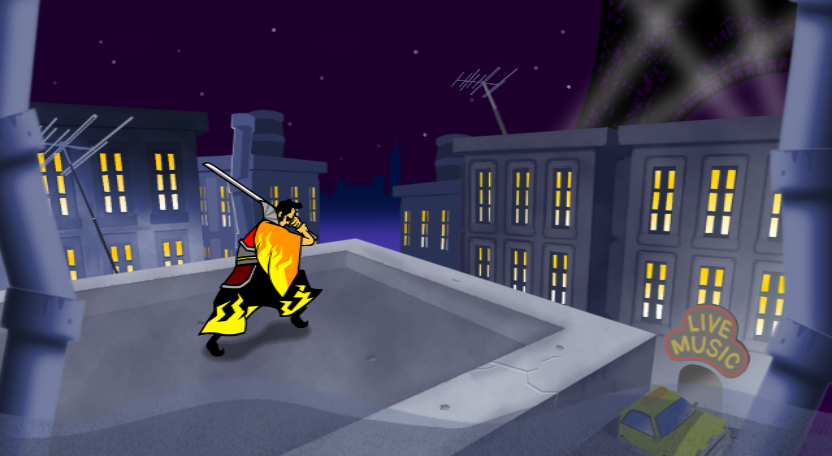
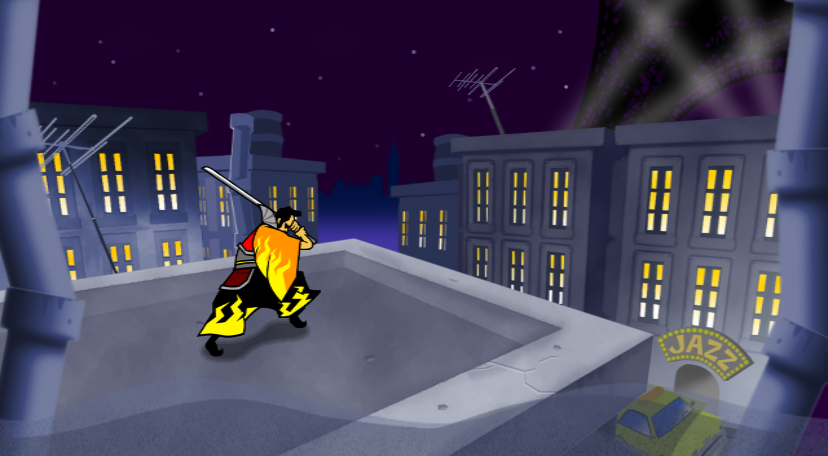
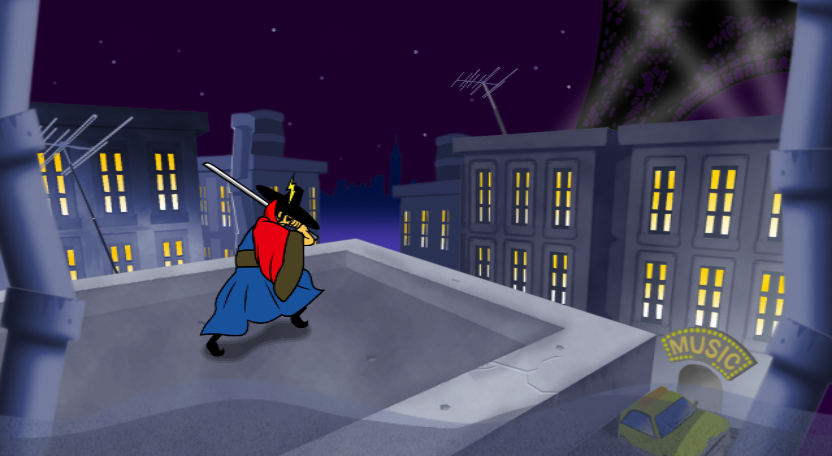
Like with the original, the Korean version alters the character designs to remove references to Japanese culture, although this time presents a considerably less drastic change that only affects the samurai. Aside from that, the background was altered between versions, with the sign reading "Music" in the Japanese and Korean version, "Live Music" in the North American version, and "Jazz" in the European version. The sign additionally had a martini glass symbol beneath it in the Japanese version that was removed in all other versions.
Japan |
North America |
|---|---|
 |
 |
Europe |
Korea |
 |
 |
Working Dough 2#
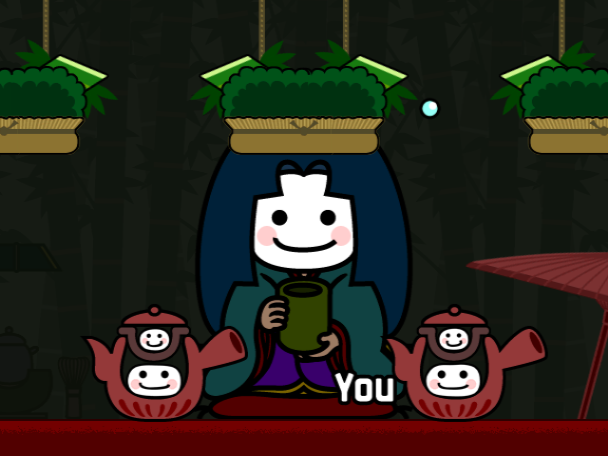
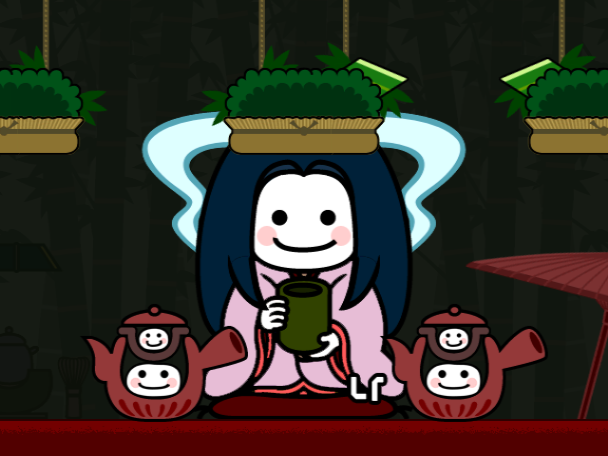
Lady Dough's design was changed in the Korean version, where her outfit and hair was changed to resemble that of a celestial maiden, rather than Princess Kaguya like in the international version.
International |
Korea |
|---|---|
 |
 |
Karate Man 2#
Like before, the song's key was lowered in International versions.
Japan |
International |
|---|---|
Remixes#
Remix 4#
The guard from the Try Again rating screen was changed in the Korean version to resemble a Pojol (Korean police during the Joseon period), and wields a baton instead of a jitte.
International |
Korea |
|---|---|
 |
 |
Remix 9#
The North American version adjusted the Tambourine section to better match the translated lyrics, specifically with the third beat being shifted forward by an 8th. Interestingly, despite having both the Japanese and English versions of the song, the European version's Tambourine sections always uses their North American patterns. The "Hit 3!" graphic that was strangely missing from the first and last Karate Man segments in international versions has also been added to the European version.
Japan |
North America |
|---|---|
Europe (Japanese) |
Europe (English) |
Remix 10#
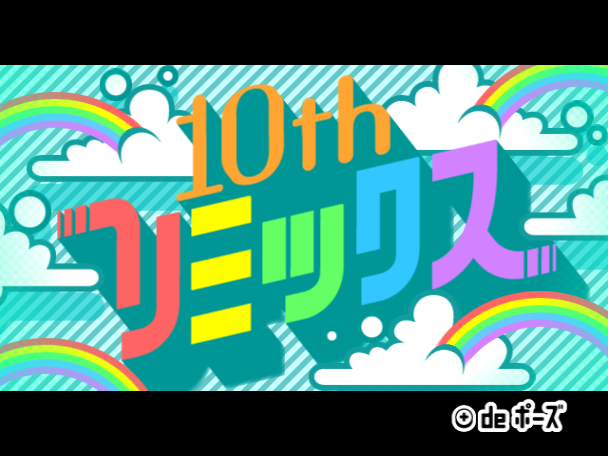
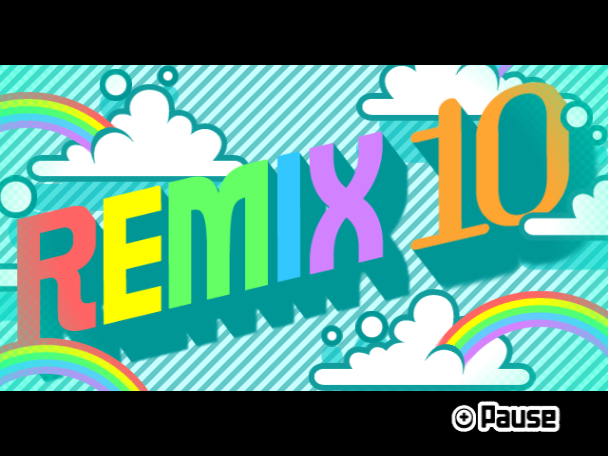
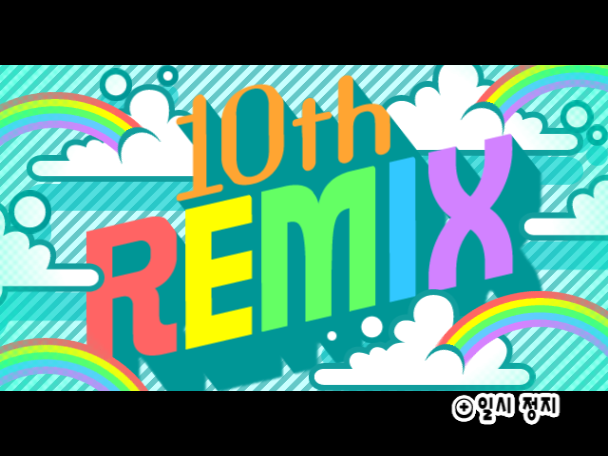
The titles of all remixes change between versions. For example, Remix 10 is called "10th Remix" in Korean and European English, "10th リミックス" in Japanese, and "Remix 10" in all other languages/versions. The same goes for the icons and prologues, the latter having some visual changes.
Japan |
America/Europe (Not English) |
Korea/Europe (English) |
|---|---|---|
 |
 |
 |
Japan |
America/Europe (Not English) |
Korea/Europe (English) |
|---|---|---|
 |
 |
 |
Extra Games#
Power Calligraphy#
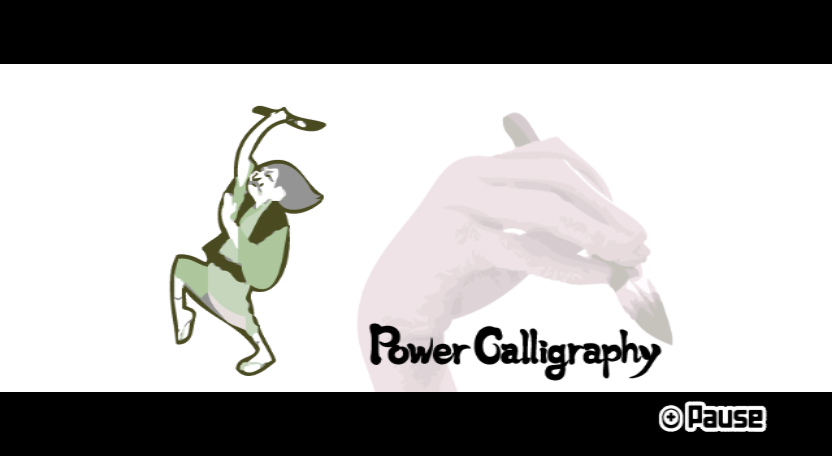
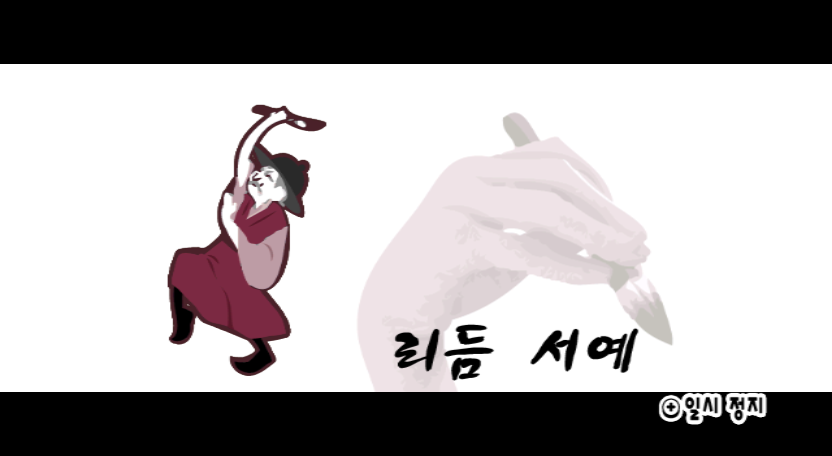
The International version's prologue features a man wearing a kimono, which was changed to a red jeogori and a gat in the Korean version.
International |
Korea |
|---|---|
 |
 |
The face at the end had its ear changed from a る to a 3. This change subsequently affects the animation and the sound effect.
International |
Korea |
|---|---|
Endless Games#
Changed Endless Game#
|
Manzai (Japan) |
Mr. Upbeat (International) |
|---|---|
In the Japanese version, the Endless Game unlocked by earning 32 medals is a game called Manzai. The game consists of a traditional Japanese comedic duo, the boke (who does stupid actions) and the tsukkomi (who points out the absurdity of the situation and makes exaggerated angry reactions). Here, the boke tells increasingly stupid jokes, relying heavily on puns, while the player takes the role of the tsukkomi with two actions: Pressing A makes him say "Hai! Hai!" ("Yes, yes!"), and pressing A+B for getting annoyed when the boke is done telling his stupid joke, signaled by the boke's "Boing" cue. The goal is to entertain an audience by picking the appropriate reactions.
Because of the numerous heavy puns from the dozens of jokes used here, as well as the specific cultural context of Manzai itself, translating this game would have been nigh impossible. As such, instead of rewriting the jokes, the developers decided to replace this completely with Mr. Upbeat, lifted from Rhythm Tengoku. This change is also reflected in the Endless Remix.
The medal requirements for the other Endless Games were shifted around to make Mr. Upbeat the first Endless Game unlocked, as it was in Rhythm Tengoku.
Game |
Medals needed (JP) |
Medals needed (INT) |
|---|---|---|
Mr. Upbeat (INT only) |
– |
3 |
Wake-Up Caller |
3 |
11 |
Munchy Monk |
11 |
23 |
Lady Cupid |
23 |
32 |
Manzai (JP only) |
32 |
– |
Interestingly, it seems Manzai was originally considered to be included in the international versions of the game, as one piece of text, the game's title, was translated:
ComediansNo other unused or Japanese-exclusive text was translated, contributing to this idea.
A transliteration has been provided which shows that the puns are based largely on the pronunciation of the words in question.
Boke's Joke |
English Translation |
Explanation/Transliteration |
|---|---|---|
布団が吹っ飛んだ |
The futon blew off. |
Futon ga futtonda |
ミカンがみっかんない |
I can't find any mandarin oranges. |
Mikan ga mikkannai |
お金はおっかねい |
Money is scary. |
Okane wa okkanai |
雨ってあめえ |
Rain is sweet. |
Ame tte amee |
ラクダは楽だ |
Camels are comfortable. |
Rakuda wa raku da |
梅ってうめい |
Plums are delicious. |
Ume tte umee |
紅茶を凍っちゃう |
I'll freeze the tea. |
Kocha wo kotchau |
カエルが振り返る |
The frog looks over its shoulder. |
Kaeru ga furikaeru |
カレーが辛れえ |
Curry is spicy. |
Karee ga karee |
思いのほか重い |
It's unexpectedly heavy. |
Omoi no hoka omoi |
遅れず来ておくれ |
Come without being late. |
Okurezu kite okure |
トイレに行っといれ |
Go to the bathroom. |
Toire ni ittoire |
相手に逢いて |
Meet your partner. |
Aite ni aite |
イクラはいくら? |
How much is the salmon roe? |
Ikura wa ikura? |
草がクサイ |
The grass stinks. |
Kusa ga kusai |
廊下で語ろうか? |
Shall we speak in the hall? |
Rouka de katarouka |
プリンがたっぷりん |
There's a lot of pudding. |
Purin ga tappurin |
チャイナに行っちゃいな |
He went to China. |
Chaina ni ittchaina |
スイカは安いか? |
Is the watermelon cheap? |
Suika wa yasuika? |
イカが怒った |
The squid got angry. |
Ika ga okotta |
タイに行きたい! |
I want to go to Thailand! |
Tai ni ikitai! |
トナカイは大人かい? |
Are the reindeer adults? |
Tonakai wa otonakai |
サルが去る? |
Is the monkey leaving? |
Saru ga saru? |
サイを見なさい! |
Look at the rhino! |
Sai wo minasai |
鯛が食べたい! |
I want to eat a sea bream! |
Tai wo tabetai |
太陽が見たいよう |
It looks like the Sun wants to see. |
Taiyou ga mitaiyou |
メガネには目がねえ |
There's no "eye" in "eyeglasses." |
Megane ni wa me ga nee |
鮃が閃いた |
The flounder undulated. |
Hirame ga Hirameita |
お餅の気持ち |
The feelings of a rice cake. |
Omochi no kimochi |
鶏肉が取りにくい |
Chicken meat is hard to get. |
Toriniku ga torinikui |
電話に出んわ |
He's not answering the phone. |
Denwa ni denwa |
魚かな、まさかな |
Don’t tell me that's fish? |
Sakana kana masakana |
猫が寝転んだ |
The cat lay down. |
Neko ga nekoronda |
The tsukkomi's reactions, however, are much easier to translate:
Tsukkomi's Reaction |
English Translation |
|---|---|
はい!はい! |
Yes! Yes! |
どないやねん! |
What's wrong with you!? |
(Source: https://rhwiki.net/wiki/Manzai (boke's phrases and translations))
(Source: Bast (corrections to some of the above translations))
Rhythm Toys#
Police Call#
Japan |
International |
|---|---|
 |
 |
Japanese |
Transliteration |
International |
|---|---|---|
てんけん |
Tenken |
SEESAW |
ねたばらし |
Netabarashi |
BOUTS |
しあいみせて |
Shiai Misete |
MATCH |
さむらいごるふ |
Samurai Gorufu |
GOLFHERO |
とりのたんばりん |
Tori no Tanba rin |
BIRDS |
すたっふ |
Sutaffu |
STAFF |
おもいきりそくてん |
Omoikiri sokuten |
SPIKE |
きわまるたくみわざ |
Kiwamaru Takumi waza |
CLOCKWORK |
まさにべつもの |
Masani betsu mono |
POSITIVE |
きみをあいしつづける |
Kimi o aishi tsudzukeru |
AFLOAT |
えがおがうまれる |
Egao ga umareru |
FEED |
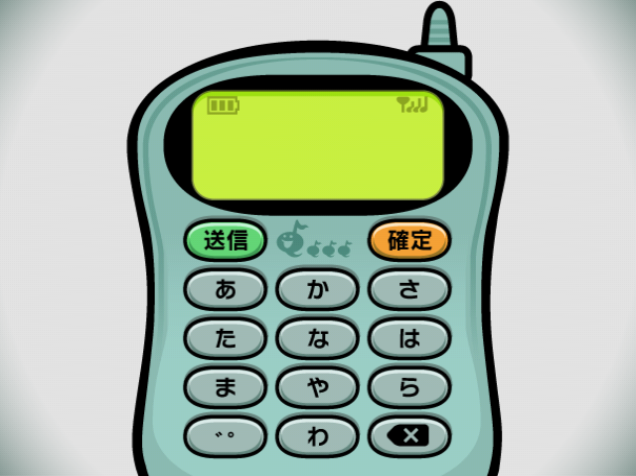
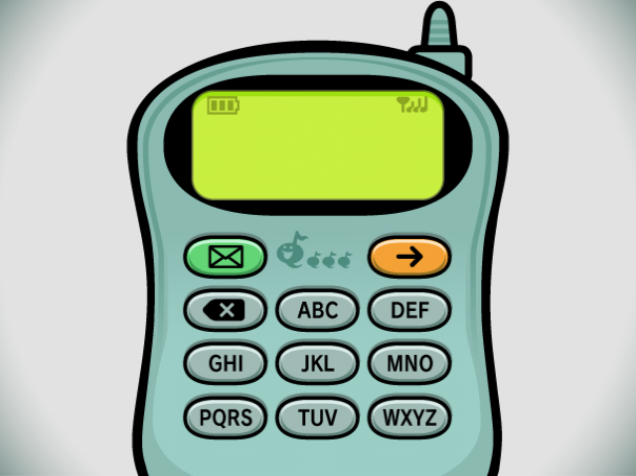
In addition to the Easter Eggs having different codes, the phone itself was changed to be in English, too.
Since Manzai was replaced in International versions, the phone call in the International versions was changed to Rhythm Fighter's music overlaid with sound effects from various Rhythm Games.
(Source: A special thanks to T.J. Snapper for the Korean images.)