 This article has a talk page!
This page details pre-release information and/or media for Super Mario 64 (Nintendo 64).
Super Mario 64 had a rather experimental development process, notably in the early days when three-dimensional computer graphics were first used in video games. Though much of the basic platforming gameplay was settled down, the developers tried many different ideas they had in mind for Mario's first-ever 3D outing, some of which ended up being cut due to limitations and time. Ever since release, it has become largely influential towards other 3D platformers just like how Super Mario Bros. was for side-scrollers.
 Early DevelopmentInterviews and (one piece of) concept art.
 Patent MaterialSome early stages, camera modes, and an early moveset. See, patents can be fun!
1995
 B-Roll BuildsPromotional footage made to hype up the Ultra 64.
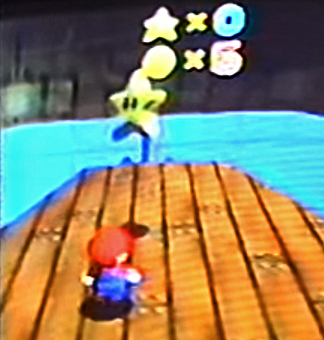 Shoshinkai 1995 DemoWater mines, a piercing voice, 2D Stars, and a ton of other stuff.
 December 1995 BuildFor investors’ eyes only!
1996
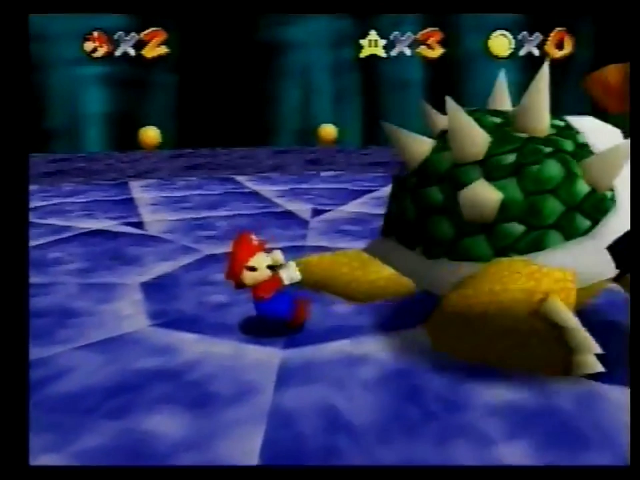 Inverted HUD BuildThe first build to have a HUD similar to the final game.
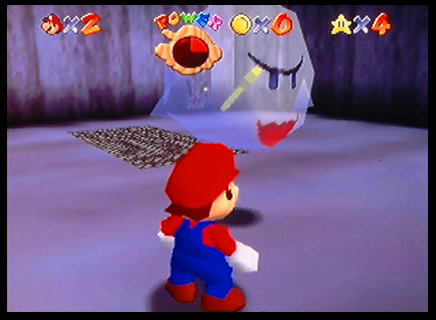 March 1996 BuildBoos contained keys?
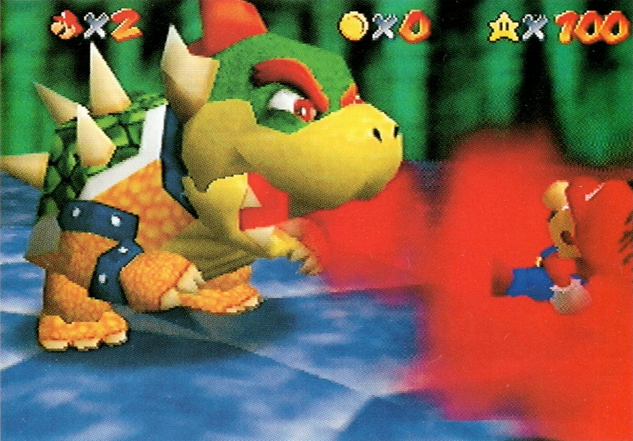 "X100" BuildThe first build with Mario's final model.
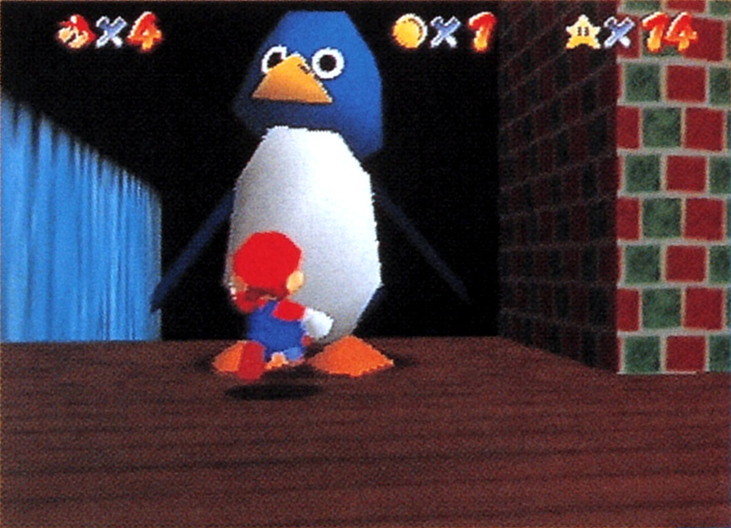 Pre E3 1996 BuildsThe game was said to be 80% complete at this point.
 E3 1996 Kiosk BuildThe last build to feature the old Mario, coin, and Star icons.
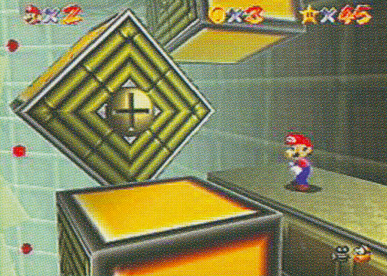 Manual BuildVery near completion, the only major difference is the coin HUD.
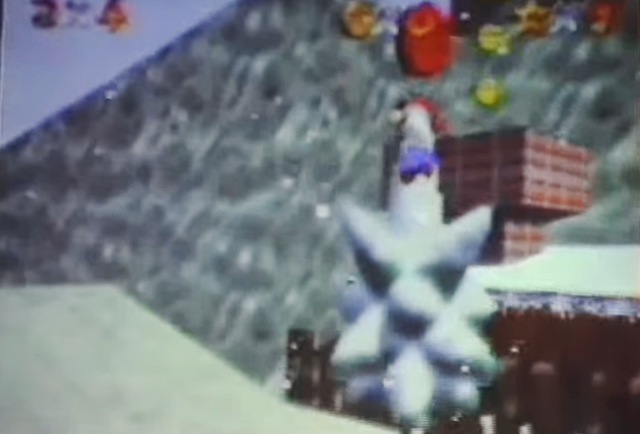 E3 1996 BuildVery close to the final Japanese version, only a few differences remain.
Photos of Prerelease Carts#
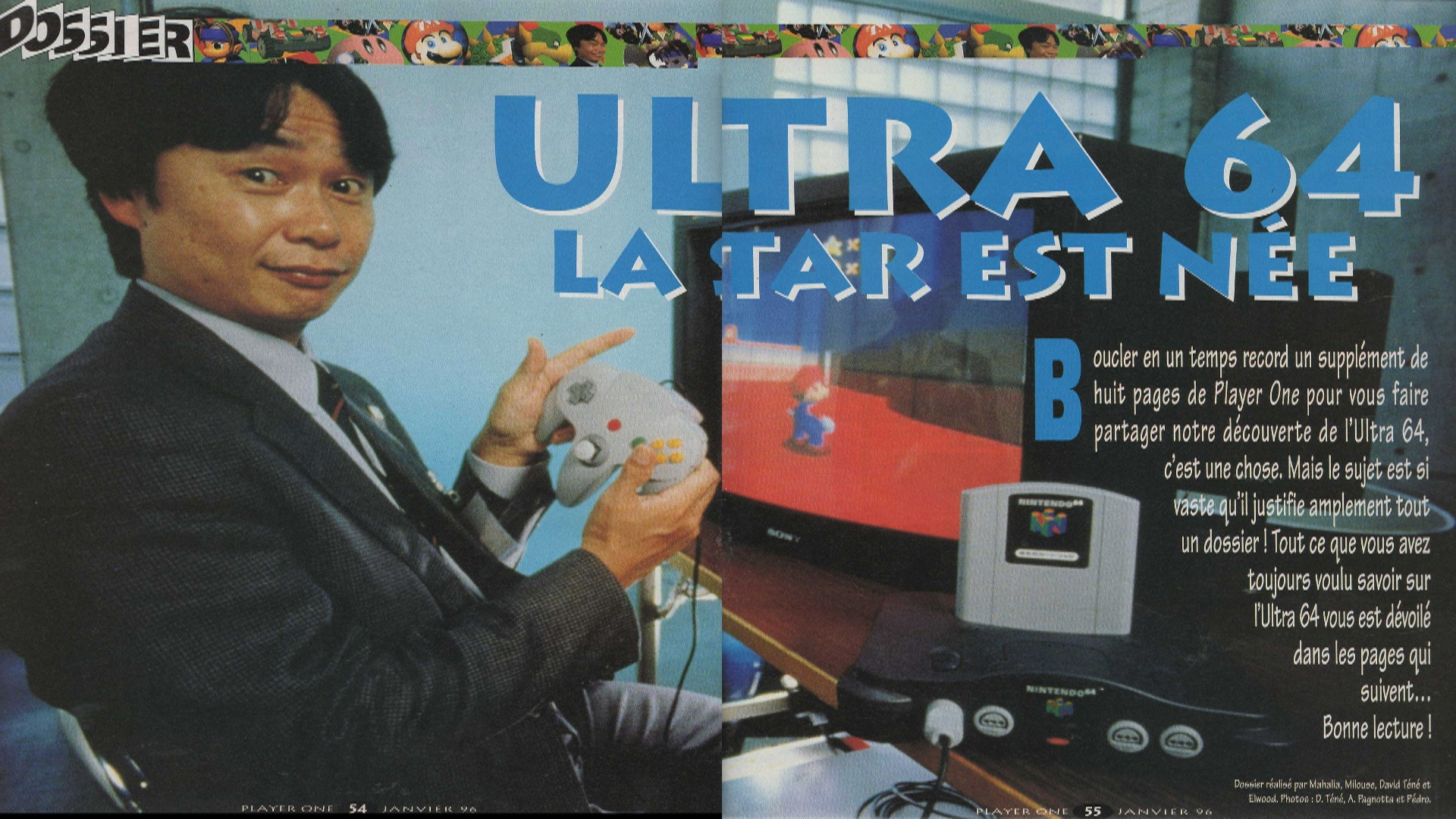
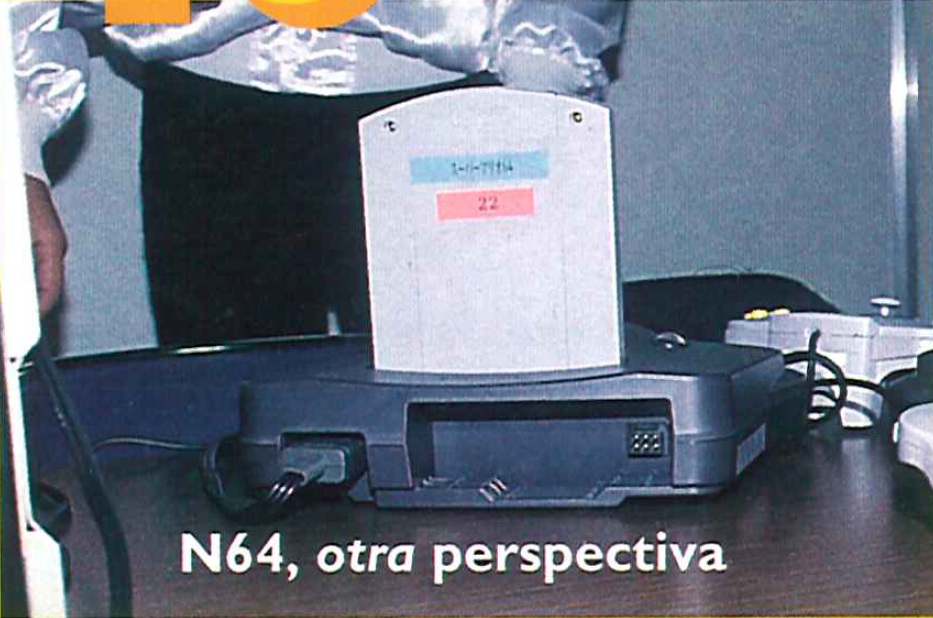
Super Mario 64 Prototype Cartridge (Shoshinkai/Famicom Spaceworld 1995) |
Super Mario 64 Prototype Cartridge (Shoshinkai/Famicom Spaceworld 1995) |
|---|---|
 |
 |
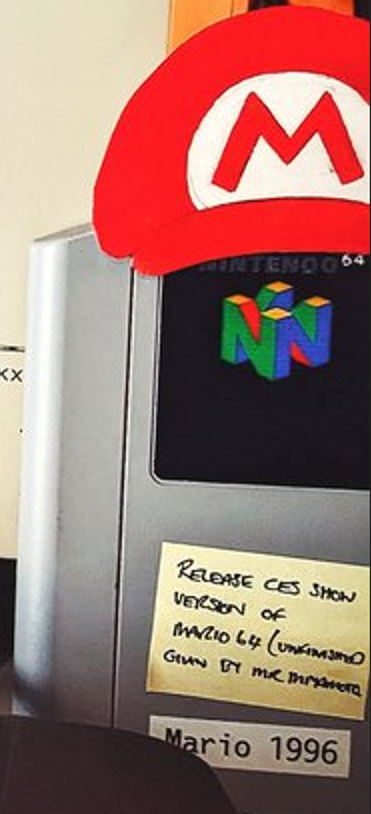
Cartridge of a demo that was meant to be available for play at CES 1996, but Nintendo cancelled their show at the last minute. |
Prototype cartridge from an interview with Hiroshi Yamauchi |
 |
 |
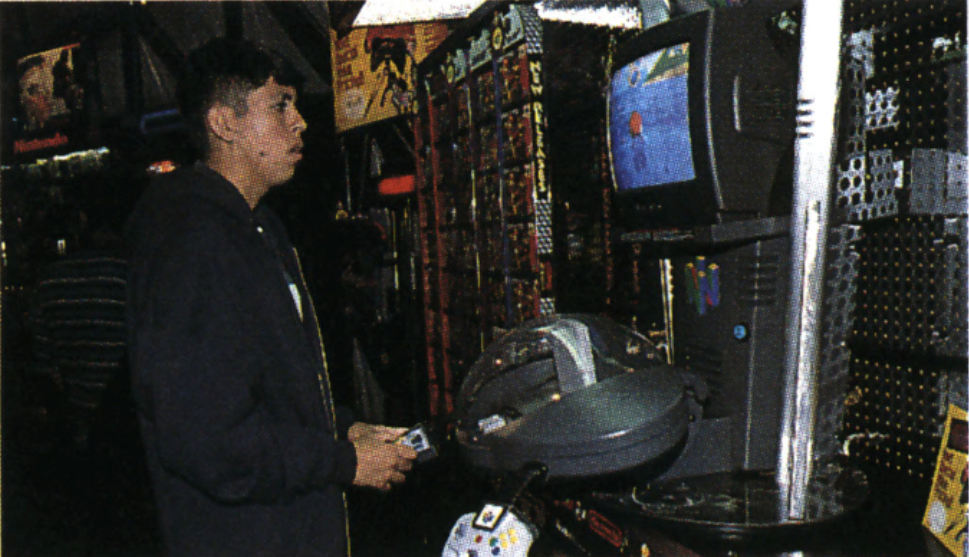
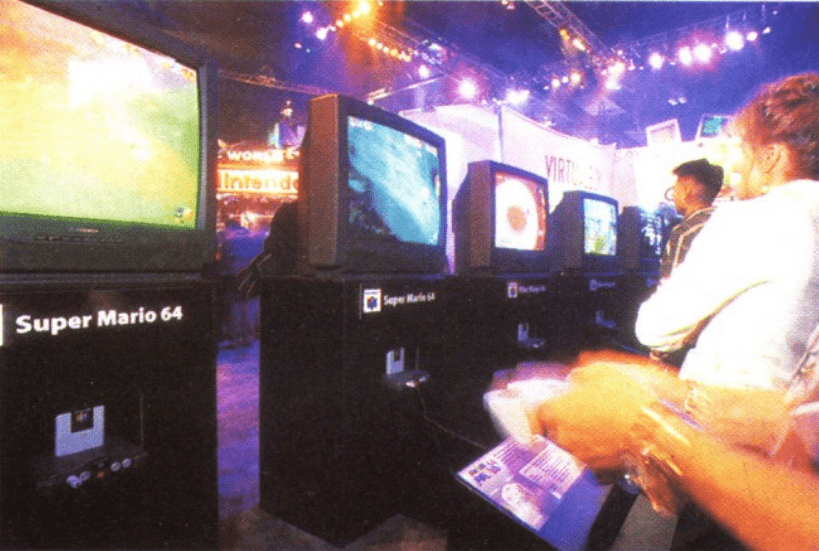
E3 1996 Kiosk |
E3 1996 |
 |
 |
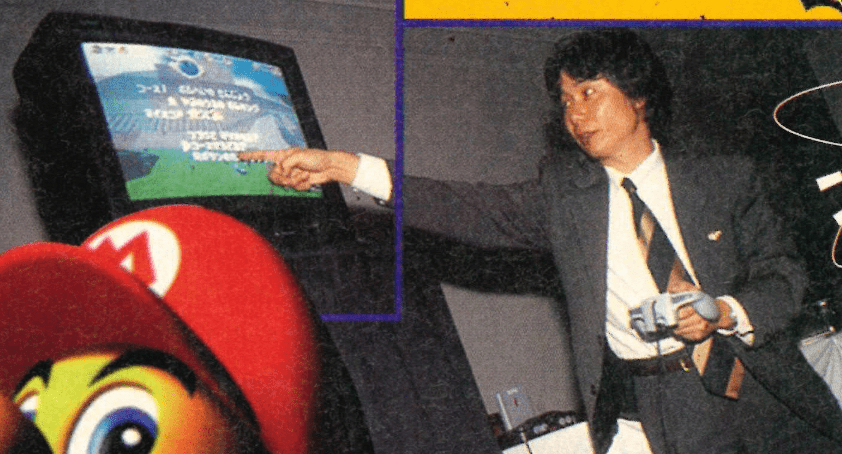
E3 1996 Press Conference (Shigeru Miyamoto) |
E3 1996 Press Conference (Ken Lobb) |
 |
 |
Resources#

|
This page or section has one or more broken YouTube links. |
Footage#
- New, high quality footage of SSK95 and some music
- High-quality footage, including a bit of Stage1 in action
- Prerelease footage & screenshots
- Shoshinkai '95 footage
- Cleaner footage of Courtyard + Pause Menu + Full Bowser's Battle Intro
- Outside the castle footage, including some E3 1996 gameplay
- High quality footage with good audio & video
- Beta64's (very outdated) video on Super Mario 64
- Various footage 1 Similar YouTube video link
- Various footage 2 (Broken link)
- Various footage 3
- Various footage 4
- E3 1996 playable demo
- Prerelease footage, screenshots, & info from Unseen64 (One broken video link)
- New unseen prerelease footage
- "Games World on The Computer Channel Episode 06 (1996)" (Shoshinkai '95 footage)
- Newly circulated 1995 proto footage
- A complete episode of Super Mario Stadium reporting the Spaceworld '95 event. A small snippet of promotional B-Roll footage playing on one of the TV's shows Mario and Luigi jumping around in a test environment!
- Snow Slider/Tall, Tall Mountain footage from a Chinese Video Game TV show "Video Game Spectator"
- A YouTube channel focused on preserving any footage regarding the game's 1995 builds.
- New footage of a late pre release build as of 2025.
Images#
- Prerelease footage & screenshots
- Prerelease info & screenshots
- Prerelease screenshots and scans
- Concept art (another useful link)
- Prerelease footage, screenshots, & info
- Screenshots
- Leaked high-resolution screenshots

Info#
Interviews#
- Interview with Giles Goddard
- Super Mario 64 DS interview
- Interview with Shigeru Miyamoto
- Super Mario Sunshine interview (another useful link)
- Nintendo 64 interview
- Interviews with Shigeru Miyamoto
- 5-page interview with Miyamoto in Next Generation #26
- Miyamoto interview
- Miyamoto GDC keynote speech
- Miyamoto & Tezuka interview
- One or more Iwata Asks that mention Mario 64
Patents#
- N64 patent, with Super Mario 64 prerelease shots
- N64 camera patent, with Super Mario 64 prerelease info and images
References#
- US6331856B1 - Video game system with coprocessor providing high speed efficient 3D graphics and digital audio signal processing↩︎
- Superjuegos 044 - Page 11 "Durante los pasados días 24, 25 y 26 de Noviembre se celebró en Tokio (Japón) la feria del videojuego más importante de toda la temporada: el Shoshinkai."↩︎
- Weekly Famitsu - No. 360 361 November 10th 17th 1995 - Page 236 "ファミコン スペースワールド'95 1995年11月25日(土)・26日(日) 9:00~17:00 千葉・幕張メッセ 日本コンベンションセンター国際展示場"↩︎
- Electronic Gaming Monthly Issue 079 (February 1996) - Page 62 "Actual Nintendo 64 gameplay was limited to two games: Super Mario 64 and Kirby Ball 64. The reasoning, according to Nintendo of Japan's President Hiroshi Yamauchi, was to prevent a letdown commonly associated with incomplete previews. Instead, the remainder of the Nintendo 64 games were limited to short segments on a six-minute videotape."↩︎
- Nintendo Delays Introduction Of Ultra 64 Video-Game Player - New York Times "After months of speculation, Nintendo of America Inc. confirmed yesterday that its Ultra 64 video-game player would not be ready in time for the 1995 Christmas season."↩︎
- Super Mario 64 – 1996 Developer Interviews - shmuplations.com. "Well… until February, he was in the game. (laughs) Ultimately, due to memory issues, we had to take him out. Then we were going to include him in a Mario Bros. style minigame, but because most users probably only have that one controller when they first buy their N64, for that reason (and others) we decided not to."↩︎
- Electronic Gaming Monthly Issue 078 (January 1996) - Page 74 "Mr. Yamouchi was being very candid when he said he was waiting until April 21 because his people need a little bit more time to finish the launch games to a level that they are satisfied with. Mr. Miyamoto also has a huge influence on launch dates in the sense that he wants to put more into Super Mario 64."↩︎
- NEXT Generation Issue #20 August 1996 - Page 26 "Number of attendees at E³, held at the Los Angeles Convention Center May 16-18: 57.795"↩︎
- NINTENDO64 - nintendo.co.jp↩︎
- NEXT Generation Issue #24 Decemeber 1996 - Page 28 "The Nintendo 64 retail feeding frenzy went as smoothly as anyone could have expected. That is, not very smoothly at all. Nintendo had rather hopefully put a September 29 deadline on the on-sale date. But virtually every retailer in the country was shifting boxes by the 26th. Nintendo, realizing that it could not hope to stop the malaise, yielded. Most retailers sold hardware stocks as soon as they arrived."↩︎
- NEXT Generation Issue #26 February 1997 - Page 18 "Although the event, held from November 22 to 24 at Makuhari Messe, was judged by many to be disappointing — chiefly because key title Zelda 64 failed to make an appearance in playable form — promise for the future came from other titles, not least of which were playable versions of Mario Kart 64 and Starfox 64."↩︎
- Gamefan Volume 5 Issue 02 February 1997 - Page 110 "A 64DD version of Mario 64 was exhibited to the crowd; the same game as the cartridge, of course, but it served the dual purpose of highlighting the 64DD’s speedy loading time (only a few seconds longer than the cartridge) and proving that the hardware was, as Nintendo claimed, basically complete."↩︎