Spyro the Dragon received various changes in its regional variants, especially Japan, where it was heavily modified and even includes an extra gameplay mechanic not seen in the North American and European versions.

|
To do: |
European Version#
Several alterations and fixes were done for the European version of the game, which came a month after the release of the North American version.
Audiovisual Differences#
- There is a slight delay before the title screen's music begins playing.
- Spyro's teeth aren't showing in his title screen appearance, for some reason.
- At the title screen, "PRESS START" was changed to "START GAME" and below it is an option that allows the player to change the game's language to either English, French, German, Spanish or Italian.
- The font used in menus and dialogue windows is smaller.
- The text displayed when speaking to the balloonist is also centered, whereas in the American version, it would be left-aligned.
- Similarly, the text displayed at the bottom of the screen upon freeing a dragon is smaller and there is no difference between in font size of "RESCUED" and the dragon's name.
- The ellipsis at the end of the "Entering [Level]" text is no longer present in the European version.
- The level "Twilight Harbor" was renamed "Twilight Harbour" to fit the spelling of the word in British English.
- In the North American version, there's a minor oversight in the inventory text where "Gna" in "Gnasty's World/Loot" appears to lack an animation and remains still. This was corrected in the European version.
- Consequently, in the European version, the same text string "Gnasty's" ends with an uppercase "S" for some reason.
- Certain dragons have either had their color or voice changed in the European version.
- Certain enemies with swords have been censored to remove the red, blood like tips present in the North American release. Unlike the Japanese version, however, horns and the distant LOD model of swords is correctly censored in this version, despite the Japanese version being a later build of the game. The European pre-release demo still retains the red tips in Dark Hollow, suggesting this change wasn't initially planned for that version.
- The theme for High Caves was changed. The North American version uses a marginally altered, slowed down variant of Tree Tops' theme, whereas the European and Japanese versions use a completely original theme, which sounds curiously similar to a few "unused" themes within the game.
|
North America |
Europe / Japan |
|---|---|
- The track for Terrace Village is louder in the European and Japanese versions.
- Unusually, the game contains six extra unique "unused" tracks compared to the North American version, replacing six of the duplicate tracks within the game's audio. Just like the obscure themes, the circumstances in which they play are incredibly difficult to decipher, and they seem to occur almost at random, although many report hearing them more frequently upon completing a level and staying there until the music repeats multiple times. These can be heard in the unused music section.
- Additionally, one of the unused tracks from the North American version has inexplicably been duplicated in the European version. The duplicate seems to be slightly quieter than the original mix.
Gameplay Differences#
|
|
To do: |
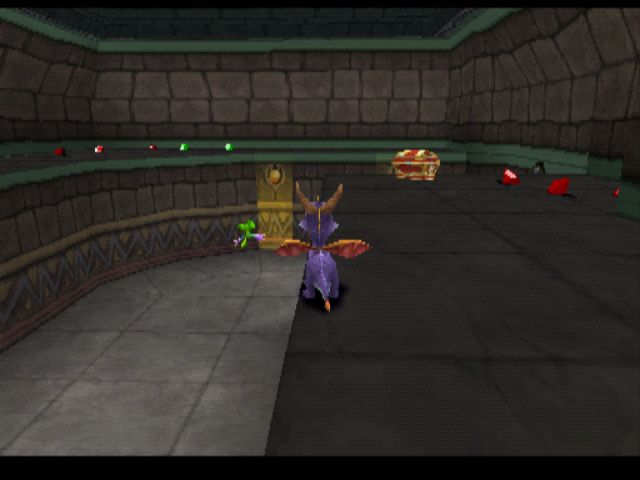
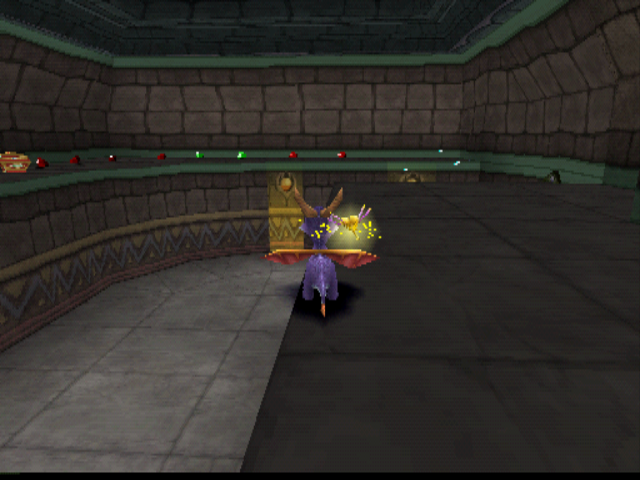
- Five gems were moved in Metalhead, from a hard-to-glide-to ledge to easier-to-access places.
|
North America |
Europe |
|---|---|
|
|
- In the North American version, Spyro can walk on a small pool of goo in Dark Passage without drowning. This oversight has been fixed in the European version. Curiously, this pool of goo has been replaced with a regular surface that can be walked on in Spyro: Reignited Trilogy.
- The frame-rate difference between the European and North American versions seems to make the moving targets in the flight stages go faster, most noticeably the trains in the level Sunny Flight.
- In the European version, the green gnorc next to the last dragon in Ice Cavern was placed differently, and only needs one charge in order to get knocked off, whereas in the North American version, it requires two charges.
- Spyro appears to charge, glide and fly faster in the European version. This is likely due to the difference in frame-rate, though.
- Similarly, the Gnorcs in the Beast Makers home that electrify the floor seem to have a shorter time period between attacks.
- In the North American version, Spyro can charge the Shepherds in Toasty without being knocked back, but cannot do so with the Shepherds in Stone Hill. This inconsistency / glitch has been fixed in the European and Japanese versions. Curiously, in Spyro: Reignited Trilogy, there's no knock-back whatsoever.
Translation Errors#
|
|
To do: |
If the language is set to French, both Delbin and Magnus refer to Sparx as "Étincelle", which would be the French equivalent of his name, "étincelle" meaning "spark". However this name is never used anywhere else, be it in this game's manual or any other Spyro game to come, including the game's remake. It's unknown whether the localization team originally intended to localize Sparx's name (only to drop the idea due to a lack of appeal / for simplicity sake) or if it was simply the result of miscommunication (the person responsible for translating the dialogue not knowing that this character's name was supposed to be left unchanged).
Japanese Version#

|
This needs some investigation. |
Watch on YouTubeIn a similar vein to Crash Bandicoot, Spyro the Dragon received significant audiovisual and gameplay alterations to make the game more "suitable" to Japanese audiences, in addition to retaining many of the changes made in the European version. Considering that the third game wasn't released in Japan, and most subsequent entries followed suit, it seems these attempts at localization were largely unsuccessful.
(Source: JoshKall)
Audiovisual Differences#
- Spyro is slightly more expressive in the Japanese version, making a small high-pitched grunt every time he jumps, charges, loses a life, when left idle or collecting all gems in a level.
- Sparx always appears as green, regardless of how many hits Spyro has sustained and the shade of green dulls each time Spyro gets hit. This is because the Japanese version allows you to obtain other dragonflies that have different colors by finding dragonfly eggs scattered throughout the game.
- The typical "Spyro" font is altered slightly to accommodate Japanese text, losing the accompanying metallic sheen and sliding animation, consequently appearing more plain relative to English text and numbers. However, this change does not only apply for gem totals and Portal names, which appear as they do in English versions.
- As in the European version, red tips on swords have been censored. Oddly, the far LOD models of swords were left intact, despite this being a later version of the game.
- The credits sport a few changes: first, the staff for Universal Interactive (Mark Cerny and Michael John) are now listed Cerny Games, Inc., and UI staffer Jackie Evanochick is now listed under the Insomniac Games credits. Also, SCEI's credits list many more people compared to SCEA and SCEE's credits in their respective versions. As a result, the credits run longer and the speed of the camera flying through the levels is slower.
- Level names are marked with numerical signs in addition to names in a world-level format (for example Stone Hill would be labelled as 1-1, and High Caves as 3-2). Bosses are marked as the fourth level in a world, and flights are marked as the fifth, with the normal levels taking up slots 1 through 3. Also, as expected, level & world names are different. Below is the list of Japanese level titles compared to the original ones, though some of them weren't changed.
Original name |
Japanese name |
|---|---|
Artisans |
Green Garden |
Stone Hill |
Speed Chase |
Dark Hollow |
Night Square |
Town Square |
Glide Town |
Toasty |
Wonder Pumpkin |
Sunny Flight |
Sunny Sky |
Peace Keepers |
Combat Garden |
Dry Canyon |
Dry Canyon |
Cliff Town |
Cliff Town |
Ice Cavern |
Slip Cave |
Doctor Shemp |
Doctor Cool |
Night Flight |
Night Sky |
Magic Crafters |
Magic Garden |
Alpine Ridge |
Glide Mountain |
High Caves |
Fairy Kiss |
Wizard Peak |
Wizard Peak |
Blowhard |
Hurricane Hat |
Crystal Flight |
Crystal Sky |
Beast Makers |
Beautiful Garden |
Terrace Village |
Mechanical Village |
Misty Bog |
Broken Palace |
Tree Tops |
Speed Tree |
Metalhead |
Iron Head |
Wild Flight |
Wild Sky |
Dream Weavers |
Dream Garden |
Dark Passage |
Nightmare Road |
Haunted Towers |
Ghost Armor |
Lofty Castle |
Fairy Trap |
Jacques |
Amazing Box |
Icy Flight |
Ice Sky |
Gnorc Gnexus |
Gnasty World |
Gnorc Cove |
Gnasty Harbor |
Twilight Harbor |
Gnasty Bridge |
Gnasty Gnorc |
Gnasty Gnorc |
Gnasty's Loot |
Treasure Room |
- Most of the dragon names are different in this version as well. You can see the full list below. Interestingly, some names look like they were mistakenly swapped; for example, Andor is Asubaru, but Asher is Andoru. Or Zeke is Baberu, but Bubba is Zeku. Also these dragons have a surname, derived from the homeworld title and their body type.
Original name |
Japanese name |
|---|---|
Nestor |
ネスター=グリノマール (Nesutā Gurinomāru) |
Delbin |
デルジェ=グリノマール (Deruje Gurinomāru) |
Tomas |
トルジェ=グリヨワーム (Toruje Guriyowāmu) |
Argus |
アルジェ=グリノマール (Aruje Gurinomāru) |
Lindar |
リンダル=グリノマール (Rindaru Gurinomāru) |
Gildas |
ギルダス=グリフーチョ (Girudasu Gurifūcho) |
Astor |
アスター=グリロジーン (Asutā Gurirojīn) |
Gavin |
ガビン=グリマーチョ (Gabin Gurimācho) |
Alban |
バンジェル=グリマーチョ (Banjeru Gurimācho) |
Oswin |
オージェ=グリヨワーム (Ōje Guriyowāmu) |
Darius |
ダリアス=グリフーチョ (Dariasu Gurifūcho) |
Nils |
ナイルス=グリノマール (Nairusu Gurinomāru) |
Devlin |
デルビン=グリフーチョ (Derubin Gurifūcho) |
Alvar |
バルジェ=グリフーチョ (Baruje Gurifūcho) |
Thor |
トア=グリヨワーム (Toa Guriyowāmu) |
Nevin |
ネビン=グリマーチョ (Nebin Gurimācho) |
Titan |
ドルタン=バトノマール (Dorutan Batonomāru) |
Magnus |
マグナ=バトフーチョ (Maguna Batofūcho) |
Gunnar |
ガナー=バトマーチョ (Ganā Batomācho) |
Conan |
コルドル=ボトヨワーム (Korudoru Botoyowāmu) |
Boris |
ボドル=バトマーチョ (Bodoru Batomācho) |
Ivor |
イボル=バトロジーン (Īboru Batorojīn) |
Maximos |
マクシモ=バトフーチョ (Makishimo Batofūcho) |
Halvor |
ハルバー=バトノマール (Harubā Batonomāru) |
Enzo |
エンゾ=バトノマール (Enzo Batonomāru) |
Marco |
マルド=バトフーチョ (Marudo Batofūcho) |
Ulric |
ウルバド=バトマーチョ (Urubado Batomācho) |
Todor |
トロドル=バトヨワーム (Torodoru Batoyowāmu) |
Andor |
アスバル=バトロジーン (Asubaru Batorojīn) |
Asher |
アンドル=バトロジーン (Andoru Batorojīn) |
Ragnar |
ラドル=バトノマール (Radoru Batonomāru) |
Trondo |
トロダル=バトヨワーム (Torodaru Batoyowāmu) |
Cosmos |
コスモス=マジノマール (Kosumosu Majinomāru) |
Zantor |
ザンター=マジフーチョ (Zantā Majifūcho) |
Boldar |
ボルダー=マジロジーン (Borudā Majirojīn) |
Zane |
ゼイン=マジヨワーム (Zein Majiyowāmu) |
Eldrid |
エルドル=マジノマル (Erudoru Majinomaru) |
Zander |
ゼンダー=マジフーチョ (Zendā Majifūcho) |
Kelvin |
ケビン=マジノマール (Kebin Majinomāru) |
Cyrus |
サイラス=マジマーチョ (Sairasu Majimācho) |
Ajax |
アックス=マジマーチョ (Akkusu Majimācho) |
Cedric |
セド=マジフーチョ (Sedo Majifūcho) |
Jarvis |
ルビス=マジノマール (Rubisu Majinomāru) |
Hexus |
ヘックス=マジフーチョ (Hekkusu Majifūcho) |
Lucas |
ルーカス=マジノマール (Rūkasu Majinomāru) |
Altair |
アルテア=マジロジーン (Arutea Majirojīn) |
Bruno |
ブルノ=ビノマル (Buruno Binomaru) |
Cleetus |
クリエル=ビフーチョ (Kurieru Bifūcho) |
Claude |
クロード=ビノマル (Kurōdo Binomaru) |
Cyprin |
キプリオ=ビフーチョ (Kipurio Bifūcho) |
Rosco |
ロスコ=ビヨワーム (Rosuko Biyowāmu) |
Damon |
ダモン=ビロジーン (Damon Birojīn) |
Zeke |
バベル=ビマーチョ (Baberu Bimācho) |
Bubba |
ゼク=ビノマール (Zeku Binomāru) |
Isaak |
アイゼル=ビヨワーム (Aizeru Biyowāmu) |
Lyle |
ライル=ビフーチョ (Rairu Bifūcho) |
Jed |
ジェドー=ビフーチョ (Jedō Bifūcho) |
Sadiki |
ザジェル=ビノマール (Zajeru Binomāru) |
Lateef |
ラティ=ドリノマル (Rati Dorinomaru) |
Zikomo |
コモ=ドリヨワーム (Komo Doriyowāmu) |
Mazi |
マザン=ドリノマール (Mazan Dorinomāru) |
Kasiya |
カスワン=ドリフーチョ (Kasuwan Dorifūcho) |
Azizi |
アジ=ドリノマル (Aji Dorinomaru) |
Apara |
パーラ=ドリヨワーム (Pāra Doriyowāmu) |
Obasi |
バシワ=ドリマーチョ (Bashiwa Dorimācho) |
Bakari |
ガリワ=ドリロジーン (Gariwa Dorirojīn) |
Mudada |
マンダ=ドリフーチョ (Manda Dorifūcho) |
Baruti |
バラソ=ドリマーチョ (Baraso Dorimācho) |
Useni |
ゼアン=ドリノマール (Zean Dorinomāru) |
Kosoko |
コズワ=ドリノマル (Kozuwa Dorinomaru) |
Lutalo |
ルタ=ドリマーチョ (Ruta Dorimācho) |
Copano |
オザール=ドリフーチョ (Ozāru Dorifūcho) |
Unika |
ユニ=ドリフーチョ (Yuni Dorifūcho) |
Revilo |
レギワ=ドリノマル (Regiwa Dorinomaru) |
Gameplay Differences#
- The Crash Bandicoot 3: Warped demo isn't present.
- Spyro is overall far slower, as his walking speed received a notable decrease, and his charge velocity being roughly on par with his walking speed in international releases. These changes were also present in the Japanese version of the sequel. However, upon completing the game with at least 100% completion, a bonus "Director's Cut" mode is unlocked, which restores Spyro's overall speed by holding down L1 & R1 on the file select screen while loading a previous save or starting a new game. Charging in this mode also restores normal camera and charge jumps. Once available, a little notice informing the player about this feature is displayed under the file select screen.
(Source: psxdriverplayer)
- The camera is zoomed out considerably when compared to the other versions of the game, keeping a fixed perspective as opposed to following Spyro directly. In addition to this, the camera fades in and out when Spyro walks into a whirlwind, when he falls down a hole the camera isn't directed towards, and when he enters a level, replacing the "U-turn" animation which pertains to the last action. However, the camera in the "Flight" levels remains identical to the other versions. The △ button is used to re-center the camera, and holding it down further activates the look mode in order to have a closer point of view, just like in the other versions. Furthermore the "Active" and "Passive" camera options were removed.
- Spyro can't jump while charging.
- You can rewatch a dragon cutscene just after saving your progress without exiting the "fairy menu" (or you can re-save if you really want to...).
- Cheat inputs are changed.
- The whirlwind near the end level portal of Cliff Town was moved to be further from the portal.
- On Doctor Shemp level you don't lose control of Spyro after damaging the boss.
- On Misty Bog level some enemies were placed differently. Specifically, those metal armor gnorcs that were standing in a row one by one and all enemies in that hardest room with lots of frogs and metal armor gnorcs.
- After getting a kiss from a fairy, Spyro makes a few short silly steps in the opposite direction to help you to start moving in the right direction.
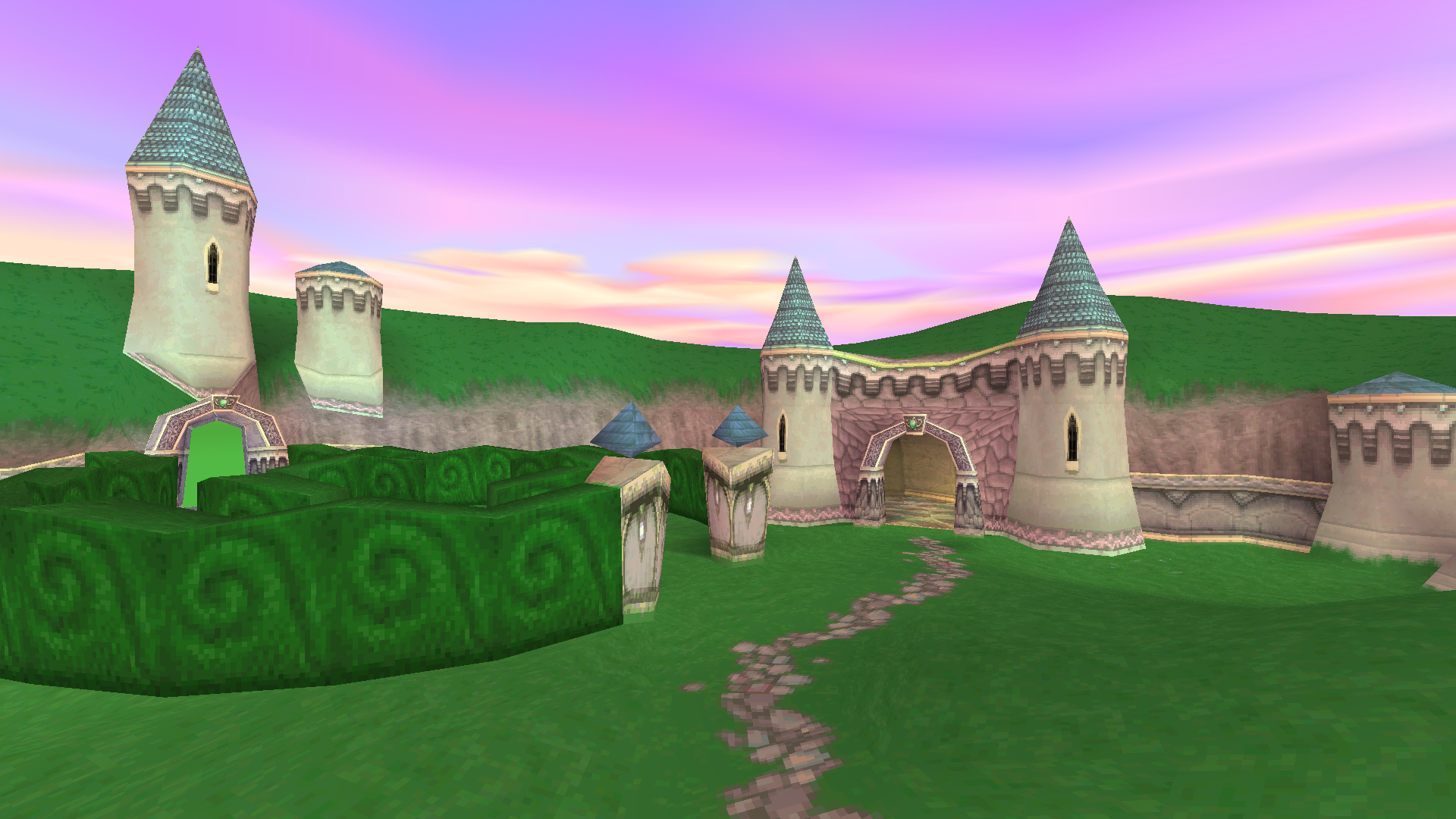
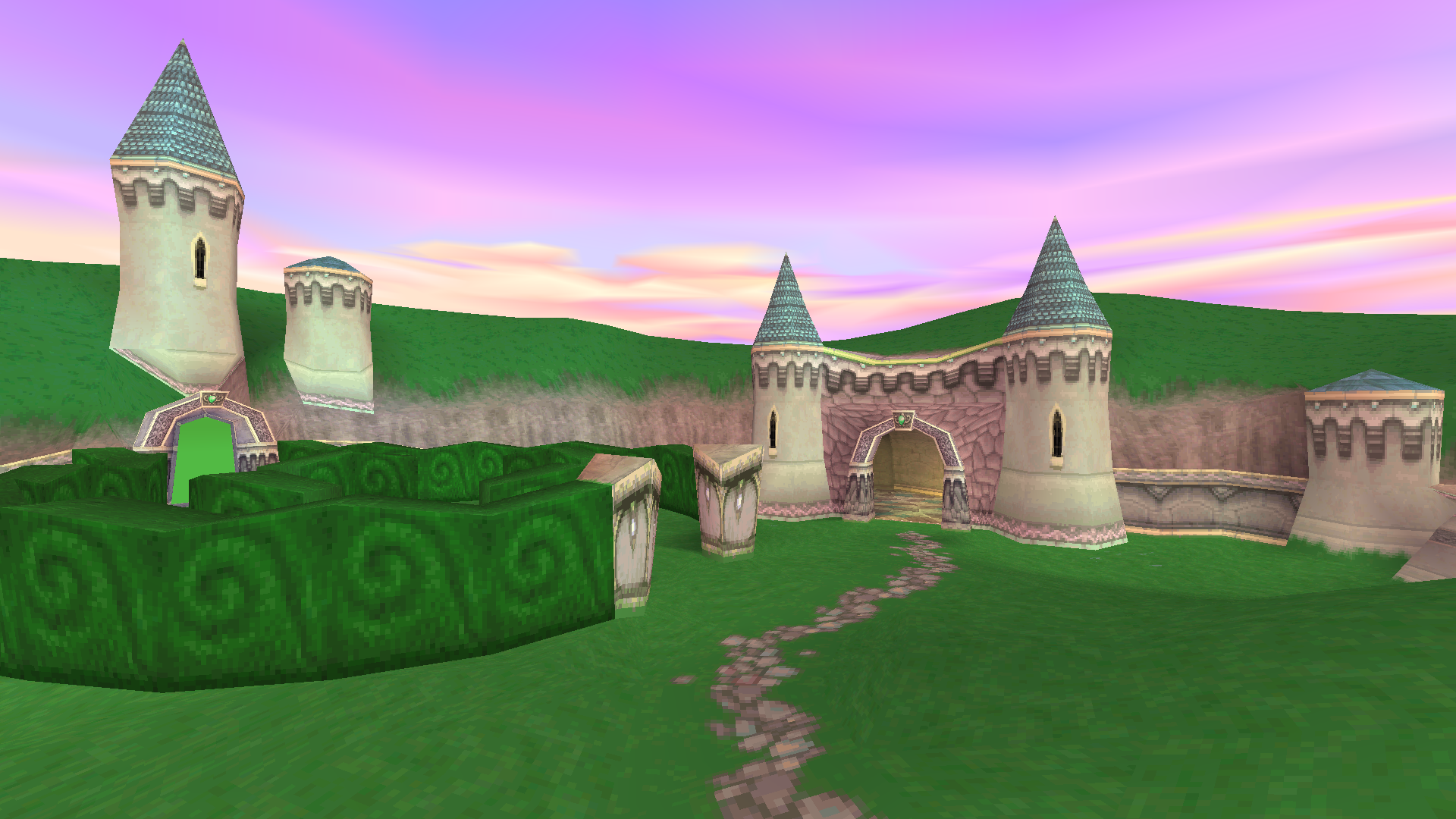
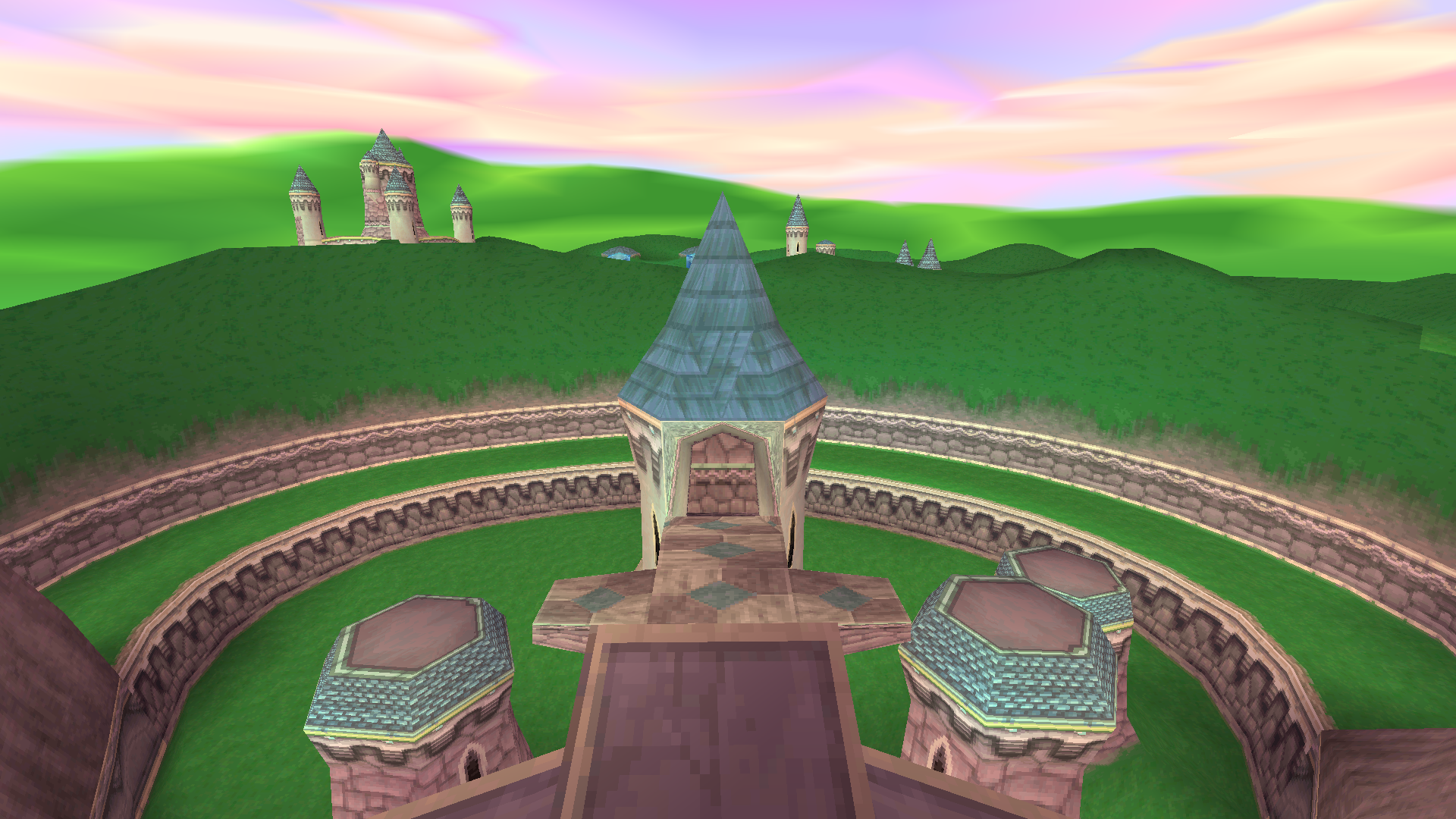
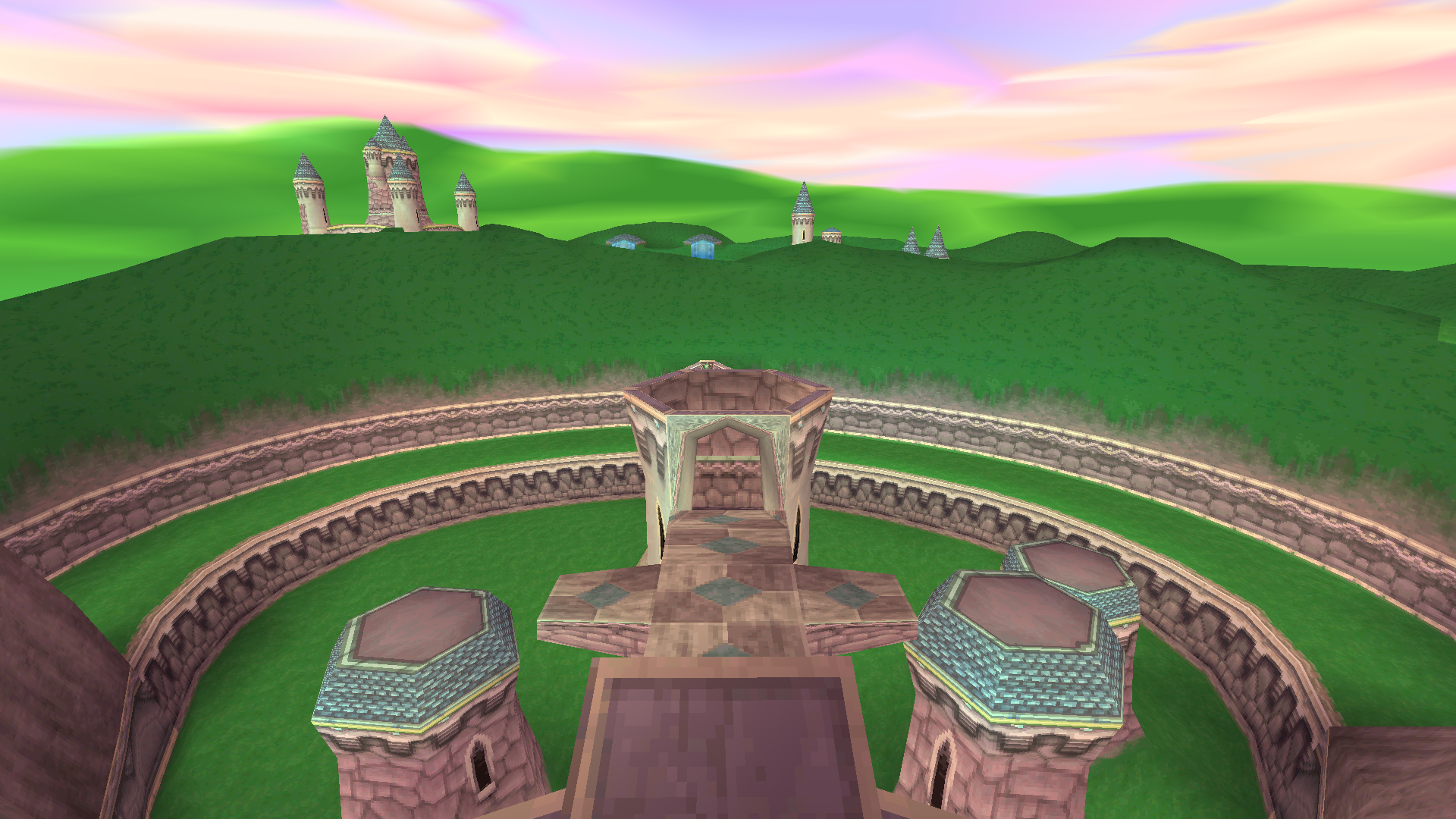
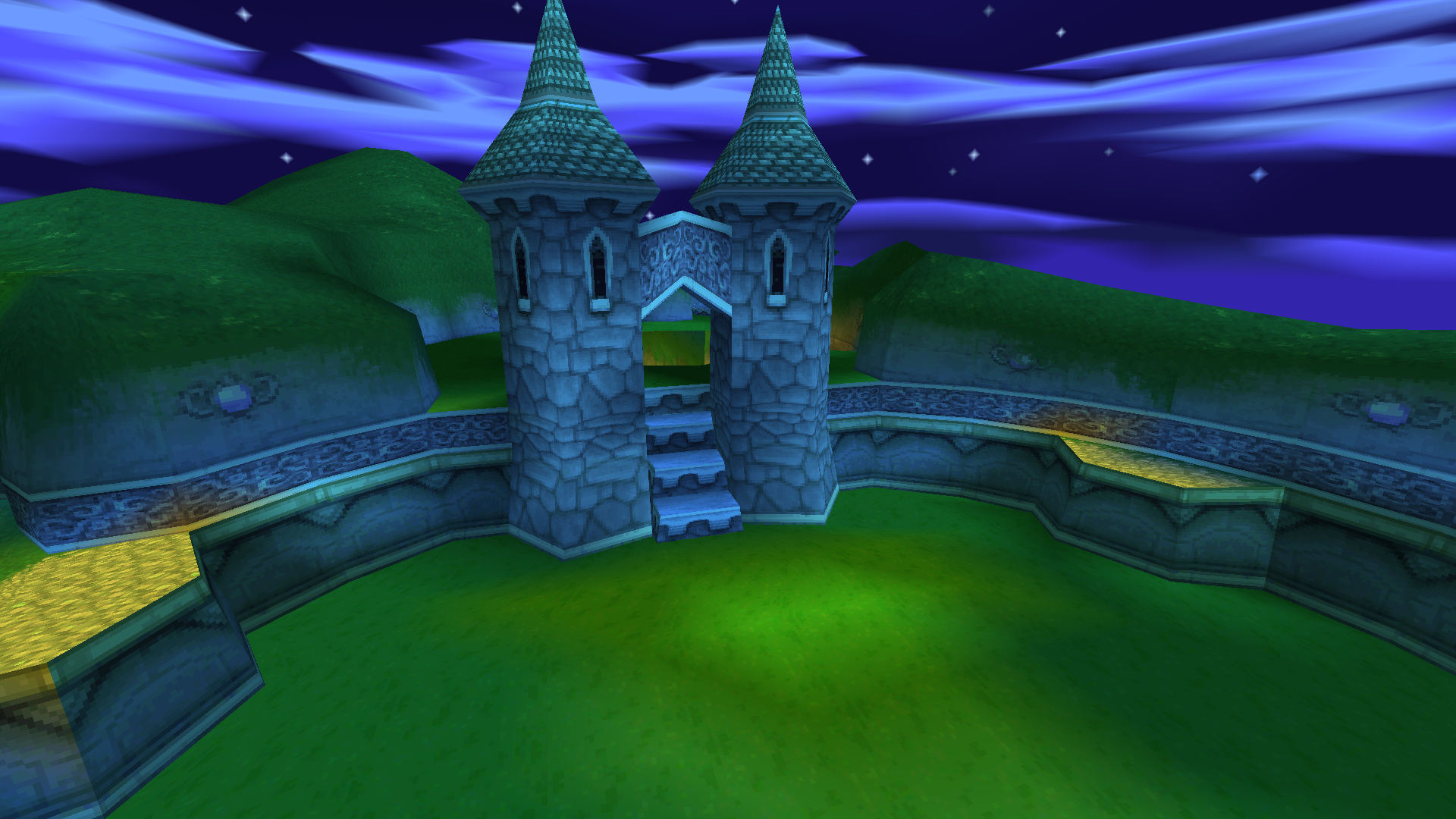
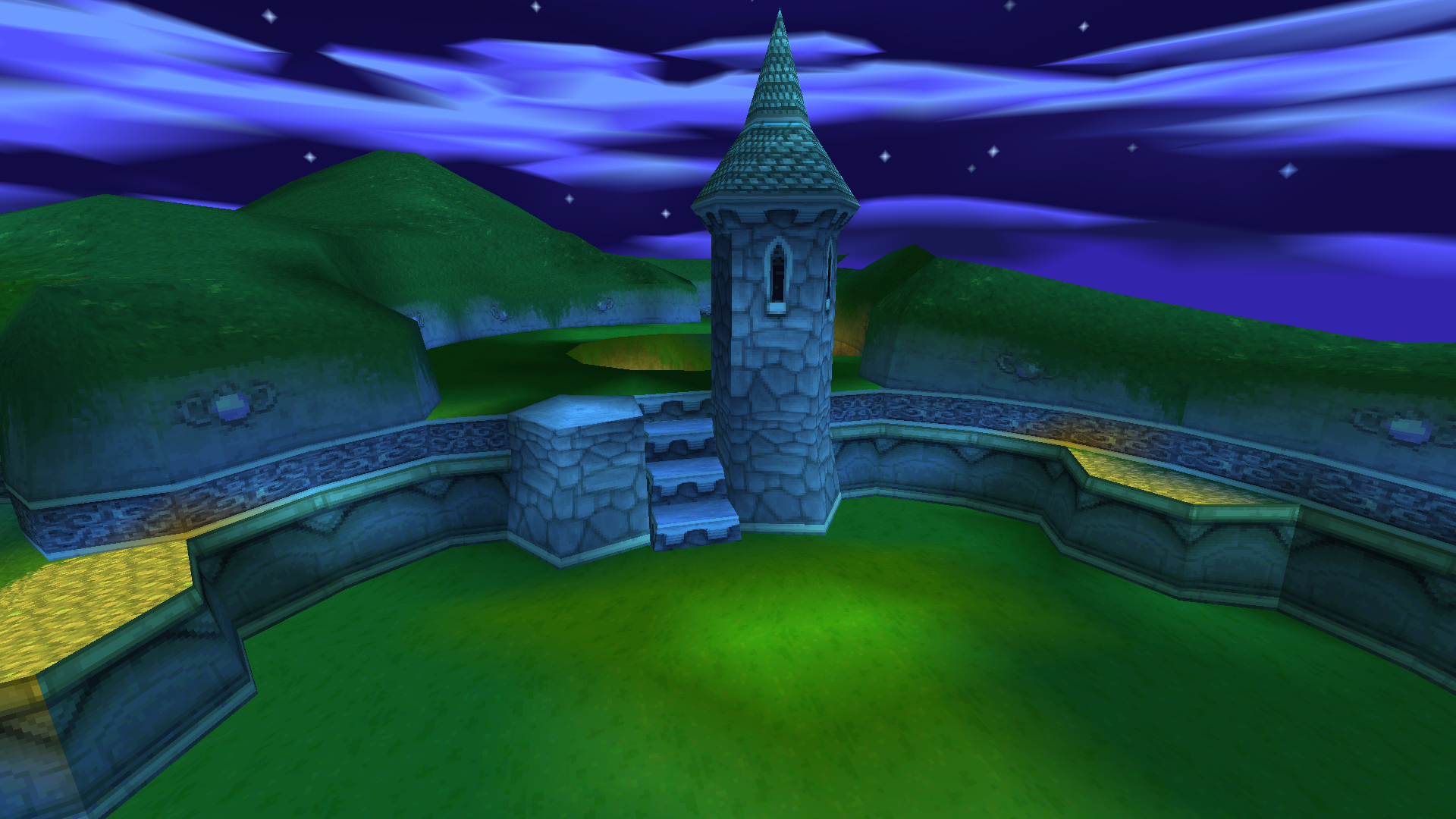
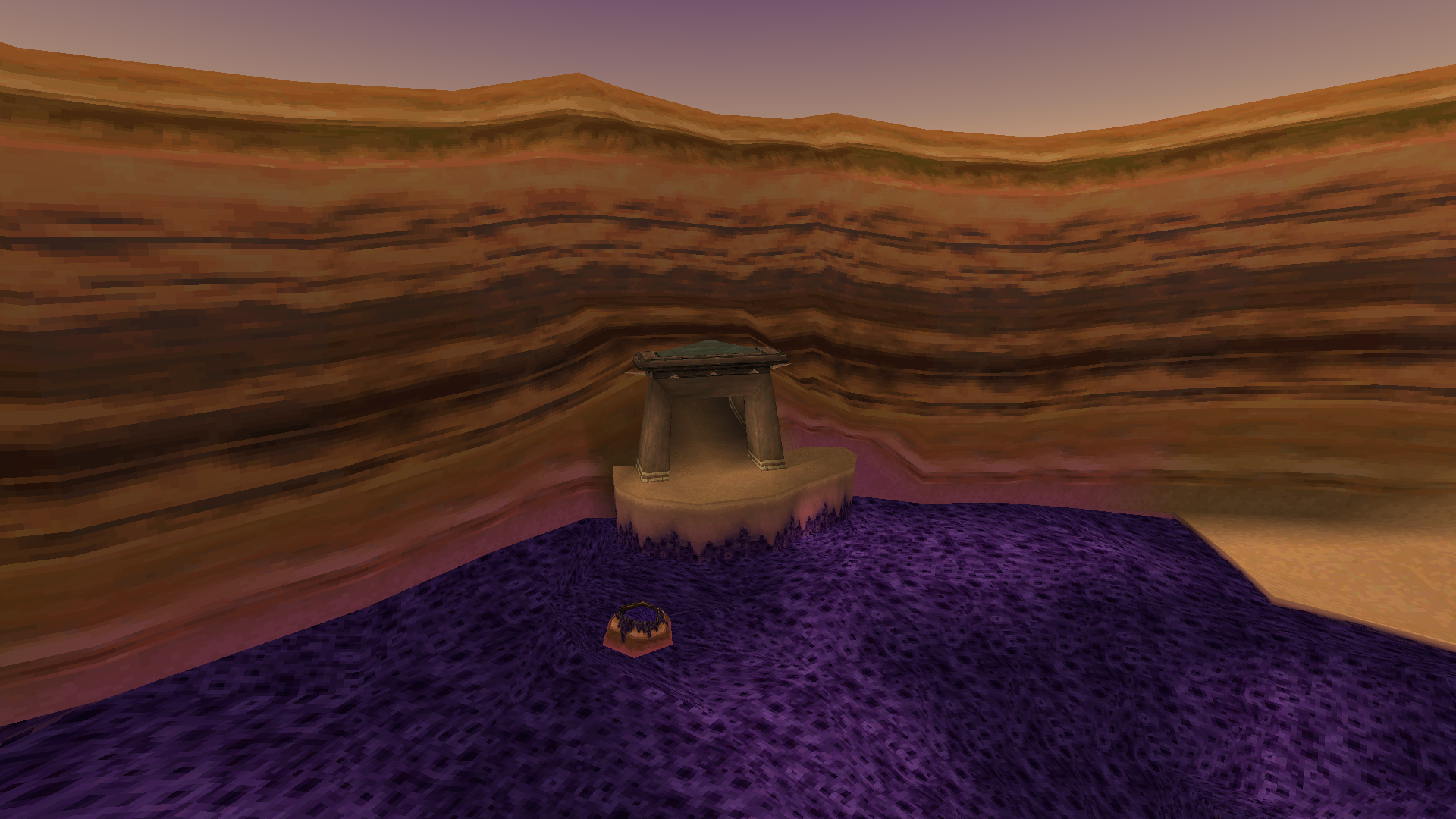
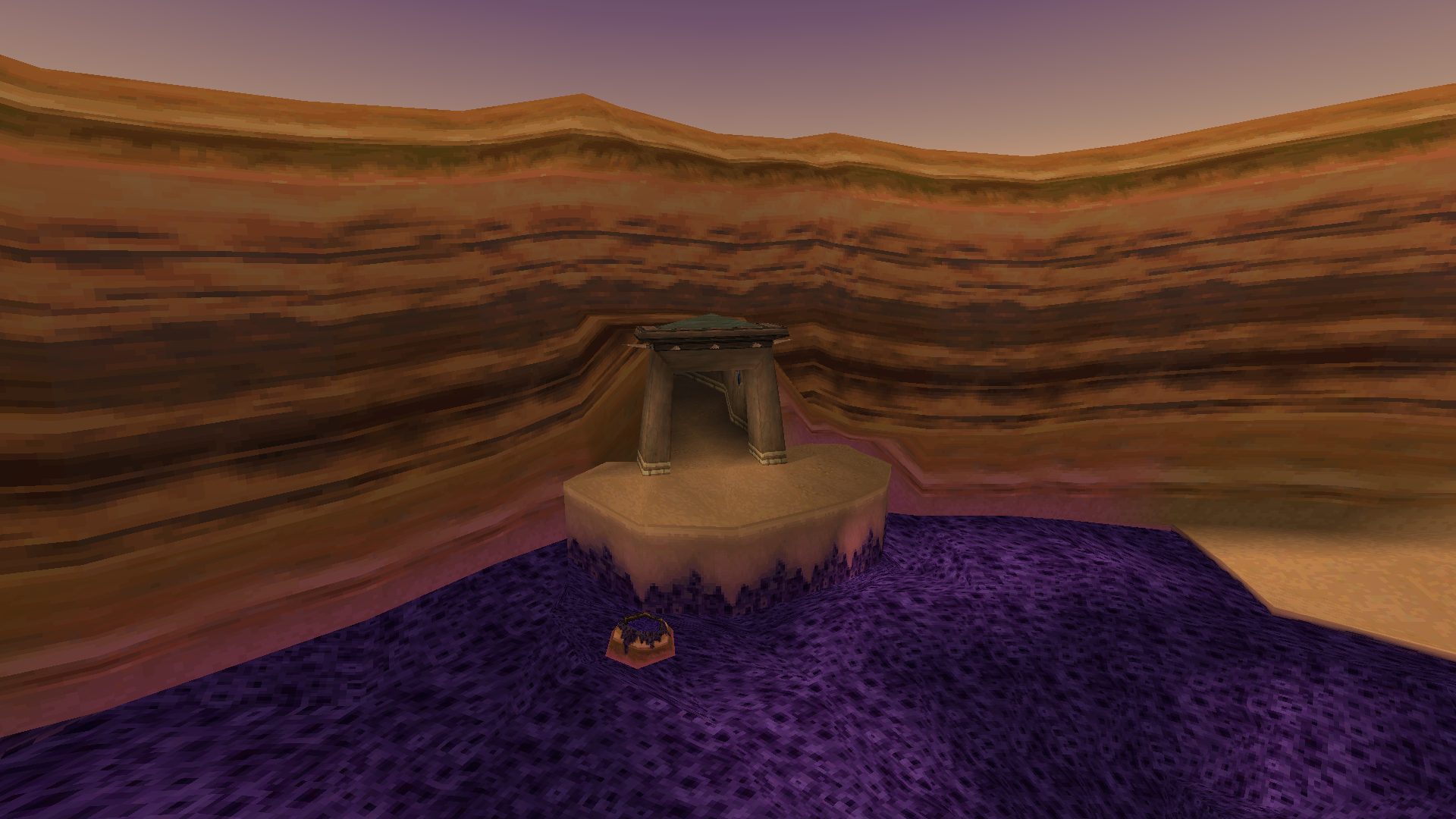
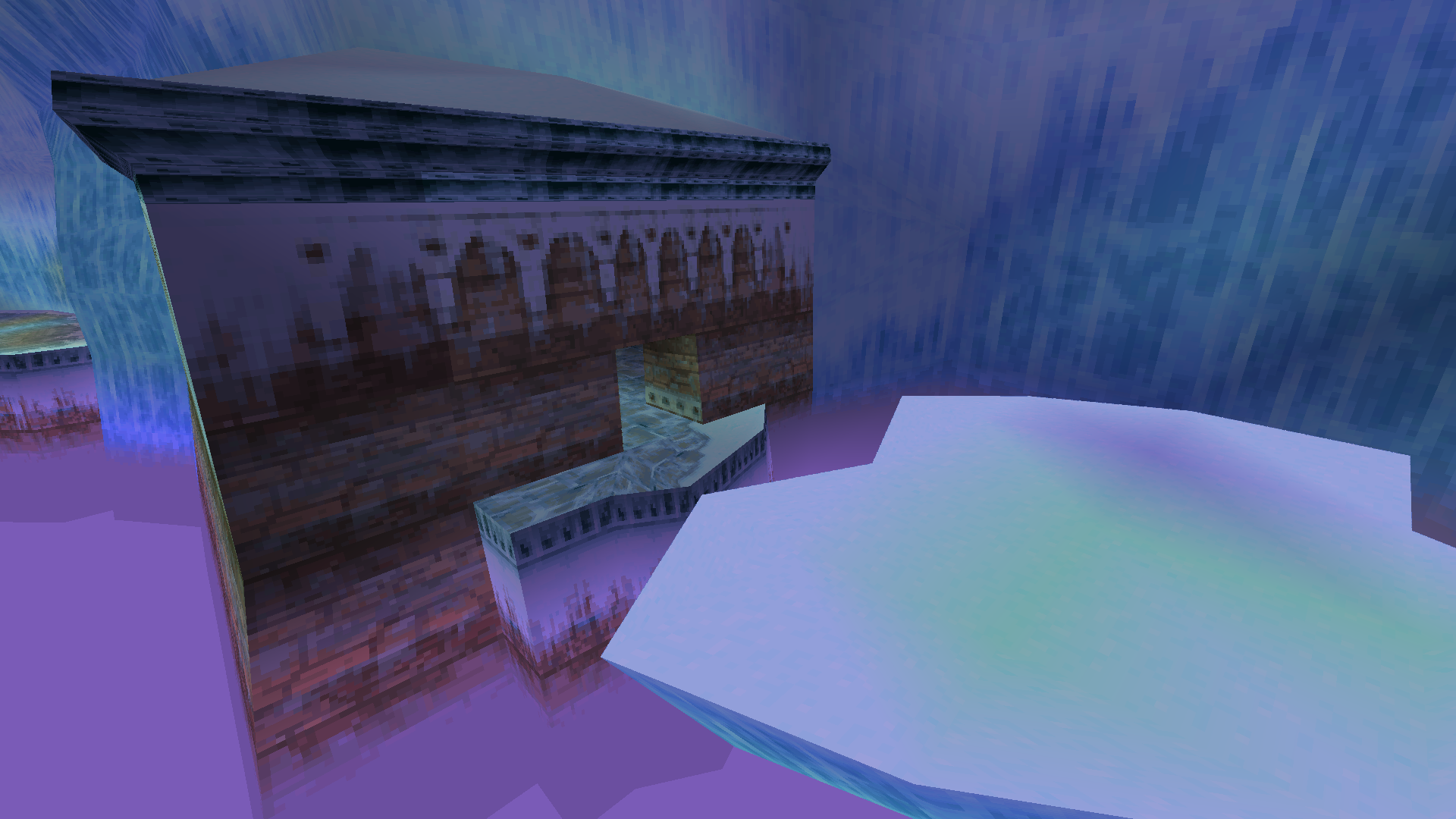
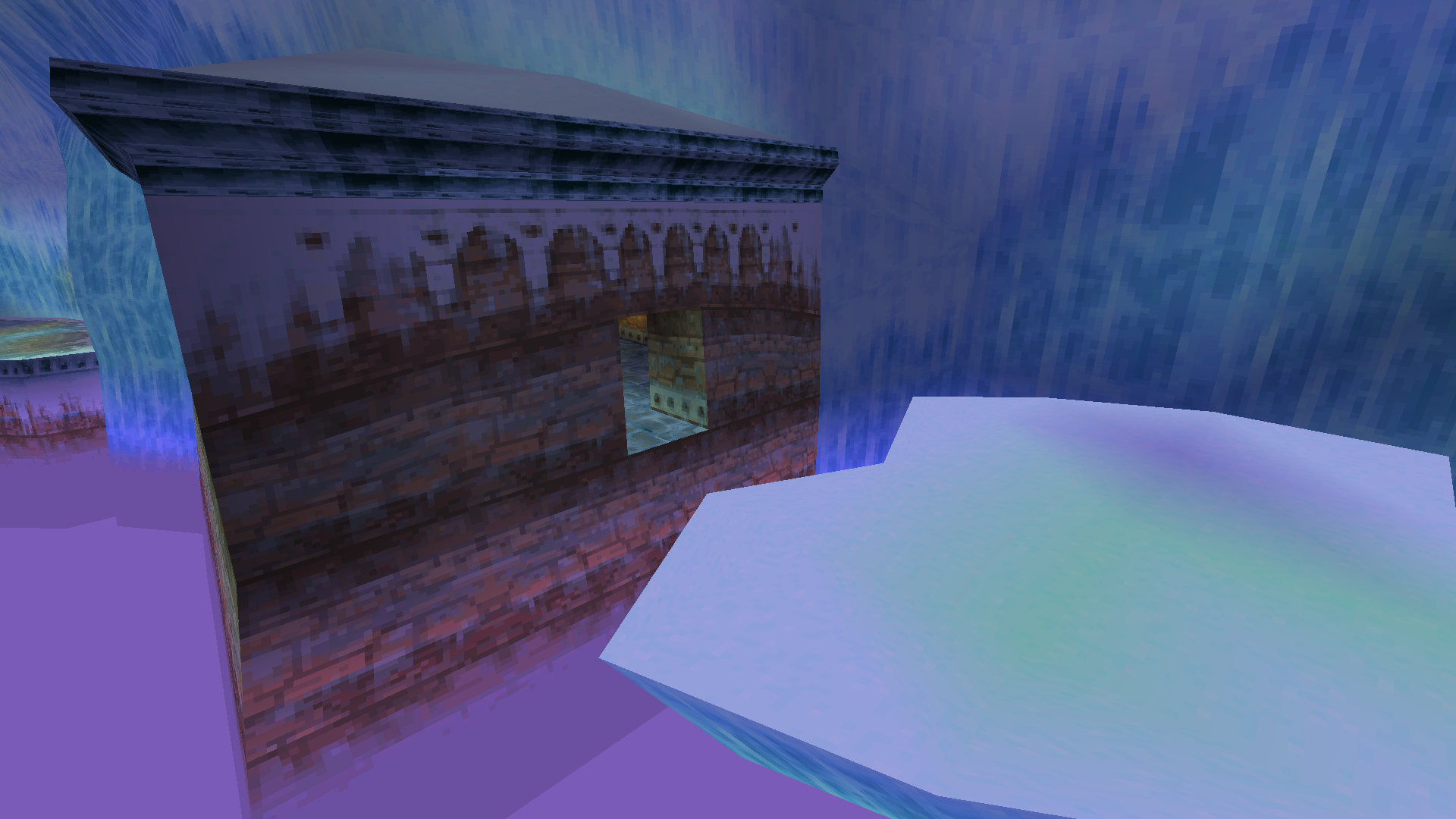
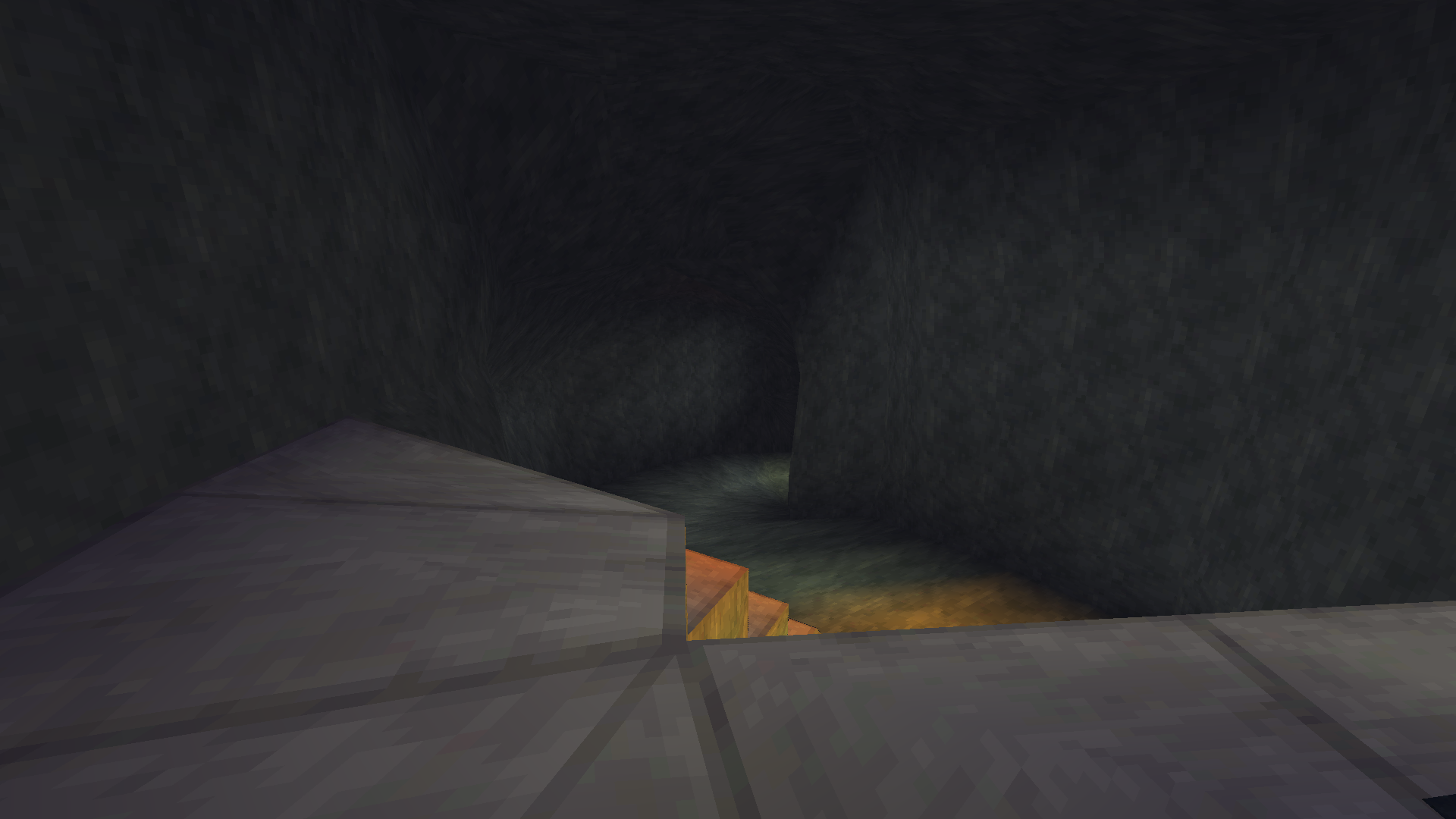
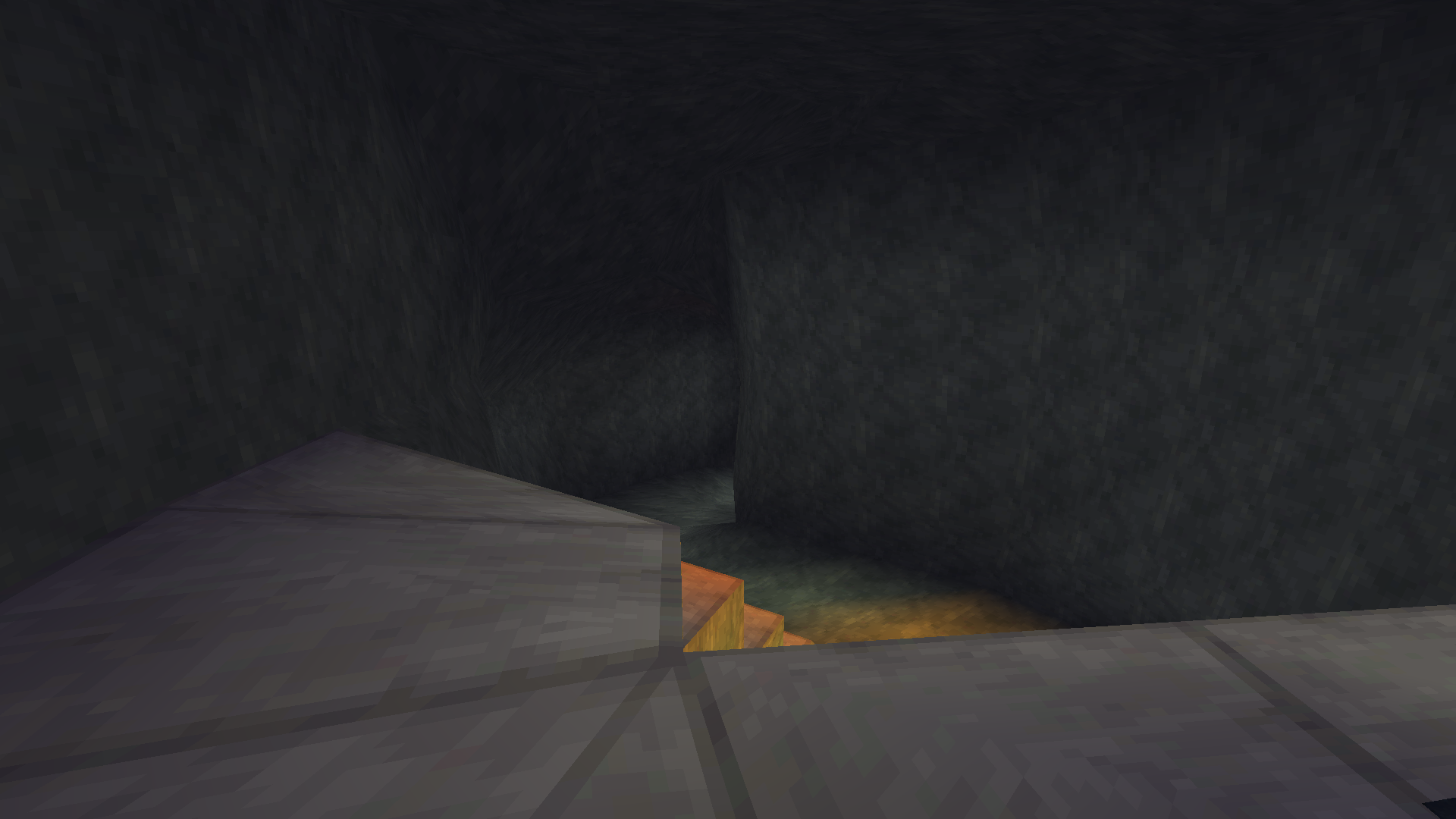
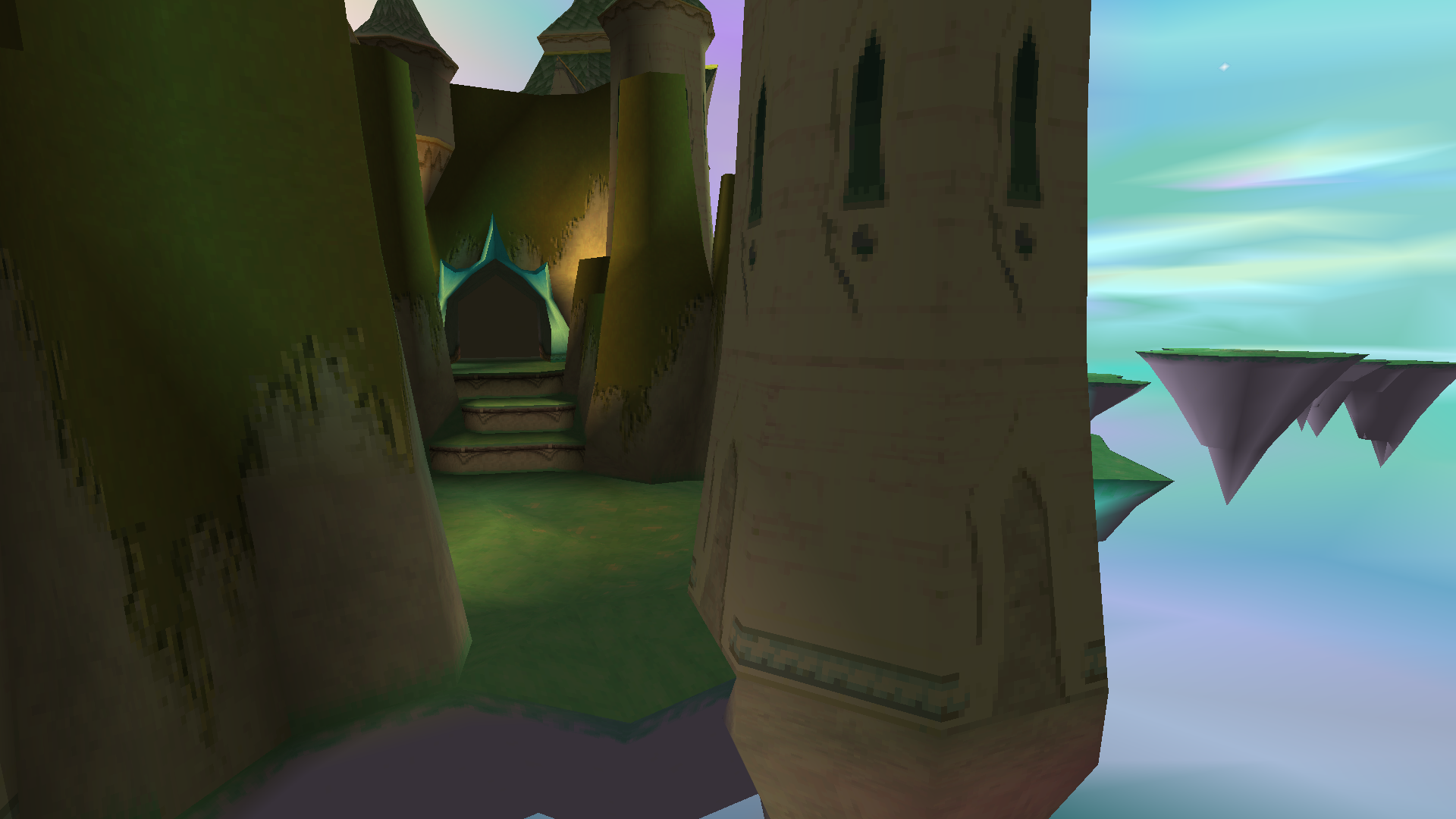
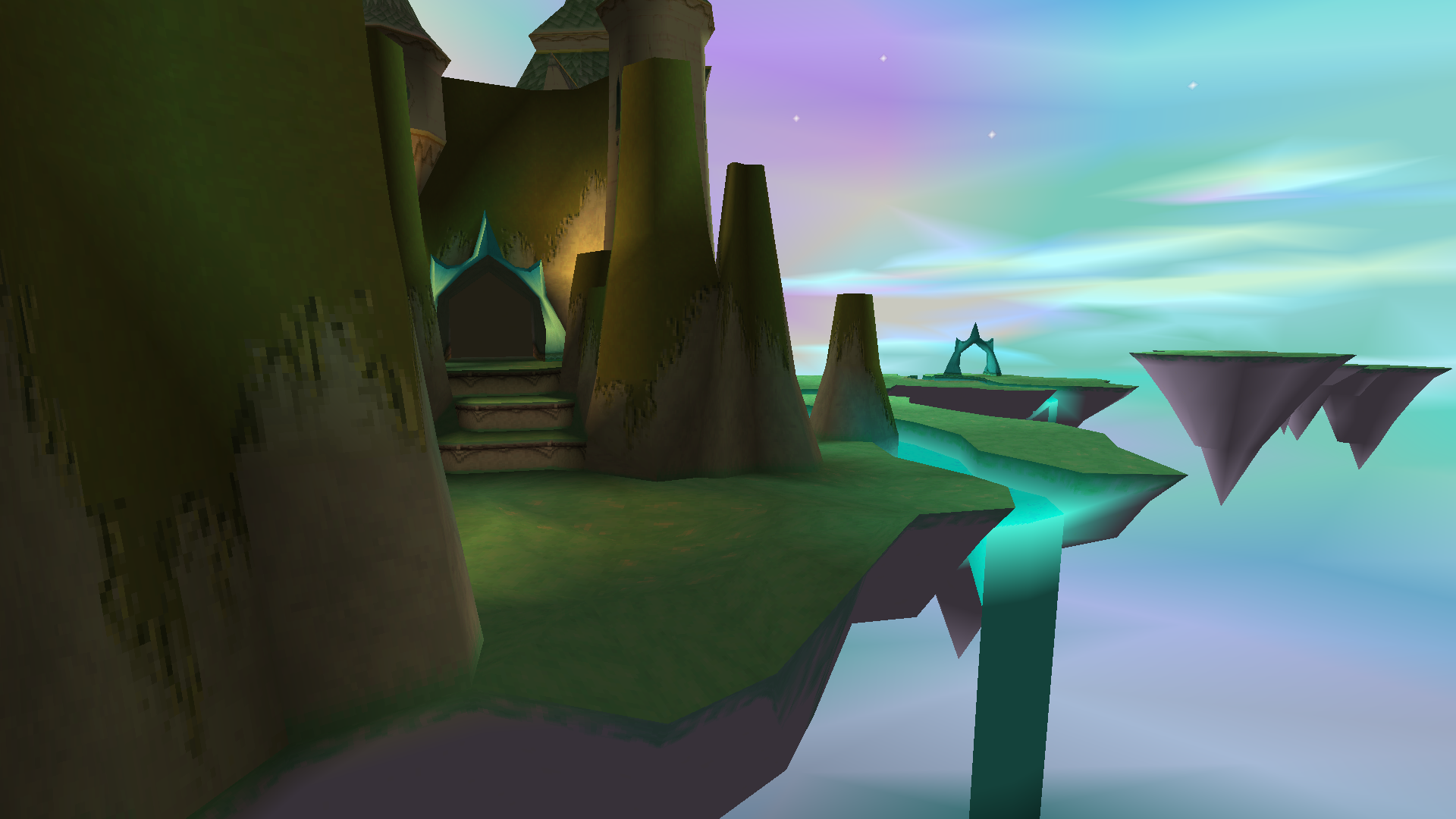
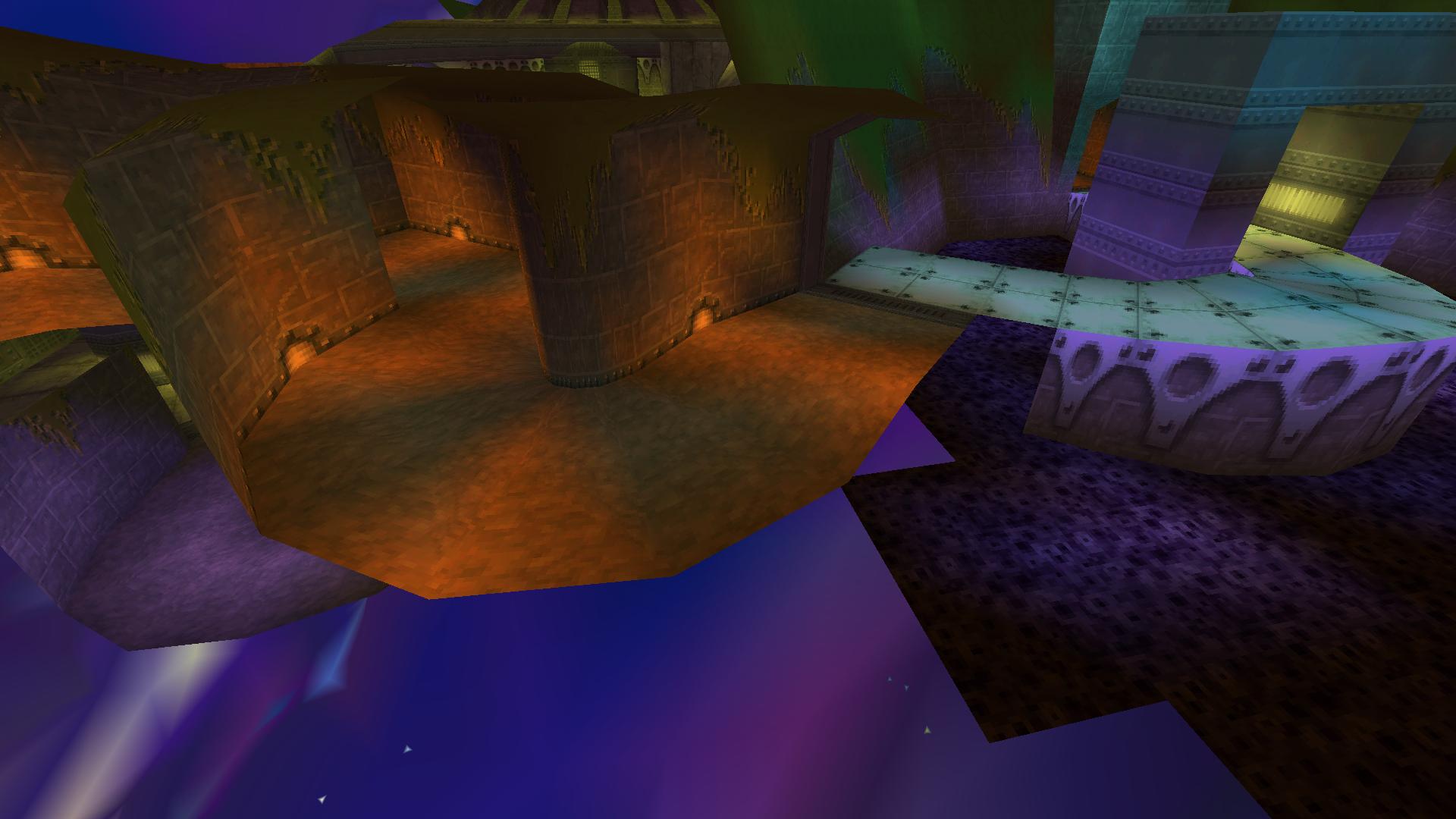
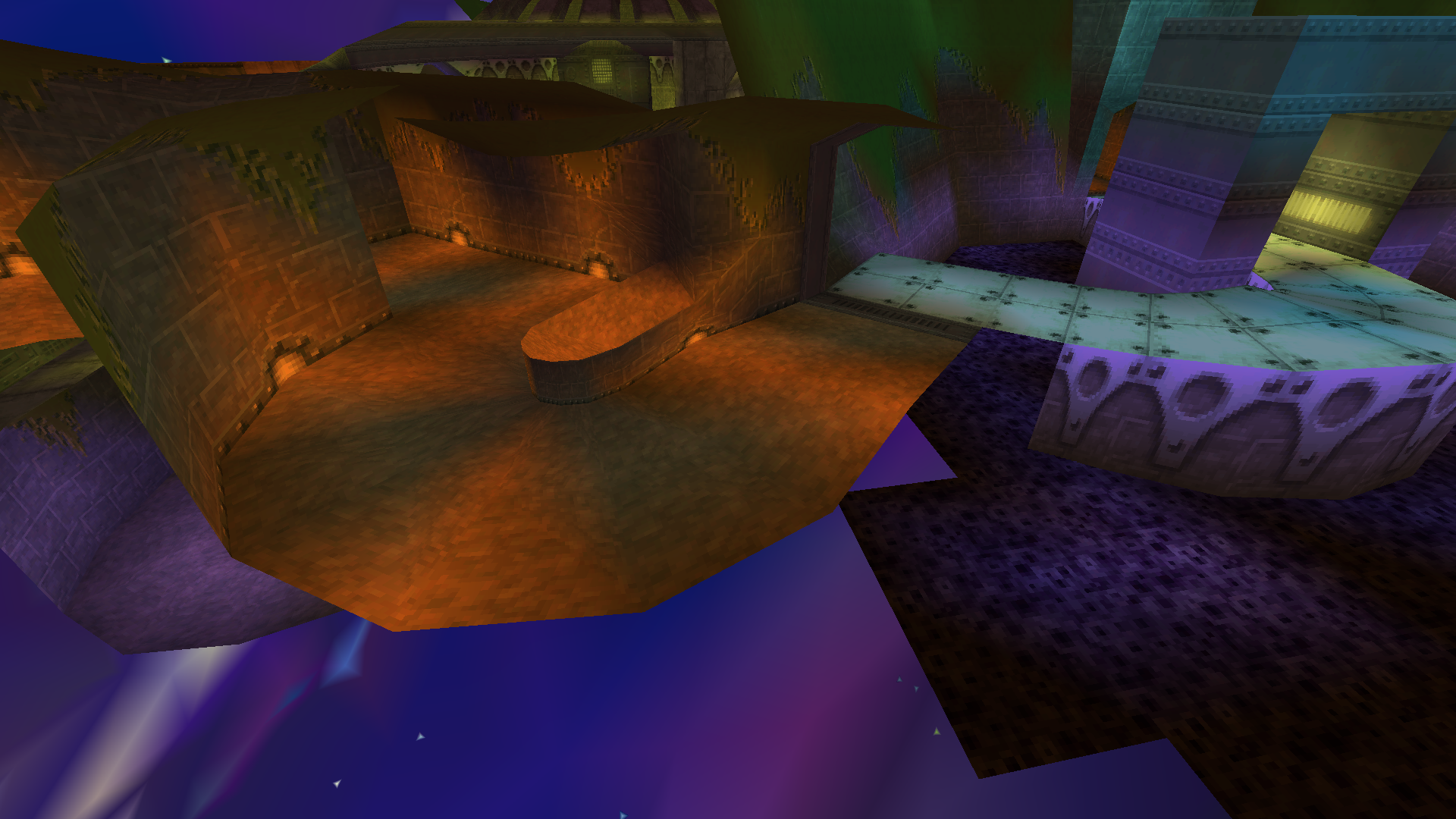
- Some level geometry was changed when compared to the other versions of the game as a result of the speed and camera changes, in order to make parts of those levels easier to navigate.
Level name |
Change |
North America/Europe |
Japan |
|---|---|---|---|
Artisans Realm |
Two blue octahedrons on top of the hedge entrance to Dark Hollow are removed. |
 |
 |
Artisans Realm |
Roof of the tower that leads to Town Square is removed. |
 |
 |
Dark Hollow |
Tower removed to make a glide easier. |
 |
 |
Peace Keepers |
Platform widened for an easier glide. |
 |
 |
Ice Cavern |
Platform removed with gems originally there relocated. |
 |
 |
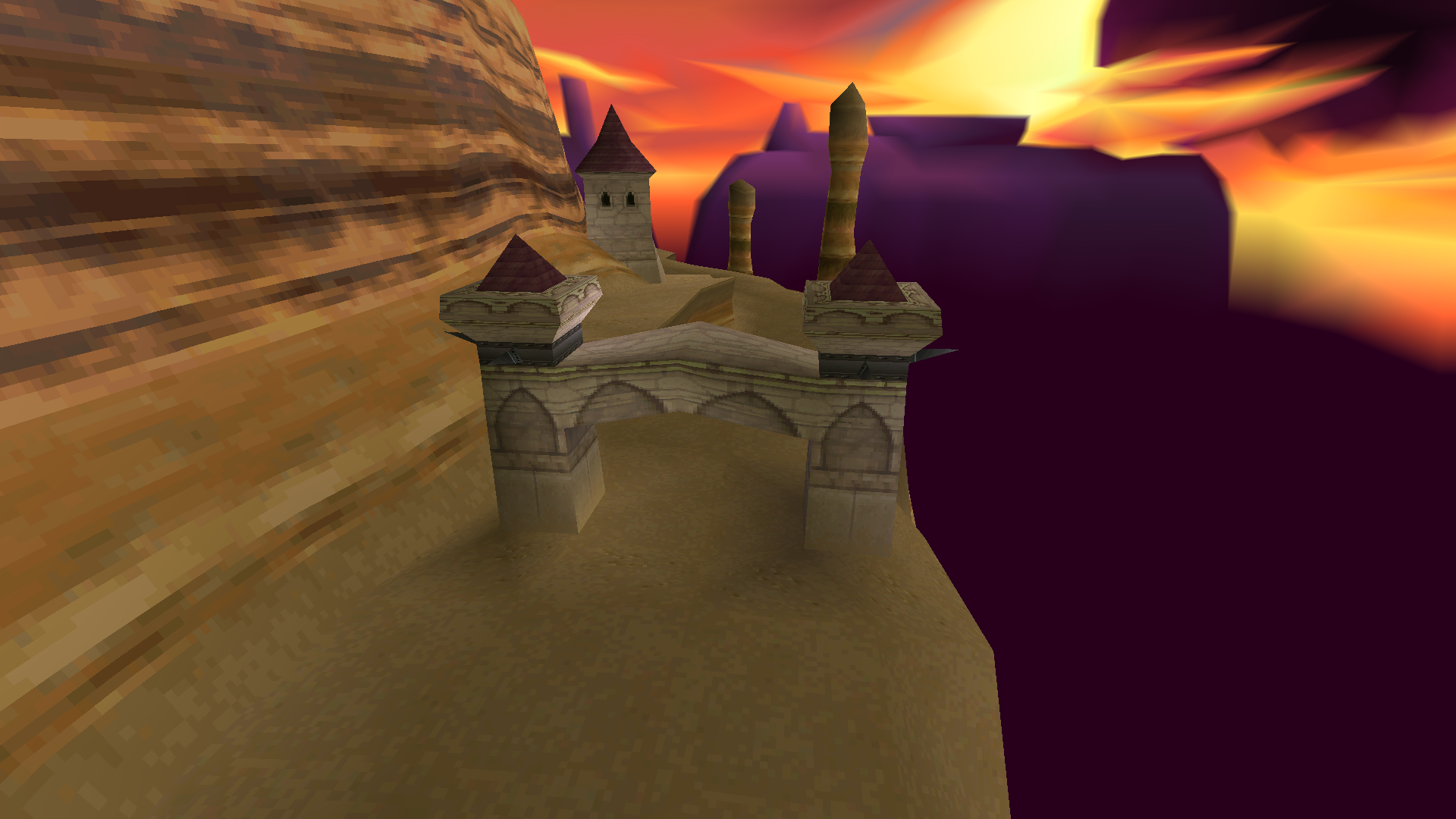
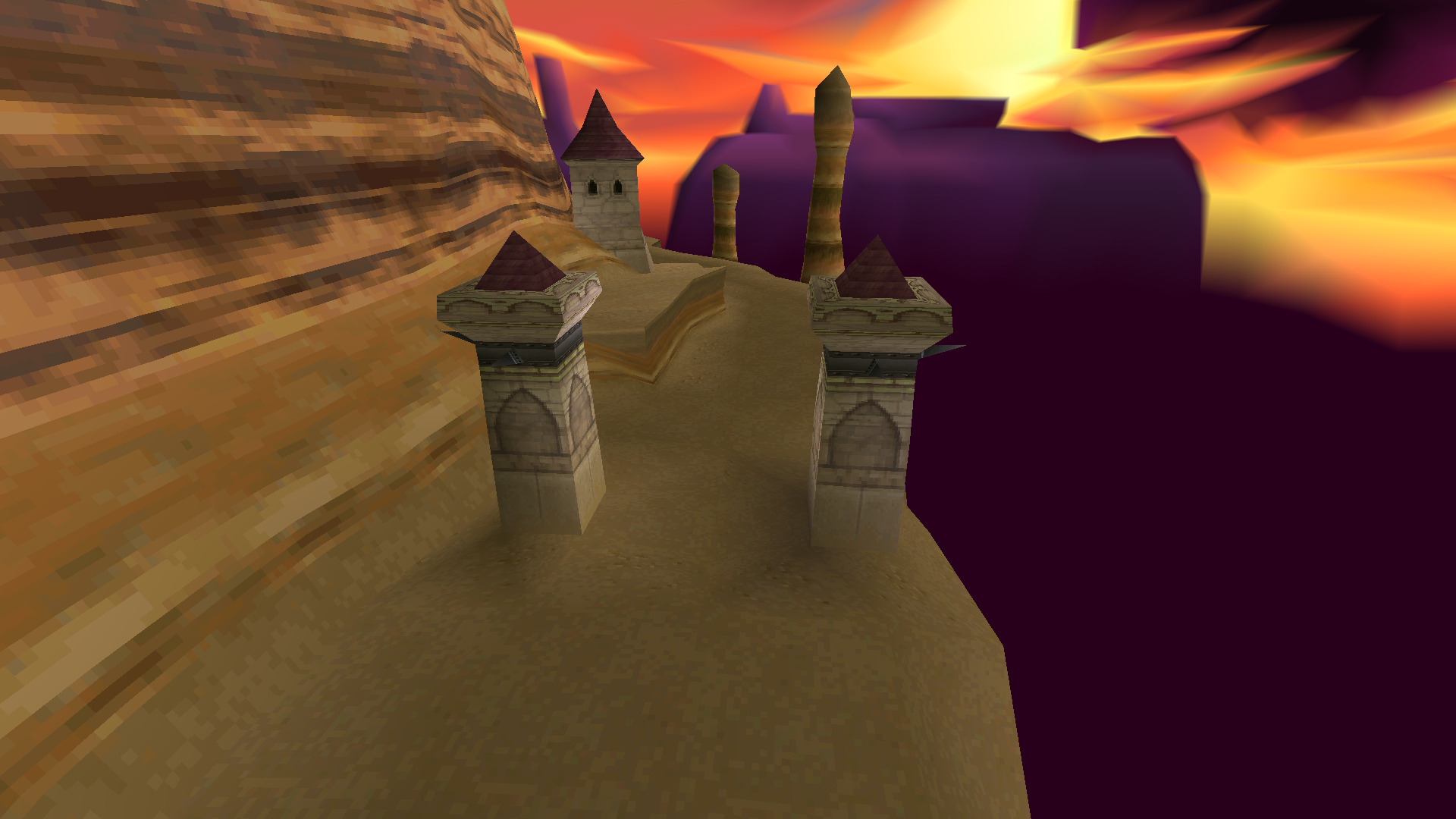
Doctor Shemp |
Arch removed. |
 |
 |
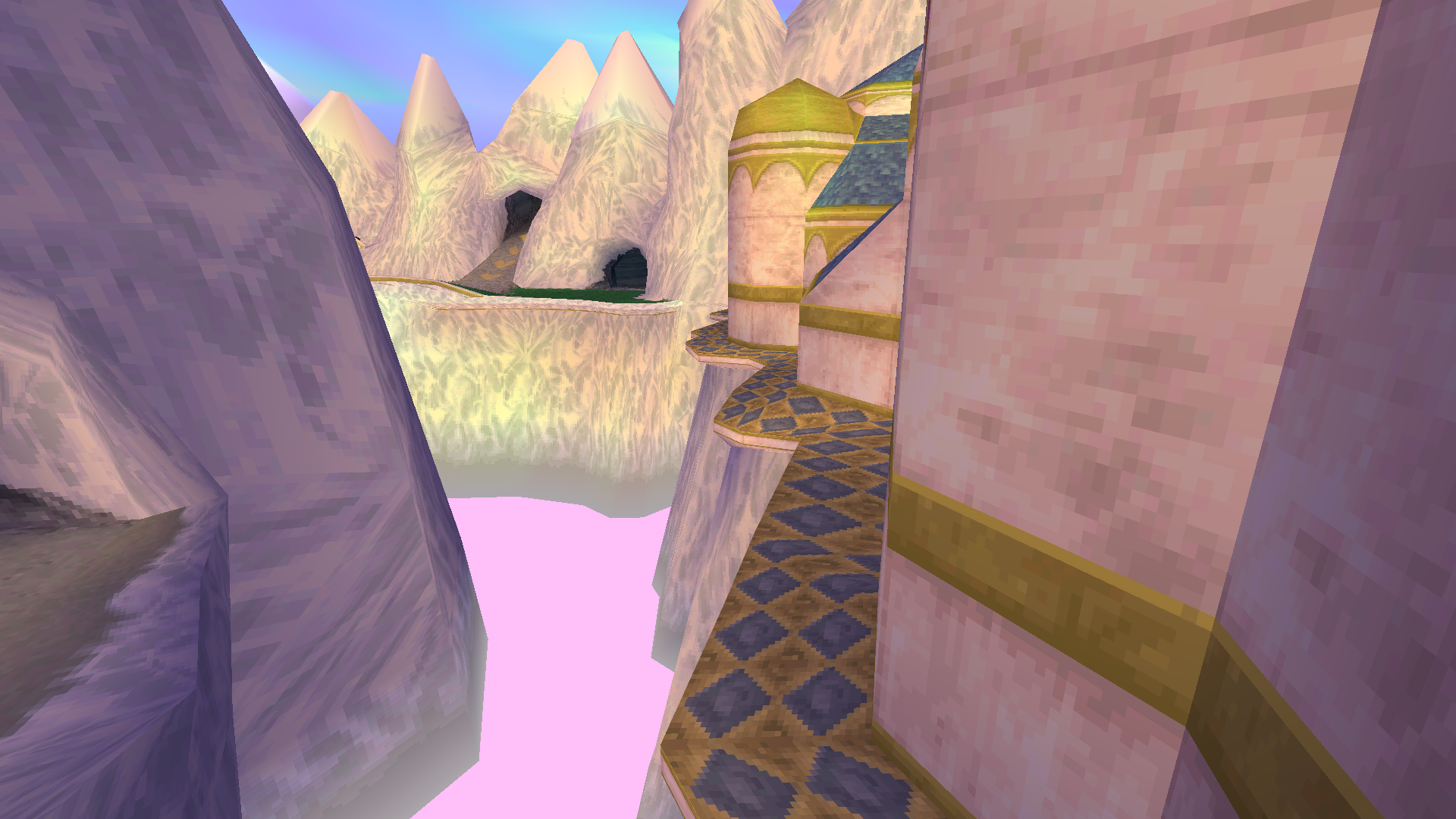
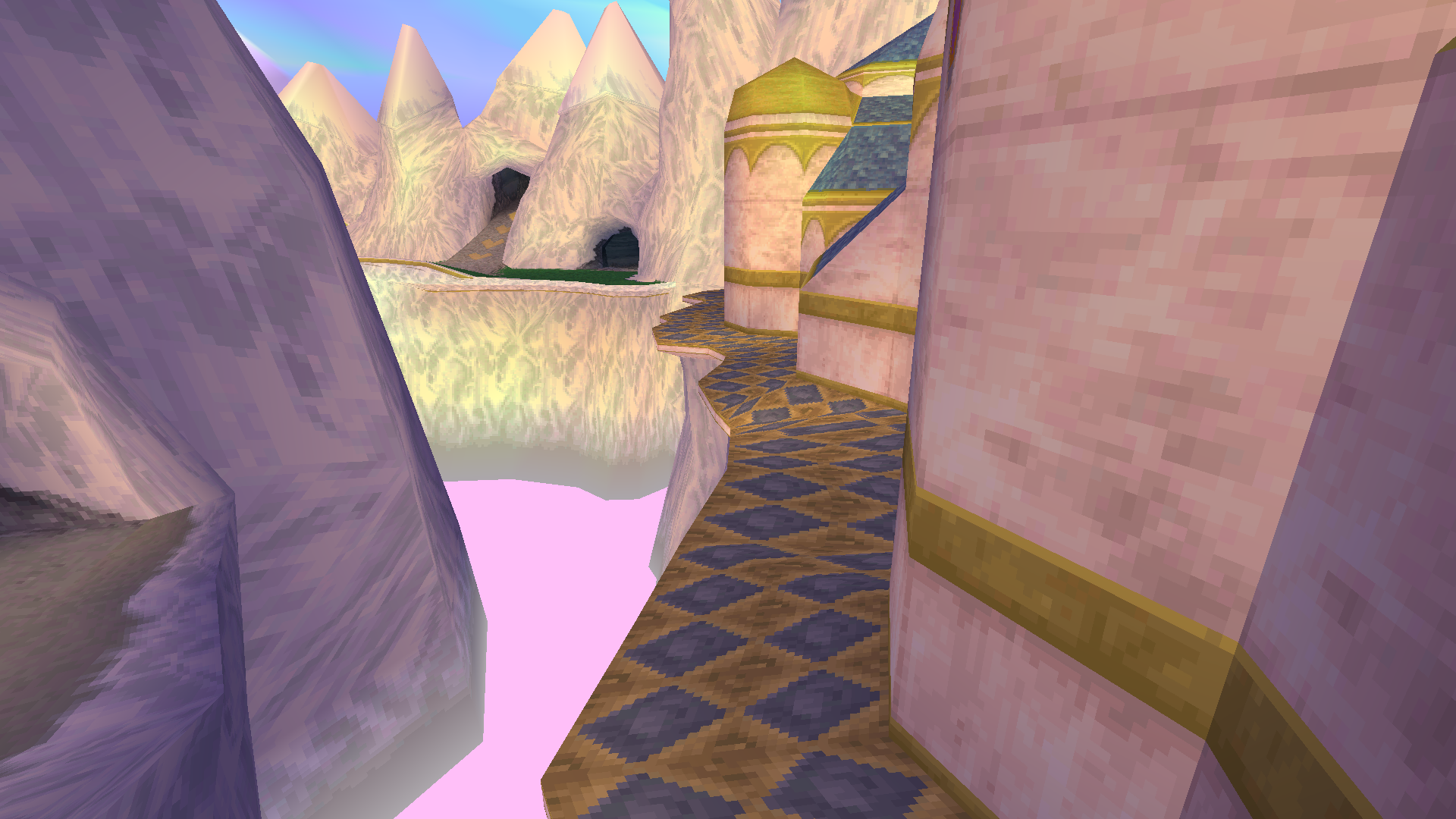
High Caves |
Platforms widened for easier navigation. |
 |
 |
Metalhead |
Cave between the two stages of the Metalhead fight narrowed. |
 |
 |
Dream Weavers Realm |
Tower removed. |
 |
 |
Dark Passage |
Platform widened for easier glide. |
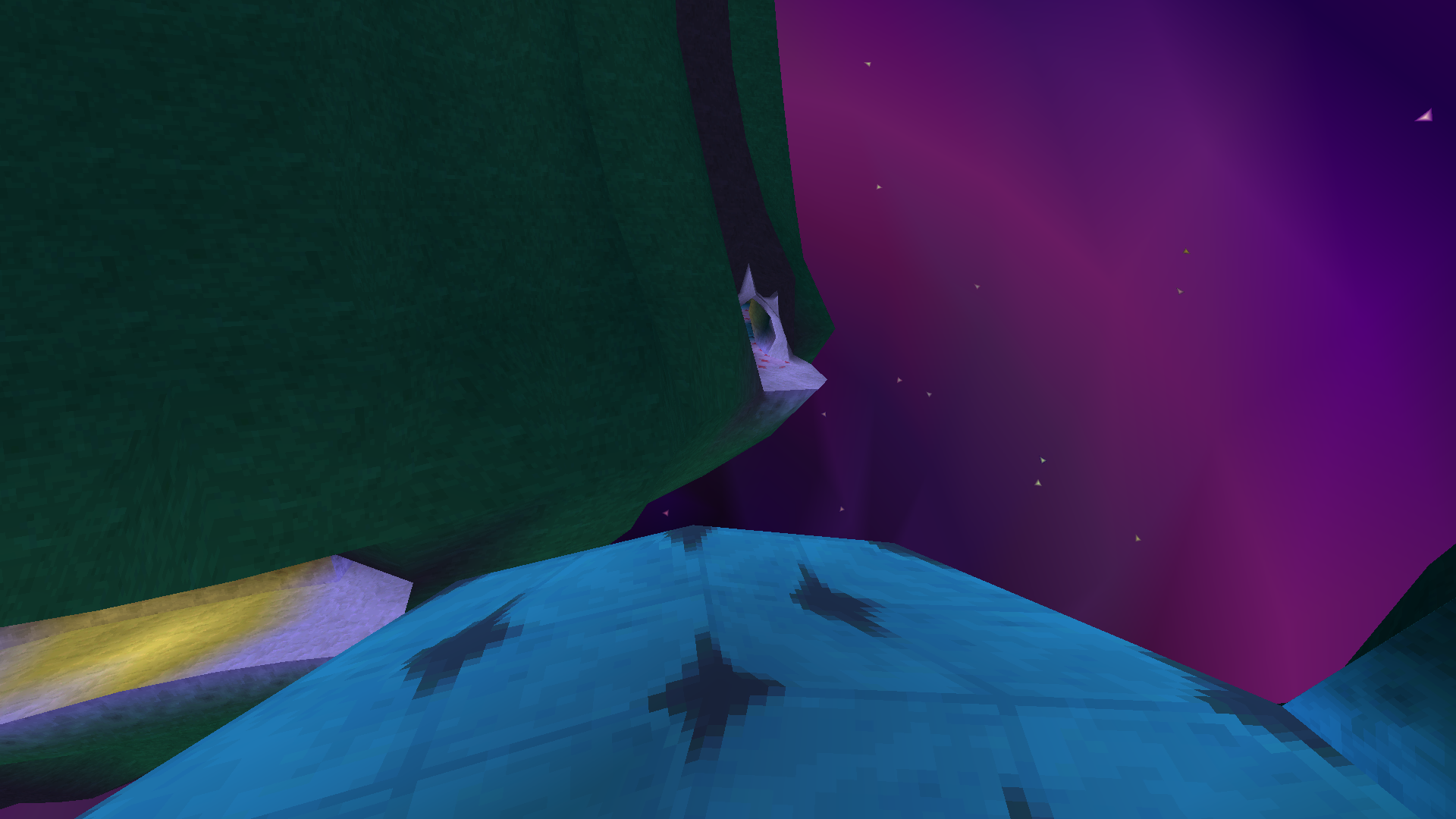 |
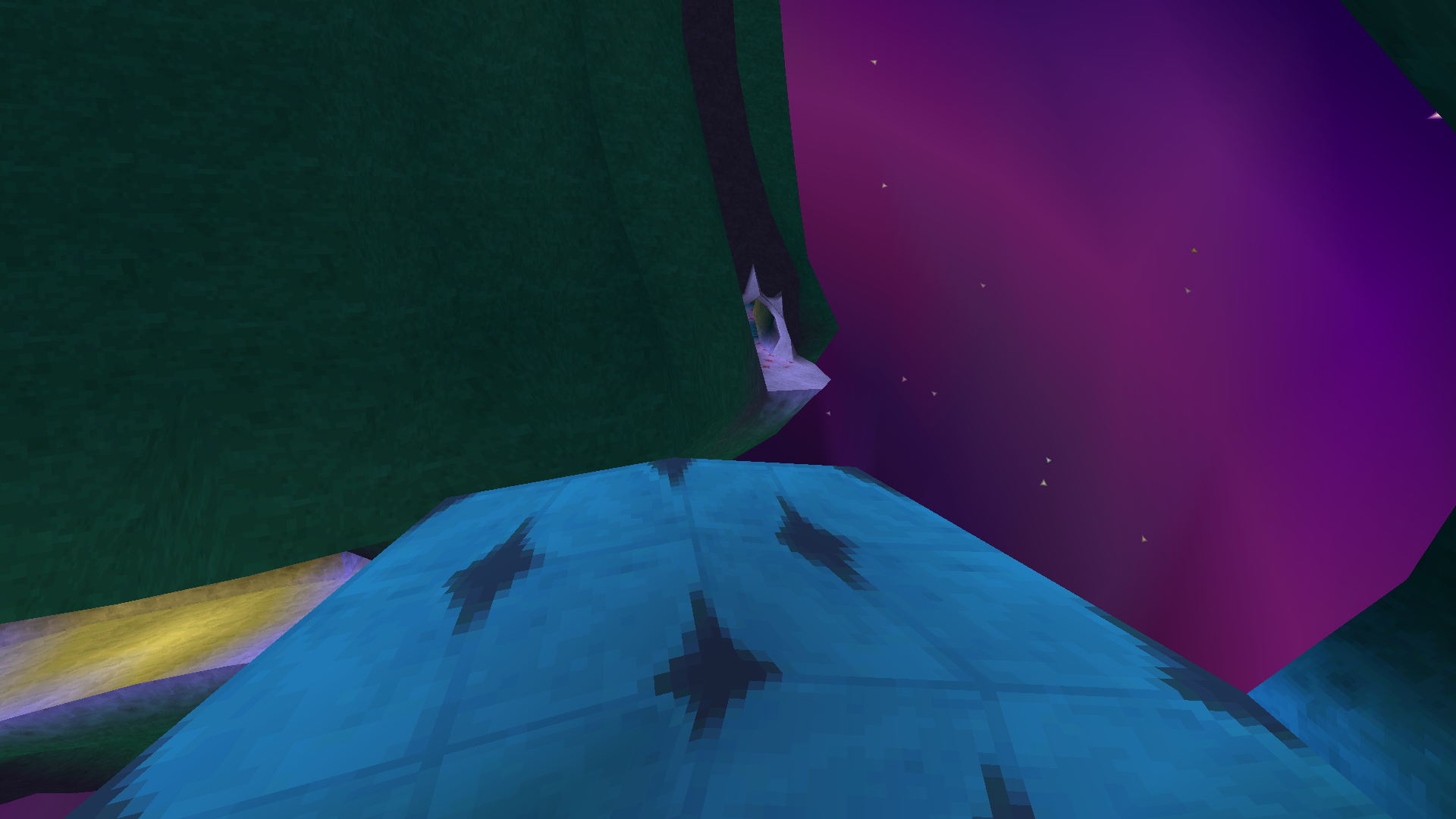 |
Jacques |
Two towers removed, one tower taller. Enemies on the two removed towers are replaced by gems on the ground. |
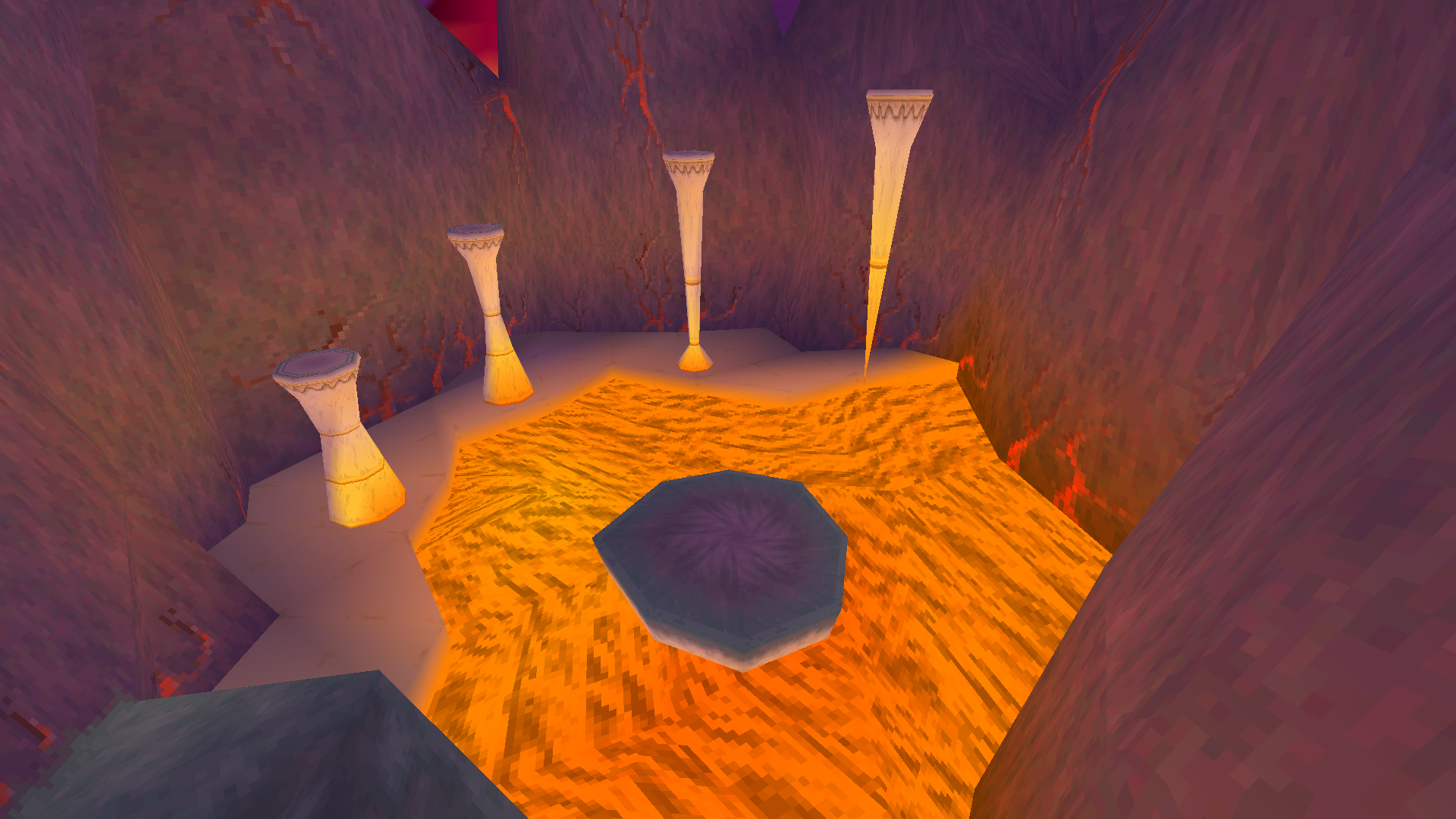 |
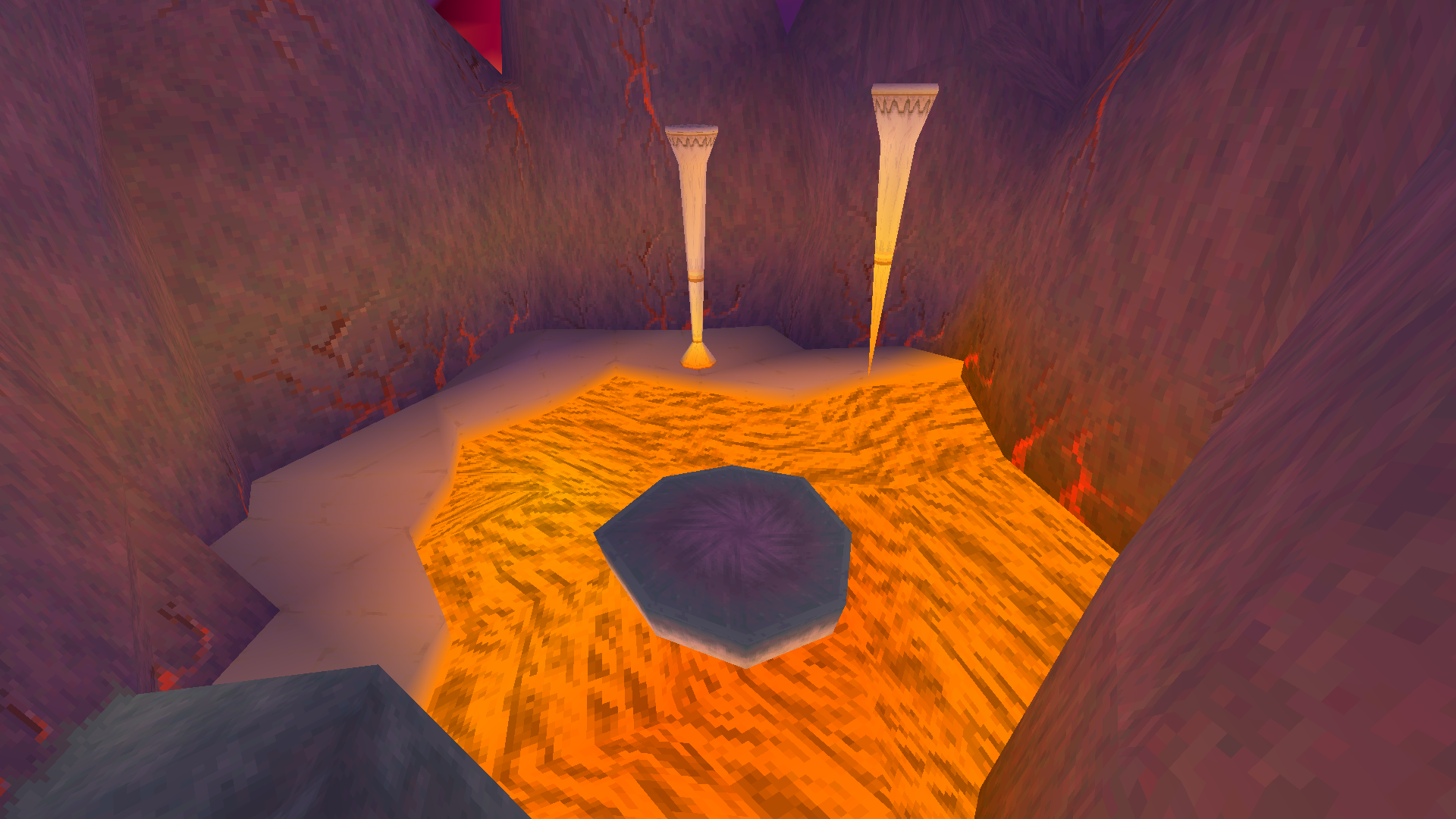 |
Gnasty Gnorc |
Wall lowered to make thief chase easier. |
 |
 |
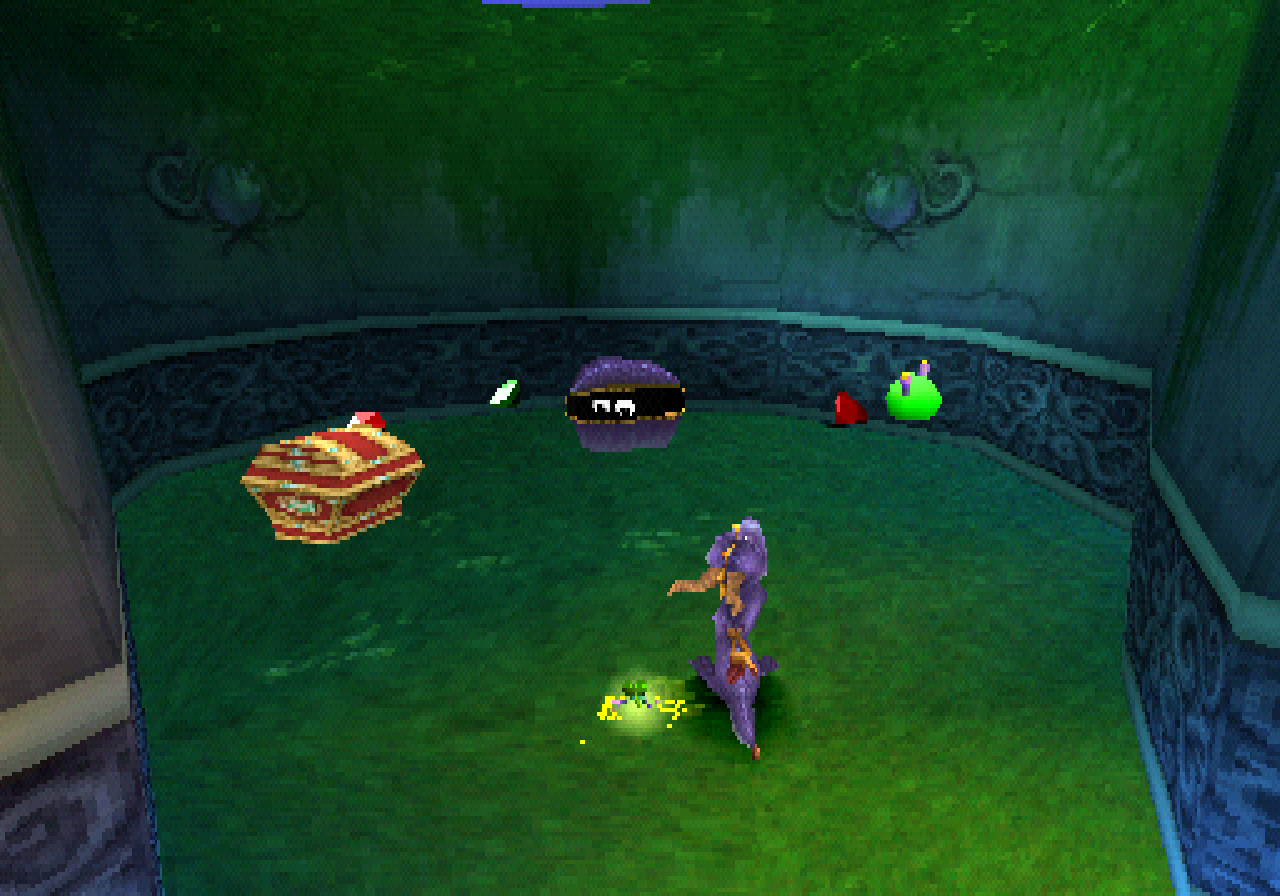
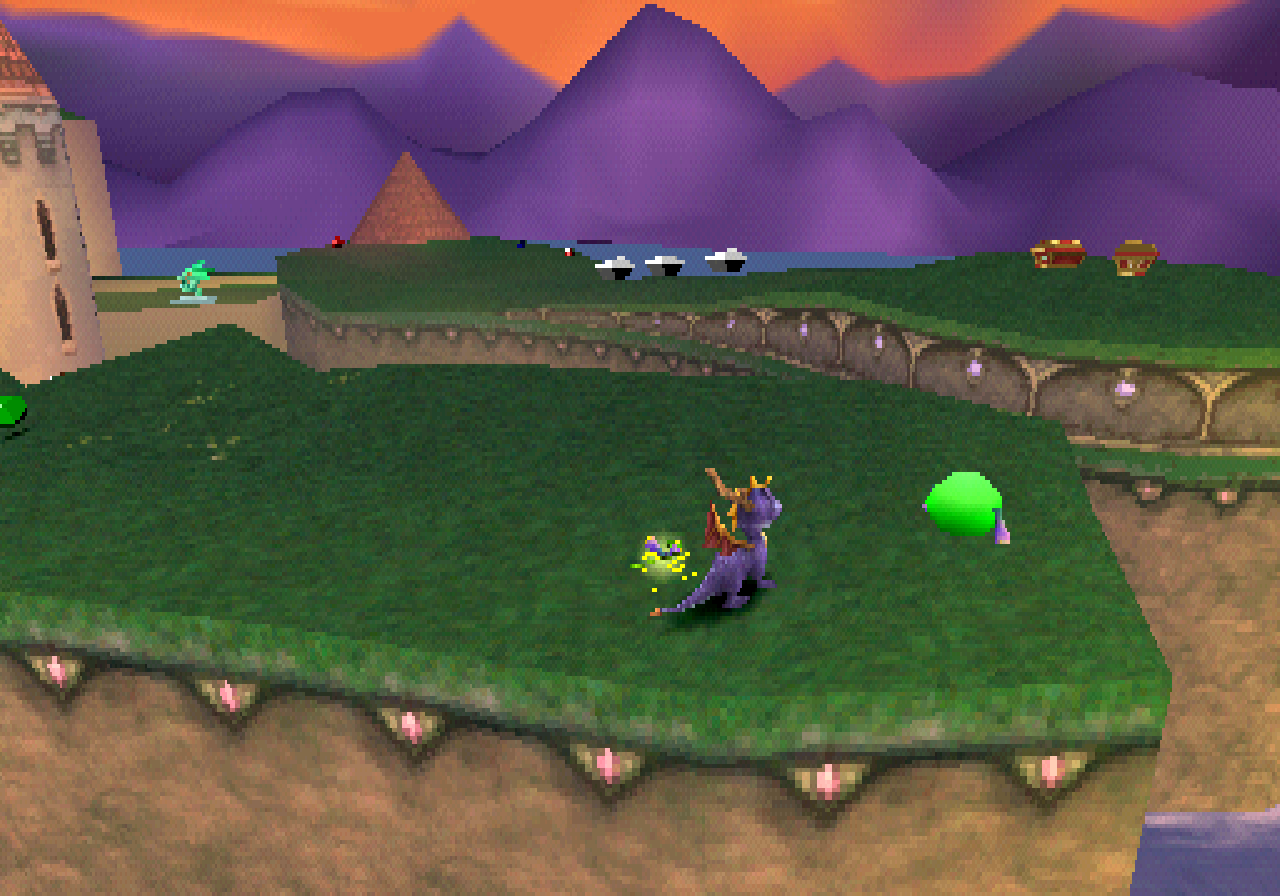
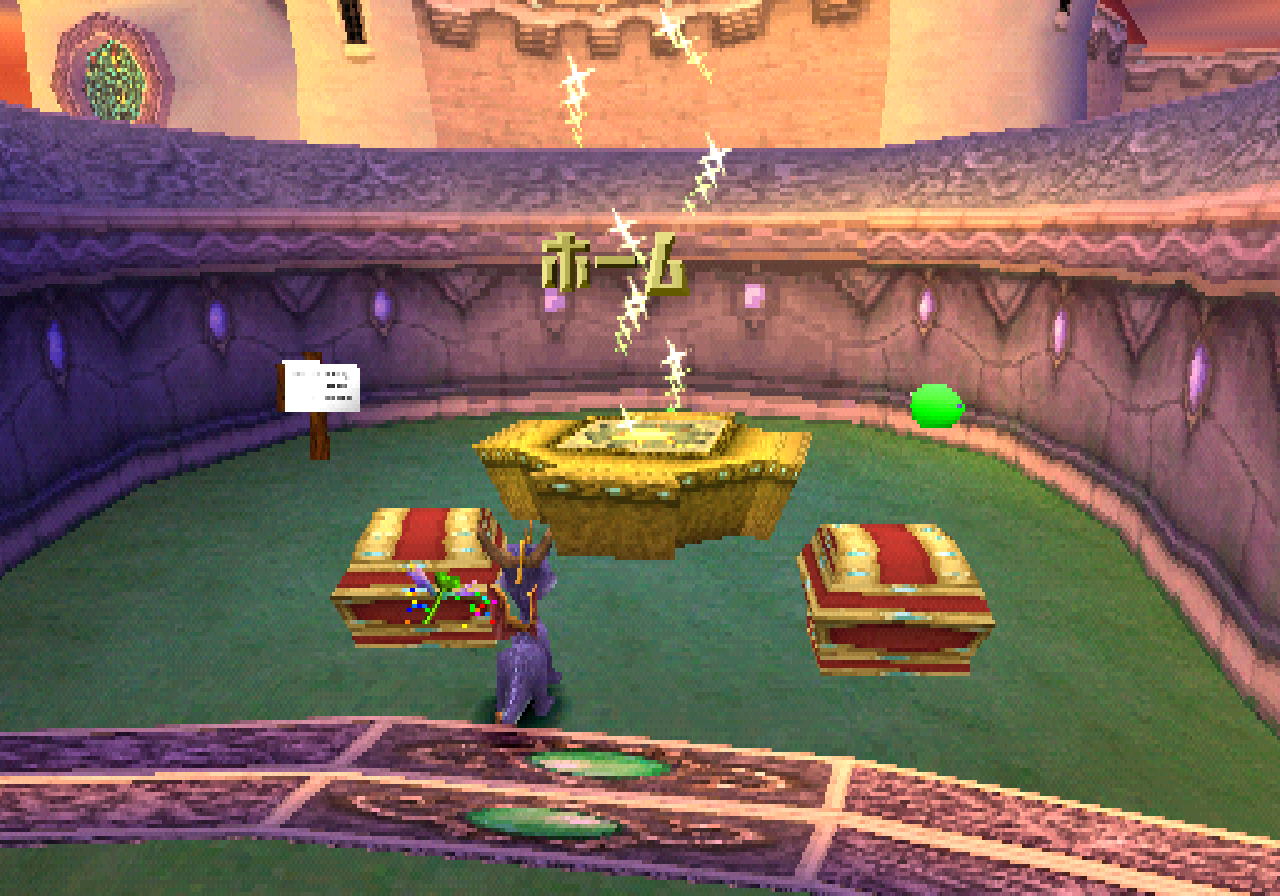
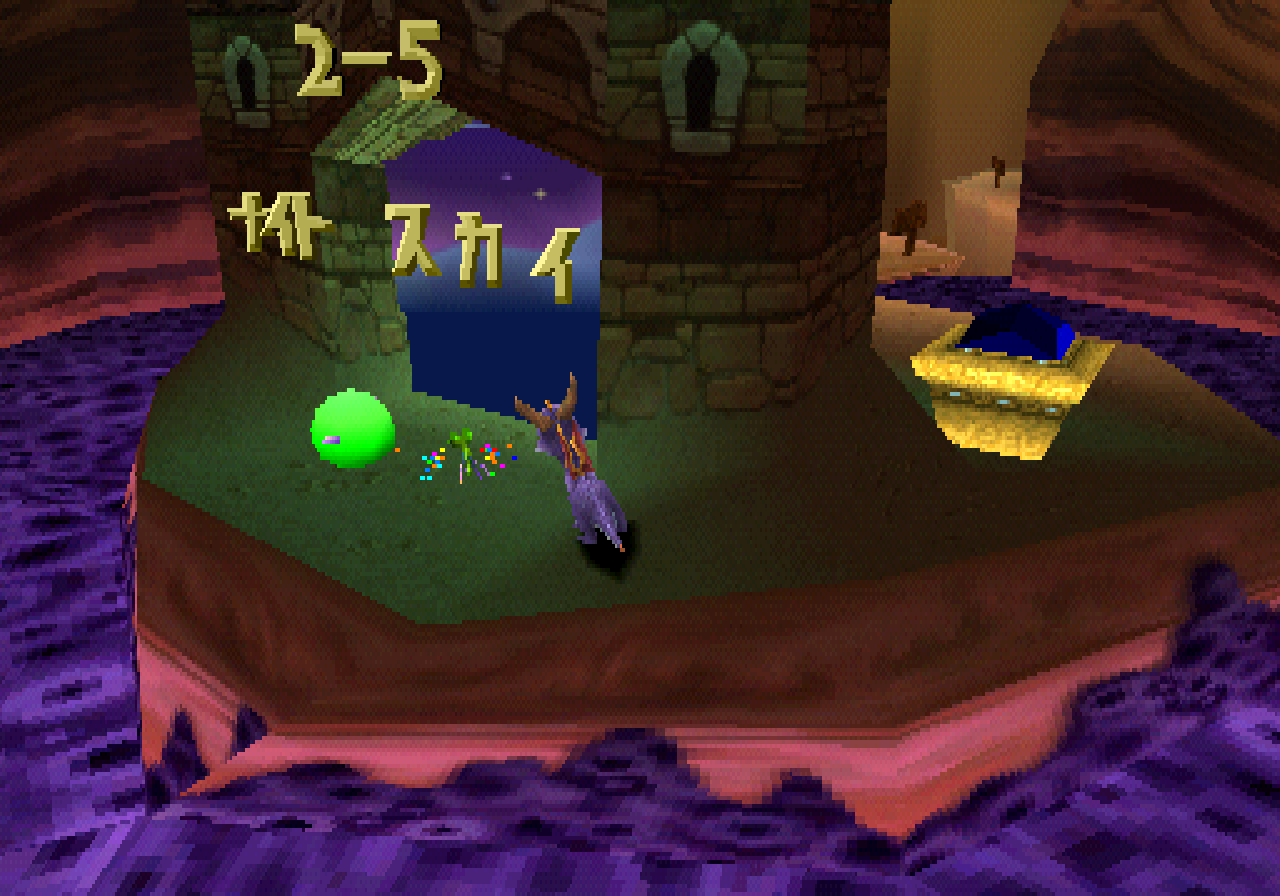
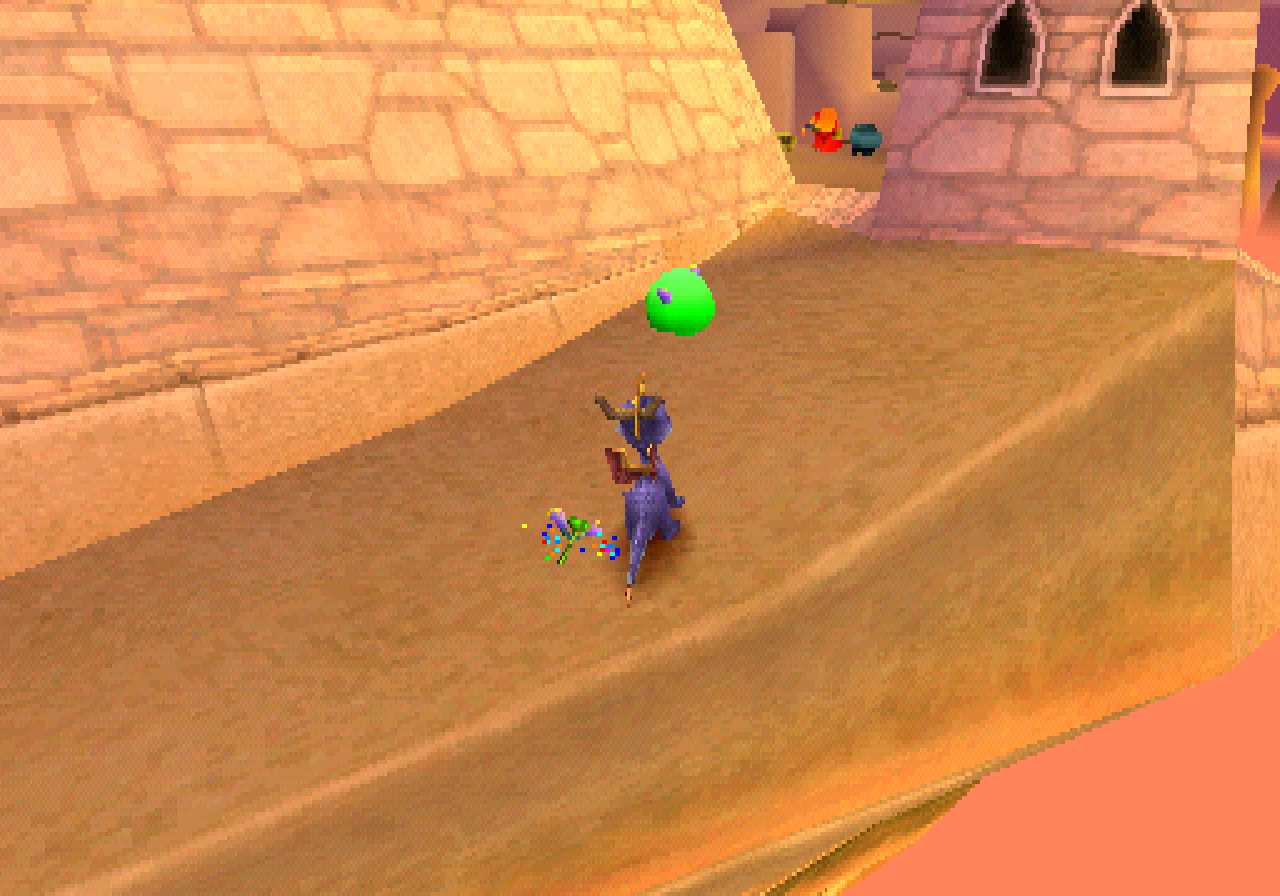
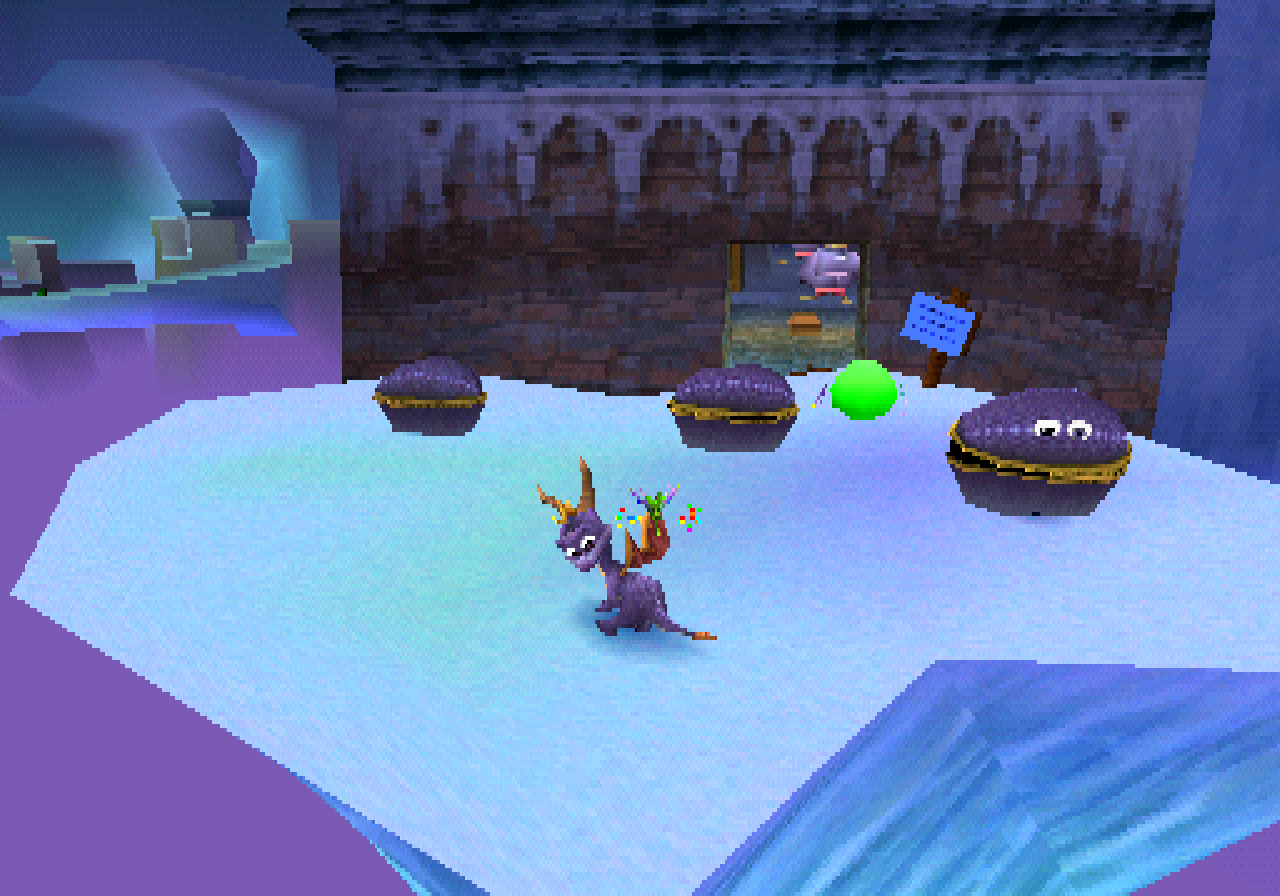
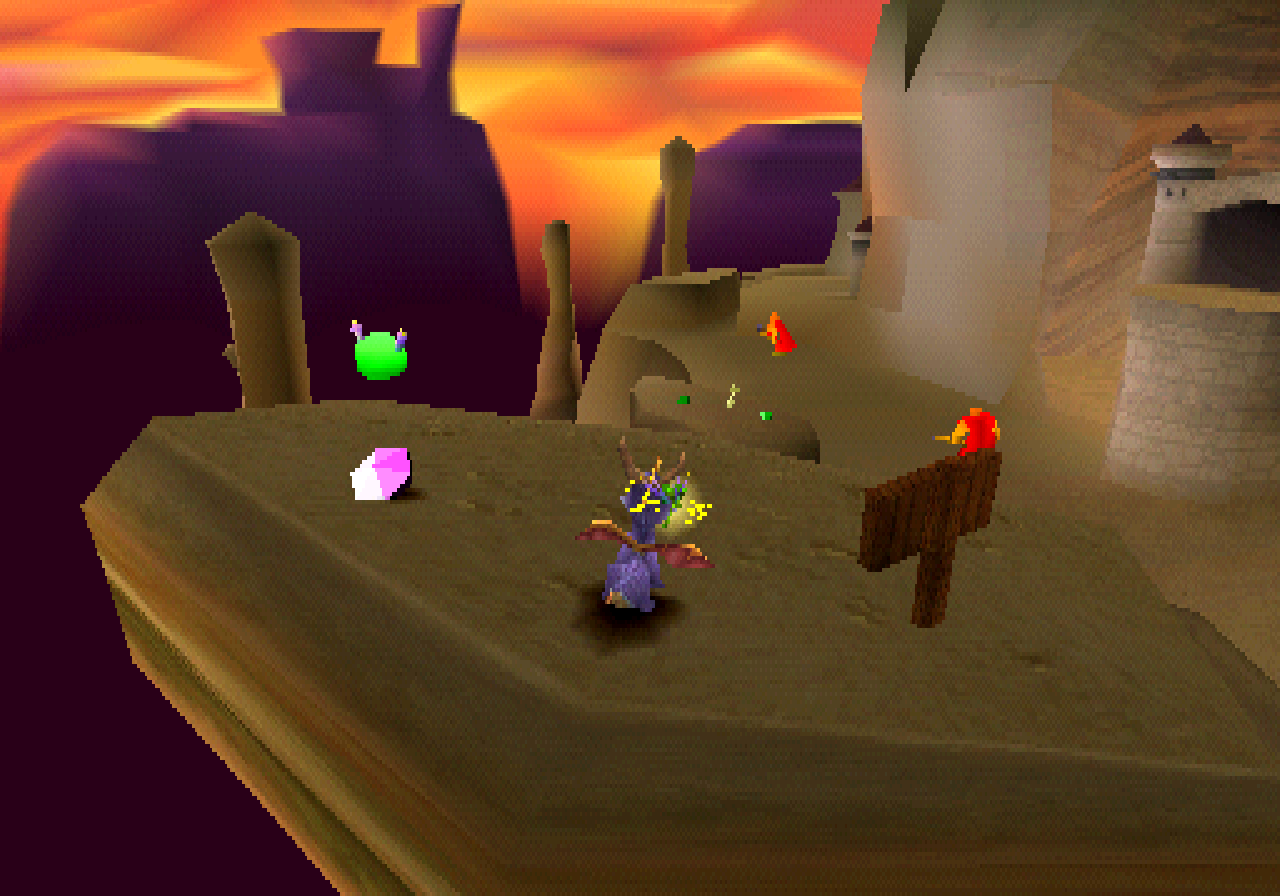
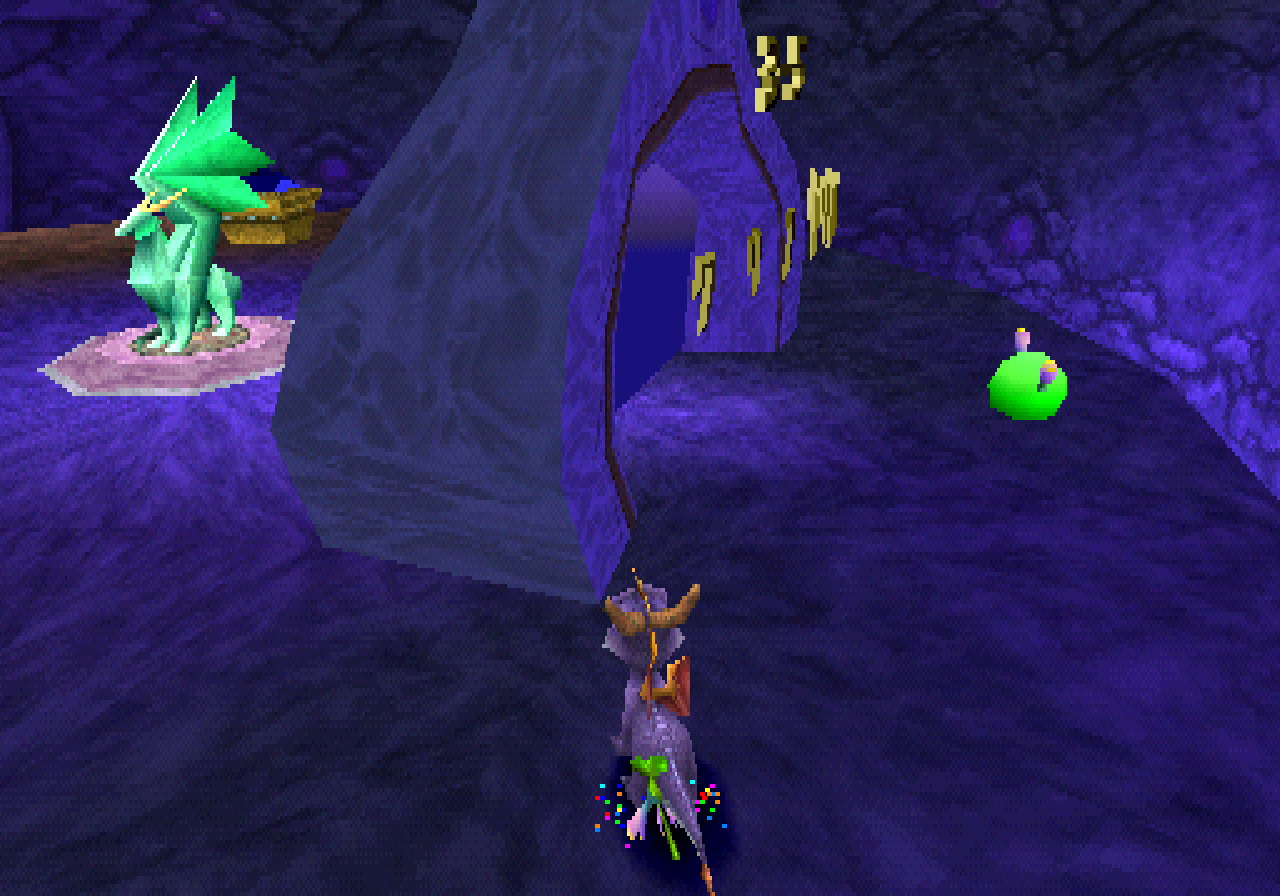
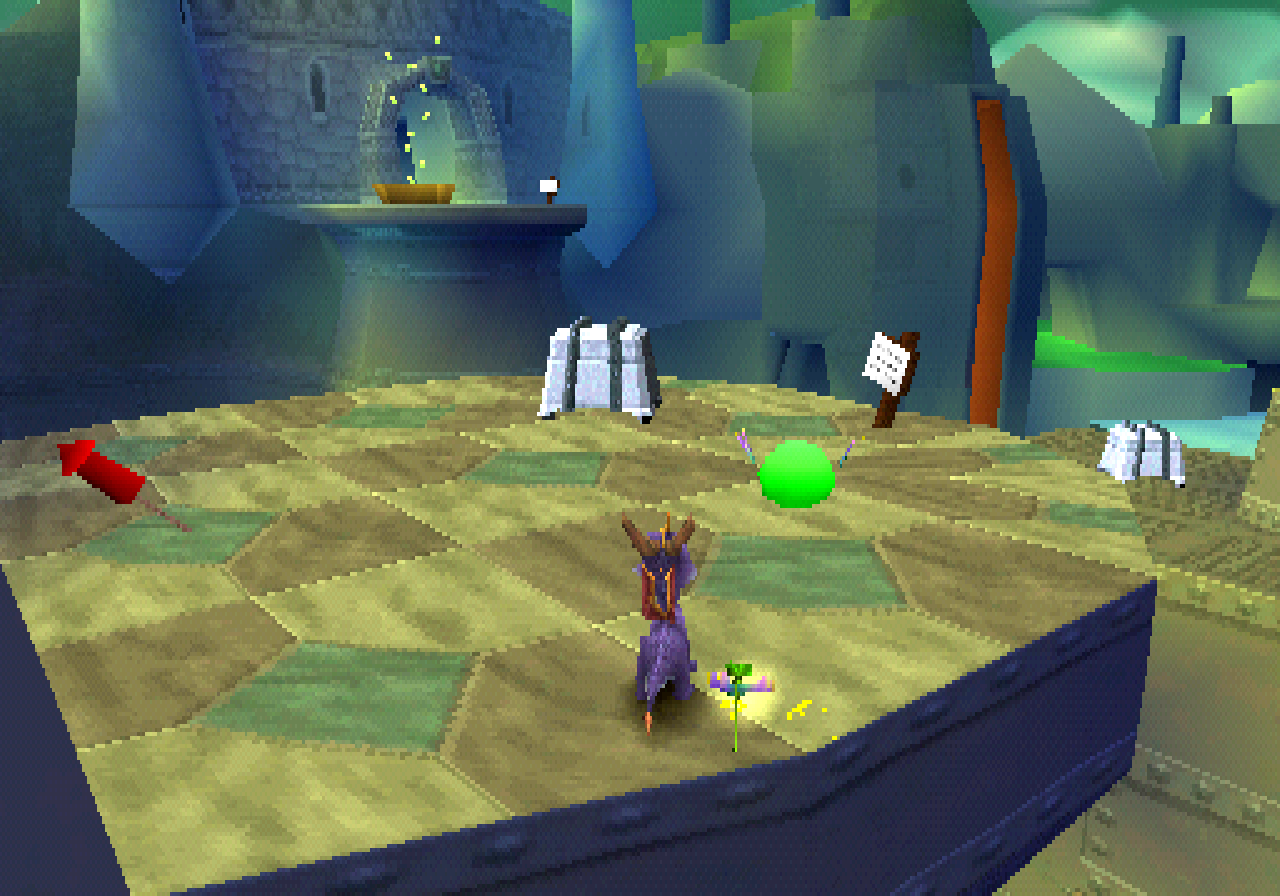
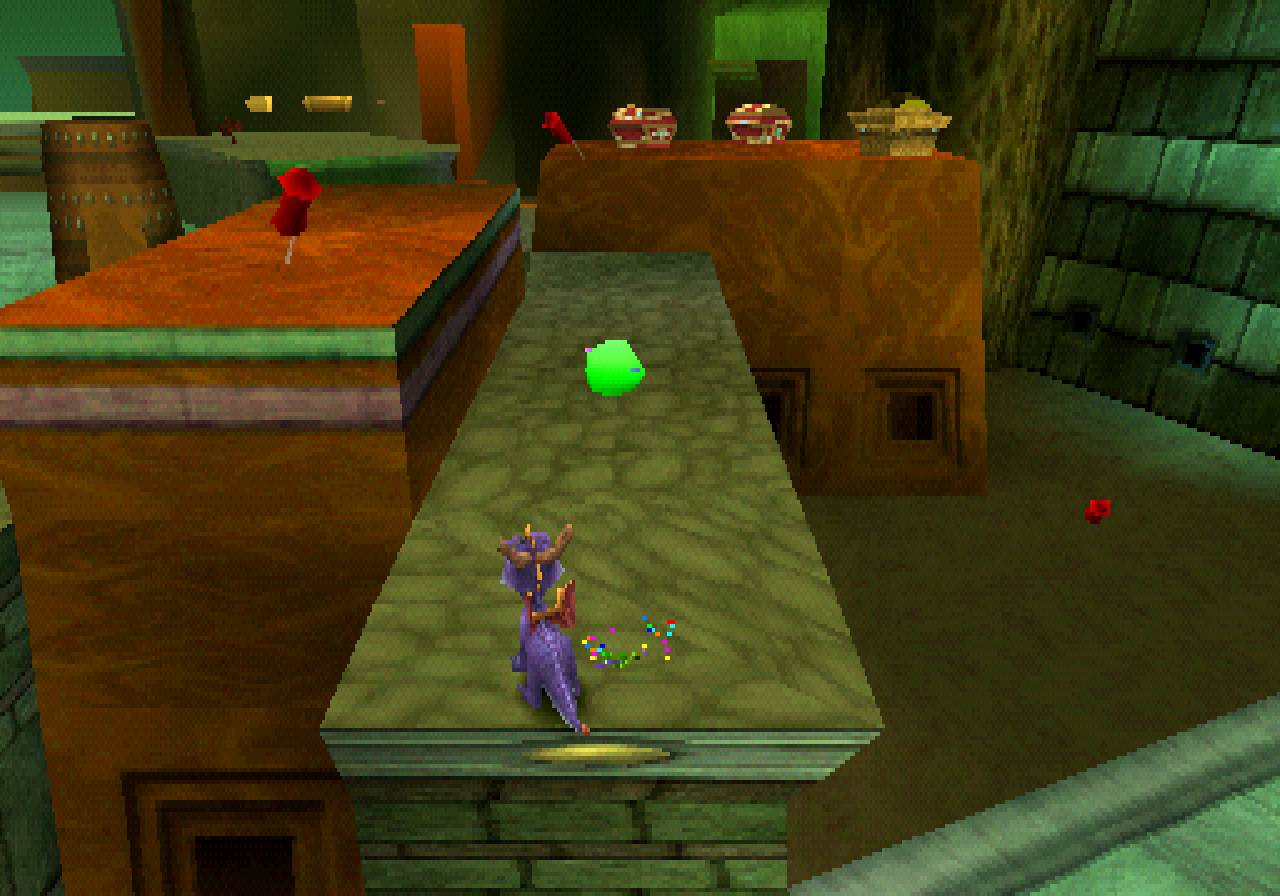
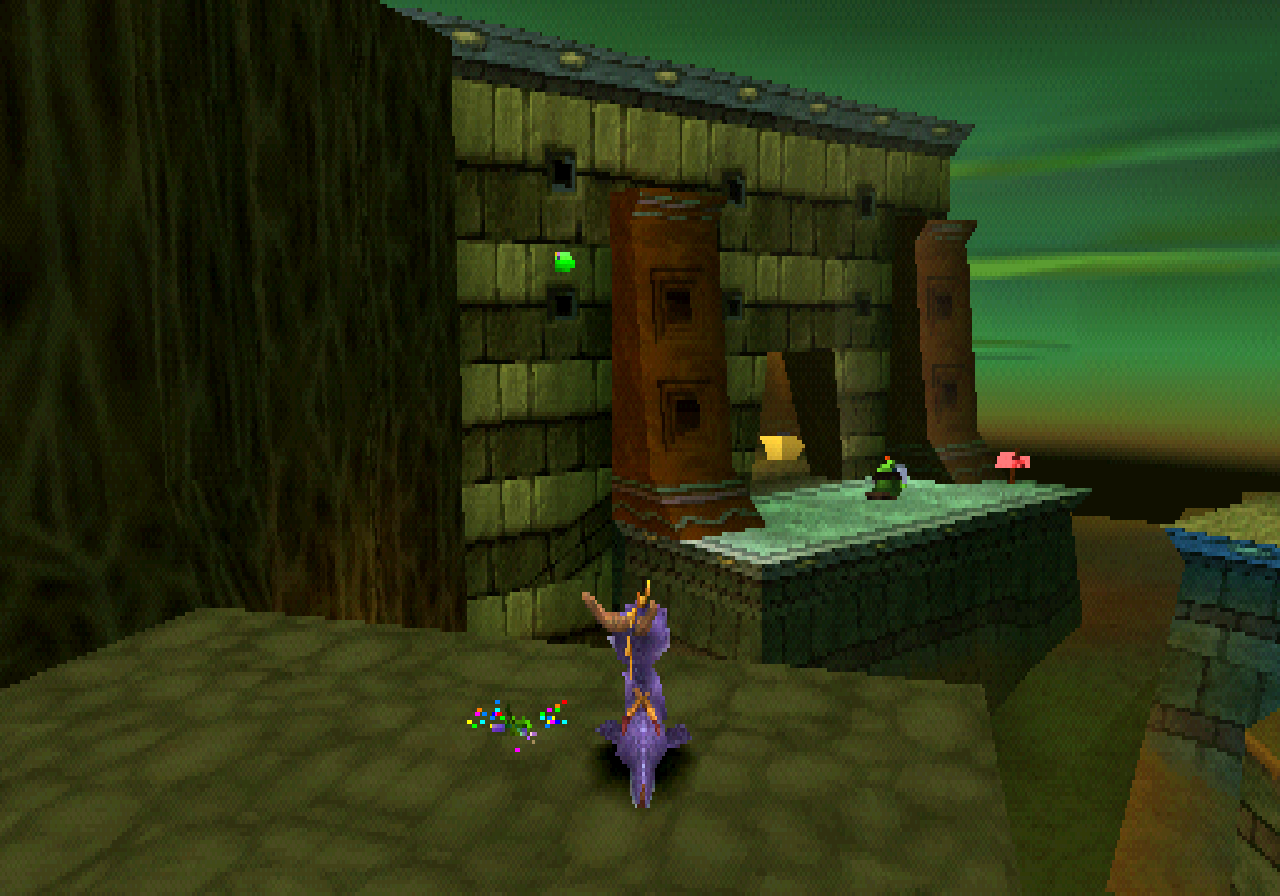
- If you connect the PocketStation device to a PlayStation, a total of 30 dragonfly eggs will appear throughout the game. Each level and each homeworld contains a dragonfly egg hidden within it, with the exception of the flight challenges (no eggs there). Successfully hatching a dragonfly egg through the PocketStation device will let you have various types of dragonflies. Then you can choose one of these dragonflies using one of the options of any dragon pedestal. They can let Spyro take up to 5 hits, point at gems, break chests and other stuff (similarly to Year of the Dragon). Also there are faster dragonflies or dragonflies with a longer range of treasure collecting. The dragonfly eggs are also present in the Japanese version of the sequel.
(Source: CrystalFissure)
Level name |
Location of the Dragonfly eggs |
Pictures |
|---|---|---|
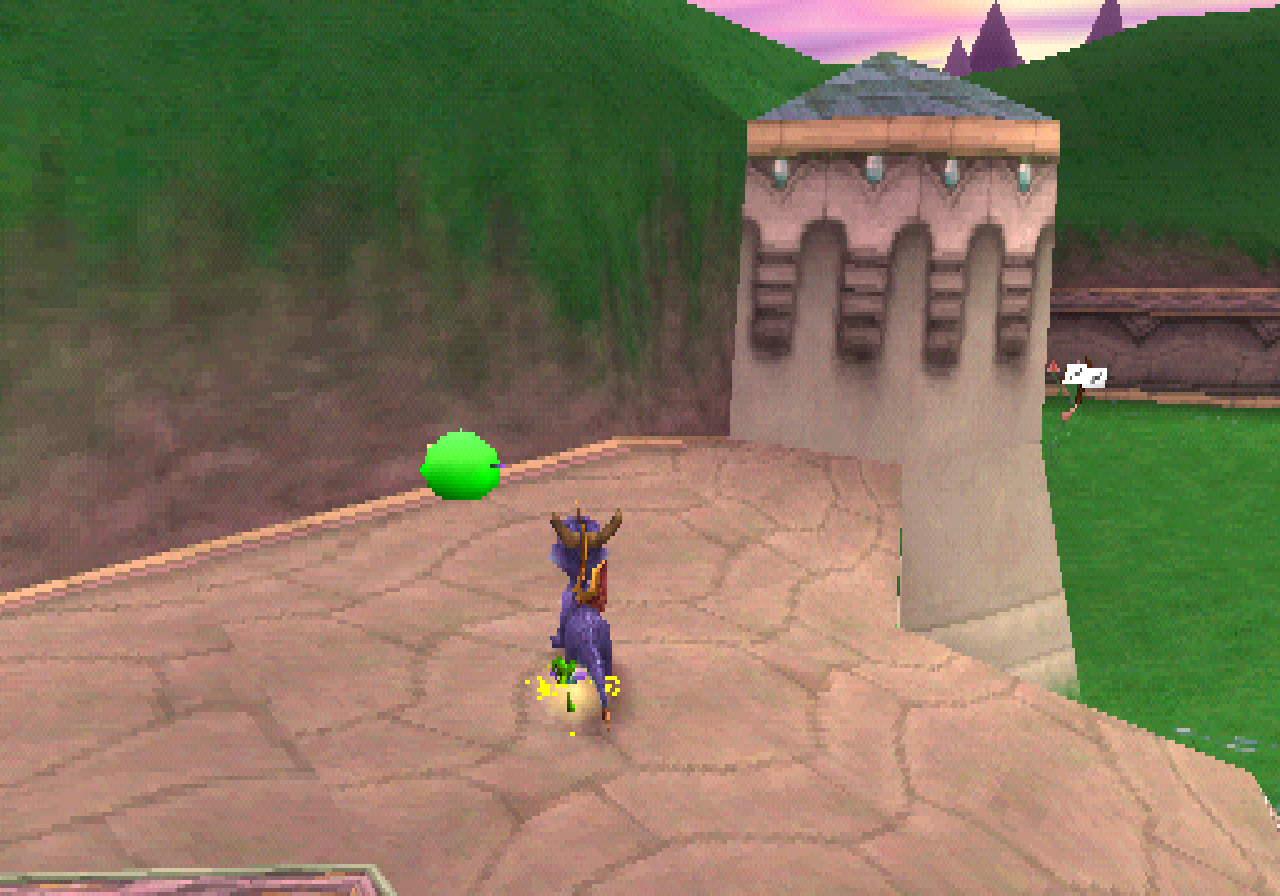
Artisans Realm |
Located on the platform in the central area (the one facing the small hill). |
 |
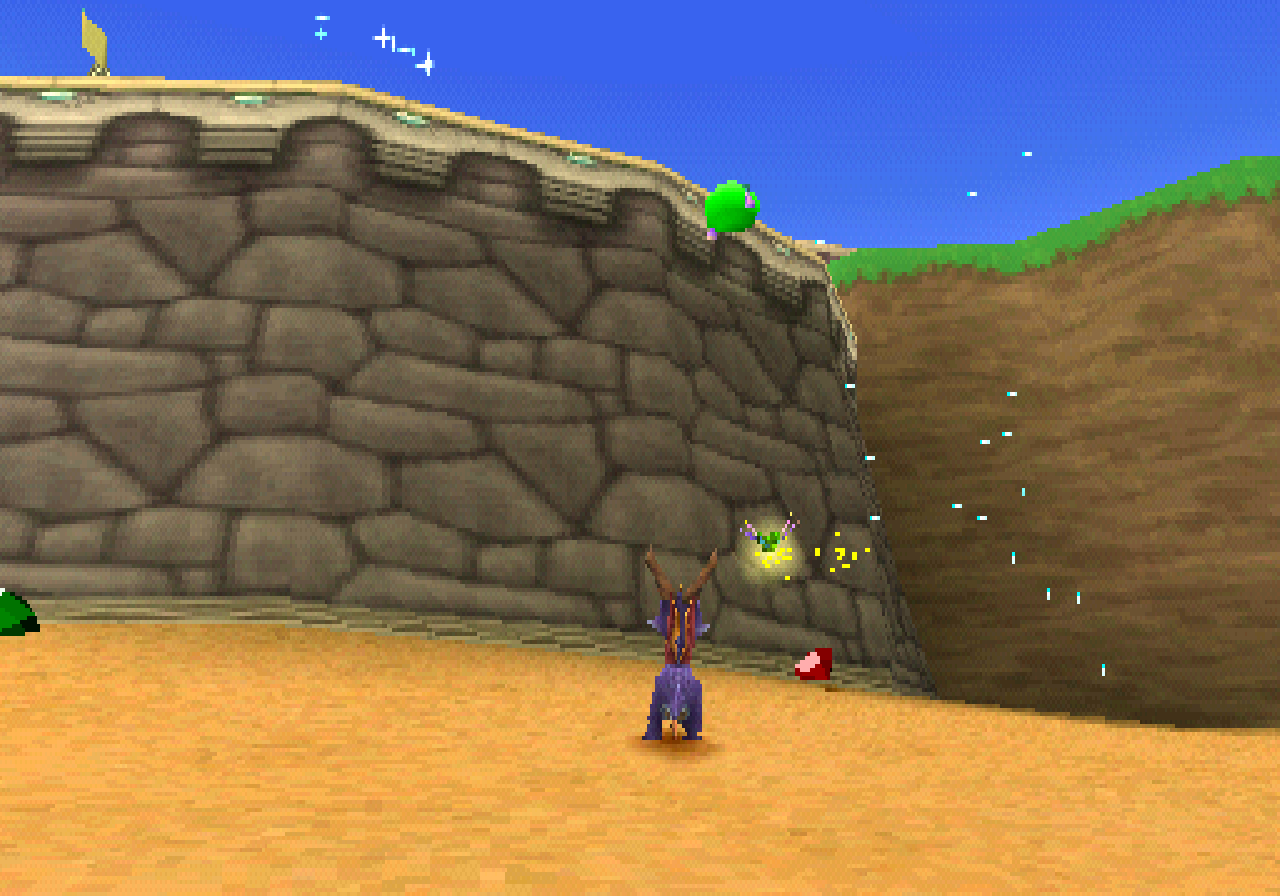
Stone Hill |
Found floating in mid air near the end portal. |
 |
Dark Hollow |
Located on the platform to the left when facing the stairs (the one where the 1-UP Chest is). |
 |
Town Square |
Located on the edge of the grassy platform on the path you take when chasing the Egg Thief. |
 |
Toasty |
Located right next to the end portal. |
 |
Peace Keepers Realm |
Located behind the portal to Night Flight. |
 |
Dry Canyon |
Located on the isolated platform where the locked chest is found. |
 |
Cliff Town |
Located behind the building in which you start the level. |
 |
Ice Cavern |
Located on the platform where the three 1-UP Chests are found. |
 |
Doctor Shemp |
Located on the isolated platform with the purple gem on it. |
 |
Magic Crafters Realm |
Located behind the portal to Crystal Flight. |
 |
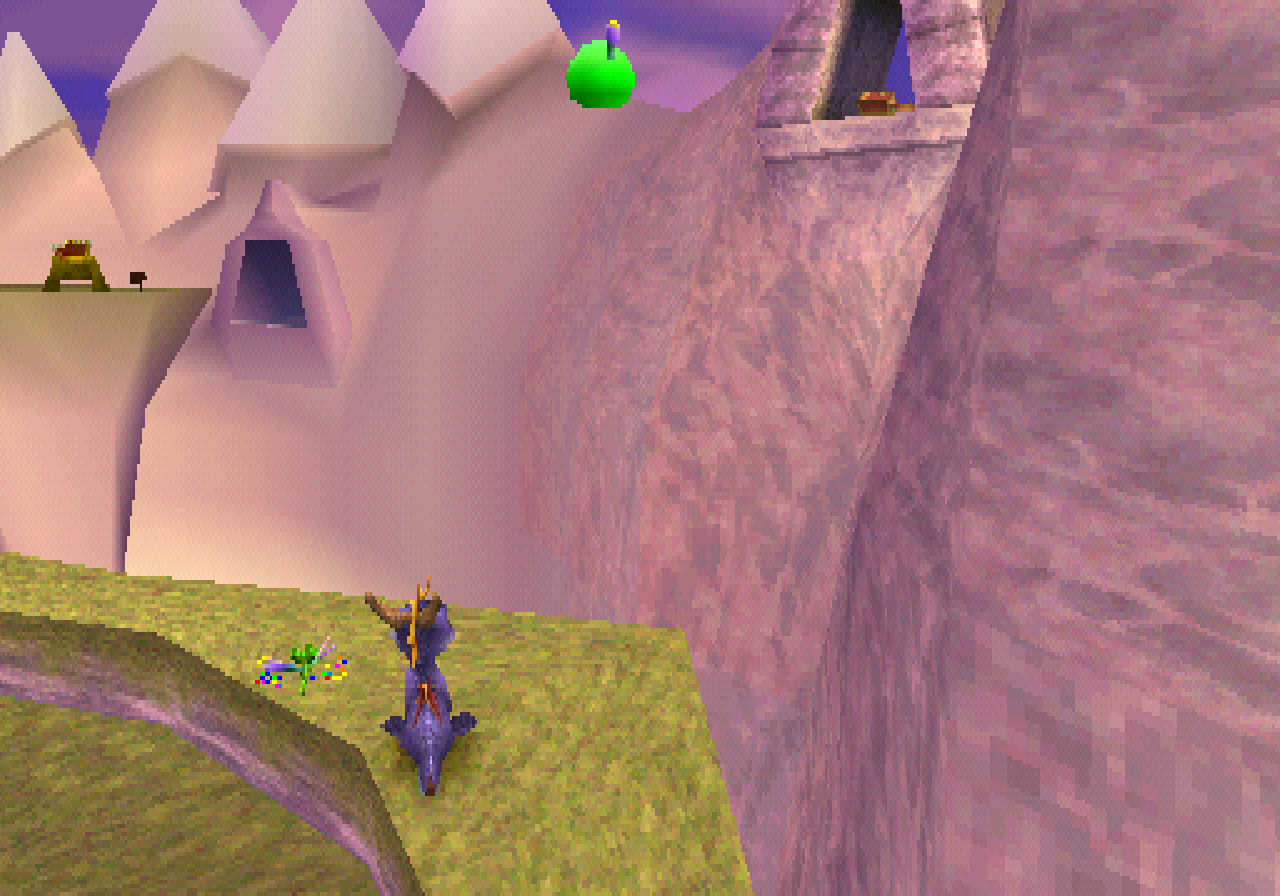
Alpine Ridge |
Found floating in mid air behind where you start the level. |
 |
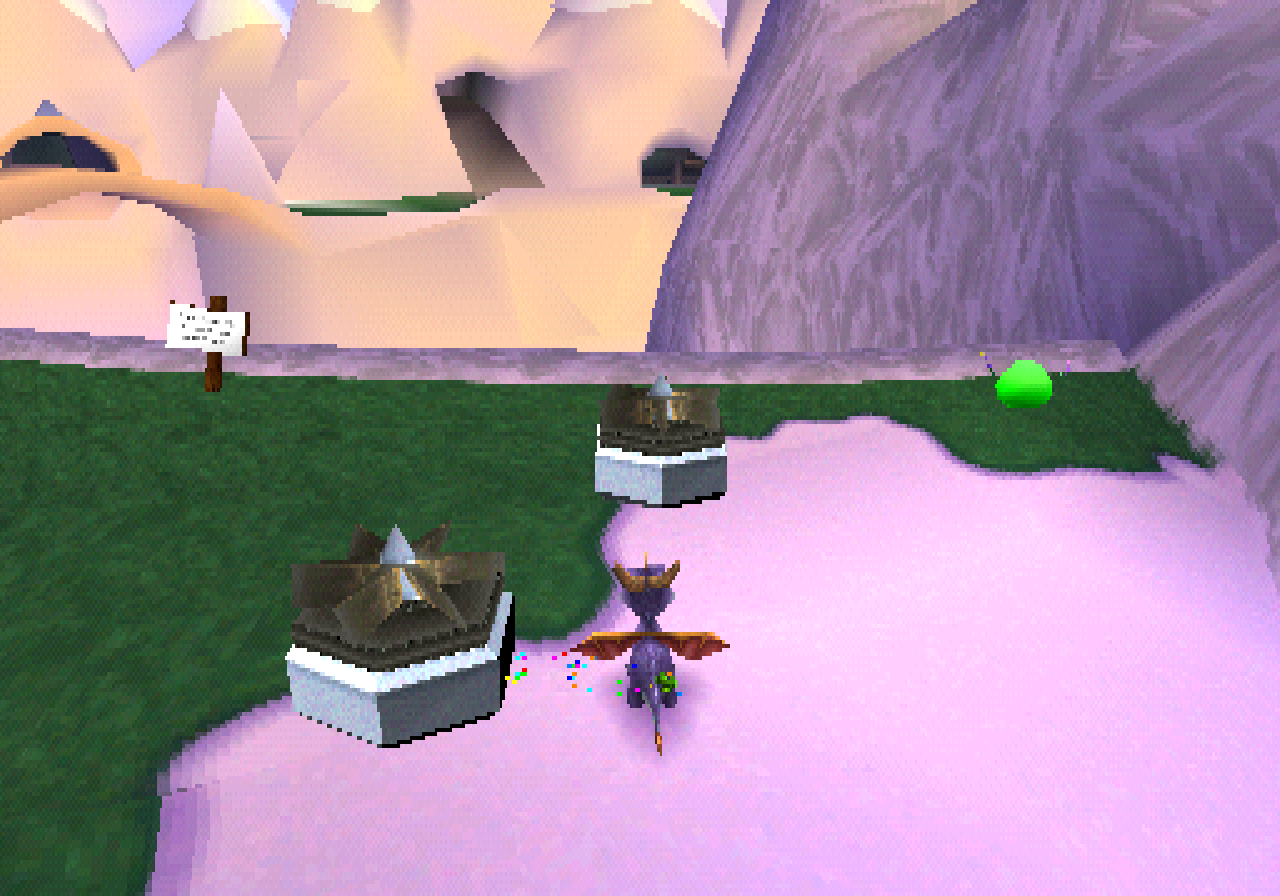
High Cave |
Located on the platform where the Egg Thief is found. |
 |
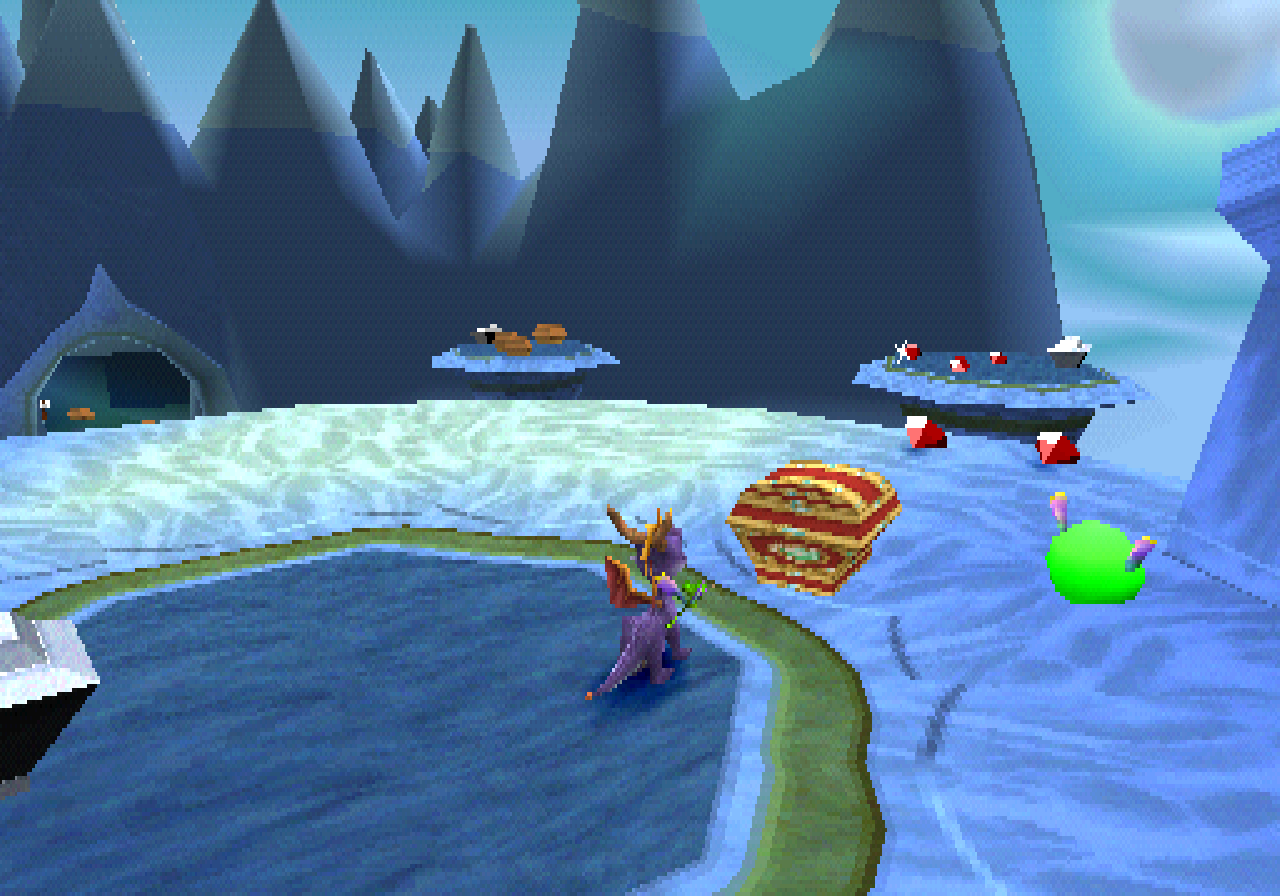
Wizard peak |
Located on the last one of the group of platform you can access by using the Supercharge. |
 |
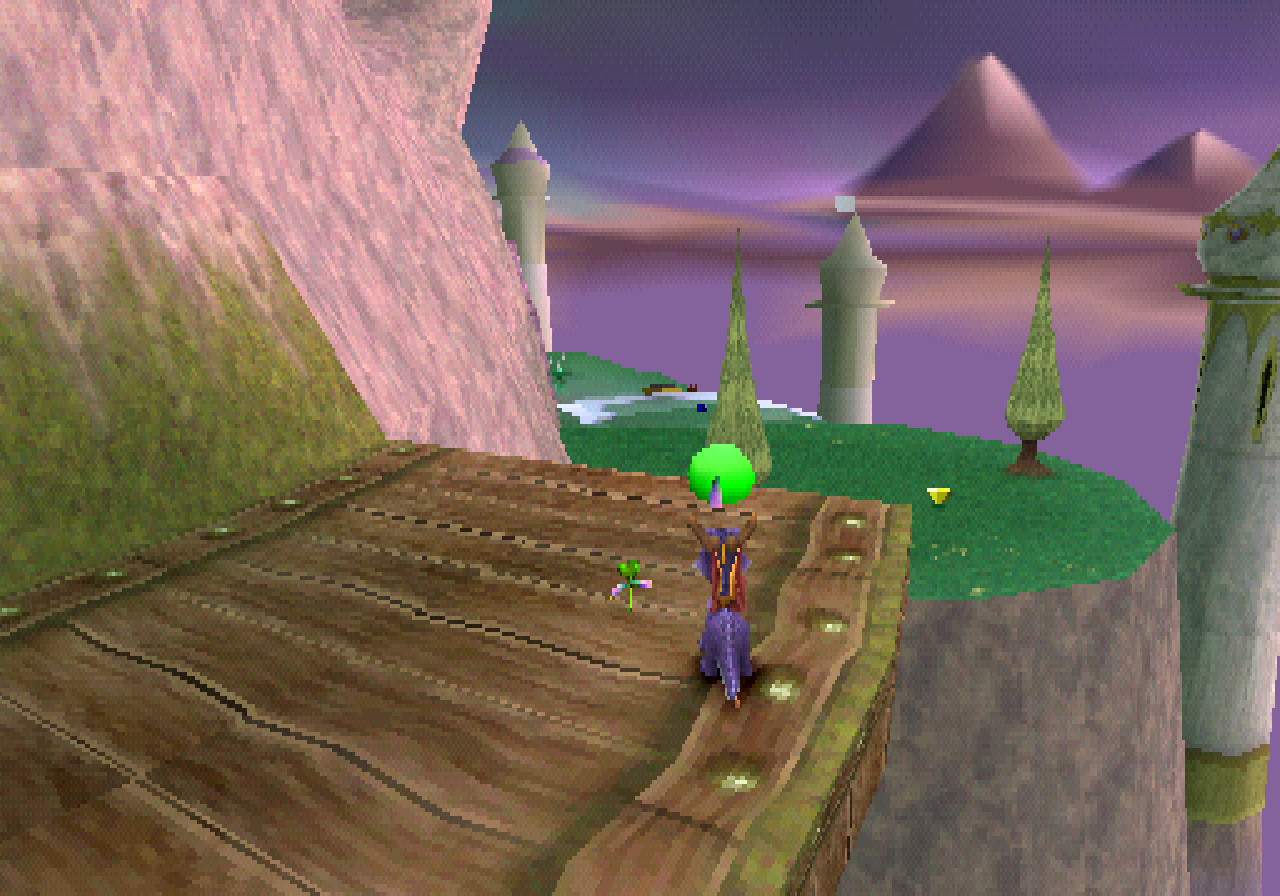
Blowhard |
Located on the wooden platform right next to where you fight Blowhard for the first time. |
 |
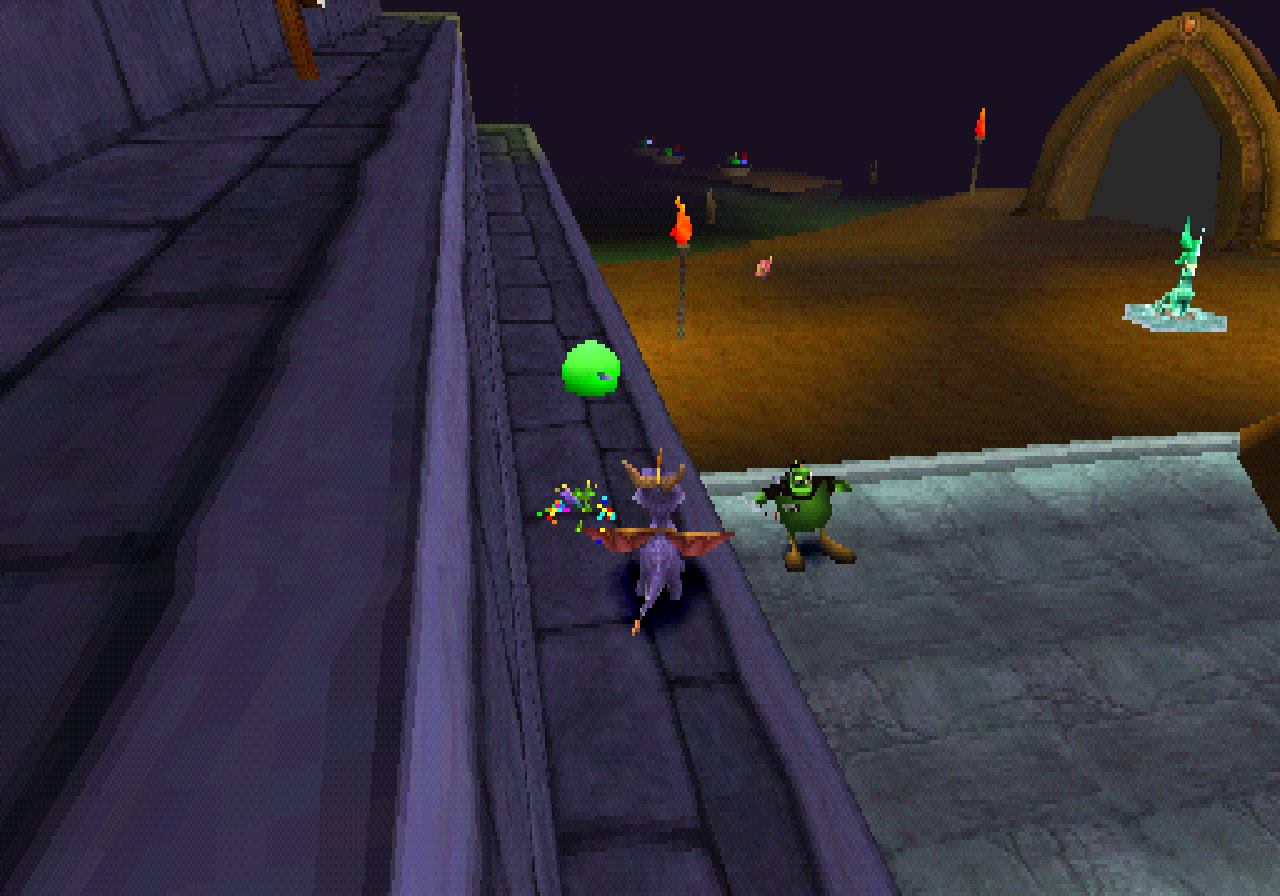
Beast Maker Realm |
Located on the pyramid facing the electrical floor at the beginning of the level. |
 |
Terrace Village |
The first egg is located on the platform where the fireworks are (near the electrical floor). Oddly enough, there's a second egg floating in mid air next to the left pillar near the end portal. This cannot be obtained by any legitimate means, and appears to be simply misplaced. |
|
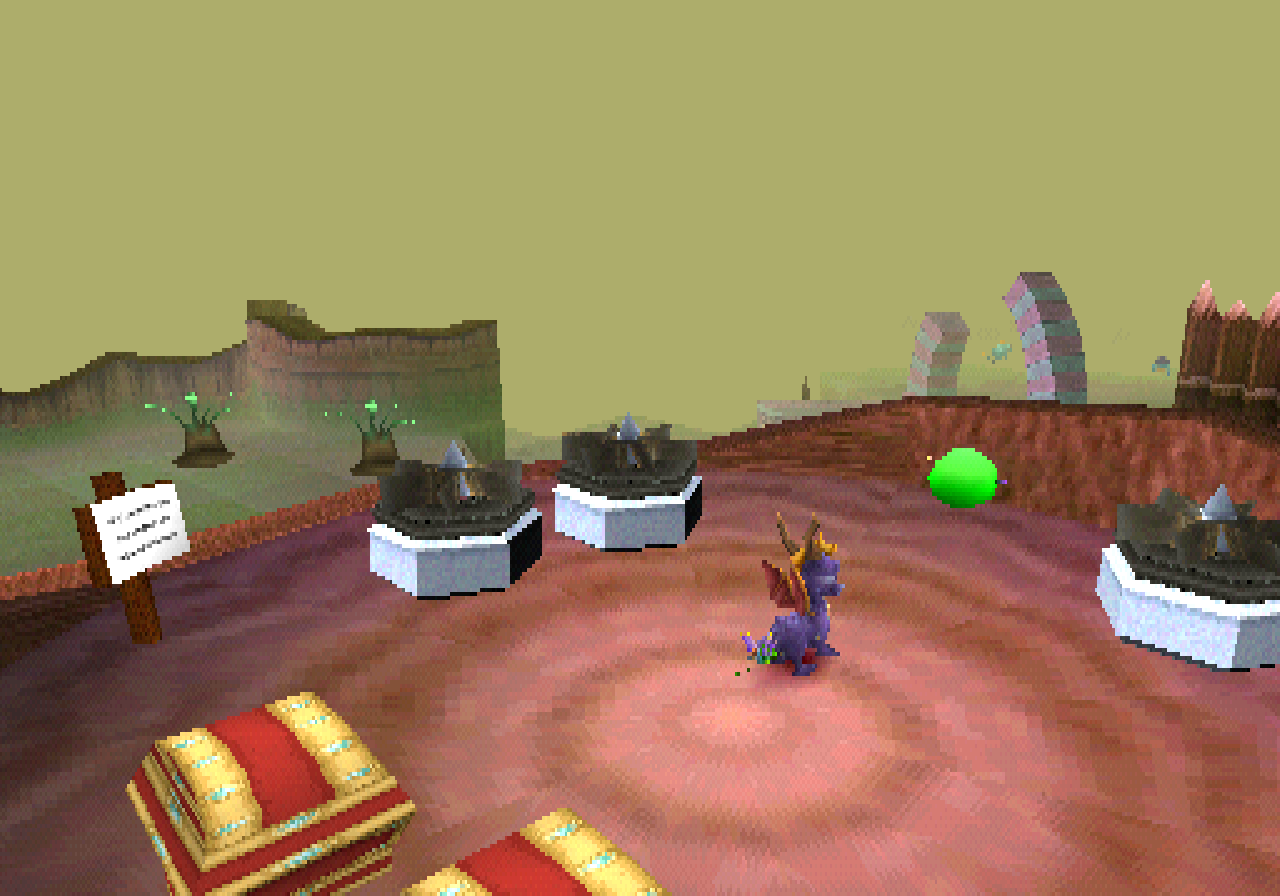
Misty Bog |
Located at the end of the alternative path at the end of the level. |
 |
Tree Tops |
Found floating in mid air next to the wooden ramp next to where Lyle is imprisoned. |
 |
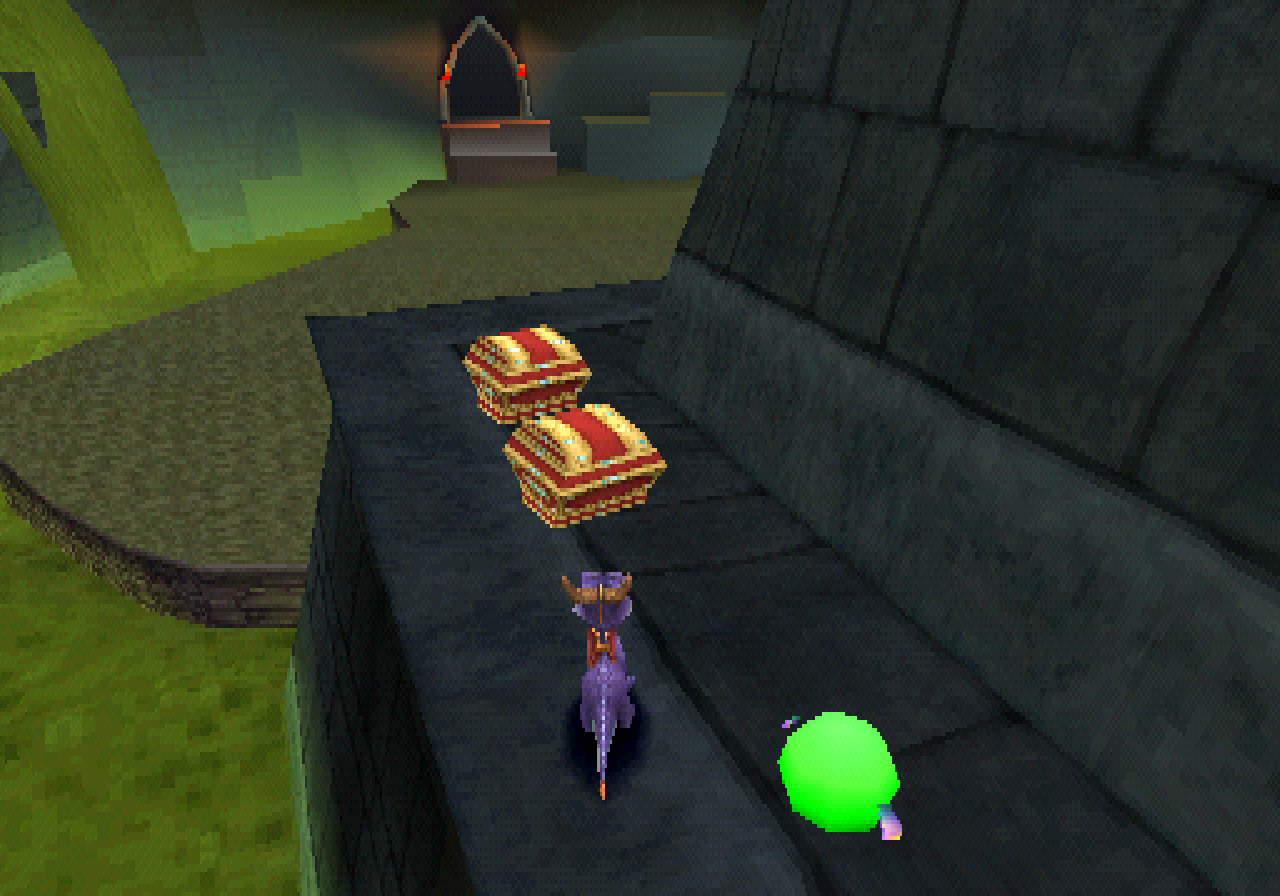
Metalhead |
Located on top of the pyramid at the end of the level. |
 |
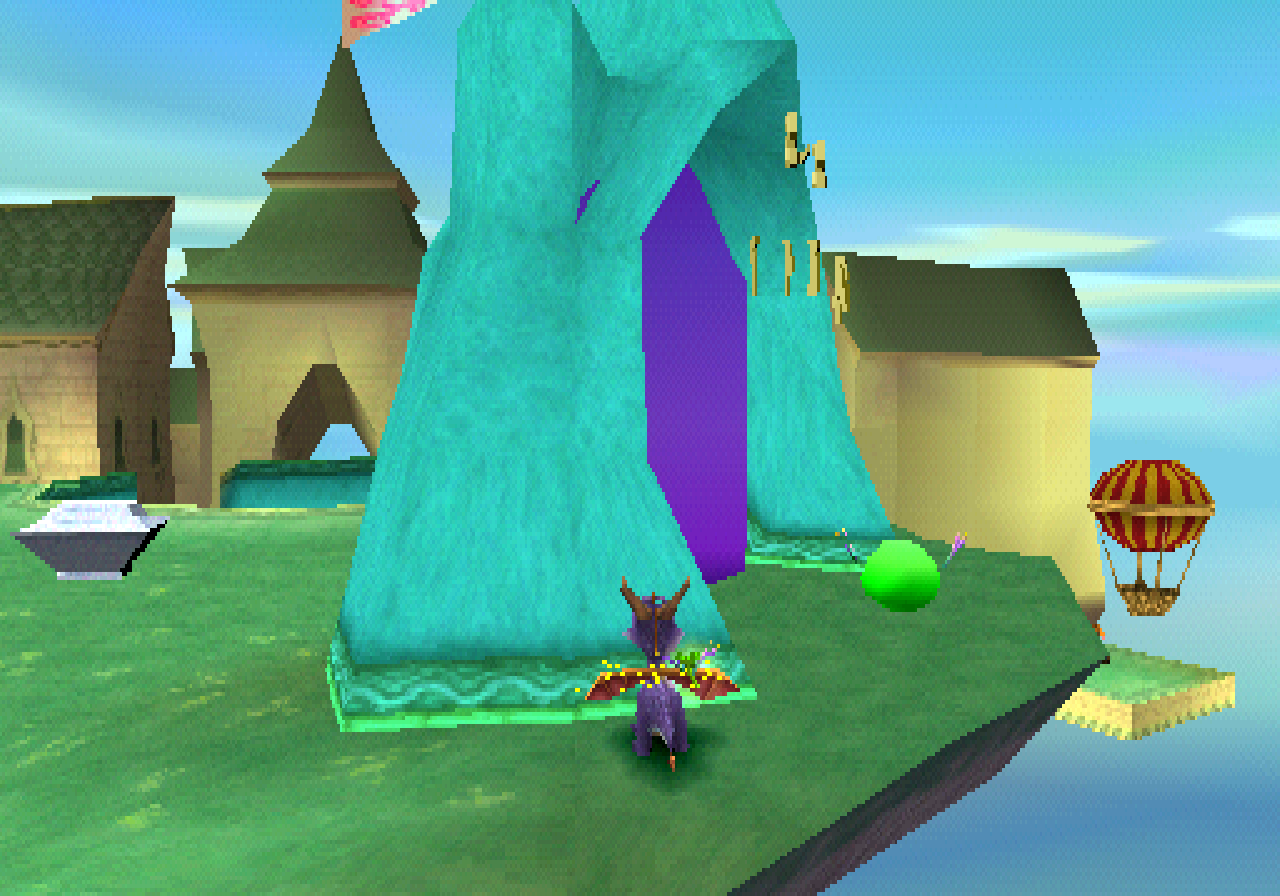
Dream Weavers Realm |
Located behind the portal to Ice Flight. |
 |
Dark Passage |
Located at the end of the alternate path at the end of the level. |
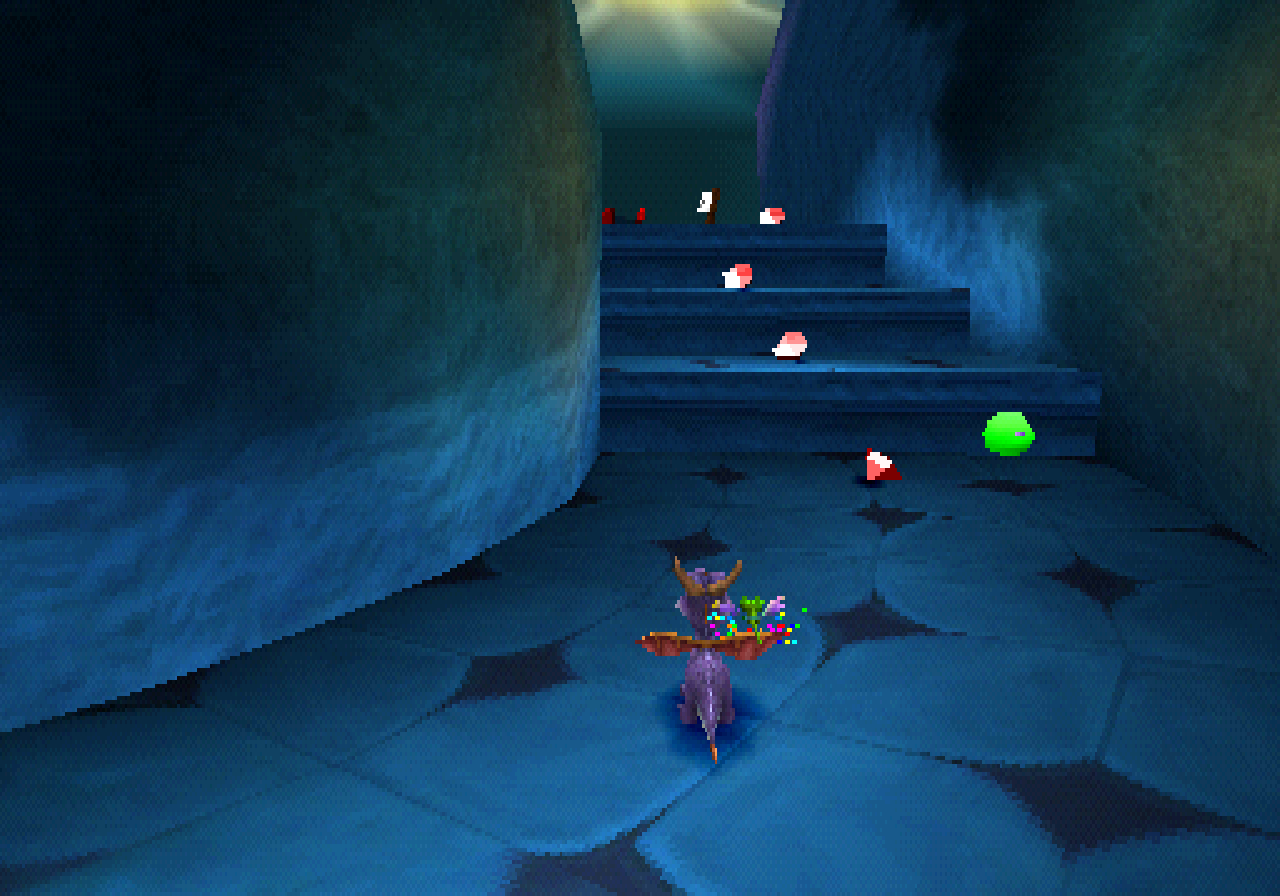 |
Lofty Castle: |
Located on a platform close to where Baruti is imprisoned. |
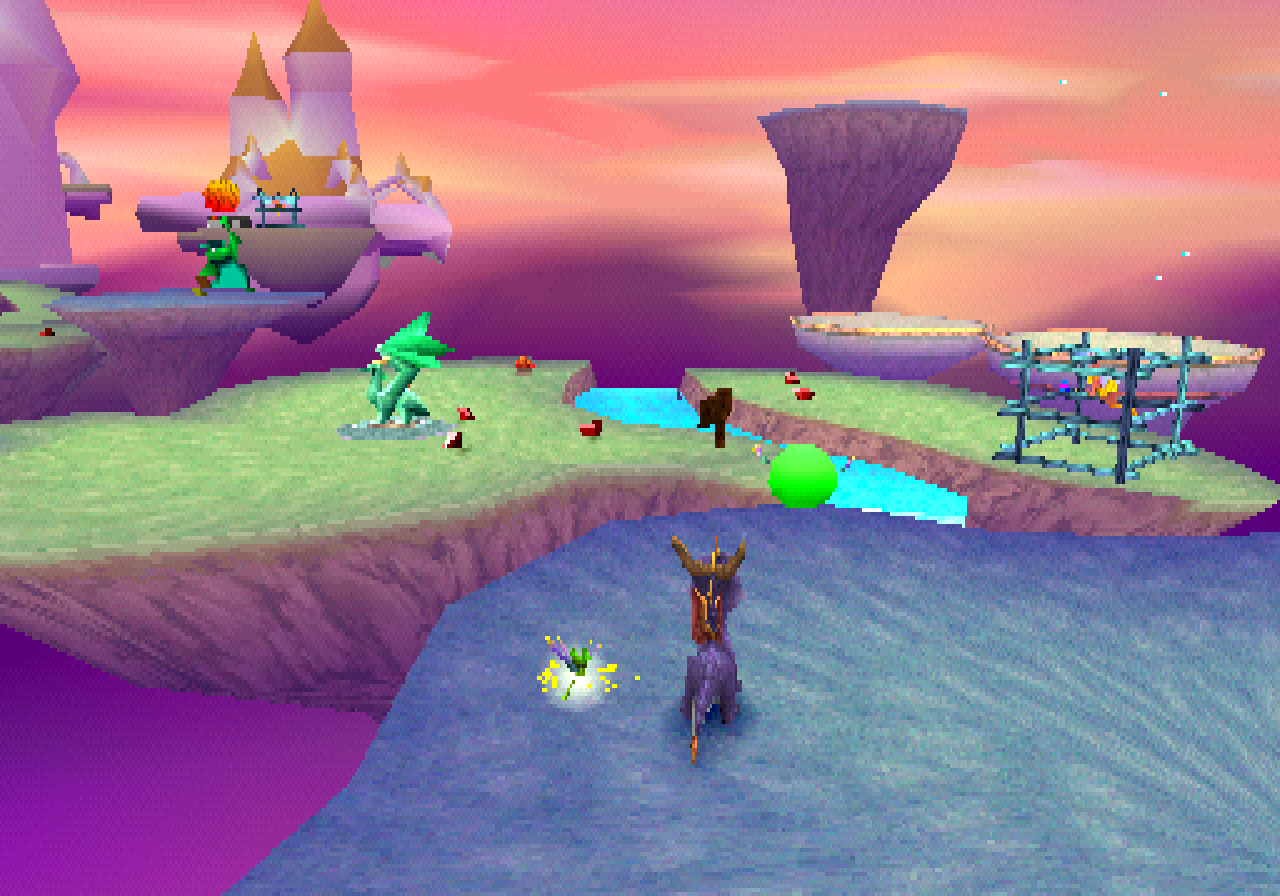 |
Haunted Towers |
Located at the end of the alternate path in the room where the fairy gives you unlimited Super Flame. |
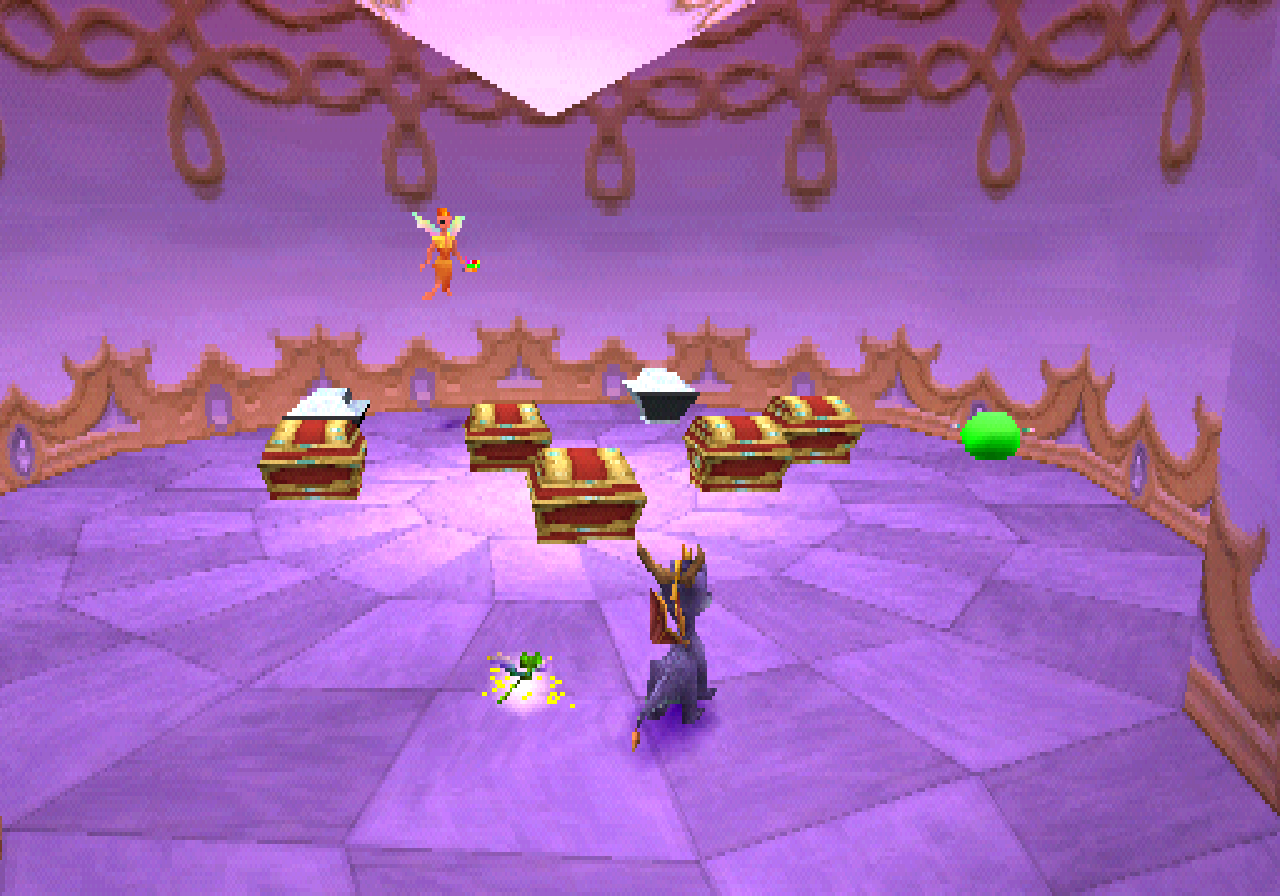 |
Jacques |
Found floating in mid air at the end of the far left path (where the whirlwinds are). |
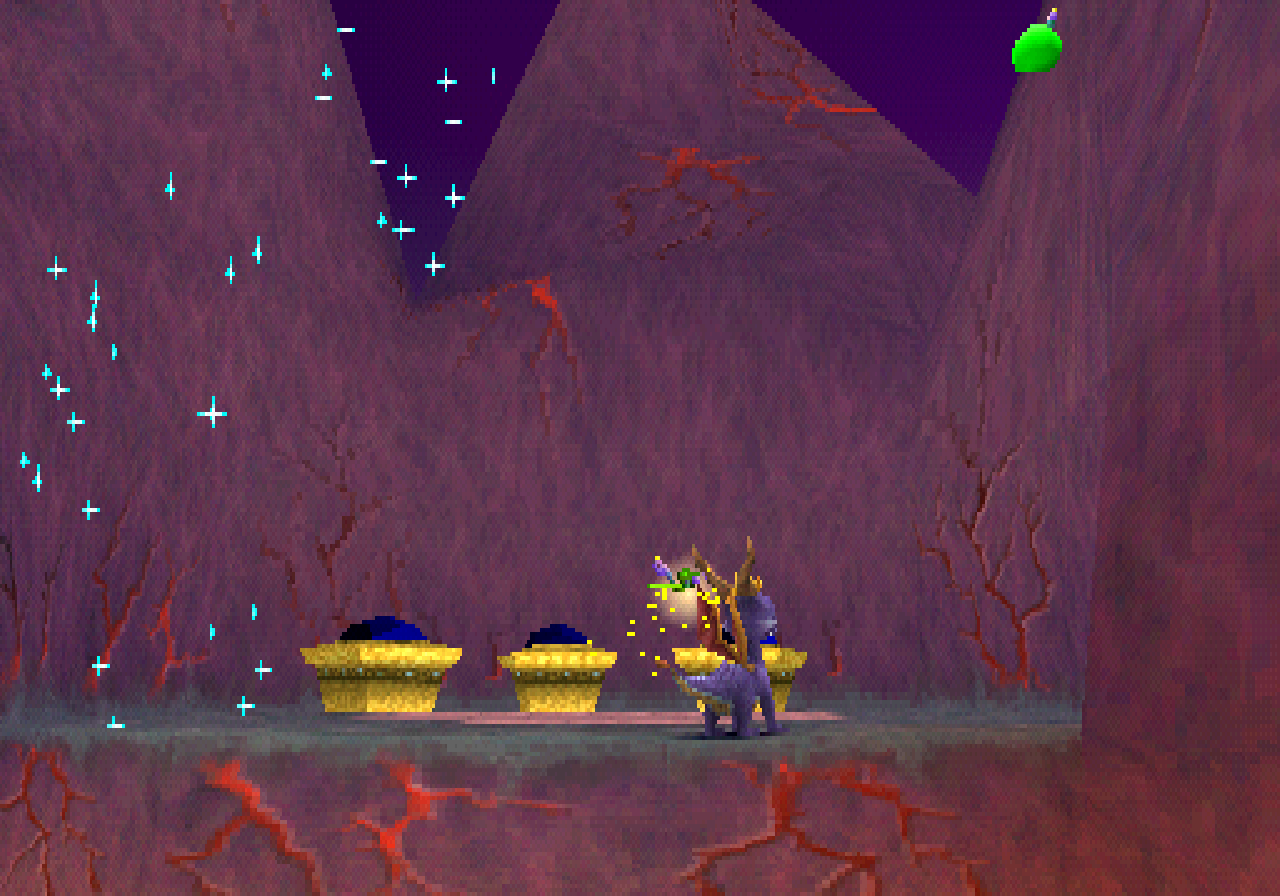 |
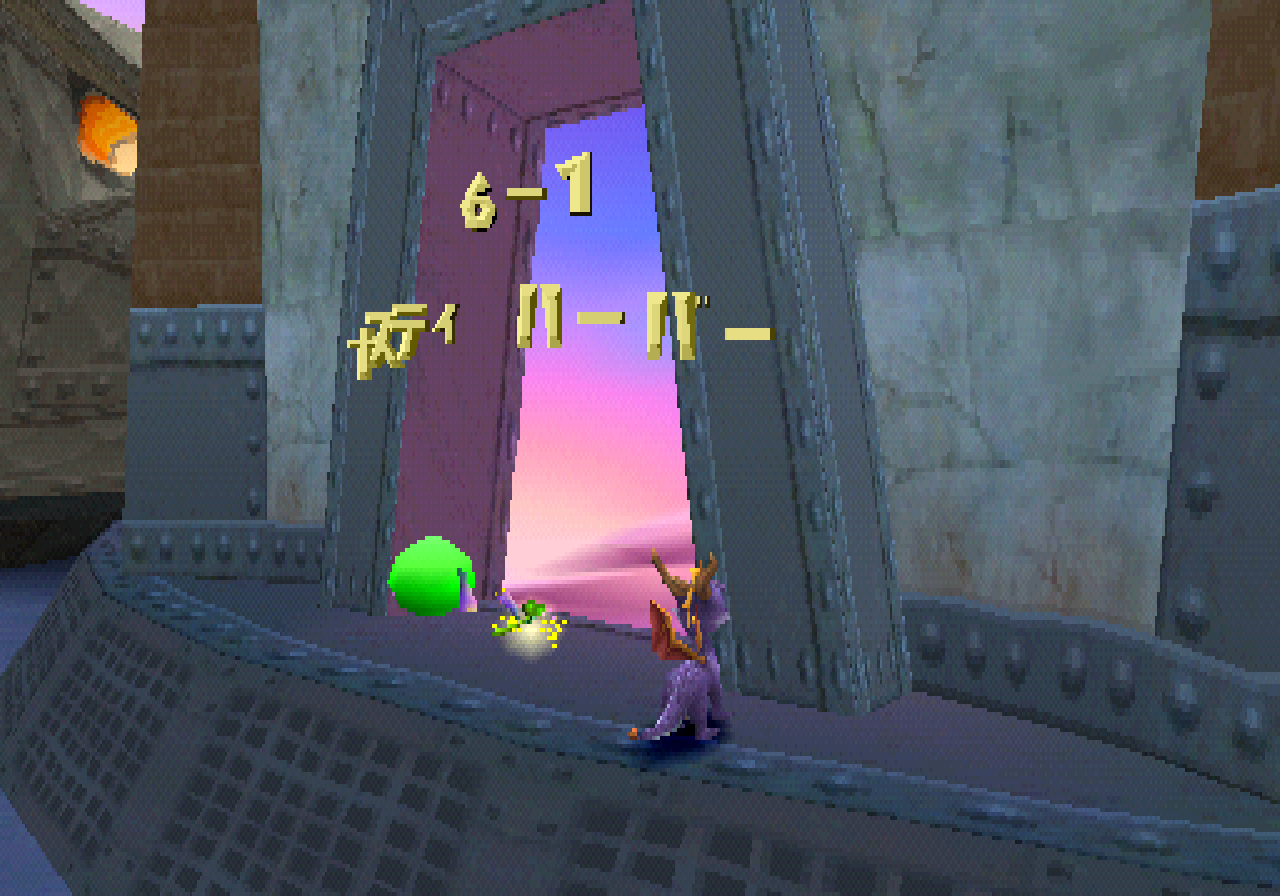
Gnorc Gnexus Realm |
Located behind the portal to Gnorc Cove. |
 |
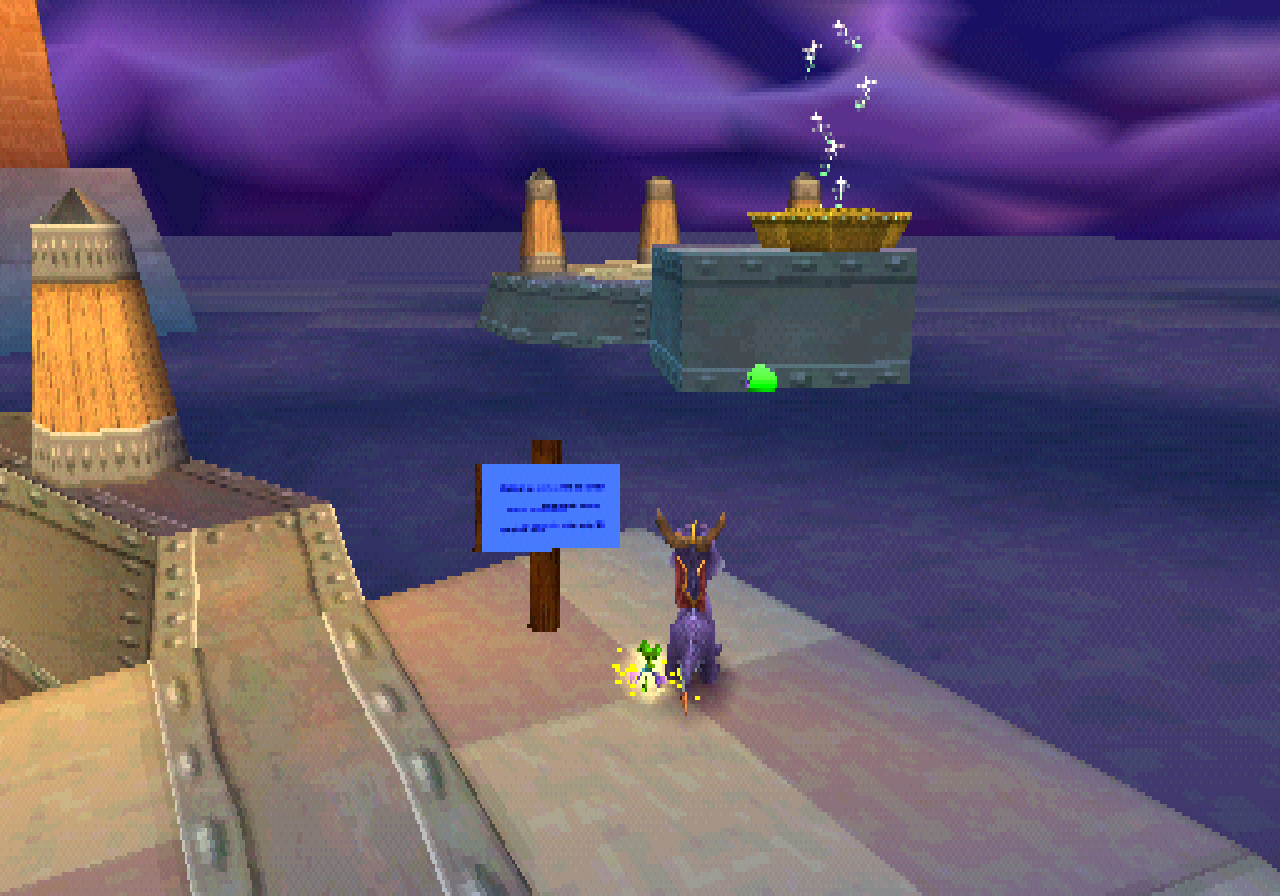
Gnorc Cove |
Found floating above the water right next to the end portal. |
 |
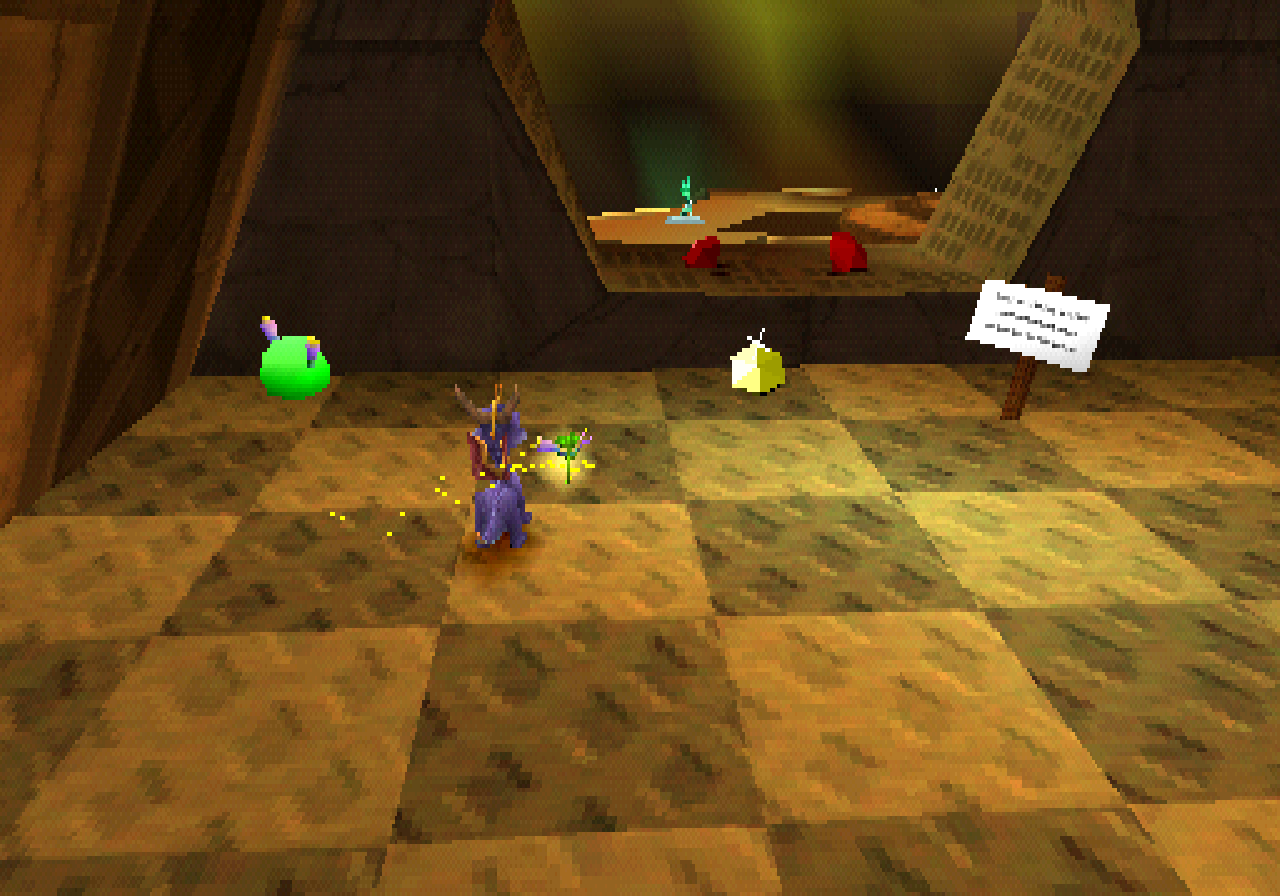
Twilight Harbour |
Located in the corner of the room you access by using the Supercharge. |
 |
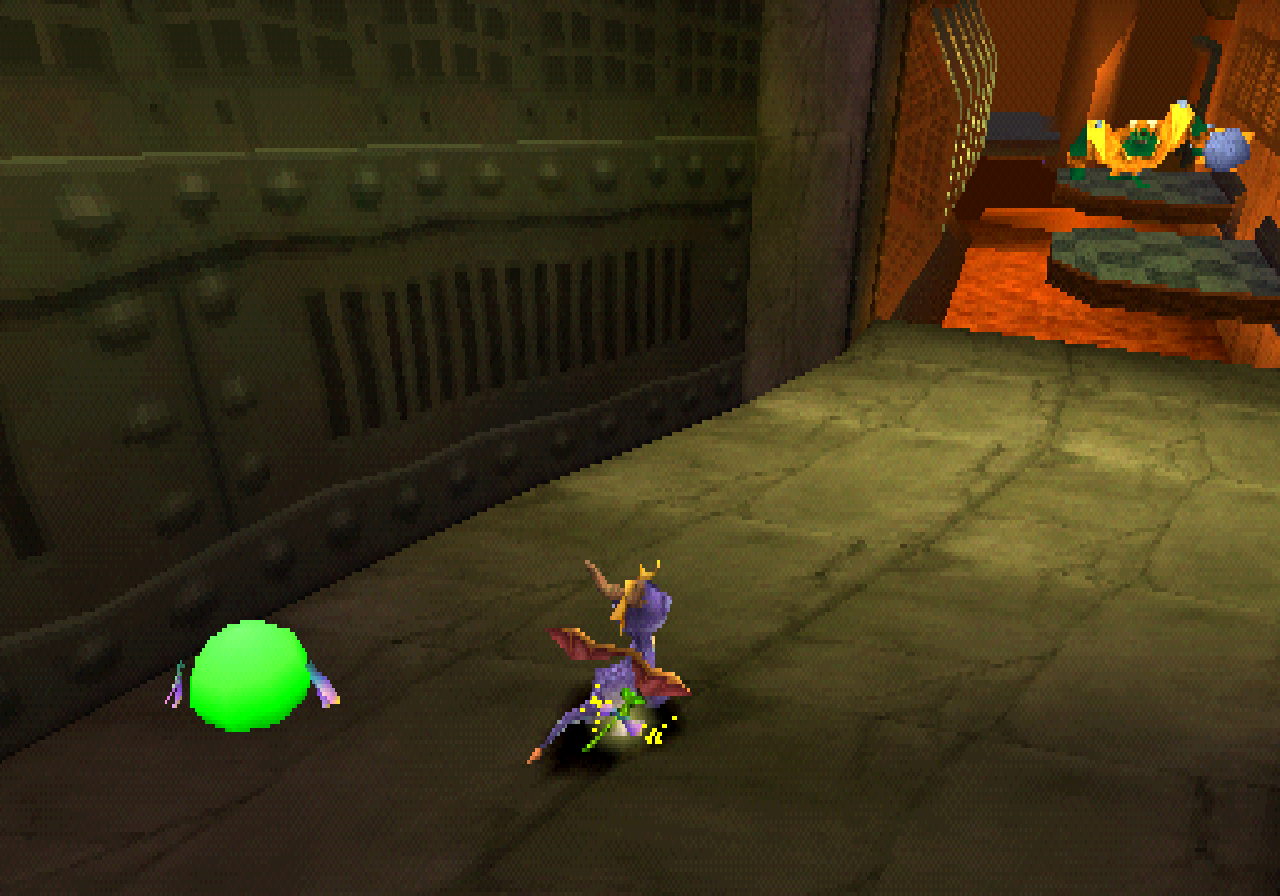
Gnasty Gnorc |
Located on the path that leads to the shrinking platform room. |
 |
Gnasty's Loot |
Located on one of the highest platform (the one facing the end portal). |
 |
31st Egg#

As noted above, Terrace Village actually has 2 eggs - the level's second egg (or the game's 31st, if you prefer) is not obtainable legitimately. If you look at this egg from the right angle, you'll see some text mobys floating nearby.
The text appears to read "1-0 ホーム" ("1-0 home"), which is what the text outside of a portal leading to the Artisans home would read. This is the result of a misplaced portal text moby - the default setting for which is level 0, i.e. the Artisans home.
Anti-Piracy#
The Japanese version adds the Red Hand anti-modchip copy protection. The screen displays before the main menu.