 This article has a talk page!
Unused graphics#
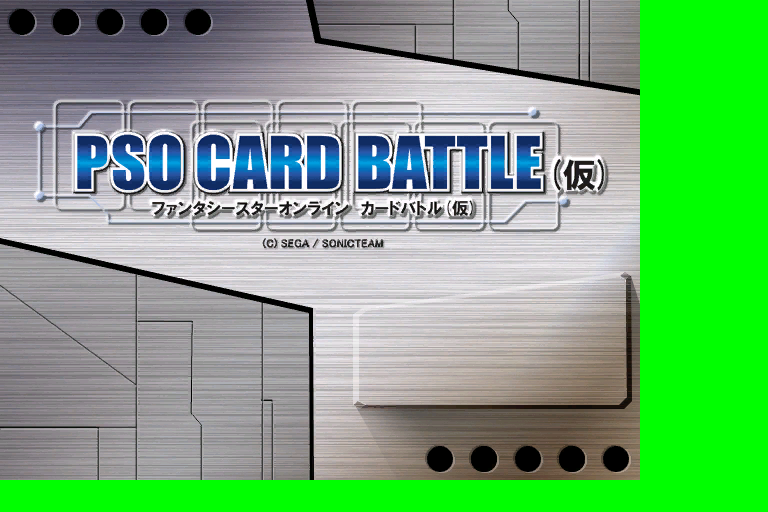
Unused Title Screen#
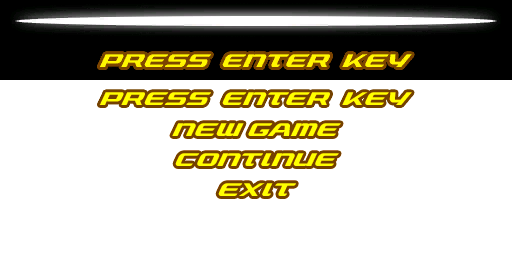
Found within the game data is an unused title screen that appears to be intended for an early PC build of the game. This data was also present (and unused) in the Japanese Trial edition.
E3 Leftovers#
Present in the textures for the game's UI is also the (unused) UI used in the "PSO Card Battle" demo shown off at E3 2002.
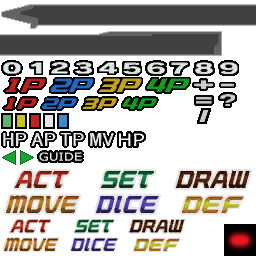
There are more graphics with a similar text style that aren't used in-game.
Loaded alongside the title screen textures is text for an E3 demo version. Interestingly, in the E3 2003 build, only the "Demo Version" text was used.
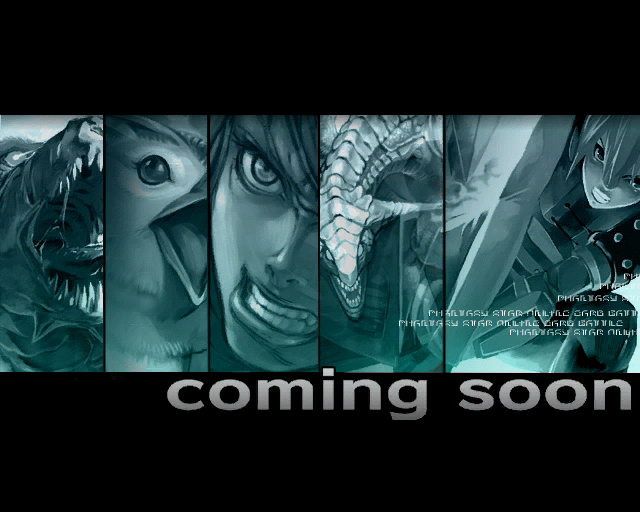
This promotional image for Episode 3 is on the disc, but (unsurprisingly) it doesn't appear anywhere in the game.
Menu graphics#
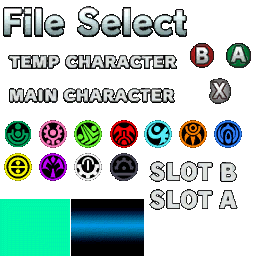
In the graphics for the File Select screen, there's an unused 11th section ID, colored gray. In the code, this section ID's name is "???????", so it may have been used as a placeholder at some point. In the final game, if a character has this section ID, then their model doesn't load at all in the File Select screen, and they instead have a pure black circle where their section ID should be in lobbies and games.
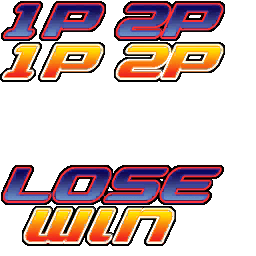
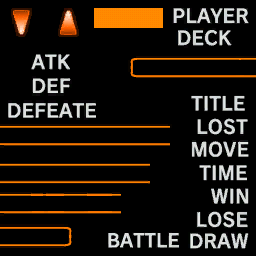
Included with the battle results screen graphics is this sheet. It appears to be for an early version of the second results screen, which has the battle stats table. This sheet includes text that presumably appears in case of a draw, but in the final game, it's impossible for a battle to end in a draw.
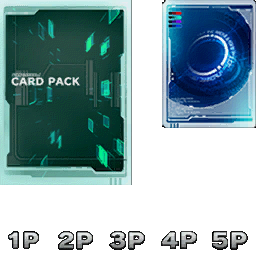
The menu graphics for the post-battle card draws (Select Pack screen) include this sheet. There is no evidence, except this, that any version of Episode 3 ever supported battles with more than 4 players.
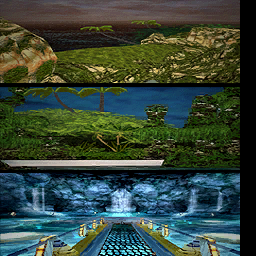
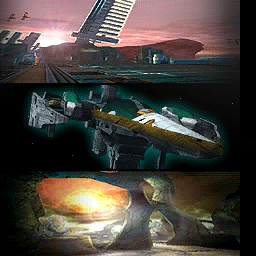
The Map / Quest menu shows a small preview image of each stage when it's selected in the menu. The center images in these two sheets were intended for the Map / Quest stage preview, but were never used. One appears to be an unused image for the Seaside location; the other depicts Pioneer 2.
HUD graphics#
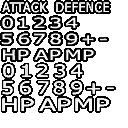
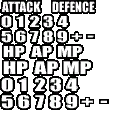
There's a full set of text graphics that appear to be for a previous version of the in-battle HUD. Notably, these use the British spelling for the Defense phase (Defence), and have HP, AP, and MP for card stats instead of HP, AP, TP, and MV.


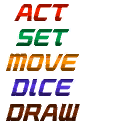


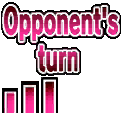
In the battle HUD graphics there is an early version of the images used when you're waiting for the opposing team to play. Here's the early version (left) compared to the final version (right).

This is probably the overlay that appears over card images in the trial version. In the final version, it's unused.
Tutorial illustrations and screenshots#
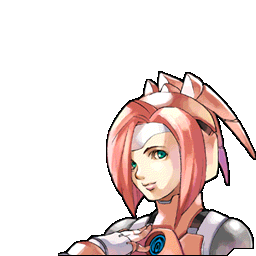
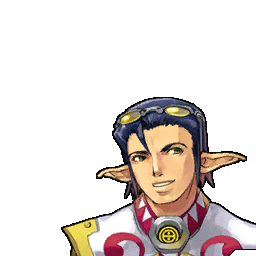
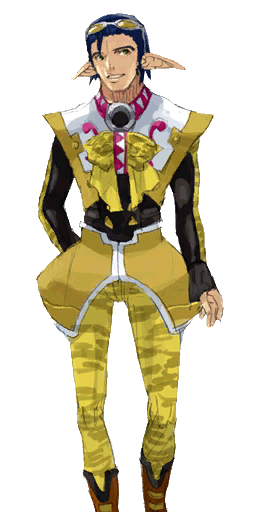
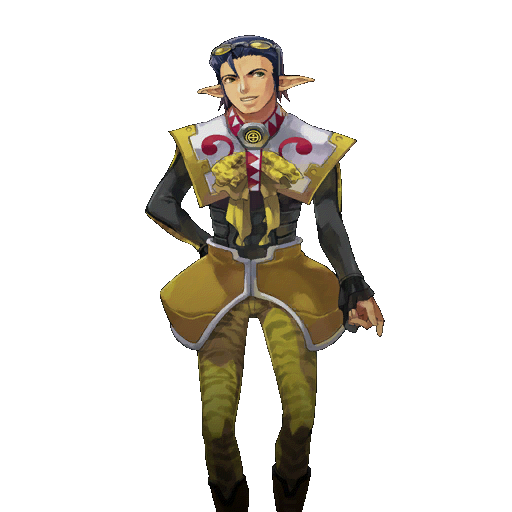
In the final game, Saligun (left) is the instructor in the tutorial screen. It appears that Glustar (right) was planned to have some part in this too, since there's an illustration of him in the tutorial graphics file along with Saligun. No other story characters appear in this file.
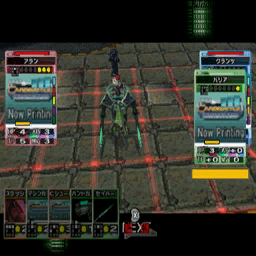
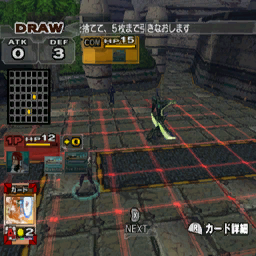
This screenshot seems to show earlier card art. The card costs are also below the card images instead of just under the card names.
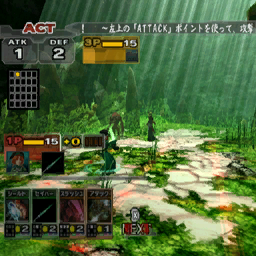
This screenshot shows cards with the same earlier art and some with the unused Now Printing image, which was likely used as a placeholder.
This screenshot appears to show early art for a Shot-type weapon.
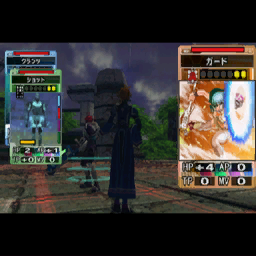
In this screenshot, Kranz has two Now Printings equipped.
Early character drawings#
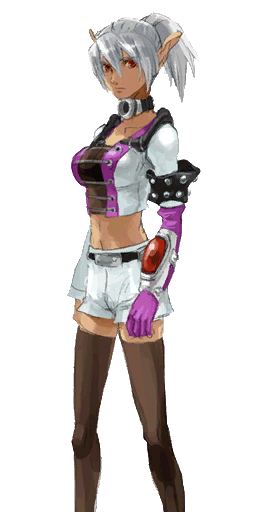
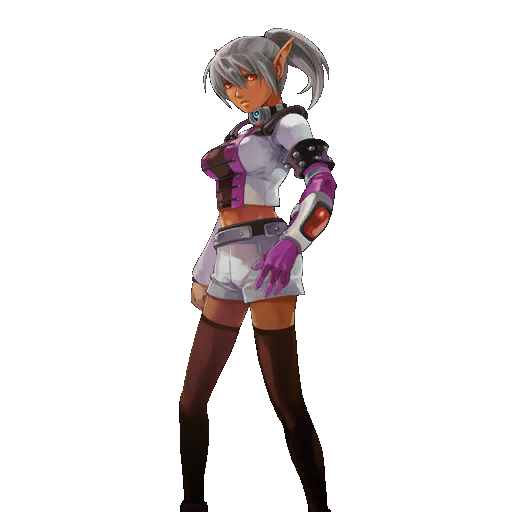
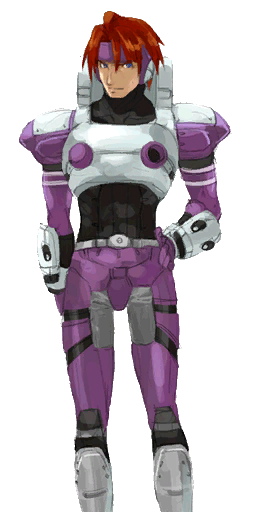
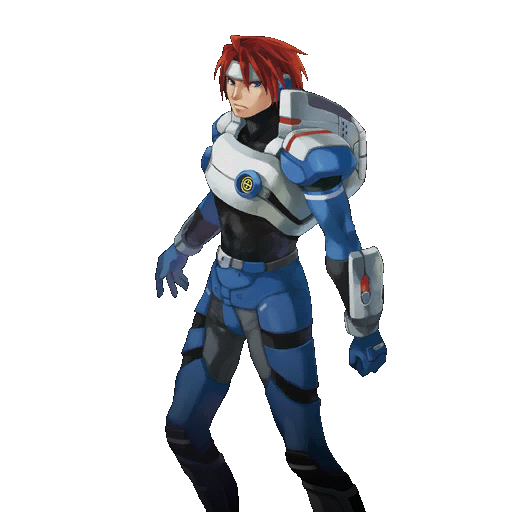
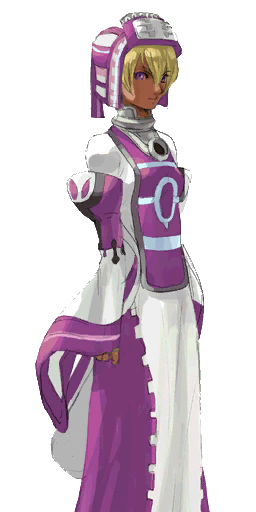
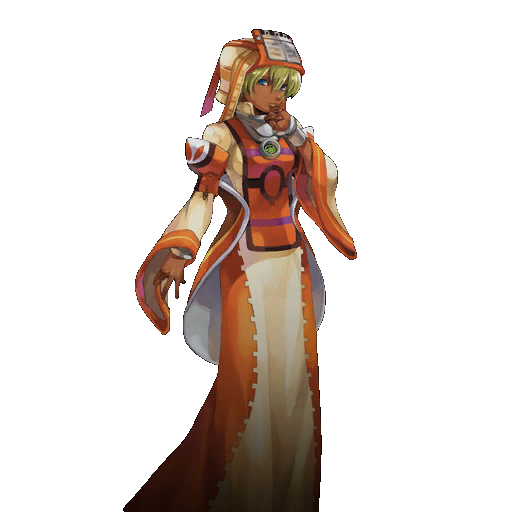
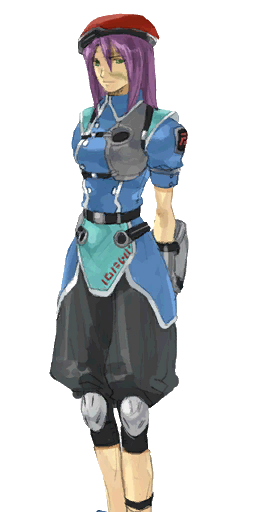
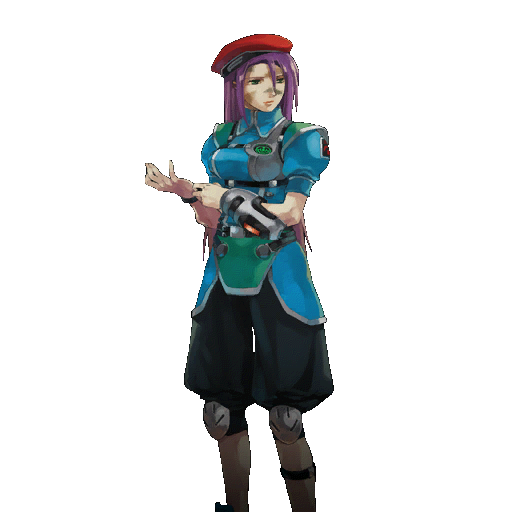
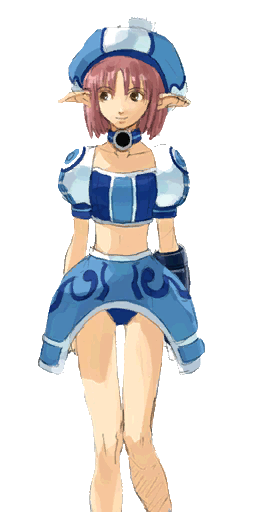
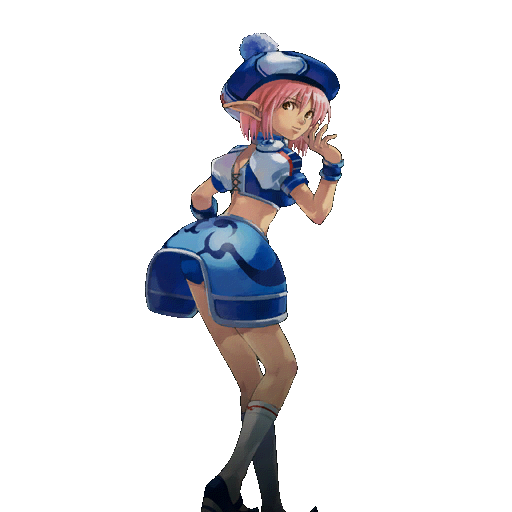
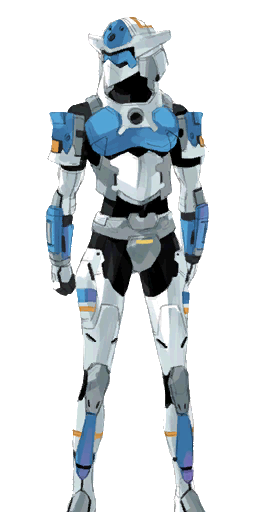
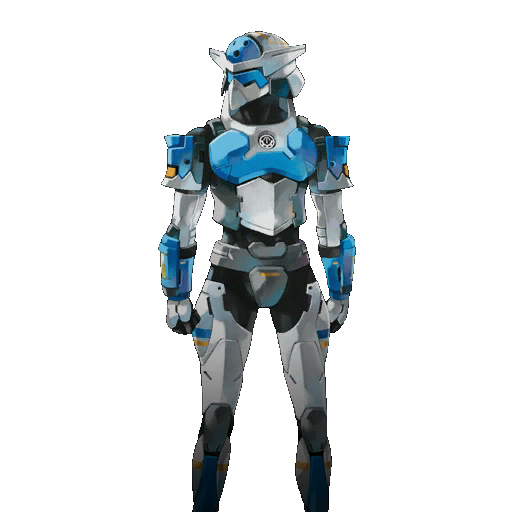
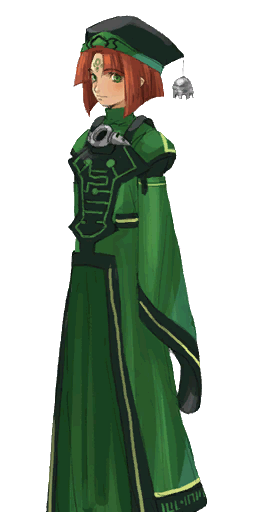
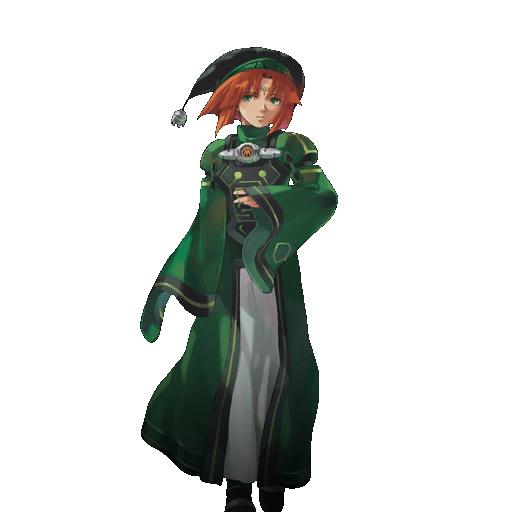
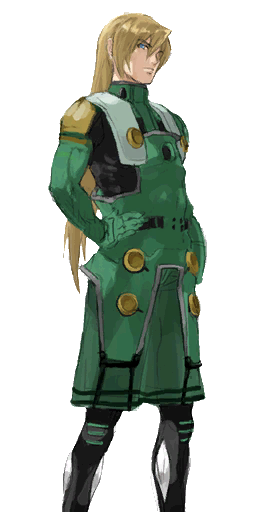
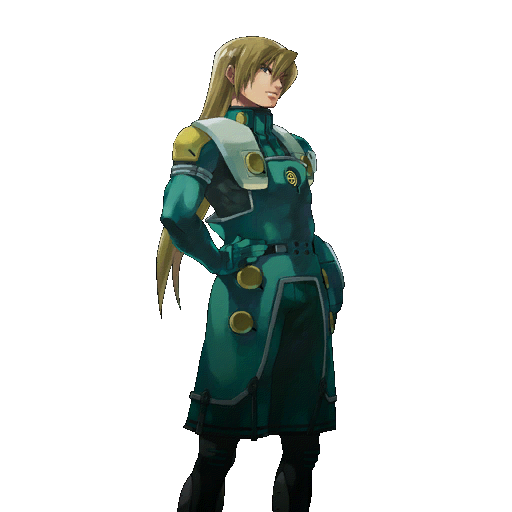
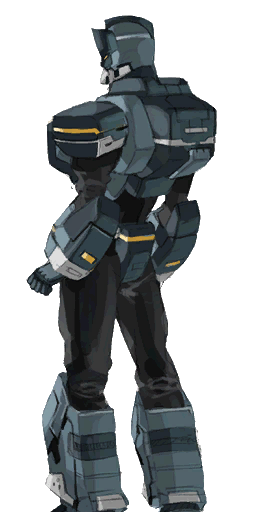
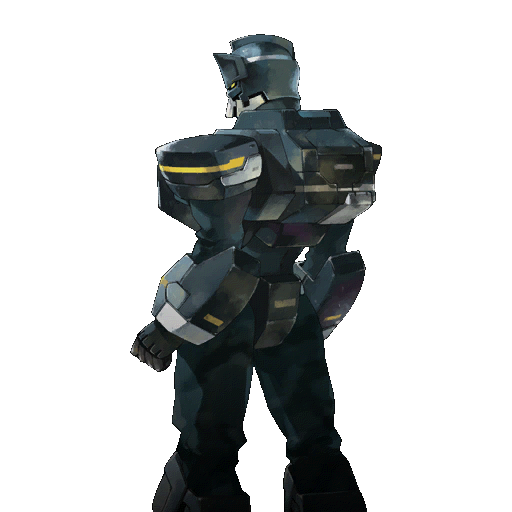
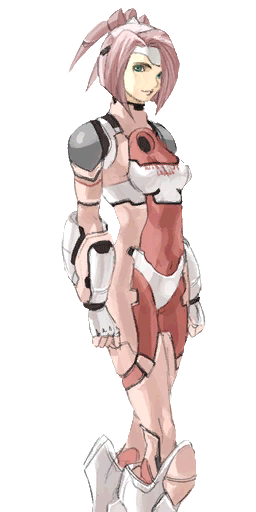
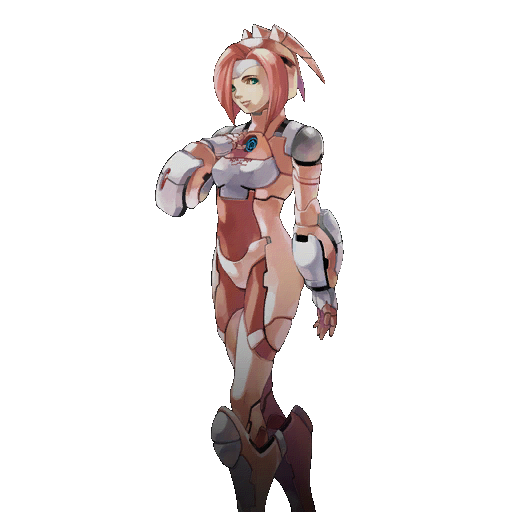
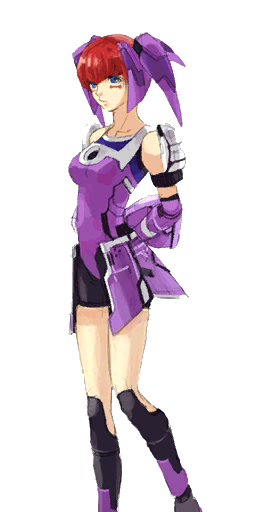
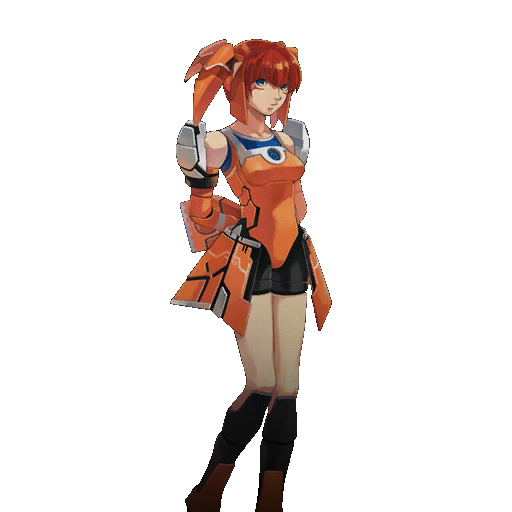
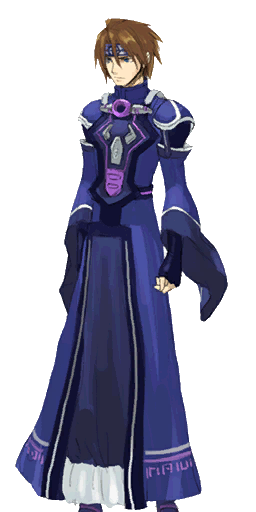
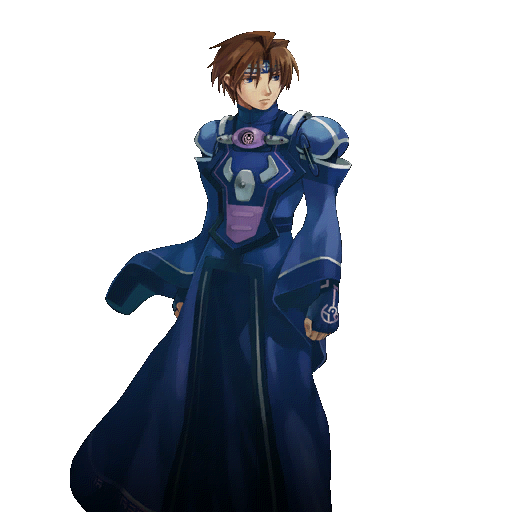
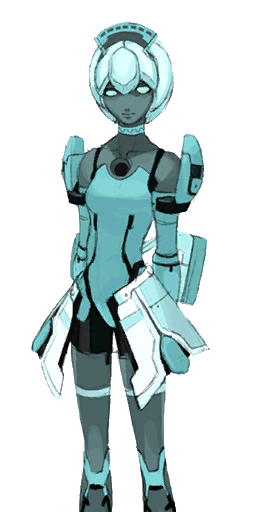
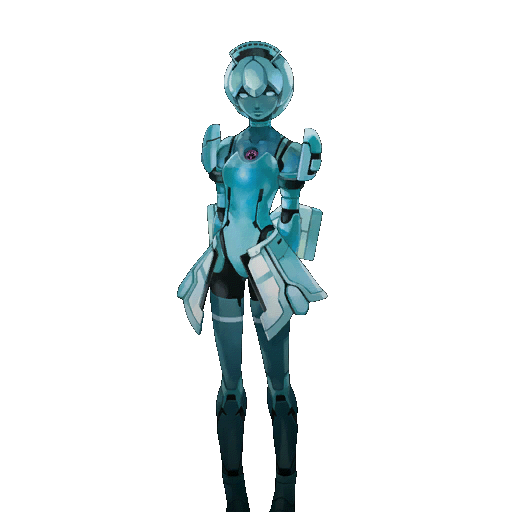
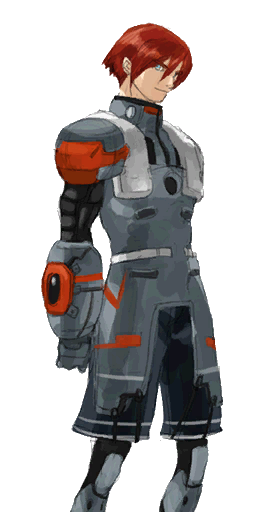
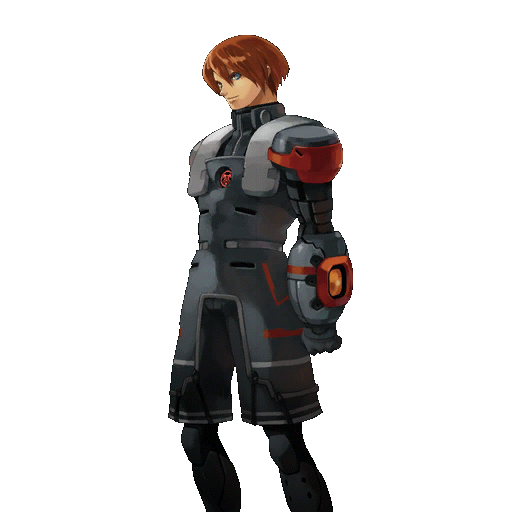
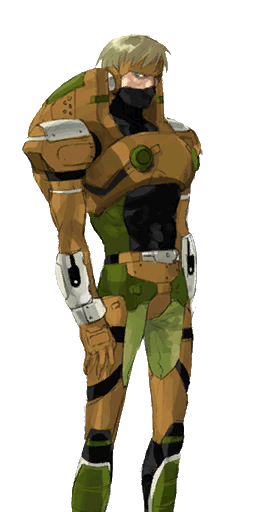
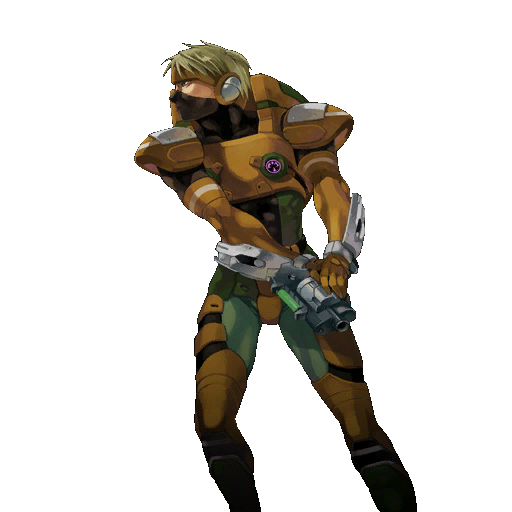
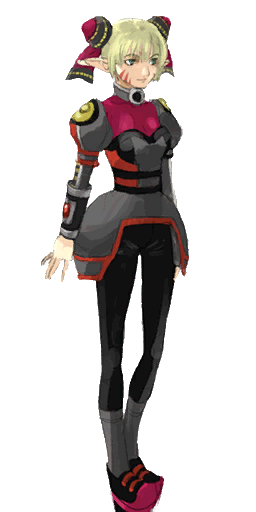
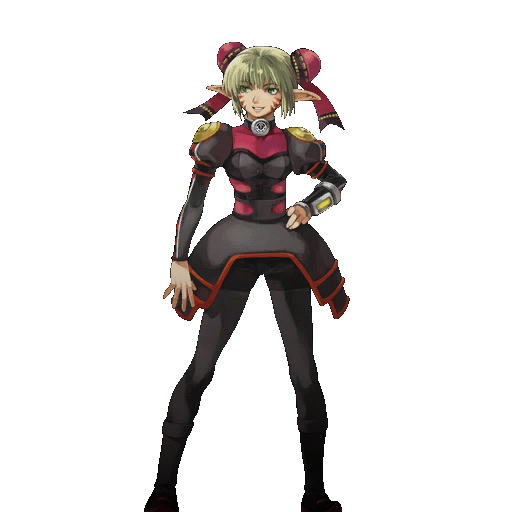
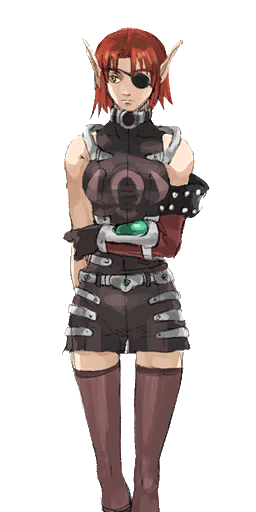
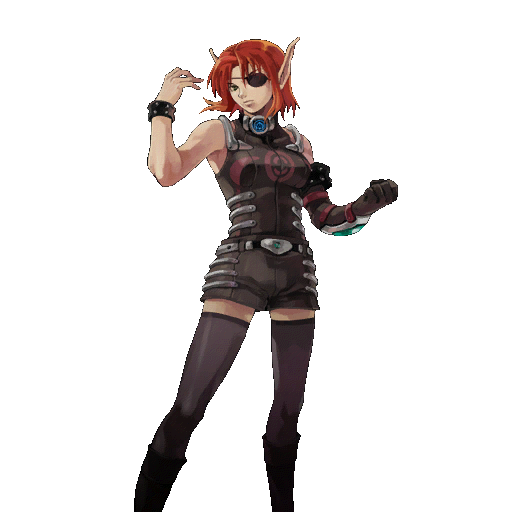
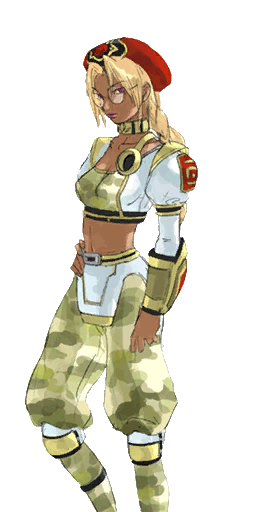
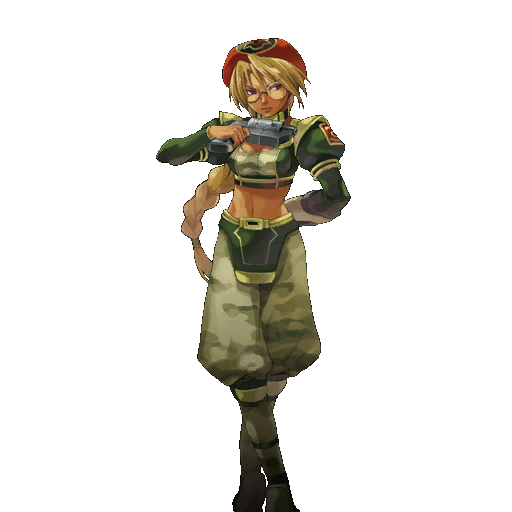
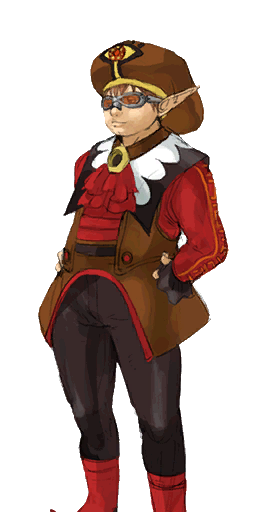
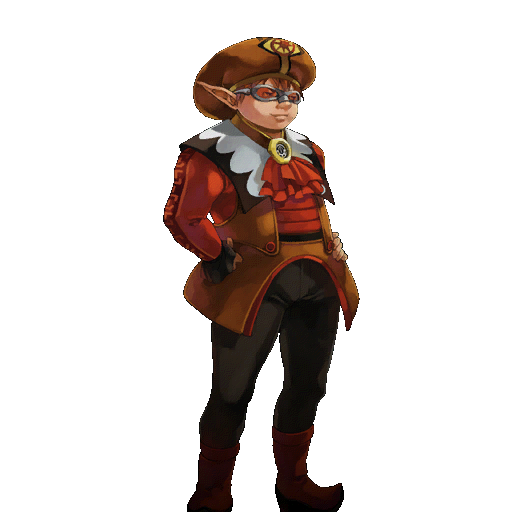
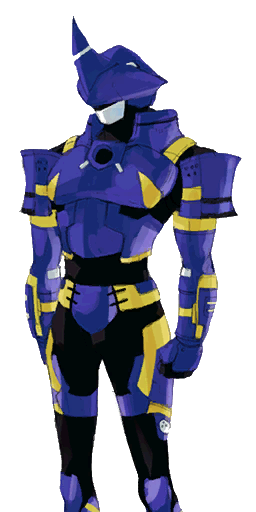
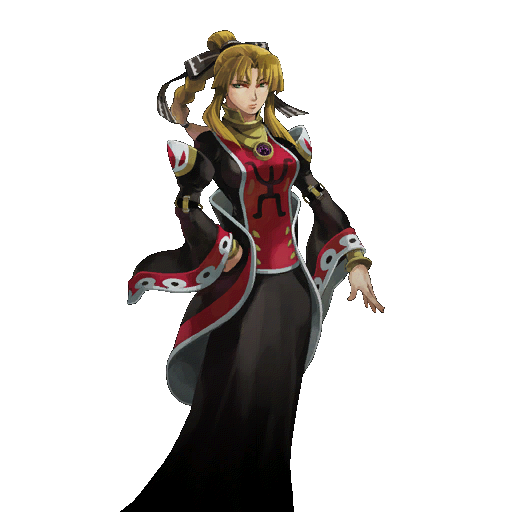
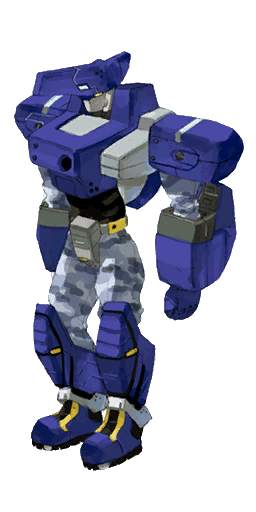
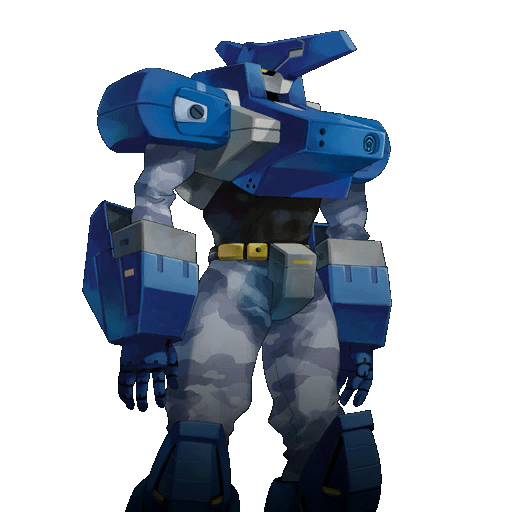
In cardtex_full.afs, there are early versions of the canonical drawings of each story character. Some of them look similar to the final versions, but it appears that some characters' appearances were significantly altered after the early drawings were made. The characters' section IDs are all missing in the early images as well.
Due to the antialiasing on the transparent edges, the early images are intended to be shown against a light background, but the final images are intended to be used with dark backgrounds.
Character |
Early |
Final |
|---|---|---|
Silfer |
 |
 |
Kranz |
 |
 |
Inolis |
 |
 |
Kylria |
 |
 |
Viviana |
 |
 |
Teifu |
 |
 |
Relmitos |
 |
 |
Orland |
 |
 |
Guykild |
 |
 |
Saligun |
 |
 |
Stella |
 |
 |
Glustar |
 |
 |
Break |
 |
 |
Lura |
 |
 |
Endu |
 |
 |
KC |
 |
 |
Memoru |
 |
 |
Rufina |
 |
 |
Rio |
 |
 |
Peko |
 |
 |
Hyze |
 |
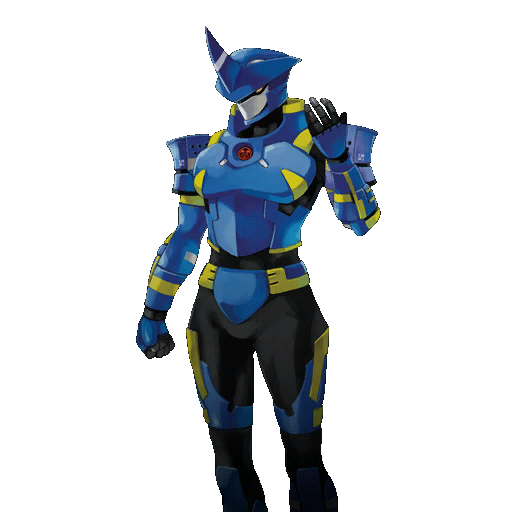 |
Reiz |
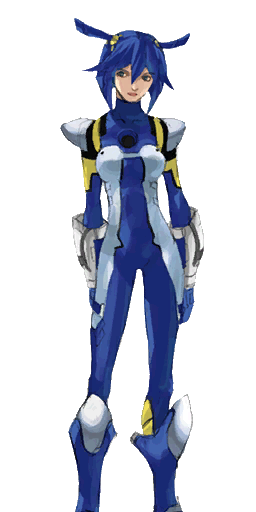 |
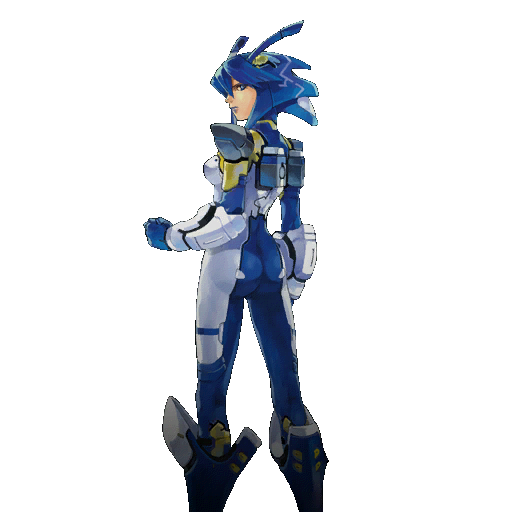 |
Creinu |
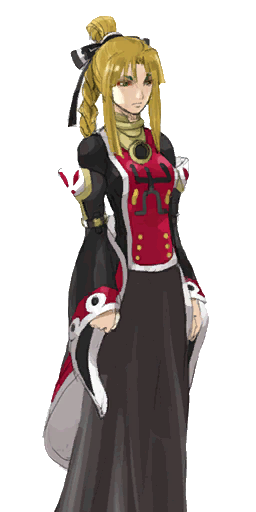 |
 |
Ohgun |
 |
 |
Early card images#

|
To do: |
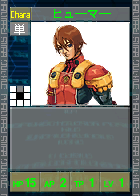
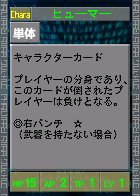
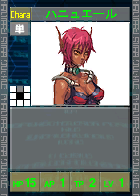
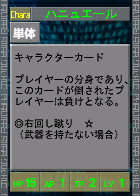
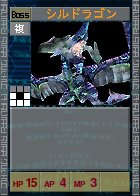
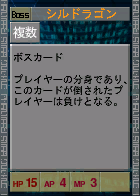
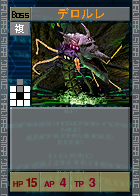
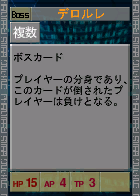
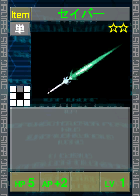
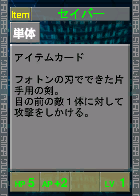
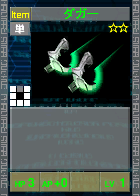
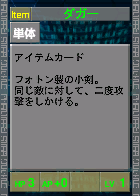
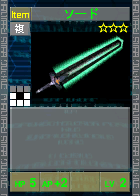
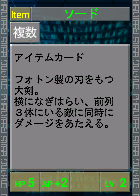
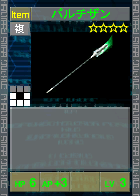
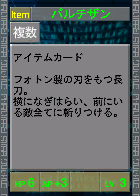
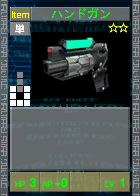
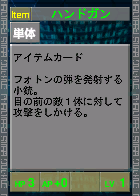
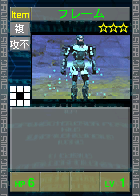
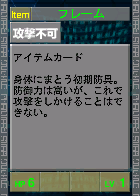
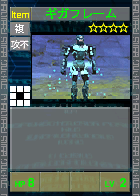
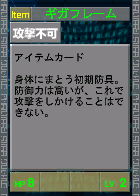
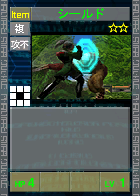
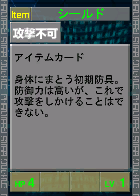
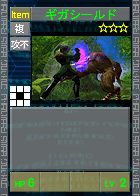
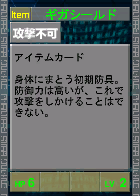
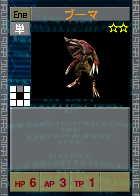
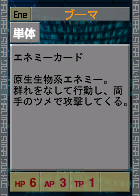
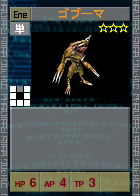
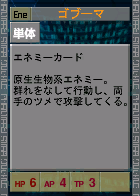
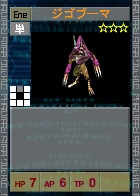
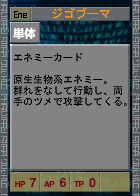
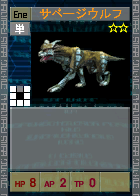
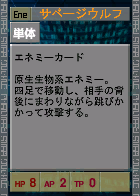
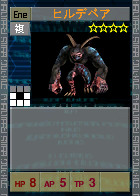
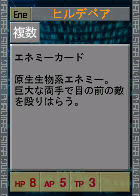
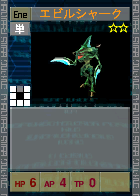
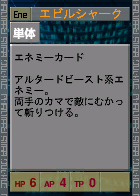
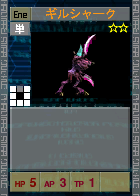
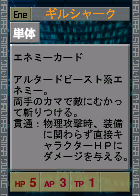
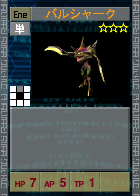
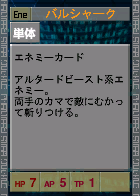
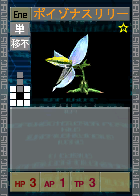
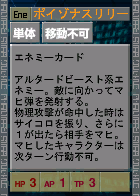
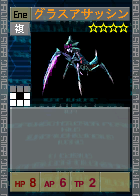
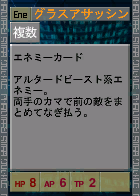
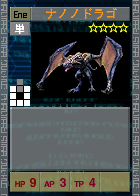
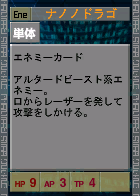
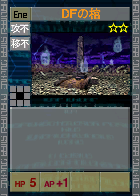
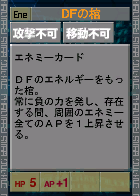
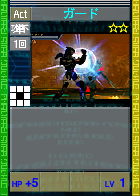
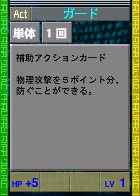
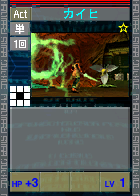
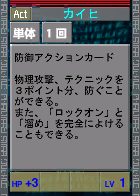
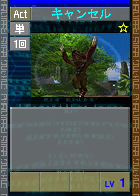
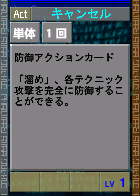
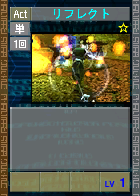
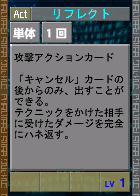
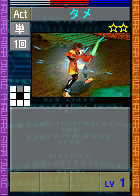
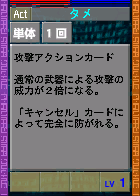
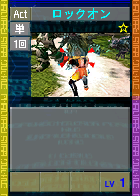
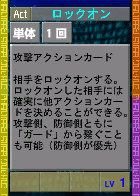
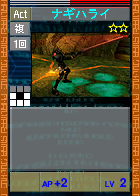
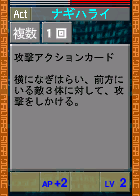
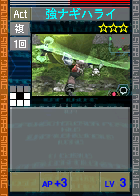
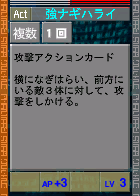
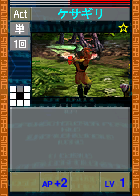
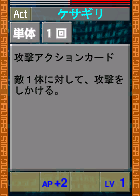
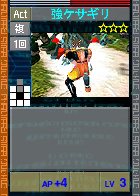
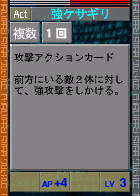
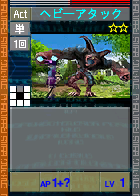
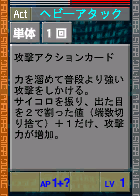
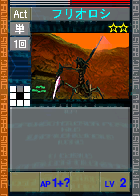
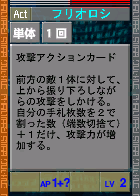
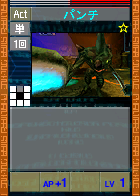
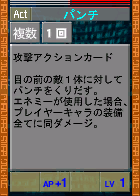
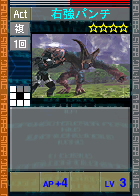
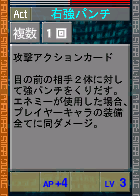
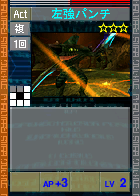
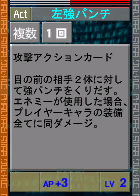
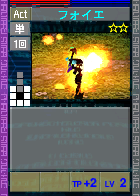
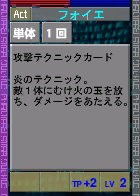
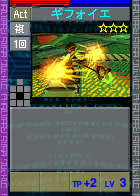
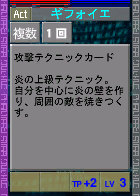
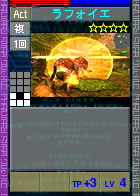
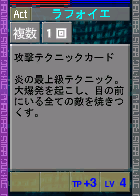
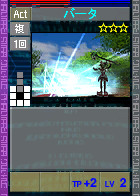
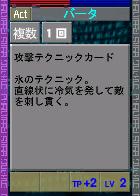
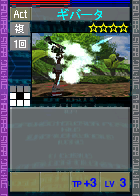
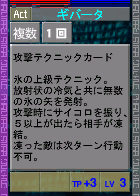
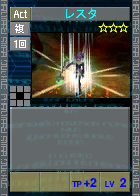
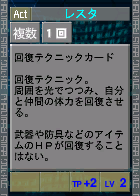
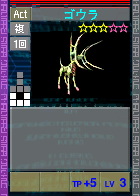
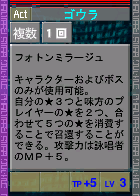
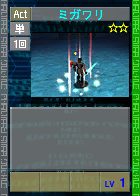
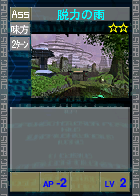
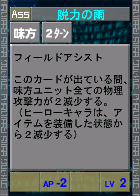
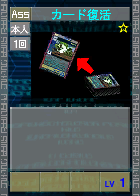
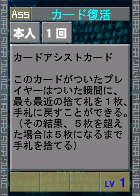
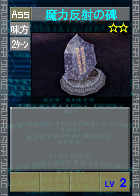
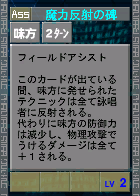
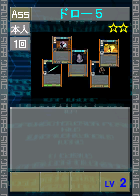
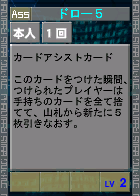
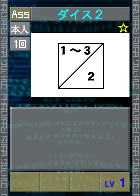
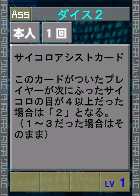
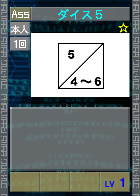
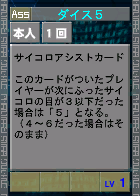
The textures used for card descriptions and drawings are in cardtex_full.afs. But there's also SET/cardtex.afs, which appears to contain early versions of 54 cards. These cards have a very different UI design and have baked-in descriptions on the back, whereas the final cards have dynamically-rendered text on the back instead. There are also some cards here that don't exist or are inaccessible to the player in the final game, such as Episode 1 bosses and generic HUmar/HUnewearl cards.
Card number |
Internal name |
Front |
Back |
Medium |
Small |
|---|---|---|---|---|---|
01 |
humar |
 |
 |
 |
 |
02 |
hunew |
 |
 |
 |
 |
03 |
dragon |
 |
 |
 |
 |
04 |
derorle |
 |
 |
 |
 |
05 |
saber |
 |
 |
 |
 |
06 |
dagger |
 |
 |
 |
 |
07 |
sword |
 |
 |
 |
 |
08 |
partisan |
 |
 |
 |
 |
09 |
handgun |
 |
 |
 |
 |
10 |
frame |
 |
 |
 |
 |
11 |
gigaframe |
 |
 |
 |
 |
12 |
shield |
 |
 |
 |
 |
13 |
gigashield |
 |
 |
 |
 |
14 |
booma |
 |
 |
 |
 |
15 |
gobooma |
 |
 |
 |
 |
16 |
jigobooma |
 |
 |
 |
 |
17 |
servagewolf |
 |
 |
 |
 |
18 |
hildebear |
 |
 |
 |
 |
19 |
evilshark |
 |
 |
 |
 |
20 |
gillshark |
 |
 |
 |
 |
21 |
balshark |
 |
 |
 |
 |
22 |
poisonlily |
 |
 |
 |
 |
23 |
glassassasin |
 |
 |
 |
 |
24 |
nanodrago |
 |
 |
 |
 |
25 |
dfhitsugi |
 |
 |
 |
 |
26 |
guard |
 |
 |
 |
 |
27 |
kaihi |
 |
 |
 |
 |
28 |
cancel |
 |
 |
 |
 |
29 |
reflect |
 |
 |
 |
 |
30 |
tame |
 |
 |
 |
 |
31 |
rockon |
 |
 |
 |
 |
32 |
nagiharai |
 |
 |
 |
 |
33 |
kyonagi |
 |
 |
 |
 |
34 |
kesagiri |
 |
 |
 |
 |
35 |
kyokesa |
 |
 |
 |
 |
36 |
heavyattack |
 |
 |
 |
 |
37 |
furioroshi |
 |
 |
 |
 |
38 |
punch |
 |
 |
 |
 |
39 |
rightpunch |
 |
 |
 |
 |
40 |
leftpunch |
 |
 |
 |
 |
41 |
foie |
 |
 |
 |
 |
42 |
gifoie |
 |
 |
 |
 |
43 |
rafoie |
 |
 |
 |
 |
44 |
barta |
 |
 |
 |
 |
45 |
gibarta |
 |
 |
 |
 |
46 |
resta |
 |
 |
 |
 |
47 |
gorla |
 |
 |
 |
 |
48 |
migawari |
 |
 |
 |
 |
49 |
powerdown |
 |
 |
 |
 |
50 |
cardreturn |
 |
 |
 |
 |
51 |
teckcounter |
 |
 |
 |
 |
52 |
draw5 |
 |
 |
 |
 |
53 |
dice2 |
 |
 |
 |
 |
54 |
dice5 |
 |
 |
 |
 |
Unused card images#
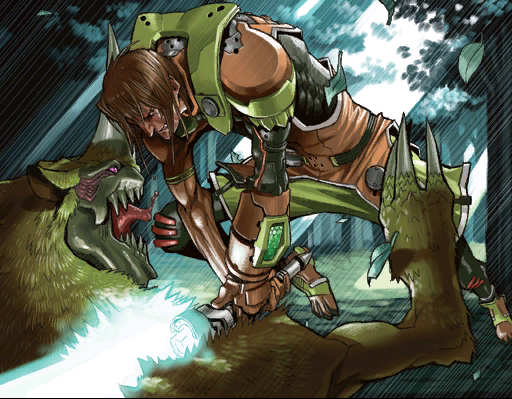
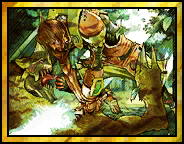
These images are found in the main cardtex.afs archive, along with all of the final card images. These images have no associated card definition, so they cannot appear in-game.
Card ID |
Large |
Medium |
Small |
|---|---|---|---|
009F |
 |
 |
|
00BE |
 |
 |
|
00C9 |
 |
 |
|
029F |
 |
 |
 |
02A0 |
 |
 |
 |
02A1 |
 |
 |
 |
02A4 |
 |
 |
 |
03E4 |
 |
 |
|
03E5 |
 |
 |
|
03E6 |
 |
 |
Leftovers from Episodes 1&2#
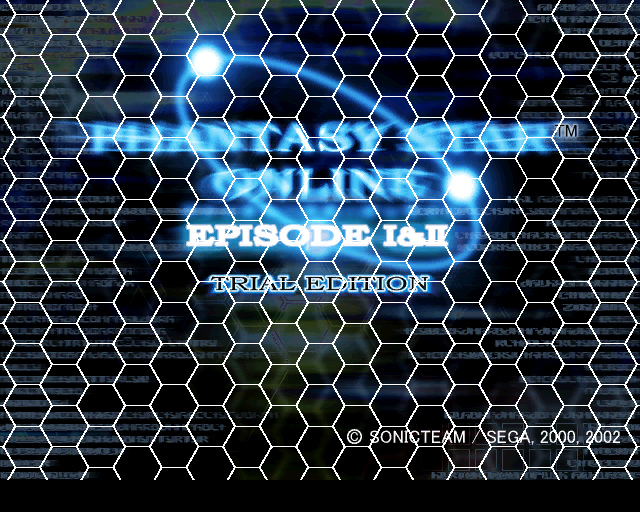
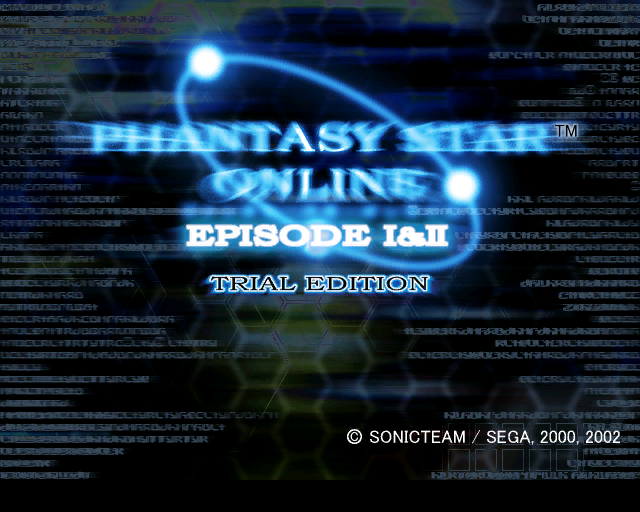
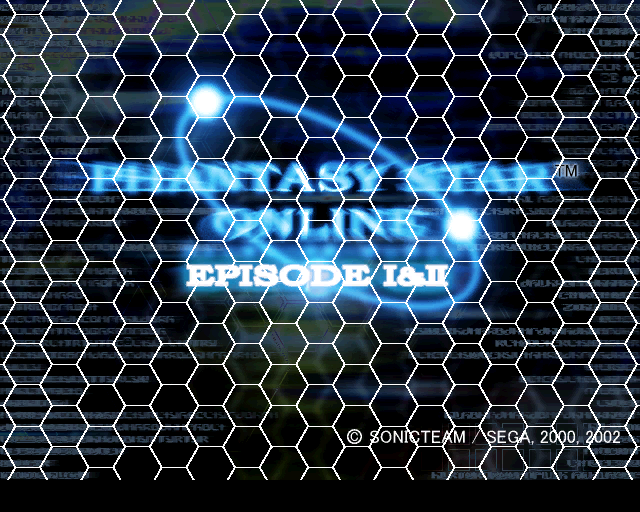
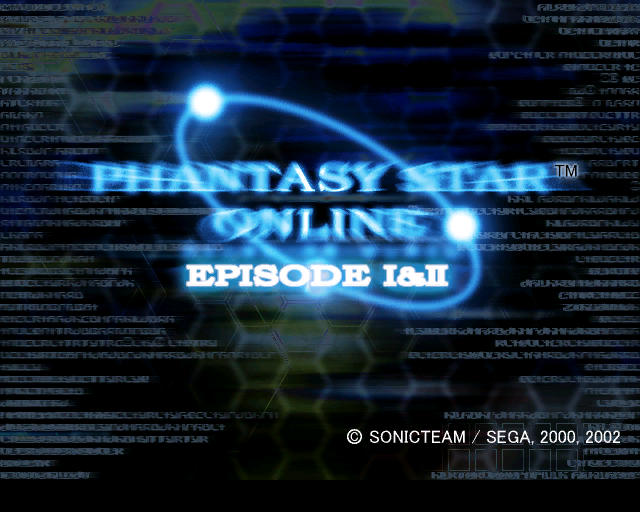
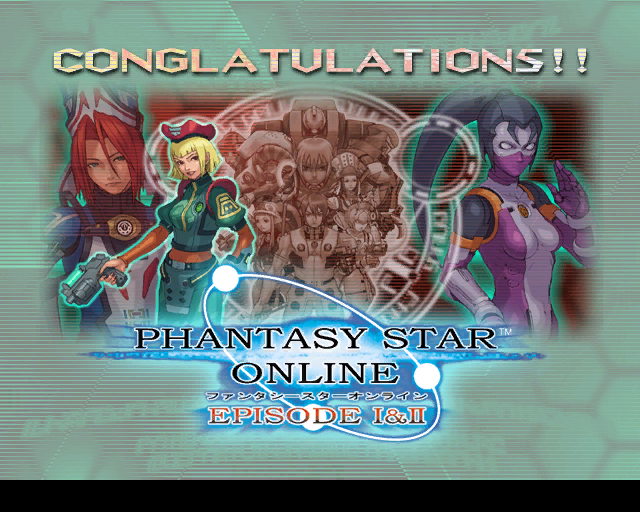
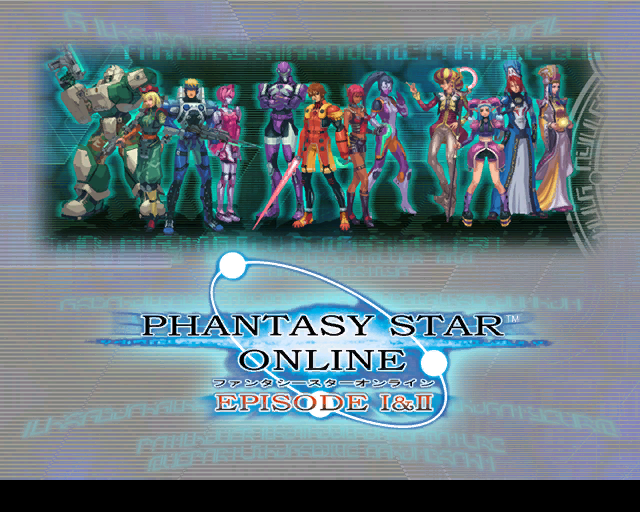
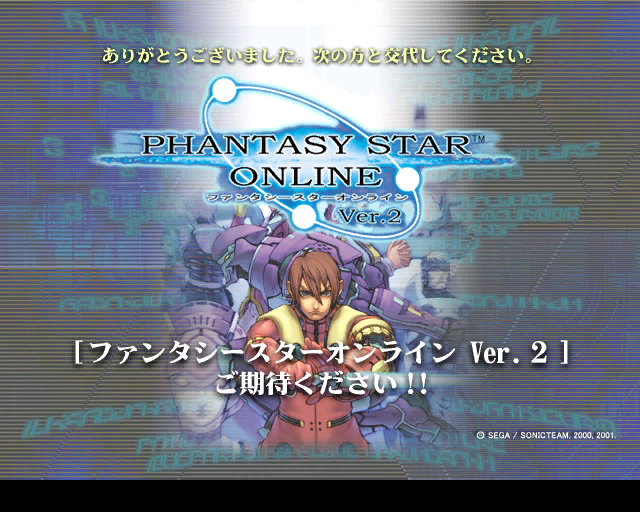
The Episode 1&2 Trial Edition title graphics are still present on the Episode 3 disc as well. Oddly, there are two versions of each - one that appears normal, and another that has a hexagonal pattern masked out of the alpha channel.
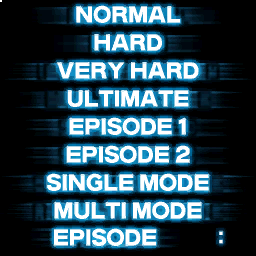
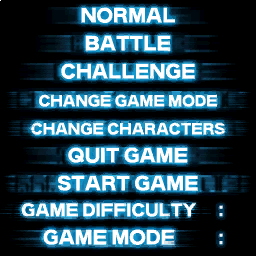
These sheets have the menu text for Episode 1&2's game options and multi-mode options, which aren't used in Episode 3. They don't even appear in the unused versions of those menus (below).
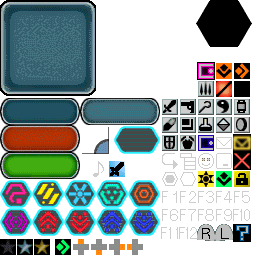
The window graphics were redesigned for Episode 3 based on the graphics from Episodes 1&2. The texture that contains these graphics also has many leftover icons from Episodes 1&2, including item type icons, item stars, and status conditions.
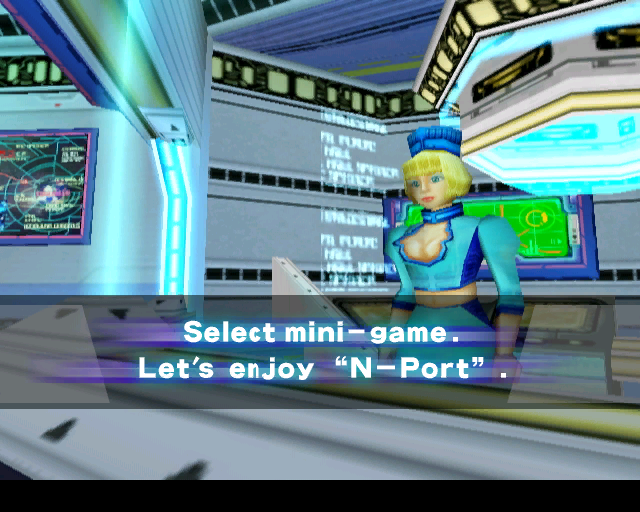
There are many unused files on the Episode 3 disc that were also present on the Episodes 1&2 disc. Some of the more notable ones are these graphics, which were also unused in Episodes 1&2. Some of these appear to have survived since PSO v1 for the Dreamcast.

The character creation menu graphics contain some leftover button icons, also from all the way back on the Dreamcast.

Dummy graphics#
|
|
To do: |
There are a few textures which are obviously placeholders.

Card ranks#
Card ranks have some curious features. In increasing order of rarity, the ranks are N4-N1, R4-R1, S, SS and E, but the internal values of the ranks aren't in that order:
1  = N1
2  = R1
3  = S
4  = E
5  = N2
6  = N3
7  = N4
8  = R2
9  = R3
10 = R4
11 = SS
12 = D1
13 = D2
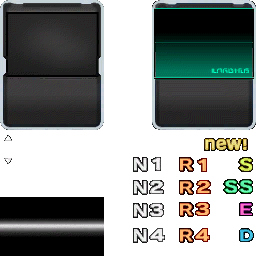
This implies that originally, there were only the ranks N, R, S, and E. At some point N and R were split into N1-N4 and R1-R4, then after that, SS was added, and after that, D1 and D2 were added. Indeed, some graphics sheets from the deck builder show only the original four ranks.
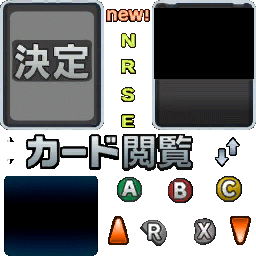
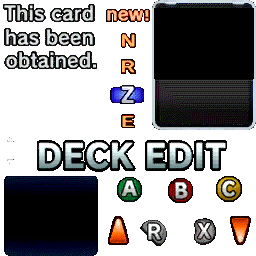
The original four ranks are also present in the graphics for Story Character selection, implying that Story Character cards may have had ranks at some point as well. (In the final game, all Story Character cards have rank E, but their ranks are never shown to the player.)
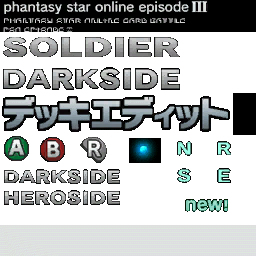
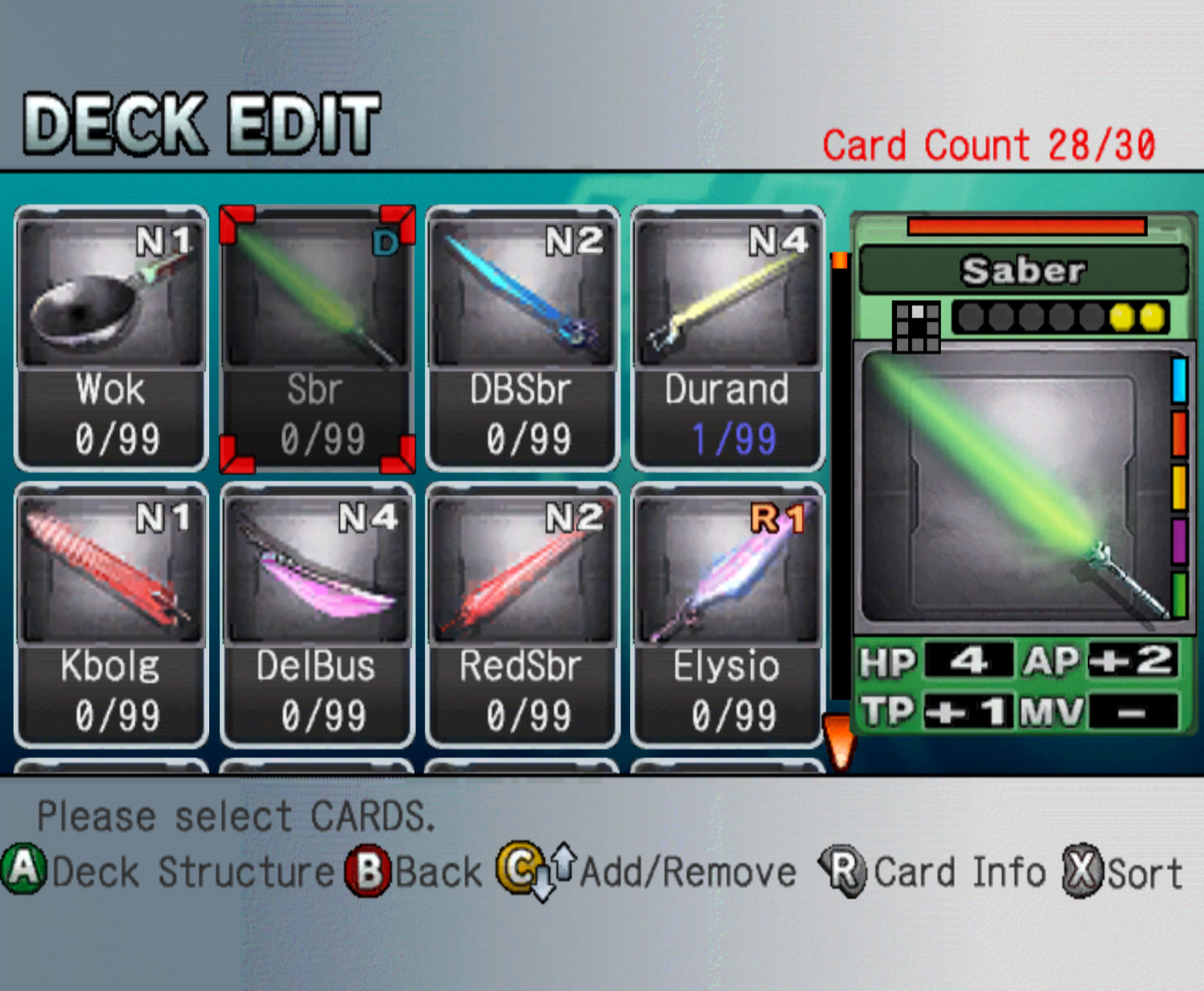
The D1 and D2 ranks were never used. The game treats any card with these ranks as unusable by the player, and will delete these cards from any decks they're present in when entering the deck builder. Curiously, there is a graphic for the D1 rank which appears in the deck builder.
Here's what it looks like in-game if the Saber card definition is edited to have rank D1.
Cards with the D2 rank don't appear in the deck builder at all.
Unused cards#
|
|
To do: |
There are many cards that Sega developed, but never finished or just never released. Among the unreleased cards are the six photon blast types from the previous episodes - Leilla, Estlla, Golla, Pilla, Farlla, and Mylla & Youlla. These are the only cards that require ATK points from an ally to use. There's an otherwise-unused prompt when one of these cards is used, asking the ally if they're willing to contribute the required ATK points. This video shows that the photon blast cards do in battles.
Unused Story Character models#
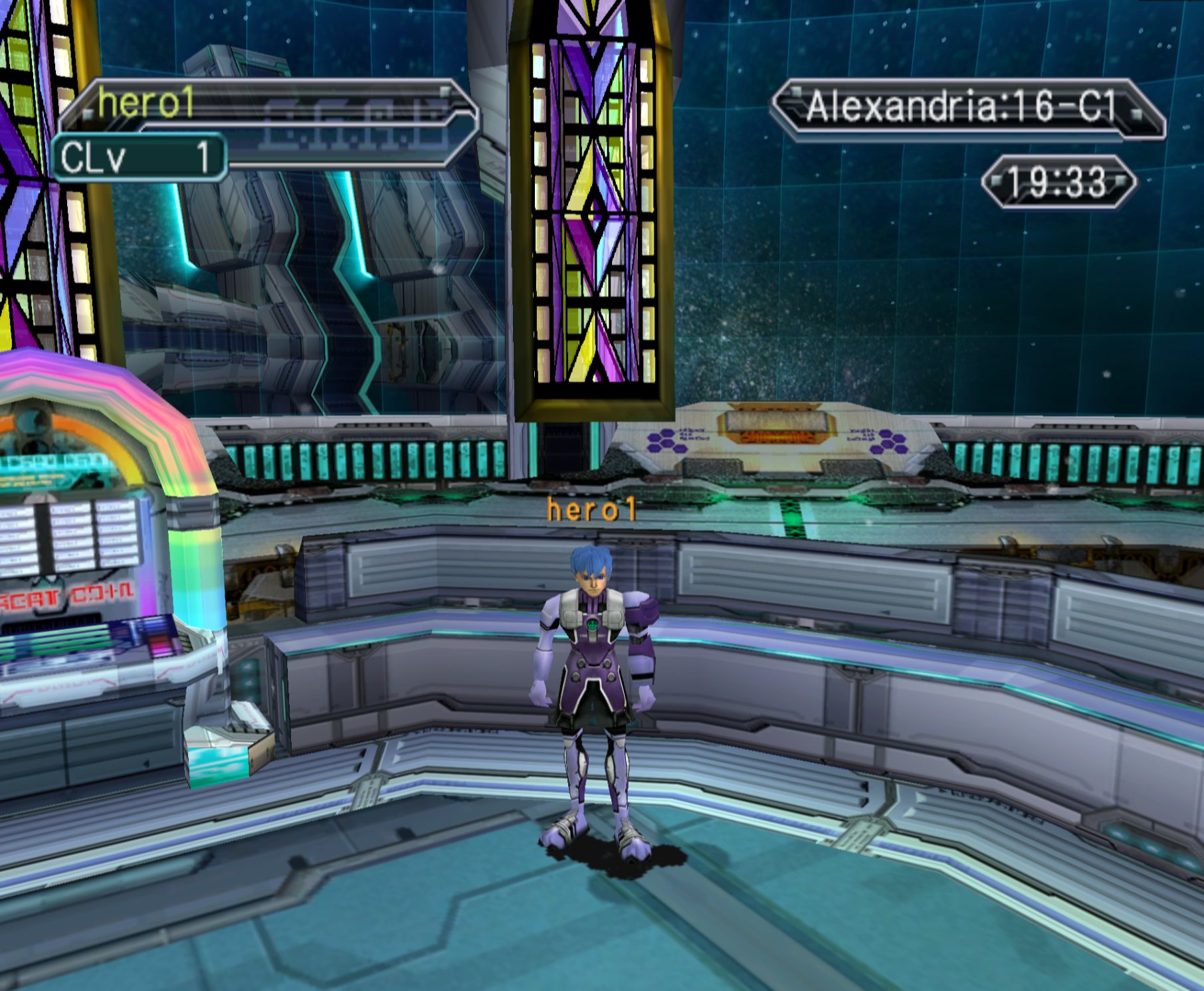
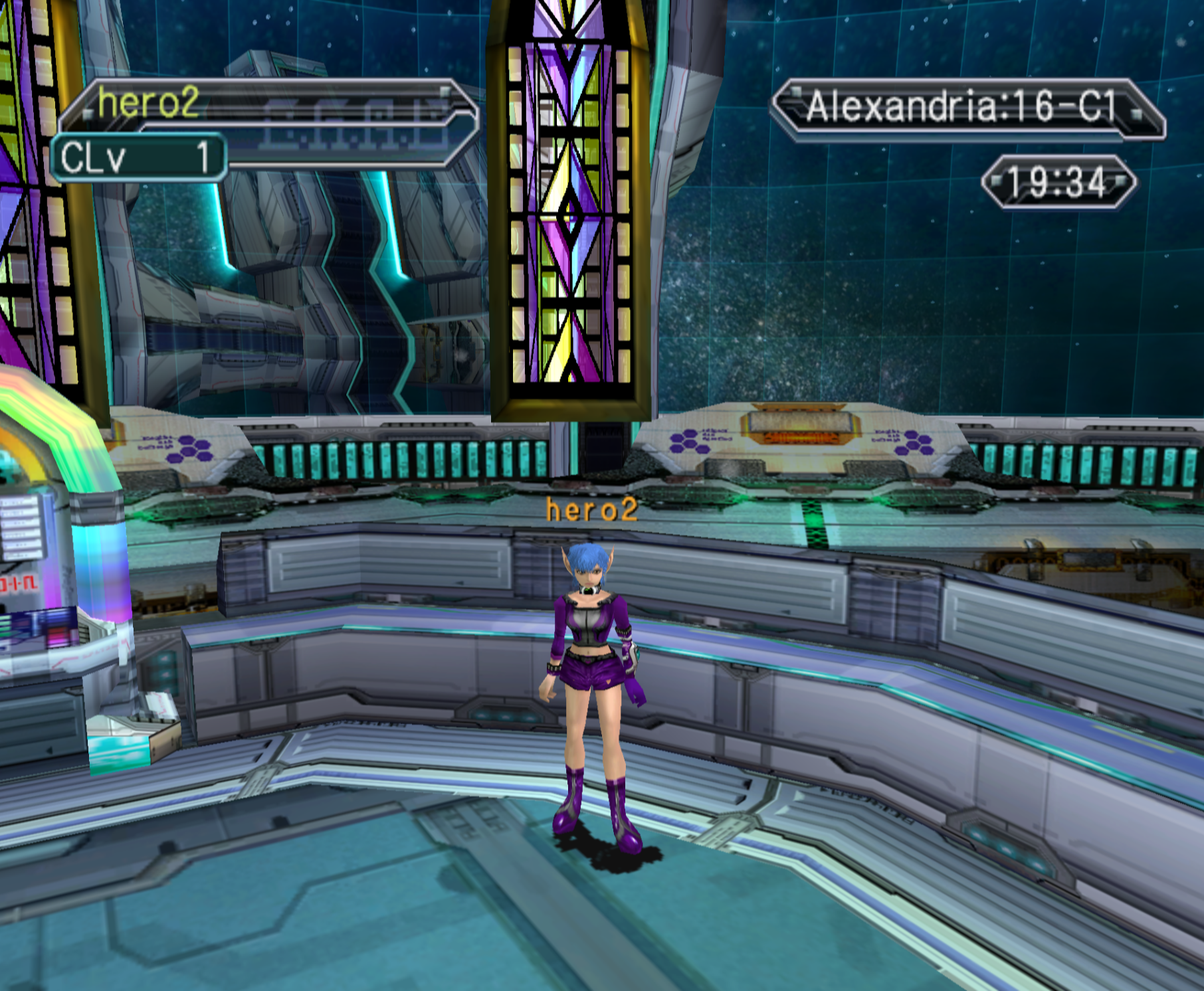
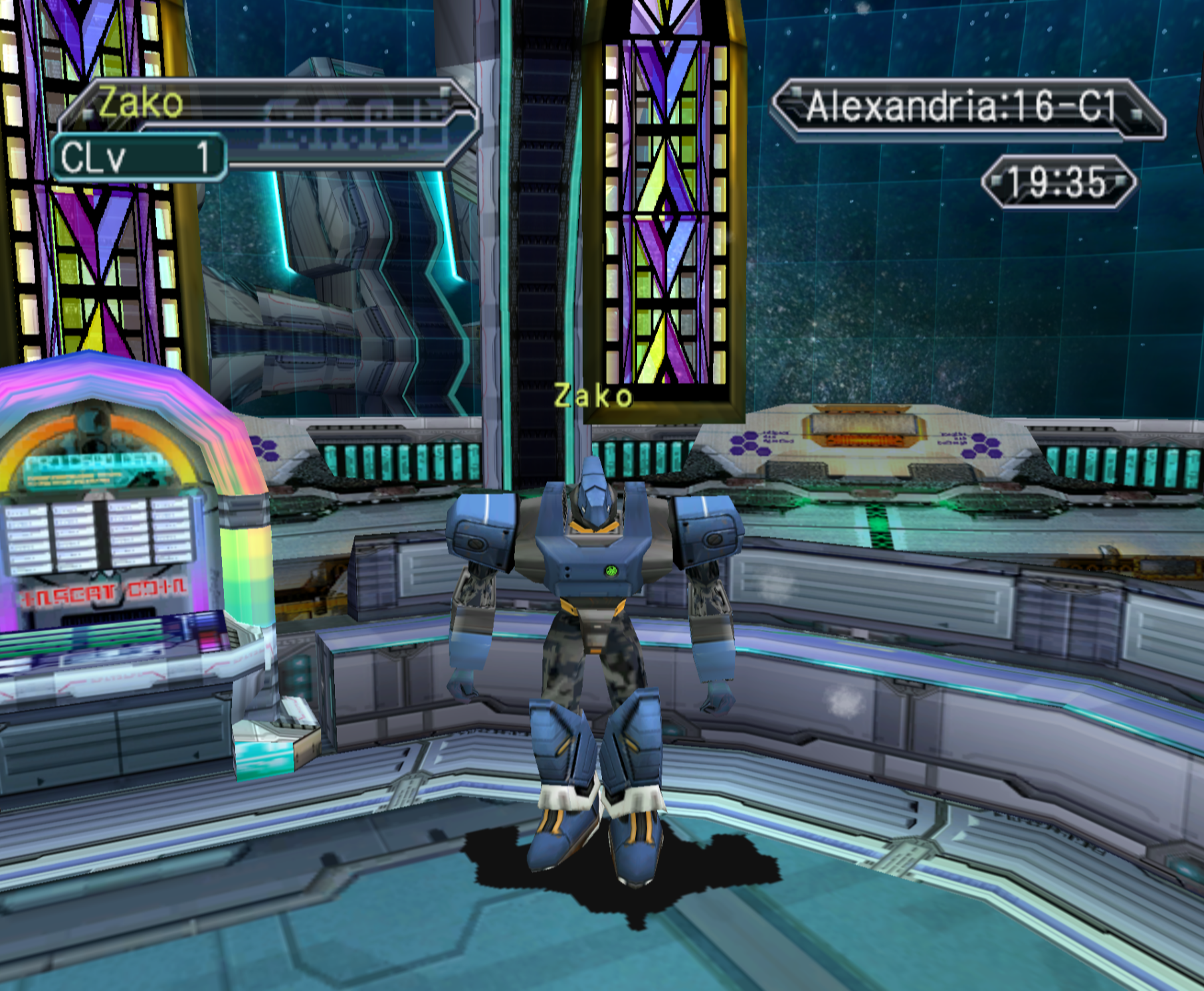
The table of Story Character models has 27 entries, but only 24 Story Characters are playable in-game. Curiously, two of these models appear before the used SC models and have the orange name color from PSO v2; the last unused one appears after all the used SC models and has the standard Episode 3 yellow name color. The unused models look like this:
Unused Pinz's Shop behavior#
There is a mechanism built into Pinz's Shop that can be used to prevent certain cards from being given if the player's level is outside a certain range. However, no entry in any of the four sets of cards (the three standard sets and the rare coin set) has a level range defined, rendering this functionality unused.
Unused Event File Cards#
At the card trading station, the player can get some extra cards for having saved games of other Sega titles on their Memory Card. The game looks for save files with specific filenames and awards the associated card if the file is found. There are three filenames that the game checks for that do not correspond to any known GameCube game.
Save Filename |
Game |
Card Awarded |
|---|---|---|
PSO_SYSTEM |
0067 (Nano Dragon) |
|
billyhatcher |
02C8 (Clippen) |
|
S_MEGA_SYS |
0256 (Madam's Umbrella) |
|
3291016 |
unknown |
01B7 (Chao) |
147258369 |
02BC (Toy Rappy) |
|
41264126 |
00B6 (Overswing) |
|
SONICADVENTURE_DX |
0175 (Sange) |
|
SONICHEROES |
0152 (Sonic Knuckle) |
|
01F9 (Hallo Rappy) |
||
029A (Beat) |
||
SONIC2B |
0208 (Rage) |
Unused sounds#
|
|
To do: |
The sound chat system is unique to Episode 3, and was likely implemented so that spectator teams can be more realistic peanut galleries. There are two sounds that appear with the other sound chat sounds, but are not available in the menu.
The first is a crowd booing the player.
The second is a crowd laughing.
The following AR code (for the USA version) enables you to use these sound effects. The extra entries in the menu will be blank, but they will still work. If used online, other players without this code won't be able to hear the sounds.
0430B734 38800029
0430B770 2C1F0029
0430B59C 2C030029
0430B5A8 5460083C
0430B5B4 7C63022E
0442B690 80258026
0442B694 8227852D
0442B698 80308031
0442B69C 8A3F8532
0442B6A0 8A408533
0442B6A4 8A418A28
0442B6A8 8A388A29
0442B6AC 8A39852E
0442B6B0 802F853D
0442B6B4 85348535
0442B6B8 853B8536
0442B6BC 8537852B
0442B6C0 853A853C
0442B6C4 853E8044
0442B6C8 80458046
0442B6CC 80478048
0442B6D0 8049804A
0442B6D4 804B804C
0442B6D8 804D804E
0442B6DC 804F802A
0442B6E0 802C0000
Test Areas#
There are a bunch of test maps that went unused in the final game, that can still be accessed with Action Replay codes. The following codes work on the US version, swapping the map named Caelum A (Free Battle Offline) with one of the test maps. Take care to use these codes one at a time, and offline.
- Quest ??? J:
FM72-VXHR-02RHB
78XQ-FX64-U83MP
2TFG-XK05-0EZQ3- Quest 619 J:
1T20-4TD2-DJT4C
H9FW-D0DK-CNUEZ
24R9-DM28-5AU9C- Quest 999 J:
RB9D-Q86E-WBK67
6VAN-4G3H-RND0K
0XPP-TE4K-8R1AJ
Unused network commands#
|
|
To do: |
PSO network commands are identified by a single byte specifying the command type. The following network commands are implemented in the game client, but were never used by Sega's official servers.
Command |
Sender |
Notes |
|---|---|---|
03 |
Client |
Appears to be an unused version of the used log in command (9E), but without security data. |
03 |
Server |
Behaves similarly to 9C, which tells the client if its login password was correct. |
04 |
Client |
Appears to be another unused version of the used log in command (9E), with a slightly different format. |
0E |
Server |
Unknown. The command's format implies it could be an early version of the join game command. This appears to be unfinished, since unlike most commands, the client crashes when it receives invalid data in this command. |
12 |
Server |
Unknown. The client ignores this command, but doesn't disconnect as it would for an invalid command. |
14 |
Server |
Unknown. The client ignores this command, but doesn't disconnect as it would for an invalid command. |
16 |
Server |
Unknown. The client ignores this command, but doesn't disconnect as it would for an invalid command. |
18 |
Server |
Behaves the same as the used initial login command (9A). |
1B |
Server |
Unknown. The client ignores this command, but doesn't disconnect as it would for an invalid command. |
1C |
Server |
Unknown. The client ignores this command, but doesn't disconnect as it would for an invalid command. |
1F |
Both |
This command implements the information menu, which was present in PSO v2 but removed in PSO GC and later. If sent by the server, the PSO GC still client properly displays the information menu even though there's no longer a way for the player to request it. |
80 |
Server |
Unknown. The client ignores this command, but doesn't disconnect as it would for an invalid command. |
90 |
Client |
This command is part of the PSO DC v1 login sequence, which was not removed as of PSO GC. It's possible to make the client send this command by sending a 91 command (also unused) to the client. |
91 |
Server |
Behaves exactly the same as 17 (start encryption) command, except the client responds with a 90 command instead of the normal PSO GC login sequence. |
92 |
Server |
Behaves similarly to 9C, which tells the client if its login password was correct. |
9B |
Server |
Behaves exactly the same as 17 (start encryption). |
9F |
Both |
When the server sends this command, the client sends back another 9F command containing its security data. It appears this command was fully implemented, but Sega never used it. |
BB |
Server |
This command informs the client about the details of a tournament. Curiously, this command is missing from the Episode 3 prototype, which implies it was added late in development, but Sega never used it. Instead, Sega used the older E3 command (which is present in the prototype) to send tournament information. |
D0-D4 |
Both |
The item trade window commands are still present in Episode 3, even though the trade window isn't available to the player. (The card trade window is implemented using a separate command.) |
Leftover and debug menus#
|
|
To do: |
There are many debug menus in this game. Most of them are implemented as "editor" objects, and can be loaded during normal gameplay; a few are implemented as special menus that are only accessible outside of game play.
Editors#
Most editors expect input from the controller in port 3. The editors implemented in this game are (in the order they're listed in the game's executable):
Internal name |
Description |
Screenshots |
|---|---|---|
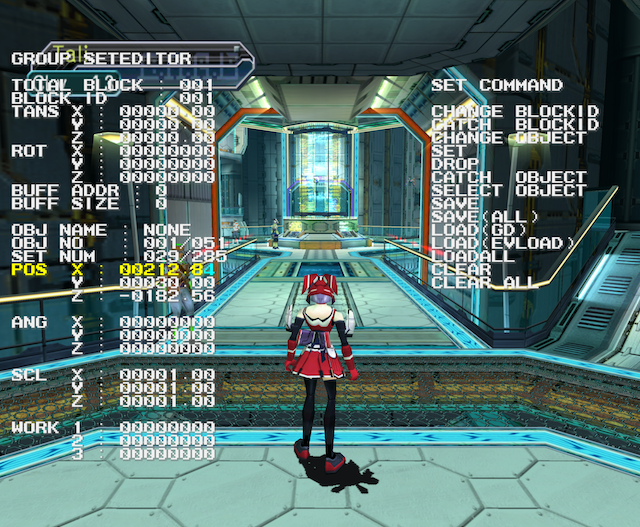
TGroupSetEditor |
This editor is very similar to TGroupEnemySetEditor (below). |
 |
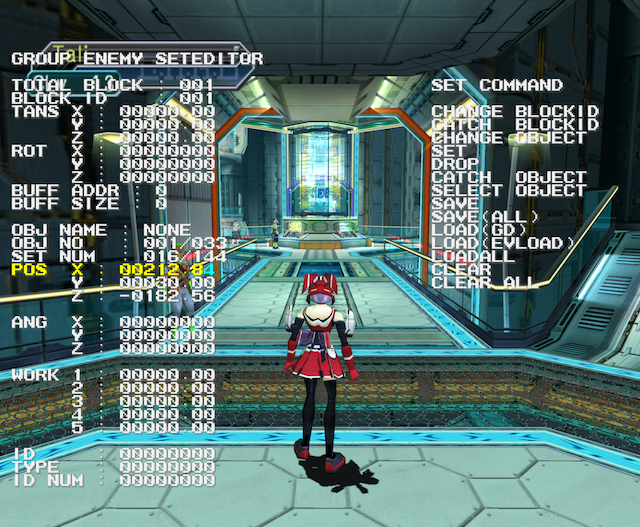
TGroupEnemySetEditor |
This editor can only be used in a game; it crashes if loaded in the lobby. Use the D-pad to choose a value; hold X and use the D-pad to modify the selected value. Hold R to use the menu on the right. |
 |
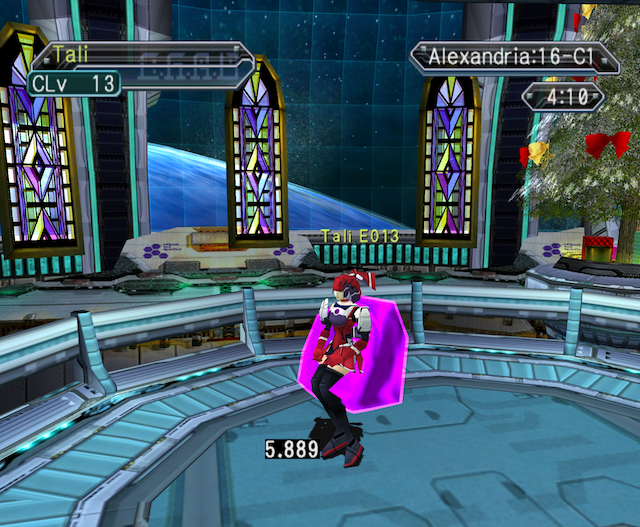
TCameraEditor |
This editor displays a floating-point value at the bottom of the screen, which you can modify with C-left and C-right. It's not apparent what this value represents. |
 |
TParticleEditor |
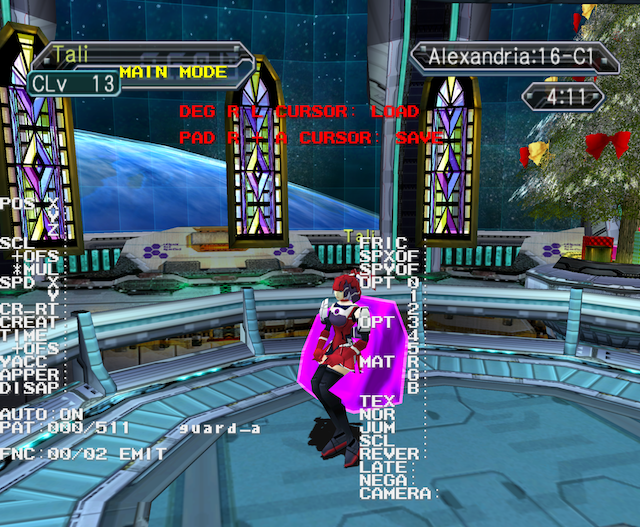
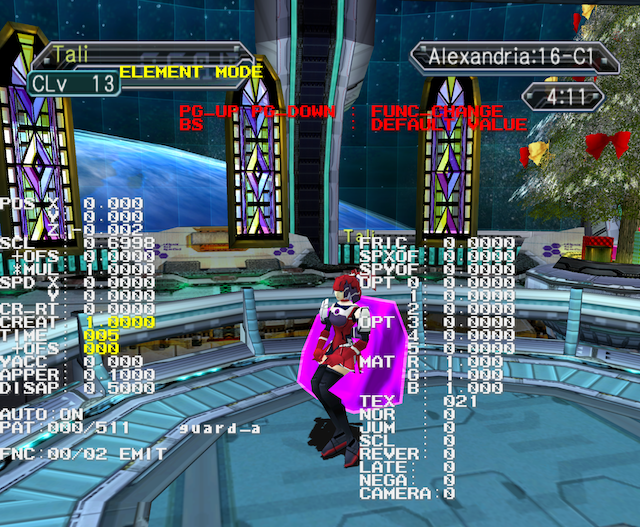
This editor has two modes; hold A and press X to switch modes. In "MAIN MODE", use D-left/D-right to pick an effect. Hold L to make the effect picker manageable (normally it's ridiculously fast). In "ELEMENT MODE", it seems that any of the displayed values can be modified, but the selector is very hard to see (the selected section is rendered in color FFFFFF, while the others are rendered in F0F0F0, which is very similar to FFFFFF). Hold A, Y, or X and use the D-pad to change a value in the selected section (each of A/Y/X corresponds to a specific field in the current section). |
|
TFreeCamera |
This editor does nothing. It's not clear if it was just never implemented or if most of the code was intentionally deleted. |
|
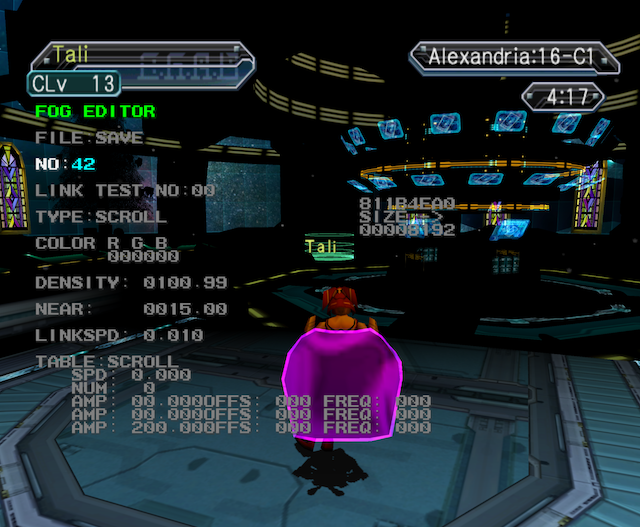
TFogEditor |
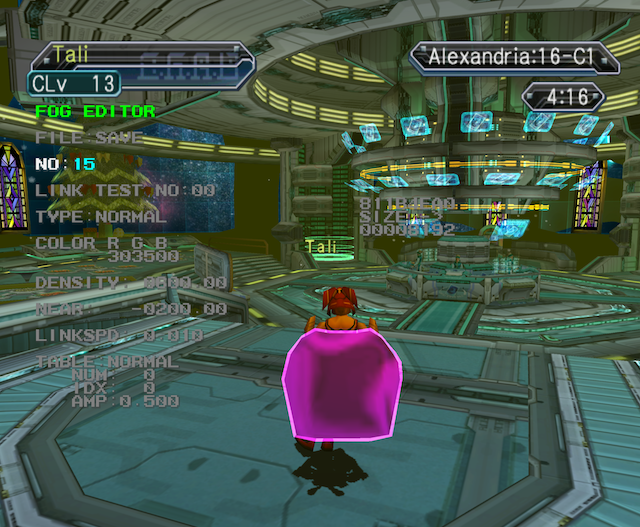
This editor lets you modify global lighting parameters. Use L/R to pick a line, and the D-pad to modify the values. NO specifies which fog entry you're editing (0-127). |
|
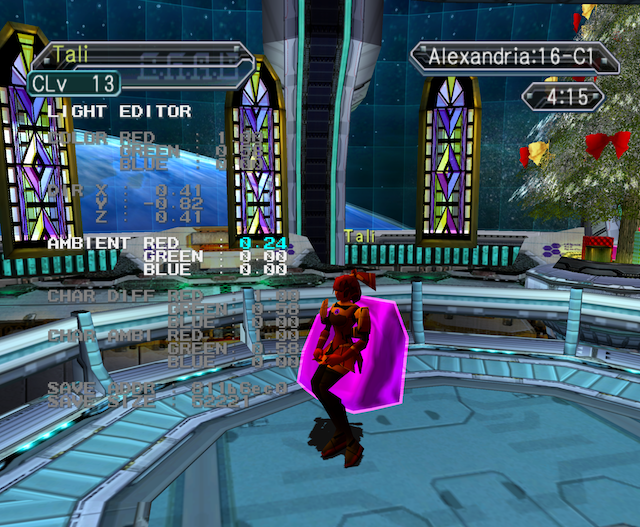
TLightEditor |
This editor is used for testing character lighting. Use L to select a section and the D-pad to choose and modify values within that section. COLOR and DIR specify the properties of the highlight; AMBIENT specifies the color of the non-highlight lighting. It's not clear what the last section does. |
 |
(nothing) |
There is an empty entry in the editor classes table in the game's code here. Possibly an editor class from an earlier version of the game was deleted. |
|
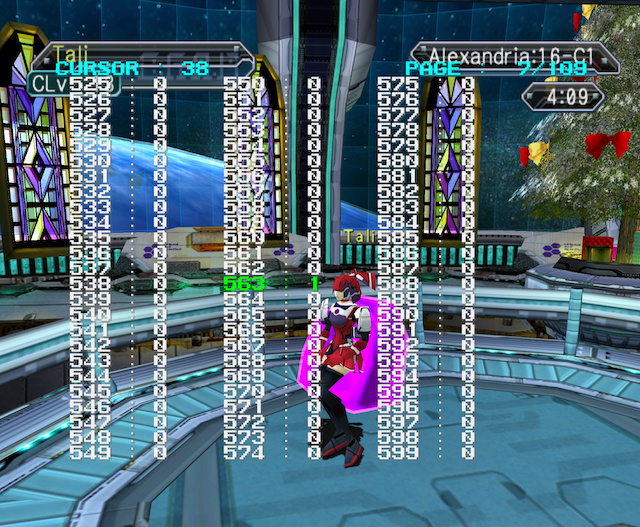
TSeqVarsEdit |
Use L/R to change pages, use the D-pad to pick a flag, and use A to toggle it. There are 8192 flags in total (0x400 bytes). |
 |
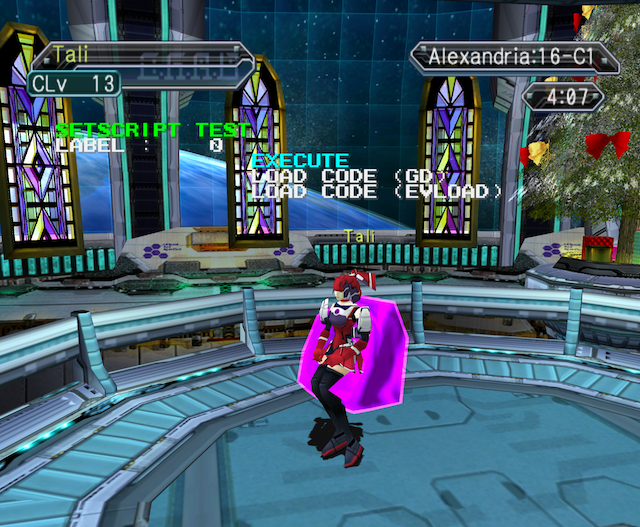
TSetEvtScriptTest |
Use D-left/D-right to change the label value and D-up/D-down to move the menu selection. Two of the menu items appear to do nothing, and the last crashes, likely due to features or data missing since Episodes 1&2. |
 |
(nothing) |
There is another empty entry in the editor classes table here. |
|
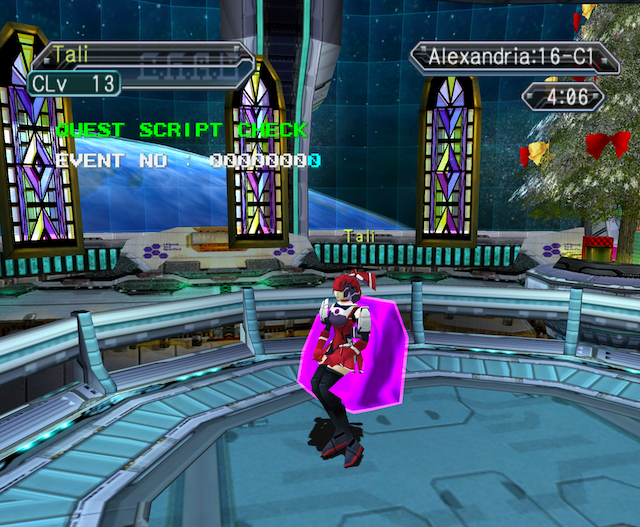
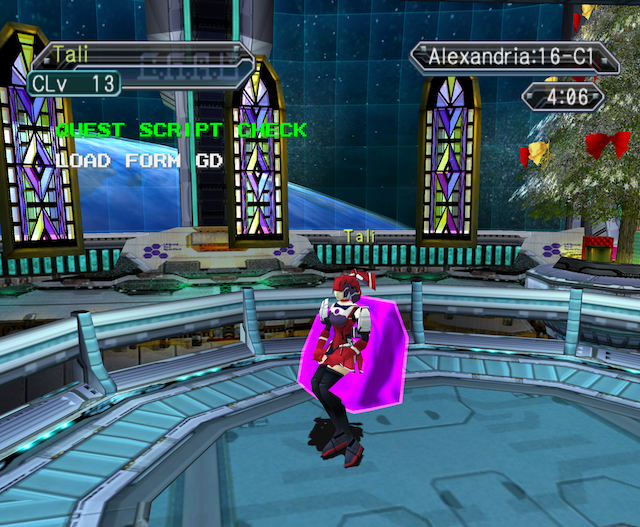
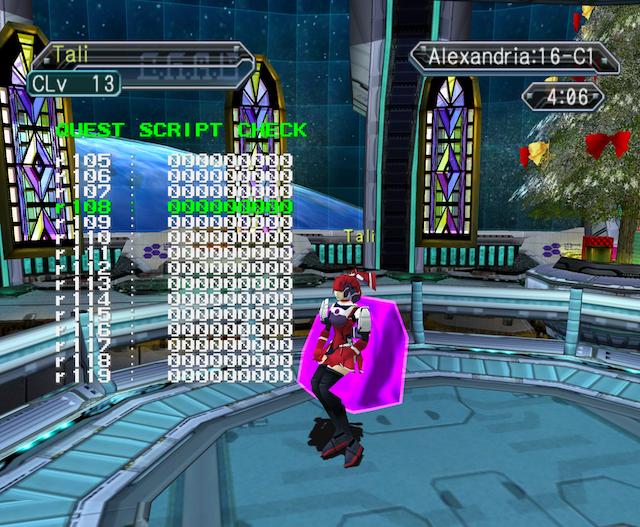
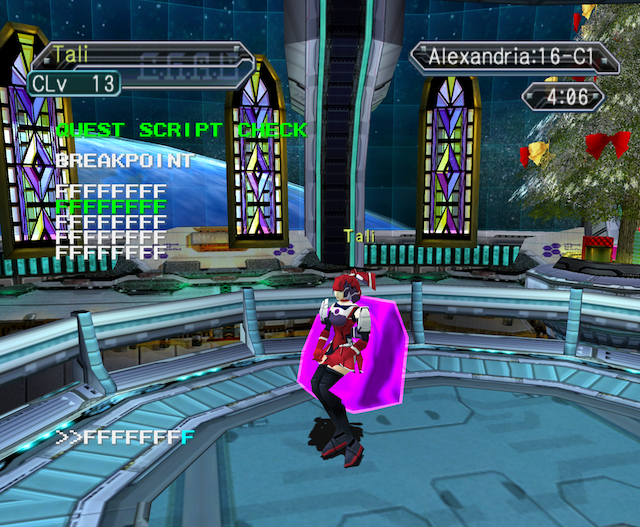
TQuestScriptChecker |
This is a debugger for Episodes 1&2-style quests. (These quests are actually used in Episode 3's offline story mode, to implement the characters you can interact with in the Morgue.) Use L to change functions, and the D-pad to navigate within each function. On the registers page, use D-left/D-right to see more registers; hold X and use the D-pad to modify a register's value. Similarly, hold X and use the D-pad on the breakpoints page to change values. |
|
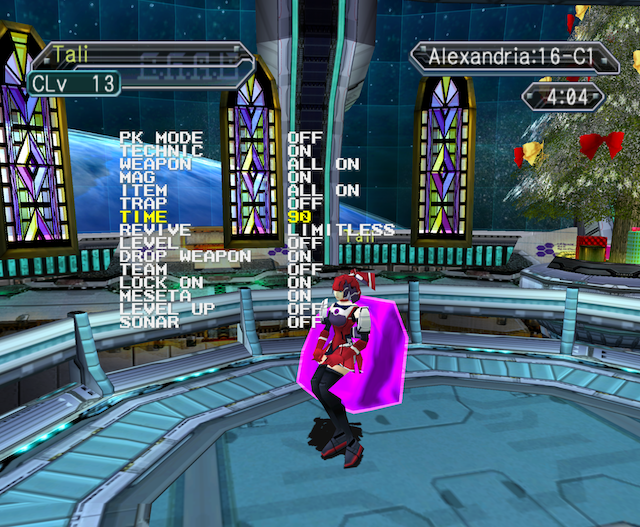
TPlyPKEditor |
This editor allows you to set options for Episodes 1&2-style battle mode. Use the D-pad to move the cursor and set options. In Episode 3, this editor doesn't really do anything, since Episodes 1&2-style battle mode is inaccessible. |
 |
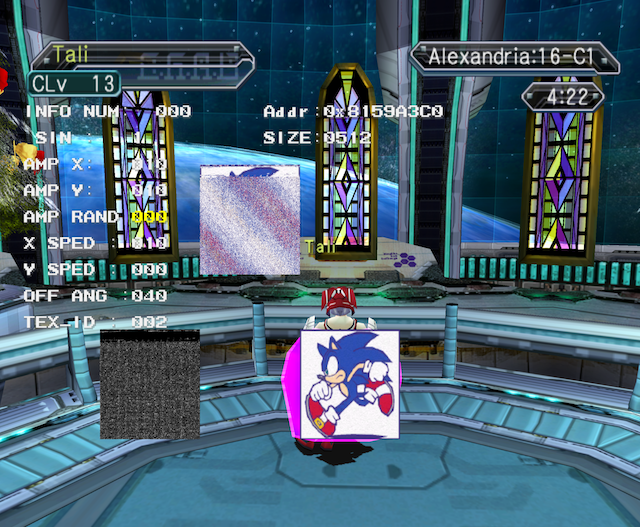
TEffIndirectEditor |
This editor appears to be used for testing texture effects, but it seems like it doesn't work properly - none of the effects appear to do anything, and the resulting textures appear to be partially corrupted. |
 |
TCCScenarioDebug |
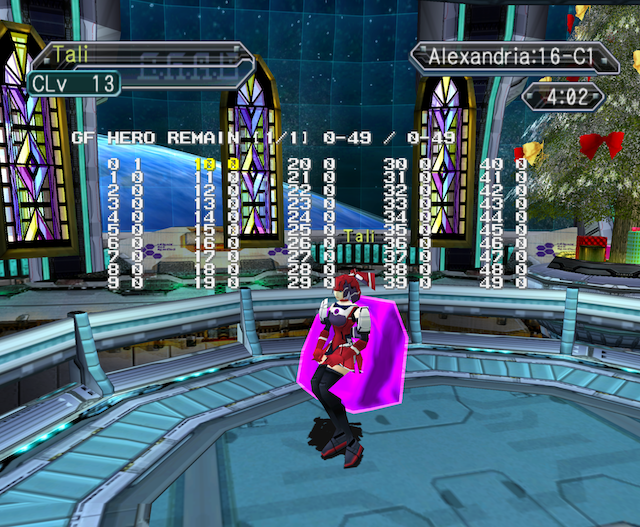
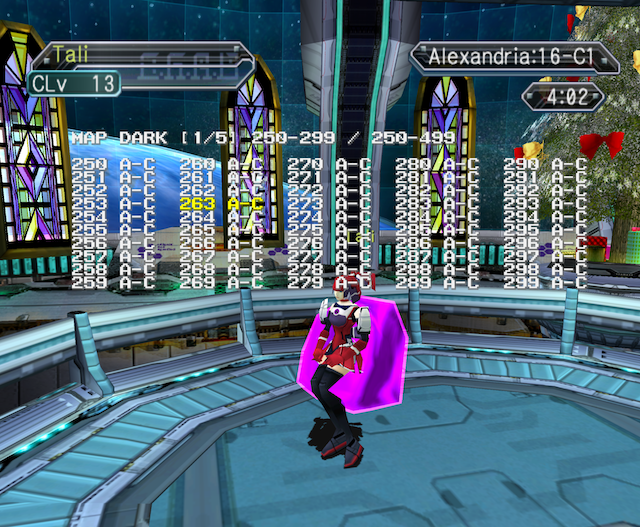
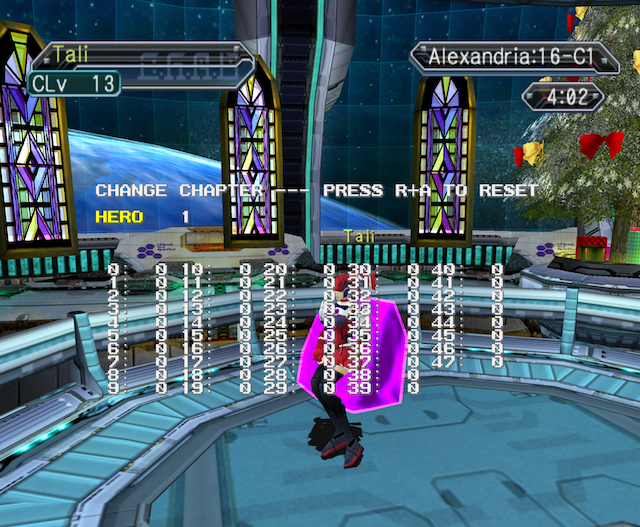
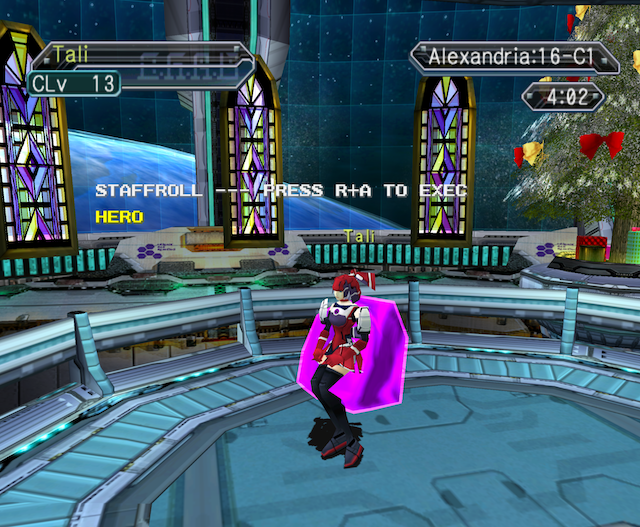
This is the only editor unique to Episode 3; it doesn't appear in any other version of PSO. It's used for testing story mode progression and unlockable content. Nothing appears immediately after activating this editor because the default page is blank. Use C-left and C-right to change pages; use L/R to change sets of 50 flags within each page. Use the D-pad to pick a flag and A to toggle it. On the "STAFFROLL" page, use the D-pad to pick a movie, and R+A to play it. |
|
TCardStaffRoll#
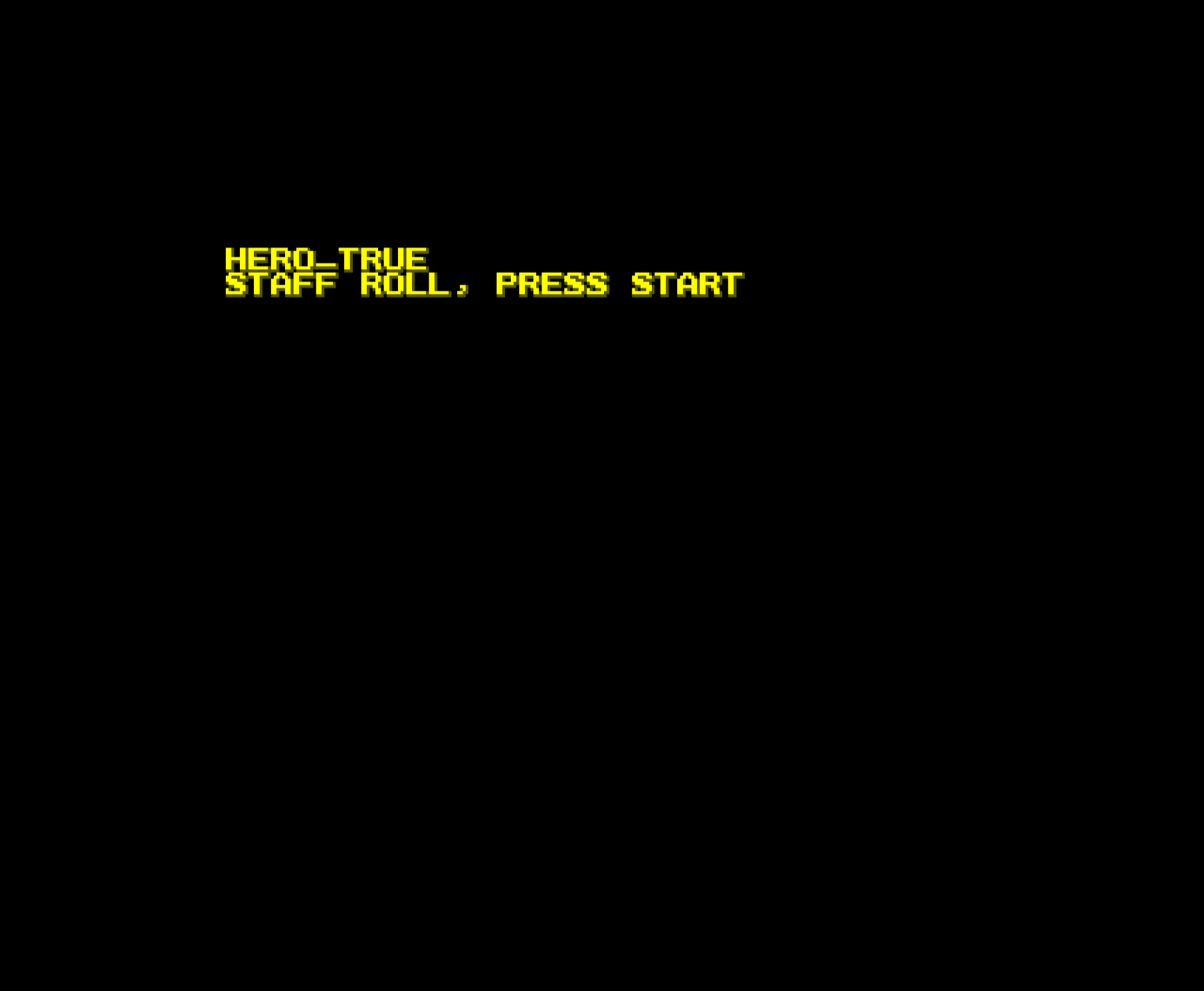
Normally, the TCardStaffRoll object just plays one of four staff roll videos (named HERO, DARK, HERO_TRUE, and DARK_TRUE), but there's a hidden debug mode in this object that makes it show a black screen first, prompting the user to press Start to start the staff roll instead. Curiously, pressing Start doesn't do what it says - it instead goes to the battle results screen.
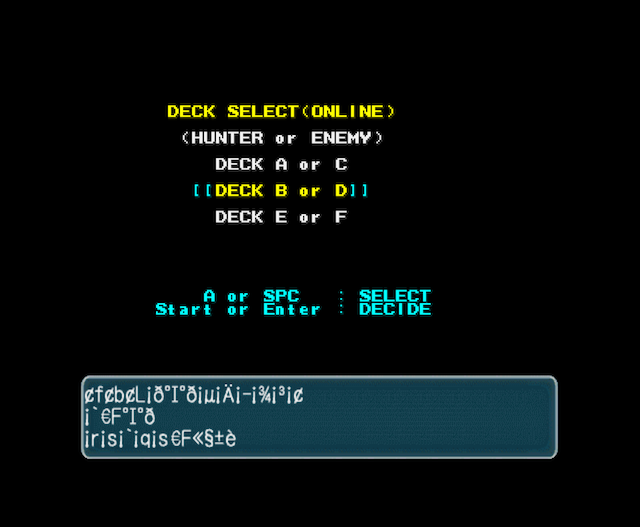
TCardDeckSelect#
The Action Replay code 04149E70 38600004 (for the US version) replaces the Options menu with a menu internally named TCardDeckSelect. This is a fairly simple debug menu which just allows you to choose between three options, then starts an online game when you press Start. The window at the bottom is presumably supposed to display some Japanese text, but it doesn't render properly in the US version of the game.
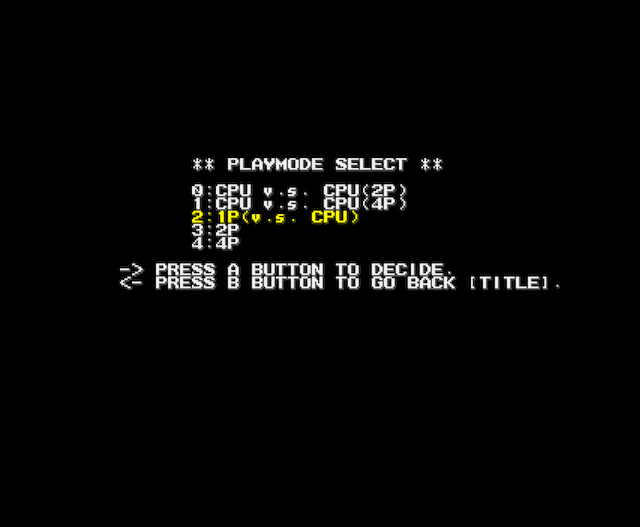
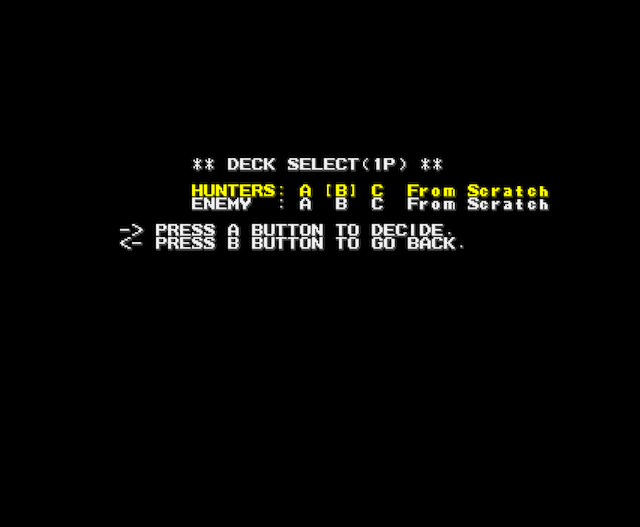
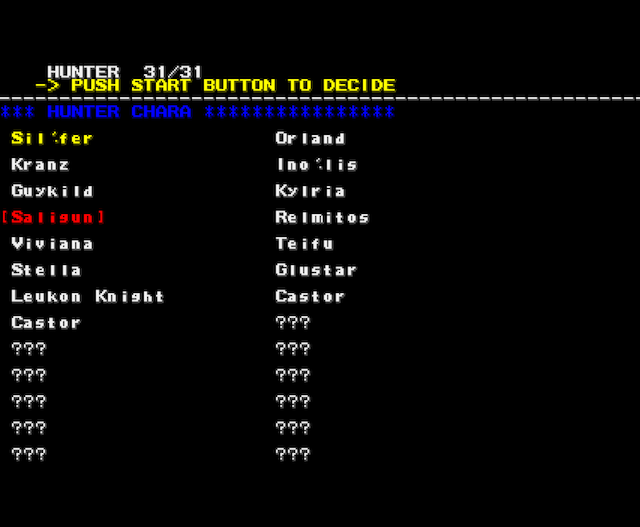
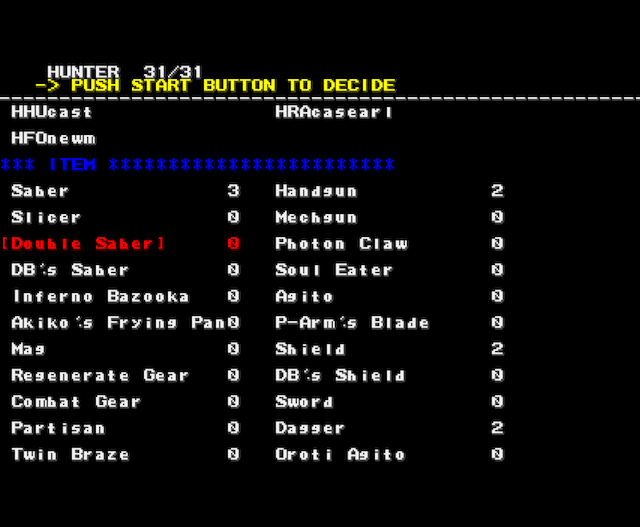
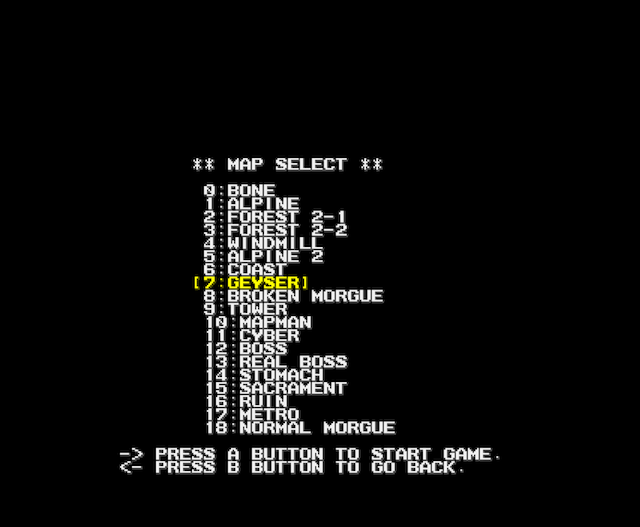
TCard00_Select#
This Action Replay code (for the US version) will bring up the battle setup debug menu (named TCard00_Select) if you hold L when starting a battle:
042C5460 4BD3AF78
040003D8 3C60804A
040003DC 60630518
040003E0 3C800002
040003E4 480C9F35
040003E8 2C030000
040003EC 4082000C
040003F0 8801001A
040003F4 48000008
040003F8 3800001A
040003FC 482C5068
This menu plays the song "A longing to ancient times", which was used in Episode 2's VR Temple (and is available in the Episode 3 lobby jukebox). It allows the player to choose a play mode, choose teams, choose decks and deck contents, and choose a map. After choosing a map, it either softlocks at a black screen, or displays the flashing text "PLEASE WAIT ..." (pressing B in this state goes back to map selection).
Episodes 1&2 menus#
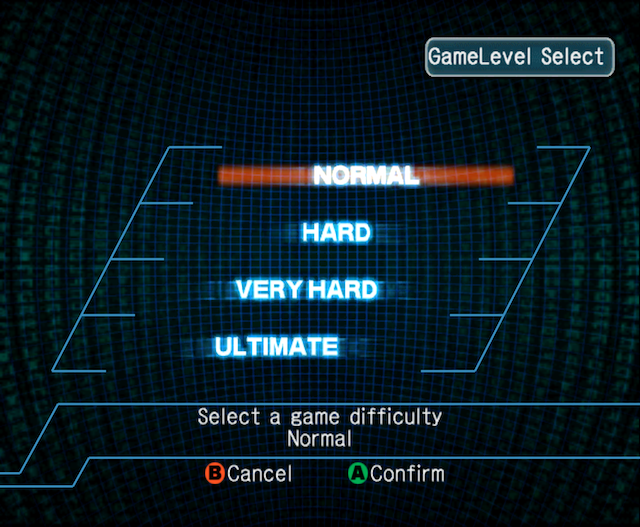
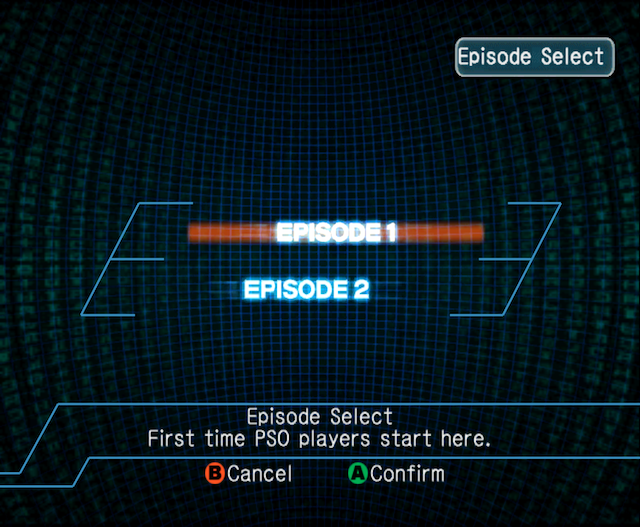
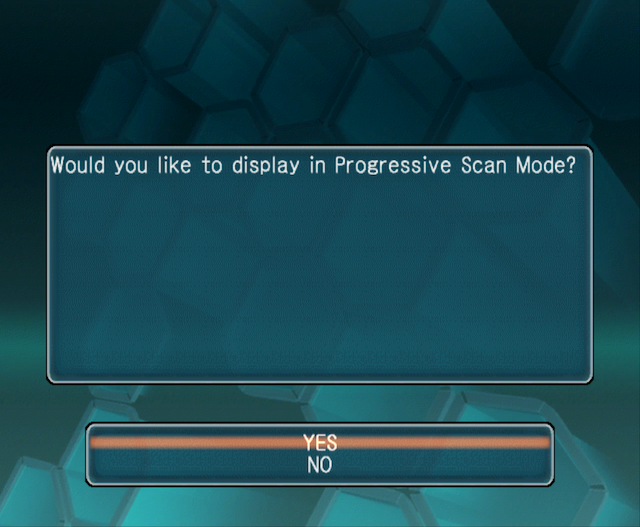
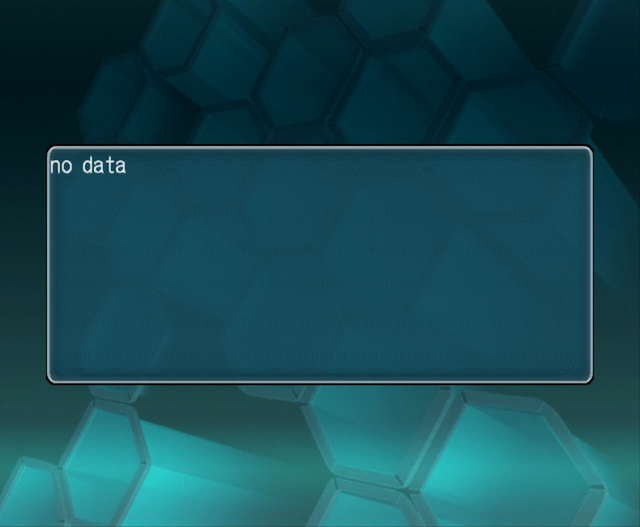
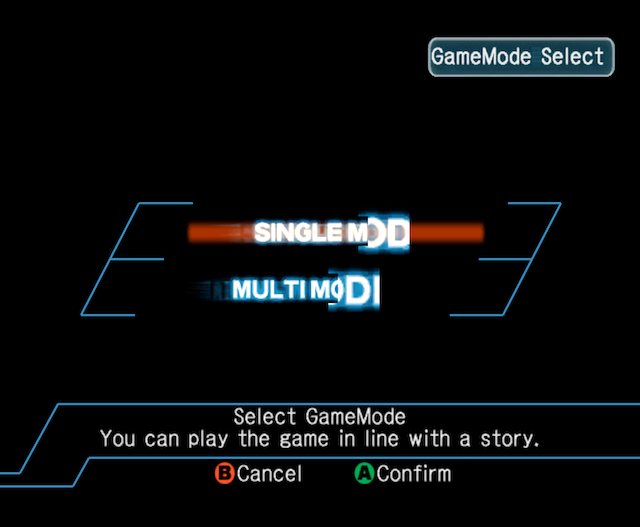
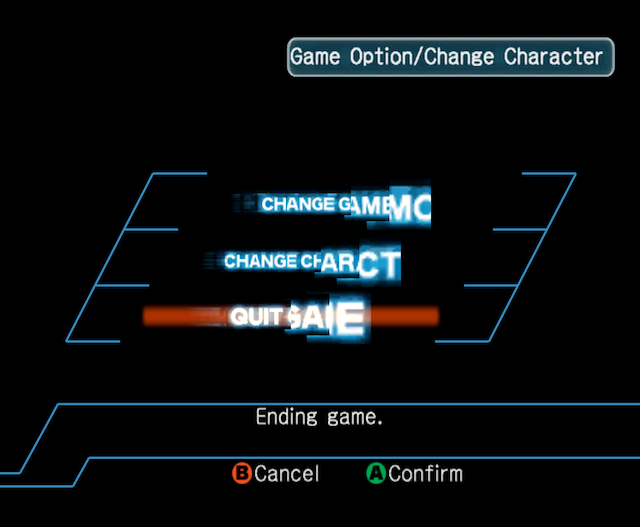
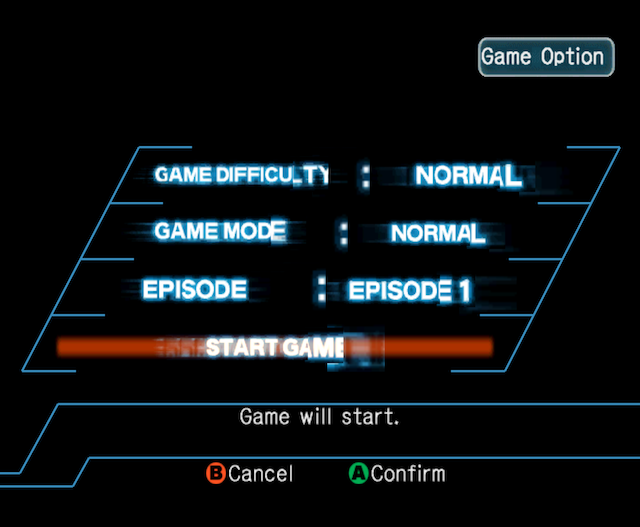
Many menus from Episodes 1&2 remain in Episode 3. These menus can be accessed with the Action Replay code 04149E70 386000XX, which replaces the Options menu with any menu listed below (replace XX with a value from the table below). All of the unused menus in this system are:
Mode |
Description |
Screenshots |
|---|---|---|
01 |
Episodes 1&2 difficulty select menu |
 |
02 |
Nothing (softlock; black screen) |
|
04 |
TCardDeckSelect (see above) |
|
07 |
Episodes 1&2 episode select menu |
 |
08 |
Episodes 1&2 single / multi mode select menu (with Episode 3 menu background on top) |
|
0E |
Episodes 1&2 change mode / characters menu |
|
0F |
Episodes 1&2 difficulty / mode / episode select menu |
|
10 |
Same as 0F, but starts an offline game when exited |
|
15 |
"Would you like to display in Progressive Scan Mode?" prompt (softlocks after a choice is made) |
 |
19 |
Leftover message from the trial version that's supposed to say you don't have a modem/BBA, but instead says "no data" |
 |
1E |
Nothing (softlock; black screen) |
Episodes 1&2 staff roll remnants#
The lowest-level set of menus includes things like the title screen, options screen, character creation, and tutorial. The Episodes 1&2 staff roll is present in this table, but it appears that most of its content has been deleted, so it just shows the Red Ring spinning in a black void with silence. After a while, the Red Ring disappears and a blue background appears with cutouts for various images, but the images that would go in the cutouts are also missing. After several minutes of this, the game returns to the title screen.



Hidden Bonus Movie
Present exclusively in the US and JP versions of the game, holding down the B and G keys on a keyboard on the title screen and letting the demo movie play will instead play a promotional movie for Billy Hatcher and the Giant Egg. This is also present in the Trial Edition of the game with a completely different promotional movie.
|
The Phantasy Star series | |
|---|---|
|
Master System |
|
|
Genesis |
Phantasy Star II (Localization Prototype) • Phantasy Star III: Generations of Doom • Phantasy Star IV: The End of the Millennium (Localization Prototypes) |
|
PlayStation 2 |
Sega Ages 2500 Series Vol. 17: Phantasy Star generation:2 • Sega Ages 2500 Series Vol. 32: Phantasy Star Complete Collection |
|
Phantasy Star Online | |
|
Dreamcast |
|
|
GameCube |
Phantasy Star Online Episode I&II (Prototype) • Phantasy Star Online Episode III: C.A.R.D. Revolution (Prototype) |
|
PlayStation 2 |
|
|
Nintendo DS |
|
|
PlayStation Portable |
|
|
PlayStation Vita |
|
|
Xbox 360 |
|
|
Windows |
Phantasy Star Online • Phantasy Star Universe • Phantasy Star Online 2 • Phantasy Star Online 2: New Genesis |