 Featured article
 This article has a talk page!
This page details pre-release information and/or media for The Legend of Zelda: Ocarina of Time.
Development Timeline#
Screenshots and trailers released prior to the release of the game showed four different interface configurations, which are used here to demarcate the different periods of the game’s development.
1995
 IntroductionFrom the game's conception to its unveiling at Shoshinkai in November 1995.
1996-97
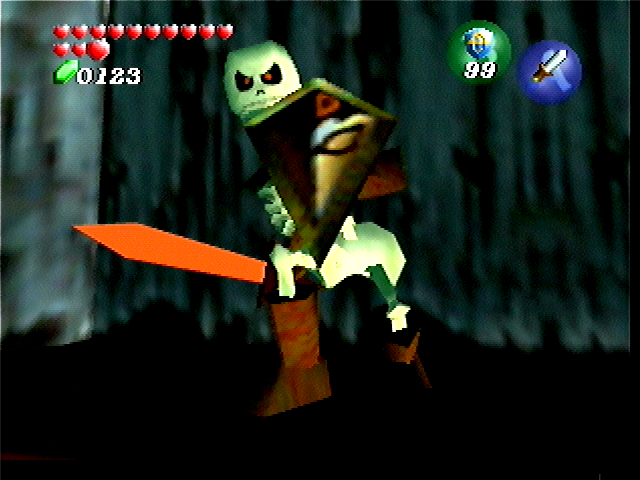 A + BNovember 1996 to April 1997, the first look at the game in-engine at Space World '96.
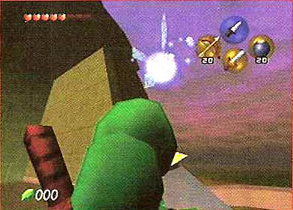 A + CJune-July 1997. A more complex interface emerges and E3 1997 happens.
 Early Sword on AAugust-September 1997. A is B and B is A.
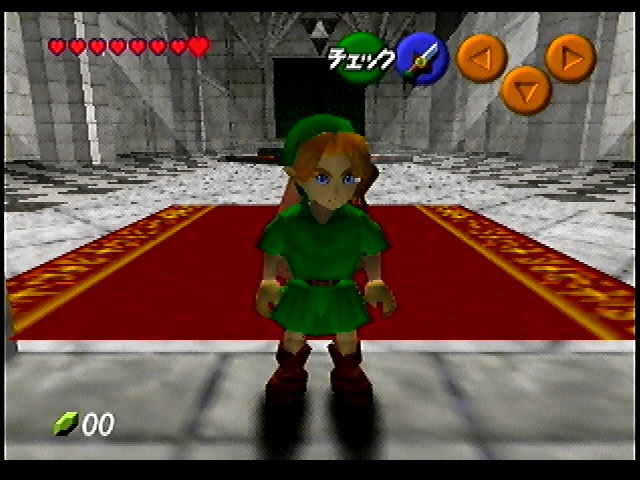 Sword on A (Part 1)October-December 1997, including Child Link's debut and the Space World '97 demo.
1998
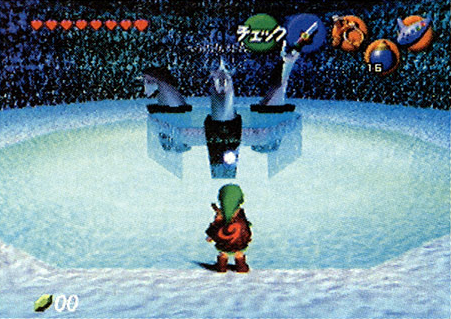 Sword on A (Part 2)January-March 1998. Featuring the unicorn fountain.
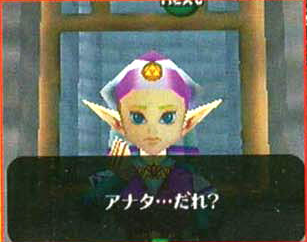 Sword on A (Part 3)April 1998. More areas are showcased.
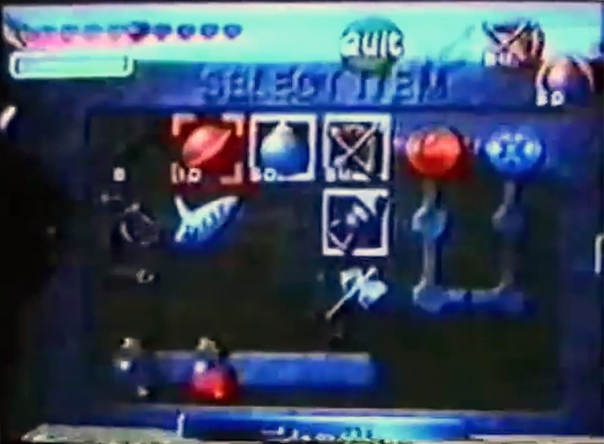 Sword on A (Part 4)May-June 1998. The game's showcasing at E3 1998.
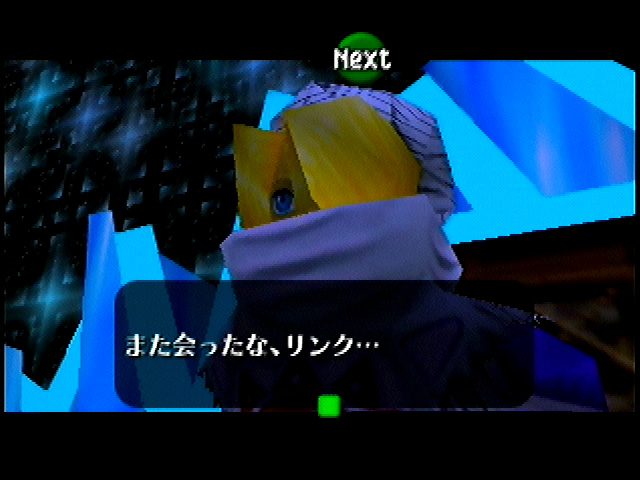 Sword on A (Part 5)July 1998. Beginning to take shape.
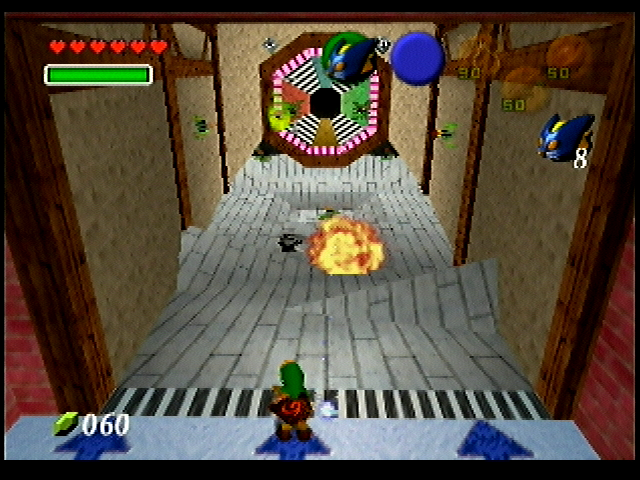 Sword on B (Part 1)August-September 1998. The interface is changed one last time as the game prepares for release.
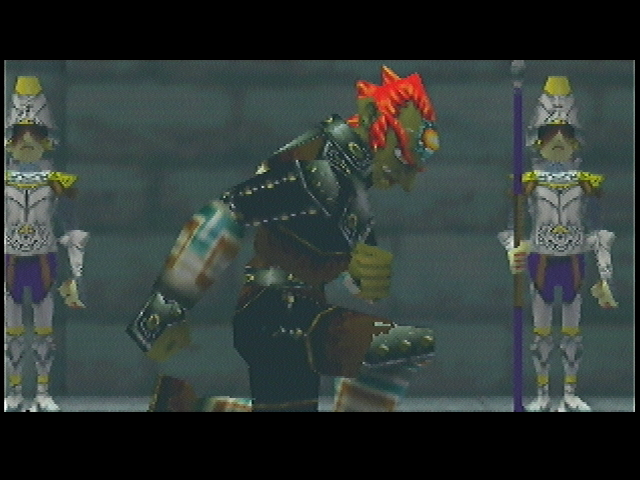 Sword on B (Part 2)October-November 1998. Final polishing is done.
General#
It is difficult to determine the date of everything so more things will be documented here.
Design Documents#
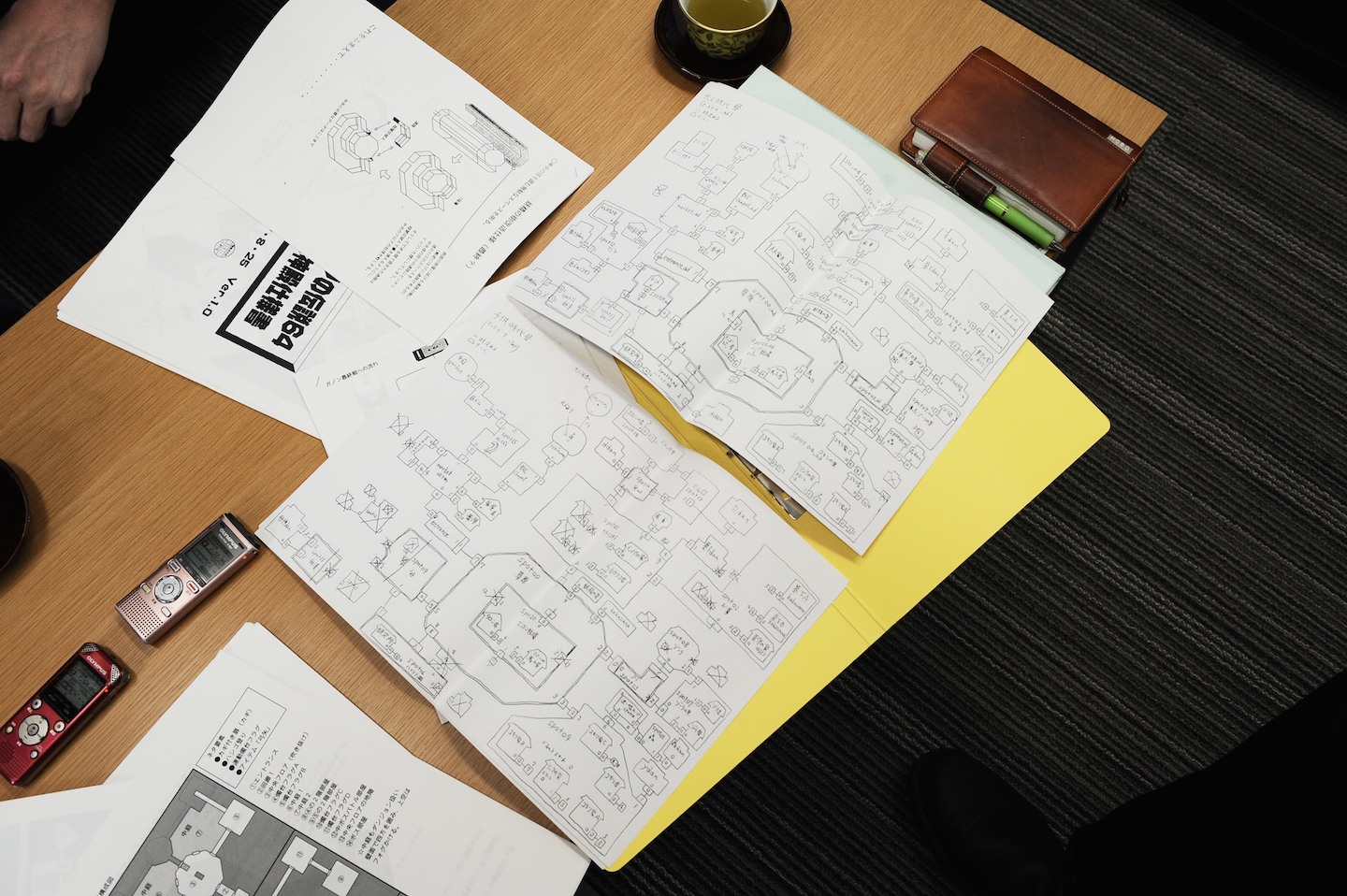
Z-Targeting#
Z-Targeting was conceived, in part, due to the failings of Super Mario 64. Occasionally, when players tried to read a sign, they would end up going around it in circles, unable to position themselves properly. As the original development team brainstormed solutions for this problem, they were joined by Koizumi. Together, Ikeda, Osawa, and Koizumi decided to ask their boss's permission to go on a field trip to get some inspiration. With the game's chanbara-style sword-fighting action theme in mind, the destination they chose was Toei Kyoto Studio Park, a theme park in Kyoto, Japan, where visitors could watch the filming of period dramas.
It was a hot summer, and the group ducked into a playhouse in order to cool off. Inside the playhouse, a ninja show was taking place. A number of ninja had surrounded the lead samurai, and one lashed out with a kusarigama, a sickle-and-chain weapon. The samurai caught it with his left arm, pulling the chain taught, and the ninja moved in a circle around him. According to Osawa, it was this imagery that inspired the Z-targeting mechanic, which centred Link around his opponent with an invisible chain.
Koizumi offered an alternate tale, stating that Z-targeting began with the developers discussing good ways of hitting opponents standing in front of the protagonist in Super Mario 64, though the idea did not make it into the game. At the studio park, his attention was caught by a sword-fighting show, at which he witnessed a single hero defeating numerous opponents. Koizumi didn't think it was very realistic that one person would be victorious against 20 opponents. As he watched the show, he realized that the trick lay in how the battle was scripted. The enemies did not attack simultaneously, but rather one-by-one. As each opponent was defeated, another one would step in.
Adopting this strategy solved the issue of how Link would fight multiple enemies. Instead of the enemies swarming the player all at once, Z-targeting flags a single opponent, and tells the other enemies to wait their turn. To demonstrate the system, the developers created a battle against two Stalfos.
(Source: Iwata Asks)
Items#
Ocarina of Time has a vast number of items for players to choose from. While the amount of items were decided from the start, the team found that the lack of pre-planning on where items should be implemented caused chaos, as recounted by director and dungeon designer Eiji Aonuma:
Yeah. And after I'd designed the early dungeons, a new item would be done and someone would tell me, "Make sure there isn't any trouble when Link enters into the dungeon with this item." I'd be like, "Come on! Tell me that sooner!" (laughs)


...But on the other hand, if you decide the items you're going to put in from the start, it doesn't mean everything will go well. I don't think such a variety of distinctive items would have come about that way. We were making something unprecedented, so we couldn't see what would be right to make or where the goal should be.
(Source: Iwata Asks)
Scrapped 9th Dungeon#
Eiji Aonuma briefly mentioned how a ninth dungeon was planned for the game, but was eventually scrapped due to regular items working as replacements making the magic theme of the dungeon useless.
Eiji Aonuma: Yes, you may be completely correct, although I cannot exactly remember all the details. There is actually a difference between the temples that we wanted to include and the ones that are in the final game. And that had something to do with magic. We thought of including some actions, some story threads, and some puzzles that have something to do with magic abilities. However, we have come to the conclusion that other, already existing, completely regular items can be equal replacements. So we originally had three temples for the Young Link to conquer, three temples for the Adult Link and three for him to learn a spell - but instead we eliminated one temple from them. In the finished game there are now 3 plus 3 plus 2, i.e. 8 temples to find.(Source: N-Zone (German) Magazine Issue 153 2010-01)
Ocarina of Time Encyclopedia Interview#
Chain Chomp in Gerudo's Fortress#
—While Ocarina of Time features familiar characters like the Tektites and Armos Knights, there are also some notable absences. The Mario series regular Chain Chomp, for instance, who appeared in ALttP, didn't make the cut.


Miyamoto: Actually, Chain Chomp was in there up to the very end, but in the final revisions we removed him. Do you know where he was going to appear?


—Was it the desert area?


Miyamoto: It was Gerudo's Fortress. If the Chain Chomp grabbed Link, he'd be bound by chains, and could only escape by using the hammer to break the chainlinks.
No Chain Chomp is visible in prerelease footage or screenshots and no commit log makes mention of it either. It's possible it only existed in concept and was never implemented into the game.
Magic and Ocarina Songs#
—Your well-known "dislike of magic" is alive-and-well in this latest Zelda. In ALttP, there were the three magic medallions, but they had hardly any use outside of a few events. Ocarina, likewise, has Din's Fire and that's it. The lack of emphasis on magic—or to be more ill-spirited, a contemptuous attitude towards magic (laughs)—is this too a part of "Zelda-ness"?


Miyamoto: You're overthinking it. (laughs) If it were up to the team, though, they always want to create more magic. In Ocarina, as well, there was a version where you could use 5 or 6 magic spells, but they didn't really leave much of an impression on me, and I decided those effects would be better served as items, or as Ocarina songs. I do hope that in the future magic can be used as a way to show off the power of the new 3D visuals. It's not that I "dislike" it, you see, I just think relying on magic is taking the easy way out somehow.


—In turn, you've put a lot of that focus on the Ocarina this time around. It's become more and more important with each Zelda game: the ocarina in Link's Awakening had a bigger role than in ALttP, and now its role is bigger still. With its various uses, I think it's fulfilling some of what magic would otherwise do.


Miyamoto: In Ocarina of Time, the first thing we did was make the ocarina more usable as an actual instrument, with the ability to play real notes. Then we thought about how to incorporate that into the game in an interesting way. In the beginning there were only 6 songs, but that expanded to 13 once the ocarina took over the role of the magic spells.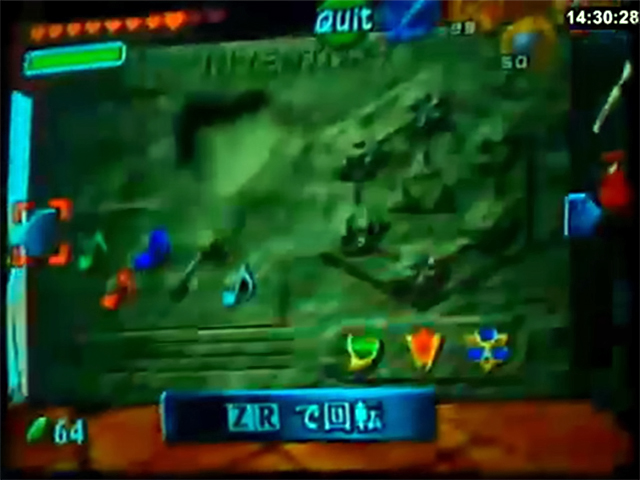
As Miyamoto explains, only 6 songs existed. Sometime after E3 1998 more songs were composed by Koji Kondo and were given a use case.
Navi's Hints#
Miyamoto: I think the way we give hints is still a little too unfriendly. Speaking plainly, I can now confess to you: I think the whole system with Navi giving you advice is the biggest weakpoint of Ocarina of Time. It's incredibly difficult to design a system that gives proper advice, advice that's tailored to the player's situation. To do it right, you'd have to spend the same amount of time as you would developing an entire game, and I was very worried we'd be digging ourselves into a hole, if we pursued perfection there…


If you read Navi's text, she says the same things over and over. I know it makes it sound bad, but we purposely left her at a kind of "stupid" level. I think if we'd tried to make Navi's hints more sophisticated, that "stupidity" would have actually stood out even more. The truth is I wanted to remove the entire system, but that would have been even more unfriendly to players. You can think of Navi as being there for players who stop playing for a month or so, who then pick the game back up and want to remember what they were supposed to do. It's a brazen excuse, I know. (laughs)


Otherwise, we tried to make the hints friendly for players, but I heard many people saying how they couldn't solve them without a strategy guide. When we took a closer look, though, we've found that the sections people need hints for vary from person-to-person. There's no consistency. That can't be helped, though, in a game like Zelda which combines action and puzzle solving.
(Source: Translation by shmuplations.com)
Patents#
Z-Targeting#
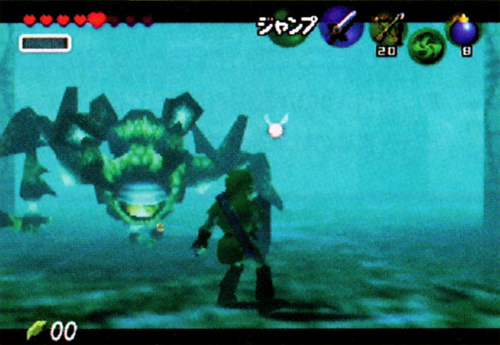
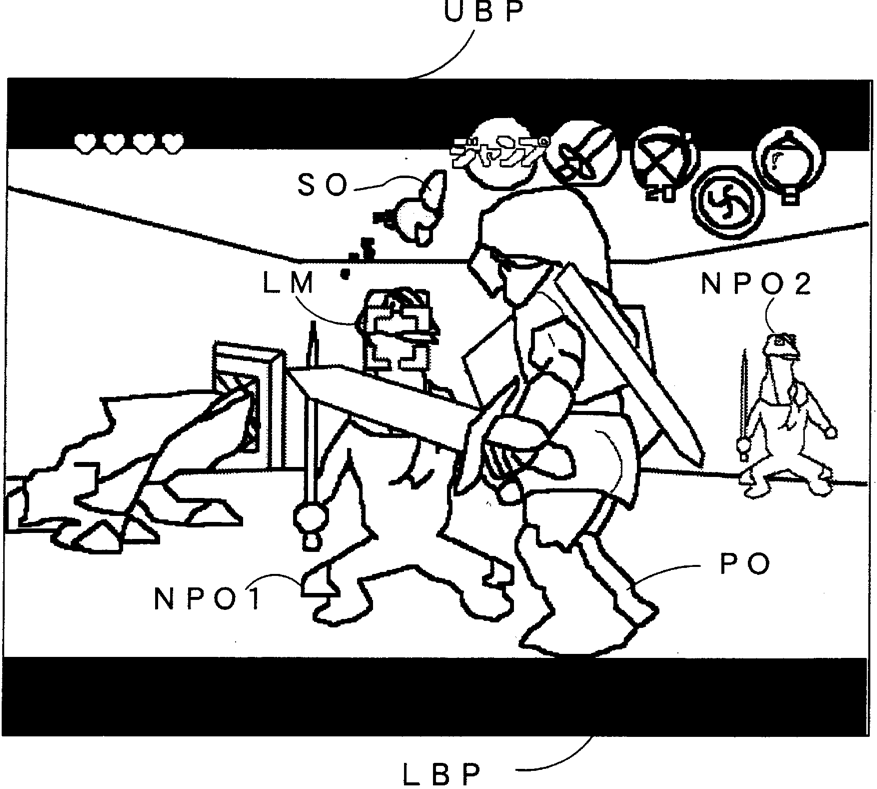
On October 30, 1997, patent number JP 9-298111 was filed by Shigeru Miyamoto, Yoshiaki Koizumi, Toru Osawa, Yoichi Yamada, Toshio Iwawaki, and Tsuyoshi Kihara. The patent, which refers to Link as a player object and Navi as a selection object, describes and illustrates how Z-Targeting functions. It goes into detail on the process by which non-player objects to face nearby non-player objects by targeting them using the Z button.
Aug. '97 |
Fig. 12 |
Fig. 13 |
|---|---|---|
 |
 |
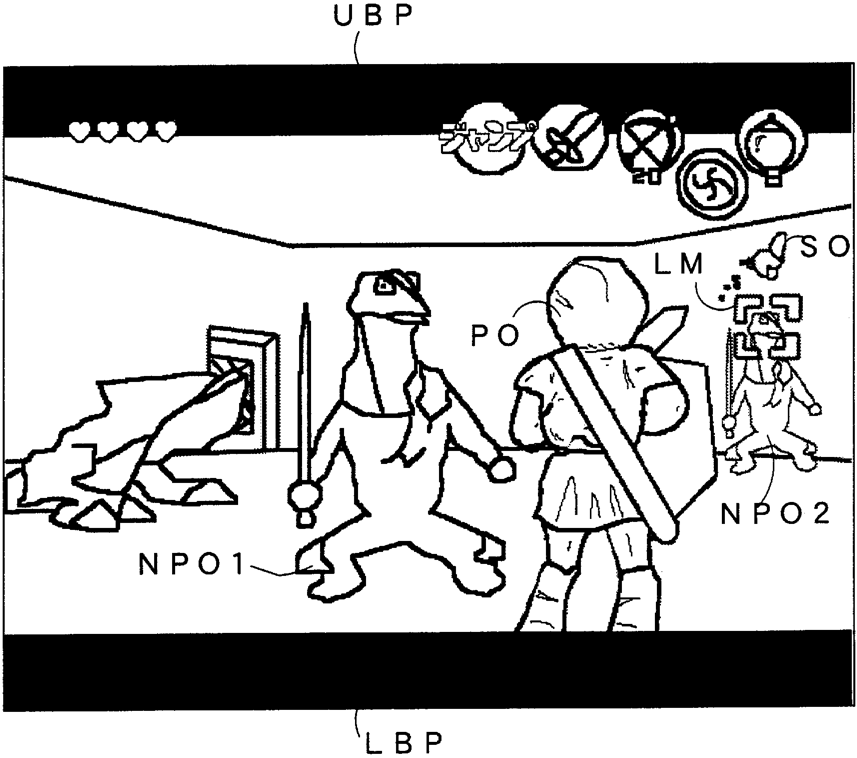 |
Despite the patent's filing date of October, Link's appearance and equipped items suggest that illustrations found within are based on the August 1997 version of the game.
The Lizalfos and Dodongo imply that Link is in Dodongo's Cavern, which is also present in other screenshots from the same month.
Ocarina#

Link finds a sign with sheets to an Ocarina song. What's fascinating about this, is the fact that this patent is from October 1997, when only warp songs for the game would've existed. It's as if they were thinking far into the future here.

Link is depicted playing Ocarina in Free Play. An interface never shows up in this scenario, but instead only when the game wanted you to play a certain song to do something.

Navi was planned to fly on the staff, this never ended up implemented to the game.
Compass Display#
Giles Goddard's Teleportation Demo#
Video#
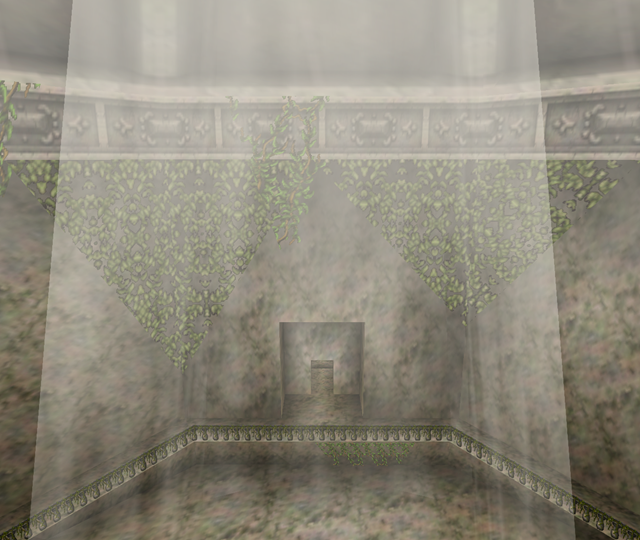
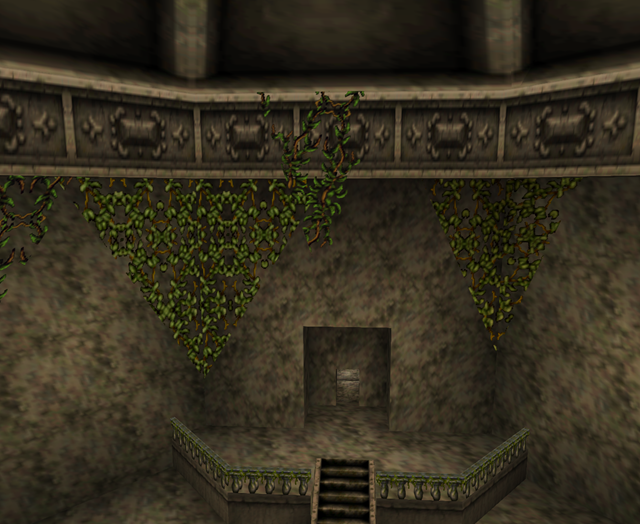
This was just a test Giles Goddard made for himself in early 1998, but OoT's Map Designer handed him a copy of the Forest Temple map for it, which seems to line up with March 1998 screenshots.
Late 1997 Overdump |
March 1998? |
Final |
|---|---|---|
|
 |
 |
xxx
(Source: Giles Goddard's Twitter post])
Rare's Spaceworld '97 Notes#
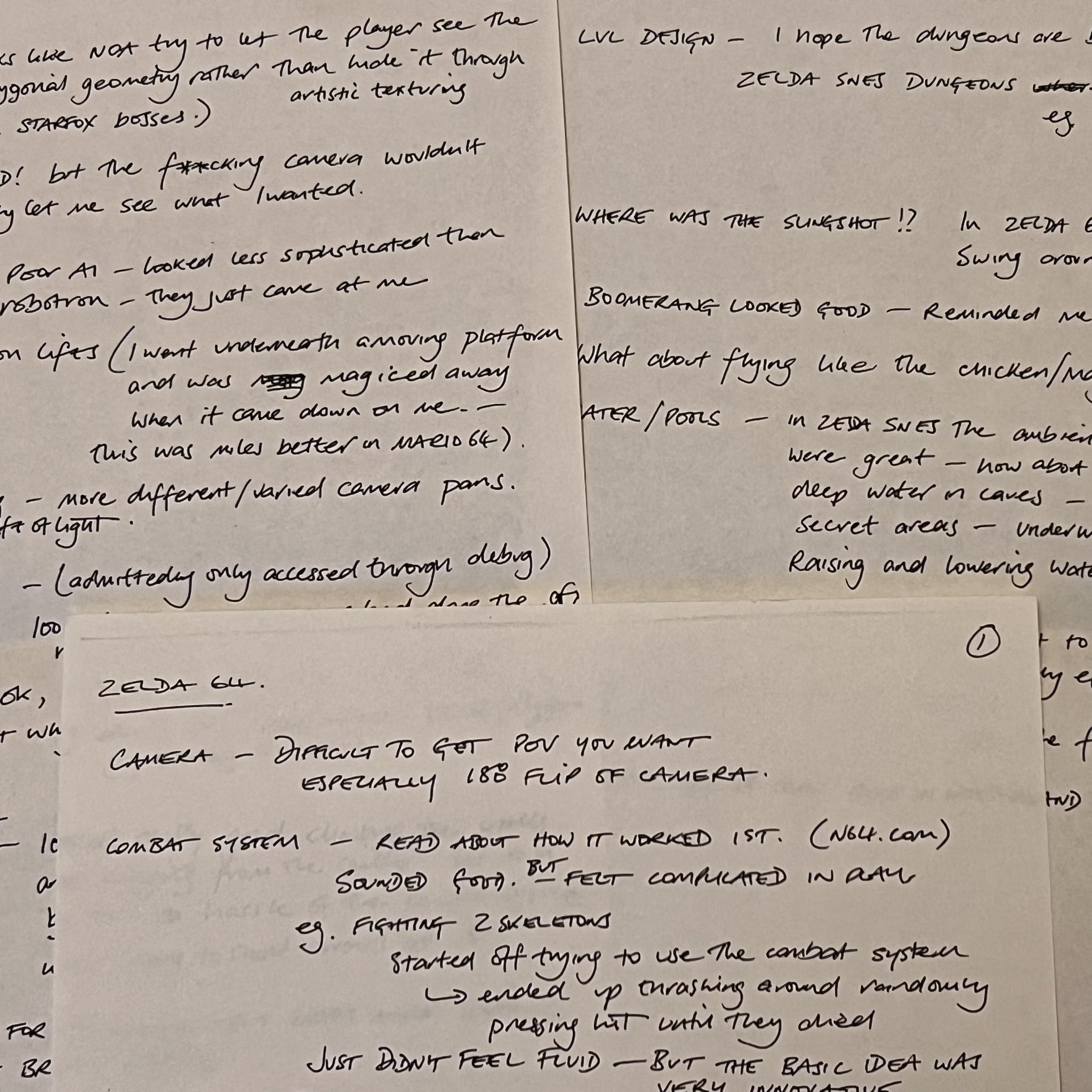
xxx
(Source: David Doak's Twitter post])
Early Lakeside Laboratory#
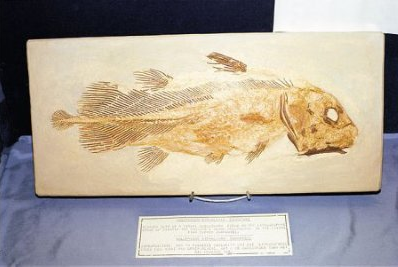
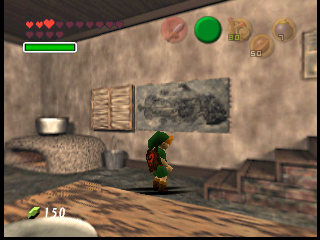
Early on, Lakeside Laboratory's interior was a pre-render (filename: labo) and not a 3D model (filename: hylia_labo). This pre-render was reused in the final game for Impa's House and the actual original Impa's House pre-render (filename: impa) was moved to Market Town's alley. Lake Hylia's Alternate Scene Setups bring you to this laboratory pre-render that in the final product became Impa's House.
|
Coelacanth fossil |
In-game |
|---|---|
|
|
A photo of a fozzilized Coelacanth fish is used in her house, which seems to be a remnant from the times when this house was at the Lake and not Kakariko Village.
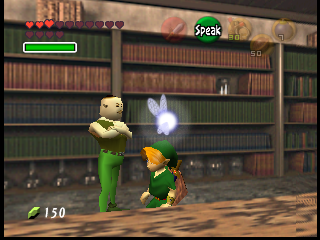
Why would Impa own so many bottles? Well, even just before the game was finished, Lake Hylia was the go-to location to find almost all of the game's bottles.
(Source: Porcino-sama & Xiartic)
Lon Lon Ranch on Fire#
Miyamoto: Yes. You know that guy Ingo who's at the ranch?


Iwata: Yes. He doesn't have a very nice personality and looks a bit like Luigi. (laughs)


Miyamoto: That's right. (laughs) Ingo and Link have a horse race. If Link wins, he can get the horse named Epona, but Ingo closes the entrance gate to the ranch.


Iwata: Then you jump over the fence on Epona and escape.


Miyamoto: That's right. At first, I imagined a scene in which Ingo, in a frenzy, sets the ranch on fire, so Epona jumps against a backdrop of flames, but then someone said, "What about when Link comes back to the ranch later?" So I gave that up. (laughs)It's possible the idea of a burning place was later repurposed for Kakariko Village.
Artwork Discrepancies#
As artwork was created alongside development, sometimes cut elements managed to sneak in.
Ganondorf/Ganon#
Concept Art |
Artwork |
|---|---|
 |
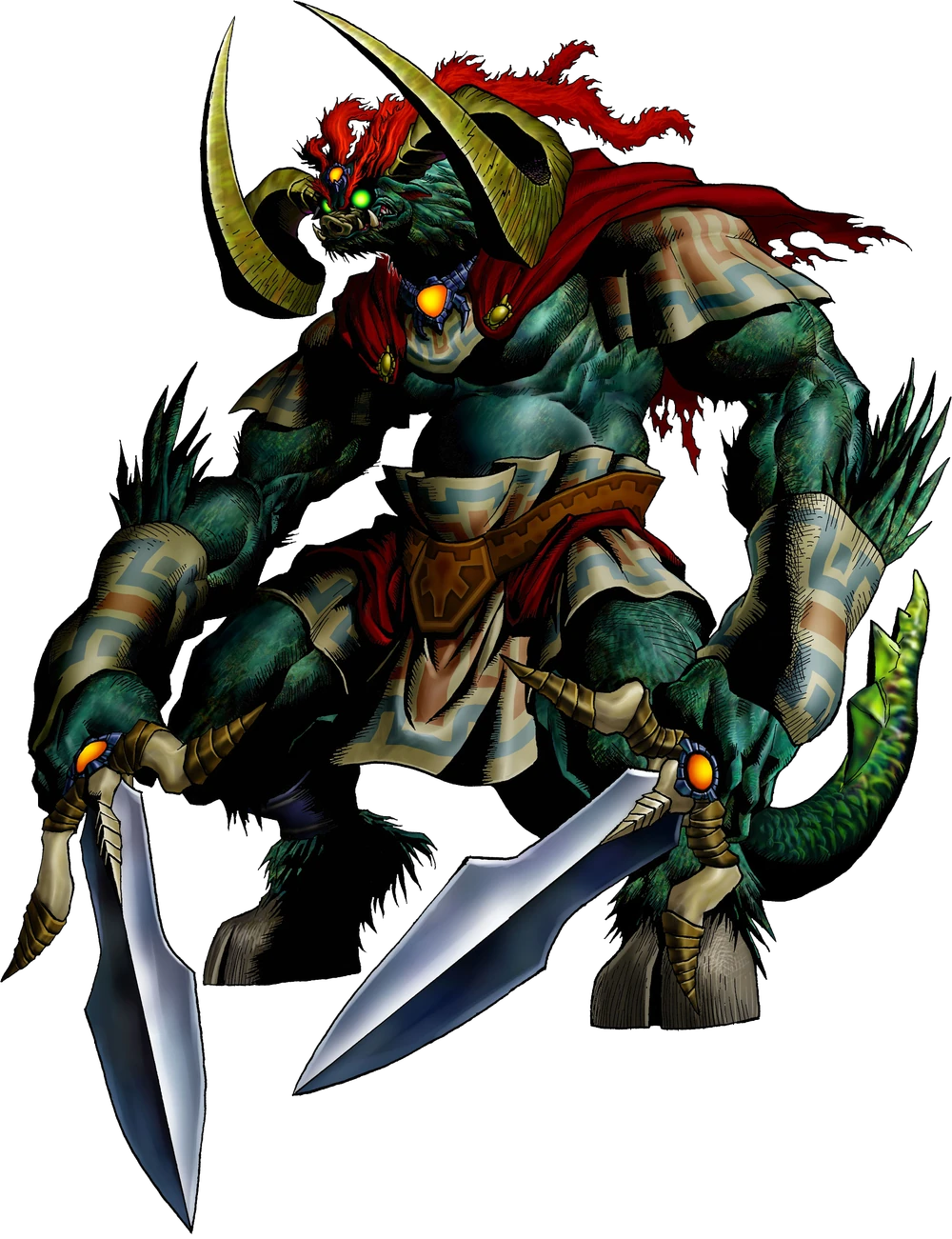 |
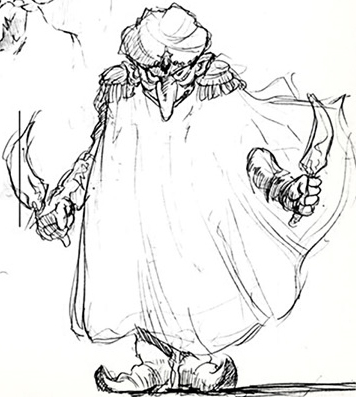
Ganondorf wields the two blades he only has in his Ganon form in the actual game. Ganondorf's also wearing a turban, which wasn't used for his final design.
Sheik#
Artwork |
Impa |
|---|---|
 |
 |
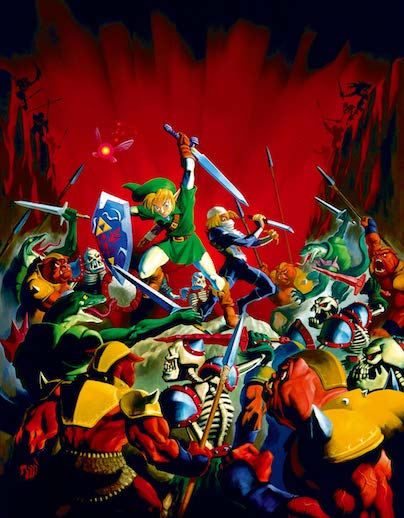
Sheik seems to be carrying Impa's knife in this artwork.
Guard#
Artwork |
Final |
|---|---|
 |
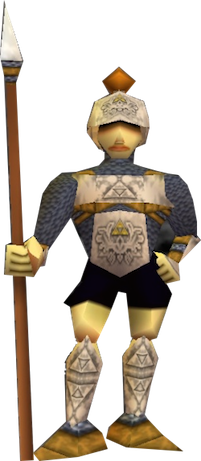 |
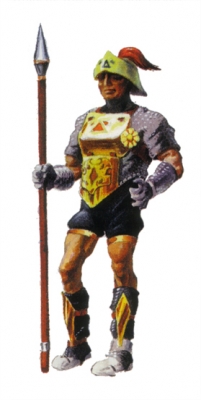
A flower ornament is present on the guards chest which bears resemblance to the ornament on the early Great Fairy.
Lord Jabu-Jabu#
Artwork |
Final |
|---|---|
 |
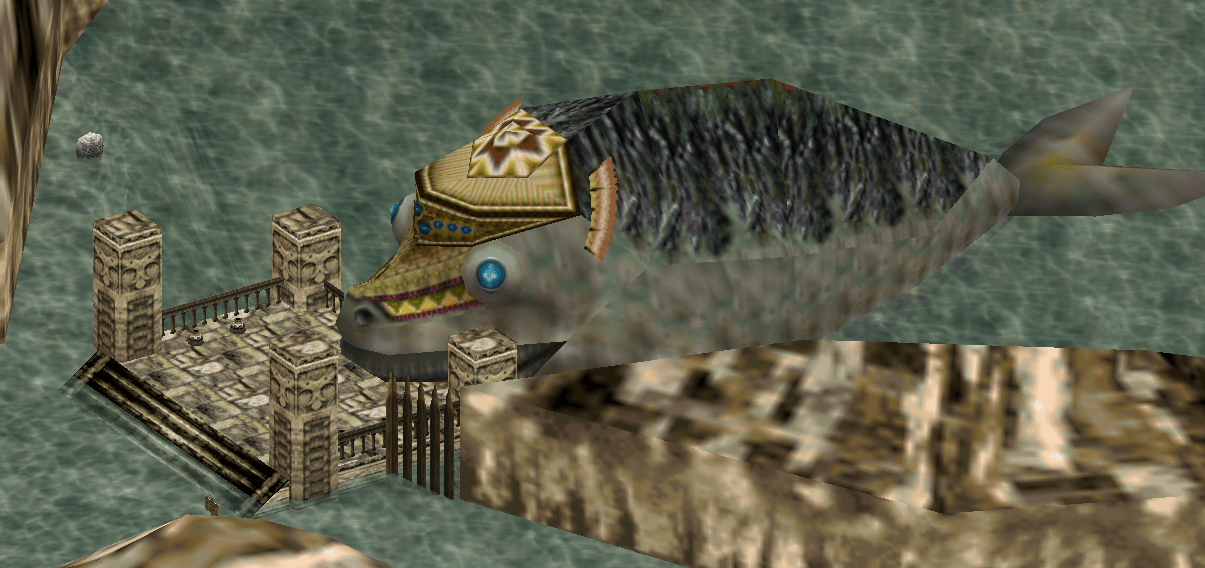 |
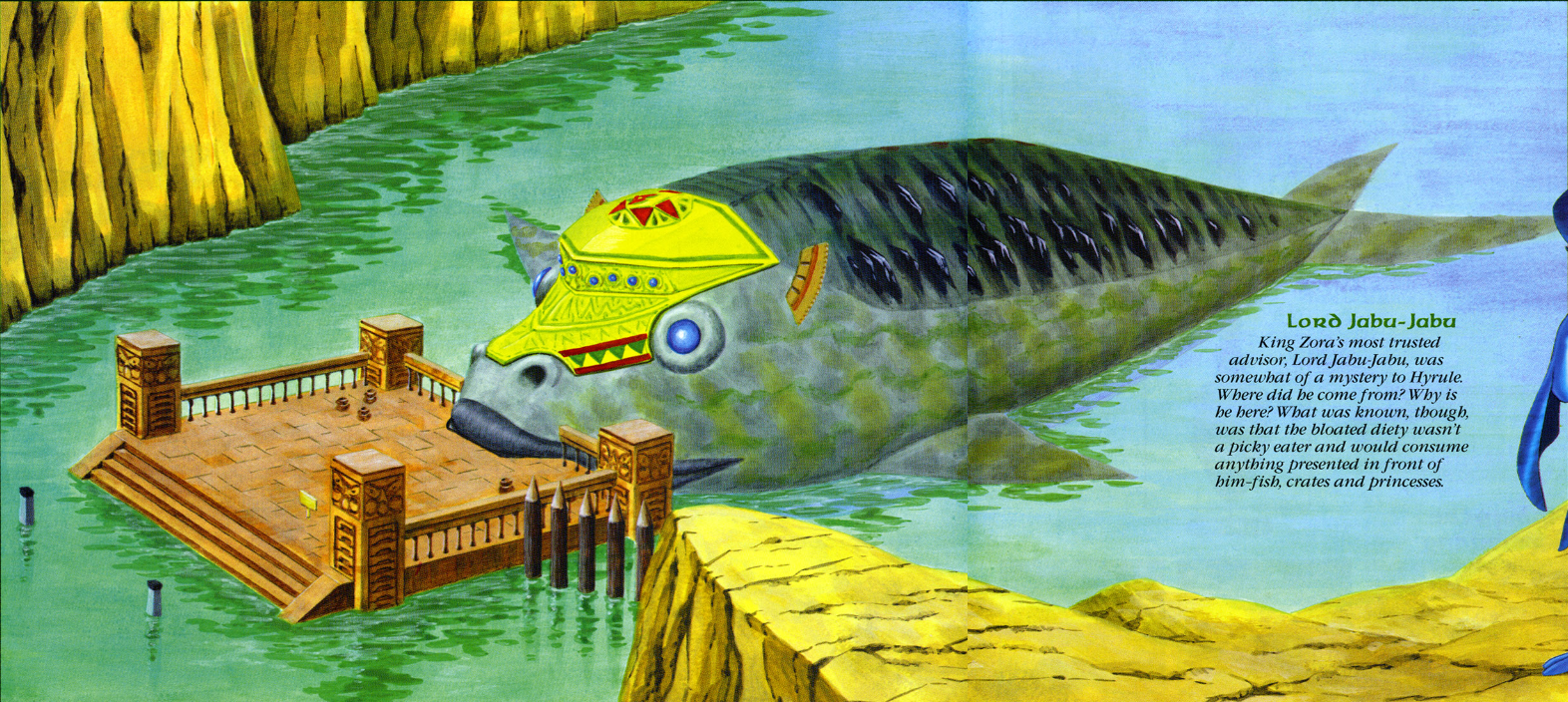
Zora's Sapphire was missing from Jabu-Jabu's crown in the concept art. The sign used to be on the platform, but it was moved to shallow water instead. The pot count was reduced in the final game from three to two on both sides, and two torches that were located in front of the platform were removed. These torches match the brick design seen in prerelease screenshots for the game.
Dodongo's Cavern#
Artwork |
Final |
|---|---|
 |
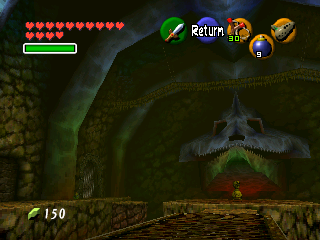 |
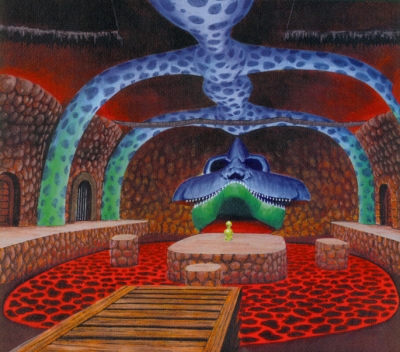
The bombable walls seem to be brown doors and the near bridge has one large gap and the farther has none instead of two. These are likely mistakes or artistic choices than differences in the game.
Desert Oasis#
Artwork |
Final |
|---|---|
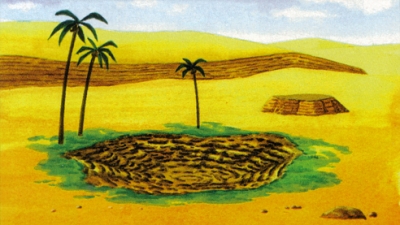 |
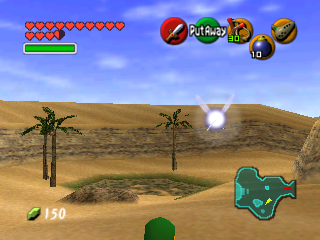 |
A platform of unclear purpose is present.
Desert Colossus#
Artwork |
Final |
|---|---|
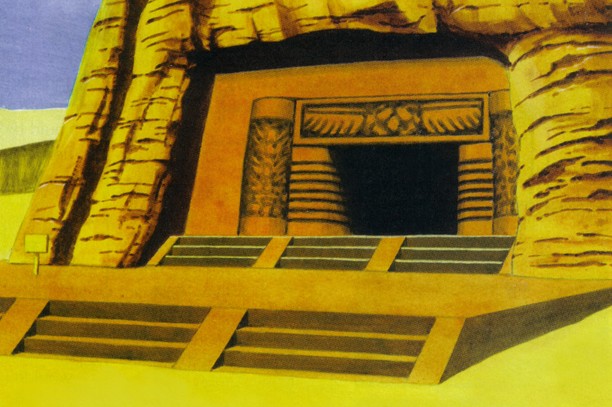 |
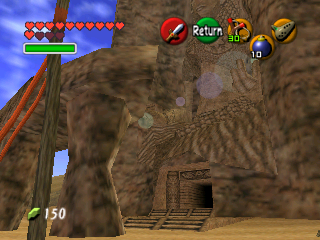 |
A sign is present near the entrance.
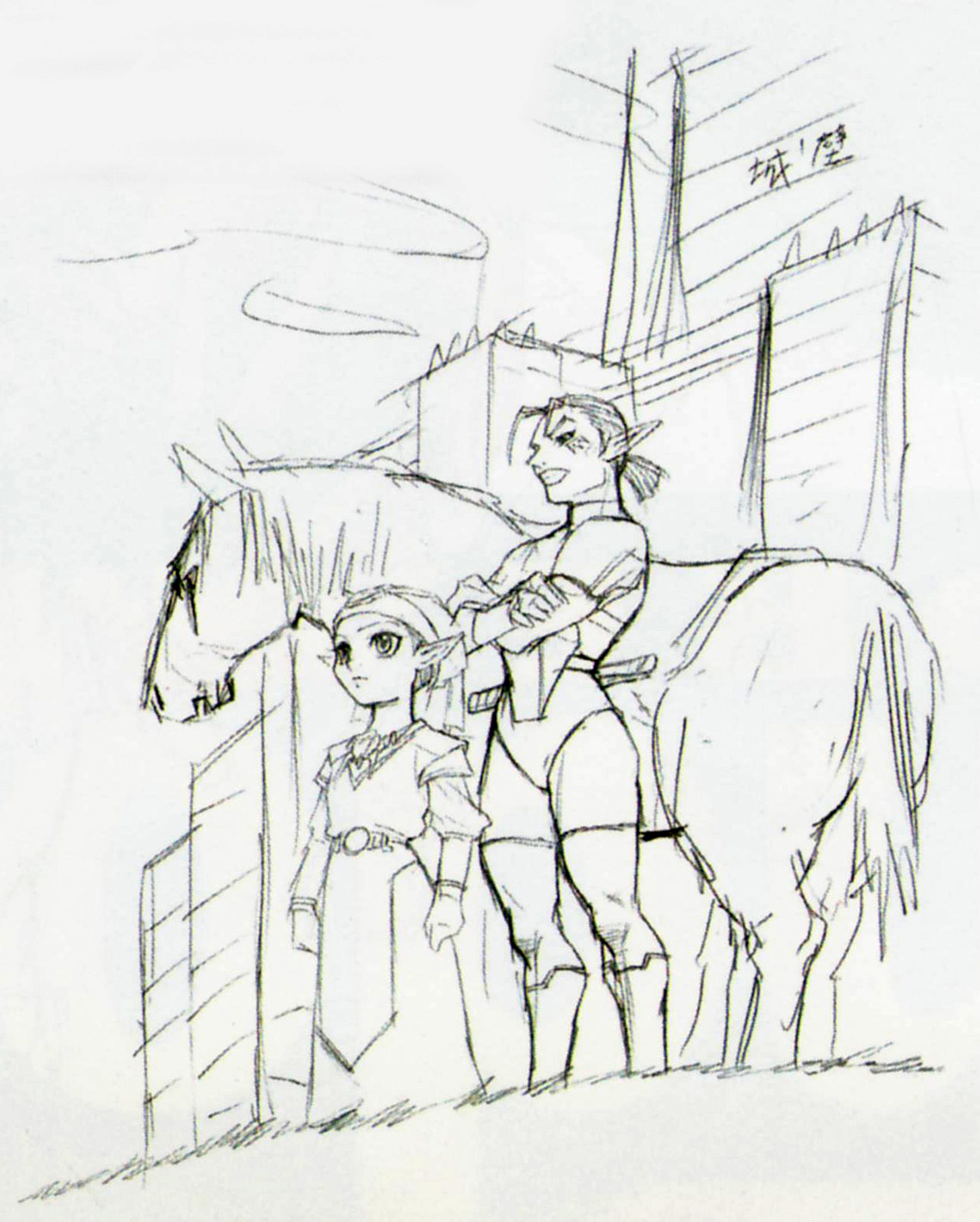
Ganon's Castle Exterior#
Concept Art |
Final |
|---|---|
 |
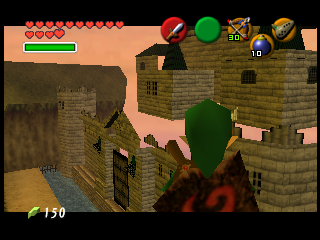 |
Young Zelda and Impa are standing outside a castle that looks to be Ganon's Castle instead of Hyrule Castle.
Artwork |
Final |
|---|---|
 |
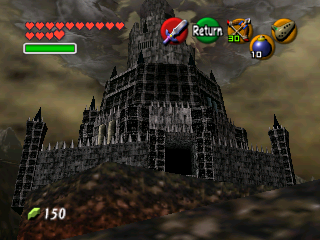 |
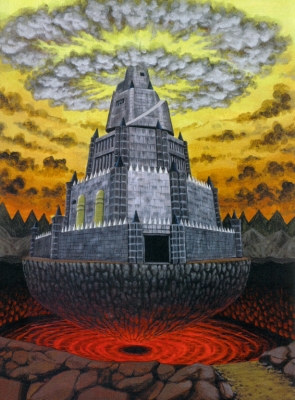
No stairs and pillar beside path.
Info Yet to Be Incorporated#
Abandon hope all ye who enter here.
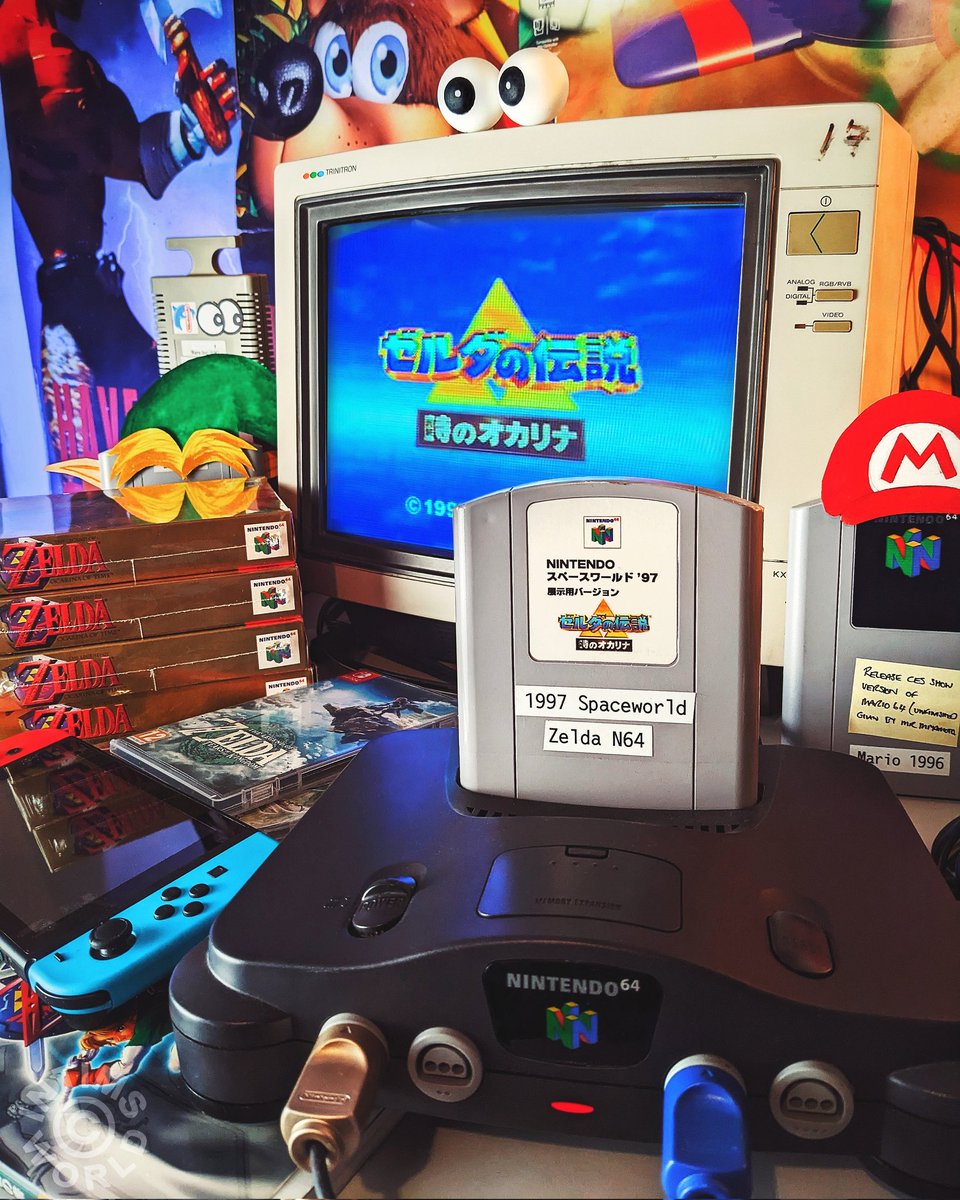
Photos of Prerelease Carts#
 |
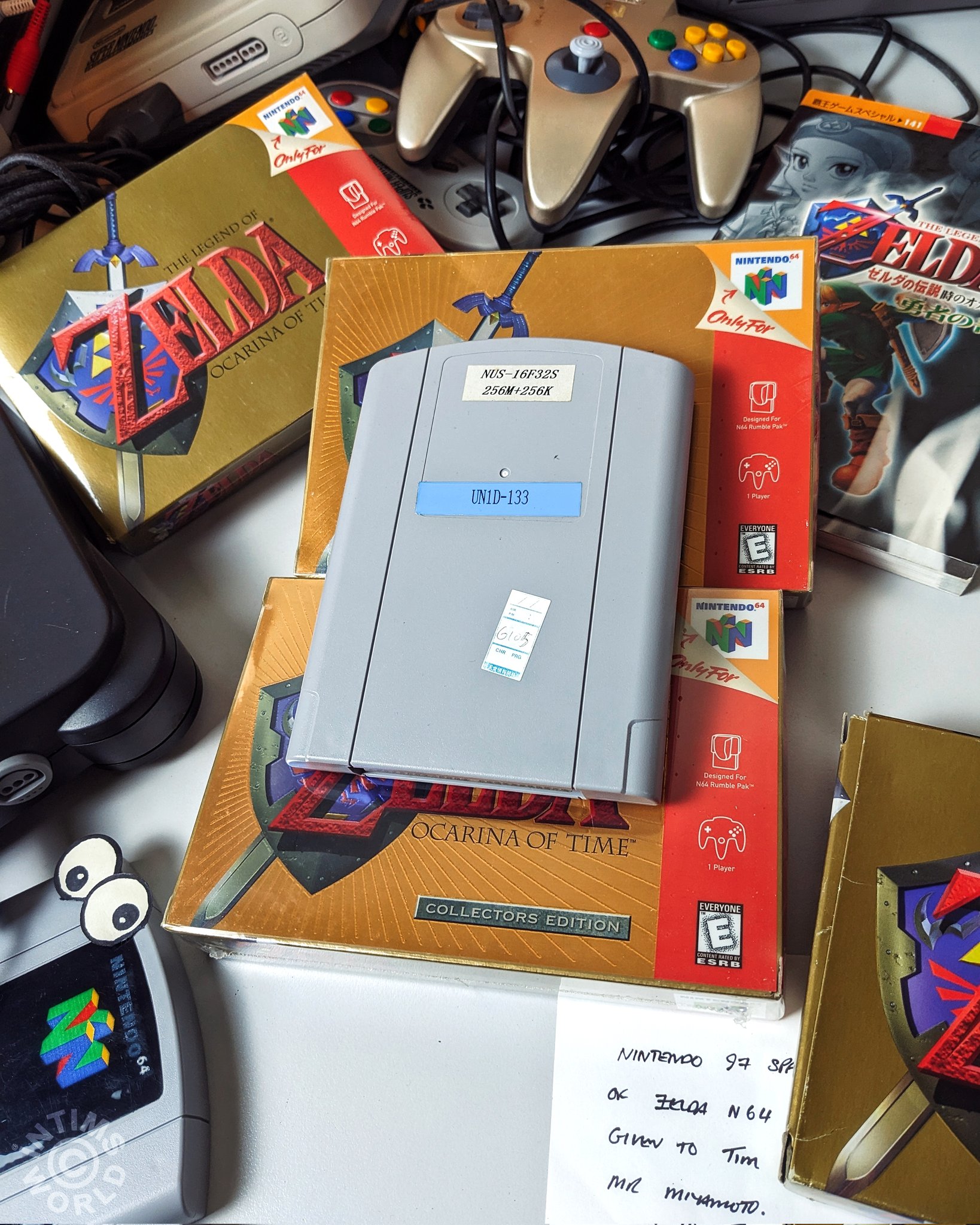 |
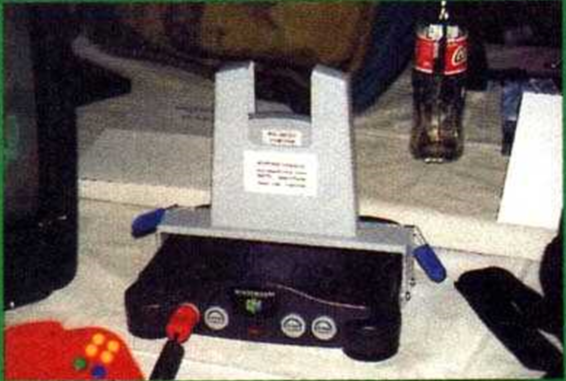
Ocarina of Time Prototype Cartridge (December 1997) |
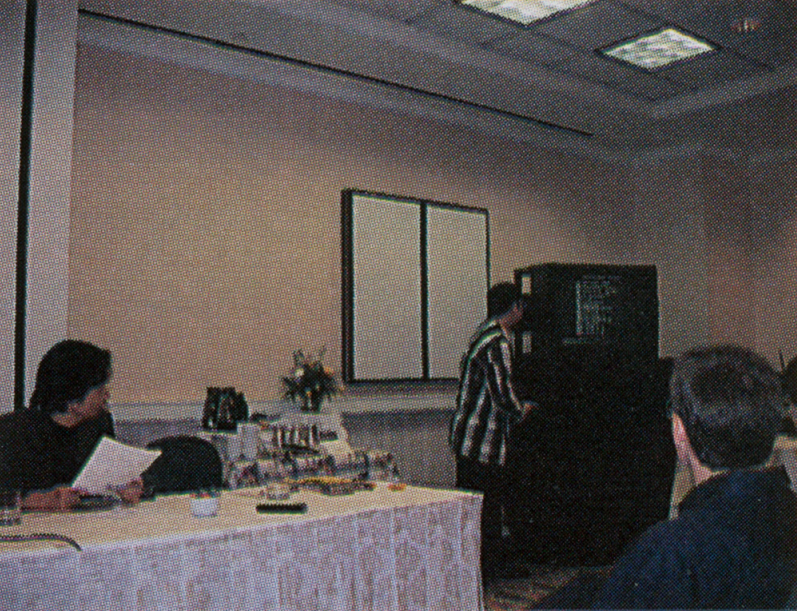
E3 1998 Zelda Press Event (May 28-30) with Takashi Tezuka |
|
 |
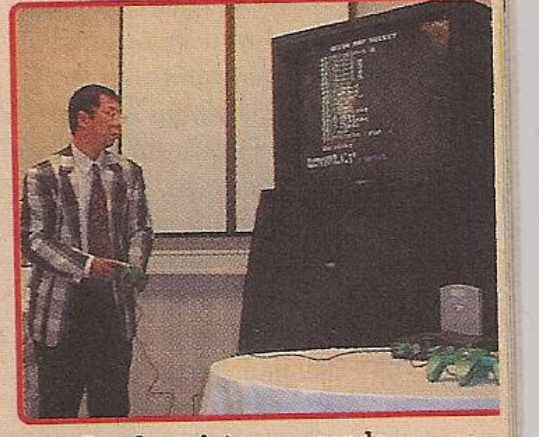
E3 1998 Zelda Press Event (May 28-30) with Takashi Tezuka |
Ocarina of Time (locked) at E3 1998 |
 |
 |
Oct. 14, '98 Press Event - 64 Power Iss. 12/1998 |
Oct. 14, '98 Press Event - Nintendo Accion Iss. 73 |
 |
 |
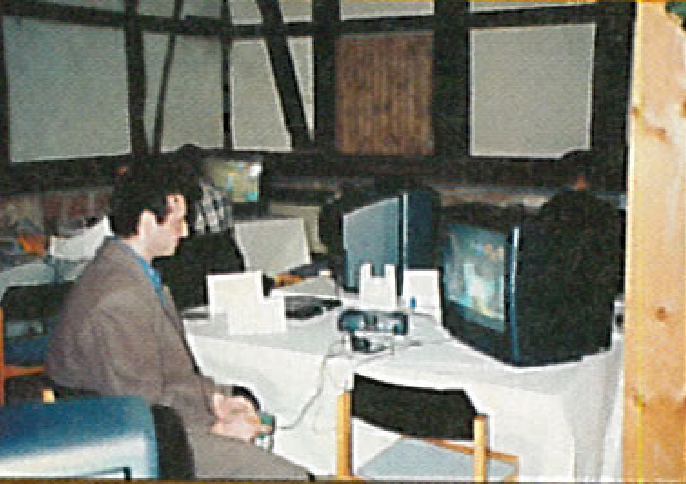
Oct. 14, '98 Press Event - 64 Power |
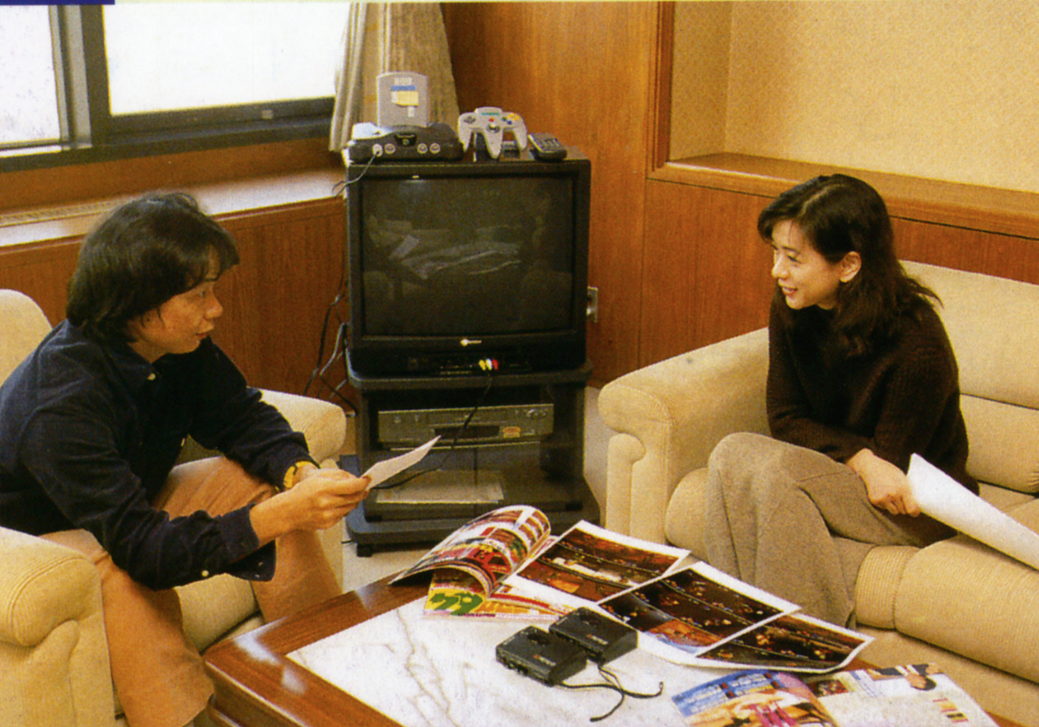
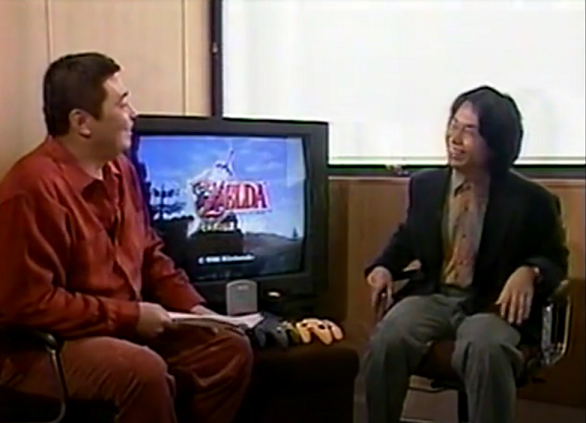
1998 Interview with Miyamoto |
|
 |
Fan Sites#
- http://web.archive.org/web/20010329235605/http://www.armchairempire.com/Interviews/miyamoto_teleconference.htm
- http://www.angelfire.com/games2/zorasdomain/
- https://web.archive.org/web/19981203040633/http://www.zhq.com/zelda.htm
- https://web.archive.org/web/19980205141702/http://nth.simplenet.com/zelda/index/zeldav.htm
- http://www.classiczelda.com/library/editorials/010.php
- http://www.classiczelda.com/library/editorials/006.php
- https://web.archive.org/web/19991005233550/http://www.nintendorks.com/previews/brandon/zelda_ocarina_of_time/
- https://web.archive.org/web/19991111181728/http://www.nintendorks.com/specials/e3/day3.shtml
- https://web.archive.org/web/20000301230604/http://www.nintendorks.com/news/oct98.shtml
- https://web.archive.org/web/19991006010824/http://www.angelfire.com/il/StevenLandis/info.html
- https://web.archive.org/web/20151103050931/http://www.zeldadungeon.net:80/2011/08/nintendo-power-1998-ocarina-of-time-finally-releases/
- https://web.archive.org/web/20120309110657/http://thehylia.com/index.php?subaction=showfull&id=1227242511
http://pastie.org/private/6zdj3renojgckm7nd8cmw(dead link, not archived at archive.org)
- http://web.archive.org/web/19990224060618/http://www.z64.simplenet.com/z64/
- http://web.archive.org/web/19990222123646/http://www.zhq.com/entry/news/september98.htm
- https://web.archive.org/web/20130402171040/http://www.zeldauniverse.net/forums/nes-snes-n64-zelda/152182-samples-that-koji-kondo-used-for-scoring.html
- http://www.gamekult.com/actu/miyamoto-la-wii-u-et-le-secret-de-la-triforce-A105550.html
- http://wayback.archive.org/web/19980205142440/http://nth.simplenet.com/zelda/index/zeldav/sw.htm
- http://nekokabu.s7.xrea.com/blog/2009/03/20090311194153.html
- http://9dream.sakura.ne.jp/zelda/tocari.htm
Hacking#
- http://glitchkill.proboards.com/thread/4729/beta-magic-arrows
- http://magcius.github.io/zelview.js/zelview.html#ydan_scene!-0.1050,0.4795,430.3960,2019.2157,4022.0256
- https://github.com/lf94/ootter
- http://forums.zelda64.net/topic/10281165/1/?x=75#new
- https://gist.github.com/notwa/61689fbf7f0cd5f3613f
- https://www.youtube.com/channel/UCvhISoxPsDv34JXmNQbpwhA/search?query=%E3%82%BC%E3%83%AB%E3%83%80
- http://www.angelfire.com/in/Zelda1and2/gaiden8.html
- http://www.flyingomelette.com/oddities/z64theories.html
- http://jimmy130.free.fr/
- http://forum.pj64-emu.com/showpost.php?p=9454&postcount=47
- http://www.gamekult.com/blog/Jimmy130/
- http://peardian.zelda.com.br/
- http://wiki.spinout182.com/w/Zelda_64_Scene_Listings:_Ocarina_of_Time_(U)_(v1.0)
- http://pastebin.com/FYzBXY77
- http://pastebin.com/f13YrBRd
- https://sites.google.com/site/deathbasketslair/zelda/ocarina-of-time/instrument-lists
- http://imgur.com/a/IvcRI
- https://www.the-gcn.com/topic/2972-white-flower-found-after-beta-blue-fairy/
- https://www.the-gcn.com/topic/2971-unused-object-trap-items/
- https://www.the-gcn.com/forum/8-q-a/
- https://www.the-gcn.com/topic/2895-random-beta-code-in-some-actors/
- https://www.the-gcn.com/topic/1867-zelda-oot-how-to-choose-which-items-quest-equipment-or-otherwise-you-wish-to-obtain-from-most-npcs/
- http://imgur.com/a/gxO4U
- https://www.the-gcn.com/topic/1867-zelda-oot-how-to-choose-which-items-quest-equipment-or-otherwise-you-wish-to-obtain-from-most-npcs/
- https://www.the-gcn.com/topic/2064-zelda-oot-event-flag-documentation-just-before-zelda/
- https://www.the-gcn.com/topic/2404-zelda-oot-mapping-links-animations-and-the-damage-identifiers-in-rom/#entry37839
- https://www.the-gcn.com/topic/2436-zelda-oot-how-to-load-the-normal-kokiri-in-any-desired-map/#entry38464
- https://www.the-gcn.com/topic/2439-zelda-oot-how-to-switch-item-checks-on-actors-actor-trading-checks-complete/#entry38549
- https://www.the-gcn.com/topic/2494-zelda-oot-npc-functionality-project/#entry39633
Magazines/Interviews#
- http://issuu.com/retroavengers/docs
- http://issuu.com/retroavengers/docs/game-x_especial_n___18
- http://issuu.com/retroavengers/docs/nintendo_world_n___13
- http://retroavengers.blogspot.com.br/2013/11/game-x-n-08.html#more
- https://yomuka.wordpress.com/2013/03/29/itoi-miyamoto-interview-64dd/
- https://archive.org/details/texts?and%5B%5D=mediatype%3A%22texts%22&and%5B%5D=subject%3A%22nintendo%22&sort=date&page=6
- http://www.emuparadise.me/magazine-comic-guide-scans/magazines
- https://archive.org/stream/MegaFun0197#page/n17/mode/2up
- http://archive.org/stream/Computer_and_Video_Games_Issue_205_1998-12_EMAP_Images_GB/Computer_and_Video_Games_Issue_205_1998-12_EMAP_Images_GB_djvu.txt
- https://archive.org/details/Computer_and_Video_Games_Issue_205_1998-12_EMAP_Images_GB
- https://archive.org/stream/Computer_and_Video_Games_Issue_205_1998-12_EMAP_Images_GB#page/n23/mode/2up
- http://imgur.com/gallery/XyI6O
- http://www.angelfire.com/ca/geocow/zeldaint4.html
- http://www.kultboy.com/magazin/5600/
- http://www.kultpower.de/archiv/
- https://web.archive.org/web/20190303063417/http://www.geocities.jp/ganimemo/game/oka2.html
- http://translate.google.de/translate?u=http%3A%2F%2Fwww.videogameszone.de%2Faid%2C701100%2FZelda-Pro
- http://www.videogameszone.de/N-ZONE-Brands-68140/News/Zelda-Produzent-Eiji-Aonuma-im-N-ZONE-Interview-Grosses-Geheimnis-gelueftet-701100/galerie/1229170/#?a_id=701100&g_id=-1&i_id=1229661
- http://www.angelfire.com/games5/makzelda/interviews/interviews.html
- Nintendo Official Magazine issue 63 (1997-12)
- Nintendo Official Magazine issue 64 (1998-01)
- 64 Magazine issue 7 (1997-11)
- Nintendo64EVER (Previews): https://www.nintendo64ever.com/Nintendo-64-Game-Previews,344,The-Legend-Of-Zelda-Ocarina-Of-Time,1.html
News Sites#
- http://www.famitsu.com/news/201411/13065603.html
- https://web.archive.org/web/19981207045924/http://www.nintendojo.com/games/zelda64/index.htm
- https://web.archive.org/web/19980611145009/http://www.video-source.com/preview/n64/zelda.htm
- https://web.archive.org/web/19990823143007/http://www.n64hq.com/n64/64dd.html
- https://web.archive.org/web/19991104202150/http://www.fgnonline.com/archives/1998-04-14.html
- https://web.archive.org/web/19991007044548/http://ign64.ign.com/news/5514.html
- https://web.archive.org/web/19991023124116/http://ign64.ign.com/news/234.html
- https://web.archive.org/web/19990219113825/http://ign64.ign.com/news/231.html
- https://web.archive.org/web/20000206041957/http://totalrpg.com/features/owsen.htm
- http://www.1101.com/nintendo/zelda/05.html
- http://ca.ign.com/articles/2001/09/15/hyrule-times-vol-4-cancelled-games
- https://web.archive.org/web/20000709002056/http://ign64.ign.com/news/1501.html
- https://web.archive.org/web/20000819150226/http://ign64.ign.com/news/1609.html
- https://web.archive.org/web/20000816073222/http://ign64.ign.com/games/437.html
- http://ca.ign.com/articles/1999/08/20/first-zelda-gaiden-details-exposed
- http://web.archive.org/web/19990909162617/http://ign64.ign.com/news/5775.html
- http://ca.ign.com/articles/2011/06/17/the-legend-of-zelda-ocarina-of-time-10-things-you-didnt-know
Official Sites#
- https://web.archive.org/web/19971011205927/http://www.nintendo.com/product/n64/zelda/index.html
- https://web.archive.org/web/20000304033803/http://www.nintendo.com/nsider/articles/miyamoto.html
- https://web.archive.org/web/19980610125824/http://www.nintendo.co.jp/n01/n64/software/zelda/page2.html
- https://web.archive.org/web/19980205055744/http://www.nintendo.com/n64/zelda64/new0106.html
- https://web.archive.org/web/19991005164112/http://www.zelda64.com/hr_main_mi.htm
- http://web.archive.org/web/19971011205927/http://www.nintendo.com/product/n64/zelda/index.html
- http://www.nintendo.co.jp/nom/9811/p05/index.html
- http://web.archive.org/web/19980205063303/http://www.nintendo.com/n64/zelda64/index.html
- http://web.archive.org/web/20000304033803/http://www.nintendo.com/nsider/articles/miyamoto.html
- http://web.archive.org/web/19980205063303/http://www.nintendo.com/n64/zelda64/index.html
- https://web.archive.org/web/19980205102917/http://www.nintendo.co.jp/n01/n64/software/zelda/next/index.html
- http://www.nintendo.co.jp/3ds/aqej/heart/img/map_clickable.jpg

Patents#
- Sound Generator Synced w/ Image Display 1
- [https://www.google.com/patents/EP0813351A2?dq=inassignee:%22Nintendo+Co.,+Ltd.%22+ininventor:%22Hideaki+Shimizu%22&ei=TceoVMTJFtCVoQS164HACA&cl=en Sound Generator Synced w/ Image Display 2]
- Operating Device & Image Processing
- Shadow Casting - Zelda Figs.
- [https://www.google.com/patents/EP1002561A2?dq=inassignee:%22Nintendo+Co.,+Ltd.%22+ininventor:%22Yoshiaki+Koizumi%22&ei=6b6oVJ_GKdjnoASqhICYDw&cl=en Terrain Type Detection - Zelda Figs. 1]
- 特願平10-329805
- Terrain Type Detection - Zelda Figs. 2
- Sound Generation - Zelda Figs.
- 特願平10-343619 & 特願平10-343620
- [https://www.google.com/patents/EP1002560A2?dq=inassignee:%22Nintendo+Co.,+Ltd.%22+ininventor:%22Yoichi+Yamada%22&ei=Y8OoVJKLD5awogTr8IDACQ&cl=en Collision Camera Codes - Zelda Figs.]
- Wall, Door, Ladder, or Hole Detection - Zelda Figs.
- 特願平10-329805
- [https://www.google.com/patents/US6280329?dq=inassignee:%22Nintendo+Co.,+Ltd.%22+ininventor:%22Koji+Kondo%22&hl=en&sa=X&ei=s8aoVMqmHMSuogTWiIH4Cw&ved=0CCsQ6AEwAg Outputting Audio to Match Game - Zelda Figs.]
Other#
- http://nintendoage.com/forum/messageview.cfm?catid=29&threadid=119632
- http://www.youtube.com/watch?v=JzzAY3HXiPI&feature=youtu.be&t=1m56s
- http://boardgamegeek.com/article/15112642#15112642
- http://zeldabot-manual.6.ql.bz/OoT_Zelda_bot/letter/letterMaking.html
- http://www.cs.utexas.edu/~jason777/
- http://zelda64rus.ucoz.ru/forum/9-29-1
- https://web.archive.org/web/20000116004036/http://gameboy.s-one.net.sg:80/special_interview01.htm
Screenshots#
- https://www.dropbox.com/sh/agrd18tuf4agchx/eH4BvRUJZM
- http://s477.photobucket.com/user/Riggy23/media/Comparison_zpse30850a3.png.html
- http://www.jaytheham.com/zcw/Ocarina_of_Time_Beta_Content_-_A_and_C
- http://translate.google.com/translate?sl=auto&tl=en&js=n&prev=_t&hl=en&ie=UTF-8&u=http%3A%2F%2Fwww.gurkgamer.com%2Fweb%2Farticulos%2Fzelda64%2Fzelda64_ayb_cam_03.php
- http://n64media.ign.com/media/previews/image/zeldae320.jpg
- http://s825.photobucket.com/user/Hextator/media/Screen%20Shots/Games/Zelda%2064/HeartMedallion_zps5edeed60.jpg.html
- http://himado.in/77490
- http://www.jeuxvideo.com/screenshots/images/00017/00017943_041.htm
- https://web.archive.org/web/20000419223802/http://teleparc.com/en/mems2/game/geisen-x/news/nws31101.htm
- glitterberri.com Gallery (most pages were not archived): https://web.archive.org/web/20201028172035/https://www.glitterberri.com/gallery/index.php?cat=5
- Zelda's Secret Ocarina: https://web.archive.org/web/20080106182556/http://zso.krahs-emag.com/beta/screenshots.html
- Zelda Dungeon "Beta Screenshots" gallery: https://www.zeldadungeon.net/gallery/thumbnails.php?album=318
- https://archive.org/details/N64MagasinetCDROM1-3


Videos#
- https://www.youtube.com/watch?v=wCWNIKHy0F0
- https://archive.org/details/007680
- https://www.youtube.com/watch?v=xf7E6vPMBeQ
- https://www.youtube.com/watch?v=usrBSze_T_Q&feature=youtu.be&t=2m13s
- https://www.youtube.com/watch?v=ZQ7qncplV2k&feature=youtu.be&t=16s
- https://www.youtube.com/watch?v=b0bOGi-tKGQ&feature=youtu.be&t=49s
- https://www.youtube.com/watch?v=162mseCGEfg
- https://www.youtube.com/watch?v=x0HxVcOdzho&feature=youtu.be&t=1m18s
- http://www.dailymotion.com/video/x18fl8s_sm20541982-%E3%83%95%E3%82%A1%E3%83%9F%E3%83%AA%E3%83%BC%E3%82%B3%E3%83%B3%E3%83%92-%E3%83%A5%E3%83%BC%E3%82%BF-%E3%83%86-%E3%82%A3%E3%82%B9%E3%82%AF%E3%82%B7%E3%82%B9%E3%83%86%E3%83%A0-%E8%B2%A9%E5%A3%B2%E4%BF%83%E9%80%B2%E3%83%92-%E3%83%86-%E3%82%AA_videogames&start=188
- http://www.dailymotion.com/video/x9kvxn_flashback-e3-98-99-part1_videogames&start=439
- https://www.youtube.com/channel/UC6O2V2i2DPgjoBgEkMYrldQ/videos
- OoT 1998 Japanese Interview with Shigeru Miyamoto - Contains Unused OoT Menu Sounds
- Very-Late OoT 1998 Gameplay Footage / Japanese Interview with Shigeru Miyamoto. Also contains Japanese commercial.
- Another Interview with Shigeru Miyamoto - Has unused Hyrule Field objects and Link with reed
- Around E3 1998 - Contains early versions of places like Ice Cavern, Kakariko Village, Hyrule Castle
- Around E3 1998 - Various settings featured
- Get Into The Game Promo (Likely Summer/Fall of 1998)
- Svenska Spelprogrammet - Death Mountain, Kakariko Village, and Hyrule Field from E3 1998
- Nintendo N64 Neuheiten Sizzle July 10, 1998 - Features footage of an April, 1998 build of the game.
- [https://youtu.be/gZbx0Wn2CNk?feature=shared&t=40 GamePro TV's OoT report. It has some bits of footage not included in other coverage and Miyamoto is playing a debug build of the game at a store.
- https://youtu.be/-hcl0v8RpeU?feature=shared&t=122 Nintendomania's report from E3 1998.