 This article has a talk page!
This is a sub-page of Mario Super Sluggers.
Mario Super Sluggers has only two versions that were released: the Japanese version, and the North American version. Unlike Mario Superstar Baseball, this game was not released in Europe. Additionally, the North American version can be played in Spanish, and French. Aside from being fully translated, these two extra versions have some very minor differences compared to the English version.
Sub-Pages#

Title Screen#
|
Japan |
America |
|---|---|
|
|
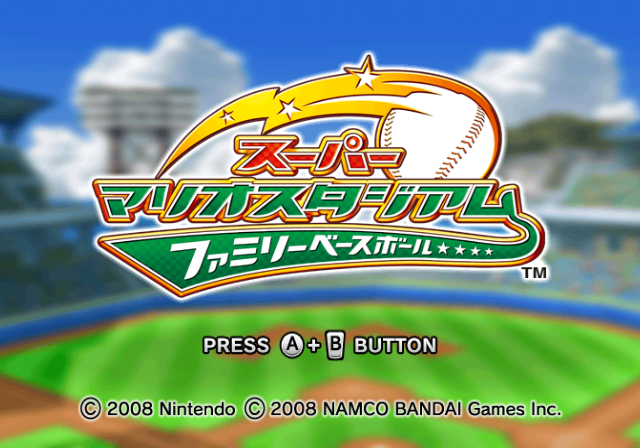
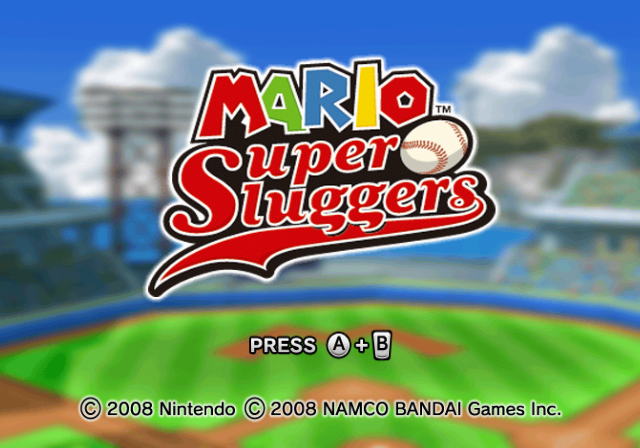
- The Japanese version is called Super Mario Stadium: Family Baseball, and uses a brighter and shinier logo than the American version.
- The bottom text saying PRESS A+B BUTTON was changed to just PRESS A+B in the American version.
File Select#
|
Japan |
America |
|---|---|
|
|
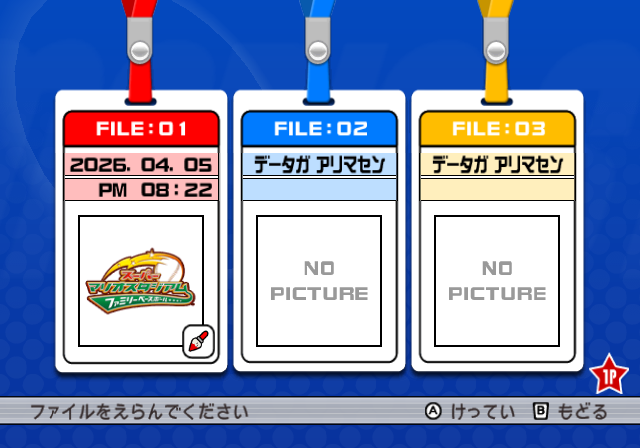
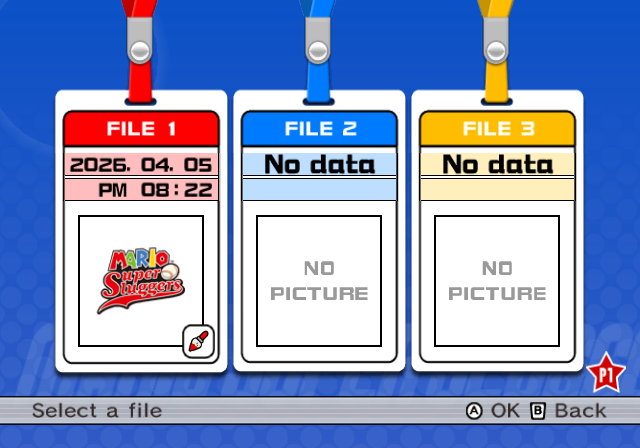
- The default icon used for the save files uses its respective logo for the Japanese and American versions.
- The text above each save file reads FILE: 0# in the Japanese version, which was changed to simply read FILE # in the American version.
Main Menu#
General#
|
Japan |
America |
|---|---|
|
|
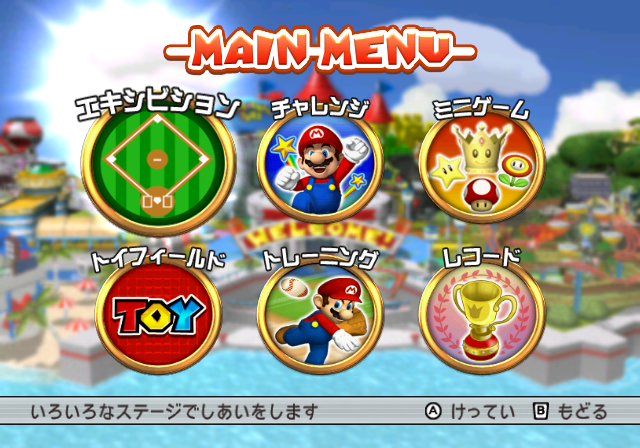
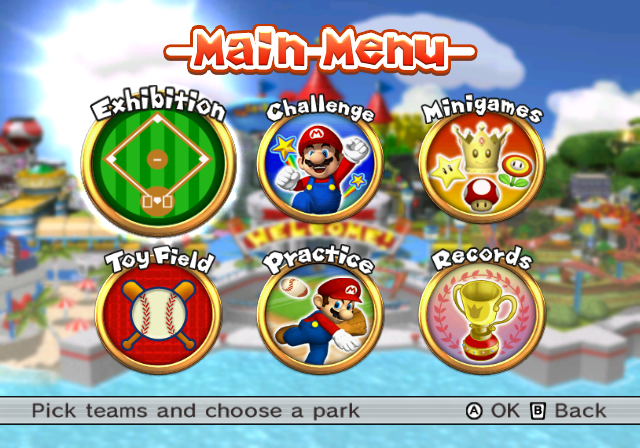
- The Japanese version has the MAIN MENU graphic in all caps.
- Toy Field's icon in the Japanese version has colored text saying TOY. This was changed to the Toy Field emblem in the American version, consisting of two bats behind a large baseball.
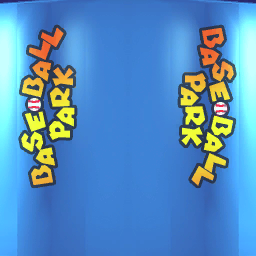
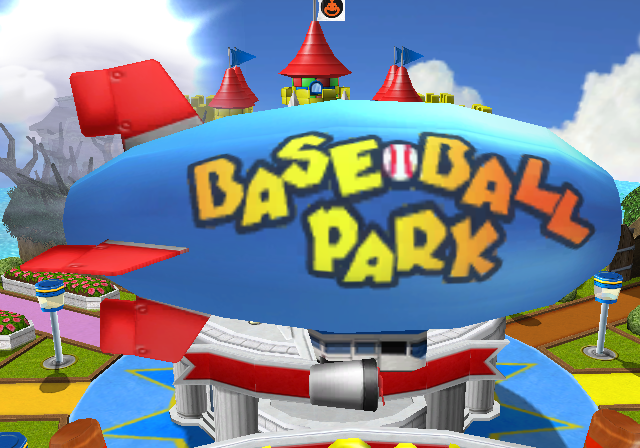
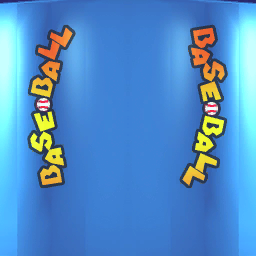
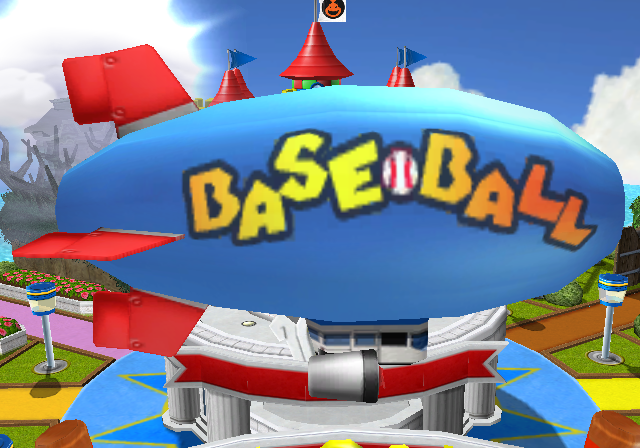
- The blimp that flies over the Baseball Kingdom reads BASEBALL PARK, which was changed to only say BASEBALL in the American version.
|
Japan |
America |
|---|---|
|
|
|
Stadium Names#
Japan |
America |
|---|---|
 |
 |
 |
 |
 |
 |
 |
 |
 |
 |
 |
 |
 |
 |
 |
 |
 |
 |
While most of the stadium names had their Japanese names removed from the American version, some of the stadium names were completely changed. Most notably, Daisy Cruiser was renamed to reference her signature race course from Mario Kart: Double Dash!! (said course was also called Daisy Cruiser in Japan), while Luigi's Mansion was changed to match the international title of the ''source game''.
Loading Screen Previews#
Japan |
America |
|---|---|
 |
 |
 |
 |
 |
 |
 |
 |
 |
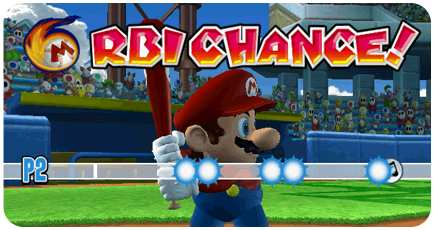 |
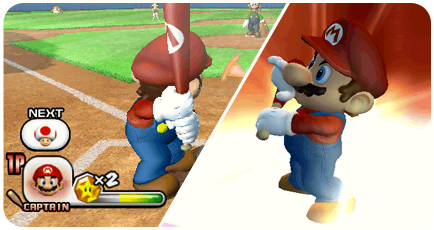
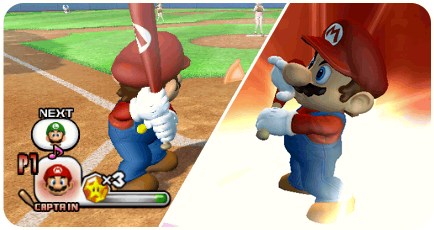
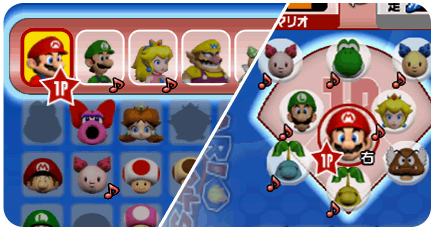
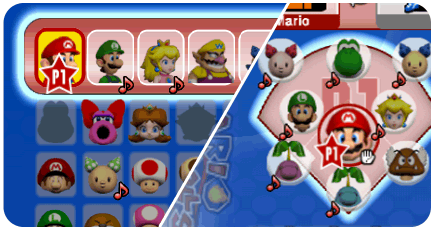
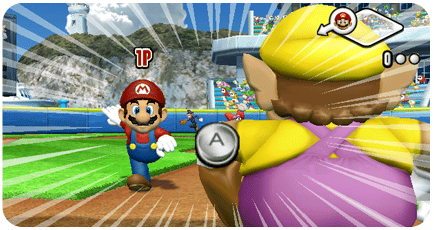
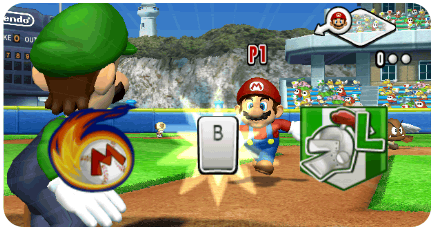
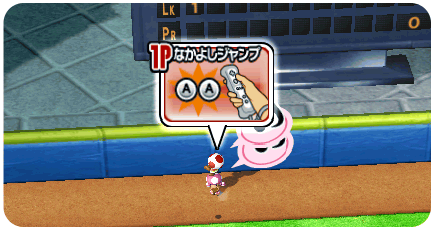
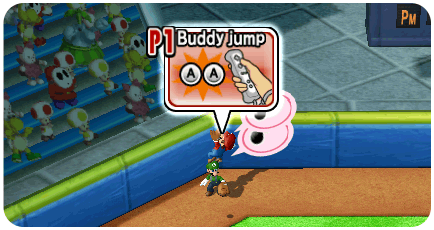
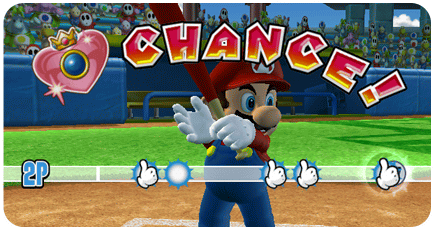
Aside from the language differences, the screenshots themselves are also slightly different with regards to the gameplay being shown. There are a few notable differences in these screenshots compared to the American version.
- The screenshots are taken from an early build of the game, as evident by an extra cloud seen behind the lighthouse in the close play screenshot of the Japanese version. The background cloud is the same one seen in a pre-release screenshot.
- The in-game screenshots are stretched in the Japanese version.
- The close play image takes place in training mode in the Japanese version, as the team logos during the event are not present.
- In the buddy jump image in the Japanese version, Toad and Toadette are the outfielders. This was changed to be Mario and Luigi in the American version.
- The RBI Chance screenshot has Mario on the Peach Monarchs team in the Japanese version, which was changed to Mario being on the Mario Fireballs team in the American version.
Menus#
- The background text in the Japanese version reads SUPER MARIO STADIUM, which was changed to read MARIO SUPER SLUGGERS in the American version.
- The right and left hand graphics in the character stats are instead kanji letters in the Japanese version, which read 左 (left), and 右 (right).
- The character stats also include additional kanji letters next to each stat in the Japanese version. The pitching stat has 投 (pitching), the batting stat has 打 (batting), the fielding stat has 守 (fielding), and the running stat has 走 (running).
- The Wii-Remote icons use a more simplistic design in the Japanese version. These were changed to a more realistic design, even including the Wii-Remote Jacket in the American version.
|
Japan |
America |
|---|---|
|
|
|


Team Names#
Japan |
America |
|---|---|
 |
 |
 |
 |
 |
 |
 |
 |
 |
 |
A handful of the team names were changed, though nowhere near as many as in Mario Superstar Baseball. Birdo is the only team captain to have their team icon changed due to her name difference.
|
Japan |
America |
|---|---|

|

|
Modes#
Exhibition#
Stadiums#
Mario Stadium
|
Japan |
America |
|---|---|
|
|
|
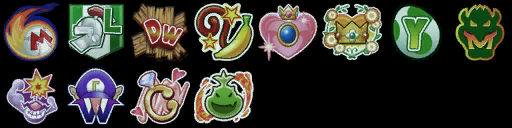

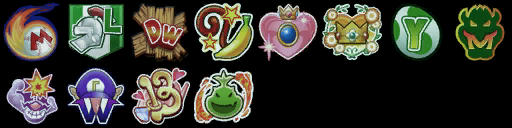

The texture for the scoreboard that appears in the background of Mario Stadium had the team logo for the Birdo Bows changed from the Catherine Lips in the Japanese version. The texture for the initials were also changed to reflect the Japanese and American names for some of the team names.
Wario City
Arrow Sign
Japan |
America |
|---|---|
 |
 |
 |
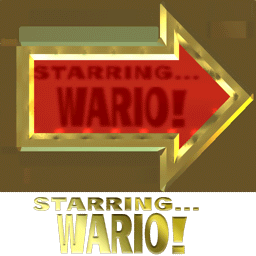 |
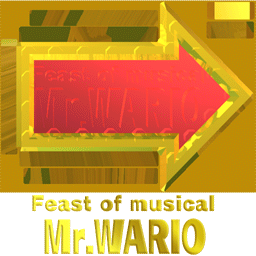
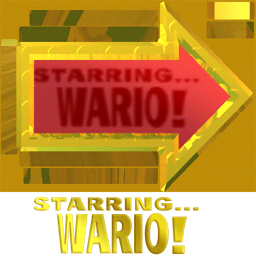
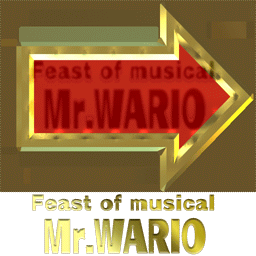
In Wario City, the arrow sign with lights reads Feast of musical MR. WARIO in the Japanese version. This was changed to read STARRING... WARIO! in the English version. The American version added a shadow in the sign texture for the letters in the day version, which the Japanese version lacks.
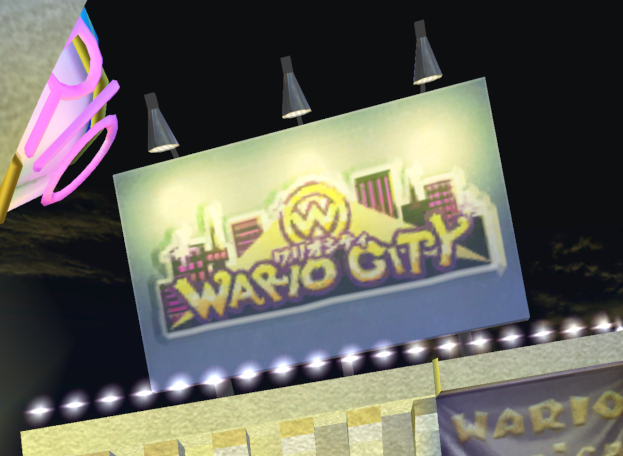
Stadium Logo Billboard
Japan |
America |
|---|---|
 |
 |
 |
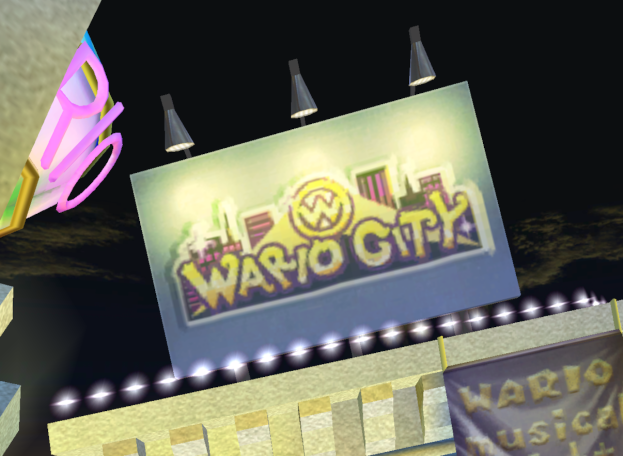 |
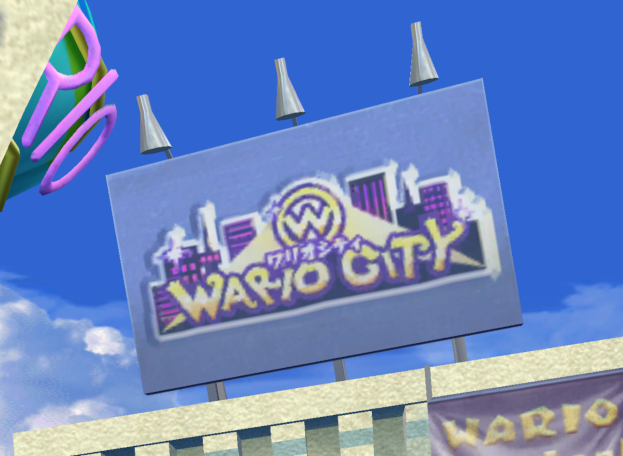
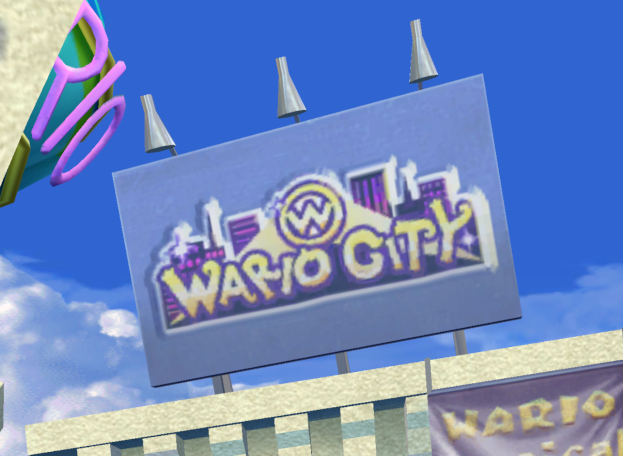
The billboard on top of the building which has the Wario City logo was between both the Japanese and English version to it's respective stadium logo.
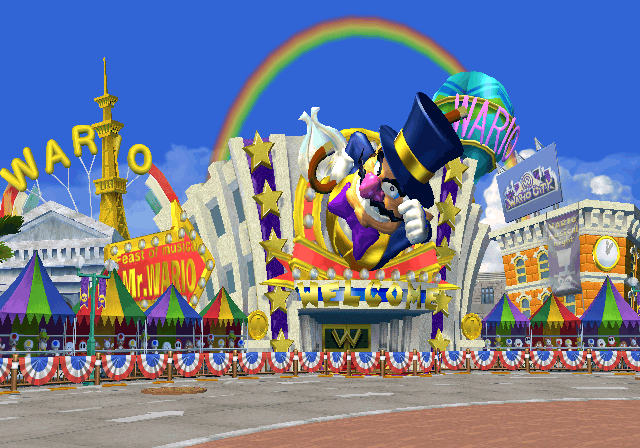
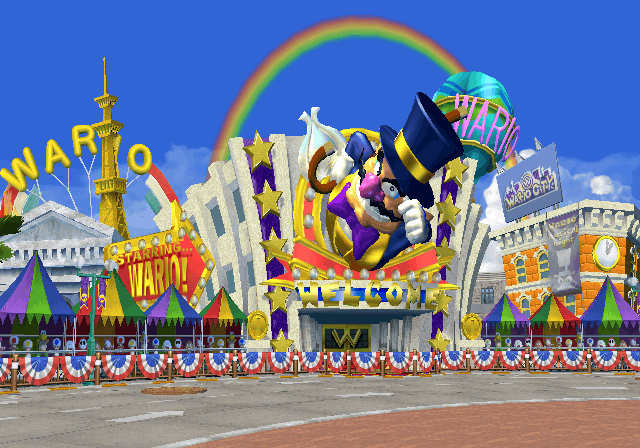
Preview Image
Japan |
America |
|---|---|
 |
 |
 |
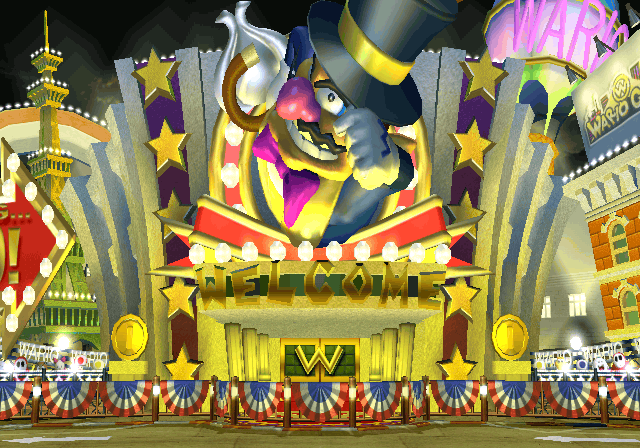 |
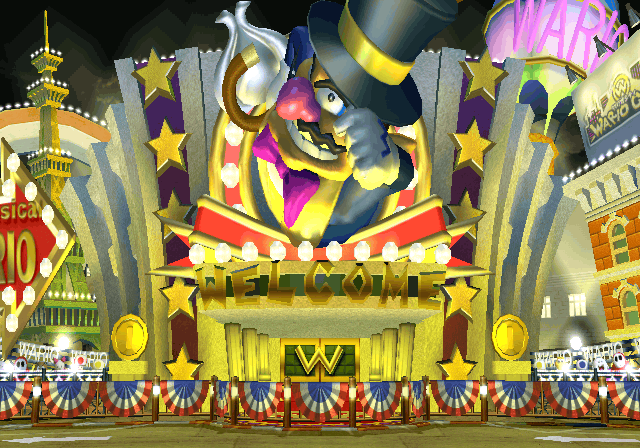
The preview images for Wario City was changed between both versions to accommodate the differences seen in the stadium.
Order Decide Coin#
|
Japan |
America |
|---|---|
|
|
|
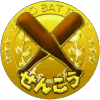
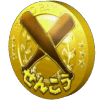


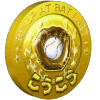
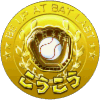
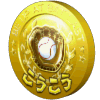


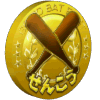








When starting a game in Exhibition, the coin that spins deciding the order in the Japanese version has additional text which was removed in the American version. In the Japanese version, the side of the coin with the bats has text translating to "Batting First", while the side with the glove reads "Pitching First". The sides of the coin also contain text, with the bat side reading "BE UP AT BAT FIRST", while the glove side reads "BE UP AT BAT LAST".
Batting & Fielding Calls#
Japan |
America |
|---|---|
 |
 |
 |
 |
 |
 |
 |
 |
 |
 |
 |
 |
 |
 |
 |
 |
 |
 |
 |
 |
 |
 |
 |
 |
 |
 |
 |
 |
Unlike Mario Superstar Baseball, the batting and fielding calls in the American version is one text graphic for each call instead of separate graphics for each letter. The animations for each character in the Japanese version of the calls reuse their animations from Mario Superstar Baseball, like the to (ト) character in the "Out" call slightly tilting downwards, and each character in the "Change" call rolling away.
Messages#
In-Play Messages
Japan |
America |
|---|---|
 |
 |
 |
 |
 |
 |
The small in-play messages that appear during a play are simply one graphic for each message in the American version, instead of being separate graphics for each letter, like in Mario Superstar Baseball. Just like the batting and fielding calls, the Japanese version of the messages reuse their animations from Mario Superstar Baseball.
Homerun Messages
Japan |
America |
|---|---|
 |
 |
 |
 |
 |
 |
 |
 |
 |
 |
 |
 |
 |
 |
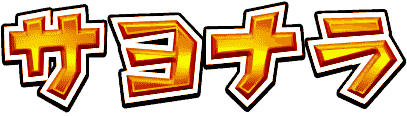
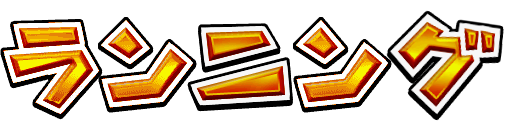
Again, unlike Mario Superstar Baseball, the homerun messages in the American version is one text graphic for each word instead of separate graphics for each letter. But aside from the translations, the American versions of the homerun messages added a dash for getting a 2 and 3-run homerun, and an exclamation mark was added for the HOMERUN! graphic.
Also between versions, the message for getting a walkoff grand slam in the American version mistakenly uses the HOMERUN! graphic briefly in place of GRANDSLAM!
RBI Chance!
|
Japan |
America |
|---|---|

|

|
During the events of an RBI Chance, the Japanese version has curved text reading CHANCE! This was changed to read RBI CHANCE! in the American version. The transitions for the team logo, the text, and between camera angles are different between both versions.
Game Start & End Messages
Japan |
America |
|---|---|
 |
 |
 |
 |
 |
 |
 |
 |
Yet again, unlike Mario Superstar Baseball, the game start and end messages in the American version is one text graphic for each word instead of separate graphics for each letter.
MVP#
|
Japan |
America |
|---|---|

|

|
When winning a game, the MVP is known as the HERO in the Japanese version, just like in Mario Superstar Baseball.
|
Japan |
America |
|---|---|

|

|
The box score icons were also changed from text saying HERO! in the Japanese version, to a microphone icon in the American version.
Challenge Mode#
Stadium Map Names#
|
Japan |
America |
|---|---|
|
|
|
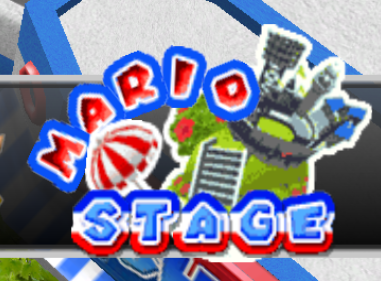
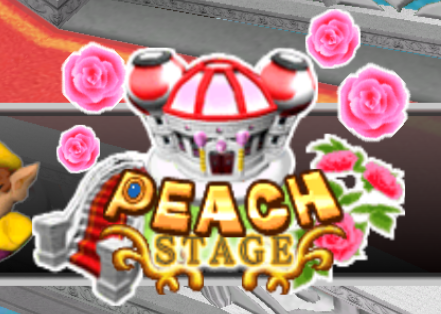
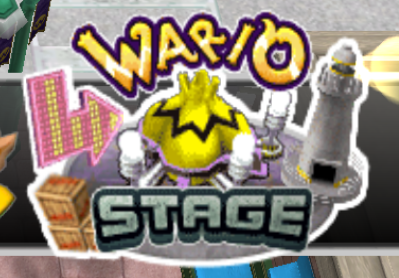
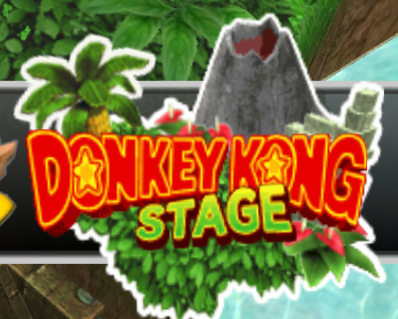
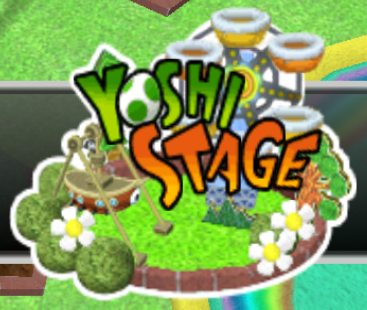
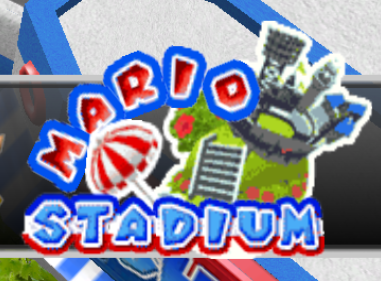
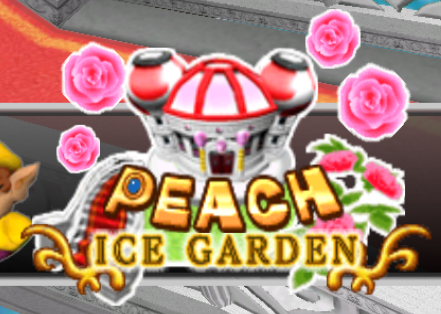
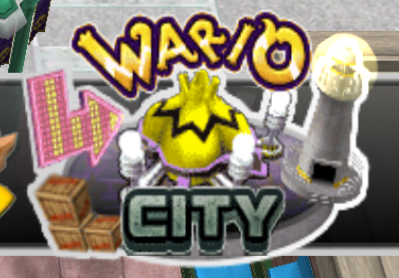
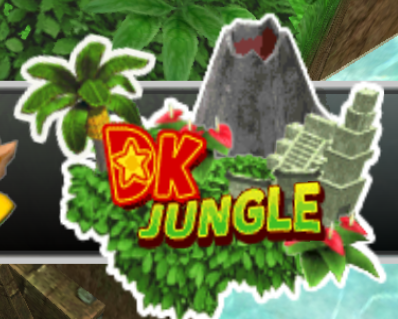
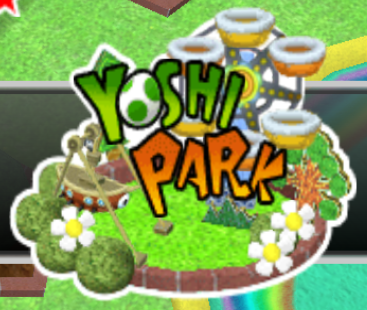
In Challenge Mode, The names for the stadiums in the Japanese version has their subtitles replaced with STAGE. The logo for DK Jungle in the Japanese version spelled out Donkey Kong's full name, instead of it being abbreviated to DK.
Scout Mission#
Oops!
|
Japan |
America |
|---|---|

|

|
In a scout mission, failing an objective will show the message BAD in the Japanese version. A little too harsh on the player, wouldn't you say? This was changed to say Oops! in the American version.
Clear! Message
|
Japan |
America |
|---|---|
|
|
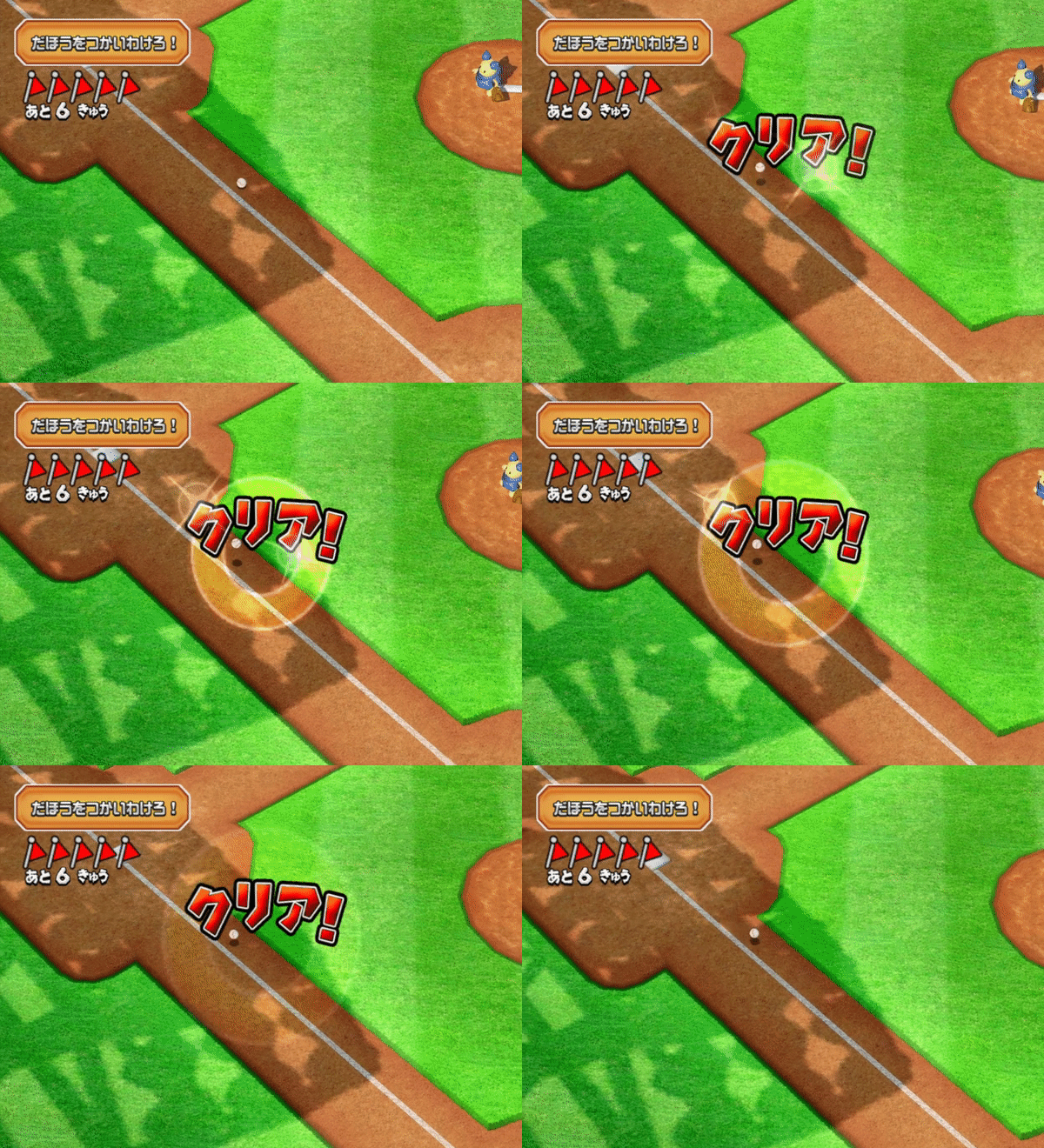
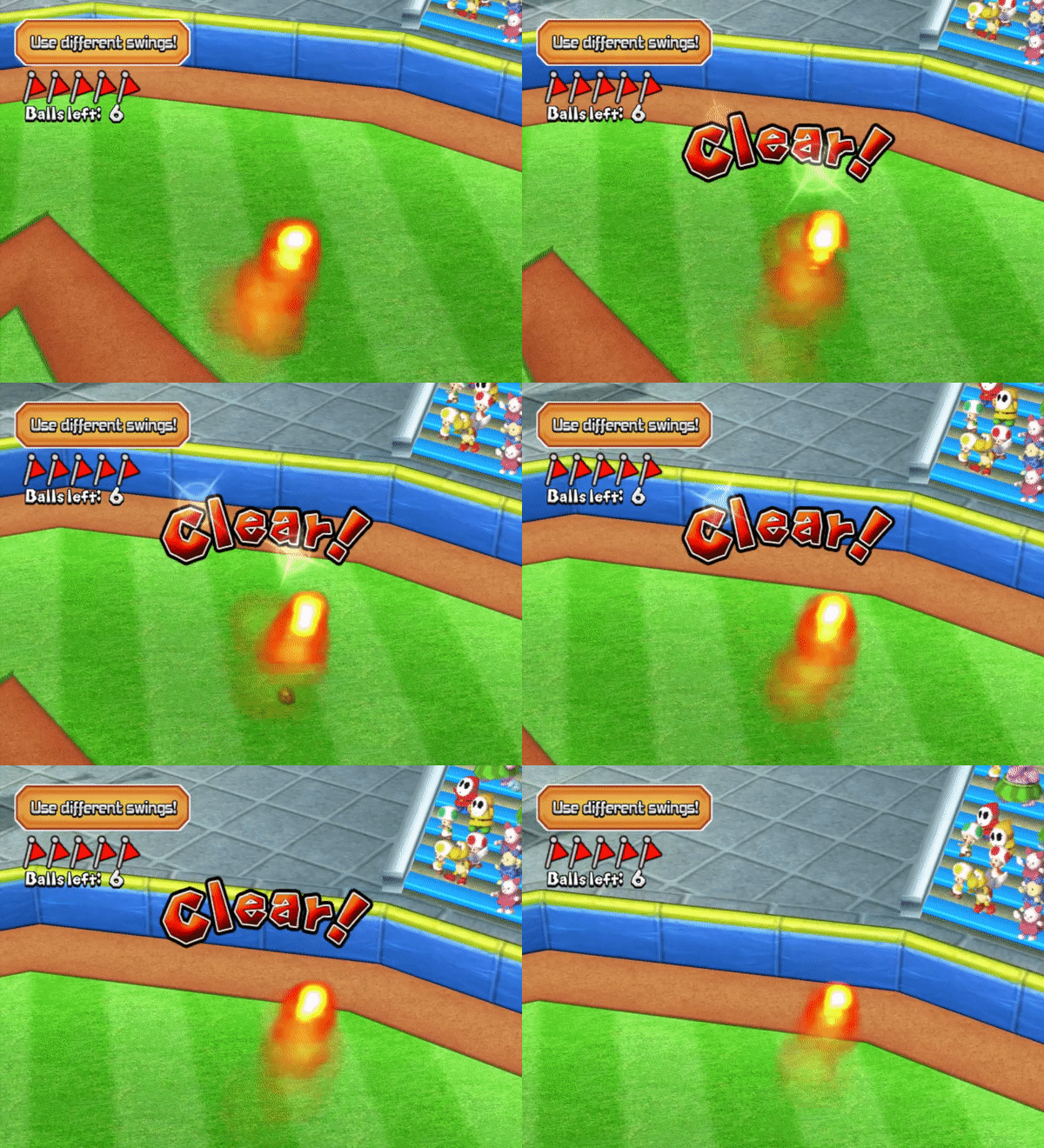
When clearing a scout mission, the Japanese version of the "Clear!" message has an additional glowing O behind it. In Japan, an O is usually the equivalent of a checkmark, marking something as correct. This was removed in the American version. Like the fielding text, the "Clear!" graphic is one graphic for the word in the American version, instead of being multiple graphics for each letter in the Japanese version.
Minigames#
Minigame Names#
The names of the minigames were changed from the Japanese version. Most notably, Minigame Madness is called Mario Grand Prix, like in Mario Superstar Baseball.
Japanese Name |
English Name |
|---|---|
Fireworks (はなび) |
Bob-omb Derby |
Ice Block Shot (アイスブロックショット) |
Wall Ball |
Pakkun Panic (パックントロッコ) |
Piranha Panic |
Jewel Catch (ジュエルキヤッチャー) |
Gem Catch |
Barrel Crash (バレルクラッシュ) |
Barrel Basher |
Wild Gesso (ワイルドゲッソー) |
Blooper Baserun |
Ghost Shot (ゴーストショット) |
Ghost K |
Magical Graffiti (まほうのラクガキ) |
Graffiti Run |
Castle Pinball (キヤッスルピンボール) |
Bowser Pinball |
Mario Grand Prix (マリオグランプリ) |
Minigame Madness |
You Rank!#
|
Japan |
America |
|---|---|

|

|
When ranking in a minigame, the text that appears reads RANK IN!, in the Japanese version. This was changed to read YOU RANK! in the American version.
Minigame Madness Rankings#
|
Japan |
America |
|---|---|
|
|
|


In Minigame Madness, the S, SS, and SSS ranks in the Japanese version were replaced by A+, A++, and A+++ in the American version.
Toy Field#
Logo#
|
Japan |
America |
|---|---|

|

|
In the Japanese version, the logo for Toy Field has the Japanese name written above the green FIELD text. The logo is also slightly darker than the American version.
Intro#
Japan |
America |
|---|---|
|
|
 |
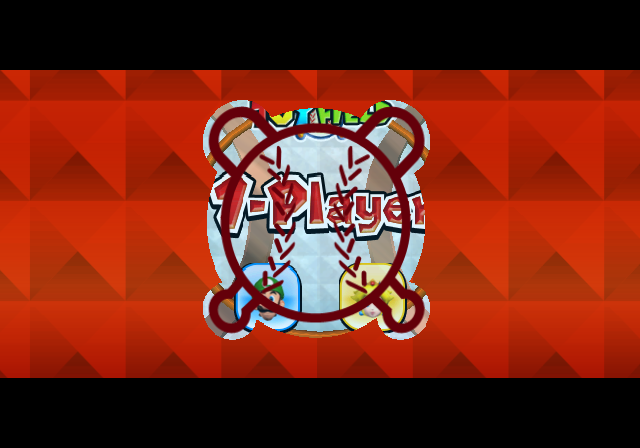 |




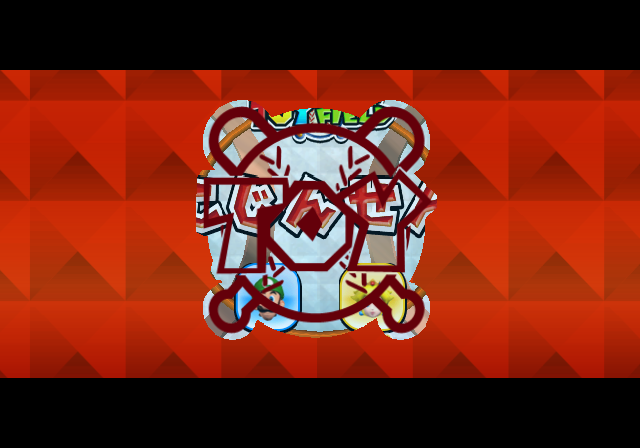
The intro cutscene of Toy Field in the Japanese version has the word TOY, in the silhouette of the Toy Field logo, which was changed in the American version to not include it.
Stadium#
Japan |
America |
|---|---|
 |
 |
 |
 |
 |
 |
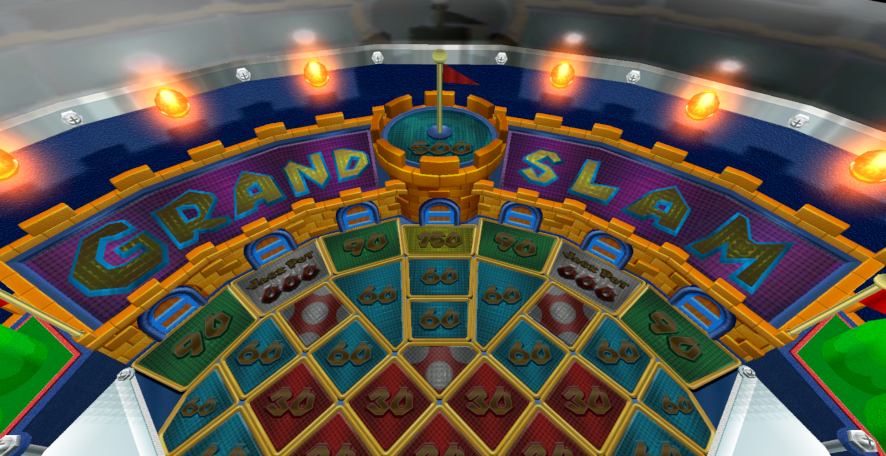
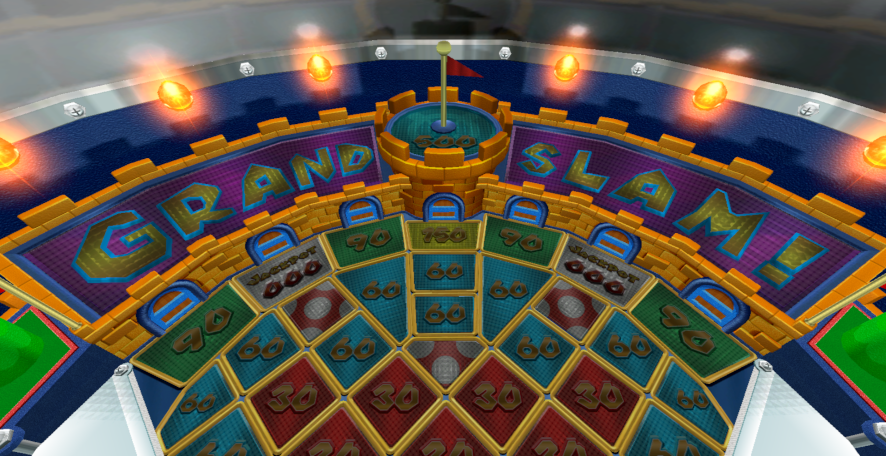
- The GRAND SLAM panel in the Japanese version above the doors had an exclamation mark added in the American version.
- The American version removes the erroneous space in "Jackpot".
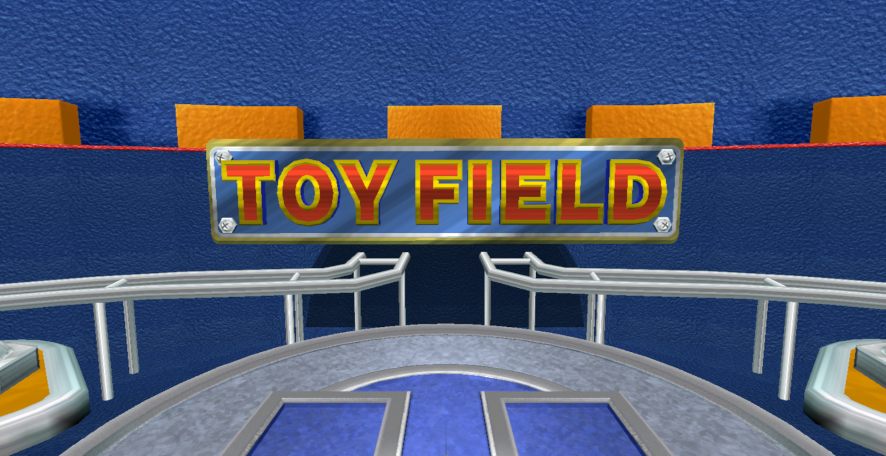
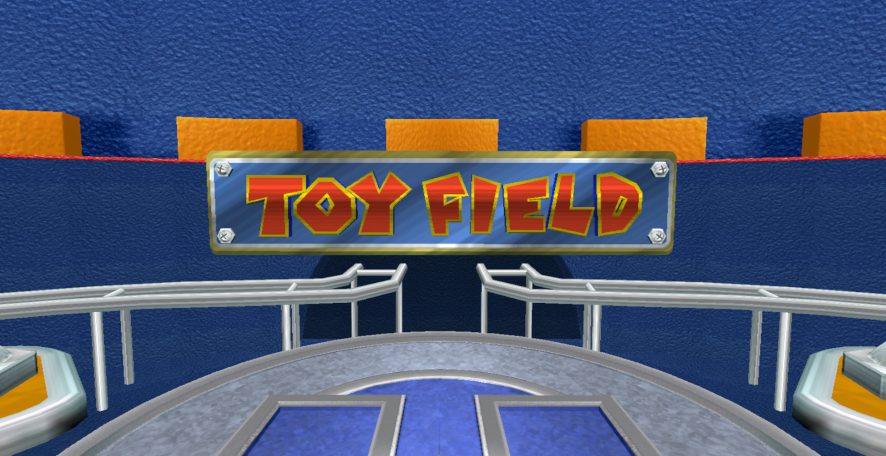
- The TOY FIELD sign behind home plate uses a different font in the Japanese version, which was changed to use the Super Mario font in the American version.
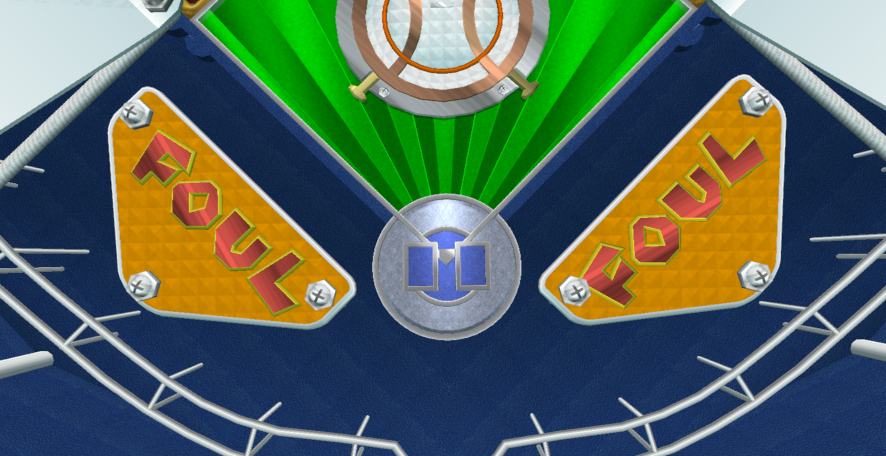
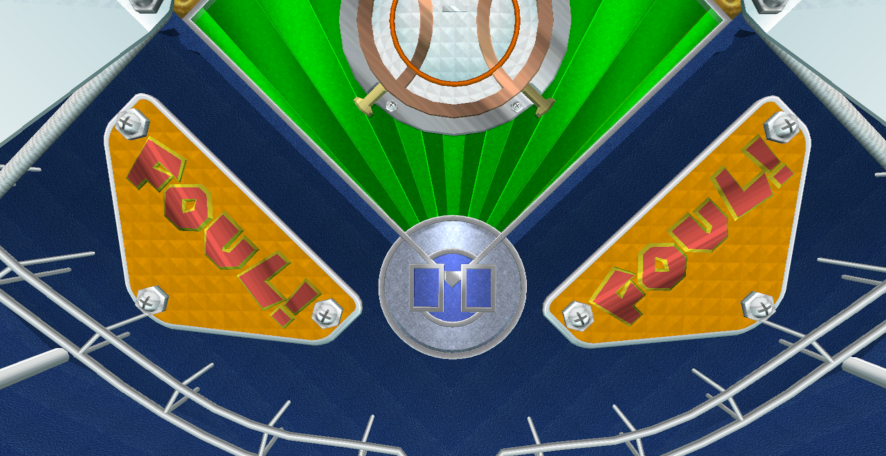
- The FOUL panels in the American version added an exclamation mark at the end, as well as making the text thicker than the Japanese version.
Doors#
Japan |
America |
|---|---|
 |
 |
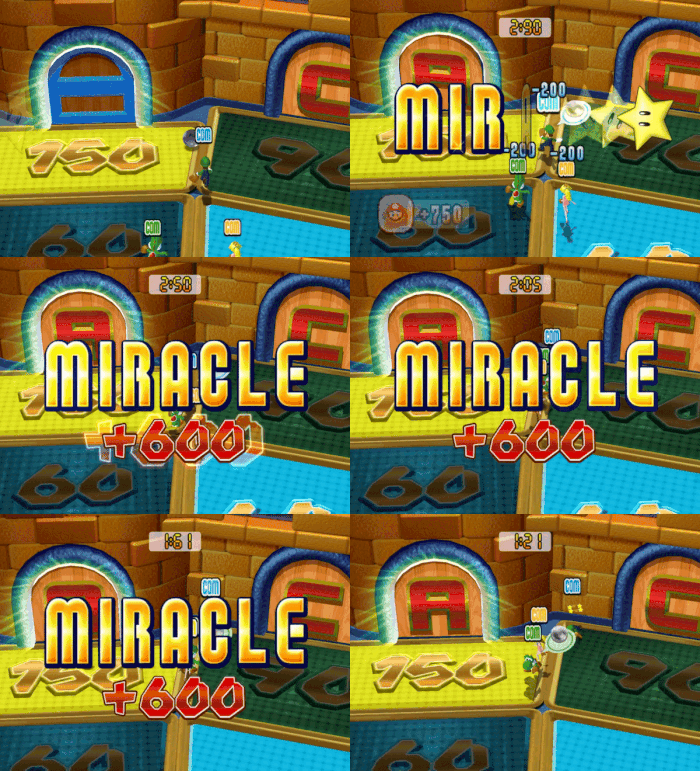
To be consistent with the localization of Mario Superstar Baseball, the words the doors spell out was changed from MIRACLE (referencing the first game's Japanese subtitle, Miracle Baseball) to HOMERUN in the American version.
Japan |
America |
|---|---|
 |
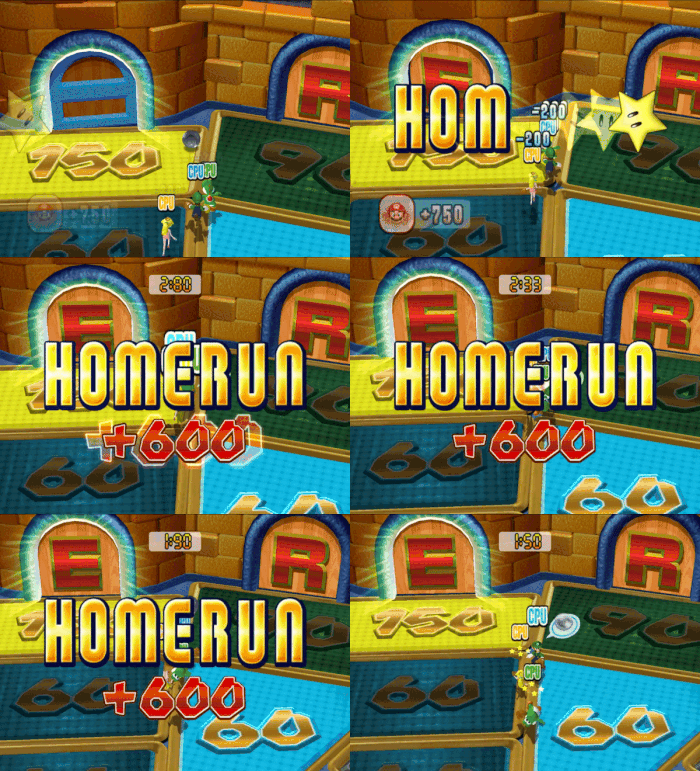 |
The message when hitting all the doors was also changed in both versions.
Records#
Former MVP's#
|
Japan |
America |
|---|---|

|

|
Just like in Exhibition mode, an MVPs is known as the HERO in the Japanese version. Compared to the HERO! graphic seen in Exhibition mode, the Japanese version of the icon is smaller, and has the letters a bit smaller.
Movie List#
Cutscenes#
Japanese Name |
English Name |
|---|---|
オープニング ムービーA (Opening Movie A) |
1st Movie |
オープニング ムービーB (Opening Movie B) |
2nd Movie |
エンディング ムービーA (Ending Movie A) |
3rd Movie |
エンディング ムービーB (Ending Movie B) |
4th Movie |
スタッフロール (Staff Roll) |
Staff Credits |
The names of the cutscenes in the Movie List were changed between the Japanese and English versions.
Staff Credits#
|
Japan |
America |
|---|---|

|

|
In the Japanese version, the clapperboard icon reads STAFF ROLL, which was changed to read Staff Credits in the American version.
Audio Differences#
Birdo#
|
Japan |
America |
|---|---|
|
"Catherine!" |
"Birdo!" |
Since Birdo is known as Catherine in Japan, that means her character select voice naturally differes between regions. The Japanese version has her say "Catherine!" when selected, while the American version has her say "Birdo!" instead. This is similar to Mario Superstar Baseball, and Mario Kart: Double Dash!!, as Birdo in those games had her select dialogue changed the same way.
Lakitu#
Lakitu uses a different low-toned voice in the Japanese version, which was changed in the American version to sound more high-pitched heard in Lakitu's previous appearances. Lakitu is voiced by Dex Manley in the American version while Scott Burns voices him in the Japanese version.
|
Japan |
America |
|---|---|
|
"プレイボール!" "ストライク!" "ボール!" "アウト!" "フエア!" "セーフ!" "ファウル!" "チェンジ!" "フォア!" "デッドボール!" "エンタイトル2ベース!" "インフィールドフライ!" "ゲームセット!" (Laughs) "Yeugh..." "Uhh!?" "おめでとうございます!" |
"Play Ball!" "Strike!" "Ball!" "Out!" "Fair!" "Safe!" "Foul!" "Change!" "Walk!" "Bean Ball!" "Ground-Rule Double!" "Infield Fly!" "That's the Game!" (Laughs) "Ughh..." "Huh!?" "Congratulations!" |
Internal Changes#
- dt.dat (The file that holds all of the game's resources such as textures, models, etc.), was renamed to dt_na.dat in the American version. The .dat file in the Japanese version is 566,971 KB, while the one in the American version is 698,288 KB, to make room for the content seen in the Spanish and French translations.
- The sound folder which holds the game's music and sound effects was renamed to sound_NA in the American version.
- The filename for the blimp seen in the main menu was changed between the Japanese and American versions, being hikousen in the Japanese version, and hikousen_na_fr_sp in the American version.
- The model for the Wario City map in Challenge Mode (wariomap), was renamed to wariomap_en in the American version of the game. This is due to the American version having three other versions of the map for the French and Spanish versions of the game (wariomap_fr and wariomap_sp respectively).
- The music for the Wario City stadium in the Japanese version is extended for an extra 30 milliseconds. This extended duration for the song was removed from the American version. Additionally, the sound file for the music was changed between both version, with the Japanese version of the file being called bgm_st_wario.brstm, and the American version calling it bgm_st_wario_us.brstm.
|
Japan |
America |
|---|---|