 This article has a talk page!
 Concepts & IdeasWhat helped make Sonic who he is now.
Builds#
1990
 February 1990Japanese news footage of Sega R&D that includes a brief glimpse of an extremely early build.
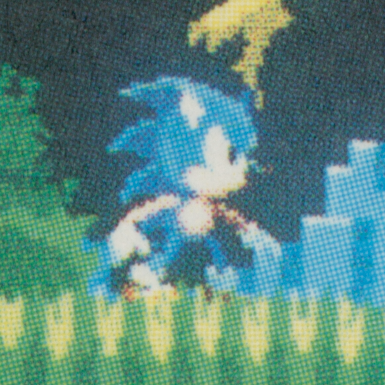 1990 Tokyo Toy ShowThe famous demo build, and the game's public debut - sadly, now presumed lost.
 Pre-WCES BuildsConsiderably more fleshed out than the TTS build, but still typical early builds.
1991
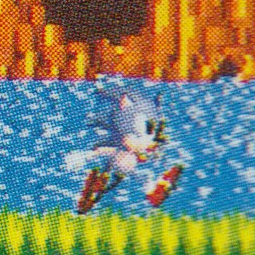 WCES BuildMinor refinements relative to the previous builds, though still far from complete.
 GPSGSG BuildGreen Hill's sunflowers now have green centers instead of pink ones, plus some other changes from earlier builds.
 USA Manual BuildAlmost everything has been finalized at this point, but a few differences remain.
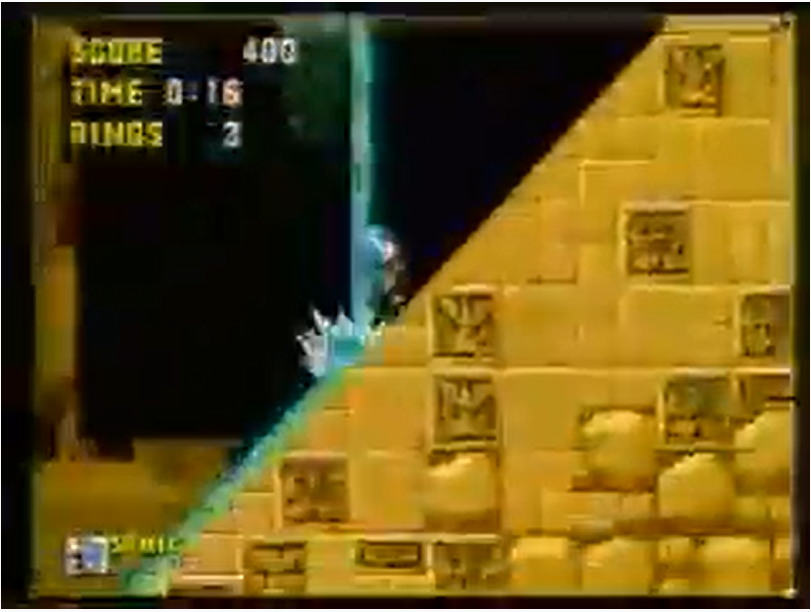 Game PV FootageDespite this build being very close to the US release, it retains leftovers from earlier late builds.
General Differences#
Sonic#
Prerelease |
Prototype |
|---|---|
 |
 |
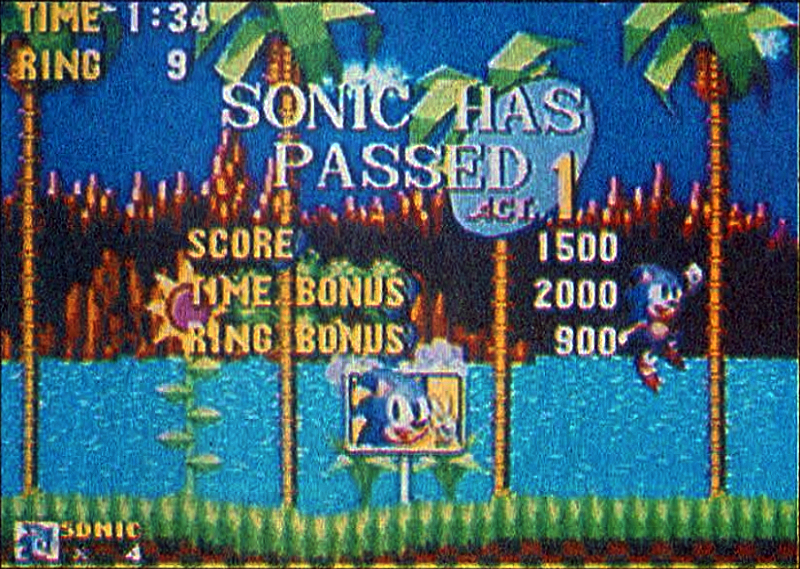
During much of the game's development, Sonic could not run off the screen at the end of an Act (similarly, but not identically, to how the 8-bit versions behave). Instead, Sonic would fist-pump the air if the player jumped after clearing the signpost. The animation was still present as late as the Shinsaku Soft Video build, and the relevant sprites are still in the final game.
Title Screen/Level Select#
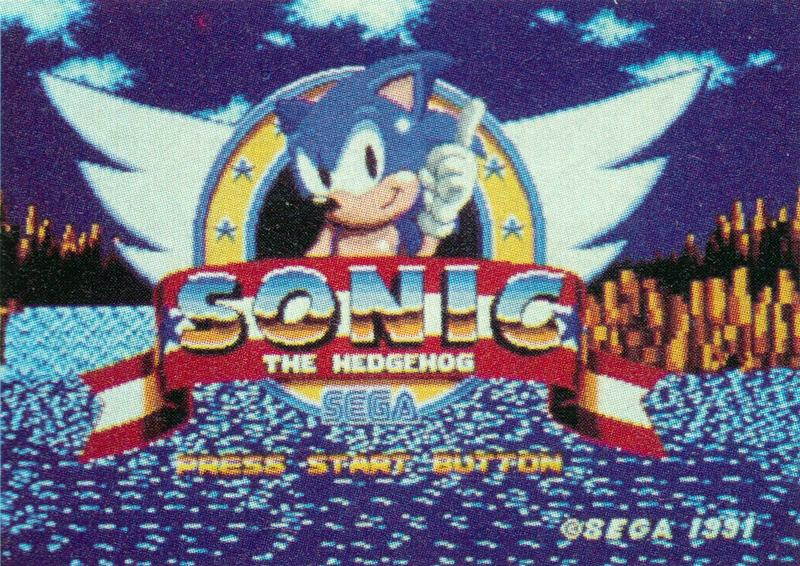
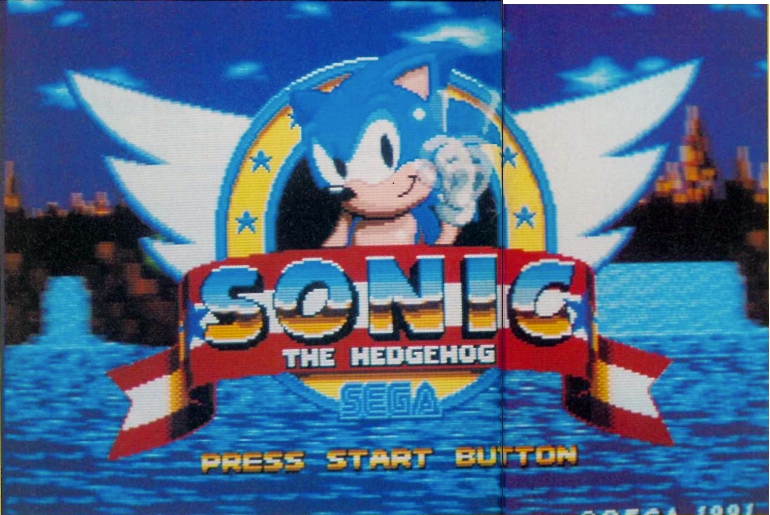
Tokyo Toy Show |
Early Prerelease |
Later Prerelease |
|---|---|---|
 |
|
 |
Prototype |
Final |
|---|---|
 |
 |
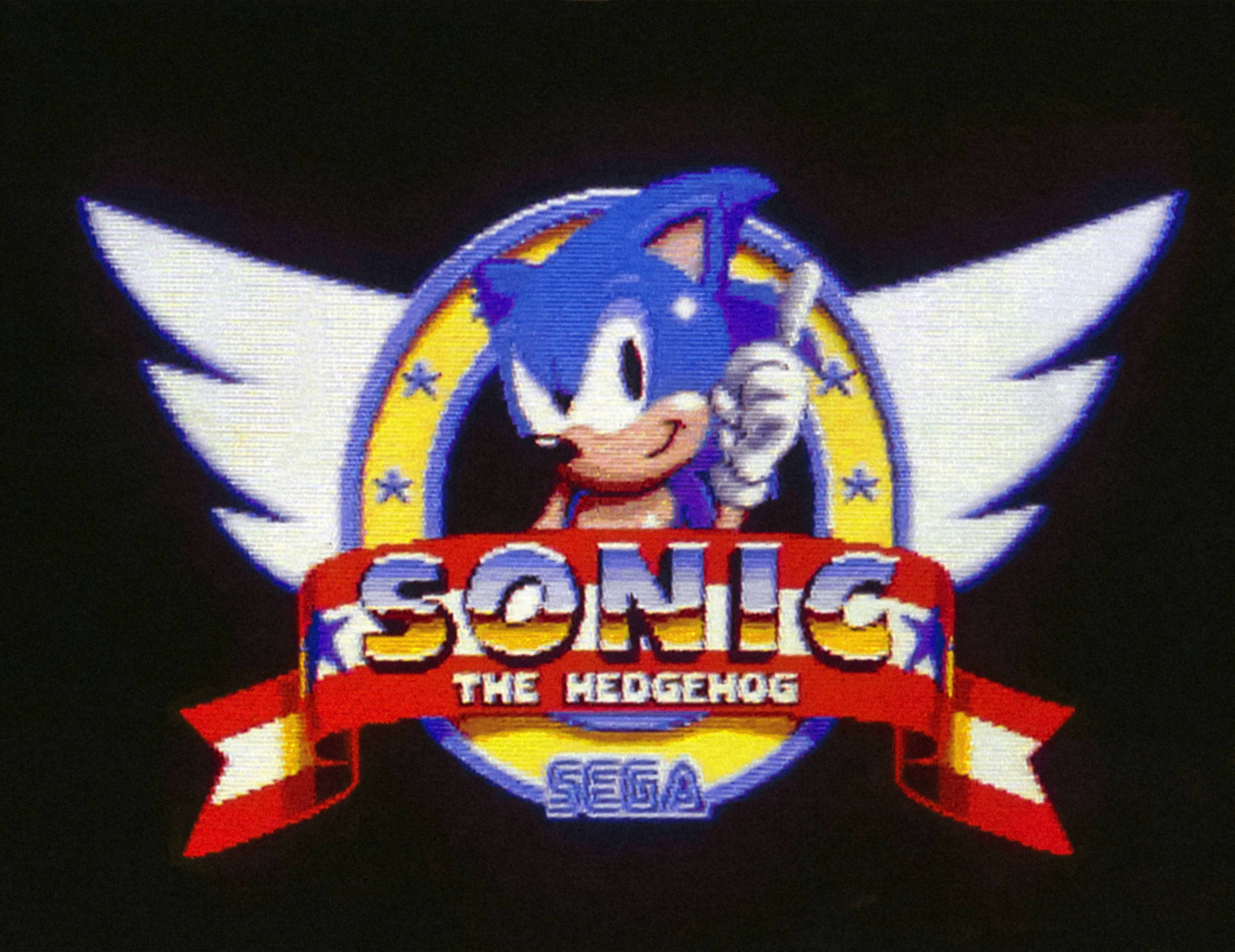
The title screen of the build shown at the Tokyo Toy Show has a smaller banner (and "SONIC" text). (Interestingly, this title screen heavily resembles the one from the 8-bit versions.) Since the title screen shares the same art/palettes as Green Hill, it used to have the differently detailed background in early pre-release materials before it got adjusted to resemble the final's background not too long afterwards.
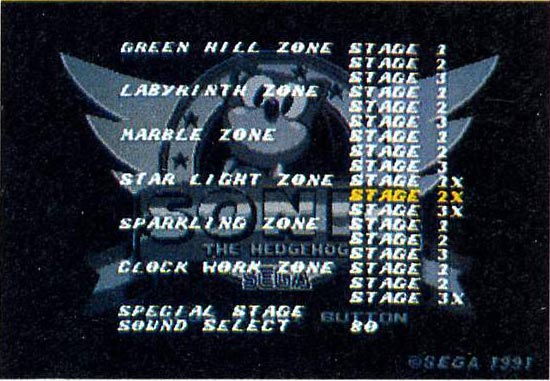
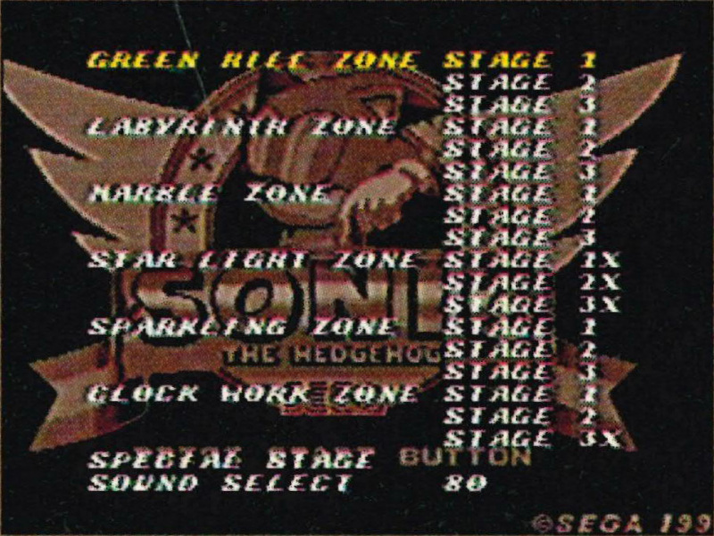
Early Prerelease |
Later Prerelease |
|---|---|
 |
 |
Prototype |
Final |
|---|---|
 |
 |
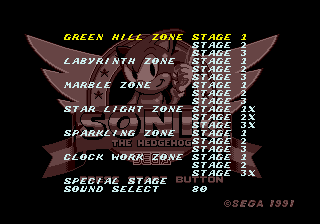
Some acts have Xs listed after them (possibly to mark if they were incomplete), and Final Zone is missing from the list. It's possible that Scrap Brain/Clock Work Act 3 had the boss fight in it, similar to the other Acts. The stage select text is positioned upwards, too, possibly because of the lack of slots like Final Zone.
Other#
Many prerelease pictures have the HUD display the Ring counter as "RING" instead of "RINGS".
Prerelease |
Prototype |
Final |
|---|---|---|
 |
 |
 |
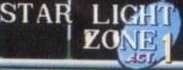
The title cards had a minor addition in the prerelease photos: a small period can be seen after "ACT".
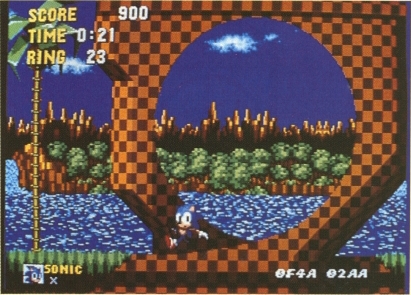
A couple of prerelease screenshots show an early version of Debug Mode, where numbers indicating Sonic's position are shown at the bottom of the screen (and replace the lives counter).

In addition, BallHogs originally faced the screen and walked similarly to Crabmeat.
Sega Music Collection#
Watch on YouTubeThree alternate versions of Sonic tracks appeared as part of Sega Music Collection, a collection of BGMs from several Mega Drive titles which was distributed digitally in Japan via the Sega Game Toshokan dial-up service.
As heard in this videotape recording of a user's online session with the service, this version of Green Hill's BGM matches the recording of the Tokyo Toy Show '90 demo music, and all three tracks match the BGM for the Tera Drive store demo.
All three tracks have noticeable differences compared to the final game's BGM.
[4:26] "BGM1" (Green Hill Zone)#
- Much faster tempo.
- Missing the descending arpeggio in the intro, and the synth chords.
- The overall arrangement is a bit barren compared to the final BGM.
[5:31] "BGM2" (Special Stage)#
- Slower tempo.
- The melody line is played by two detuned FM voices at the same midrange octave, resulting in a mellower sound. (The final version's melody transposes FM channel #6 up one octave, to play intervals.)
[6:26] "BGM3" (Sparkling Zone)#
- Slightly slower tempo.
- Livelier kick drum programming.
- No noise channel imitating a shuffle hi-hat.
In addition, both tracks with DAC drums ("BGM1" and "BGM3") have the original kick and snare tuning as heard in the TTS '90 demo, the Tera Drive store demo, and the Sega Shinsaku Soft Video build.
Zone Differences#
Green Hill Zone#
Prerelease |
Prototype |
Final |
|---|---|---|
 |
 |
 |
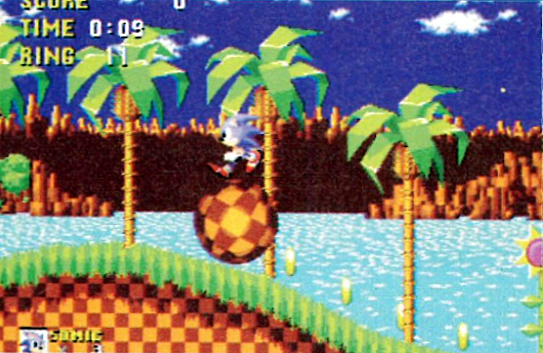
A large boulder was planned to have been at the beginning of Green Hill Zone, which would have chased after Sonic (more info in the Videos section). While the boulder was removed from the final game, the idle sprite was kept and used as part of Robotnik's Egg Mobile-H. In addition, the boulder can be selected using debug mode, although it can't be placed. In the 2013 mobile release, while the boulder still goes unused, it actually can be placed in debug mode and behaves faithfully to the original idea. It can also be placed like this in Sonic Mania's Green Hill Zone.
Prerelease |
Prototype |
Final |
|---|---|---|
|
 |
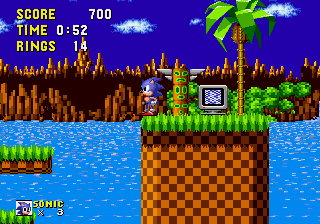 |
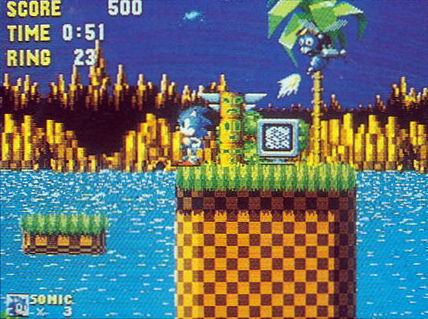
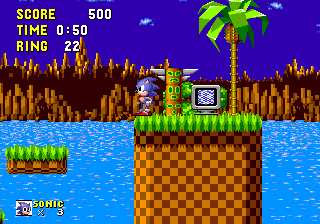
The background for Green Hill used to have front mountain tiles that were detailed in a similar fashion to the back mountains in early pre-release materials. This was changed later in development and later pre-release materials to resemble the final version's background.
Prerelease |
Prototype |
Final |
|---|---|---|
 |
 |
 |
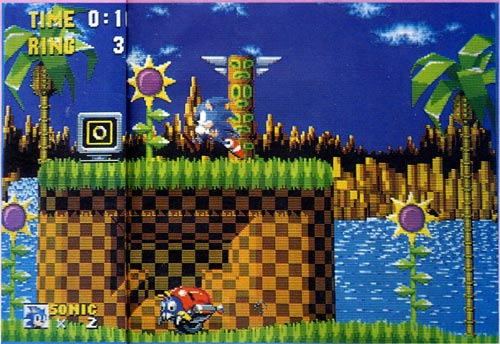
The sunflowers seen in Green Hill were initially purple, but were changed to green in the final game. They still use their original palette in the game's ending, however.
Prerelease |
Prototype |
Final |
|---|---|---|
 |
 |
 |
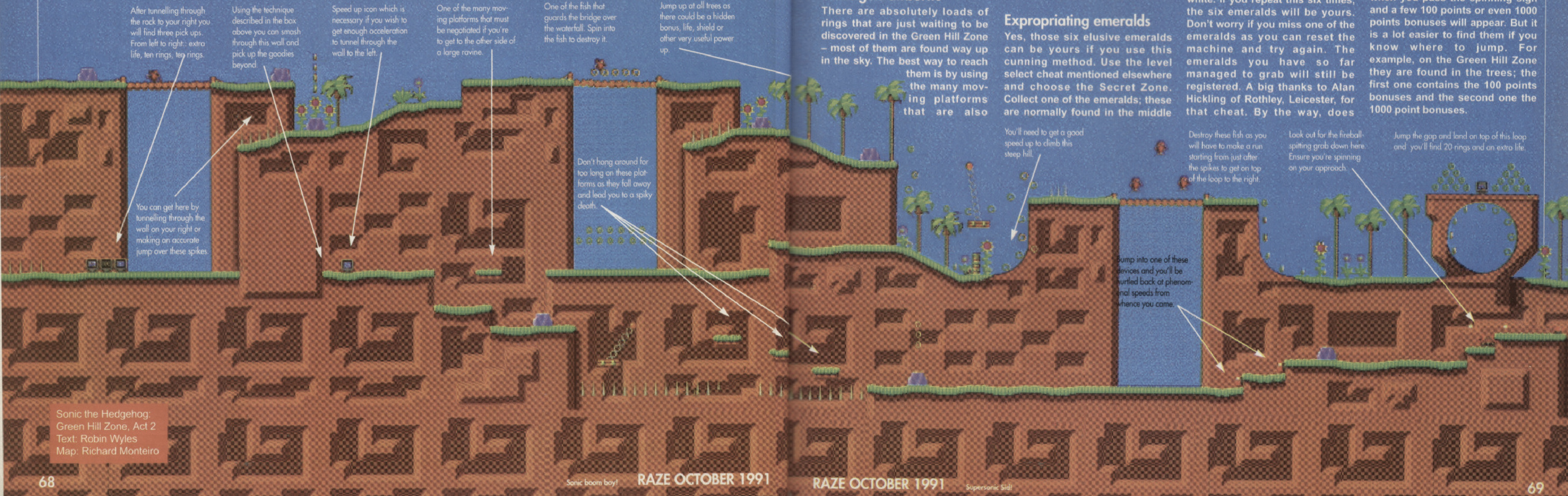
In Green Hill Zone Act 2, in the place where you break through a wall to get three monitors, the Shield Monitor was once an Extra Life one.
(Source: Raze UK Issue 12)
The prerelease build shown here seems to have special stages, but no big rings, as it states to use the level select cheat to get the Chaos Emeralds.
Prerelease |
Prototype |
Final |
|---|---|---|
 |
 |
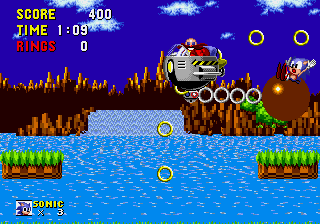 |
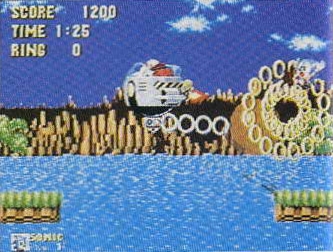
Robotnik originally didn't laugh when he dropped the checkered ball or hit the player. It seems like he lacked the laughing animation at this point in development.
Marble Zone#
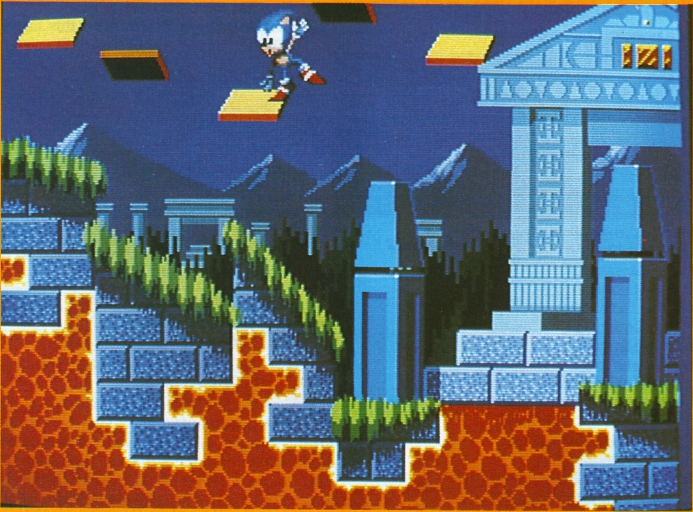
This well-circulated image depicts a version of Marble Zone not seen in any other prerelease coverage, with flipping platforms, a more segmented ground, chunkier lava, and larger ruins.
Based on the improbable camera position and lack of HUD, this "screenshot" is probably a mockup - at the time, a typical method for publishers to release compelling images of games still in early development.
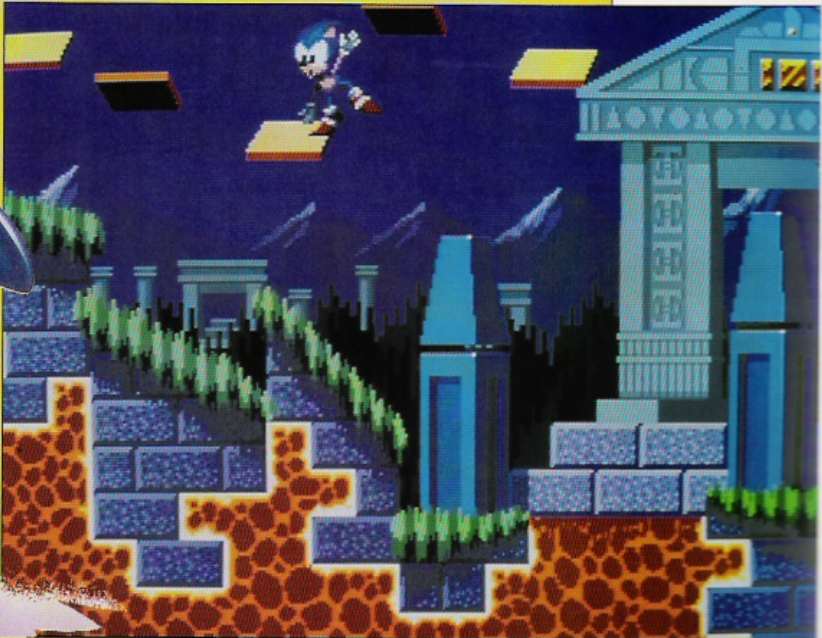
An alternate scan of the above.
Early Prerelease |
Later Prerelease |
|---|---|
 |
 |
Prototype |
Final |
|---|---|
 |
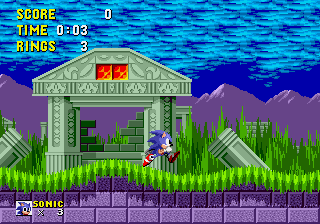 |
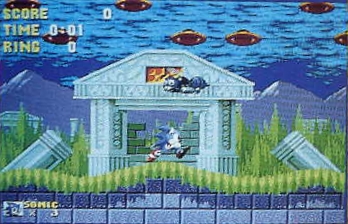
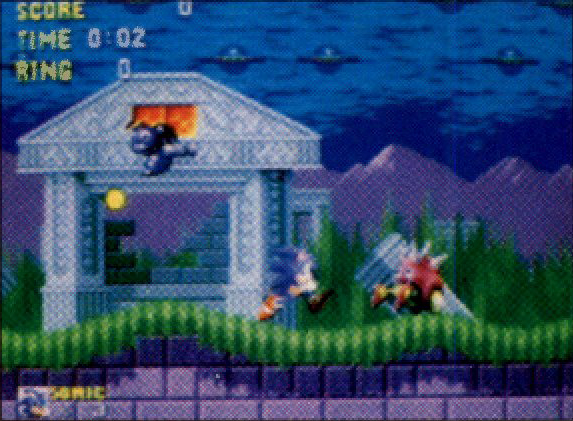
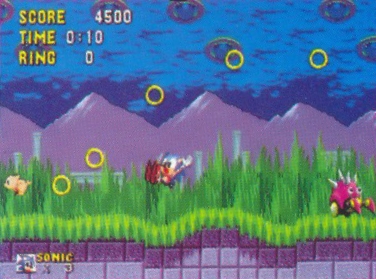
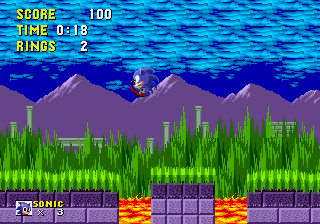
In many prerelease screenshots, and in the background of a scene in the movie Wayne's World, UFOs are seen spinning in the sky in Marble Zone. Being red early on, they were changed to a green and blue look until they were removed from the game in the final version. In the 2013 port, they were added in debug mode and function flawlessly. In Sonic Mania, similar graphics are used for the lampposts in Studiopolis Zone.
The first three rings in Act 1 are also absent and replaced with a Buzz Bomber and a Yadorin.
Prerelease |
Prototype |
Final |
|---|---|---|
 |
 |
|
Spikes was also planned to be in the zone in place of Caterkiller and can be still be spawned there with debug mode in the final game. In addition, this area's moving platform was changed.
Prerelease |
Prototype |
Final |
|---|---|---|
 |
 |
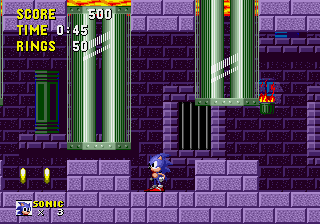 |
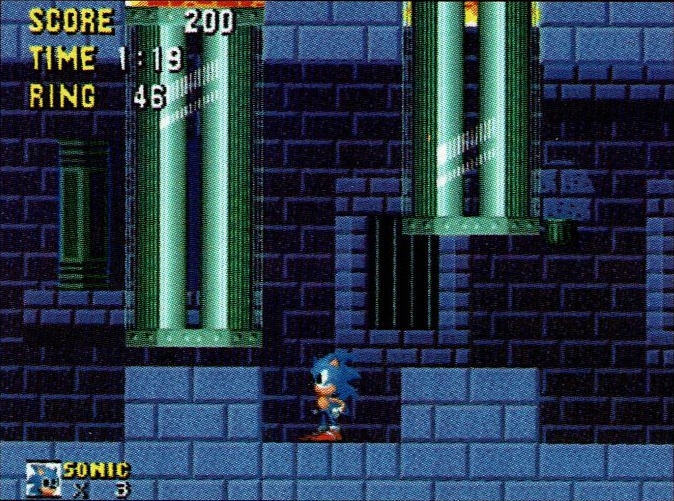
In this screenshot, the background is positioned higher up and lacks rings. The lava has a less polished appearance, too.
Prerelease |
Prototype |
Final |
|---|---|---|
 |
 |
 |
This screenshot show Act 2 with a monitor before the lava flow. This monitor is not there in the final game.
Prerelease |
Prototype |
Final |
|---|---|---|
 |
 |
 |
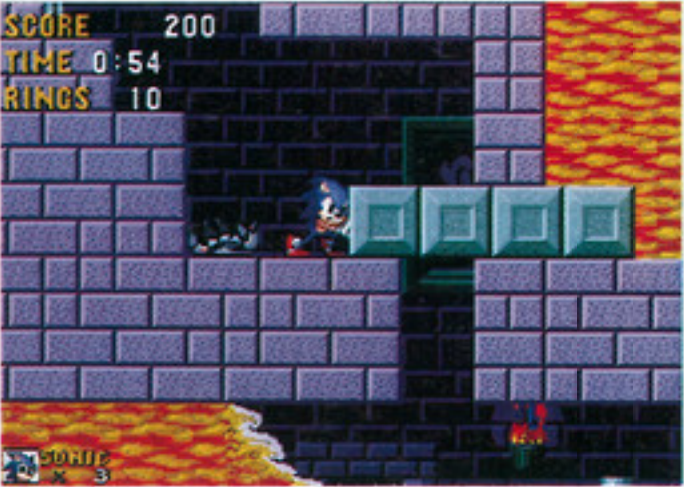
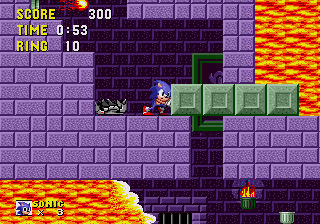
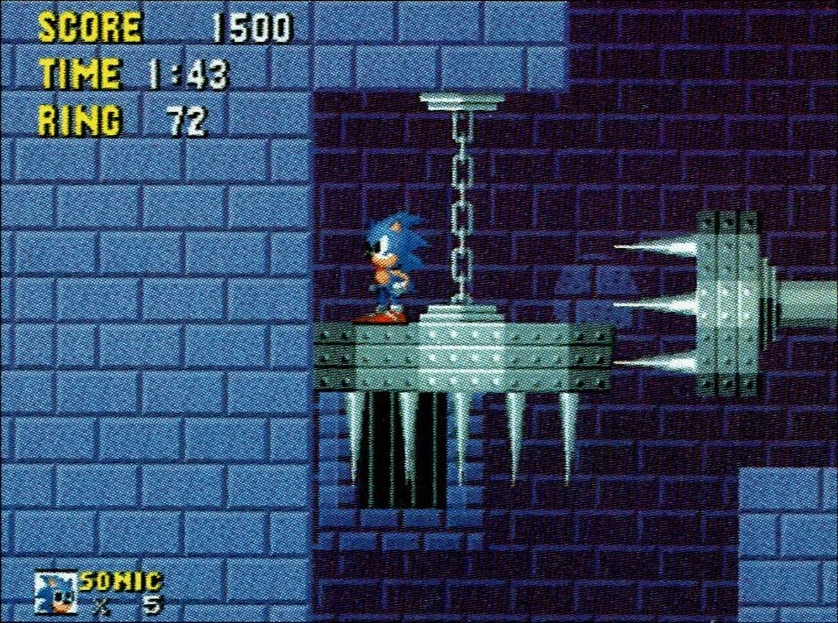
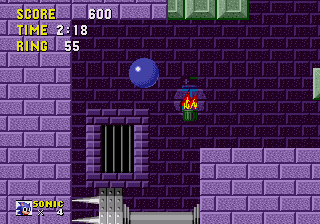
An early screenshot of the end of Marble Act 1 shows an unused, sideways variant of the "spike chandelier". It was replaced in the final game with the moving green blocks seen throughout the level. The object itself wasn't removed, however, and will properly work if placed back into the Zone using a level editor. The used spike chandelier was made smaller for the final game, and flames were added to the torch in the background.
Prerelease |
Prototype |
Final |
|---|---|---|
 |
 |
 |
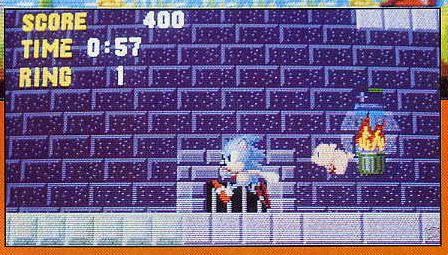
This screenshot of Marble Act 3 shows a broken animation of the fire from the torch in the background. Note that the animal that appears in this zone in the final is not Picky (the pig) but rather Ricky (the squirrel), possibly due to the zone order being rearranged.
Spring Yard/Sparkling Zone#
Prerelease |
Prototype |
Final |
|---|---|---|
 |
 |
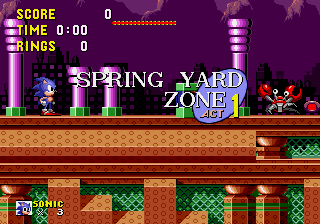 |
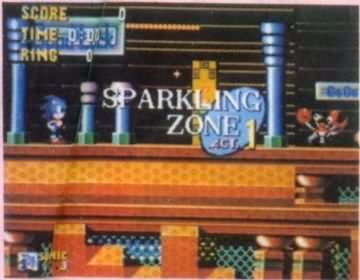
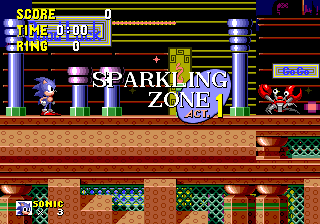
Early in development, Spring Yard had a completely different look and was called Sparkling Zone. The foreground was the same and was left relatively unchanged, but the background showed a large city with flashing lights and signs. In addition, the pillars seen throughout the level were originally colored both purple and blue.
Earlier Prerelease |
Prototype |
|---|---|
 |
 |
Later Prerelease |
Final |
|---|---|
 |
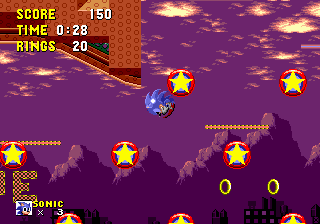 |
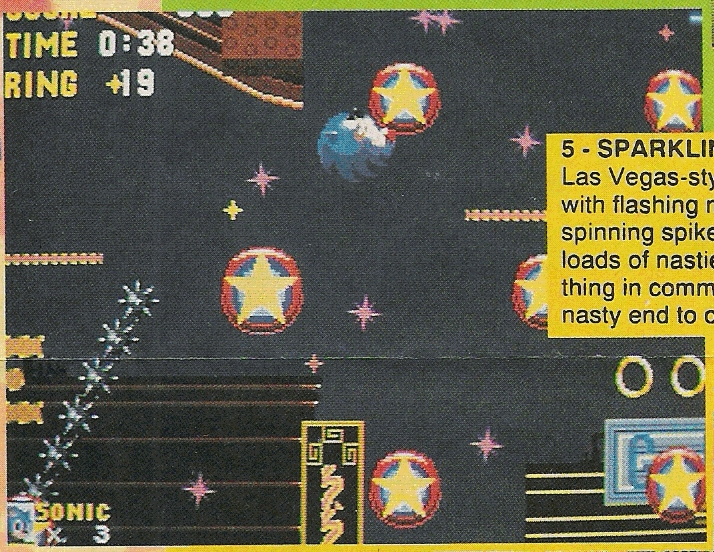
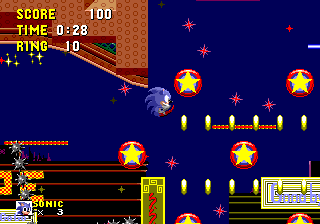
This area near the starting point in Act 1 once had spiked balls spinning around the bumper, presumably removed due to making the part too difficult. Interestingly, this obstacle was kept when Sparkling was changed into Spring Yard (although the length of the spiked balls was changed from 6 to 5), possibly because the level order wasn't changed yet, which means that the difficulty in the zones had not been tweaked yet.
Prerelease |
Prototype |
Final |
|---|---|---|
 |
 |
 |
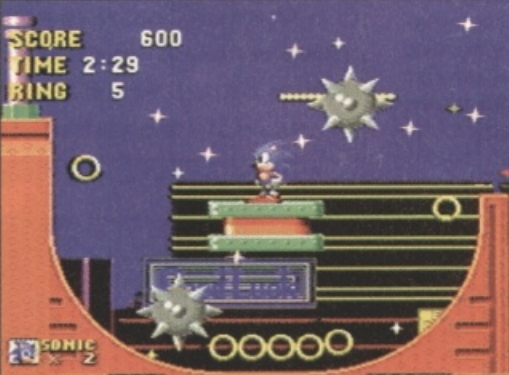
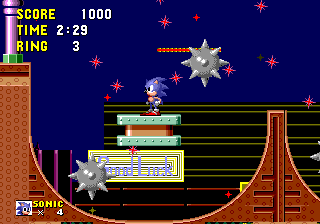
In this shot, the sparkles can be seen in the background, as well as the lack of some rings.
Prerelease |
Prototype |
Final |
|---|---|---|
 |
 |
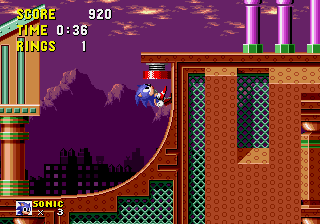 |
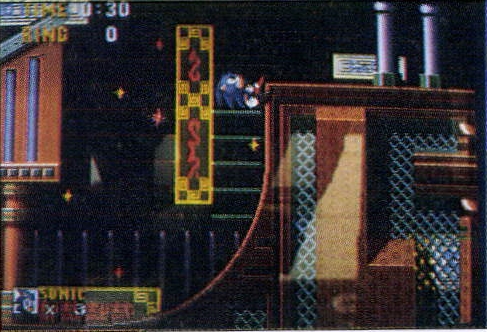
Spring Yard's slopes originally weren't blocked by a spring as seen here.
Labyrinth Zone#
Prerelease |
Prototype |
Final |
|---|---|---|
|
 |
 |
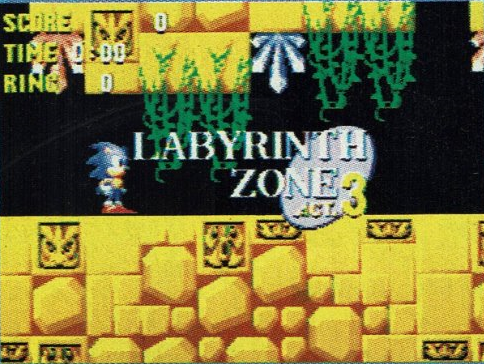
All known pre-release photos of Labyrinth Zone show it in a very early state, seemingly lacking objects and water. Although it appears as though there's no background, other screenshots from the same source indicate that it did have a background. However, it doesn't seem to loop well and is only visible from certain parts of the stage.
Prerelease |
Prototype |
Final |
|---|---|---|
 |
 |
 |
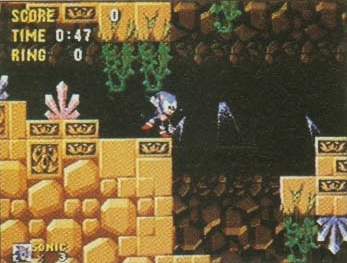
Other early screenshots of the level reveal the aforementioned background, with a rocky design. Earlier versions of Labyrinth also included smaller versions of the crystals seen in the final game.
8-Bit |
Proto, 16-bit |
Final, 16-bit |
|---|---|---|
 |
 |
 |
Interestingly, these smaller versions of the crystals are very similar to the ones that appear in the 8-bit versions. The proto design would later be used as a module for the bigger, more complex structures found in the final game.
Star Light Zone#
Prerelease |
Prototype |
|---|---|
 |
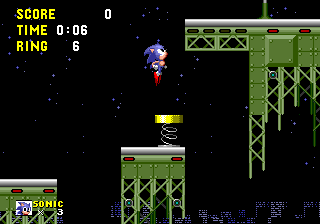 |
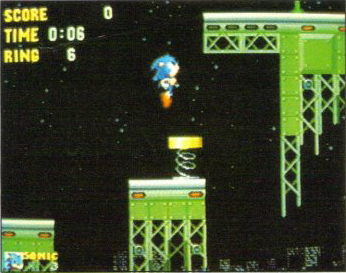
Star Light had a less blocky appearance and used its truss tiles more often, which gave it a more "under construction" look. The area containing four monitors at the beginning of Act 1 had two pits and a breaking platform at some point in development.
Prerelease |
Prototype |
Final |
|---|---|---|
 |
 |
 |
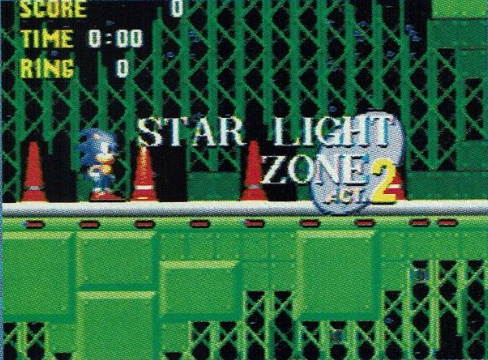
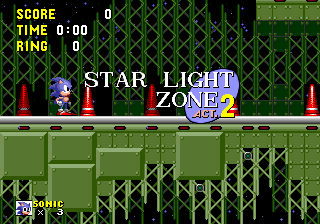
Act 2 had a very different (and less empty) starting area.
Later Prerelease |
Final |
|---|---|
 |
 |
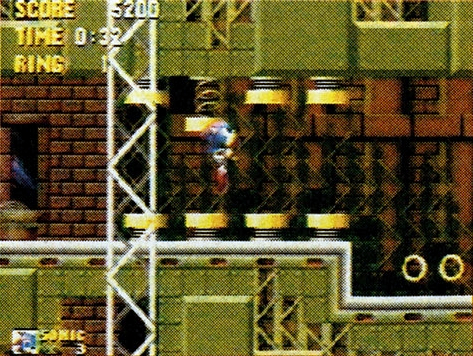
The row of springs in Act 3 originally had a second row facing downwards.
Scrap Brain/Clock Work Zone#
Prerelease |
Prototype |
Final |
|---|---|---|
 |
 |
 |
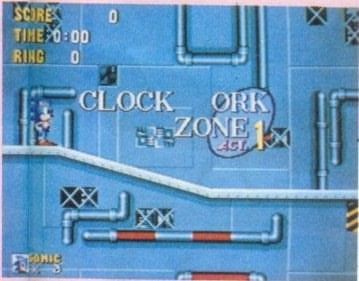
Scrap Brain was originally called Clock Work Zone... or "Clock ork Zone", since the title card font doesn't contain the letter W (there's simply no room for it with the way the letters are laid out in video memory). The first rows of rings are not present. Also the background and foreground shared the same colors.
Prerelease |
Prototype |
|---|---|
 |
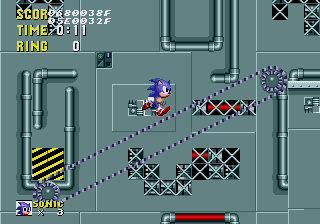 |
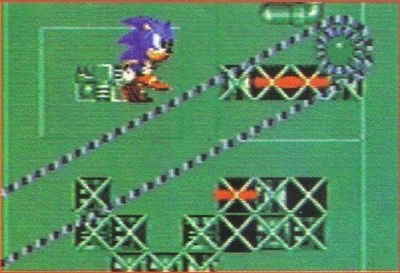
Diagonal conveyor belts were once used in Scrap Brain, but were removed and most likely replaced with the spinning platform conveyors.
Chunk $10 |
Prototype |
|---|---|
 |
 |
Act 1 Final |
Act 2 Final |
Act 3 Final |
|---|---|---|
 |
 |
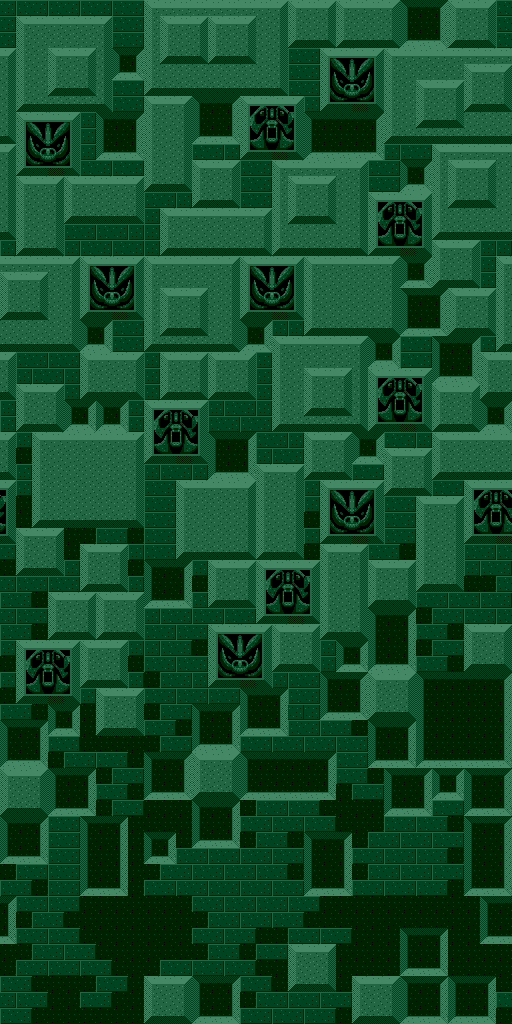 |
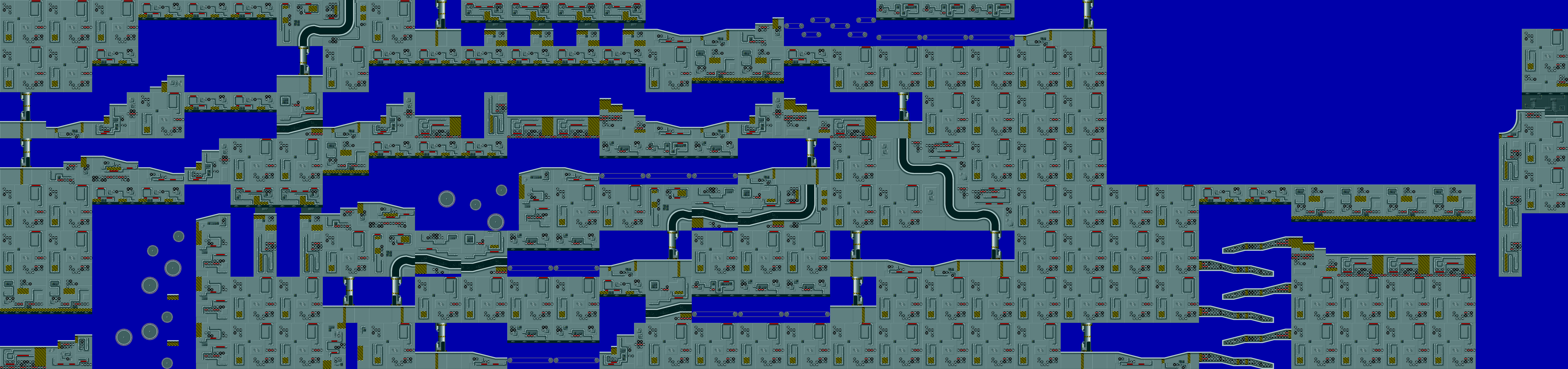
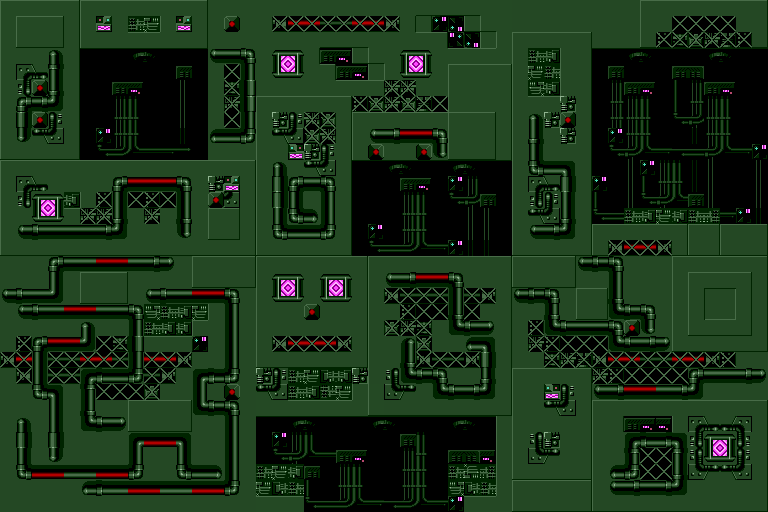
Scrap Brain used Act 2's layout as its background. It wrapped in both directions but didn't appear to scroll. The final game uses completely different art for each Act.
Prerelease |
Prototype |
Final |
|---|---|---|
 |
 |
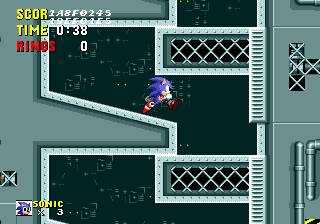 |
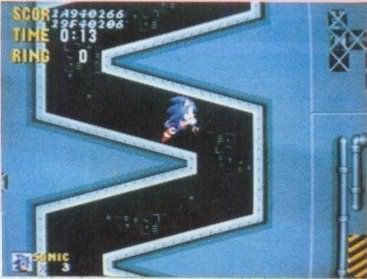
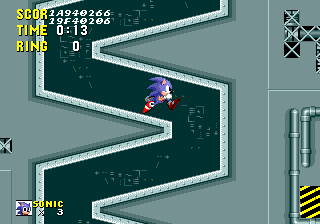
The tunnels with the large beams that move back and forth were originally zig-zagged.
Special Stages#
Early Prerelease |
Later Prerelease |
Prototype |
|---|---|---|
 |
 |
 |
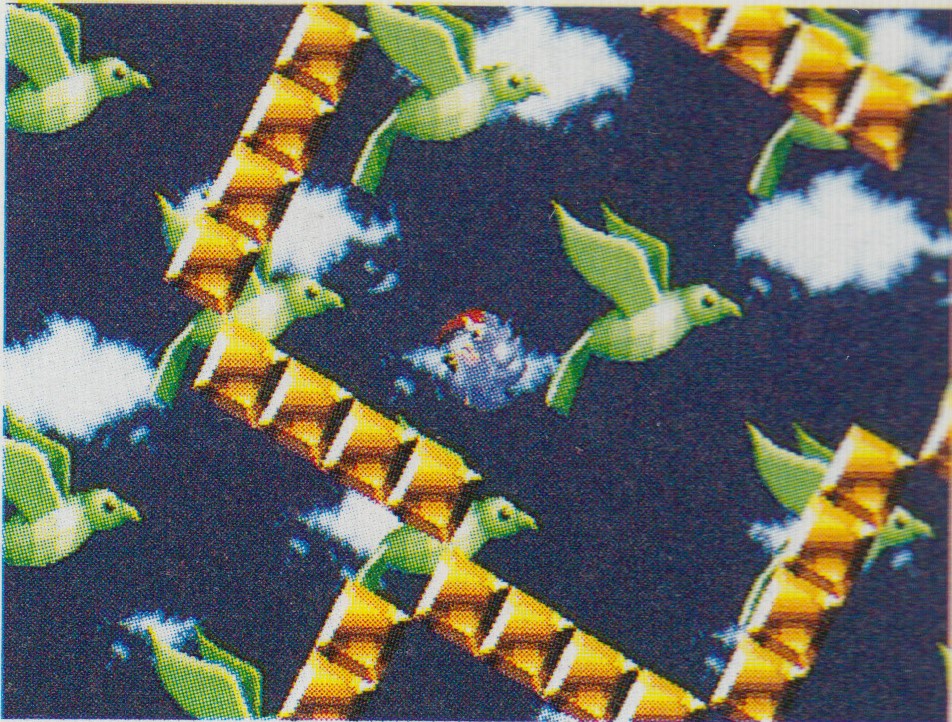
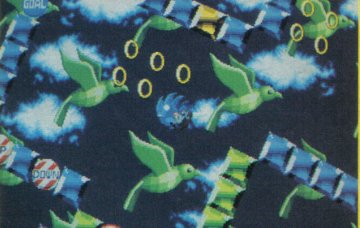
Every prerelease screenshot of the Special Stages shows a layout that does not appear in the final game. The earliest screenshots have it entirely made out of gold blocks, with no rings whatsoever. Most of this early layout would be shown off in the Soft Video footage.  The image on the right is a map from the prototype.