 This article has a talk page!
This is a sub-page of WarioWare: Touched!.

|
To do:
|
Title Screen#
Japan |
International |
China |
Korea |
|---|---|---|---|
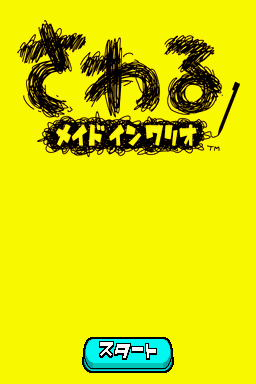
|
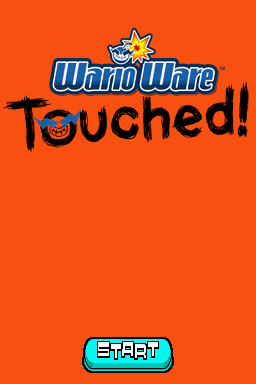 |
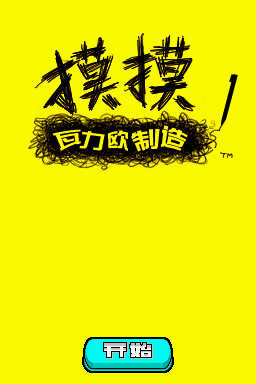 |
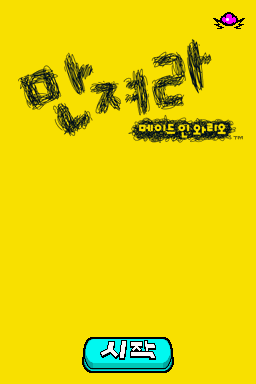
|
The title screen in the Japanese and Chinese versions is yellow, while in the American and European versions it's orange. The Korean version used a slightly darker yellow, although the icon in the BIOS remains bright yellow.
General#
- In the Japanese version, the music that plays when a boss stage is announced is the same as the Speed Up music, while the international versions have original music, however later Japanese revisions have the International Boss Stage theme.
- The European version has some unlocalized features. Despite the game cover in the European version being yellow, the game's title screen and the menu icon are still orange. Also, in the explanation of the microgame Gold Digger, the series' first game is referred to as WarioWare, Inc.: Mega Microgame$!, while the European title of it is WarioWare, Inc.: Minigame Mania. The game also uses American spelling and grammar in all English versions of the game.
|
Japan |
International |
|---|---|

|

|
The Skip button was partially lowercase in Japan, whereas it was made consistently uppercase elsewhere.
|
Japan |
International |
|---|---|

|

|
The same goes for the Pause text. The P was also made a pixel shorter.
Stage Differences#
Wario#
The music at the start of Wario's intro cutscene doesn't start until Wario first appears on screen.
|
International |
Europe/China |
|---|---|

|

|
The names for the bank and skyscraper in the background were removed for the European and Chinese versions of this stage.
Mona#
|
US/Japan/Korea |
Europe/China |
|---|---|

|

|
In Mona's stage, the European and Chinese versions changed "HIT" to a heart, and the word "COUNT" on the top screen was removed.
|
US/Japan/Korea |
Europe/China |
|---|---|

|

|
Likewise, "MISS" was changed to a broken heart.
Dr. Crygor#
Dr. Crygor's intro was changed for the American version: once he states he wants to test out the new machine, he remains silent for the rest of the intro up until the "...Wha...?" line at the very end. This is not the case in all other versions. The dialogue was added back in for the DSiWare download version.
Mike#
|
|
To do:
|
Mike's stage uses the word "CONTEST" in the Korean version rather than "KARAOKE" in all other versions.
9-Volt#
Japan/Korea |
US |
Europe |
China |
|---|---|---|---|
 |
 |
 |
 |
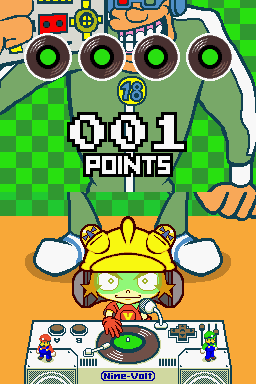
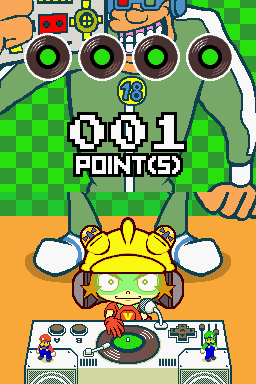
9-Volt's microgame count was in points, and each of the three major releases had a different positioning for it. The Japanese and Korean versions had points abbreviated to "pts.", and had it on the right side. The American version had points in full, and had it in the center. The European version added parentheses around the "s", resulting in "point(s)", and was pushed to the left in order to fit them in. Also, the DJ Table is different. The Chinese version translates points (分) and also has it on the right side like the Japanese/Korean version.
The Japanese version has 9-Volt's name spelled in full, without the dash "Ninevolt" (something that would later reappear as a regional difference for WarioWare: D.I.Y.). The American and Chinese versions have his name spelled normally, and the European version removed his name from it entirely.
Monster Megamix, Hardcore Mix, Gnarly Mix and Album#
In the Japanese version of these stages, the bear characters have 8 beats. This would be changed to 4 in all other versions.
Microgame Differences#
Sweet Nothings#
Japan |
International |
Korea |
|---|---|---|
|
|

|


The person on the left's sensual reaction in the Japanese version was toned down for the International version, and they were replaced by a cat in the Korean version.
Freak Mutation#
|
Japan/Korea |
International |
|---|---|

|

|
After the commands "Watch closely!" and "Which changed?", in the Japanese and Korean versions the text says "NG" when you click the wrong object, meaning "No Good". In the international versions, it says "Bad!"
Big Bang#
|
Japan |
International |
|---|---|

|

|
The Japanese version has "大" ("big") written on a mountain, a reference to a Kyoto festival known as Gozan no Okuribi. This was removed in localized versions, along with the rest of the mountains.
Number Cruncher#
|
Japan |
International |
|---|---|
|
|
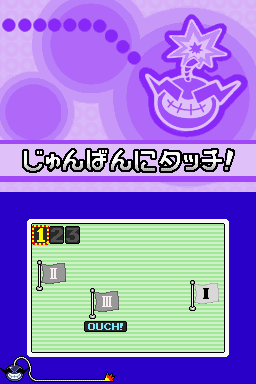
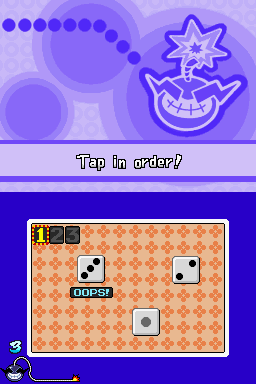
The Japanese version says "Ouch!" when you click fail. In the international versions, it says "Oops!"
Power Chord#
|
Japan |
International |
|---|---|

|

|
The art on the drum set was changed from the word "Gig" to a picture of a jack-o-lantern. Also the word "Max" was changed to "Rock".
Washed Up#
|
Japan |
International |
|---|---|
|

|
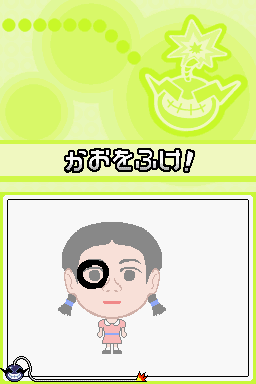
In Level 1, the girl's hair color was changed from black to red. Levels 2 and 3 are the same.
Steel Chef#
|
Japan/Korea |
US/Europe |
|---|---|
|
|
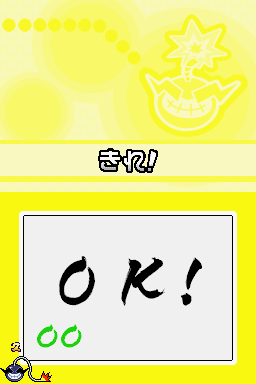
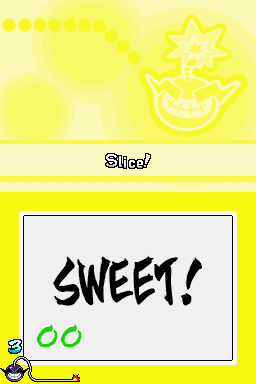
The win message was changed from "OK!" to "SWEET!"
Blowin' Up#
|
Japan |
International |
|---|---|

|

|
What you see after completing the microgame on Level 3 is different in the Japanese and international versions. In the Japanese version, there's a man in a white shirt holding a glass of beer, with a necktie around his head, implying he's drunk. In the international versions, you see what appears to be a Halloween party. In the Super Smash Bros. WarioWare Inc. stage, the Japanese image is used in every version.
Middle Management#
|
Japan |
International |
|---|---|

|

|
The most notable change is the complete redesign of the head. The bunny feet were replaced with green boxing gloves, and the bottom platform had some Japanese on it that was removed.
Hookin' Up#
Japan |
US/Korea |
|---|---|
|
 |
|
|
|
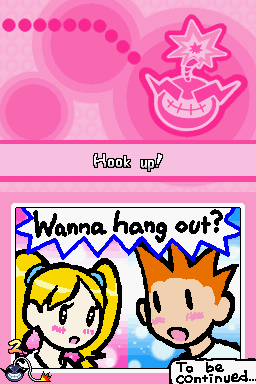
|
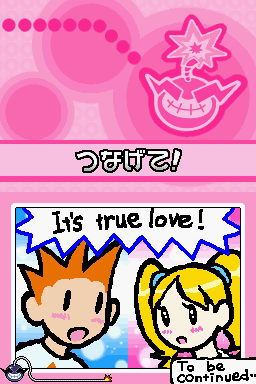
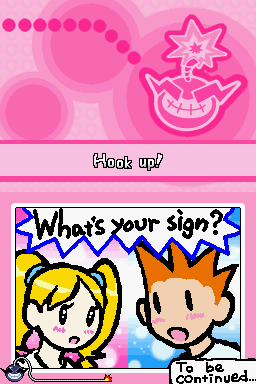
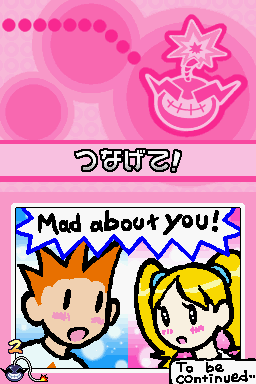
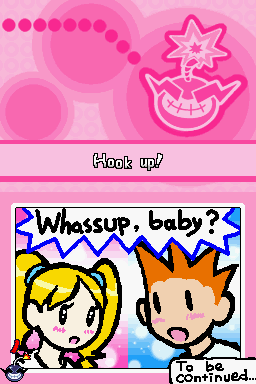
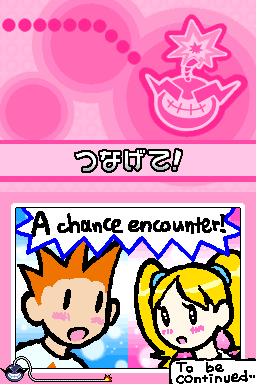
The dialogue was changed to sound a bit less Engrish-y. The boy and girl also swap places (the girl is now on the left and the boy on the right).
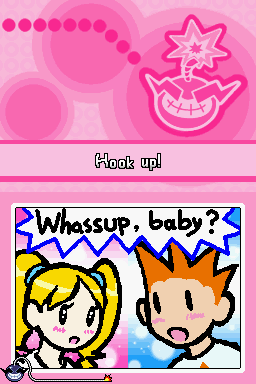
The European version also removed the "To be continued..." box in the lower right.
Feeling Saucy#
|
Japan |
International |
|---|---|
|
|
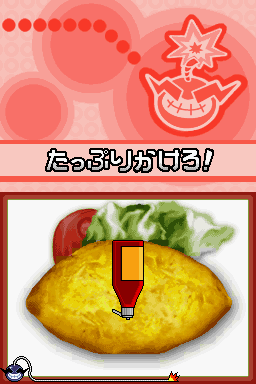
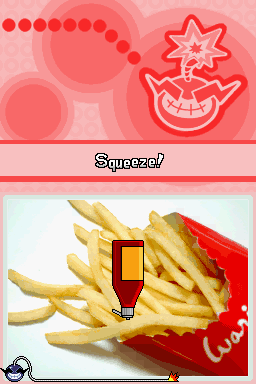
The food item for Level 1 was changed from an omelet to french fries.
Corrections Officer#
Japan/Korea |
US/Europe |
China |
|---|---|---|
 |
|
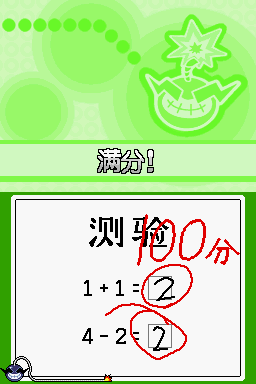 |
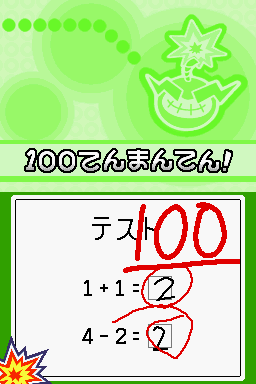
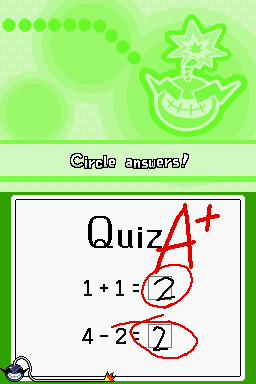
The thick 100 in the Japanese and Korean versions changed to a slightly thinner A+ in the American and European versions, and an even thinner 100 in the Chinese version.
On Strike#
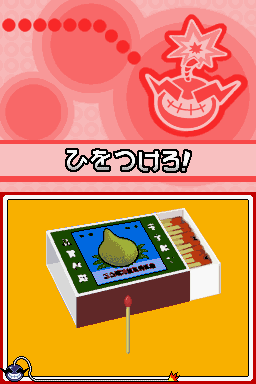
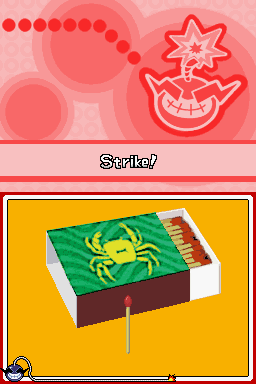
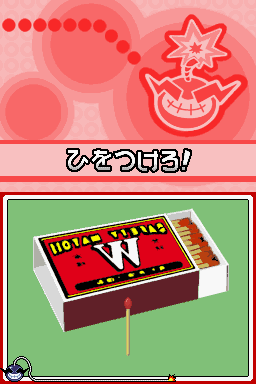
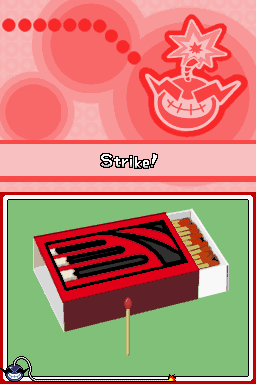
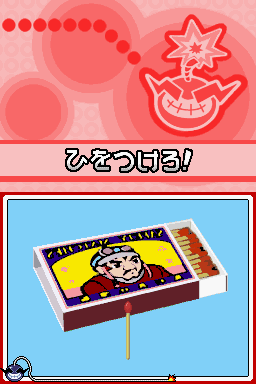
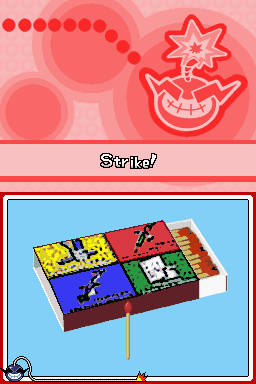
All three matchboxes were changed in the international versions.
|
Japan |
International |
|---|---|
|
|
A plant thing (likely representing Wario's nose) in the Japanese version was changed to a yellow version of a crab seen in "Burning Rubber".
|
Japan |
International |
|---|---|
|
|
The red matchbox with a "W" on it was changed to a red matchbox with black designs on it.
|
Japan |
International |
|---|---|
|
|
Finally, the matchbox with a Wario-esque character on it was changed to a matchbox with four different colored squares.
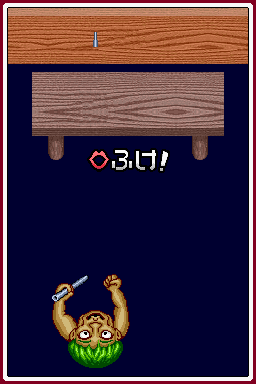
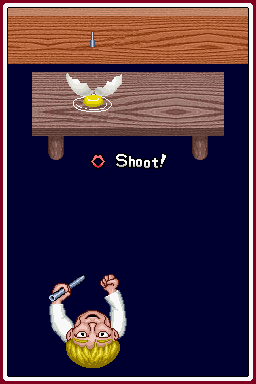
Silent but Deadly#
|
Japan |
International |
|---|---|
|
|
The character that shoots the blowgun was changed from a dark skinned person with green hair in the Japanese version to a light skinned person with yellow hair in the international versions.
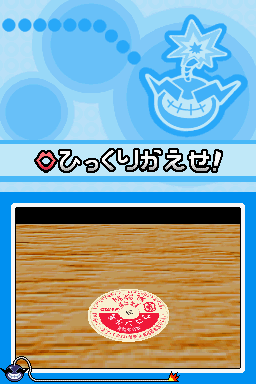
Over Easy#
Japan |
US/Korea |
|---|---|
 |
 |
 |
 |
 |
 |
 |
 |
 |
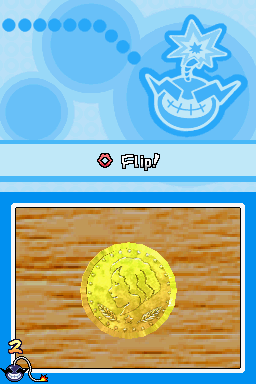 |
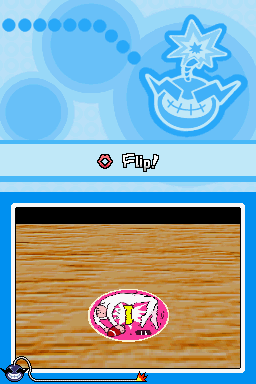
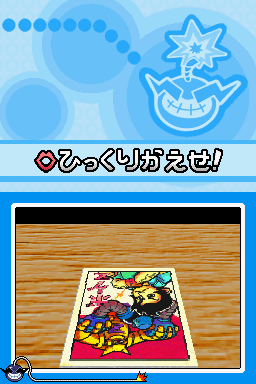
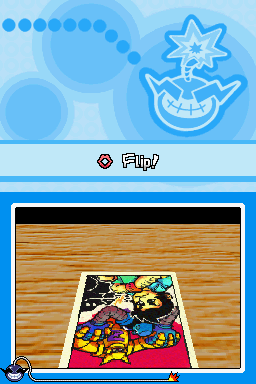
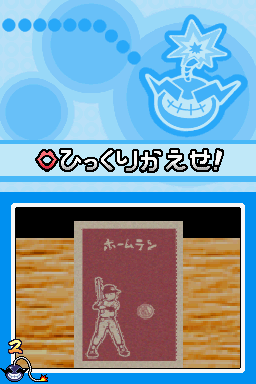
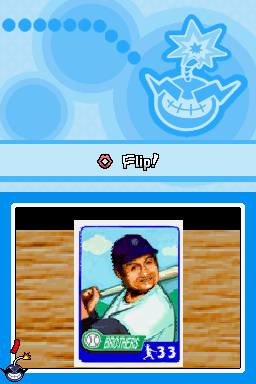
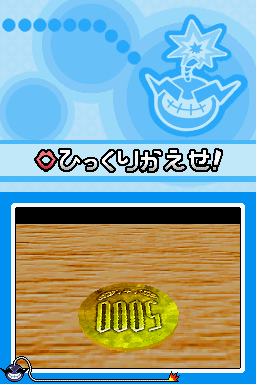
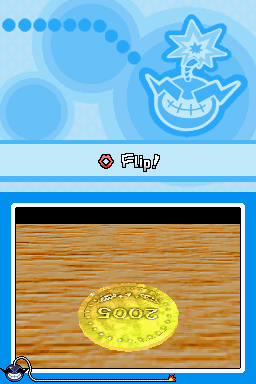
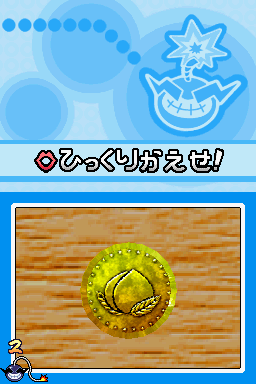
The contents of the objects that you blow was changed between the Japanese and international versions. On Level 1, the same design is used for the backside of the object in both versions.
Pushing Buttons#
|
Japan/China/Korea |
US/Europe |
|---|---|

|

|
The Famicom controller on the bottom screen was appropriately replaced with a NES controller.
Metroid/Famicom Tantei Club 2#
|
Japan |
International |
|---|---|

|

|
In localized versions, the microgame "Famicom Tantei Club 2 (ファミコンたんていクラブ2)" (based on Famicom Tantei Club: Part II) was replaced by a completely different game, "Metroid" (based on... Metroid).
(Source: [http://www.mariowiki.com/List_of_microgames_in_WarioWare:_Touched! MarioWiki])
Gunslinger#
International |
Japan |
China |
|---|---|---|
 |
 |
 |
9-Volt's boss stage was a bit different. In the Japanese version, the Top Screen features the boxart for the Famicom Gun peripheral (Japan's equivalent of the NES Zapper). There is also a slight pause before the music begins, and the victory theme rolls into the transition for winning a boss stage. The American, European, and Korean versions use the standard Top Screen, along with removing the pause before the music begins and fixing the victory theme rolling over.
|
|
To do: |
There are two items that come out from destroying the drum barrels, one of which changed between versions: the Japanese version has a Famicom Disk System, which was changed to an NES Advantage controller elsewhere. The other item, R.O.B., oddly retains its Japanese colors in all versions.
The Chinese version used the updated music and victory theme fix, but brought back the Gun boxart on the Top Screen.
Being Nosy#
- The item that is collected at the end is different between the Japanese and International releases.
- In the Japanese version, there is a crowd cheering when the item is collected. The International releases play a fanfare instead. There's also no fanfare after escaping in the Japanese version.
- The music during the escape sequence is different.
Jimmy T's Break#
|
Japan |
International |
|---|---|
|
|
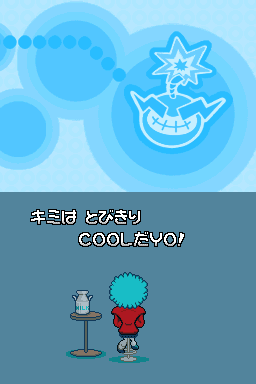
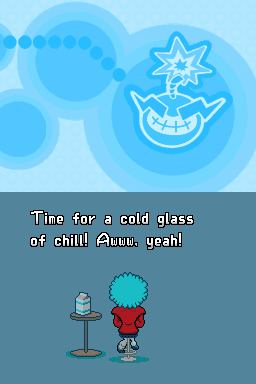
During Jimmy T's break scene, there's a container of milk. In Japan, it's a jug. Everywhere else, it's a carton.
Mona's Guitar#
|
Japan |
International |
|---|---|

|

|
The touch screen graphic of Mona's guitar was changed to match the design seen in her sprite.
Mona Pizza#

|
This needs some investigation. |
By inserting the corresponding regional version of WarioWare: Twisted! in the GBA slot, a music video of "Mona's Song (Mona Pizza)" is unlocked. Curiously, the European version looks for a GBA game with a Title ID of RZWP, which would have been given to the European release of Twisted! As the GBA title was not released in Europe, this functionality goes unused in that version. However, the item was not removed, and can be accessed in the European version via hacking.
In the Chinese version, the souvenir is instead unlocked using WarioWare, Inc.: Mega Microgame$!.
It should be noted that the only one that seems finished is the Korean version, as the "Mona" from the Mona Pizza logo was translated.
This toy does not exist in the DSiWare version for Nintendo 3DS, and in fact, it was removed entirely from the DSiWare version, which can be seen if you try to get it into the game using a save editor. This was probably removed to make the size of the game smaller, as DSiWare titles need to be very small in order to fit in the Nintendo 3DS system memory.
Touch Doll#
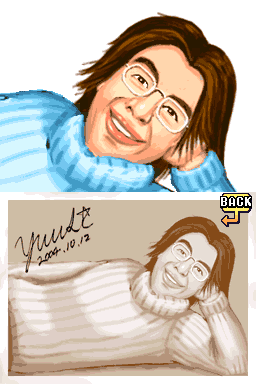
An...odd game where you tap the photo on the Touch Screen for various effects on the Top Screen. This probably remained a Japan-exclusive minigame for various reasons. It was replaced in the international versions with a minigame called They Hunger, however Touch Doll can still be accessed in all versions via the debug menu.
Revisional Differences#
Three microgames in Kat & Ana's set are impossible to complete on early Japanese copies. The lines in Bright Idea and The Proud, the Fuse cannot be drawn while the flashlight in Midnight Weirdo blinks on and off. This glitch was fixed in later Japanese copies.
(Source: MarioWiki)
DSiWare Version Differences#

|
This page or section needs more images. |
- The Nintendo copyright screen when booting the game lasts one second longer in this version.
- A new glitch was introduced in Hardcore Mix, a mode in which you're only supposed to have one heart: After beating a boss stage and returning back to the elevator, all HUD elements disappear as the game tries to display a 1-UP sprite that doesn't exist. When the HUD comes back, an extra heart is added, allowing you to fail a minigame and rack up to 4 hearts.
- Music was added to the "Shhhhhhhh!" (Tread Carefully) microgame.