 This article has a talk page!
This page details pre-release information and/or media for Sonic Adventure (Dreamcast).


Development Timeline#
1996
- July - Sonic Adventure is conceptualized for the Sega Saturn, starting development after the completion of NiGHTS into Dreams...
- October-November - Due to the collapse of Sonic X-treme and the "Sonic Pool" bonus game not making the deadline for the Saturn port of Sonic 3D Blast, Sonic Team steps in to develop 3D halfpipe Special Stages reminiscent of those in Sonic the Hedgehog 2 for the Saturn 3D Blast, using assets from Adventure.
- November 22 - Christmas NiGHTS into Dreams... is released for the Saturn, featuring a special unlockable "Sonic the Hedgehog into Dreams..." mode.
- November 26 - Sonic Team begins their trip to South America to find inspiration for the game's locales. They would return to Japan by mid-December.
- December 24 - Internal GD-ROM date for Sonic Adventure.
1997
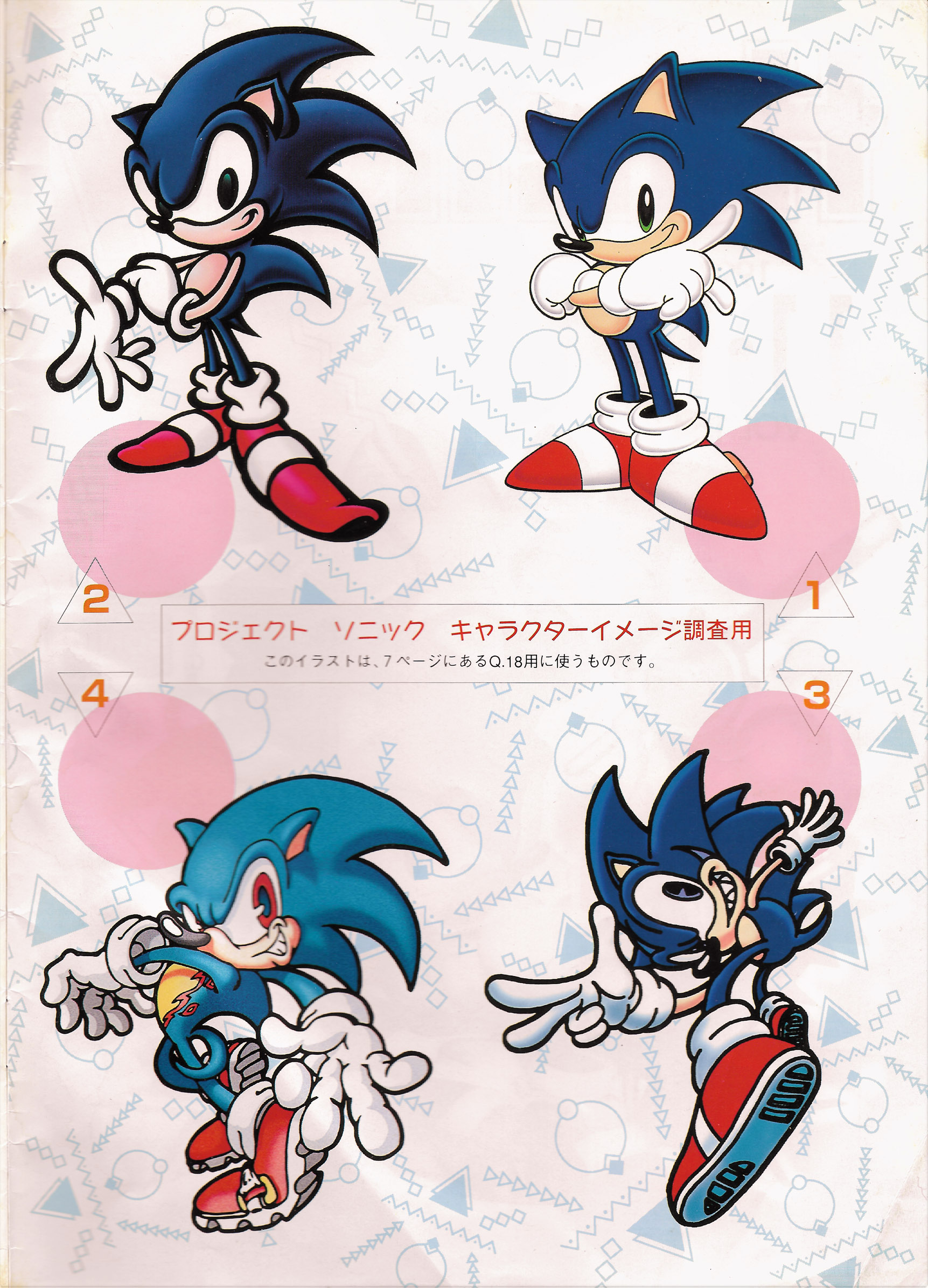
- March/April - An internal contest is held at Sega to redesign Sonic.
- June 20 - Sonic Jam is released for the Saturn in Japan, containing elements from the then-forthcoming Adventure.
- November 11 - Earliest dated files in the AutoDemo.
- December 9 - Earliest known date of the Beta Windy Valley screenshots used in internal discs.
1998
- May - The first screenshots of Adventure are released, though they are initially widely believed to be fake.
- August 22 - Sonic Adventure is revealed at the Tokyo International Forums.
- September 7 - Sonic Adventure is displayed behind closed doors at the European Computer Trade Show.
- October 6 - New gameplay of Sonic Adventure is shown-off at the SEGA New Challenge Conference II, featuring Sonic, Tails, Knuckles, Amy, and Gamma.
- October 10 - A playable demo of Sonic Adventure is shown-off at the Tokyo Game Show, featuring only Sonic, Tails, and Knuckles.
- October 16 - The AutoDemo is built and sent to Japanese retailers to promote the game.
- December 10 - First entries in the Bug Database are made.
- December 23 - Sonic Adventure is released in Japan.
1999
- March 12 - Development on international versions begins no earlier than this date, according to strings in Trial Version for E3.
- September 9 - Sonic Adventure is released in North America.
- October 14 - Sonic Adventure is released in Europe and rereleased (as Sonic Adventure International) in Japan. The Saturn port of 3D Blast is also finally released in Japan, officially marking the end of first-party Saturn development.
- December 3 - Sonic Adventure is released in Australia.
Initial Concepts (1996-1997)#
Conception#
The conceptualization of Sonic Adventure began sometime after the completion of NiGHTS into Dreams... circa July 1996. Takashi Iizuka, Senior Game Designer for Sonic the Hedgehog 3, Sonic & Knuckles and current head of Sonic Team initially wanted to make an RPG, but it was later decided to have the next main Sonic game be a 3D platformer. It was also decided that it would also have a much greater focus on plot.
When we built our first test level, we knew we had to test it out, just to make sure our ideas worked. It ended up only lasting about ten seconds, and we knew we couldn't build a game around this structure. We had to rebuild levels over and over again until we finally had a level length we were happy with. - Takashi Iizuka
Sega Saturn Era#
Initially, development began on the Saturn, the main platform of focus for Sega before the Dreamcast. As such, several pieces of conceptual artwork were created with the limitations of the console in mind. The fourth slide of the collage below faintly appears to be using the same background assets as the Mystic Forest stage from NiGHTS Into Dreams.... 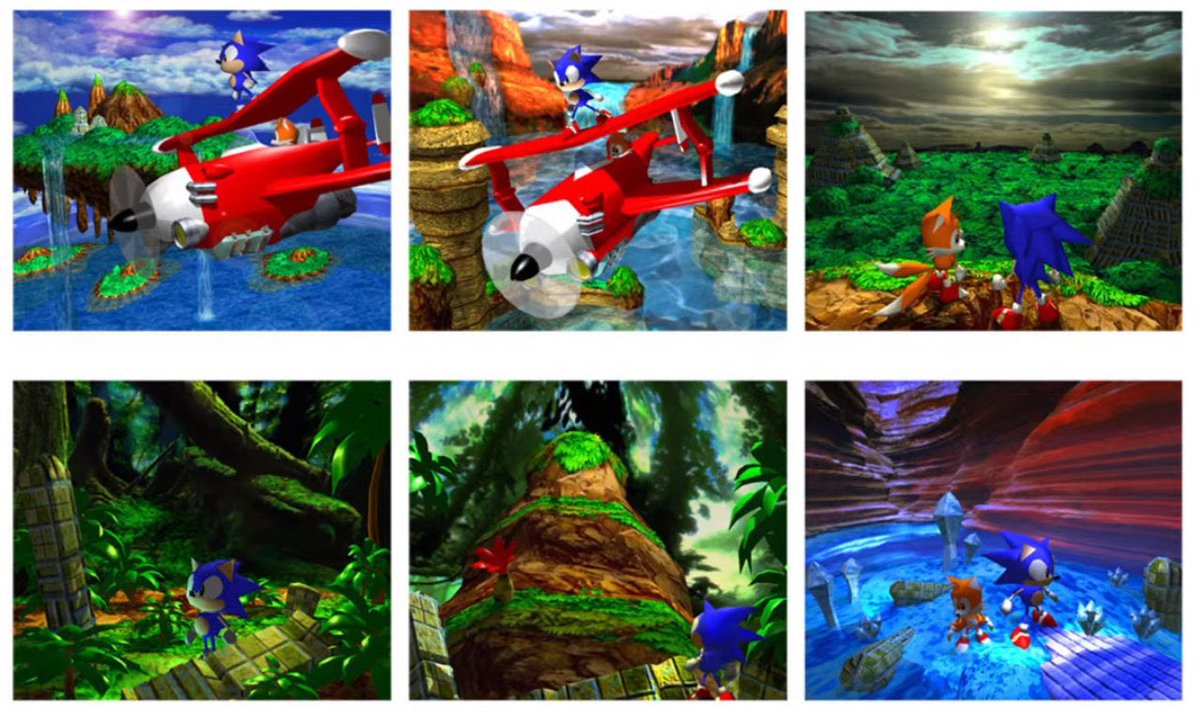

But when it became clear that the Saturn would be discontinued soon, they decided to switch development over to the Dreamcast (at that point codenamed "Katana"). The developers however, decided to include the original work they did as a 3D hub-world in Sonic Jam, which is why most of Sonic's animations in that game are similar to the ones in Adventure.
Travelling to America#
With development now on the Dreamcast, the developers decided to start taking full advantage of the better system that would allow them to create more realistic environments. Primed and inspired by the technical potential the hardware offered, the developers travelled to America to attain influence for the game's locations. Starting out in the Yucatán Peninsula of Mexico, the group traveled through Chichen Itza, Tulum, San Gervasio, Tikal, and Uaxactun, then flew down to the South American country Peru, where they visited the Nazca lines, Cusco, Machu Picchu, and Pachacamac.
With new environments, the developers created levels like Emerald Coast and Lost World. They even used their actual photos as textures in the game.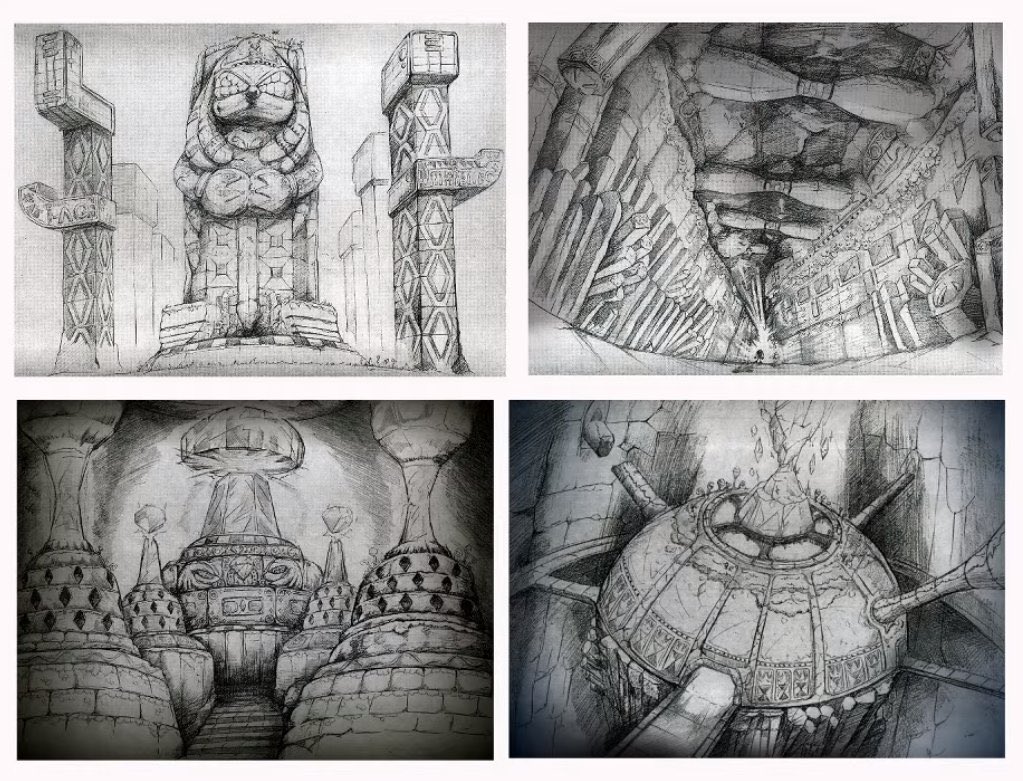
The trip wasn't all fun and games however, the team having unexpected encounters with tarantulas, snakes, and reportedly Katano collapsing from an altitude sickness at one point. At the end of it all, the team returned to Japan in one piece, full of enthusiasm to create the game.
Redesigning/Adding Characters#
Along with the idea of making a larger emphasis on story and creating more realistic worlds for Sonic to explore, it was decided that, to truly make this shine out on the market and showcase that it wasn't just a new Sonic game, but a kind of game that had yet to hit the market, it was decided that the principle cast would be redesigned, marking the start of a new era.
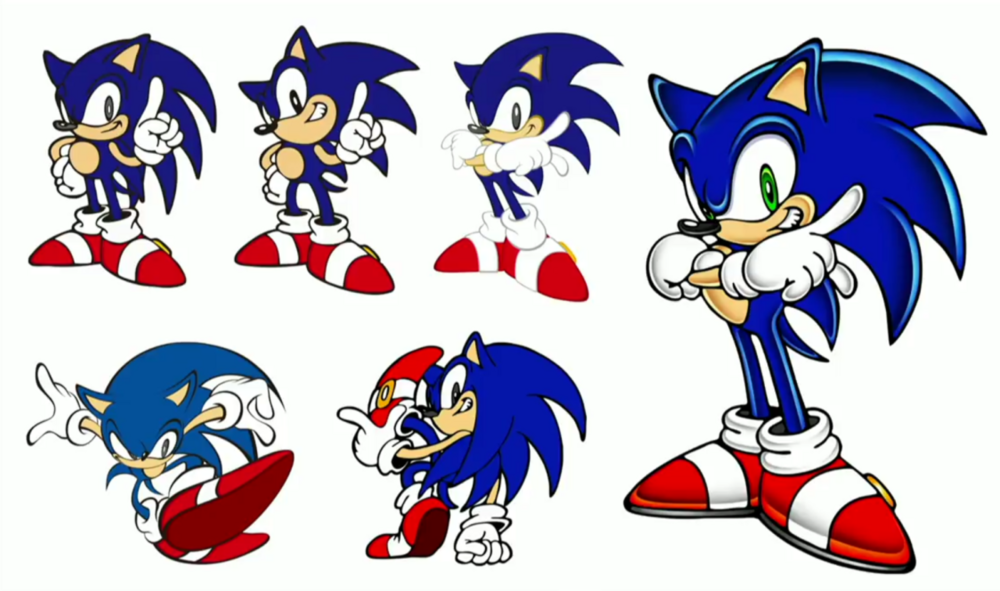
The team hired Yuji Uekawa, who previously worked on Ristar, Sonic 3D Blast and Sonic R, to redesign the character. With Ohshima looking over his shoulder, Uekawa set to work on a stylized version of the main cast, inspired in part by graffiti art.
 |
 |
Four different designs were considered for Sonic's redesign, where |
Different outline and shading styles were experimented with before eventually settling on a design. |
Changing certain aspects of the character and emphasizing them in his line art, the very face of the Sonic franchise changed. Giving Sonic, Tails and Knuckles simple redesigns, and Amy and Eggman more major design changes. Eggman was meant to retain his classic design, but was also changed likely make him look more realistic. This explains why classic character designs are seen in the HUD and Casinopolis.
One of the unique goals of the game was to have completely separate playstyles, to not only change pace, but to also broaden appeal. They first added Amy due to it being the simplest to make. They later added E-102 Gamma due to requests from fans to add a shooting style gameplay. Feeling it not in Sonic or any other established playable casts nature to wield a gun, a separate character was developed, designed in such a way that Gamma still felt perfectly natural within the Sonic universe. The second one was Big, which had fishing gameplay to break-up the intense nature of the other five.
Initially, the developers wanted to have Super Sonic playable in all levels à la Sonic the Hedgehog 2 and 3K, however the team soon realized they would have to scrap it because levels would have to be designed for both regular, and Super Sonic. They did however, decide to have Super Sonic playable in the final boss.
New Ideas Galore#
Chaos was created due to Iizuka wanting a separate enemy from Eggman, and wanting something liquid and transparent to show the capabilities of the Dreamcast. They originally wanted Perfect Chaos to be partially opaque and transparent (like how it appears in Sonic Generations), but it was impossible at the time to make him fully transparent, which was still impossible on Saturn.
Another thing the developers wanted was to revive the "A-Life" technology originally developed for NiGHTS Into Dreams. Though simplistic in NiGHTS and only a passive goal within the main stages, the idea was completely retooled, fleshed out for Sonic Adventure. This would also allow players to become more experienced in action-stages.
According to Iizuka, Sand Hill wasn't part of the original project plan, but was later added after seeing people sandboarding on Peru.
While we were in Peru...we noticed some people boarding on sand dunes. We were so impressed with this. We had no idea this kind of sport actually existed. It was so new and exciting for us to see this, we knew that we had to add this element to our game. And we figured that Tails, if anyone, was the most appropriate character to use. - Takashi Iizuka
One of the new mini-games, Sky Chase, was inspired by the Panzer Dragoon series by Team Andromeda on the Saturn, which could explain the unused text.
Videos and Screenshots (1998)#
May#

In May 1998, around the time of E3 , a screenshot was leaked showcasing Sonic in Speed Highway; the image was thought to be of a motorcycle level from an unrelated game, with other magazines debunking the image altogether until the official unveiling.
Although blurry, the image shows that the stage had much darker lighting earlier in development, lacking the blue-night theme; the walls here also only use one texture, instead of two.
(Source: TheGHZ (December 2009))
June/July(?)#
These screenshots were leaked on an unknown French website sometime afterwards.

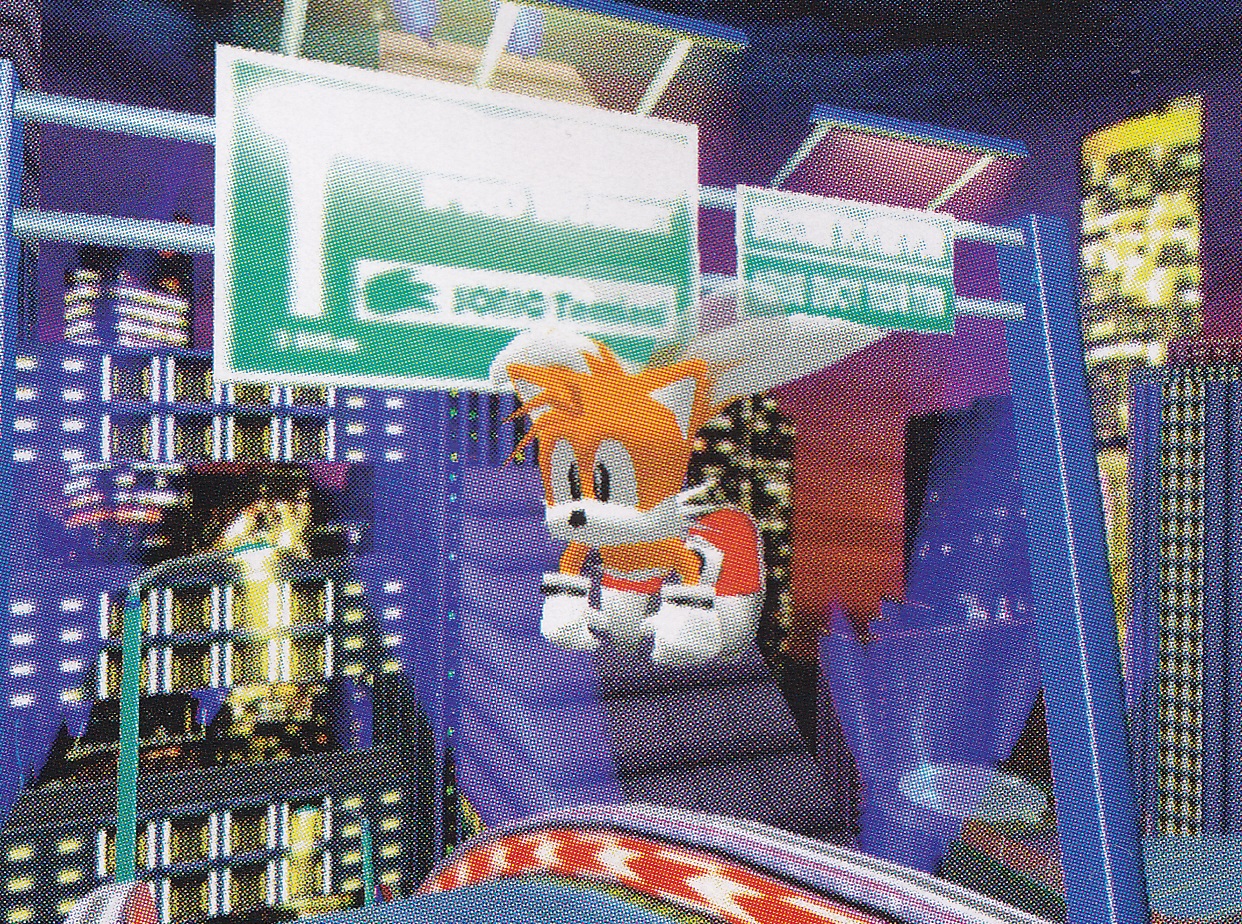

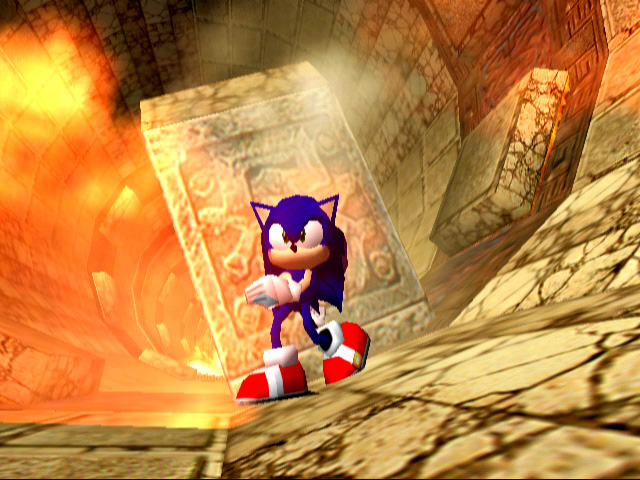
(Source: Sonic Retro)
August#
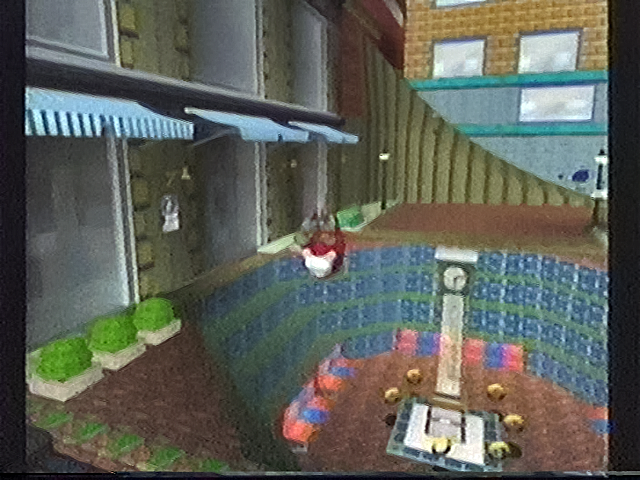
August 22nd saw the official unveiling of Sonic Adventure to the public at the Tokyo International Forums; due to its 40 minute length and large amounts of changes, it has been split into its own subpage.

October#
LunarNET Footage#
Watch on YouTubeSome (low quality) footage from LunarNET, which includes some interesting stuff.
- An earlier version of the Tokyo Game Show character select is shown, with only Sonic, Tails and Knuckles.
- Some more rings are present at the start of Speed Highway.
- When Sonic grabs onto the rocket in Speed Highway, the camera doesn't change. Rings are also missing after it.
- The rest of the footage is from the Tokyo International Forums unveiling.
"50% Complete" Trailer#
Watch on YouTubeSome footage stating the game is 50% complete, which is a lie.
Dreamcast Magazine Trailer#
- The whale section in Emerald Coast, finally, has dash panels.
December#
Gamewave Footage#
Watch on YouTubeAired just one day before the game was finalized, this video uses the unused one-up sound.
Localization#
Once the game was released in Japan, Sonic Team split into two teams. The first would continue to develop games for the system, while the second (the now defunct Sonic Team USA) would localize the game. While localizing, the localizers added several new features and fixed many bugs, resulting in a slightly more polished version, while also "translating" the dialogue.
Sometime during this phase, the team partnered up with also now defunct Hollywood Video to release a special version of the game called Sonic Adventure: Limited Edition, which was the Japanese release with a few minor fixes. The game was also soon shown at E3 later that year, before finally being released nine months after the game released in Japan. The game was soon after re-released in Japan as Sonic Adventure: International, containing all the changes made to the worldwide versions.
