This is a sub-page of World of Warcraft.

|
To do: |
Maps#
Emerald Dream#
Watch on YouTubeThe Emerald Dream is a map that's been in the game's files since before the game's release. It was first spotted in patch 0.5.5, during the Friends and Family alpha test. While it was changed extensively during each pre-release patch, it's remained relatively unchanged since the game's official release. The zone is categorized internally as a raid instance with a cap of 40 players. The minimap is too large to show in a thumbnail; it can be seen here. Unfortunately, the minimap in the game's files is very different from what is actually on the map.
The zone itself is extremely large and split mainly into four different parts, though it has only two named subzones: The Verdant Fields, and Emerald Forest. Each different area is separated by miles of empty space. The Emerald Forest, located in the top right corner of the map, is true to its name; it's a forest filled with rivers and trees (it's worth noting that the tree models here are only used in this zone) and not much else. The Verdant Fields, located in the bottom right corner, is filled with nothing but hills and large flowers, though there are also reference markings drawn along the ground in some places.
The bottom left corner of the map is unnamed and similar visually to The Verdant Fields, albeit much smaller. In the top left corner of the map is a large subzone filled with mountains, canyons, and fields. The field area of this subzone is decorated with monstrous statues and dream catcher structures that, like the trees in The Emerald Forest subzone, are used only in this unused map.
The Emerald Dream itself is the poster child for important areas in the lore that have yet to make an official appearance in the game. While Blizzard planned to release it as an endgame 40 player raid, this idea never made it to the final game.
In the Legion expansion, the Emerald Nightmare raid gave players access to a part of The Emerald Dream that can be accessed after defeating the final boss, Xavius, The Druid order hall gives Druids access to the Emerald Dreamway, a part of the Emerald Dream with portals to various parts of the in-game world, and Dragonflight gives us a part containing a nascent world tree.
Small Battleground A-D#
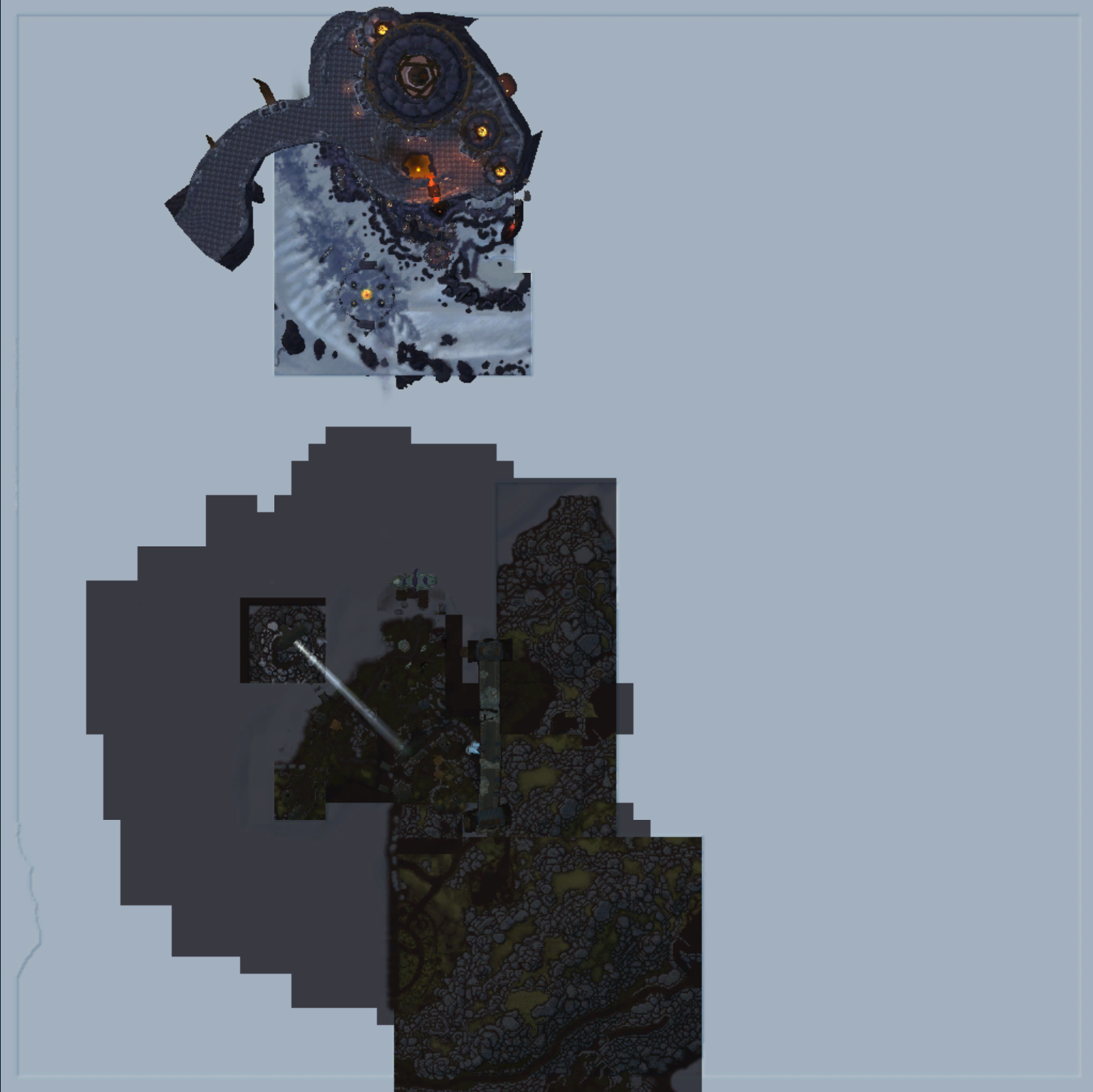
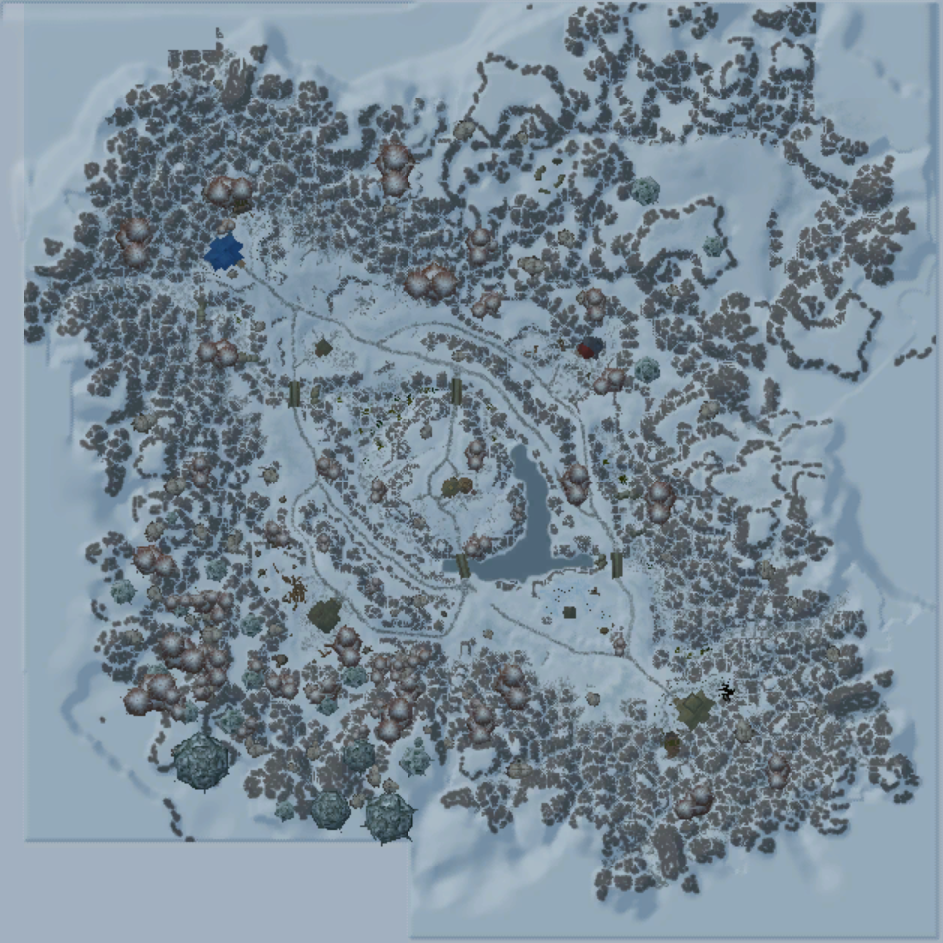
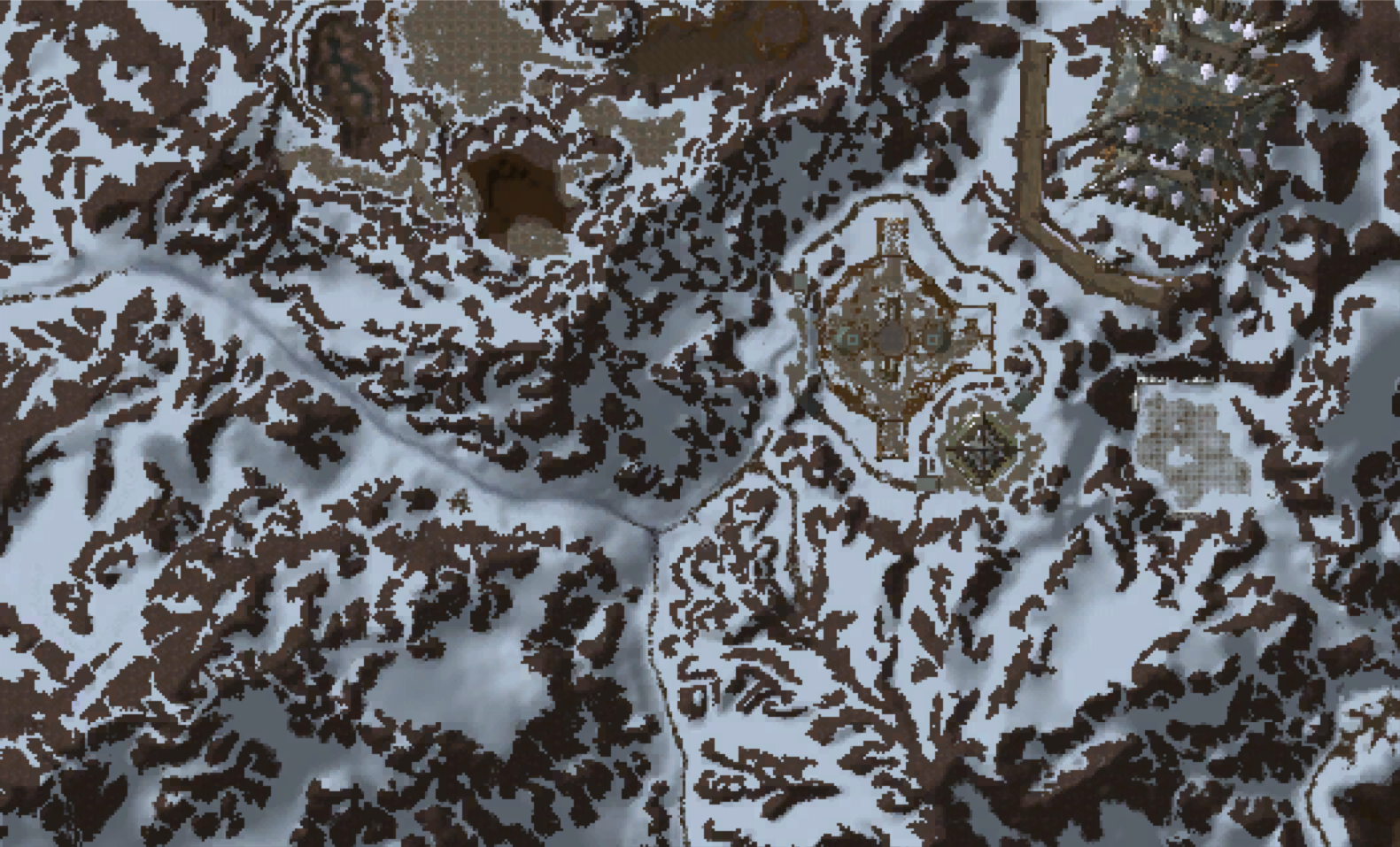
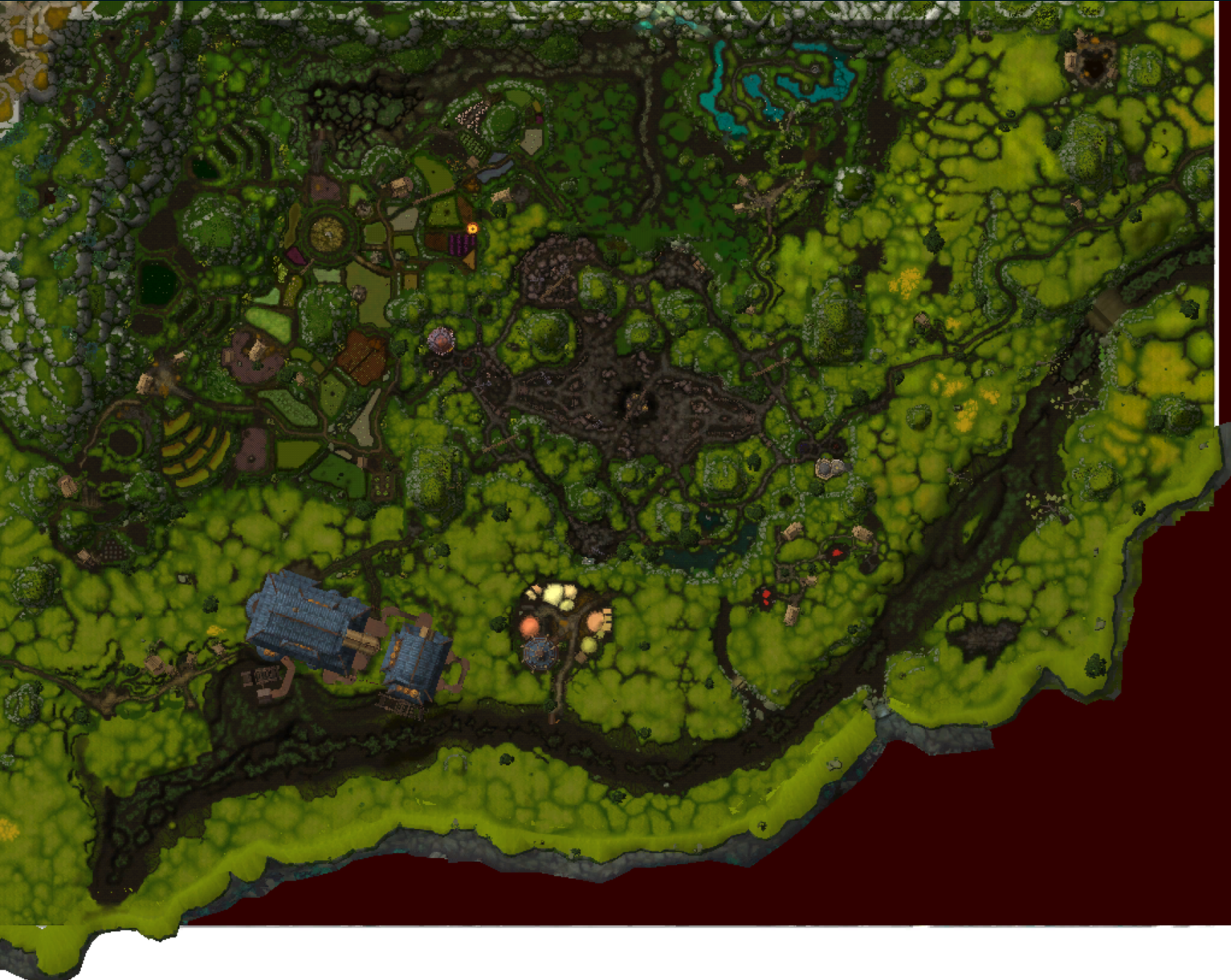
Watch on YouTubeIntroduced in Warlords of Draenor, these maps seem to be prototypical or unfinished battlegrounds. There's four of them in total: SmallBattlegroundA, B, C, and D. Of the four, B and C have been repurposed as special PVP Brawls in the 7.2 Legion patch.
SmallBattlegroundA contains a cutout of Battle for Gilneas and two cutouts of Bladespire Citadel. The Gilneas cutout contains Pandaria models, while the two Bladespire Citadel cutouts have small arenas. While the presence of Bladespire Citadel suggests this might be a prototypical Warlords of Draenor battleground, the Gilneas area is somewhat confusing.
SmallBattlegroundB contains Arathi Basin... except covered in snow! It seems completely finished, and doesn't seem to have any changes other than visually. The snowy new version of arathi basin was eventually used as a special PVP brawl map in patch 7.2.
SmallBattlegroundC was completely empty, however in patch 7.2 it was re-used as part of the Shado-Pan Showdown brawl (the map terrain being a copy of the Shado-Pan arena).
SmallBattlegroundD contains an exact copy of Deepwind Gorge.
Warcraft Heroes#
Watch on YouTube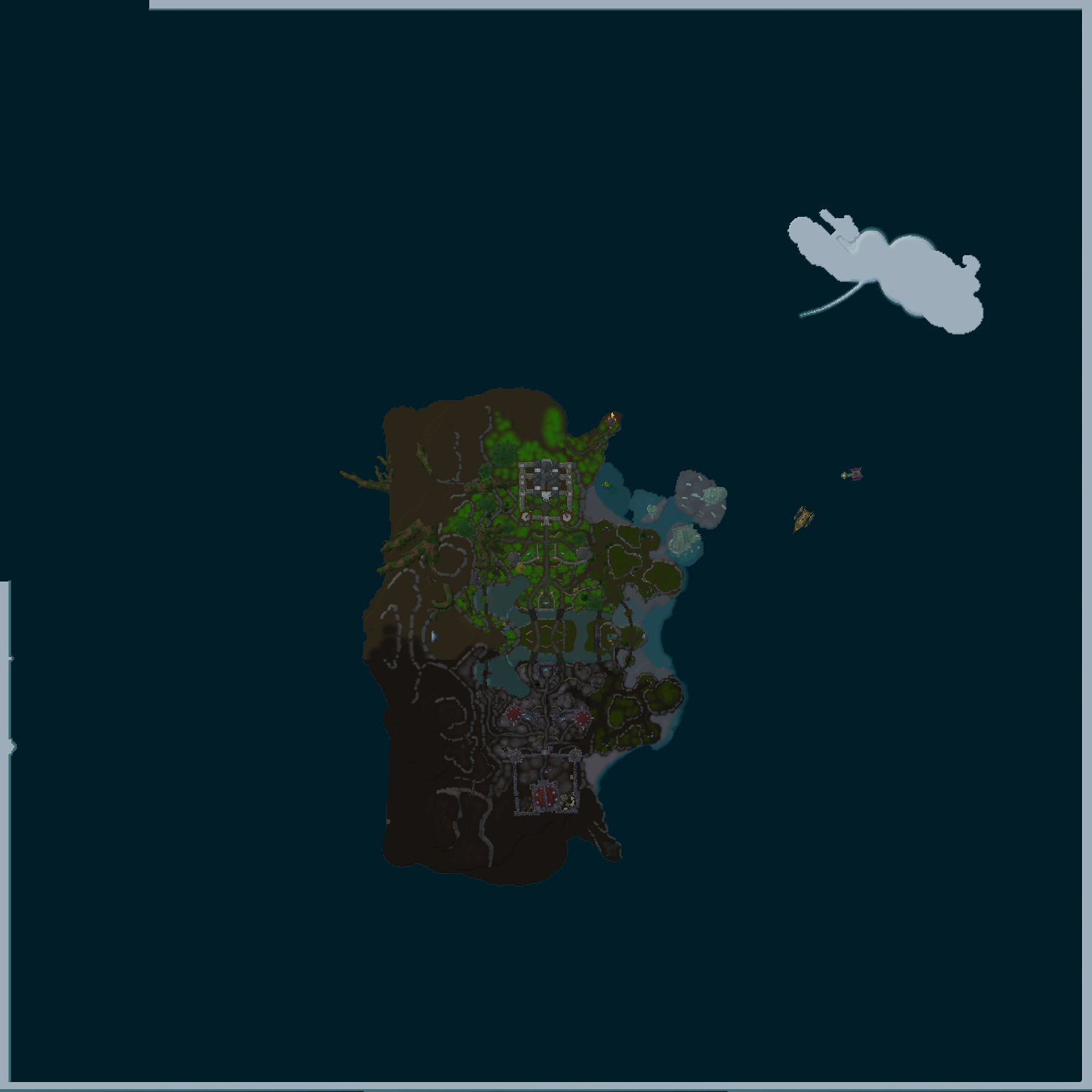 This largely unfinished map was also introduced into the files in Warlords. It's structured like a battleground, which hints it might have been one of the planned new battlegrounds.
It's essentially an island with an Alliance and Horde base on two sides. The island has several (unnamed) subzones, such as a goblin workshop or a small human village. It's also littered with ogre, human, and orc scale models.
Holinka responded on a now deleted Twitter post that the map was an idea they were experimenting with, and would not be released in Warlords.
Defense of the Alehouse#
Watch on YouTube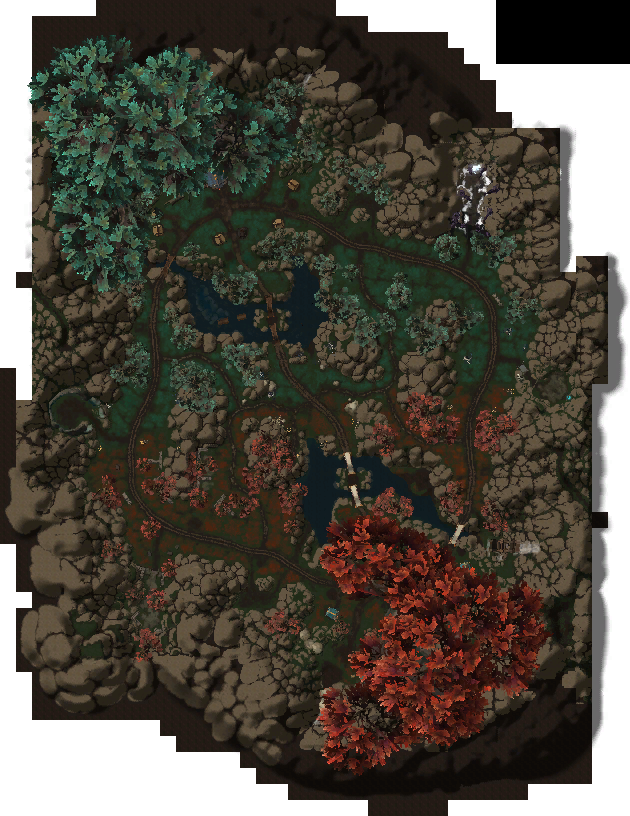 Defense of the Alehouse is an unused battleground introduced into the files in patch 5.2 of Mists of Pandaria. Judging by the name, it was likely intended as a tongue-in-cheek reference to the Defense of the Ancients multiplayer mod of Blizzard's past game Warcraft III. Around the time patch 5.2 was introduced, Valve had already released a sequel to Defense of the Ancients, Dota 2.
The battleground seems to take place in Townlong Steppes. The layout - three lanes, two bases, etc. - is extremely reminiscent of a moba map. It's mind-boggling to think as to how they would have made this type of battleground work.
Warlock Area#
Watch on YouTube This unused map was also added in Mists of Pandaria during patch 5.2. Its main feature are three floating islands, though there are also some objects floating in mid air, along with a cave ripped straight from Northrend. There are portals to Orgrimmar and Stormwind.
Patch 5.2 introduced a quest chain for Warlocks that took them to several different zones; the inclusion of this map and the name hints that it might have played a role in the quest chain before being scrapped.
Former systems designer Alexander Brazie, who spearheaded the green fire quest chain during Mists of Pandaria, revealed that he originally intended for warlock players to open a portal to the ruins of Xerrath, where they would do daily quests with the Council of the Black Harvest to drive away the Legion. An incomplete version of the zone, labeled "WarlockIsland," was datamined during the patch 5.2 PTR. The ruins of Xerrath were depicted as a series of floating, cavernous islands suffused with molten fel energy, causing it to strongly resemble Shadowmoon Valley.
This unused map eventually became Dreadscar Rift in World of Warcraft: Legion.
Azshara Crater#
Watch on YouTube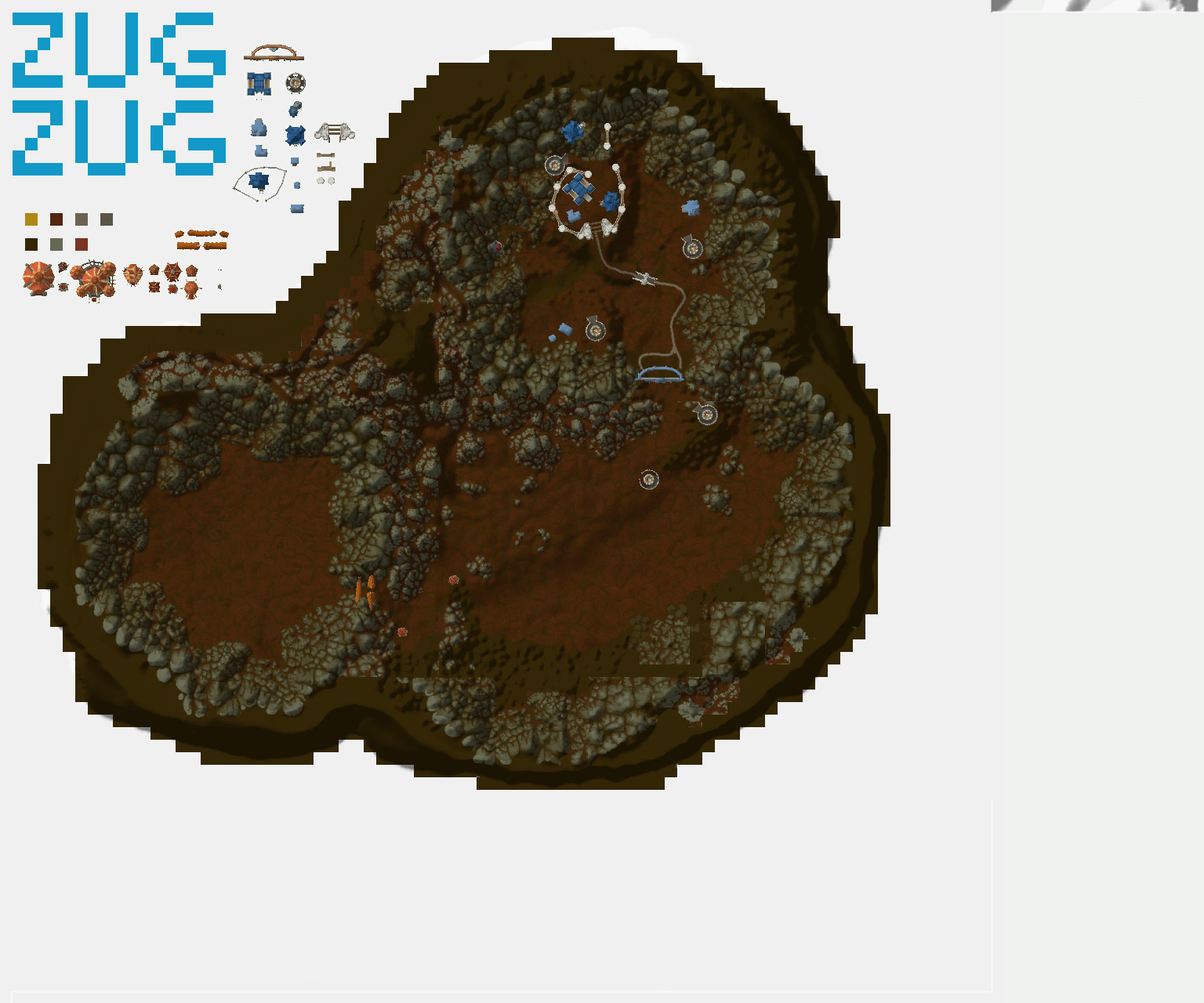
Azshara Crater was a battleground planned that would've been located in Azshara and functioned similarly to Alterac Valley. The map, along with its minimap file (though they stopped regenerating the minimap past version 0.10 even though there were many more iterations of this map), have been in the game's files since the 0.5.3 alpha, but has never seen the light of day.
There had been numerous mentions of it since Patch 1.3. It was officially stated at BlizzCon 2007 that the reason that Azshara Crater was never added was to focus on balancing Alterac Valley.
In Cataclysm, the area where the battleground would've been in the world was strip-mined by goblins. During the development of the Mists of Pandaria expansion, Azshara Crater was one of three battlegrounds planned for the expansion, but was left out, while the other two battlegrounds were implemented in the expansion.
Interestingly the minimap was updated in WoW Forever to actually show what the map truly looks like as the previous minimap was never updated from the alpha version 0.10 map design. This is notable as Blizzard usually never regenerates minimaps for unused maps, this could indicate that they might be thinking of finally adding it into the game officially. This was even teased at Blizcon 2026, where a "Crater-Sized hole in the content of Azshara" was mentioned in the whats next panel.
Testing, Scott Test and Collin's Test#
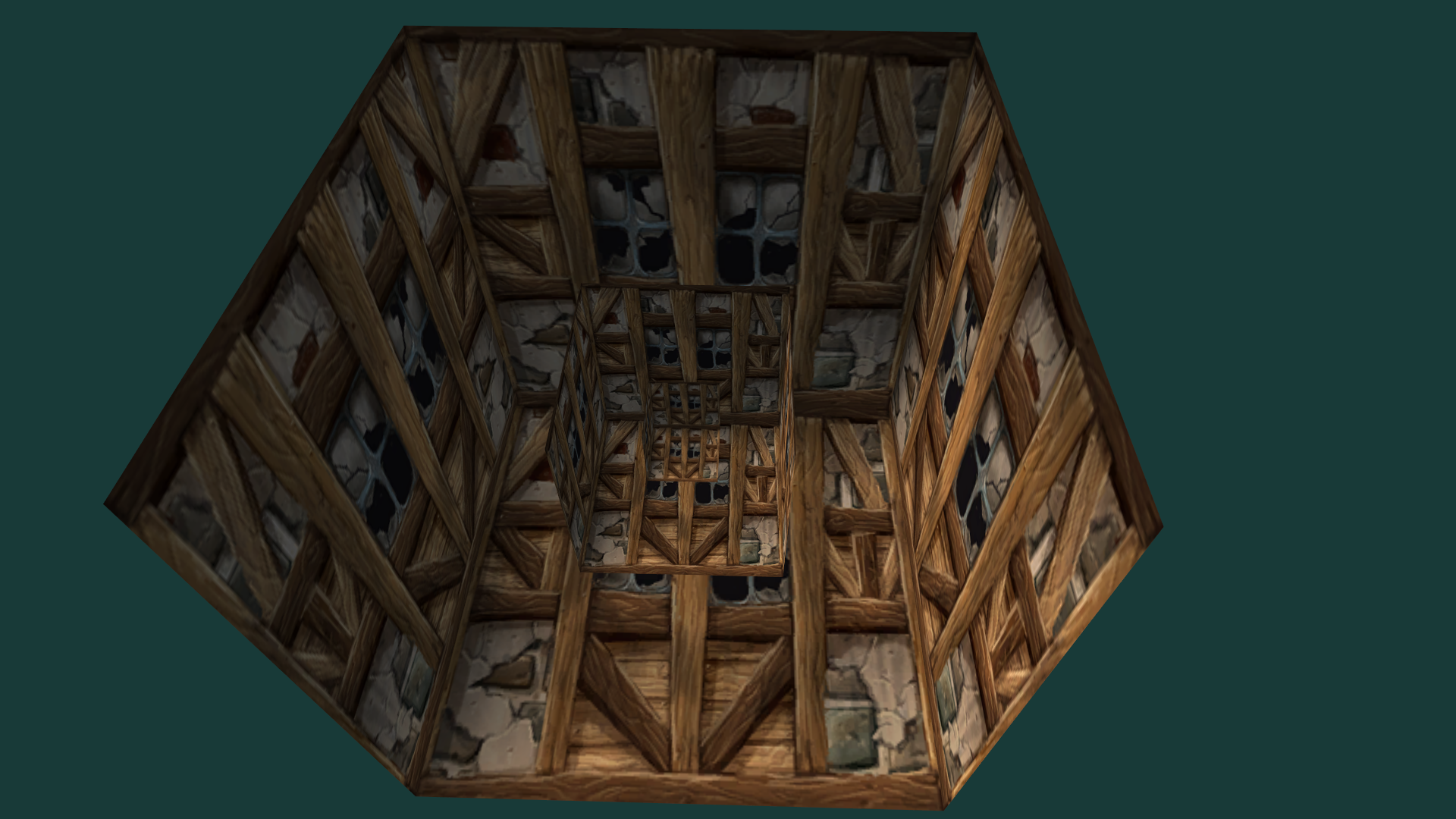
Testing, Scott Test and Collin's Test, are all identical maps of a cube model that is duplicated outwards from the center of the map 4 times, gaining in size each time (with the exception of Collin's Test, which is just the cube model without it duplicating). Presumably these maps would have been used to test maps without terrain, or object only maps (also known as .wmo only maps).
Old Outland#
Watch on YouTube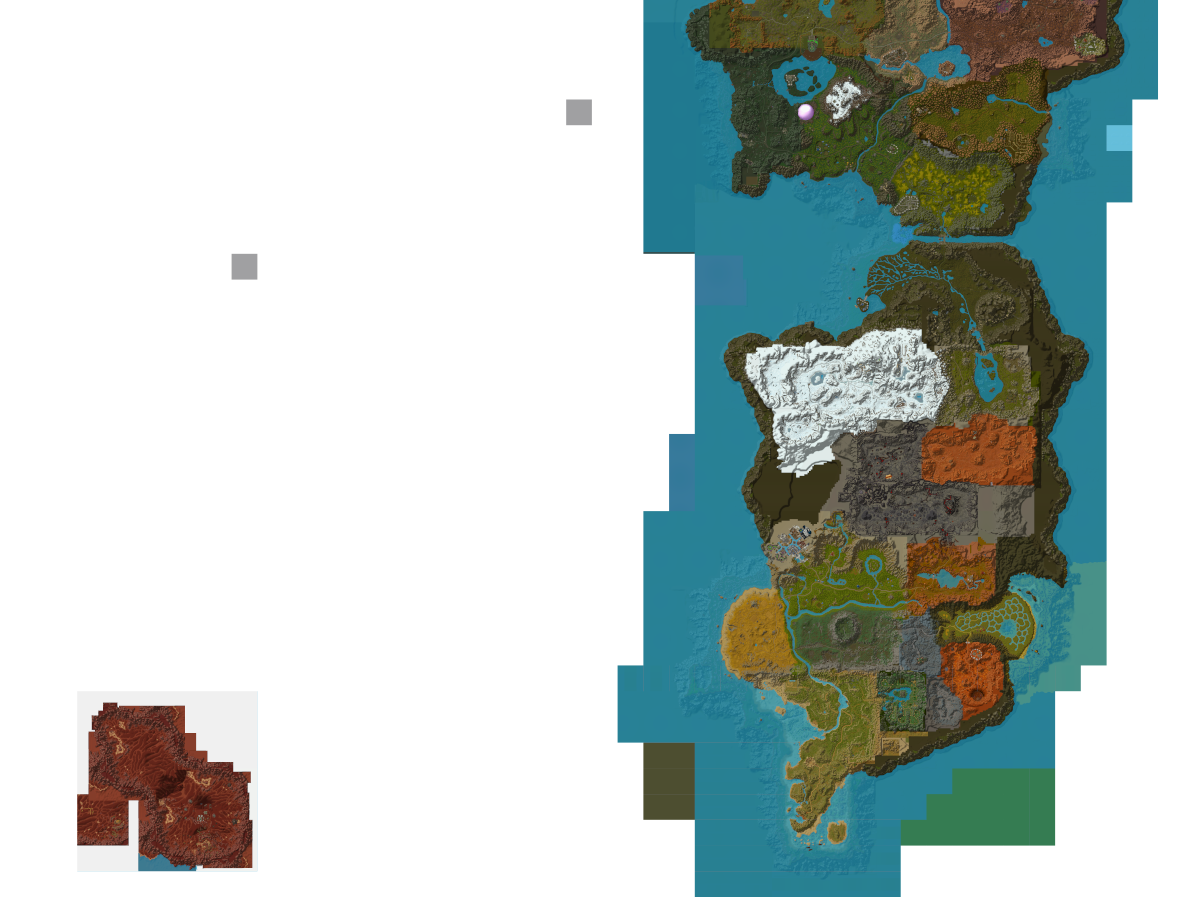
Outland (or Old Outland as the community calls it) was supposed to be a 54-60 leveling zone long before The Burning Crusade expansion released.
The zone's files first appeared in the alpha 0.5.5 build and remained there until the first TBC patch release. The area was located far off the coast of Stranglethorn Vale, however it was inaccessible to players due to it being separated by uncrossable empty space. Datamining in the Vanilla client files will reveal several assets branded "outland".
The zone strongly resembled Hellfire Peninsula seen in Warcraft 2 and Warcraft 3; most notably, giant mushrooms and trees floating on crystals could be seen.
Areas#
Northern Lordaeron/Quel'thalas#
Northern Lordaeron is an unofficial name used to refer to the unnamed closed zone wedged between the northwestern border of the Eastern Plaguelands, the northeastern border of the Western Plaguelands, and the southwestern border of the Ghostlands prior to the Midnight expansion.
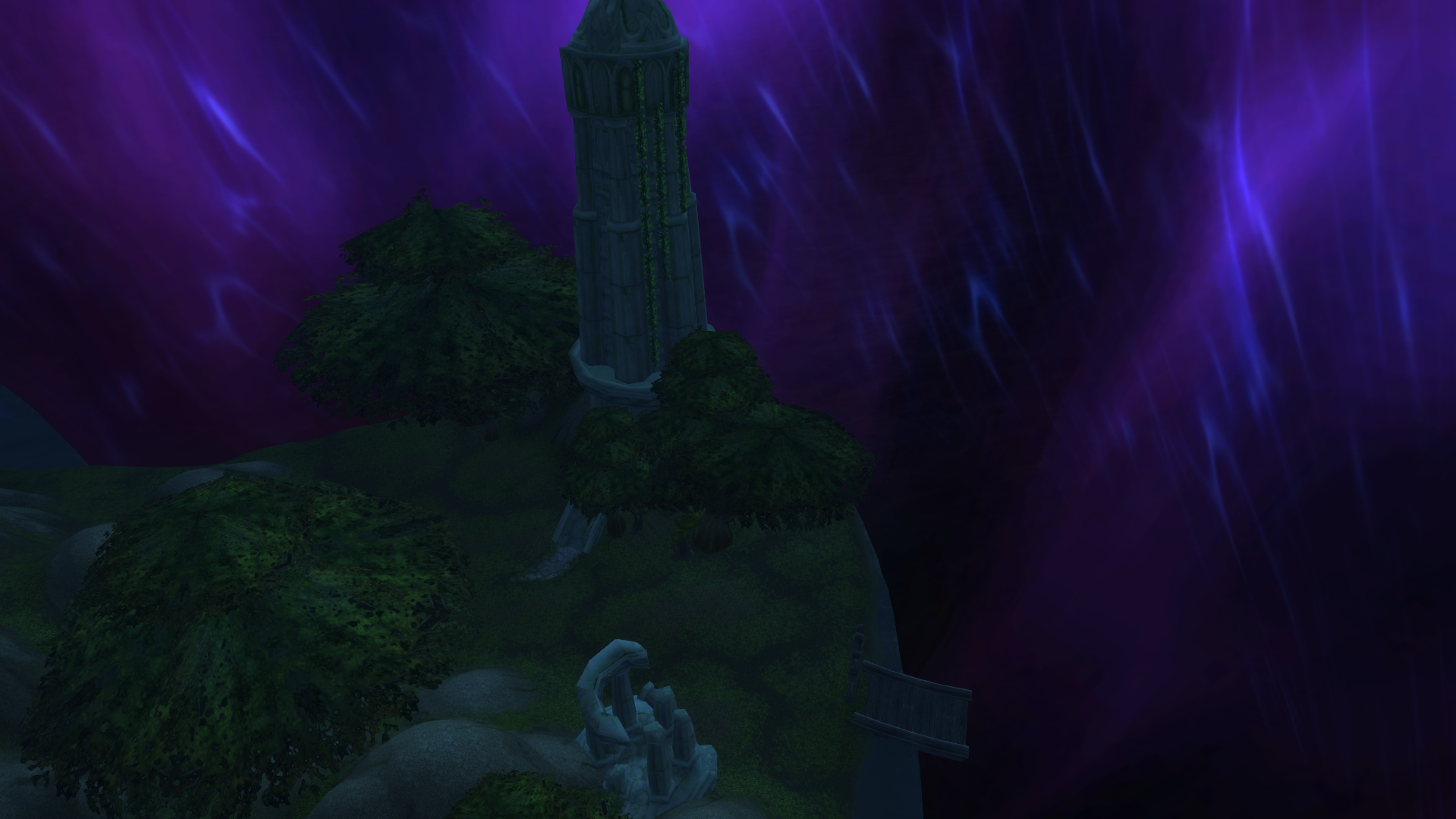
It is an inaccessible zone in-game that may have been part of the fallen Kingdom of Lordaeron, or of the Kingdom of Quel'Thalas. Moreover, this must be the place where the Thondroril River is born geographically. Most of the area is covered by an uninstanced and unfinished copy of Stratholme. This version of Stratholme is still considered to be part of the Quel'thalas zone by the game, and players in it will be listed as being in Quel'thalas when searched via "/who" or checking their guild roster. The second part of the area contains Night Elven ruins and towers. Also, the shore between Tirisfal and Quel'thalas is a no-fly zone.
The area has existed in the game since vanilla and unlike other closed or inaccessible zones, it wasn't removed in Cataclysm when the whole Old World was revamped. Instead, the developers put an invisible wall surrounding the area that prevents access. This is likely a leftover from before the current idea of Quel'thalas was conceived. It must have been scrapped very early in development when the devs decided that the game's timeline will be placed after the events in Warcraft III. In Warcraft III, Quel'thalas was destroyed by Arthas and his Scourge during The Third War. The invisible wall surrounding the area was removed in patch 8.0.1. The zone became accessible for all players who completed the Battle for Lordaeron scenario.
In the early patch 7.3.5 PTR, the area was initially linked to the playable void elf unlock questline. It was named Shadow of Azeroth, and approaching it caused the sky to turn violet. The PTR sky change was unavailable in Battle for Azeroth but returned in Shadowlands.
Following the release of the Midnight expansion, Northern Lordaeron has been reworked into the Thalassian Range, a sub-area of the Ghostlands which are now part of the main Eastern Kingdoms map. The Night Elven ruins have been reworked into the Silverglade Refuge, a sub-area of the Eversong Woods1.


GM Island#
GM island was a small island located in the far upper left corner of the Kalimdor map (in fact it is the furthest you can actually create terrain in a map). This island once served the purpose for allowing GM's to log in and out of the game away from the eyes of the players, though due to various bugs some players managed to add GM's to their friends list whereby their current zone showed as being in "GM Island".
Interestingly there is a strange room hidden under the terrain completely inaccessible, internally called "GM_Dungeon.wmo" it is known by the community as the "GM Prison" as it is speculated this is where GM's once took rulebreakers for questioning.
GM Island was removed sometime in the Shadowlands expansion, though its minimap data still remains in game to this day.
References#
- Quel'Thalas/Eastern Kingdoms terrain, World of Warcraft Community, Warcraft Wiki, January 20, 2026↩︎