 This article has a talk page!
This is a sub-page of WarioWare: Smooth Moves.

|
This page or section needs more images. |

|
To do:
|
WarioWare: Smooth Moves received many overhauls in international releases due to cultural differences in Japan and the rest of the world. A particularly large number of changes had to be made in Korea, due to lingering restrictions on Japanese cultural imports clashing with various microgames that were based around Japanese culture and history.
Wii Home Menu Channel & Save Data Banners#
|
|
To do:
|
Just like most other Wii games released at the time, the region's appropriate logo and background is used for the game's Wii Menu Banner. This also applies to the game's Save Data Banner.
Title Screen#
Japan |
US |
|---|---|
 |
 |
Europe |
Korea |
|
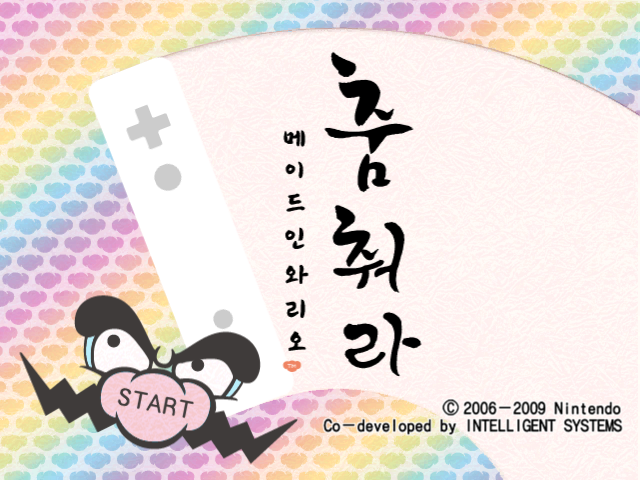 |
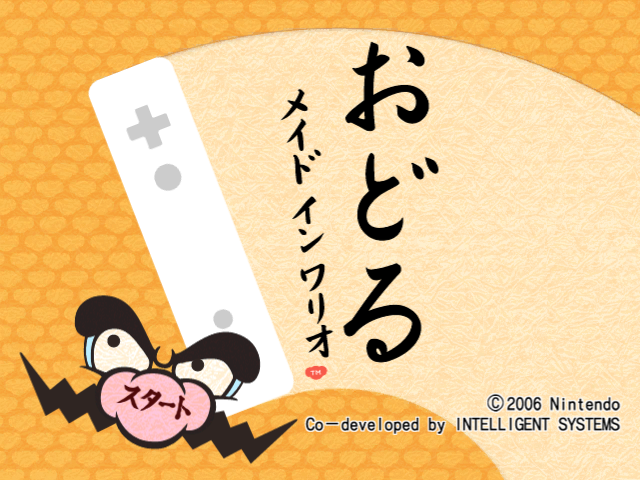
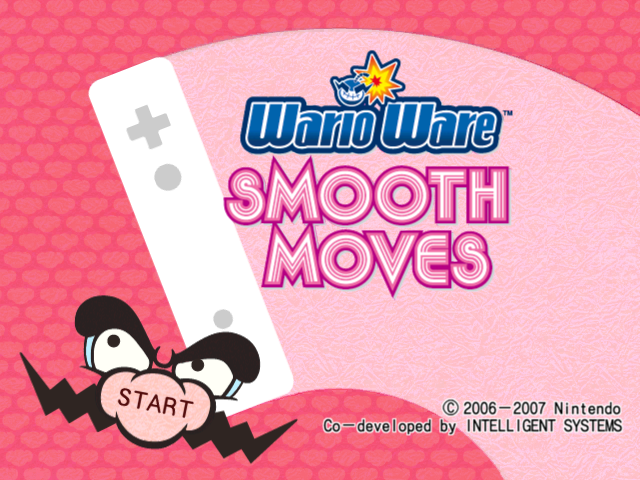
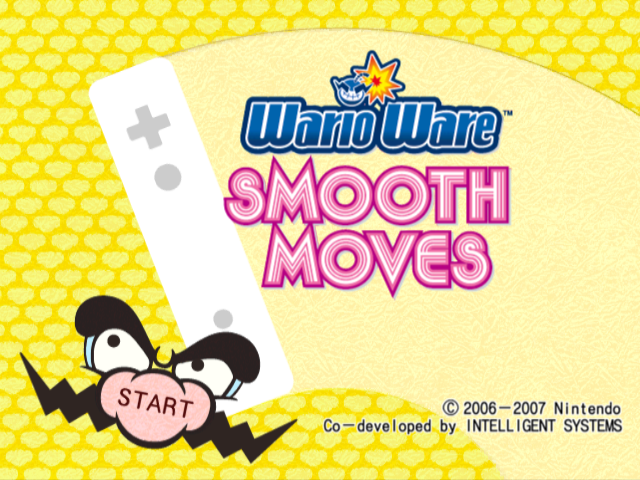
The Japanese title screen has an orange background, the North American title screen has a pink background, the European title screen has a yellow background and the Korean title screen has a rainbow background. In addition, the music played on the title screen is different in the Japanese version of the game. In the Japanese edition, the music has the same motif as the Temple of Form. In other editions of the game, the title music is a cover version of the title theme from WarioWare, Inc.: Mega Microgame$!.
Japan |
International |
|---|---|
File Select Screen#
The text "New!" which shows an empty file has different font between versions. In the Japanese version it's written as "new!", with "new" being a thick font and "!" being indented. In the US and European versions it's written as "New!", with "New" being a thick font and "!" being indented. In the Korean version it's written as "New!", with "New" having a really thin font font and "!" being straight.
Name Entry#
In the Japanese version, you can use Hiragana, Katakana, or English letters. In the US and European versions, it's only the latter (obviously). Oddly, the Korean version only allows English instead of Hangul or Korean letters.
General#
- The message shown when most stages speed up was changed from "Speed Up!" in the Japanese and Korean versions to "Faster!" in the US and European versions.
- The Kelorometer game had text that read "Kel". The international versions added a dot after the word so the text was changed to "Kel.".
- The form explanation music uses Japanese instruments in the original game. The US and European versions change it to a different track, which uses piano and digital sounds instead. The form explanation music in the Korean release uses Korean instruments.
Japan |
Korea |
International |
|---|---|---|
- The form explanation narrator reads the form name on the card before each microgame in the Japanese and Korean versions. This is absent in all other languages.
- In the Korean version, all the artworks of the Wii Remote (Form Baton) include a Wii Remote Jacket. Other editions of the game got artworks of Wii Remotes without protection jackets.
Microgames#
Boom Box#
|
Japan |
International |
|---|---|
|
|
|
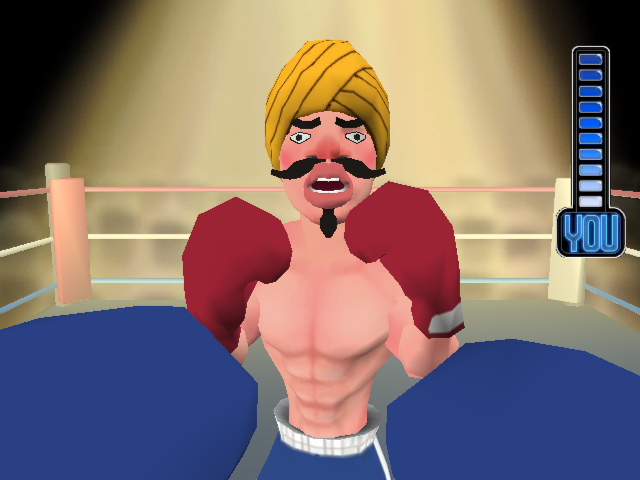
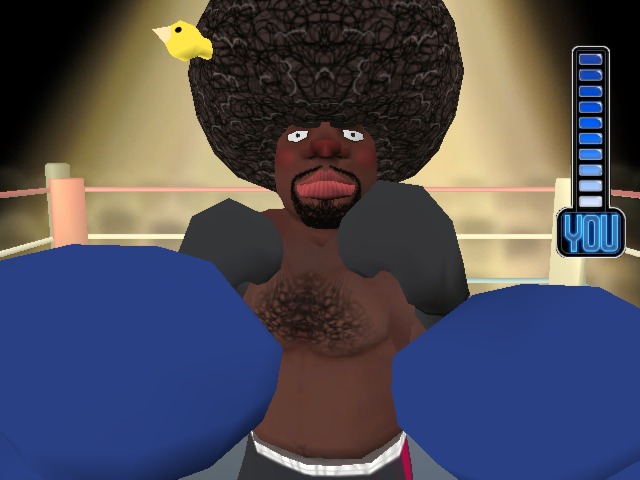
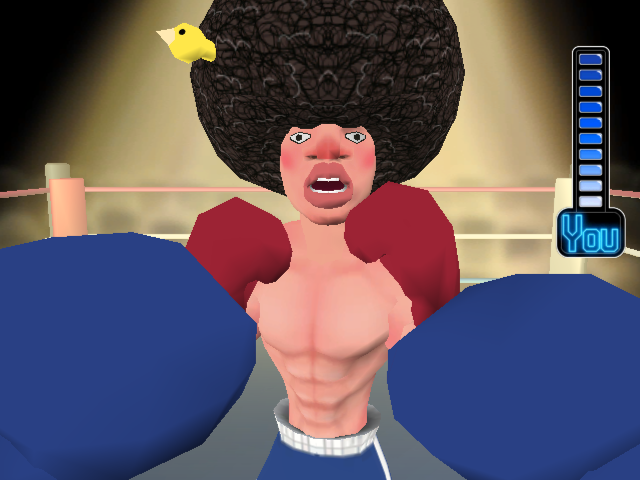
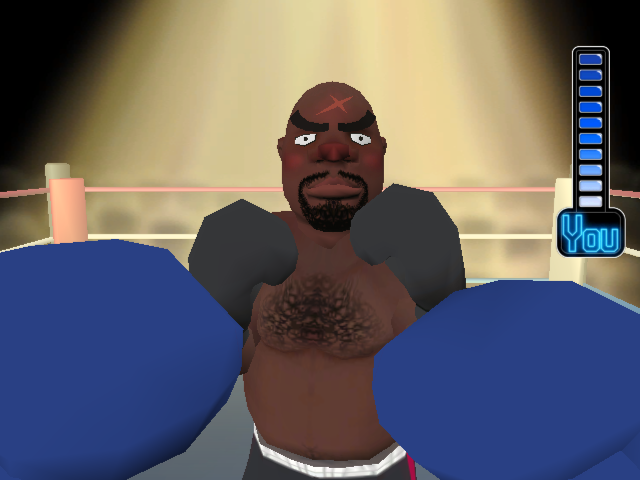
The first opponent originally wears a turban and sports a mustache and a goatee, while in localized games he wears an afro with a bird's head popping out and no facial hair. The third opponent wears this same afro in the Japanese version and has pinker lips, while other versions make him bald and his lips darker to closely match his skin tone. Both changes were made due to the original designs being evocative of ethnic stereotypes.
Teeth Polithe#
|
Japan |
International |
|---|---|
|
|
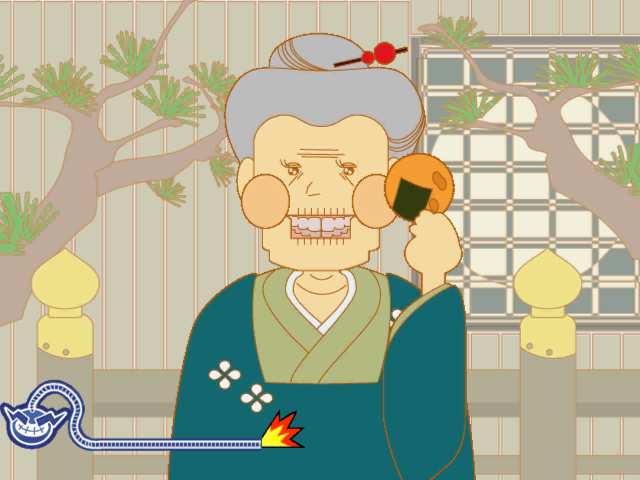
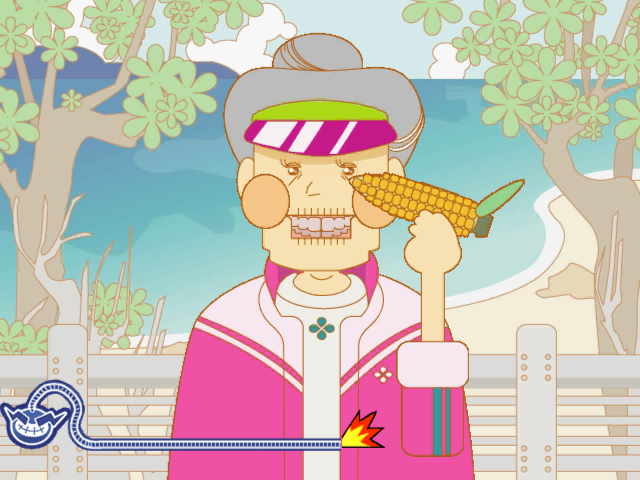
In the second level, the old woman takes a bite of a senbei in the Japanese version while she takes a bite of a corn cob in the international versions. The background and her clothes were also changed, from Japanese-styled to a beach and a pink jacket and visor, respectively.
Saving Face#
|
Japan |
International |
|---|---|
|
|
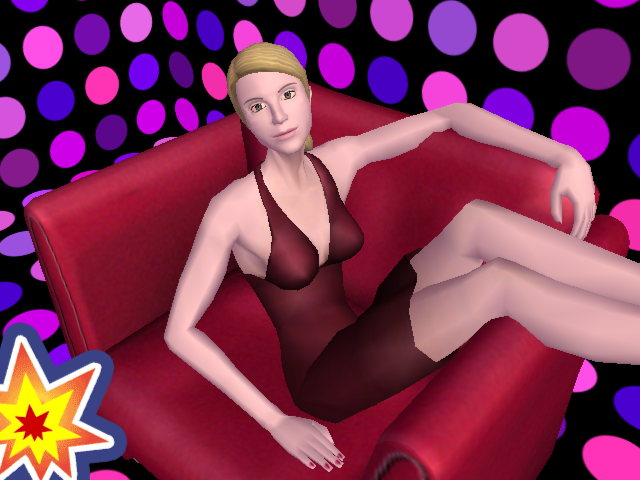
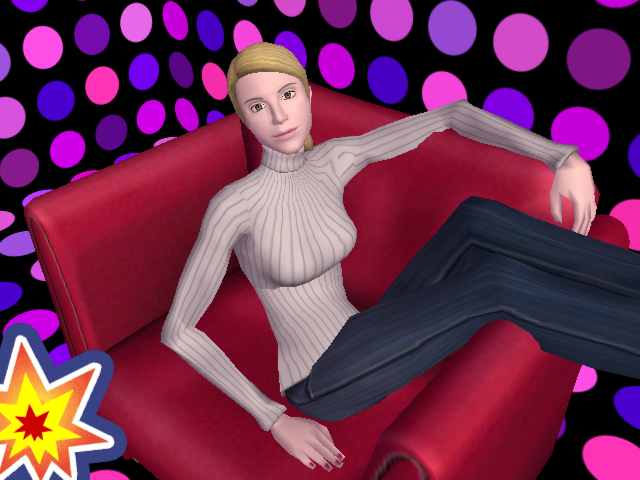
The localized versions changed the clothes the woman is wearing from a red dress to a less revealing turtleneck sweater and jeans.
Sucker Punch#
In the Japanese version the text that appears when you win is "K.O.". This was changed to "K O" in the international versions.
Stir Crazy#
|
Japan |
International |
|---|---|
|
|
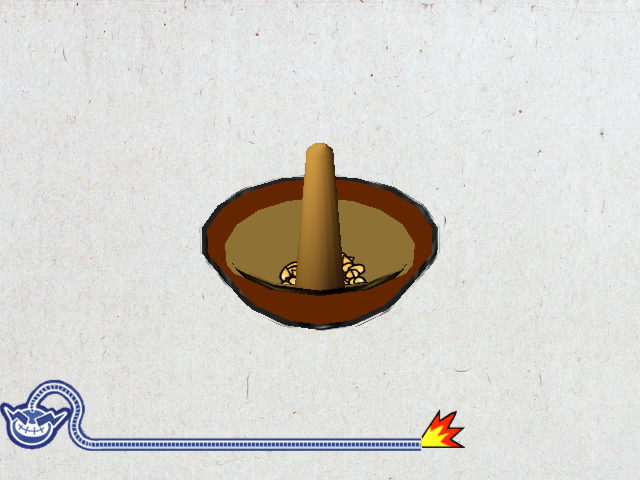
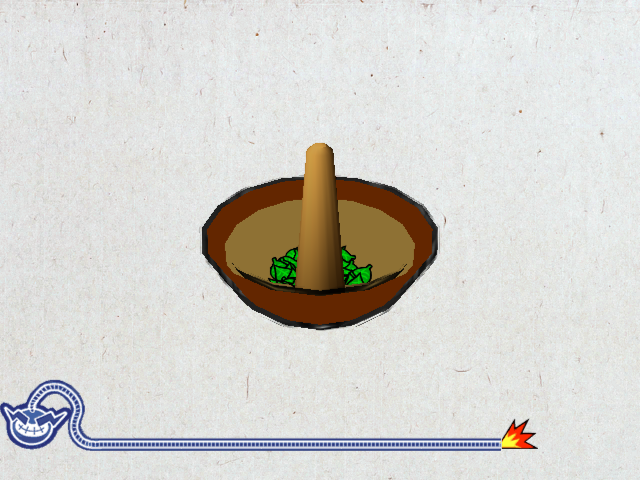
In the first level, the Japanese version has you grinding rice for soba. This was changed to grinding herbs for spaghetti in the international versions.
Biggest Fan#
|
Japan |
International |
|---|---|
|
|
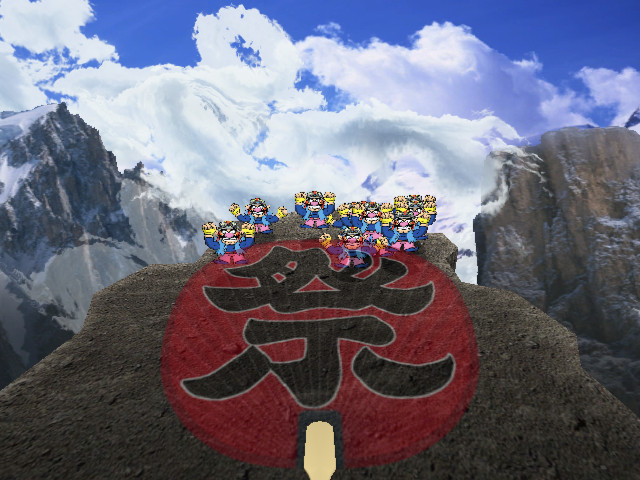
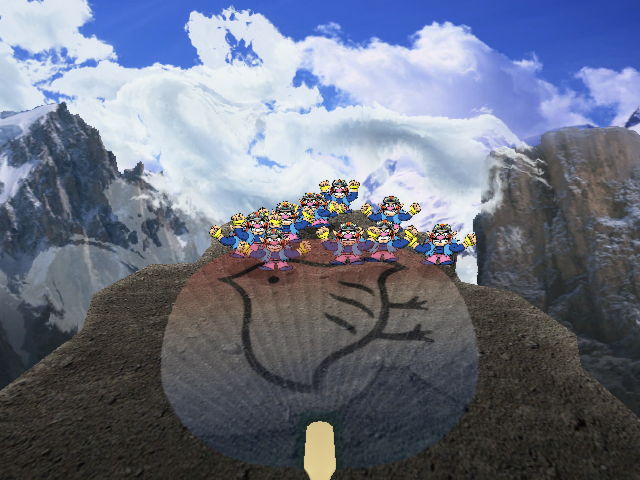
In the Japanese version the image of the fan shows the text 祭 (festival). This was changed to an image of a bird in the international versions.
Produce Stand-Off#
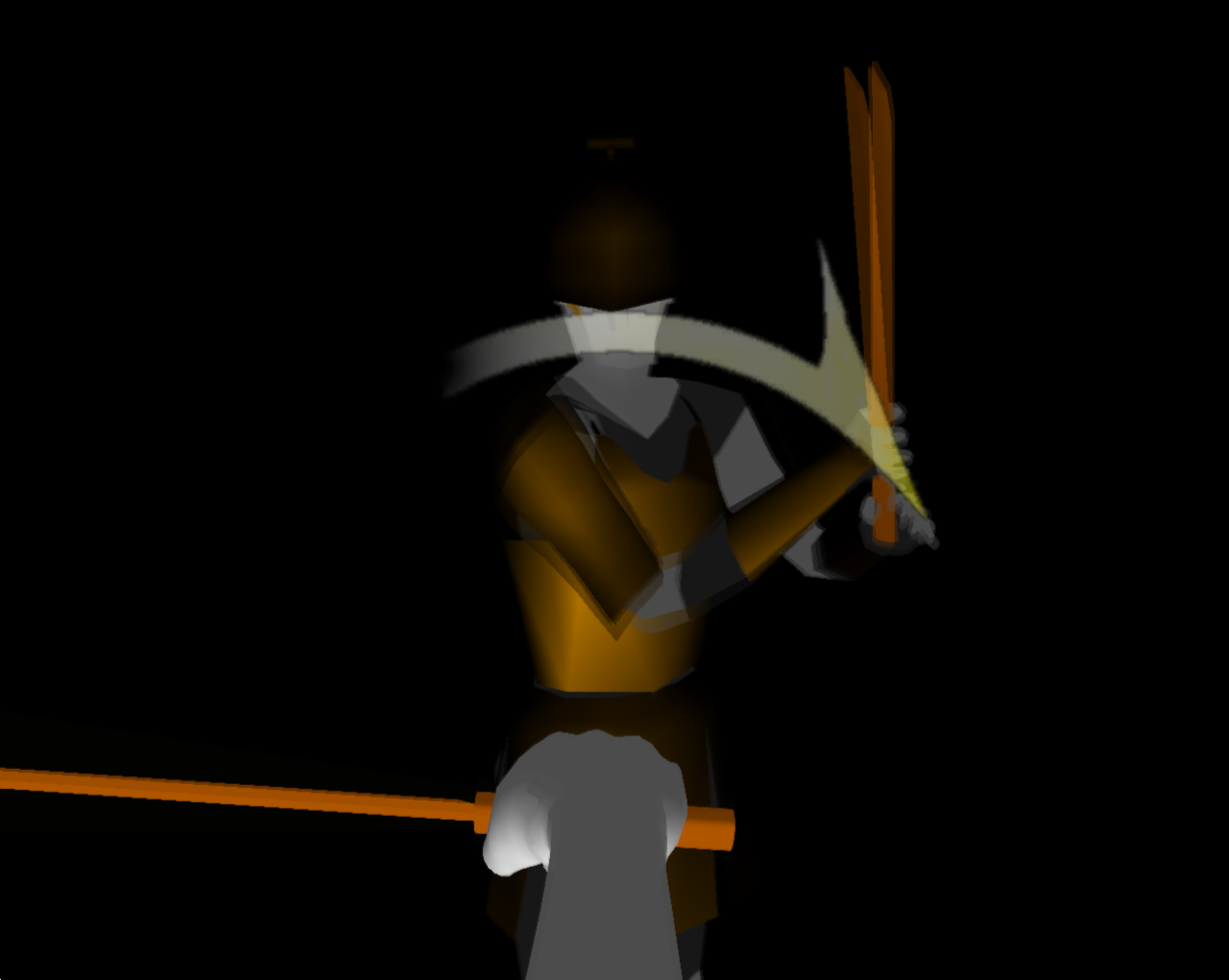
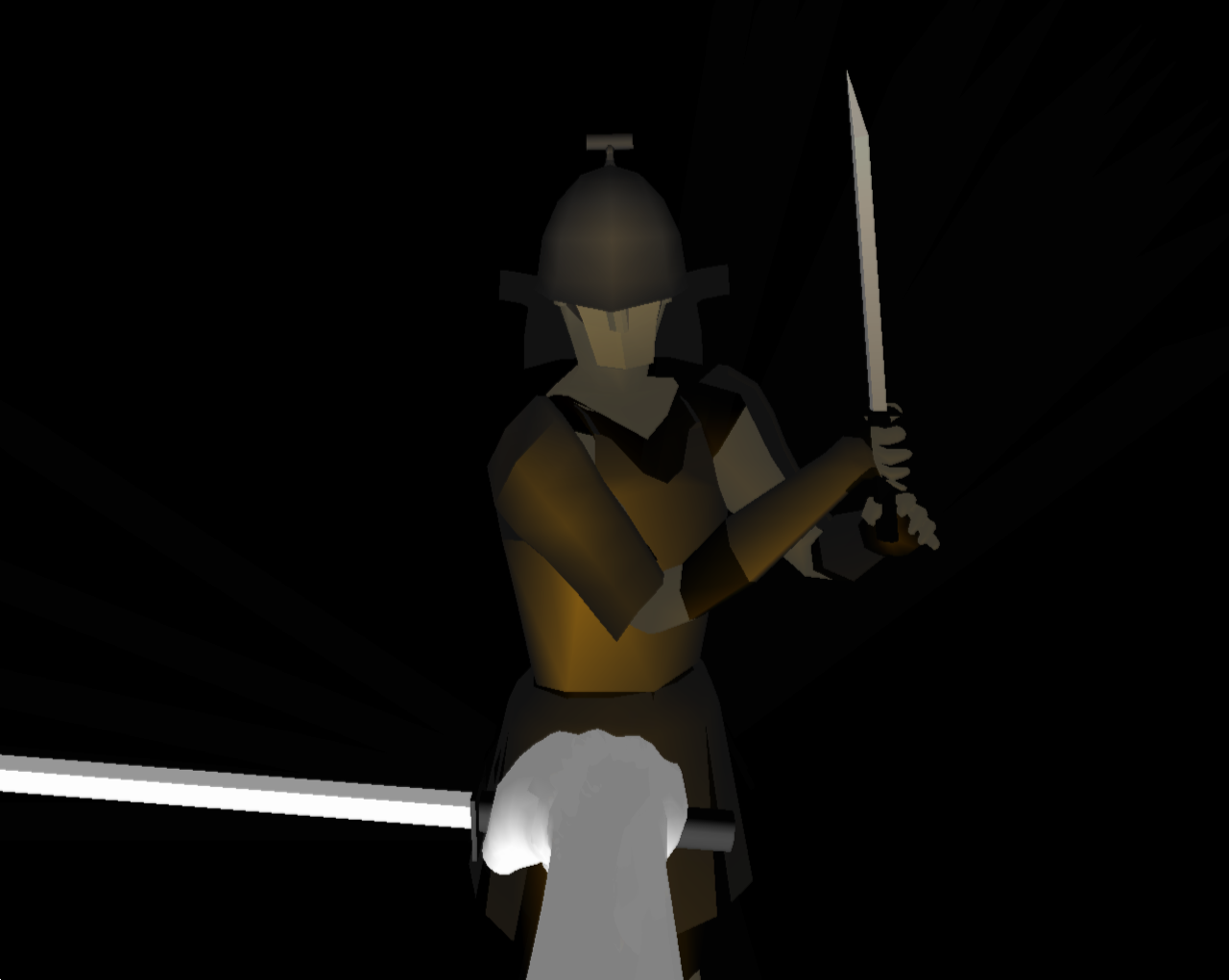
The international versions changed the color of the suit the enemy wears for all three levels.
|
Korea |
International |
|---|---|
|
|
In addition, the Korean version changed the weapon that the player and enemy carries from swords to wooden sticks.
Bell Captain#
Japan |
Korea |
International |
|---|---|---|
 |
 |
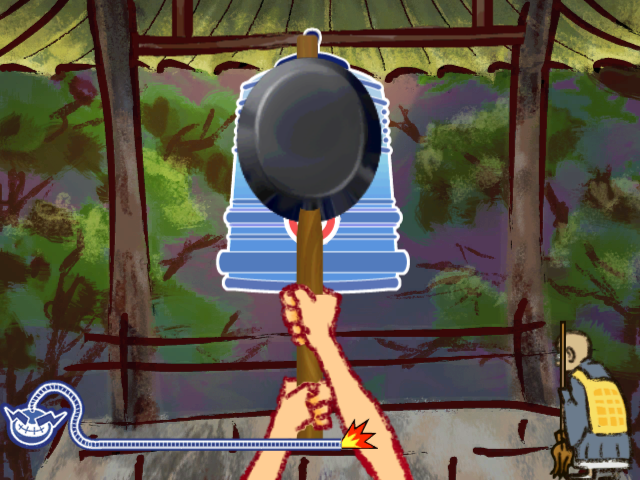 |
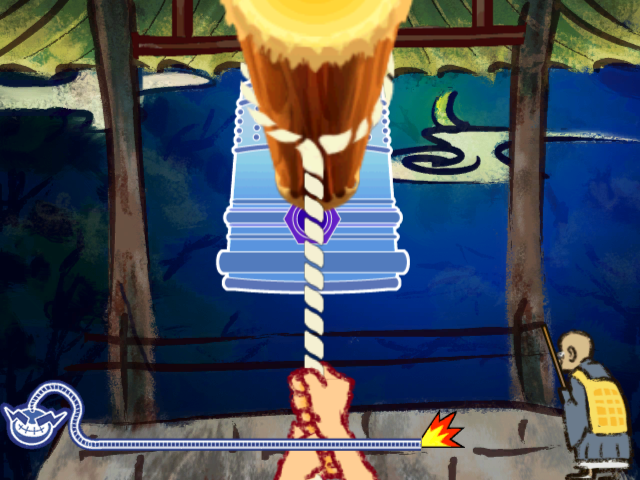
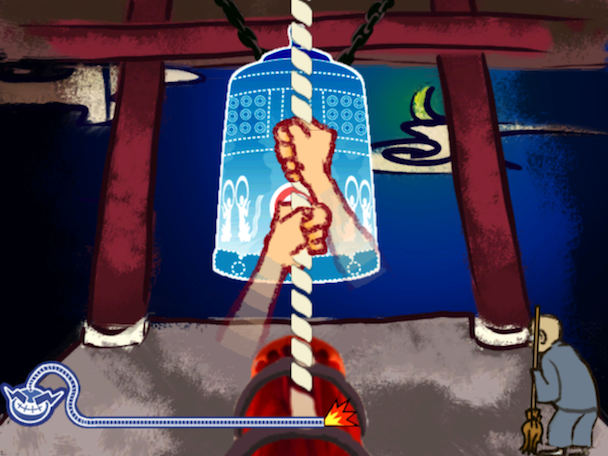
In localized versions, the player hits the bell with a mallet, unlike the Japanese version, which instead uses a suspended wooden beam. The Korean version, meanwhile, redesigns the minigame to replace the Japanese bell shrine with a Korean one and removes the priest's mantle.
Clean Sweep#
The Korean version changed the clothes of the man from Japanese shrine clothes to Korean shrine clothes. Additionally, the bell and background were changed, and the Korean version has a rope.
Stick It to the Man#
|
Korea |
International |
|---|---|
|
|
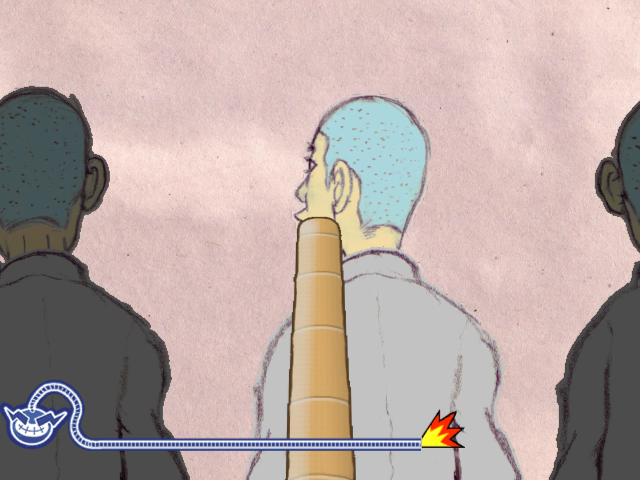
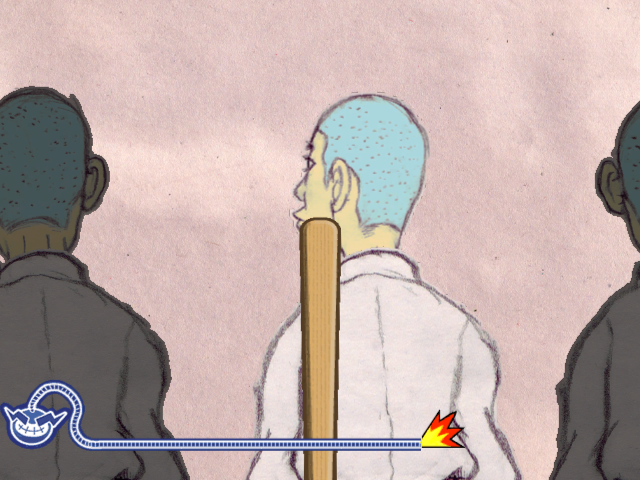
The Korean version changed the stick from a Japanese stick to a bamboo stick.
Cold Call#
|
Korea |
International |
|---|---|
|
|
|
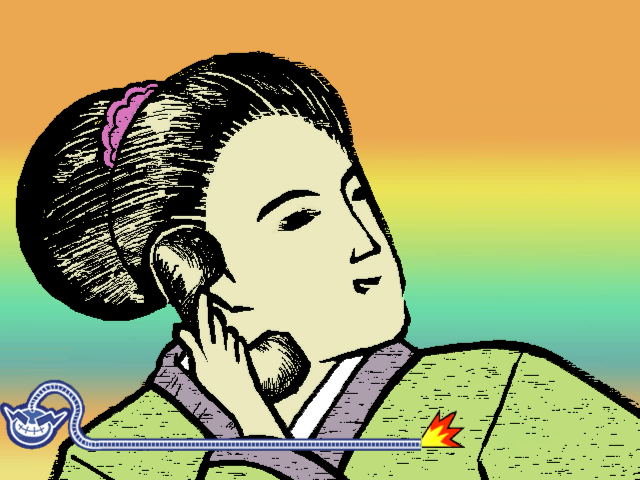
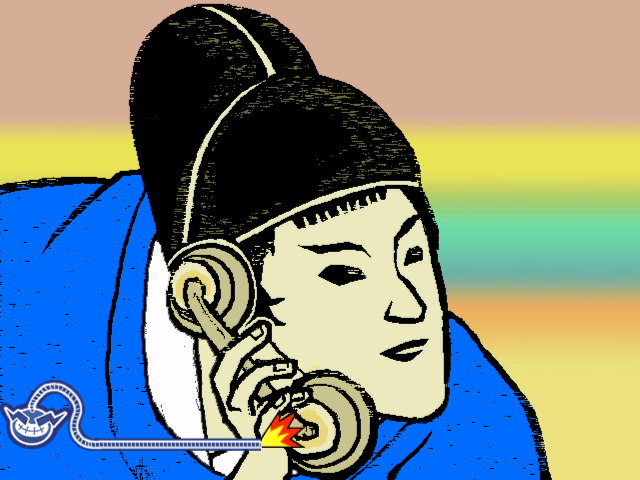
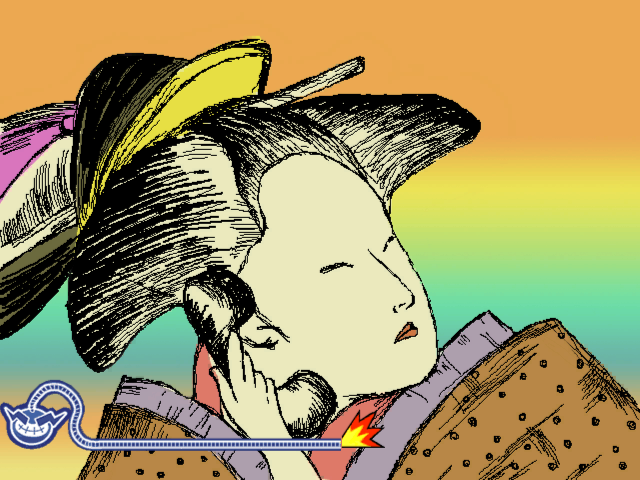
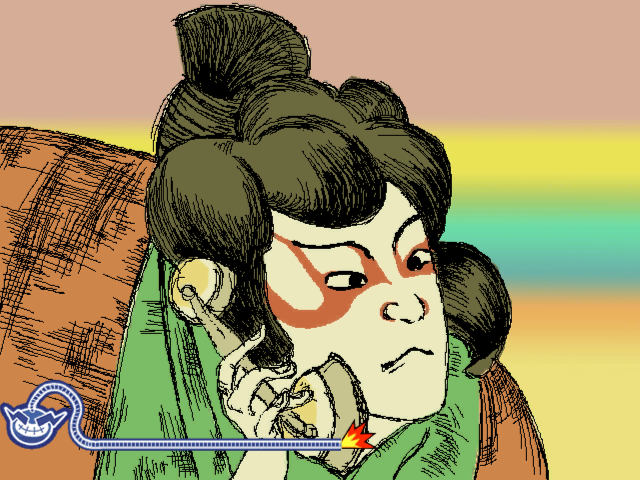
In the Korean version, the people who pick up the phone were changed from Japanese medieval nobles to Korean medieval nobles.
Driver's Ed#
|
Japan |
International |
|---|---|
|
|
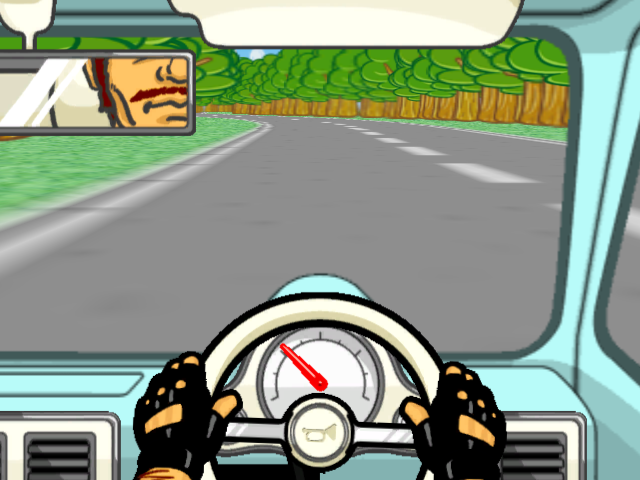
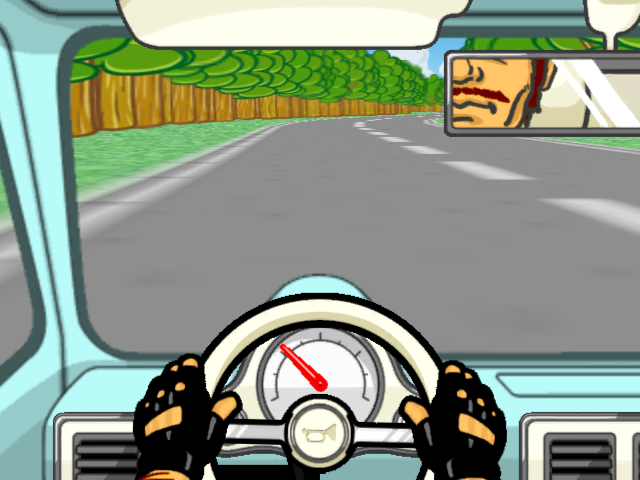
In the Japanese version, the car that you drive in has the steering wheel on the right side. In the international versions, the steering wheel is on the left side.
Three's a Crowd#
|
Korea |
International |
|---|---|
|
|
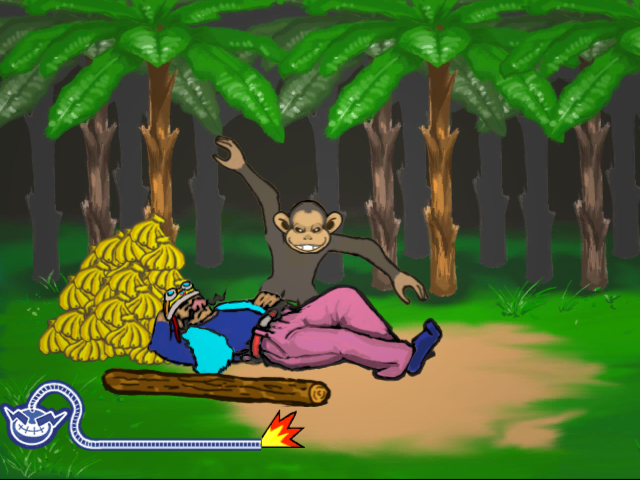
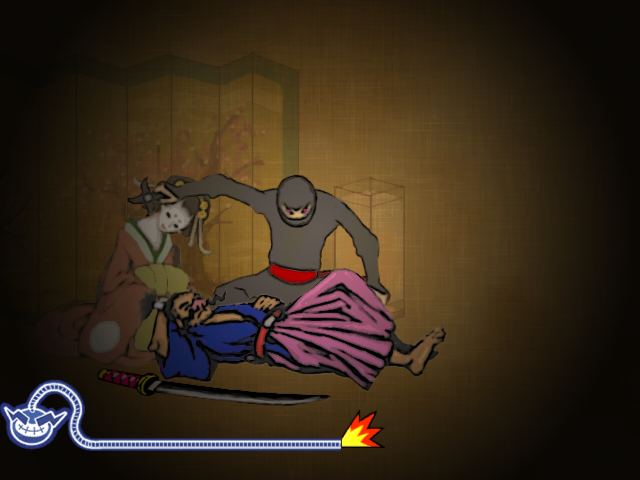
The Korean version completely changes the microgame's graphics, due to South Korean restrictions on Japanese cultural imports. Wario is in his normal outfit instead of samurai robes, he's lying against a pile of bananas in the jungle instead of lying in a woman's lap, and his opponent is a banana-stealing monkey instead of a ninja carrying out a hit.
(Source: MarioWiki)
Star Fox#
|
Japan |
International |
|---|---|

|

|
In the Star Fox microgame, R.O.B. uses a Famicom Beam Gun in the Japanese version and the second Zapper for the international ones. R.O.B.'s color scheme is appropriate for each region, matching the Famicom and NES colors respectively.
Super Nostalgic Entertainment System#
|
Japan/Korea |
US/Europe |
|---|---|
|
|
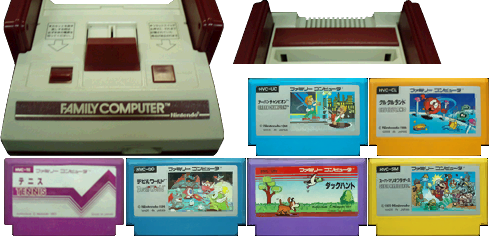
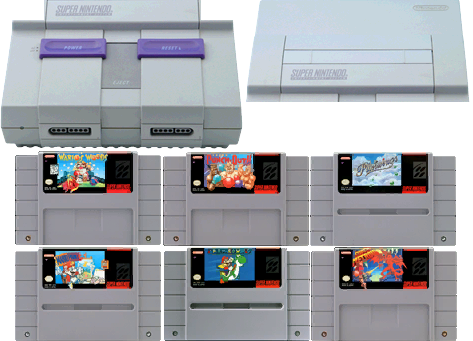
In Japan, "Super Nostalgic Entertainment System" is called "Family Computer" and uses, as you may have guessed, a Famicom. The Famicom cartridges are Urban Champion, Clu Clu Land, Tennis, Devil World, Duck Hunt, and Super Mario Bros., while the SNES cartridges are Wario's Woods, Super Punch-Out!!, Pilotwings, Mario Paint, Super Mario World, and Super Metroid. This change was made because, aside from a few obscure later revisions (like the New-Style NES), the international NES was front-loading as opposed to the top-loading Famicom and SNES. Also, SNES cartridges were much more closer in size to the Famicom cartridges than the international NES cartridges.
Strangely, the European version also uses the American SNES while the Korean version also uses the Japanese Famicom.
Hare Rising#
The Korean version changed the red flag to the blue flag.
BYOM#
If the player loses because the meat is burnt, the phrase that appears is “Awful...” for the Japanese and Korean versions, “Blech...” for the US version, and “Yuck...” for the European versions.
The Closer#
The SBO Counter shown during this microgame had its order changed (from top to bottom) from Strike, Ball, Out in the Japanese and Korean versions to Ball, Strike, Out in the US and European versions. Additionally, the speed of the ball thrown is shown as km/h in non-American versions and mph in the American version.
Kat and Ana's Intro#
|
Korea |
International |
|---|---|
|
Korea |
International |
|---|---|
The man that Kat and Ana is trying to rescue has a different appearance in the Korean version. He was changed from a samurai with a samurai style ponytail to a gray haired man with long mustache and beard. This change also extends to the epilogue.
9 Volt and 18-Volt's Intro#
Japan |
Korea |
US/Europe |
|---|---|---|
9-Volt and 18-Volt's intro was slightly changed during the English localization: instead of "Love" and "Game", it says "Game" and "Boys". The Famicom was also changed to an NES. The Japanese version doesn't show hyphenation on 9-Volt and 18-Volt's names.
Ashley's Intro#
|
Japan/Korea |
US/Europe |
|---|---|
The snot bubble seen when Red is sleeping was removed in the US and European versions.
Young Cricket's Stage#
In the Japanese version, the sign at the stand has the text 歓迎 (welcome). The international versions changed this to the text "WELCOME". This also applies to when the text changes to "CLOSED" at the end; in the Japanese version, it reads 閉店 (closed).
Multiplayer#
Bomb#
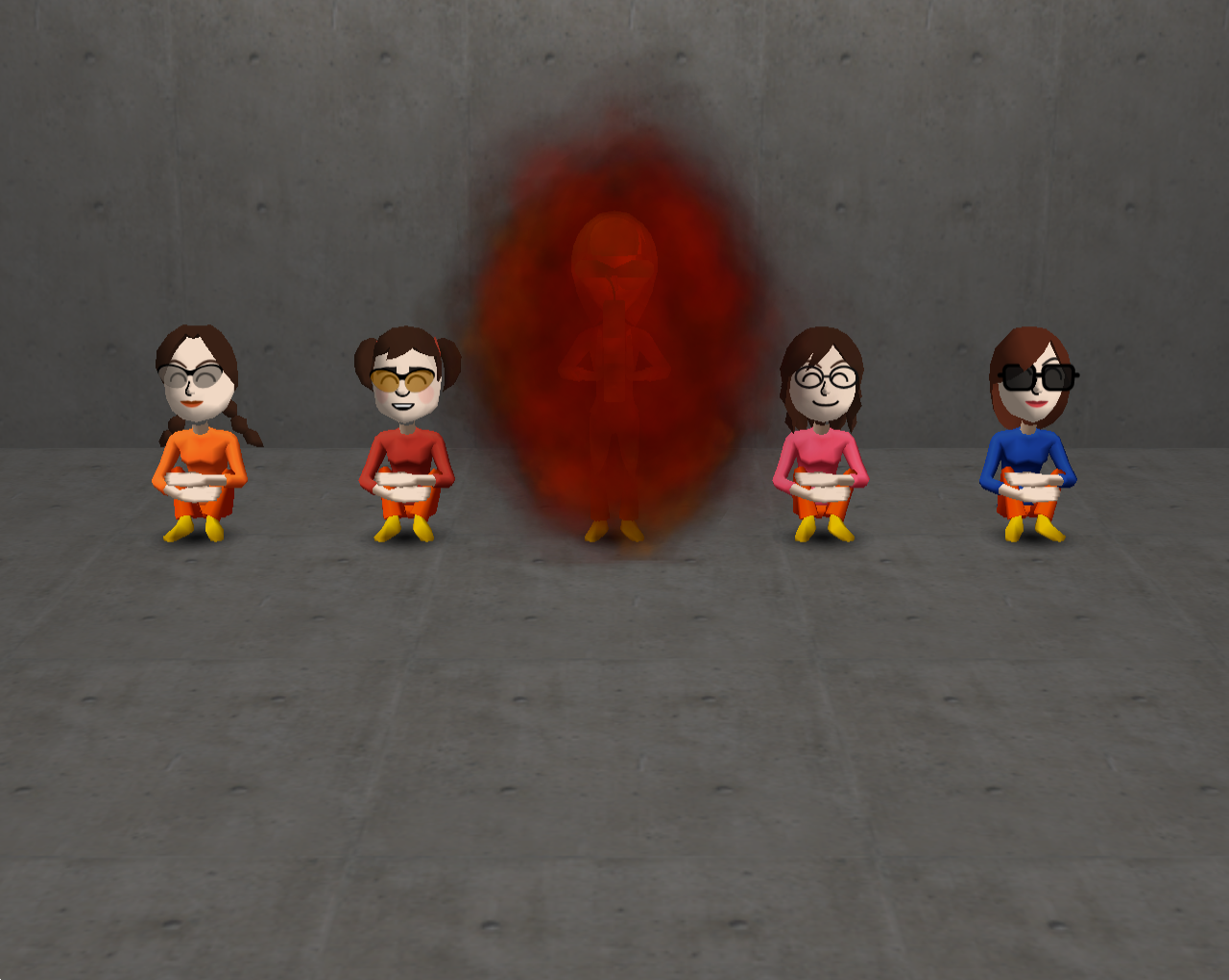
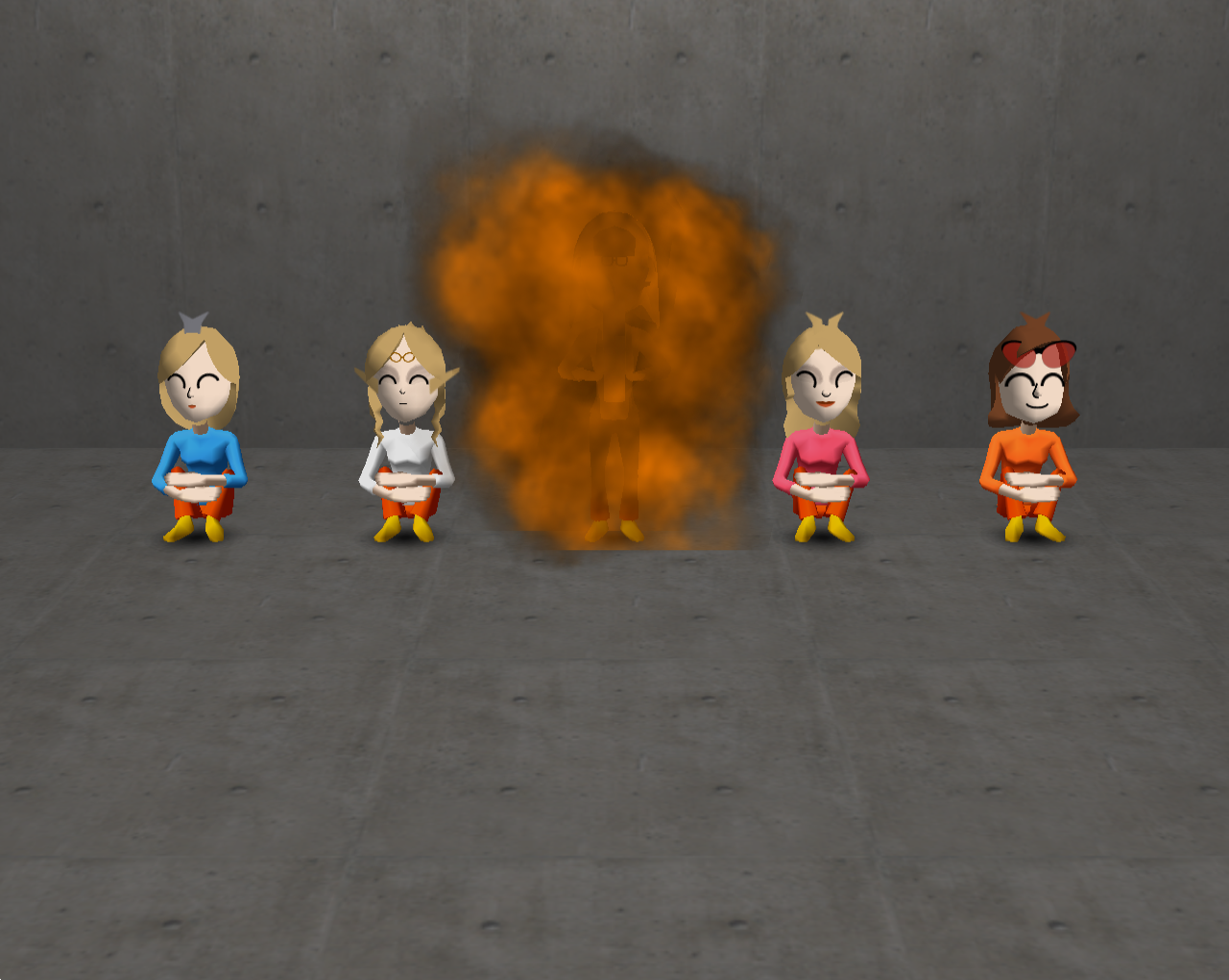
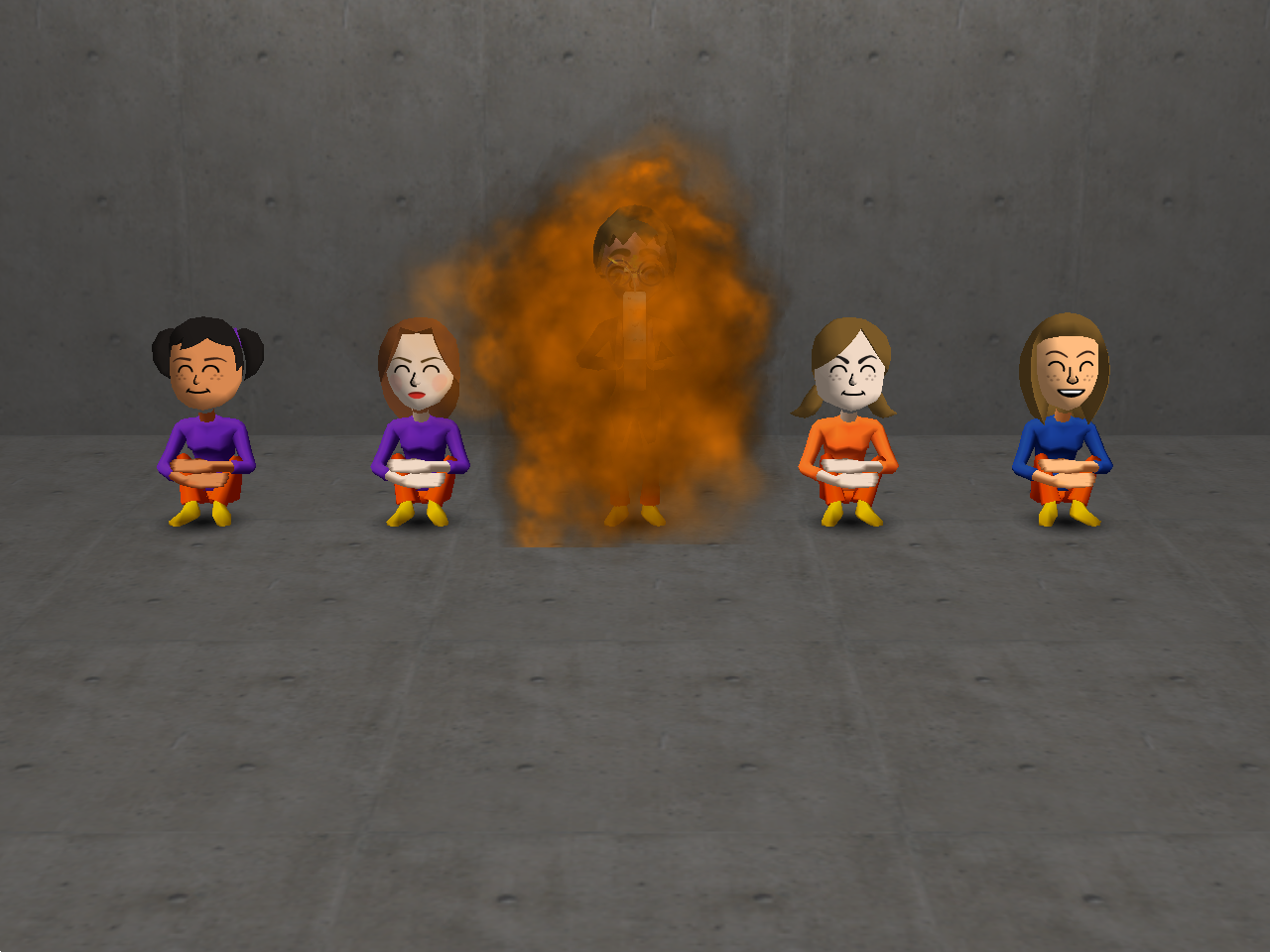
The bomb explosion is slightly darker in the Korean version, and smaller in the European version.
Korea |
International |
Europe |
|---|---|---|
 |
 |
 |
Forms#
|
|
To do: |
Of the 19 different forms in the game, most were given different names and illustrations outside of Japan because of how they rely on references to specific elements of Japanese culture. In most cases, the international illustrations are completely different from the Japanese ones.
Even among the international releases, some of the form names vary depending on the language.
Japanese |
English |
German |
Spanish |
French |
Italian |
Korean |
|---|---|---|---|---|---|---|
Front (正面) |
The Remote Control |
The Remote Control (Die Fernbedienung) |
The Zapper (El zapeador) |
The Remote Control (La télécommande) |
The Remote Control (Il telecomando) |
Remote Control (리모컨) |
Swimming Up a Waterfall (滝登り) |
The Umbrella |
The Umbrella (Der Regenschirm) |
The Umbrella (El paraguas) |
The Umbrella (Le parapluie) |
The Umbrella (L'ombrello) |
Umbrella (우산) |
Two-Handed Grip (両握り) |
The Handlebar |
The Rod (Die Stange) |
The Handlebars (El manillar) |
The Handlebars (Le guidon) |
The Handlebar (Il manubrio) |
Bicycle (자전거) |
Skillful Writing (達筆) |
The Sketch Artist |
The Drawer (Der Zeichner) |
The Drawer (El dibujante) |
The Designer (Le dessinateur) |
The Drawer (Il disegnatore) |
Painter (화가) |
Mawaryanse (まわりゃんせ) |
The Chauffeur |
The Steering Wheel (Das Lenkrad) |
The Chauffeur (El chófer) |
The Chauffeur (Le chauffeur) |
The Driver (L'autista) |
Driver (운전기사) |
Low Position (下段の構え) |
The Samurai |
The Samurai (Der Samurai) |
The Samurai (El samurai) |
The Samurai (Le samouraï) |
The Samurai (Il samurai) |
Warrior (무사) |
Tug-of-War (綱引き) |
The Tug-of-War |
The Tug-of-War (Das Tauziehen) |
The Tug-of-War (El tira y afloja) |
The Tug-of-War (Le tir à la corde) |
The Tug-of-War (Il tiro alla fune) |
Tug-of-War (줄다리기) |
Hand-riding (手乗り) |
The Waiter |
The Waiter (Der Kellner) |
The Waiter (El camarero) |
The Server (Le serveur) |
The Waiter (Il cameriere) |
Waiter (웨이터) |
Tengu (天狗) |
The Elephant |
The Elephant (Der Elefant) |
The Trunk (La trompa) |
The Elephant (L'éléphant) |
The Elephant (L'elefante) |
Elephant (코끼리) |
Thumb Wrestling (指相撲) |
The Thumb Wrestler |
The Thumb Catcher (Der Daumencatcher) |
The Thumb Wrestler (El luchador de pulgar) |
The Battle of Thumbs (Le combat de pouces) |
The Battle of Thumbs (Battaglia di pollici) |
Thumb Wrestling (엄지씨름) |
Leave Behind (置き) |
The Discard |
(Die Ablage) |
The Patience (La paciencia) |
The Wait (L'attente) |
The Recovery (Il recupero) |
Playing Cards (카드놀이) |
Showing Off (大威張り) |
The Big Cheese |
The Hula (Der Hula-Hula) |
The Bigwig (El gerifalte) |
The Little Chef (Le petit chef) |
The Big Boss (Il grande capo) |
Chairman (회장님) |
Prince Shoutoku (聖徳太子) |
The Janitor |
The Street Sweeper (Der Straßenkehrer) |
The Sweeper (El barrendero) |
The Broom (Le balai) |
The Janitor (Il bidello) |
Janitor (관리인) |
Iron Dumbbell (鉄亜鈴) |
The Dumbbell |
The Dumbbell (Die Hantel) |
The Dumbbell (La mancuerna) |
The Barbell (L'haltère) |
The Weights (I pesi) |
Dumbbell (아령) |
Topknot (ちょんまげ) |
The Mohawk |
The Iroquois (Der Irokese) |
The Iroquois (El iroqués) |
The Iroquois (L'iroquois) |
The Mohican (Il moicano) |
Mohican (모히칸) |
Side Dish (おつまみ) |
The Finger Food |
(Die Frittenfinger) |
Sybaritic (luxurious) (La sibarita) |
With the Fingers (Avec les doigts) |
With the Fingers (Con le dita) |
French Fries (감자튀김) |
Detective (岡っ引き) |
The Boxer |
The Boxer (Der Boxer) |
The Boxer (El boxeador) |
The Boxer (Le boxeur) |
The Boxer (Il pugile) |
Boxing (권투) |
Young Priest (小坊主) |
The Mortar and Pestle |
The Plunger (Der Stößel) |
The Mortar (El mortero) |
The Mortar and Pestle (Le mortier et le pilon) |
The Mortar and Pestle (Mortaio e pestello) |
Mortar (막자사발) |
Dual Wield (二刀流) |
The Diner |
The Cutlery (Das Besteck) |
The Diner (El comensal) |
The Dinner (Le dîner) |
At the Table (A tavola) |
Restaurant (레스토랑) |
The Remote Control#
|
Japan |
International |
|---|---|
|
|
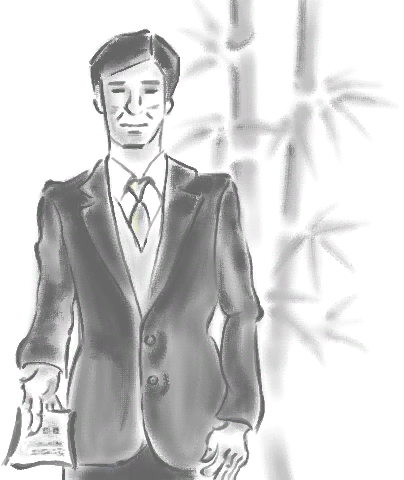
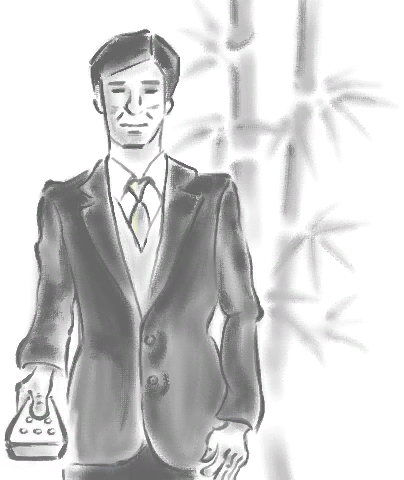
Both versions of The Remote Control form feature a man in a suit holding an object in his hand, with the Japanese version featuring a piece of paper and the international versions featuring a remote control. The Japanese name, shoumen (正面, meaning "front"), refers to the nature of the pose rather than any particular action in the illustration.
The Umbrella#
|
Japan |
International |
|---|---|
|
|
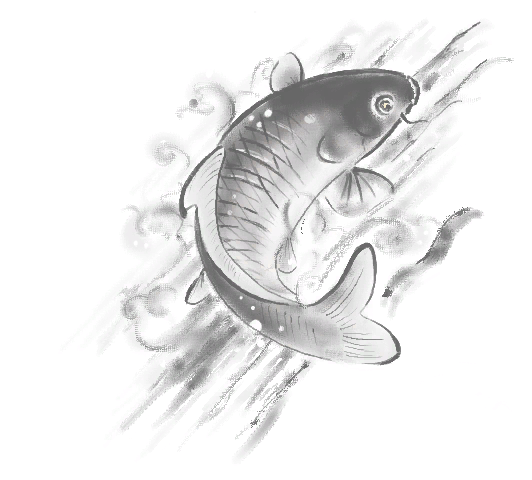
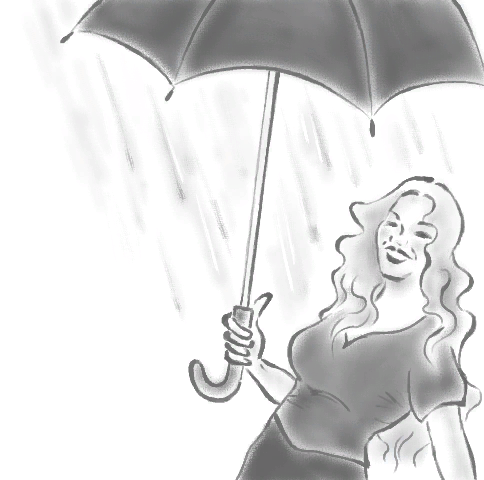
The Japanese version of The Umbrella form uses upright position of the Wii remote as a metaphor for the Japanese legend of a carp climbing a waterfall. The international versions just use a woman with an umbrella instead.
The Handlebar#
|
Japan |
International |
|---|---|
|
|
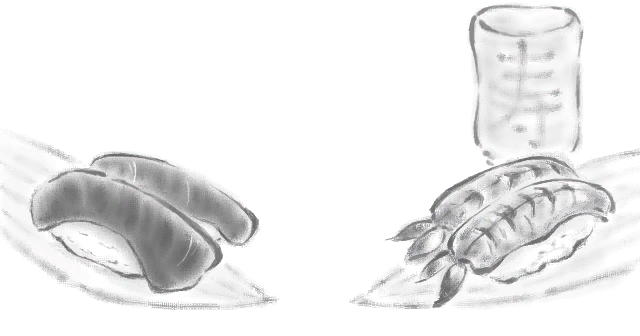
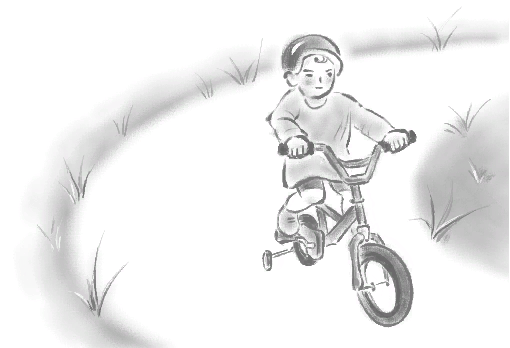
The Japanese version of The Handlebar form is based on food from Japanese cuisine that is typically eaten using two hands. The international versions uses the image of holding the handlebars of a bicycle instead.
The Sketch Artist#
|
Japan |
International |
|---|---|
|
|
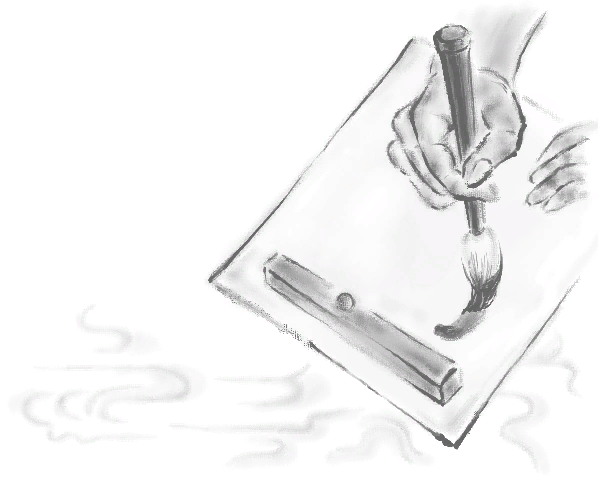
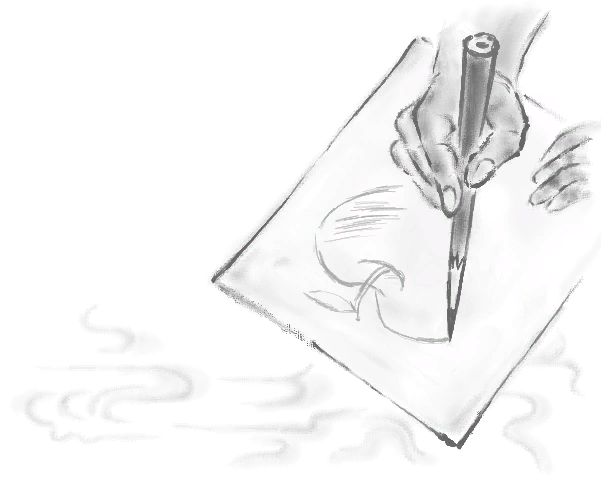
The Japanese version of The Sketch Artist form depicts calligraphy, the art of decorative writing, which is part of Japanese culture. The international versions instead uses the image of an artist drawing, a more recognizable analogy to the motions used in the form for Western audiences.
The Chauffeur#
|
Japan |
International |
|---|---|

|
|
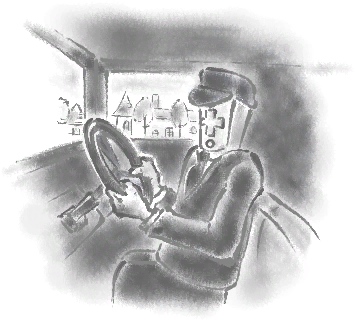
The Japanese version of The Chauffeur form is based on a traditional Japanese dance called Mawaryanse (まわりゃんせ), which involves holding hands. The international versions instead uses the image of a chauffeur (actually a Wii Remote) driving a car.
The Samurai#
|
Korea |
International |
|---|---|
|
|
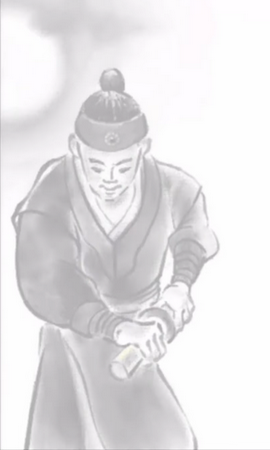
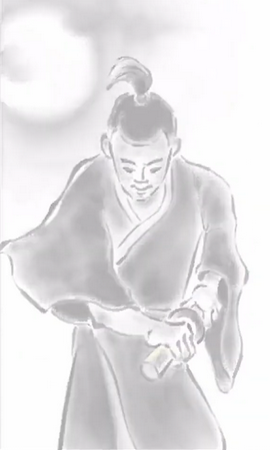
The Japanese and international versions of The Samurai form use the image of a samurai. The Korean version instead uses the image of a Joseon-style warrior, due to South Korean restrictions on Japanese cultural imports. Additionally, the Korean version of The Samurai is called Warrior (무사).
The Waiter#
|
Japan |
International |
|---|---|
|
|
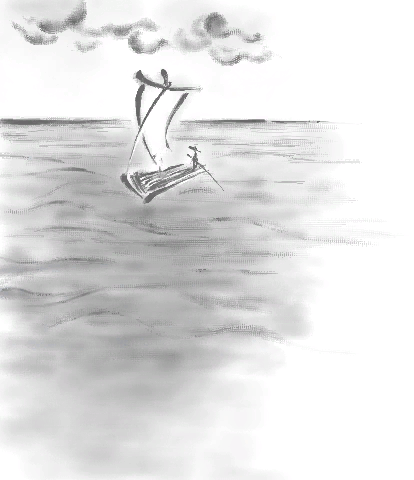
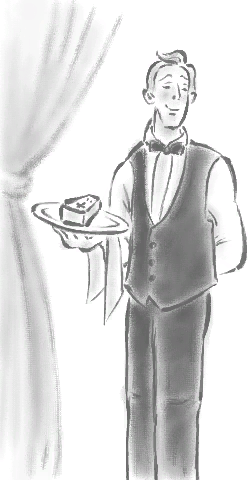
The Japanese version of The Waiter form is called tenori (手乗り), which refers to how the Wii remote sits in the player's hand. The Japanese image depicts a person riding a raft at sea as an analogy, while the international versions uses the image of a waiter carrying a tray.
The Elephant#
|
Japan |
International |
|---|---|
|
|
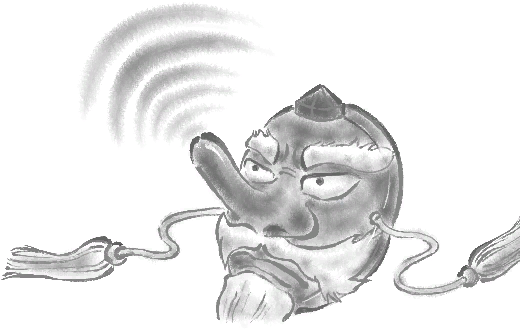
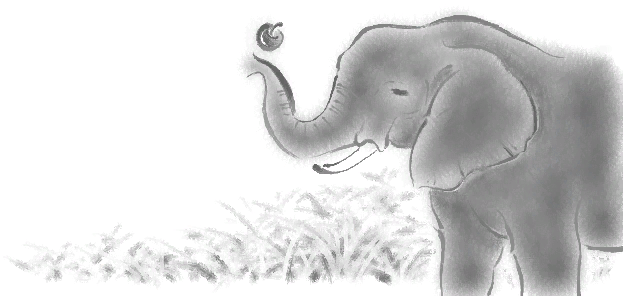
The Japanese version of The Elephant form is based on the Tengu, a creature from Japanese folklore with large noses. The international versions instead use an elephant, a real creature with an even bigger nose.
The Discard#
|
Japan |
International |
|---|---|

|

|
Both versions of The Discard form feature a family playing a card game, but the international versions add traditional playing card suit symbols to the cards in place of what appears to be calligraphy karuta. Despite the alteration, the international version didn't change the way the card game itself is played. The international version also has the leftmost 18 pixels of the image chopped off for some reason.
The Janitor#
|
Japan |
International |
|---|---|
|
|
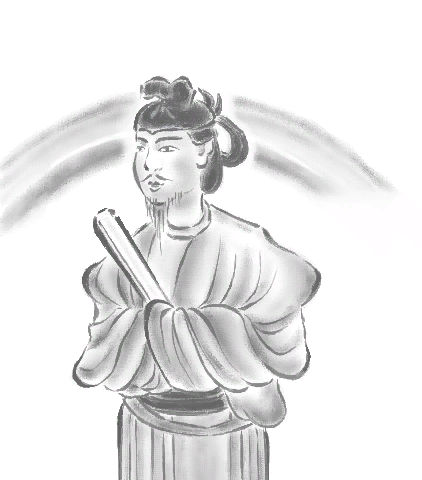
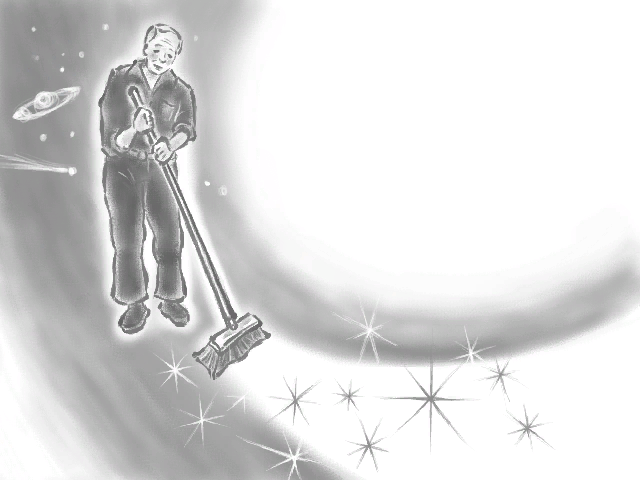
The Japanese version of The Janitor form is based on traditional depictions of Prince Shoutoku, a popular figure from Japanese history. The international versions instead uses the image of an elderly custodian sweeping in space.
The Mohawk#
|
Japan |
International |
|---|---|
|
|
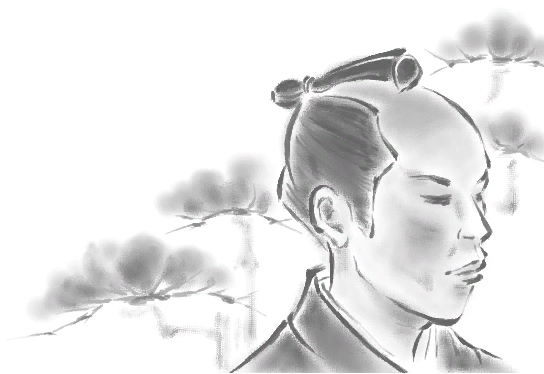
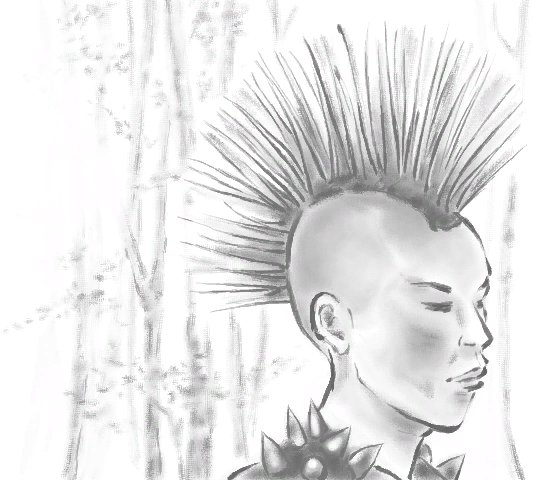
The Japanese version of The Mohawk is called Topknot (ちょんまげ), which refers to a traditional Japanese hairstyle worn by functionaries. The international versions changed this to the more Western known Mohawk hairstyle.
The Finger Food#
|
Japan |
International |
|---|---|
|

|
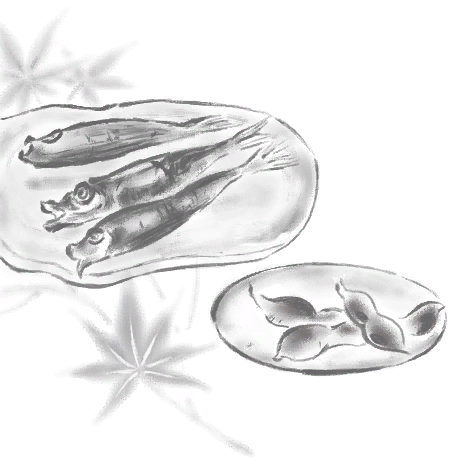
Both versions of The Finger Food form depict food traditionally eaten with fingers, but the food shown in the Japanese version is not as widely recognizable as the french fries used in the international versions.
The Boxer#
|
Japan |
International |
|---|---|
|

|
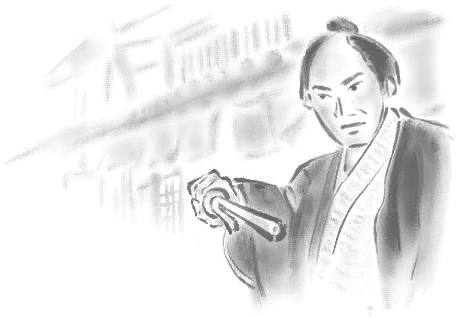
The Japanese version of The Boxer form uses the image of an okappiki (岡っ引き), a type of detective from the Edo era of Japan.
The Mortar and Pestle#
|
Japan |
International |
|---|---|

|
|
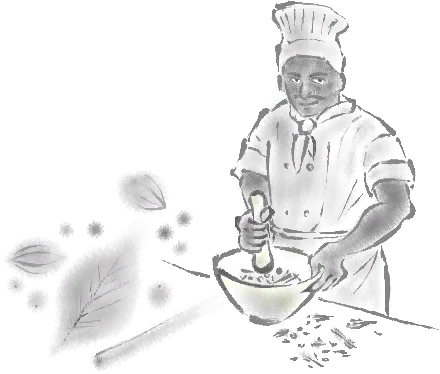
The Japanese version of The Mortar and Pestle is called Young Priest (小坊主), presumably referring to Miso-grinding priests, a tradition in Japan that presumably looks obscure to the international market, hence the change.
The Diner#
|
Japan |
International |
|---|---|
|
|
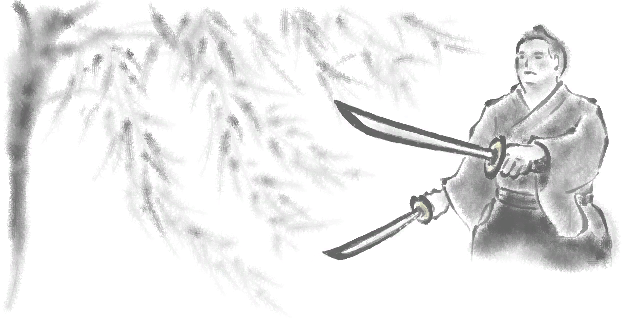
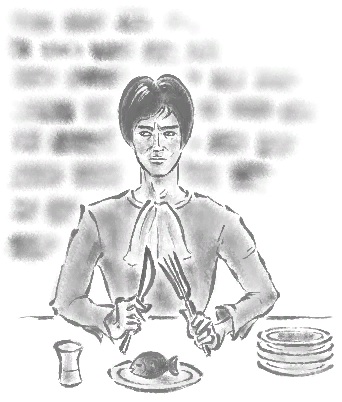
The Japanese version of The Diner form is based on the concept of dual-wielding weapons. The international versions use a decidedly less-violent image of a man dual-wielding silverware.
Staff Credits#
There are more Miis featured in the staff credits in the European and Korean versions.
European#
- Takashi Ebiike
- Helge Friedrich
- Thomas Berthollet
- Thomas Fougeray
- Guillermo López-Anglada
- Monica Citi
- Wolfgang Weber
- Florence D'Anterroches
- Micky Auer
- Nicolas Magnier
- Paul Logue
- Nick Ziegler
- Andreas Fey
- Hiroyuki Uesugi
- Kai Zeh
- Paul Bennett
- Biagio Brunetta
- Marcos Calatayud Mallent
- David Calvo
- James Cockayne
- Sylvain Gelly
- Nadine Hinniger
- Giacomo Iacumin
- Leire Orduna
- Ernesto Suárez González
- Theodoros Spenis
- Thorsten Stichweh
- Francesca Vargiu
- Mario Belon
- Stephane Bittoun
- Domenico Sambuco
- Martin Schafer
Korean#
- Daisuke Sakaguchi
- Keita Nakamura
- Hyokjin Jung
- Kimiko Nakamichi
- Moonsoo Chang
- Dongyeon Kim
- Ilho Kim
- Jonghoon Park
- Inho Lee
- Jiyoung Shin
- Junbong Lee
- Sungmin Park
- Kyoungsook Yoo
- Hangyul Cheong
- Taejun Kim
- Jaeyoon Jung
- Kitae Kim
- Seokju Kim
- Jeeyea Cha
- Seungsoon Choi
- Sangwook Woo
- Michael Yanzzi
- Yukyung Yun
- Kangsoo Kim
- Hacjoo Lee