 This article has a talk page!
This is a sub-page of Prerelease:Team Fortress 2.

|
To do: |
According to series co-creator Robin Walker, Valve had gone through around three or four different takes on Team Fortress 2 before settling on the game's current design roughly in 2005.
Quake II Mod (1997-1998)#
Team Fortress 2 was initially conceived as a sequel to the original Team Fortress mod for Quake, using Quake II as a base. Development was first announced on August 17, 1997 through a news post on the PlanetQuake Team Fortress page, with a tentative release date set for April or May 1998.
In a December 1997 news post, Team Fortress Software stated that 90% of the mod's design was complete, with weapons and classes already finalized. Valve expressed interest in the project and invited the mod's developers to their headquarters in March 1998 to discuss adapting Team Fortress 2 as a mod/expansion for the then-upcoming Half-Life. Initially, the plan was to work on both the Quake II and Half-Life versions simultaneously. However, after just a month and a half, Valve was so impressed by their work that they bought out Team Fortress Software, acquiring the Team Fortress intellectual property and its developers.1 2 After the acquisition, development of the Quake II mod ceased development, with the first iteration of the Half-Life version possibly reusing assets from it.
The only known surviving media from this early version of the game is a nearly two-minute "audio demo," shared in a news post on March 29, 1998, featuring a compilation of sound effects and music.
(Source: Team Fortress News - PlanetQuake)
Half-Life: Team Fortress (1998)#
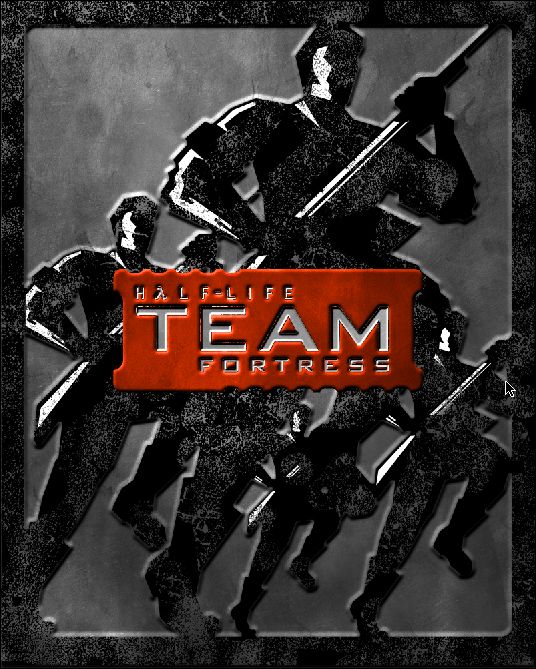
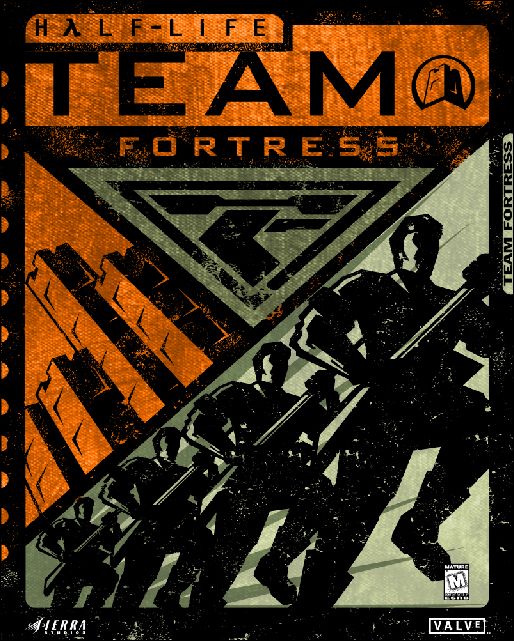
This is the first iteration after Valve's acquisition of Team Fortress Software in Spring 1998. This is the first publicly known version of the game to feature grounded, military-styled classes that would be a staple of the next two iterations of the game.


Box Art#
Valve's Team Fortress (1998-1999)#
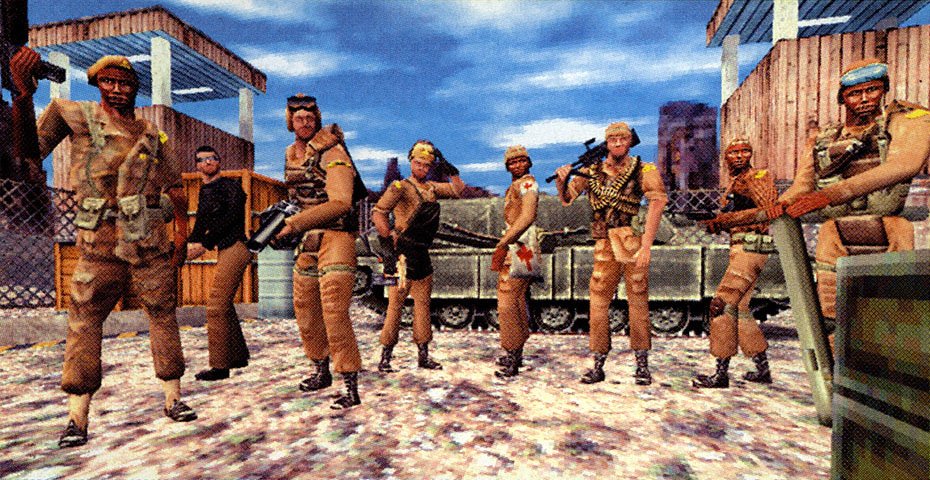
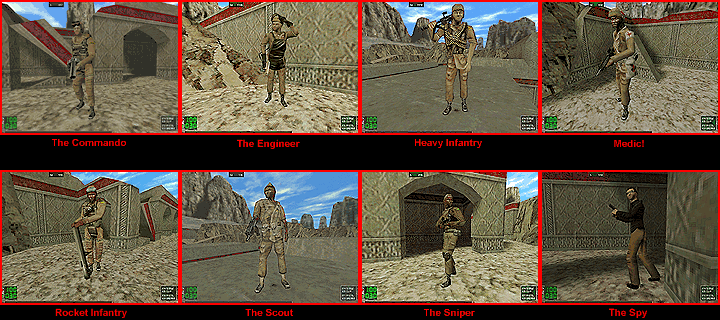
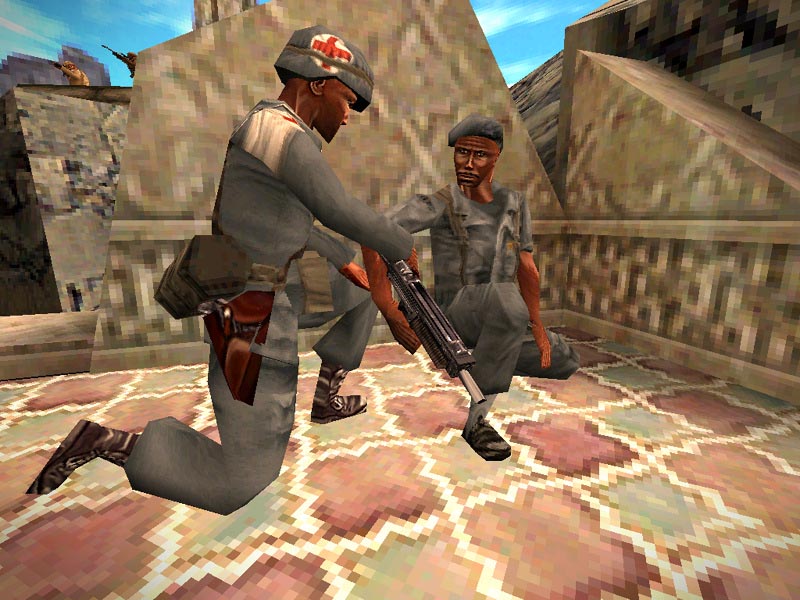
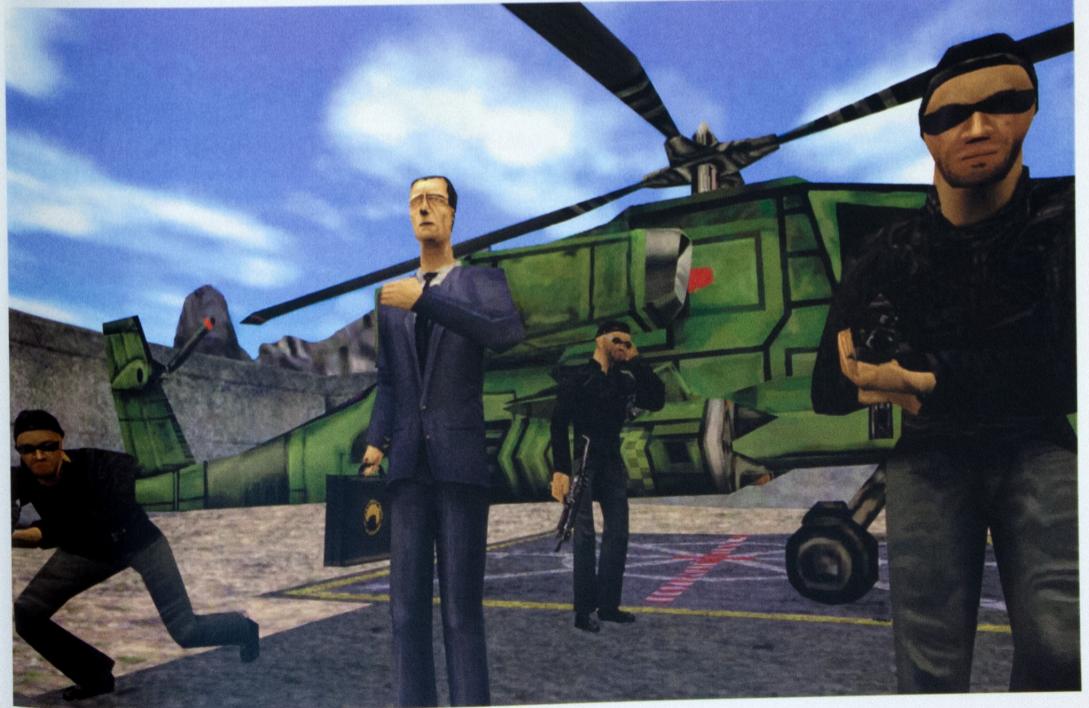
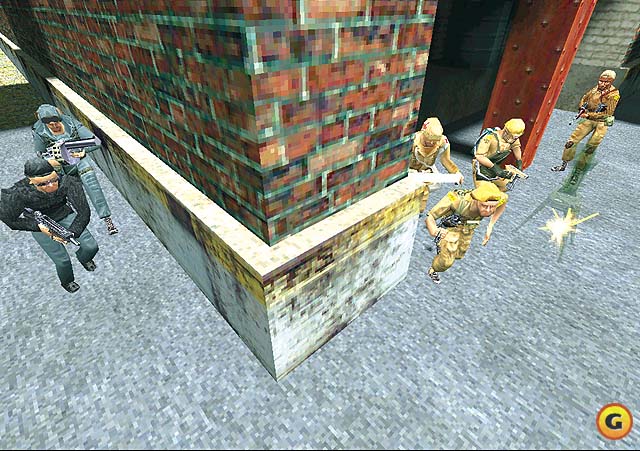
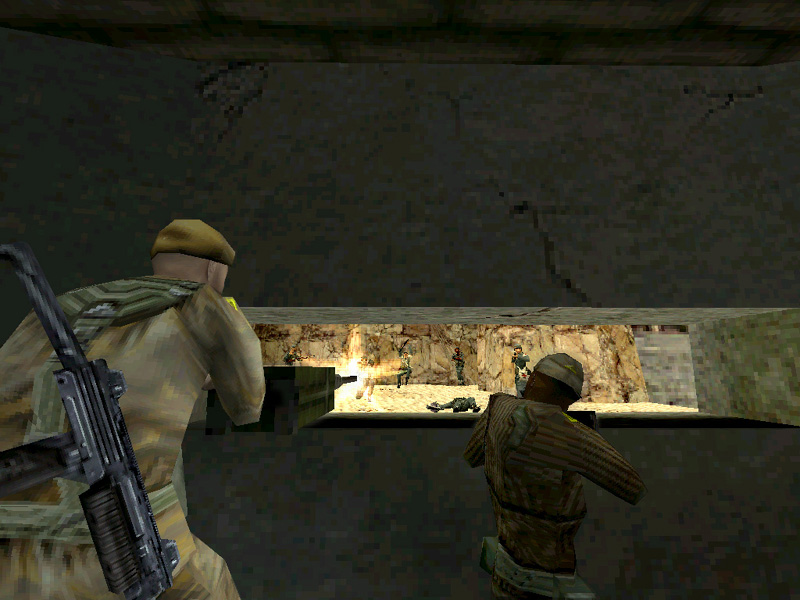
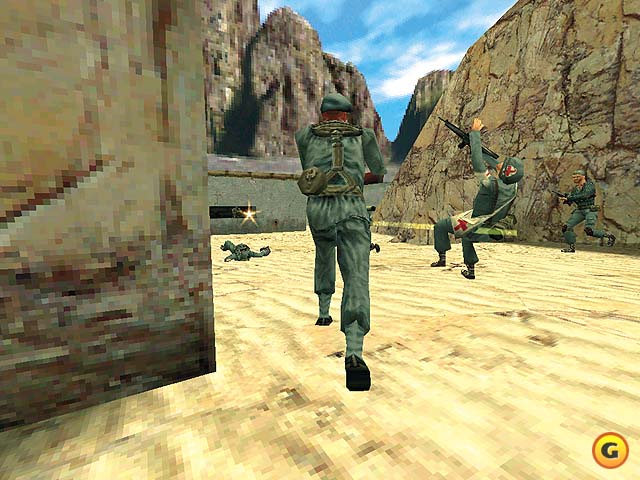
This iteration kept the same military style as the previous one. Weapons had radically different designs from the Quake mod and the previous iteration - some of these weapons include: the Uzi (used by the Field-Medic and Spy), Sniper Rifle, Heavy Machine Gun, Sentry Gun, Smoke Grenade, SMAW and Grenade Launcher. One team had blue/gray-colored uniforms for their classes (likely the Blue team) and the other had tan-colored uniforms, possibly a successor to the Red team.
According to [CE]TyR(T2), lead level designer for Valve's Team Fortress, the game included such features as looting enemy players bodies by crouching over them for two seconds and a customizable HUD including the ability to change transparency and color.3




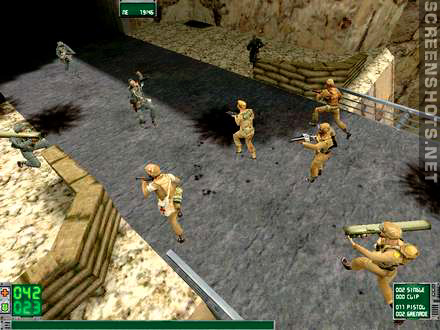
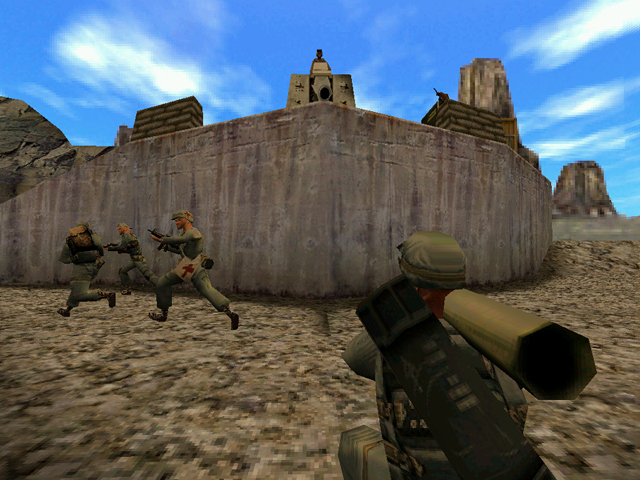
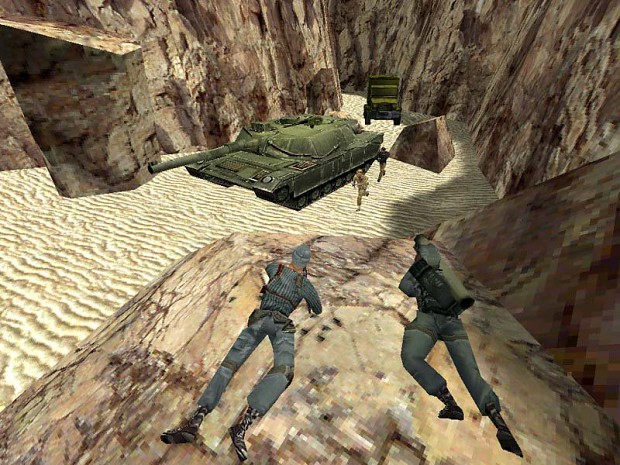
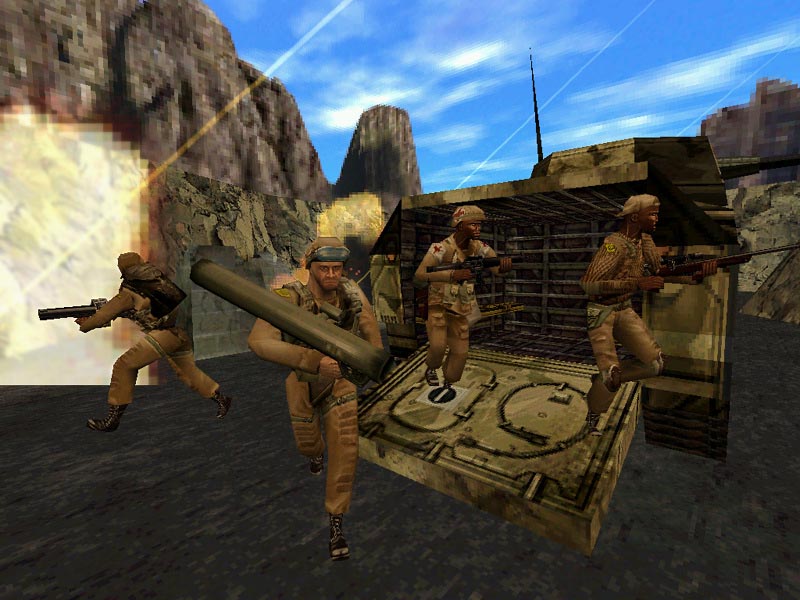
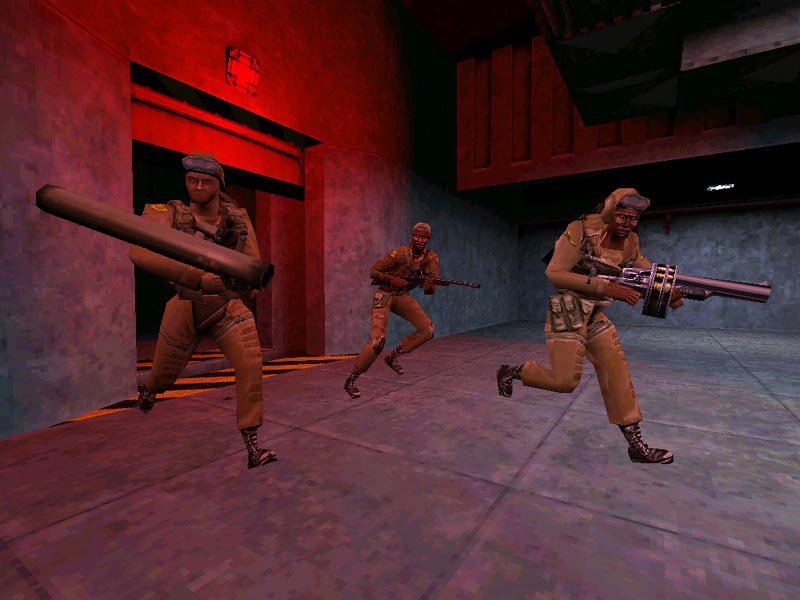
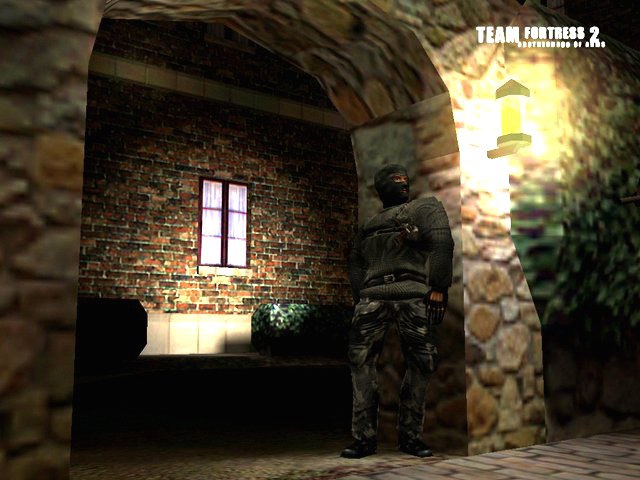
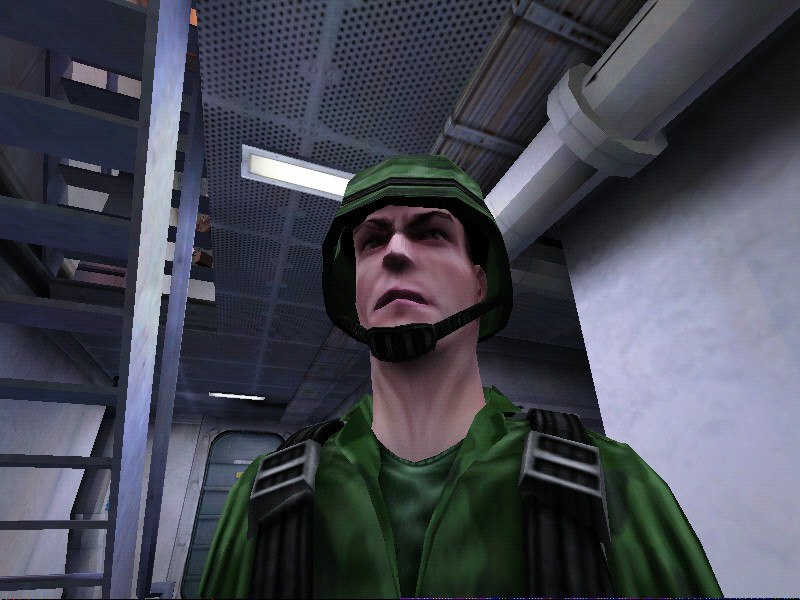
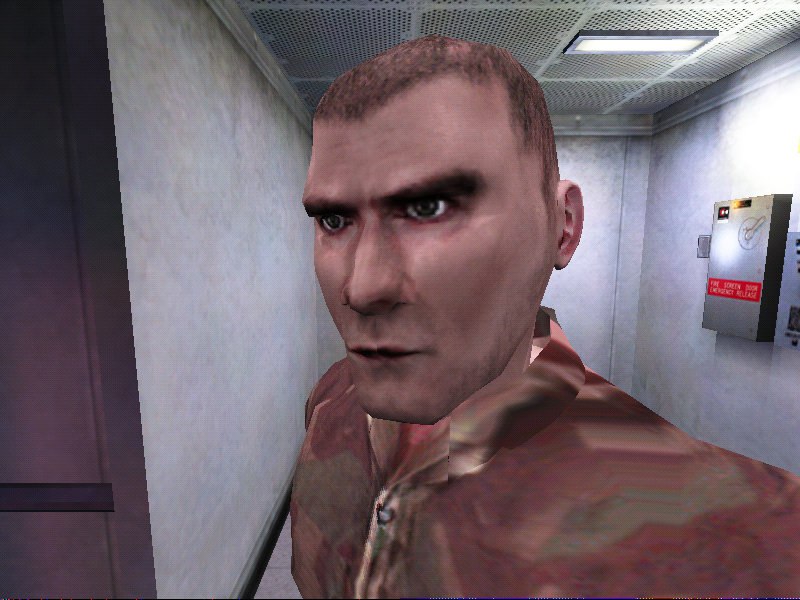
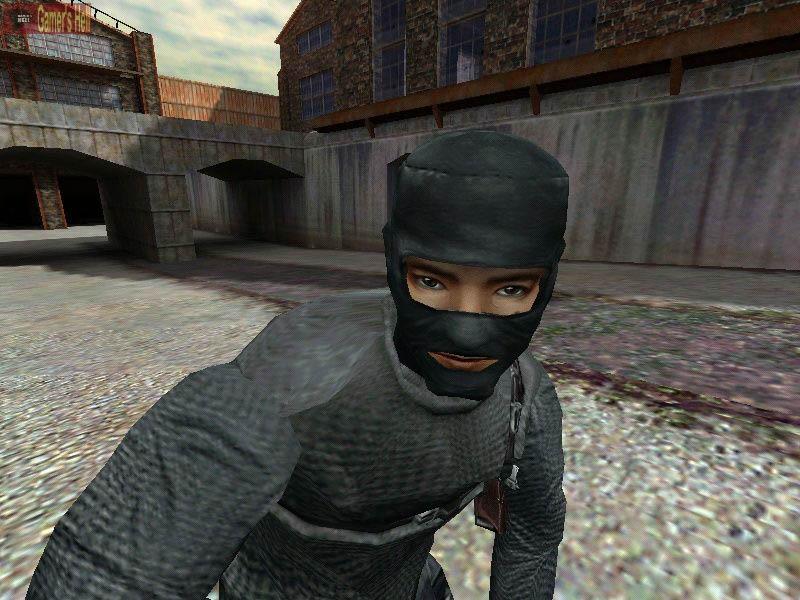
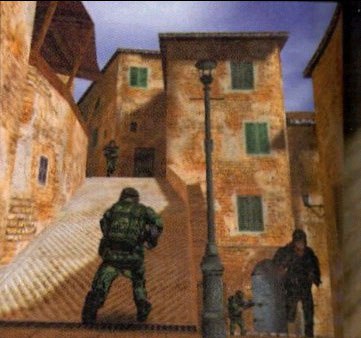
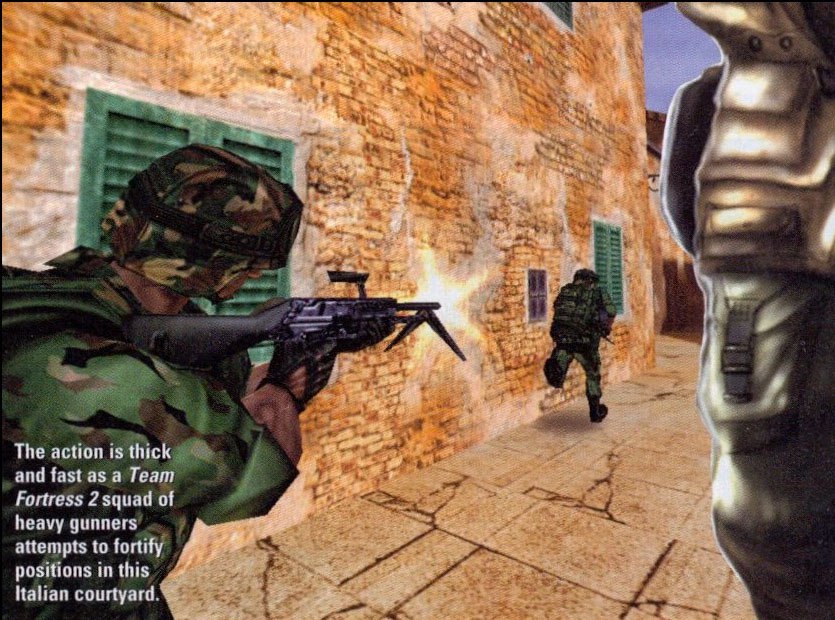
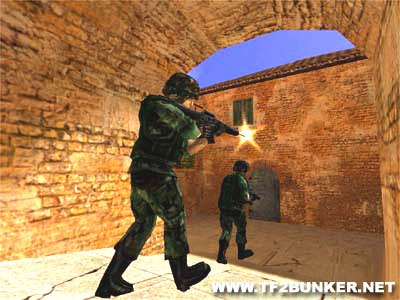
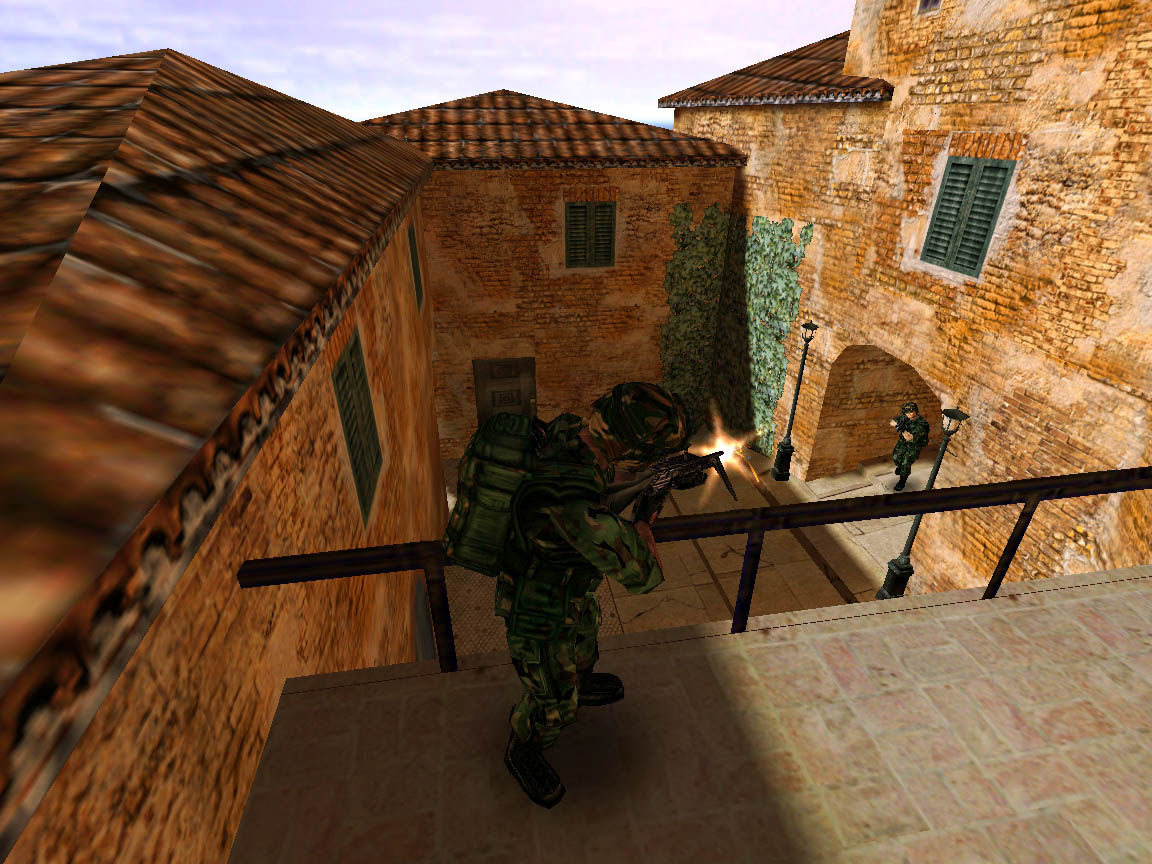
Team Fortress 2: Brotherhood of Arms (1998-200?)#
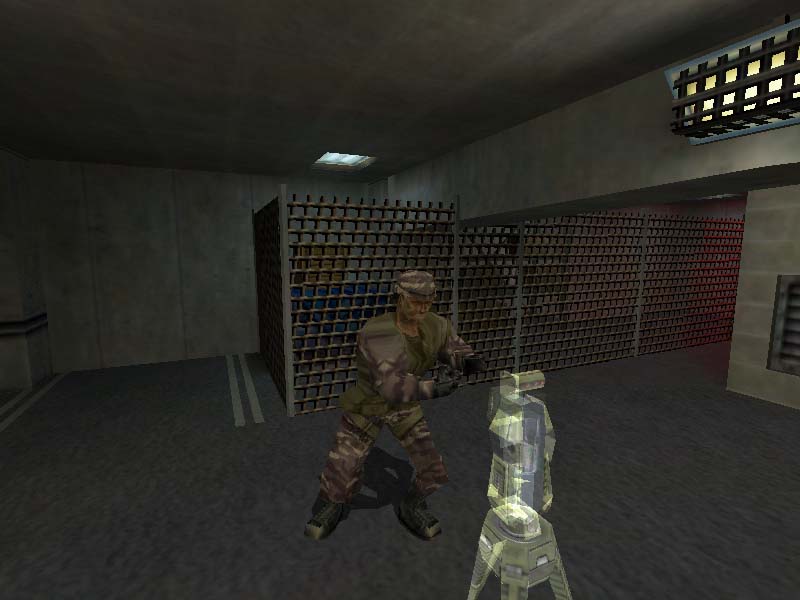
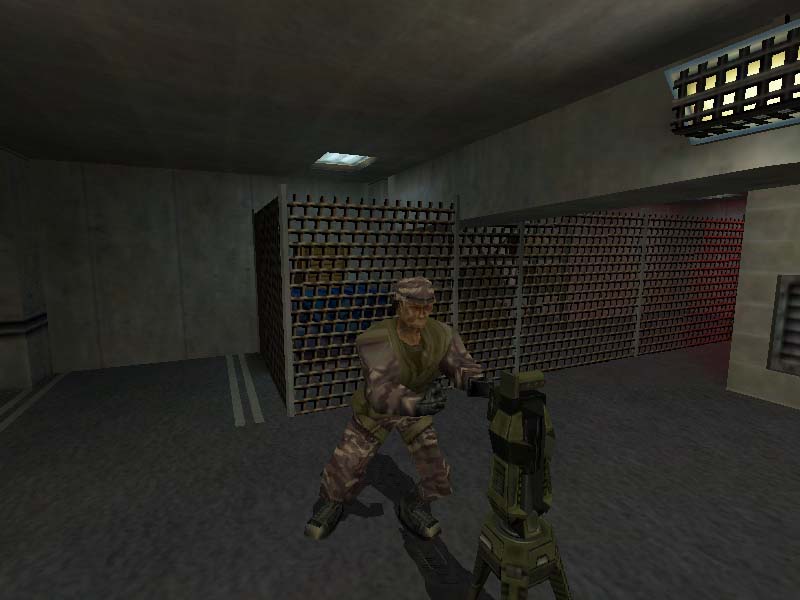
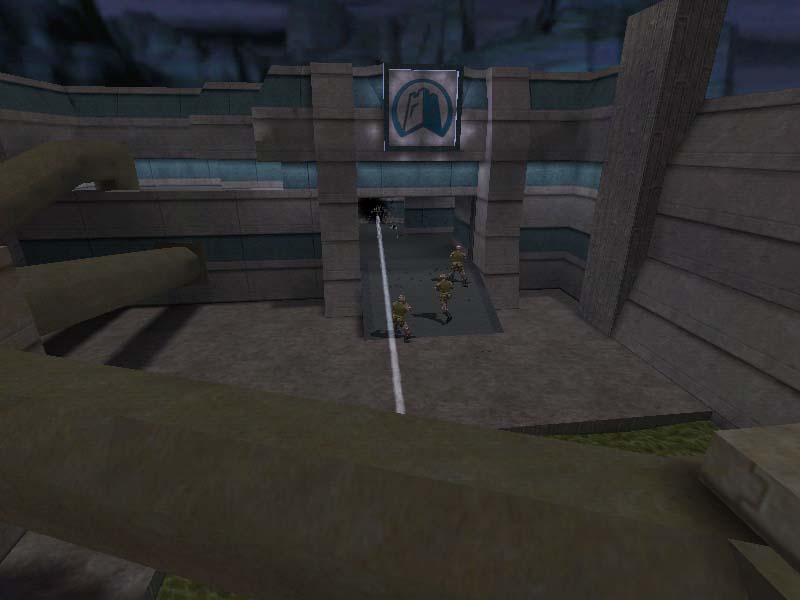
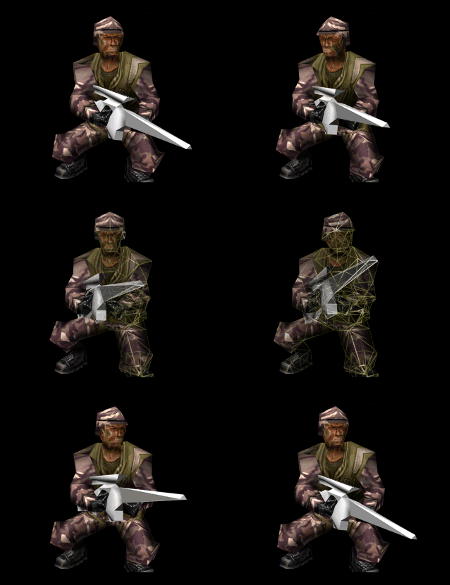
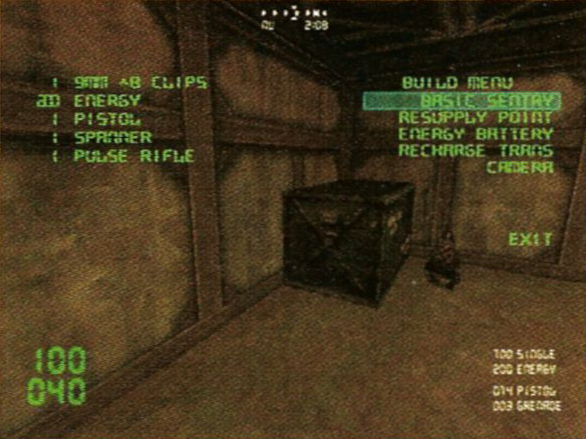
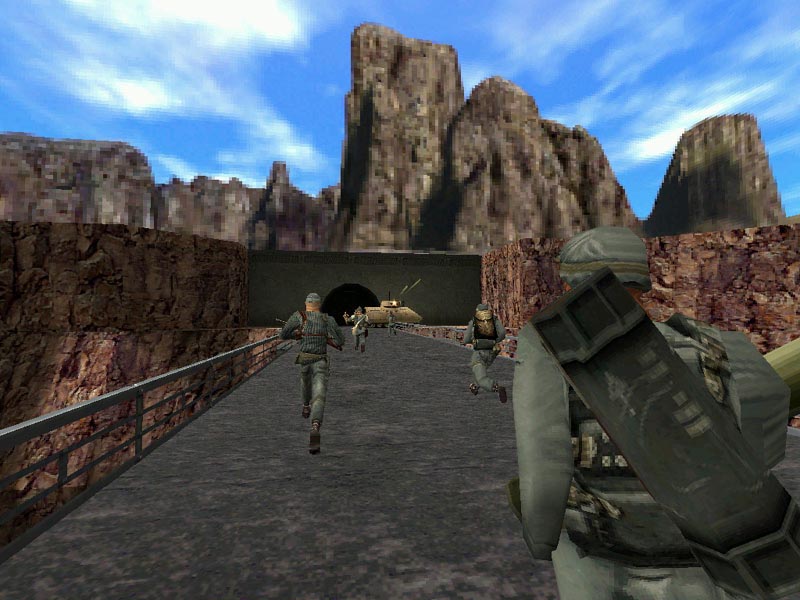
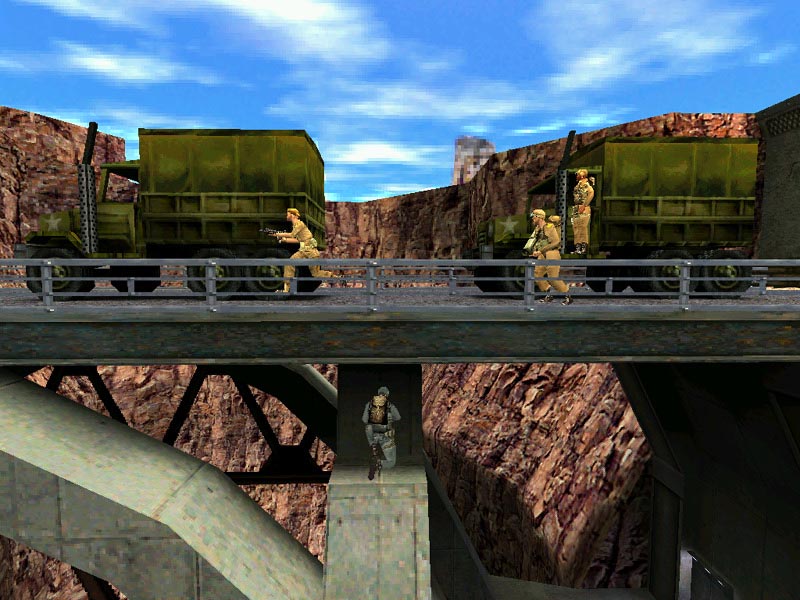
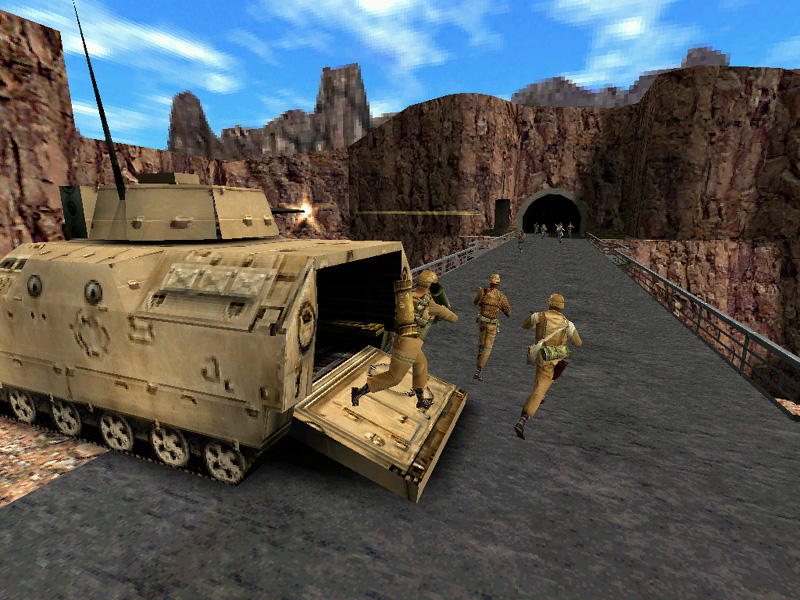
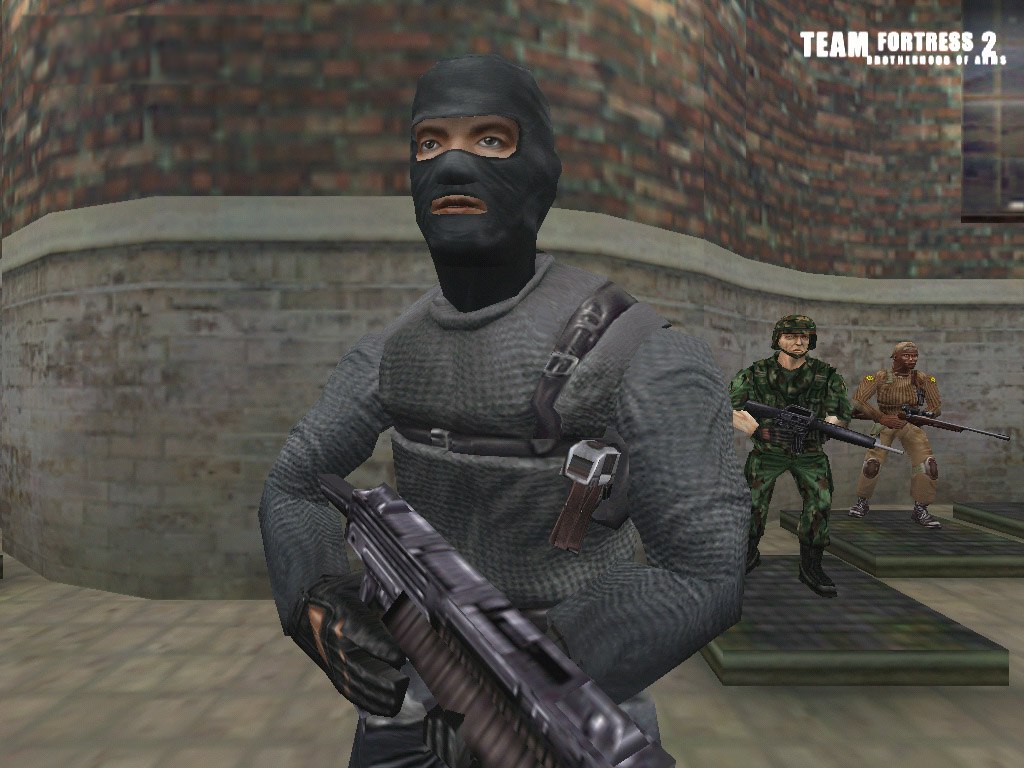
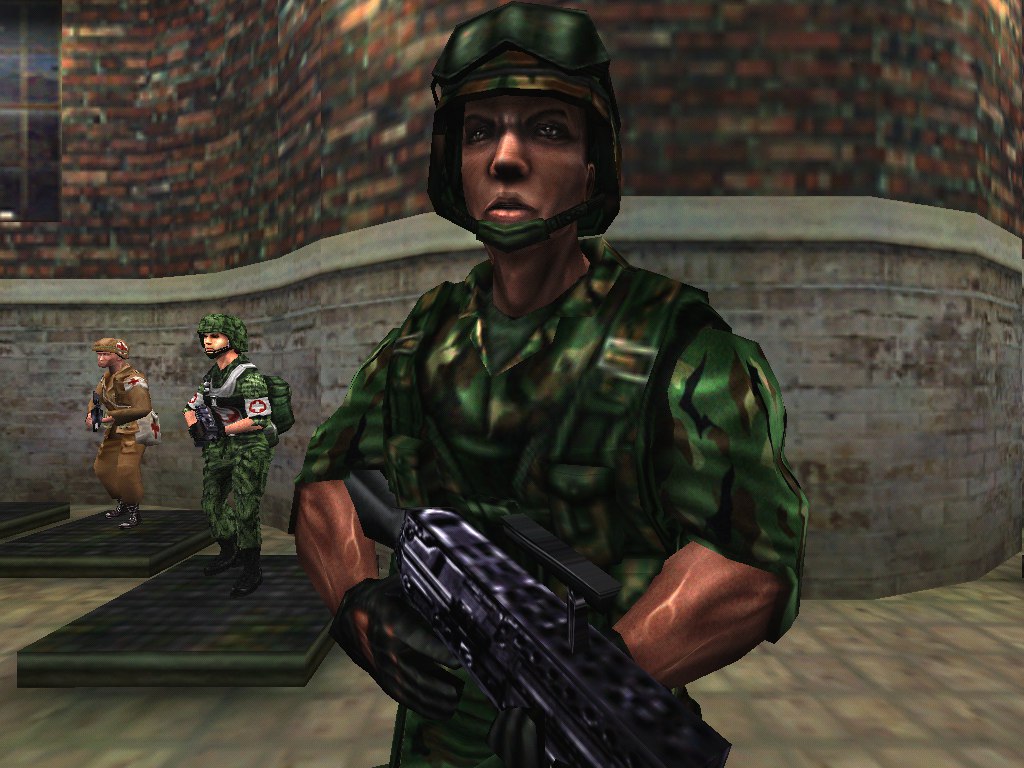
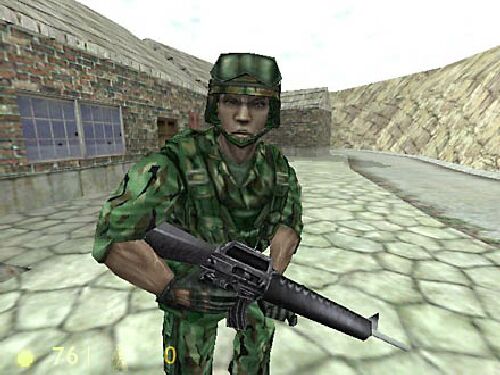
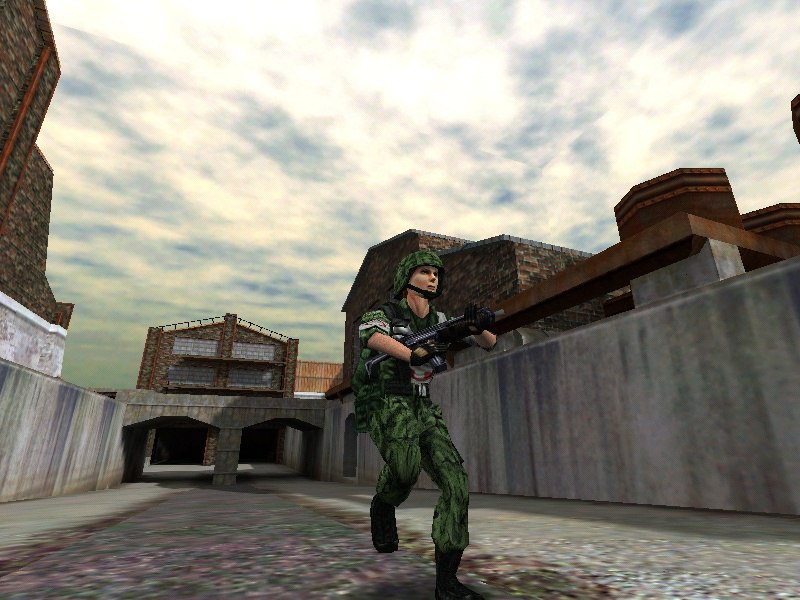
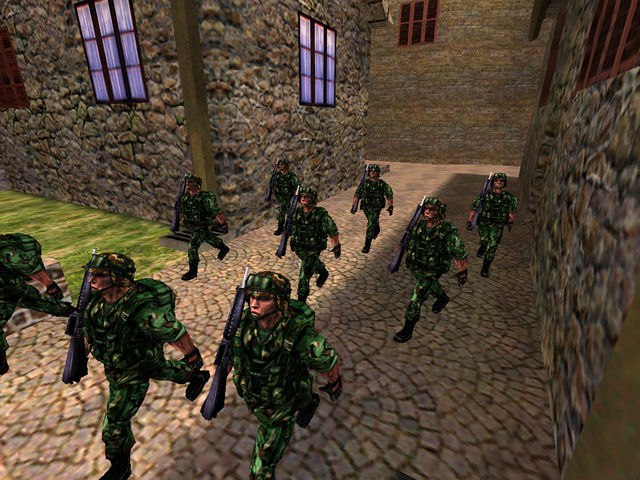
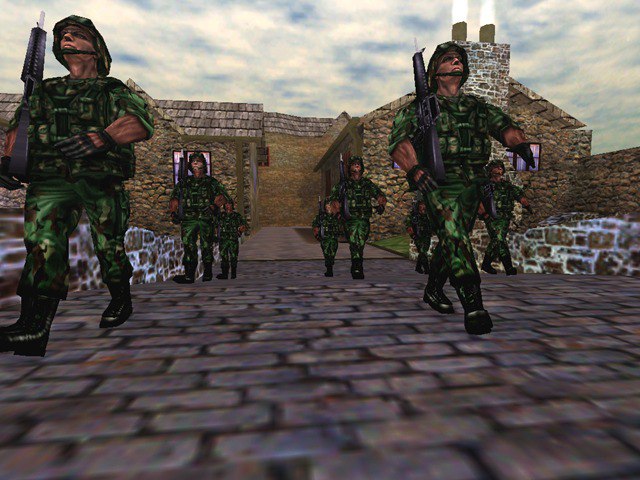
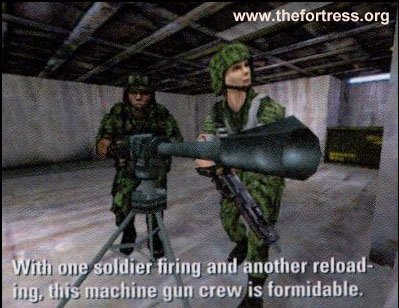
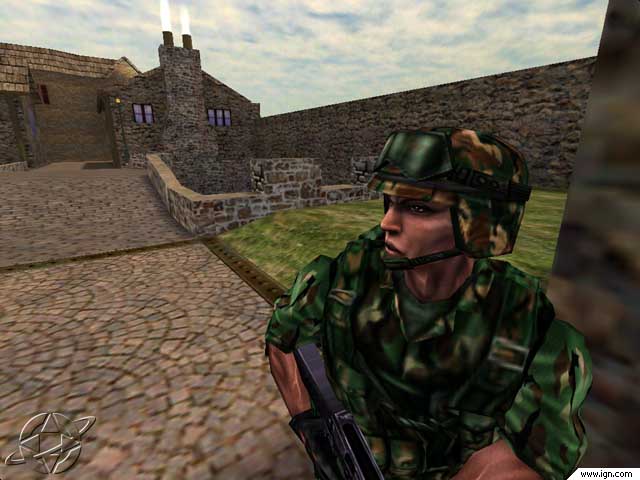
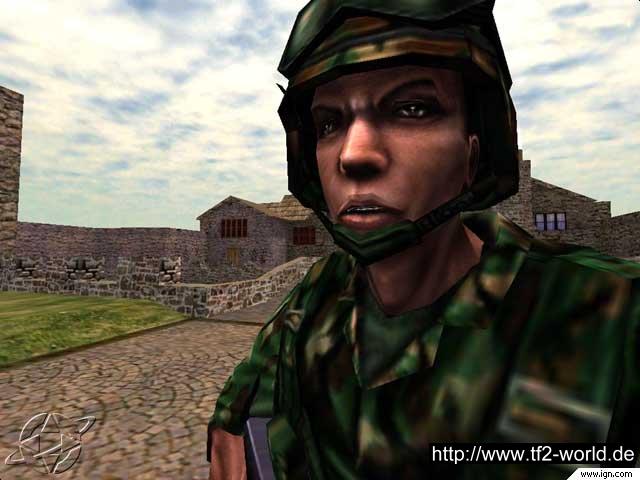
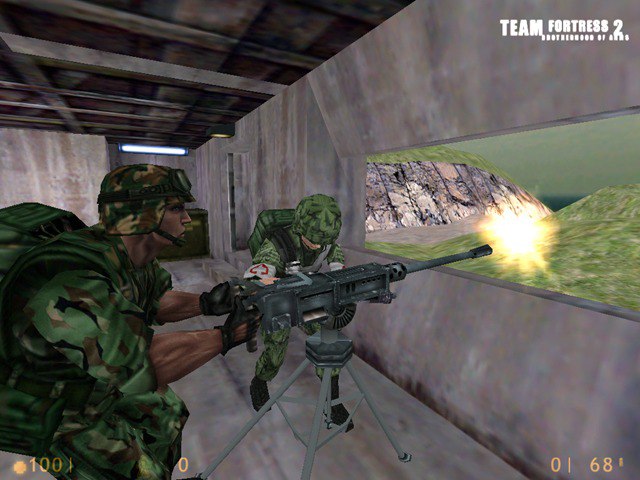
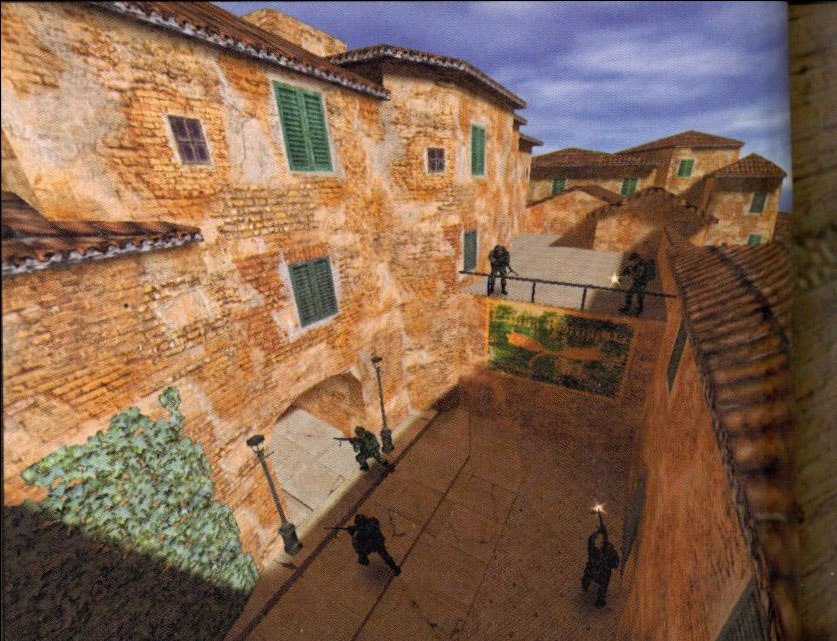
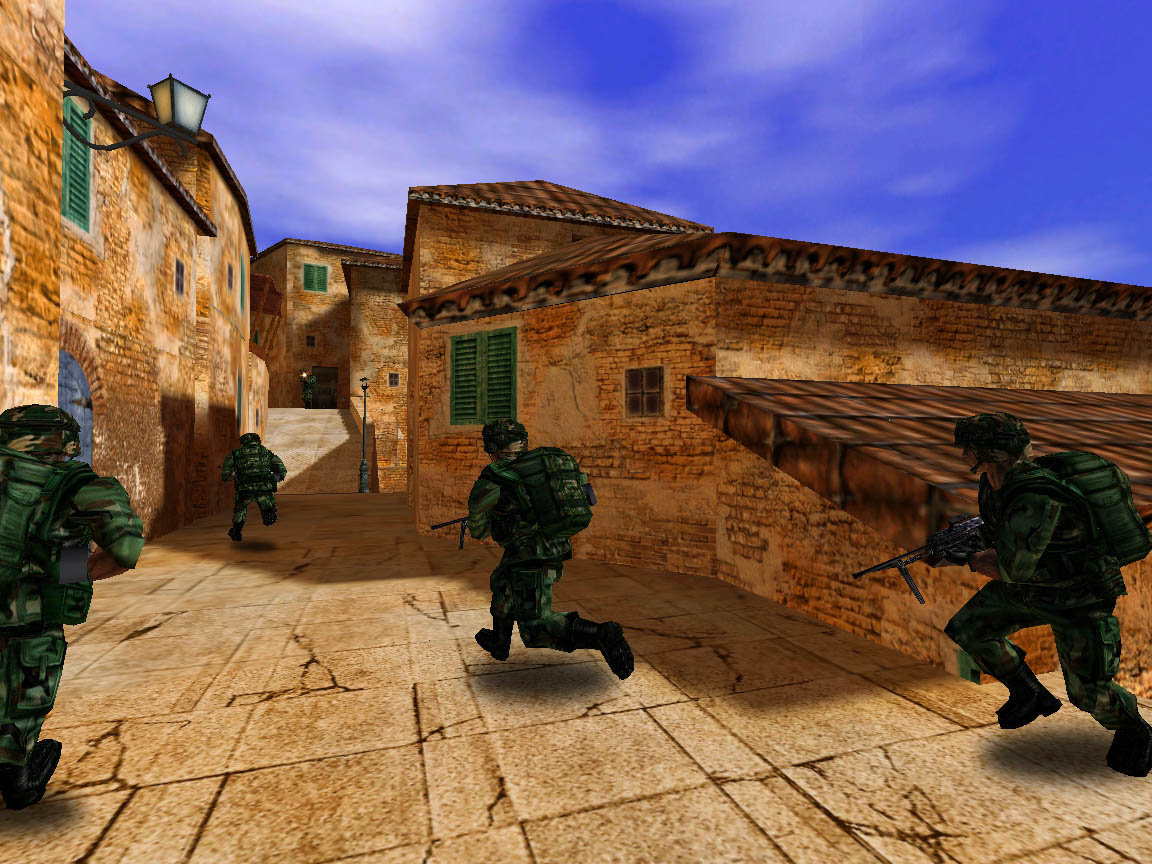
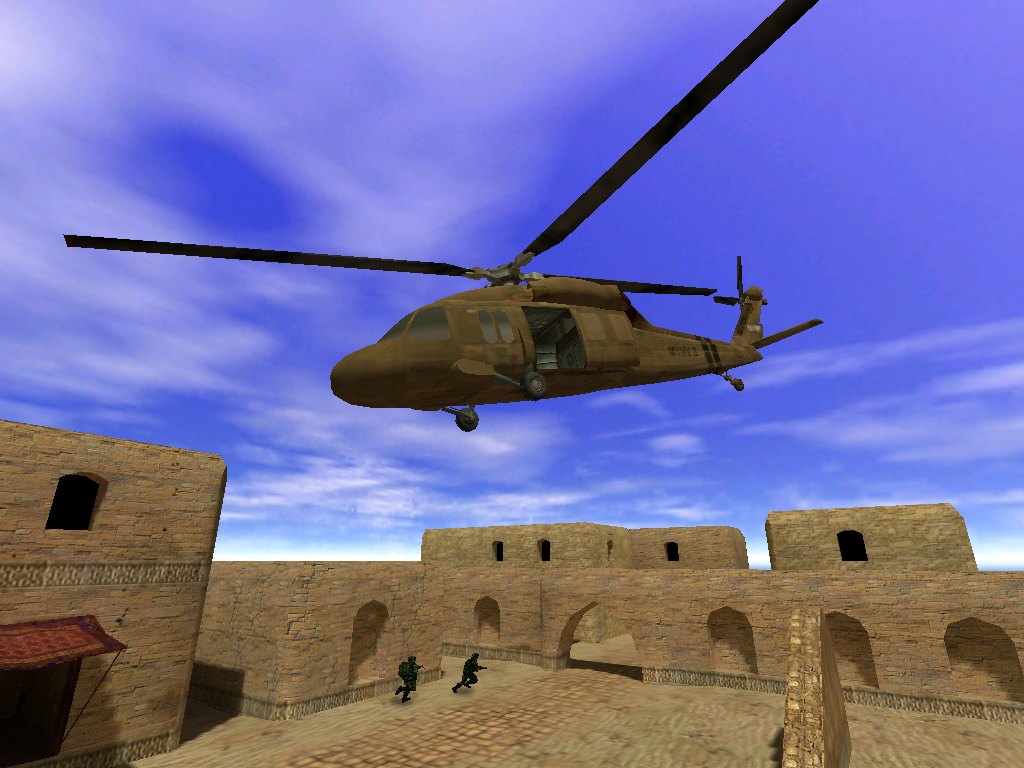
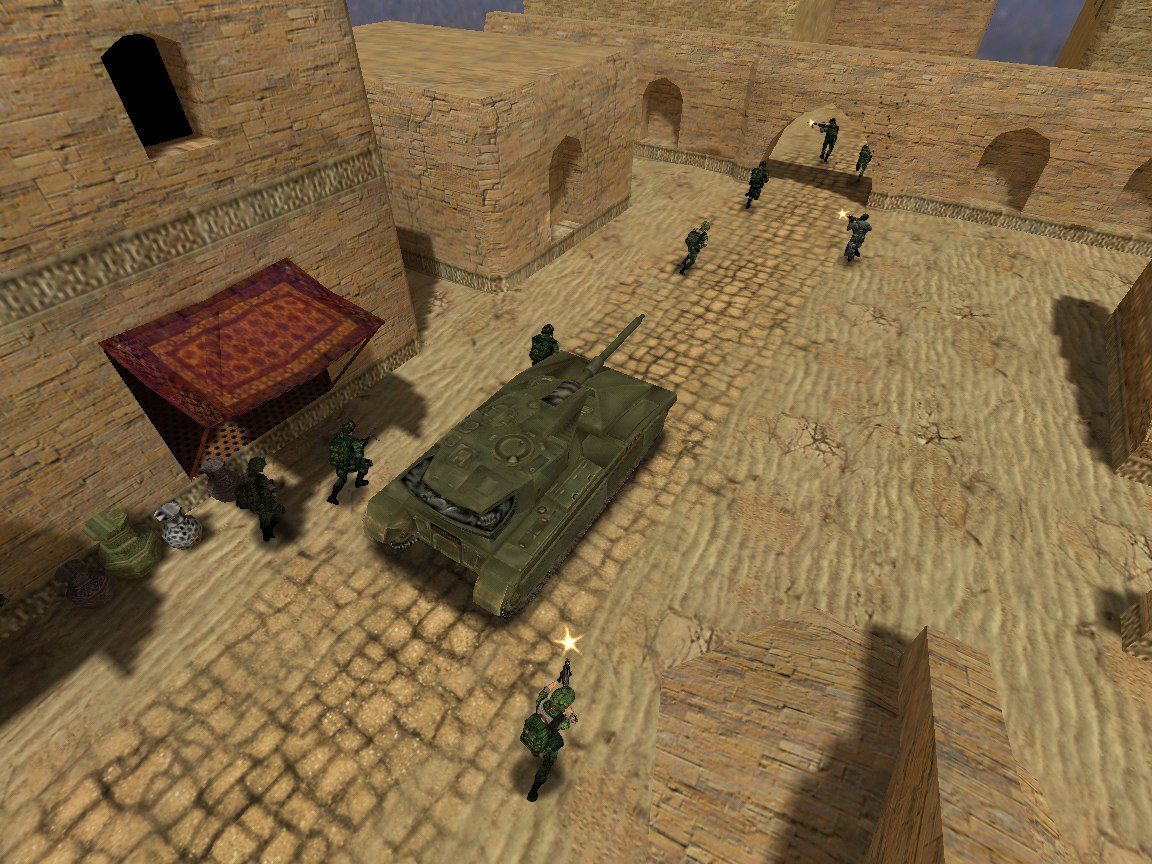
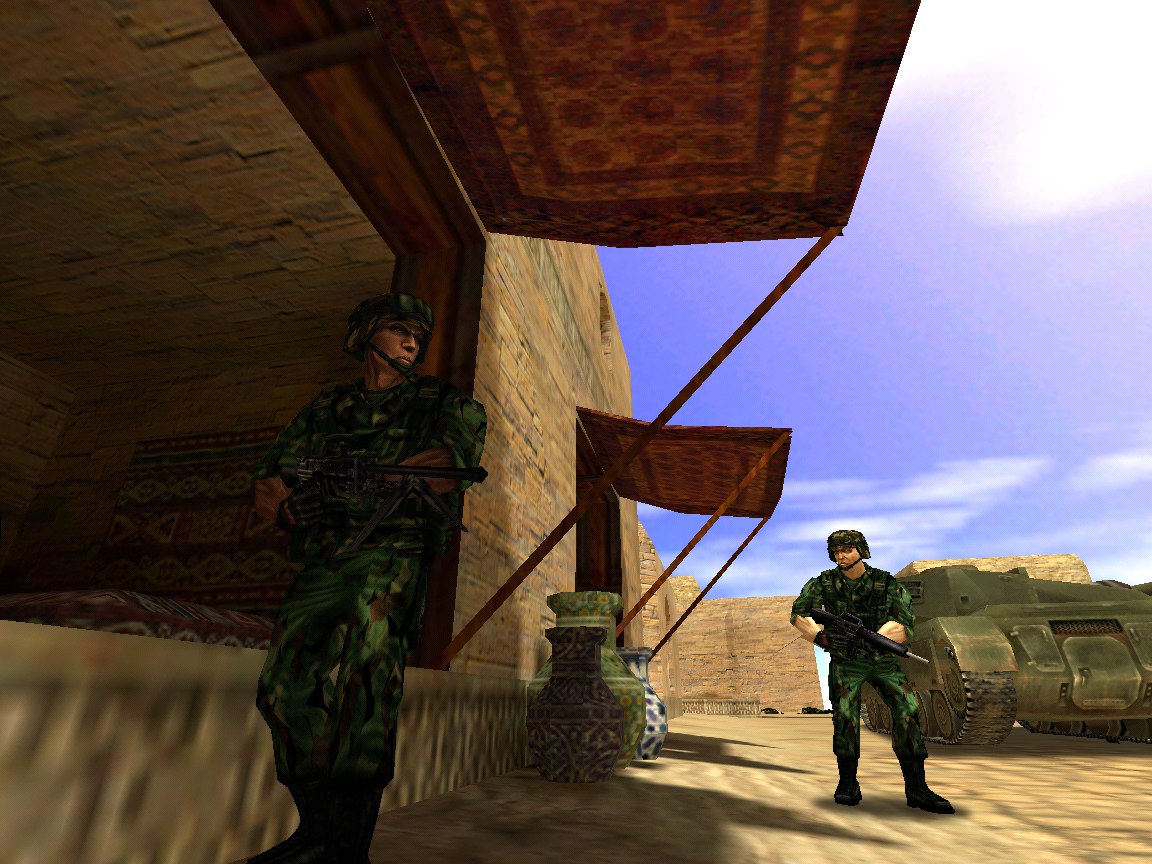
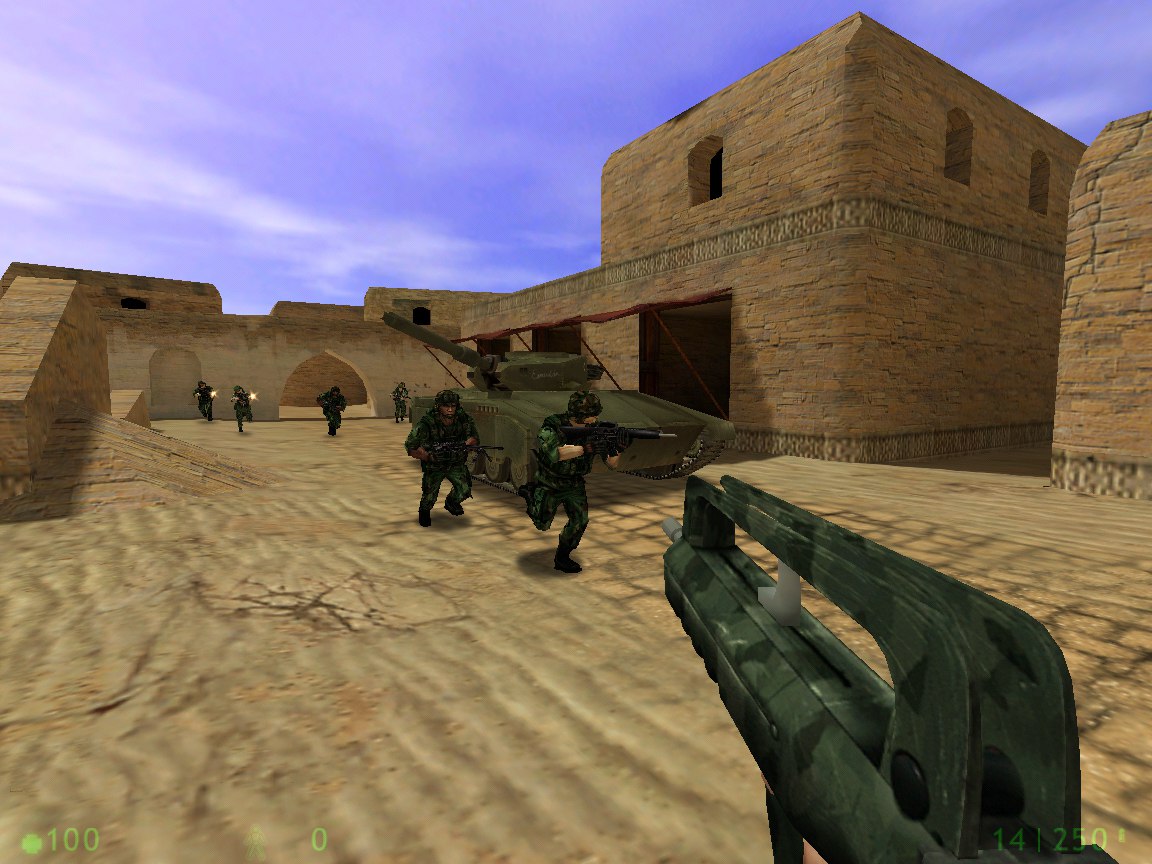
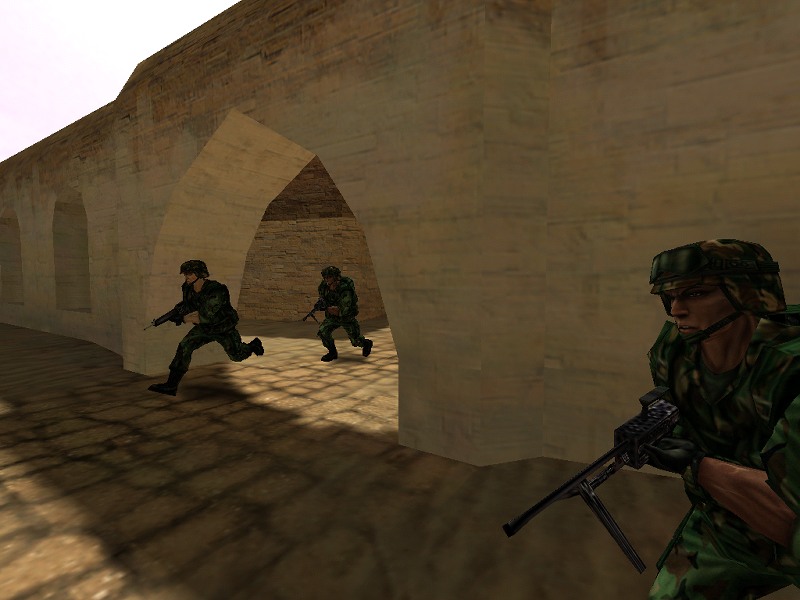
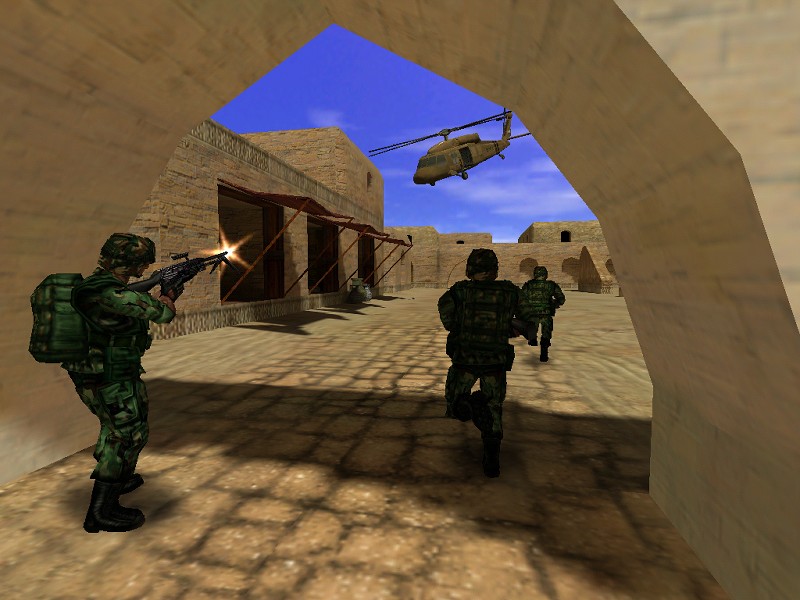
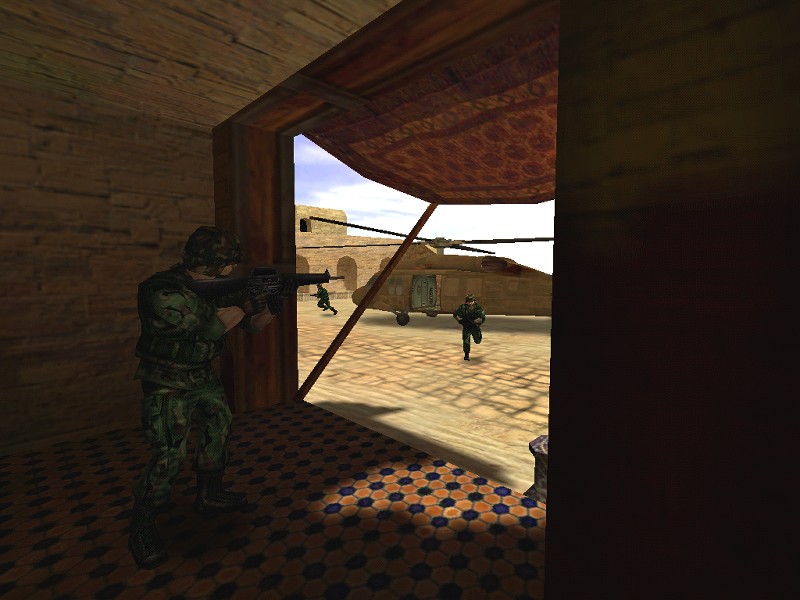
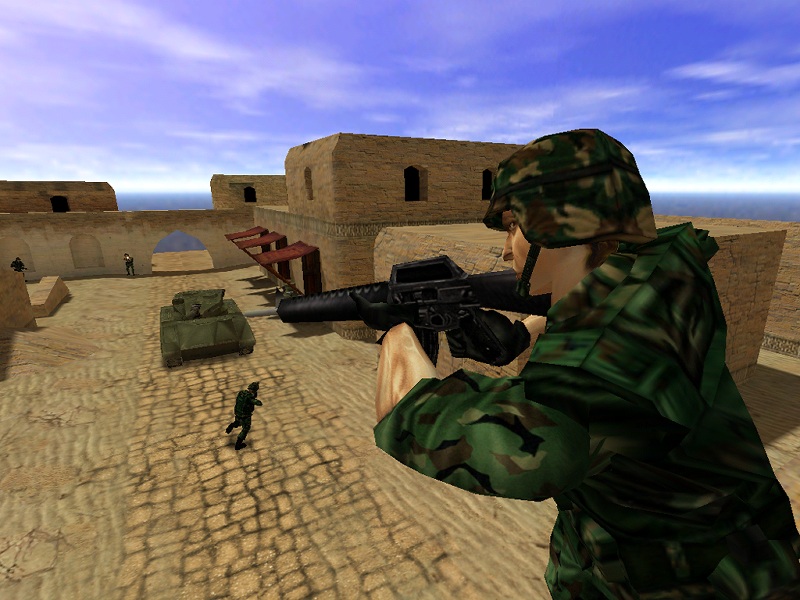
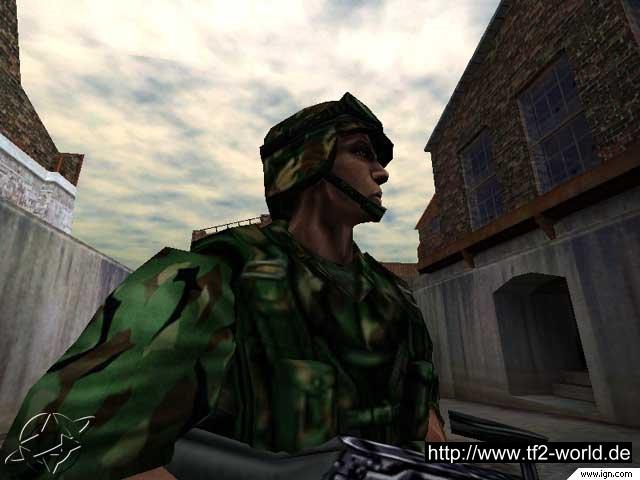
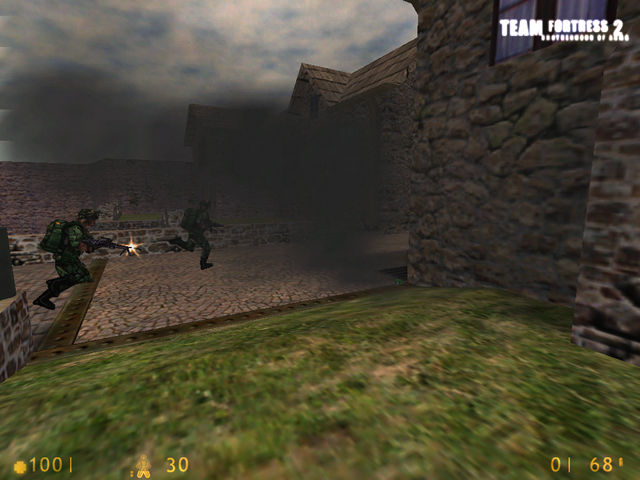
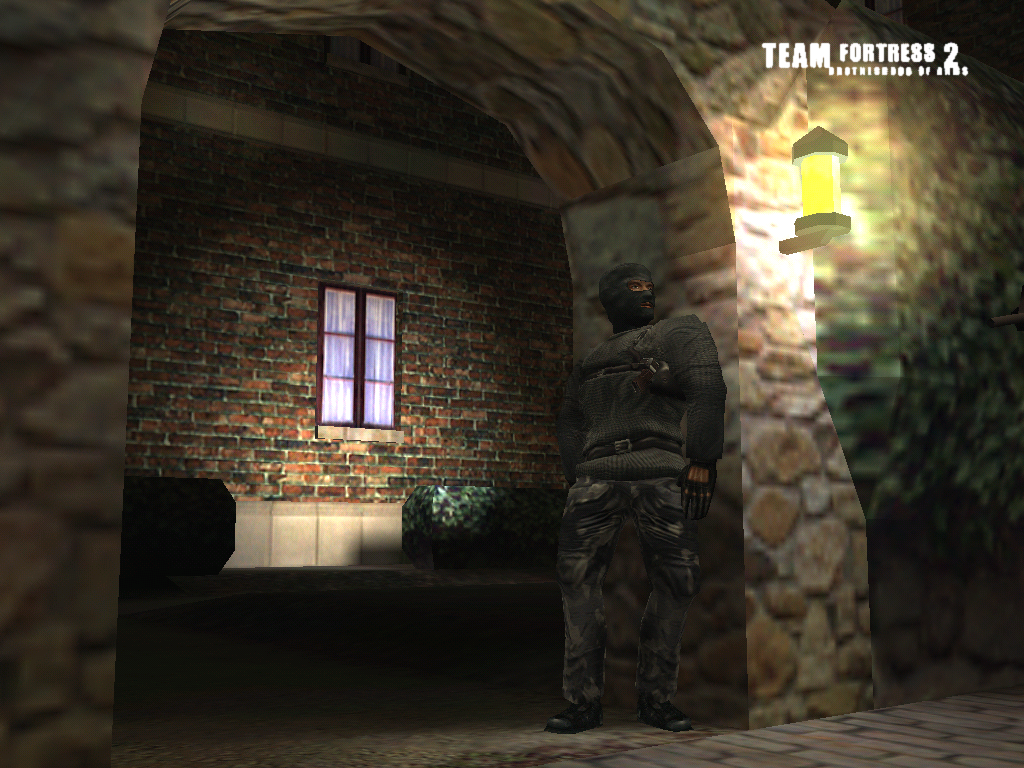
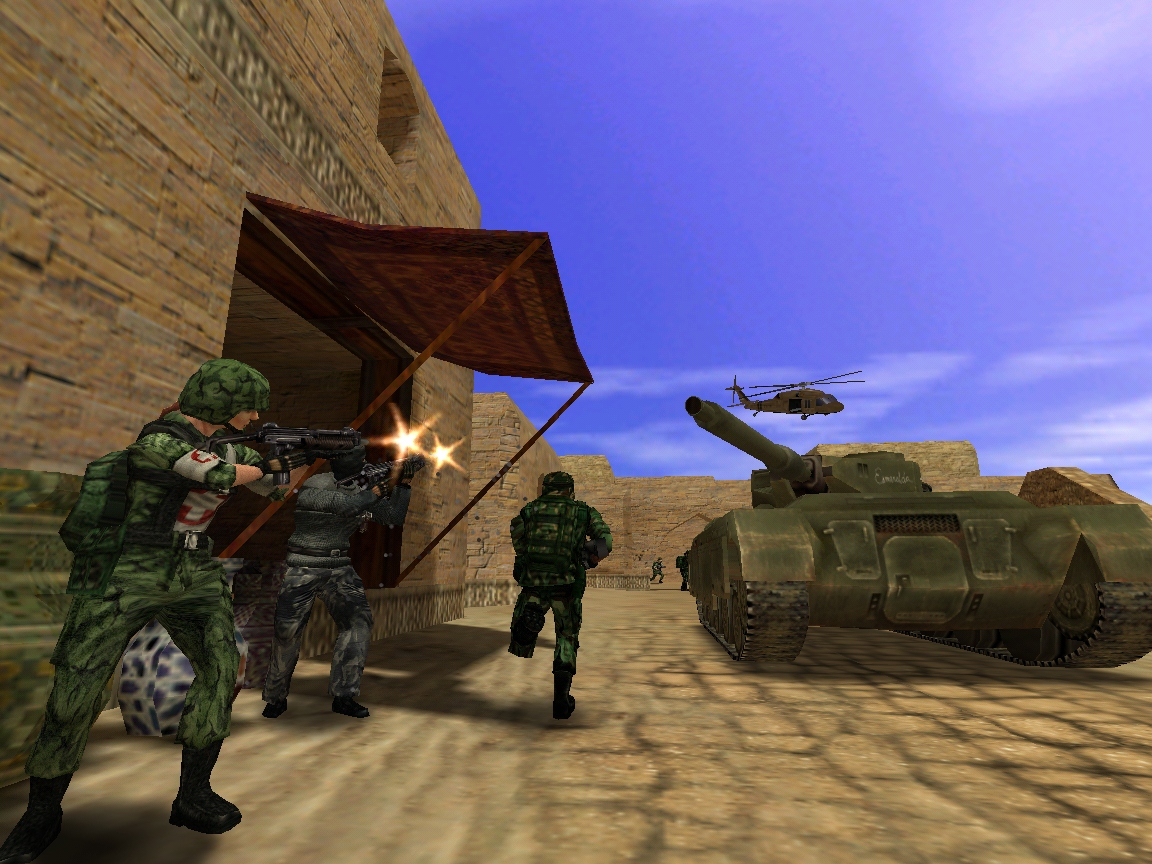
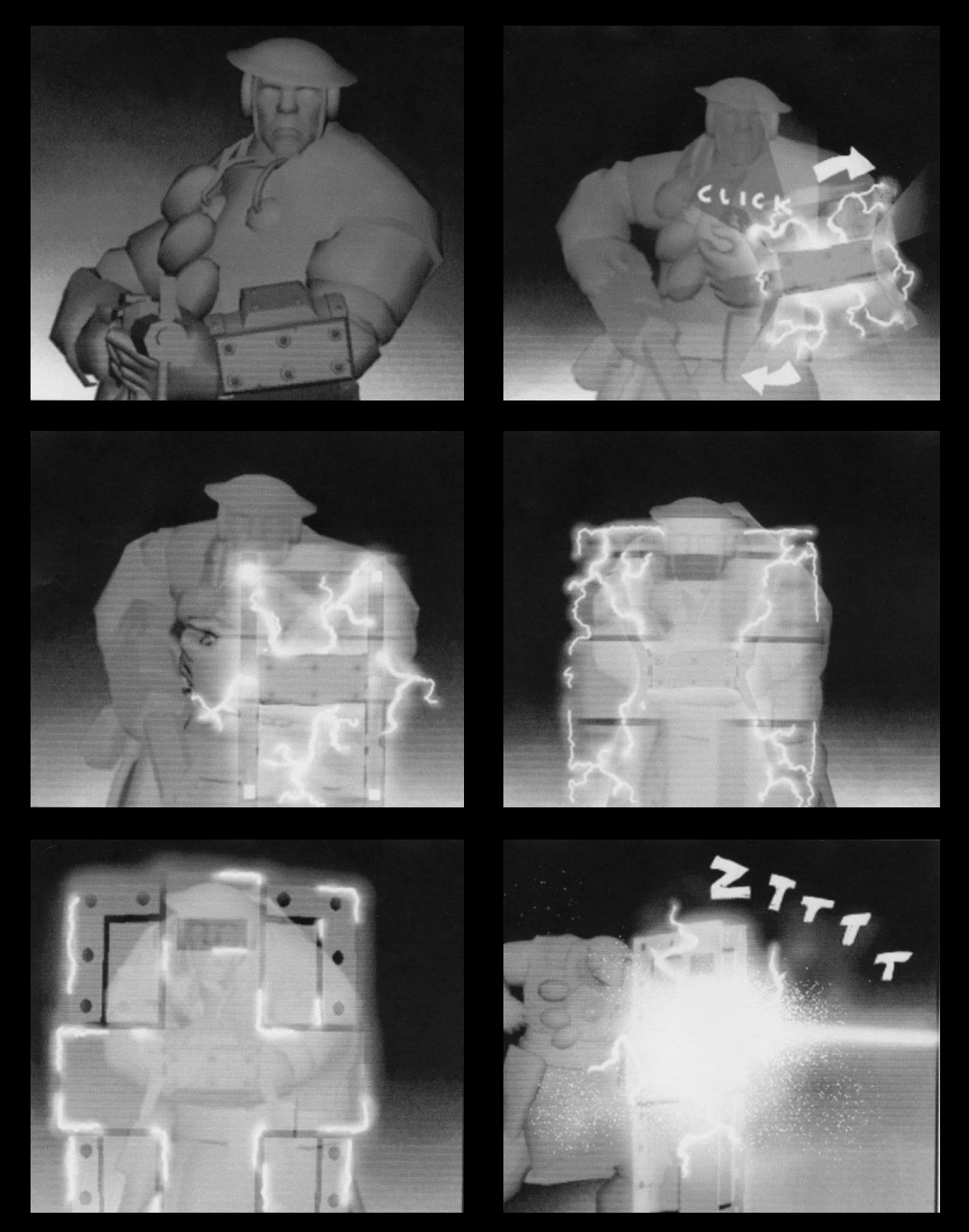
The third iteration of the game. This iteration of a realistic Team Fortress 2 would remove any and all "unrealistic" elements of the gameplay, such as the Minigun and rocket jumping. There were 12 classes in the game (compared to the final's 9), each with more distinct roles than the previous Team Fortress games. Most classes were counterparts to their "old" versions, however, the Officer, Commander and Instructor were completely new. Many weapons from Valve's Team Fortress were carried over to this iteration, alongside completely new weapons like the Famas.
Team Fortress 2: Brotherhood of Arms was to introduce new technologies, such as the .vrm model format (being developed using Intel's MRM tech), a "Parametric Animation" system, meshing together various animations which was used for more realistic death animations and dynamically changing the number of polygons on a given scene, similar to today's LoD (Level of Detail) technology.
According to the TF2 developer commentary, Brotherhood of Arms was scrapped due to it looking too similar to their other games, namely Counter-Strike. However, a map from this iteration named "Avanti" ('Forward' in Italian) ended up in Team Fortress Classic.
Concept Art#
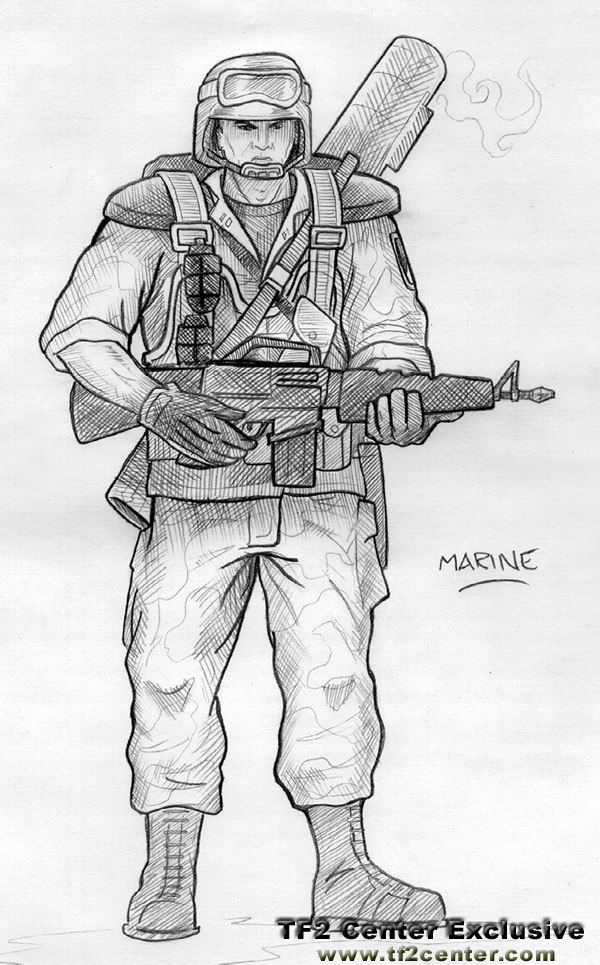
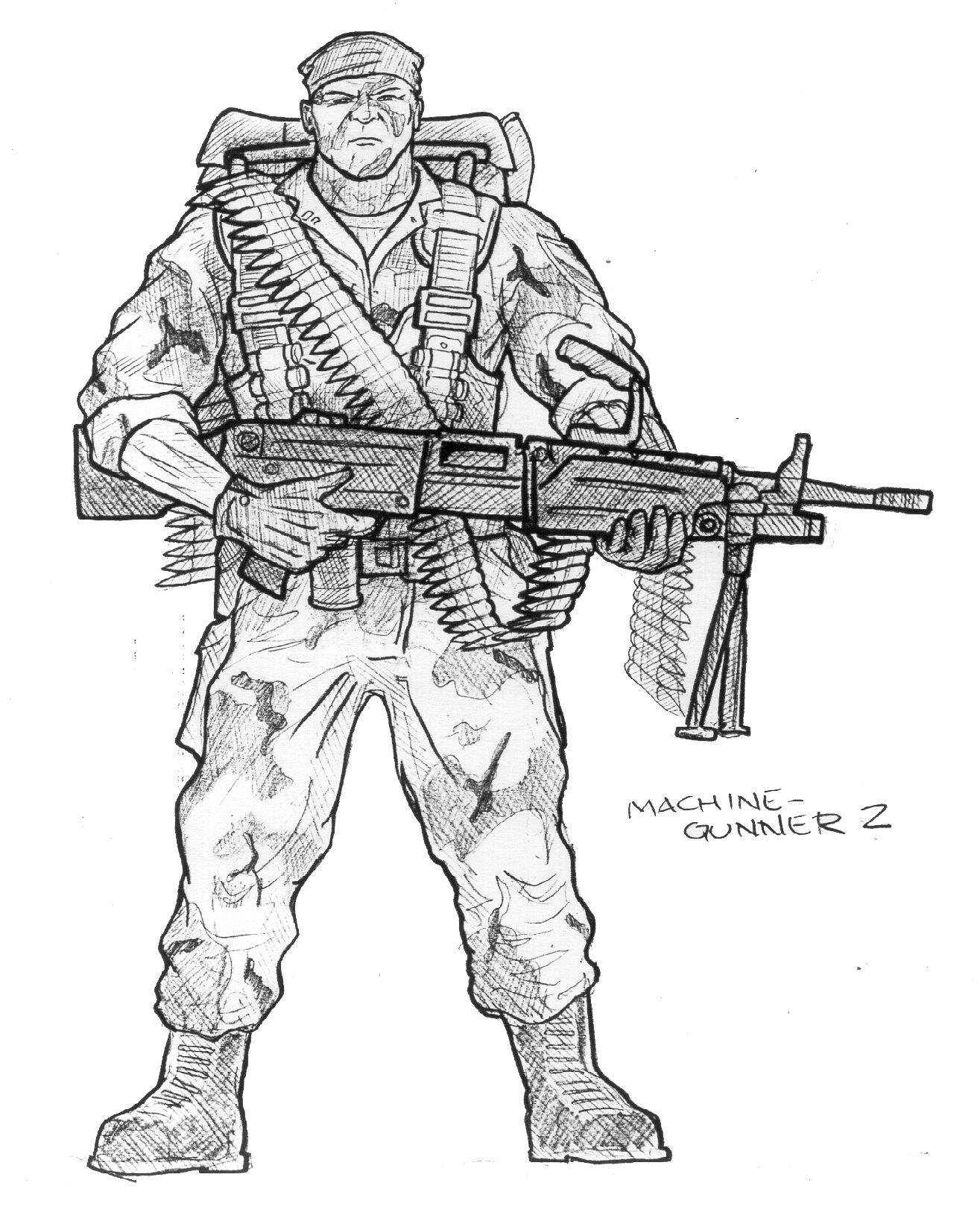
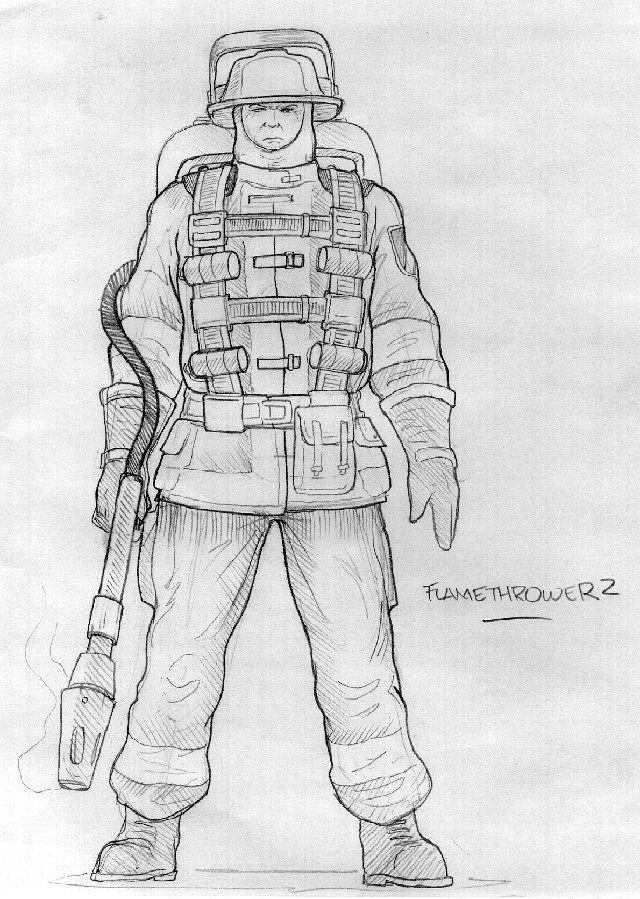
Renders#


Screenshots#


Videos#
The first ever trailer for Brotherhood of Arms from E3 1999.
Ammo Loading |
Combo |
|---|---|
Tank |
Voice Communication |
GoZone music |
GameStar Special |
Team Fortress: Invasion (200?-2005)#
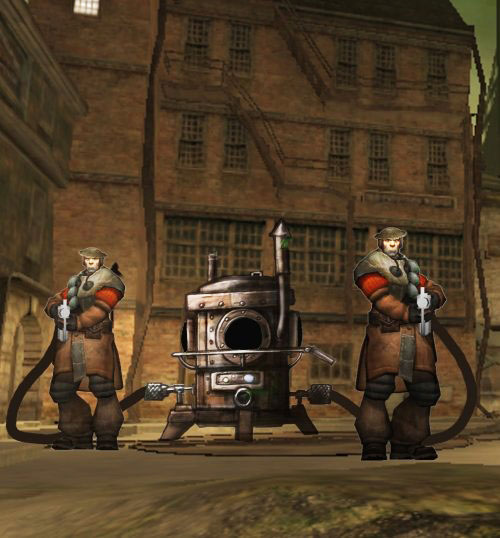
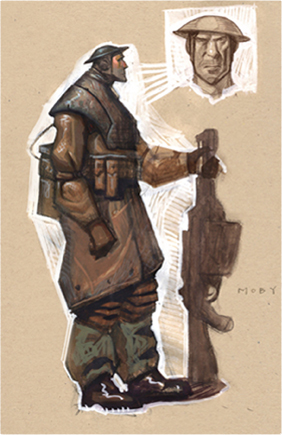
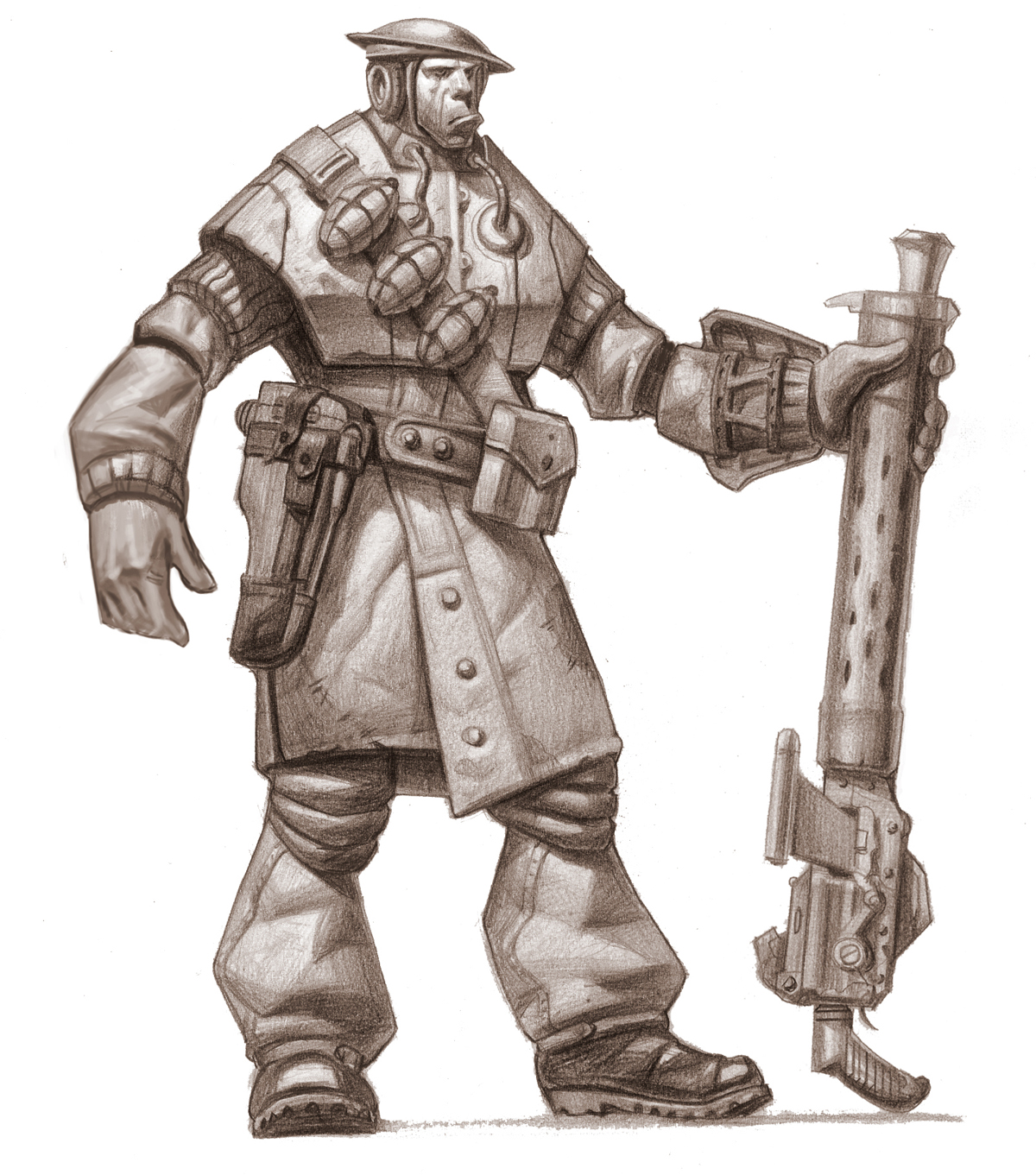
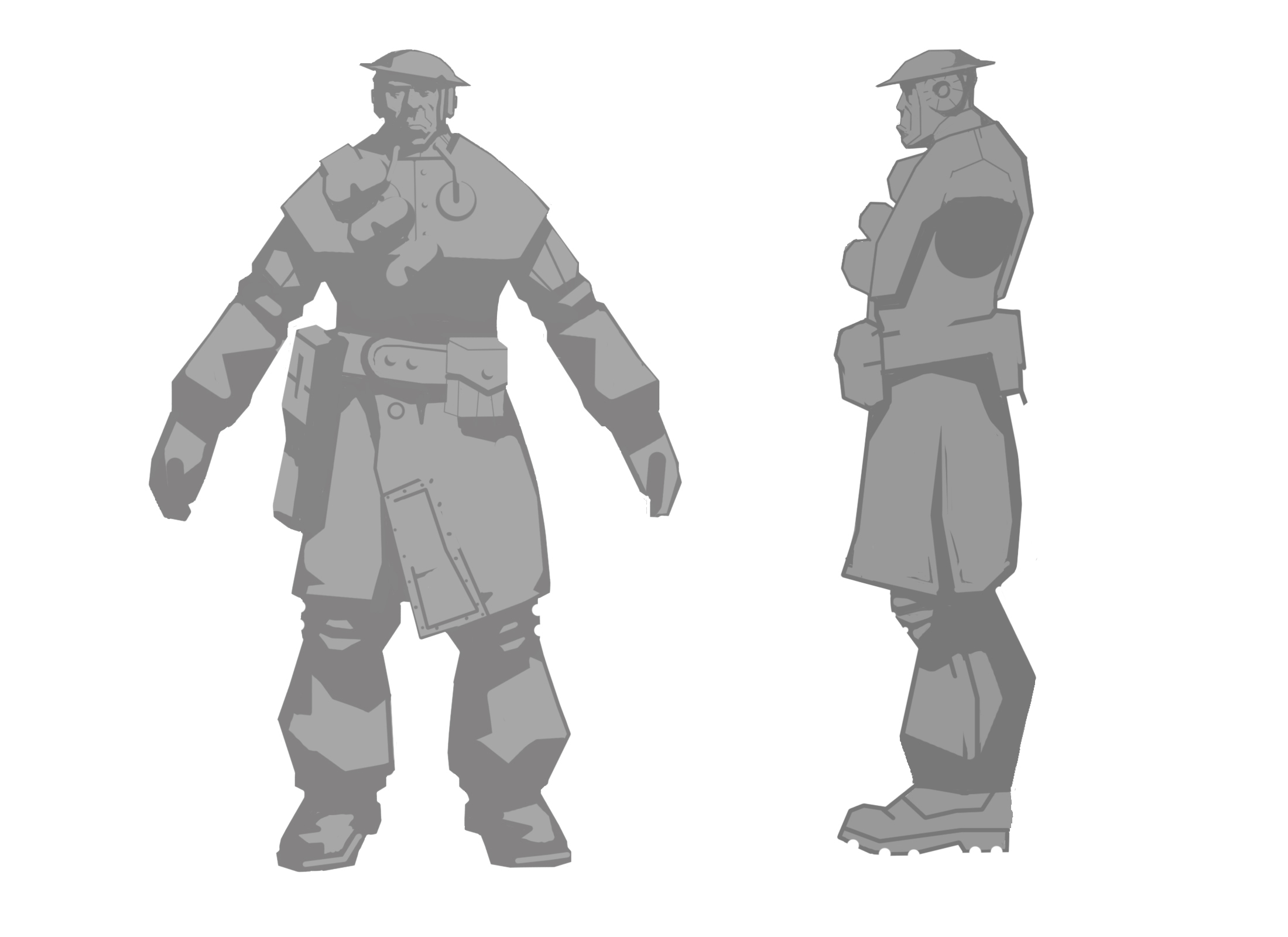
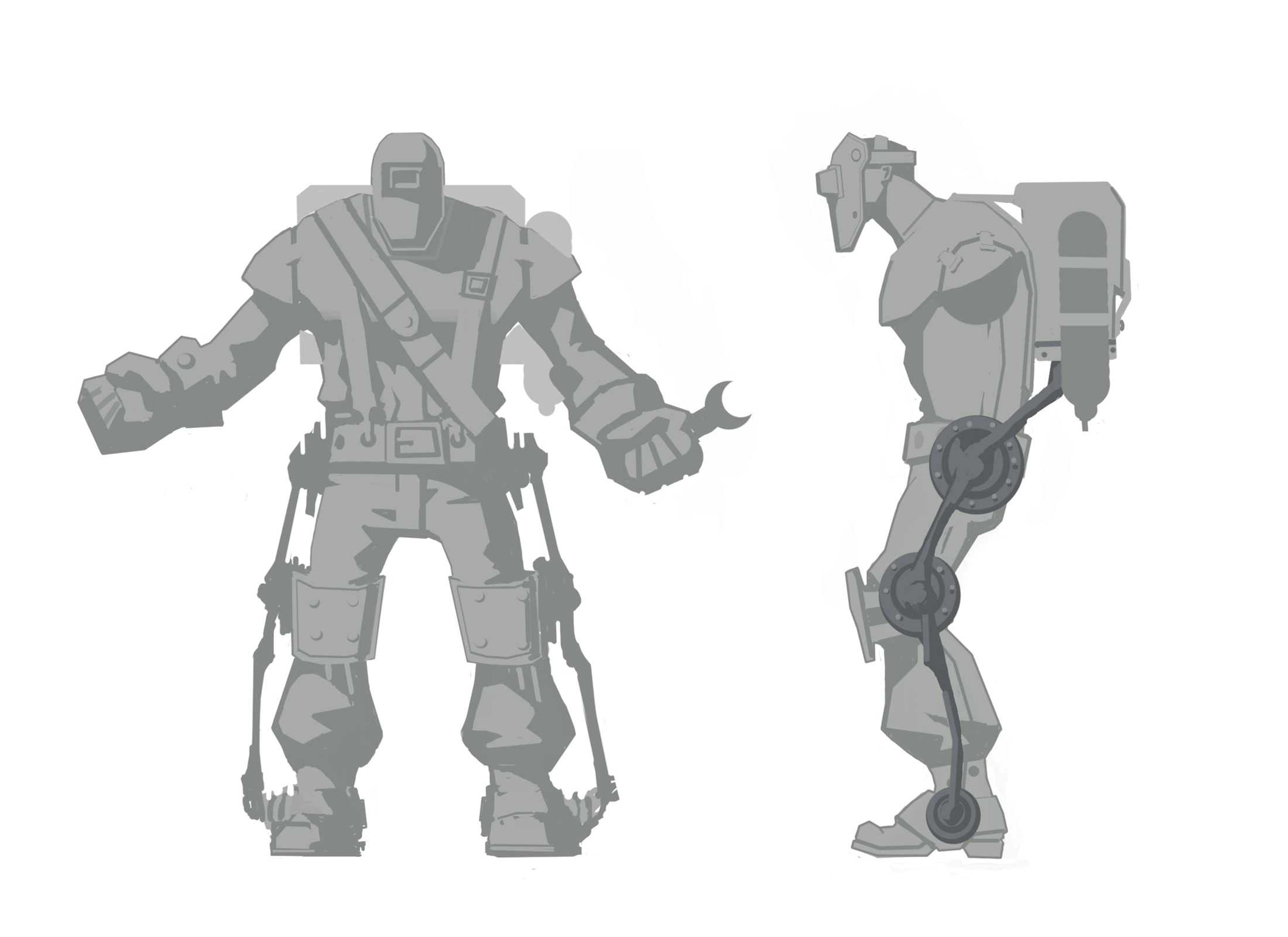
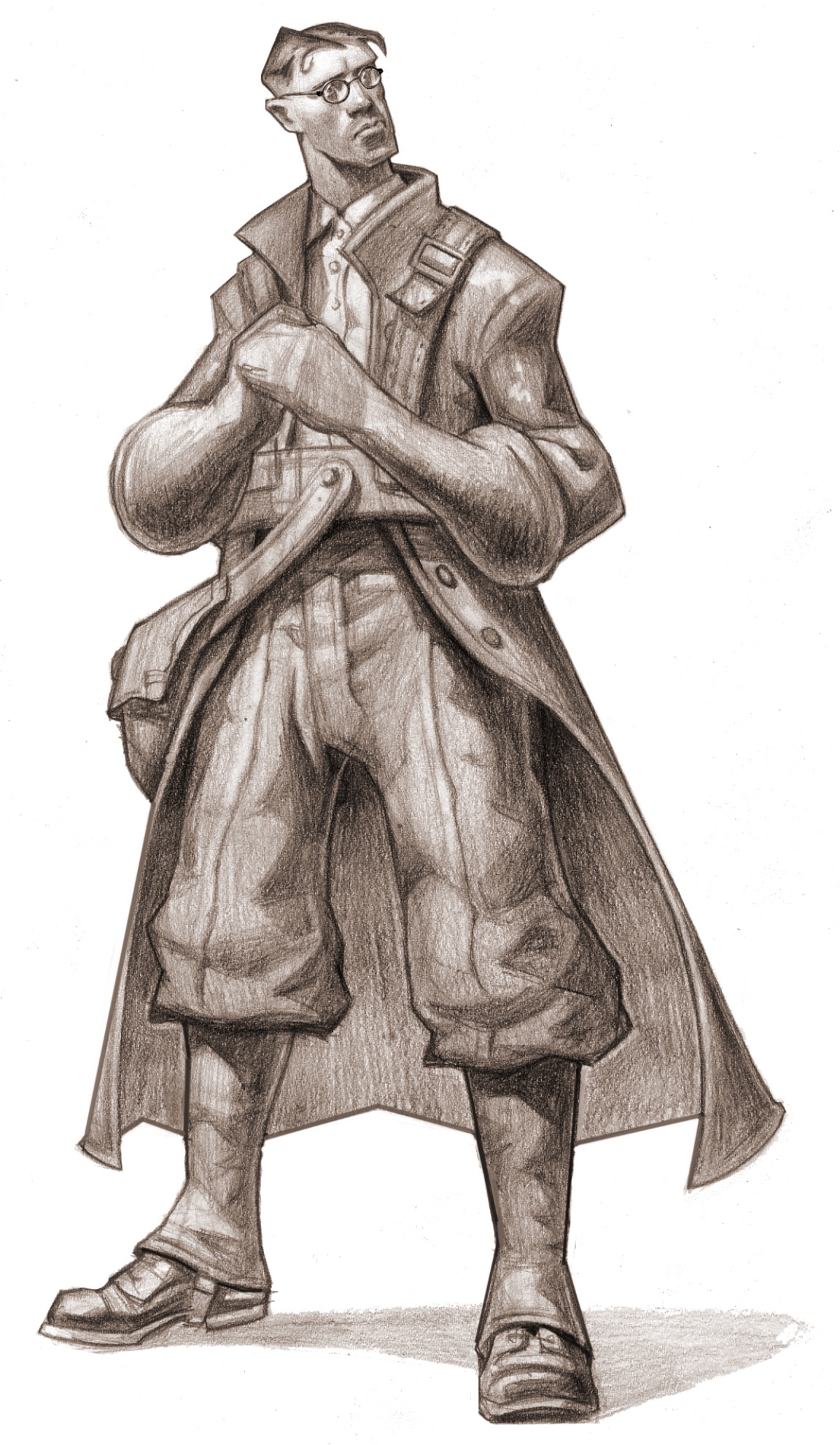
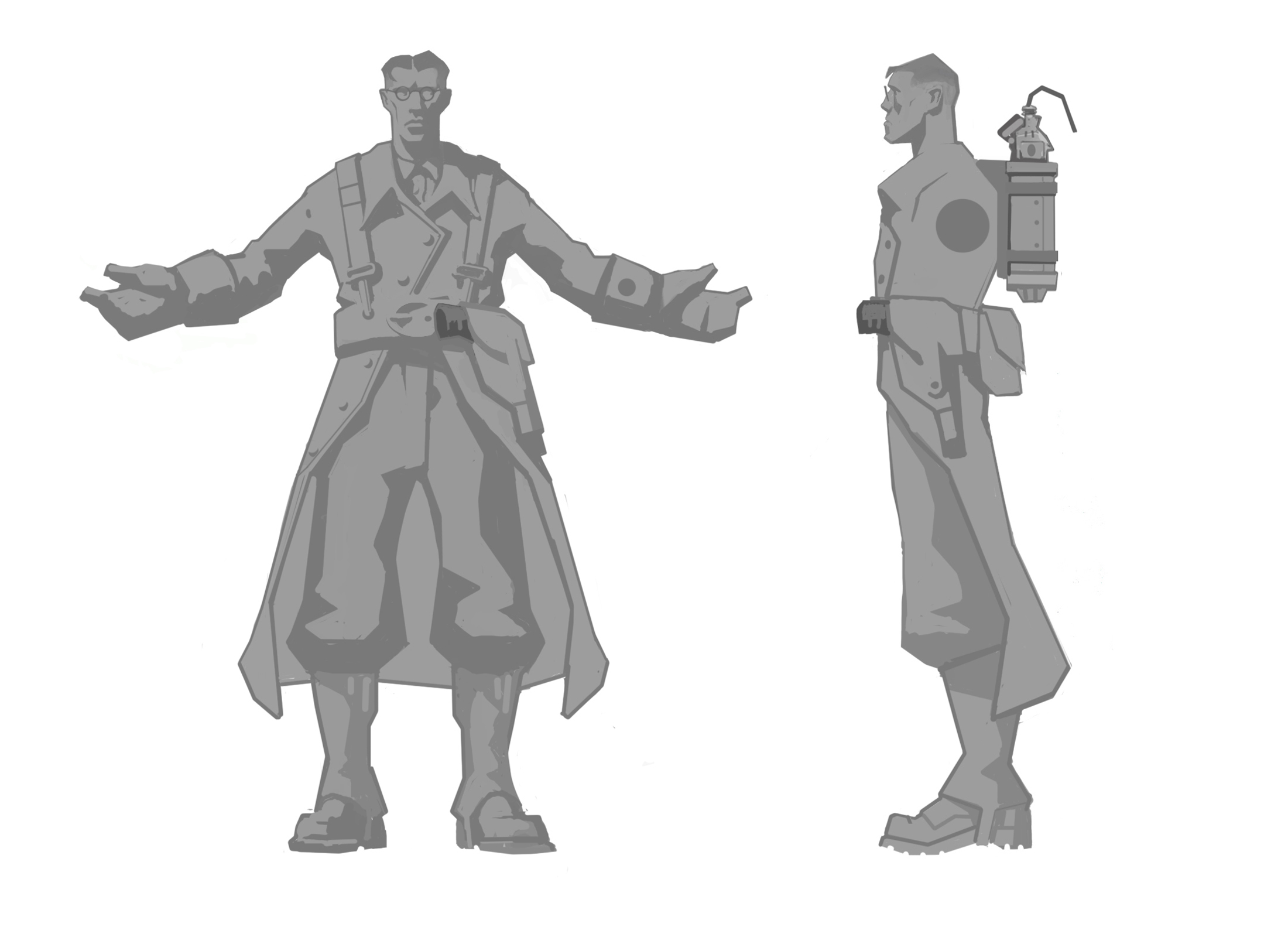
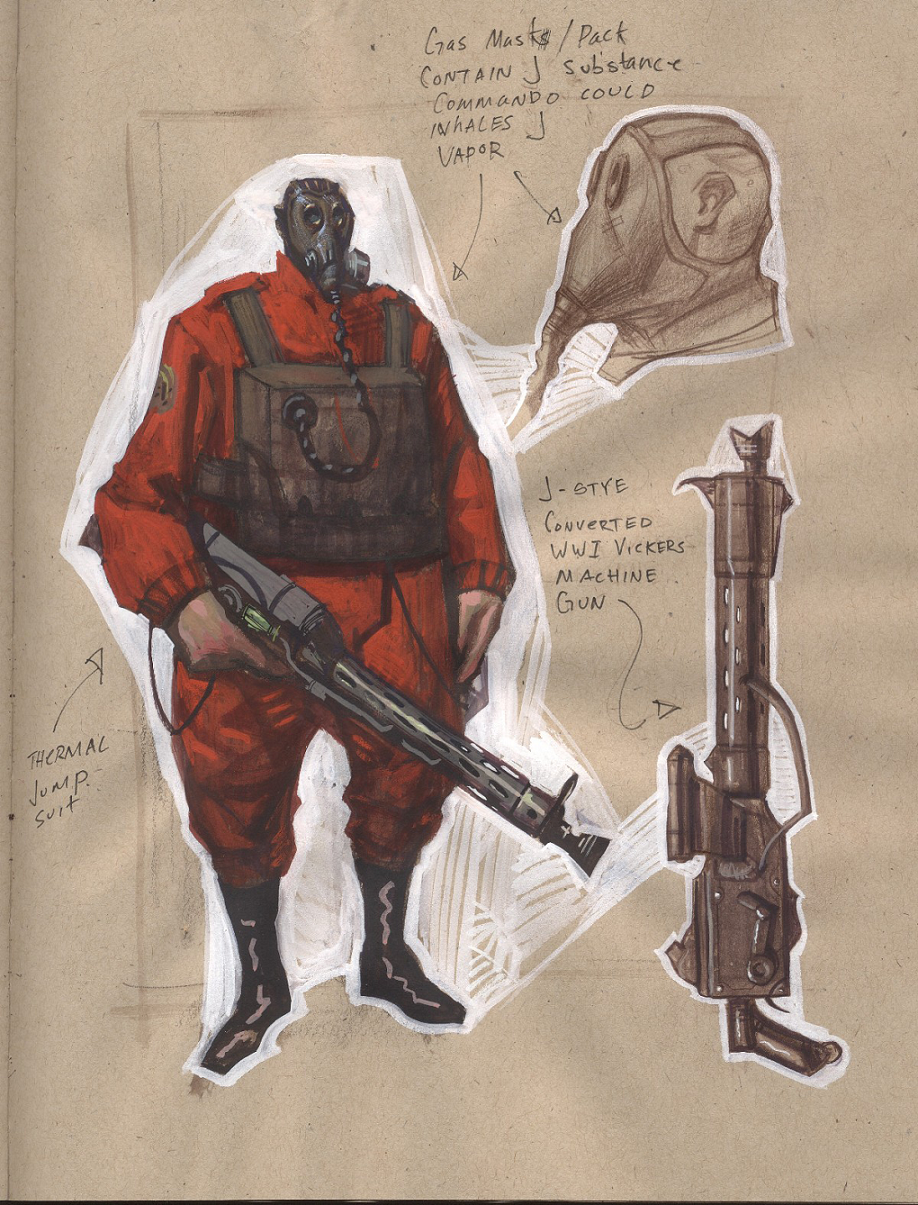
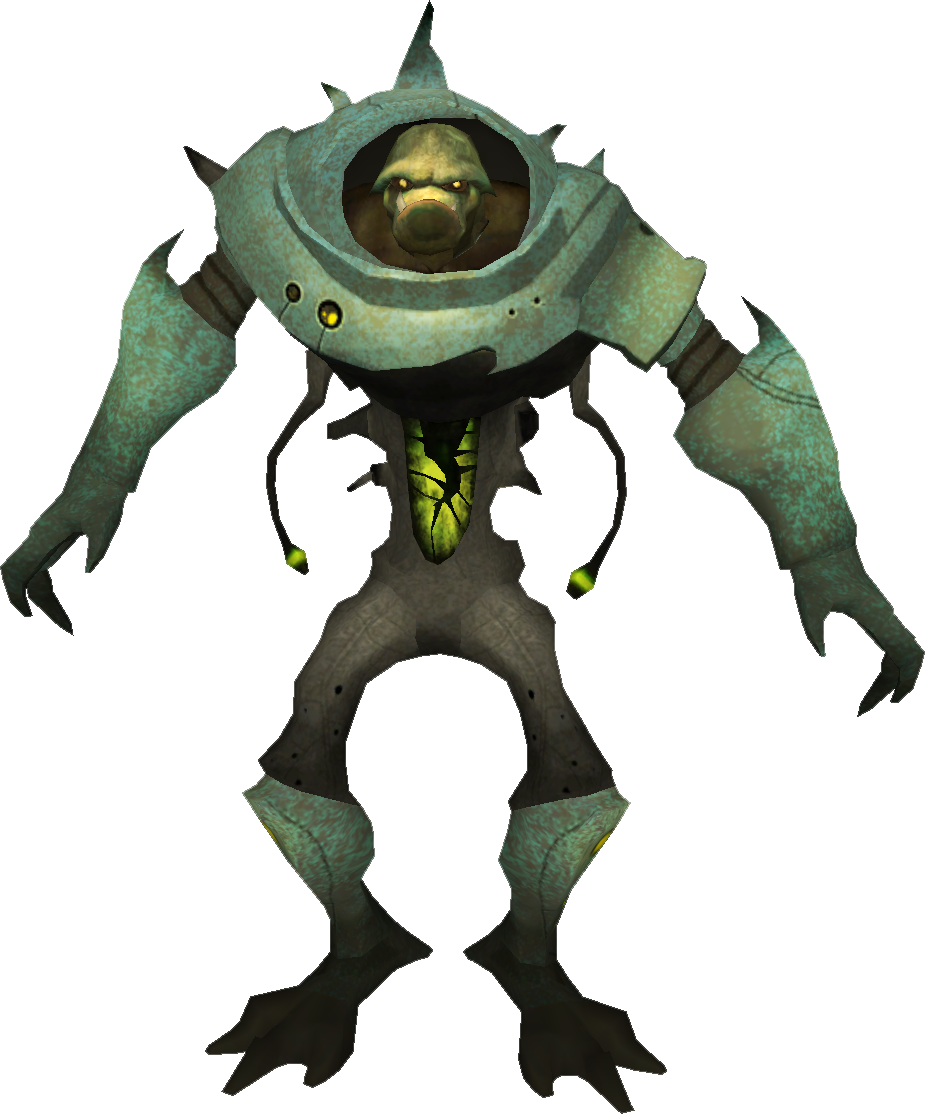
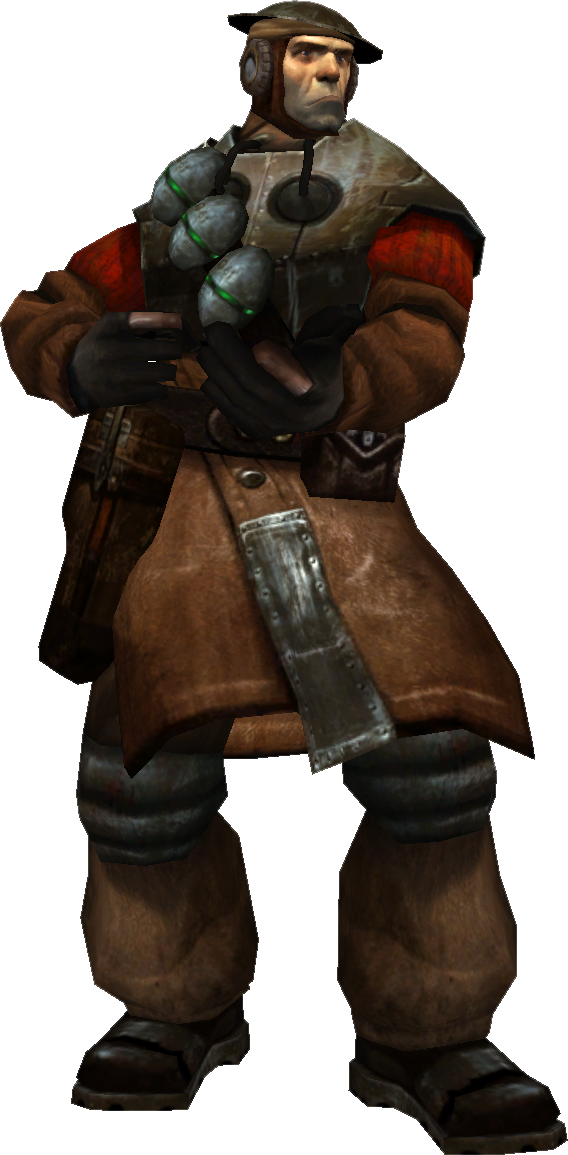
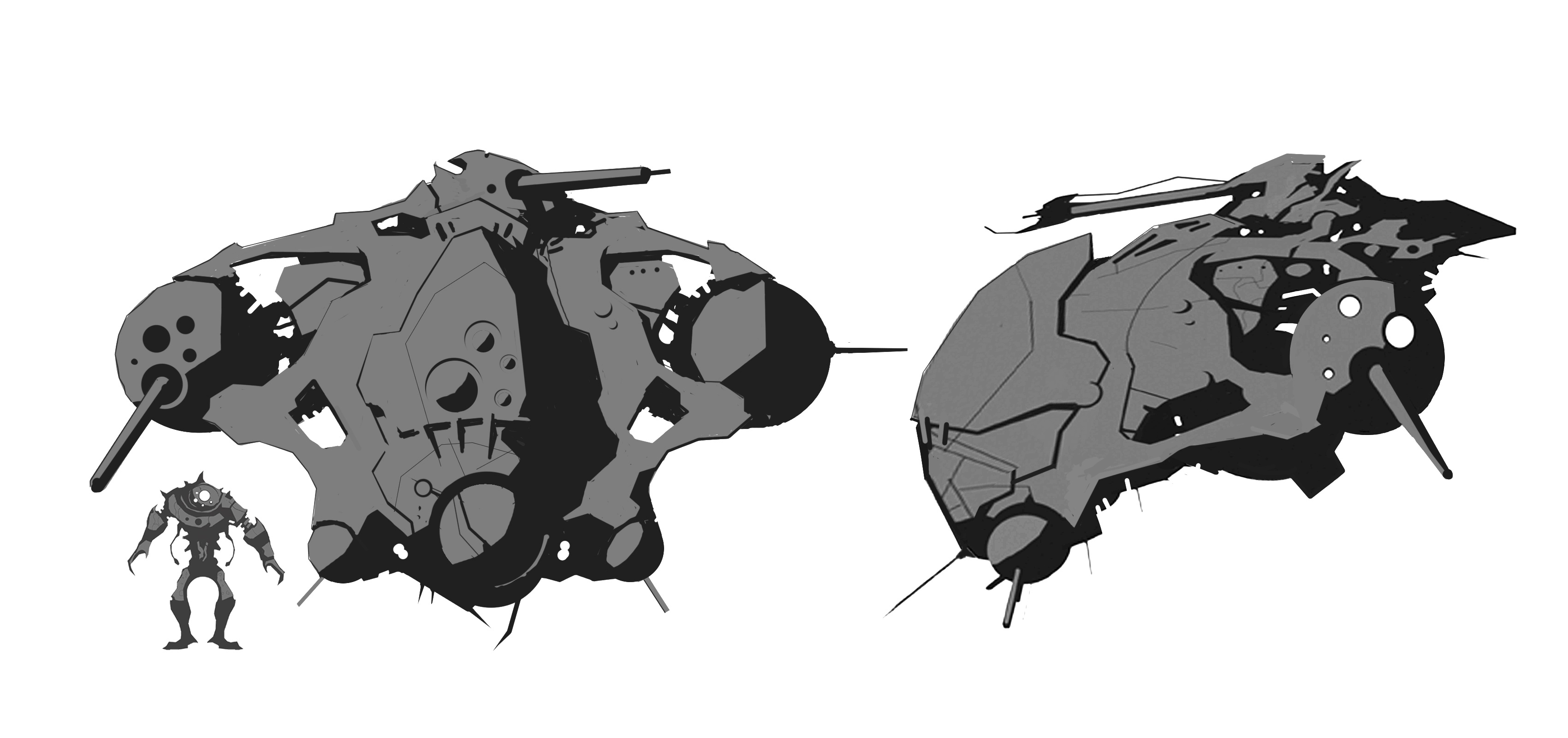
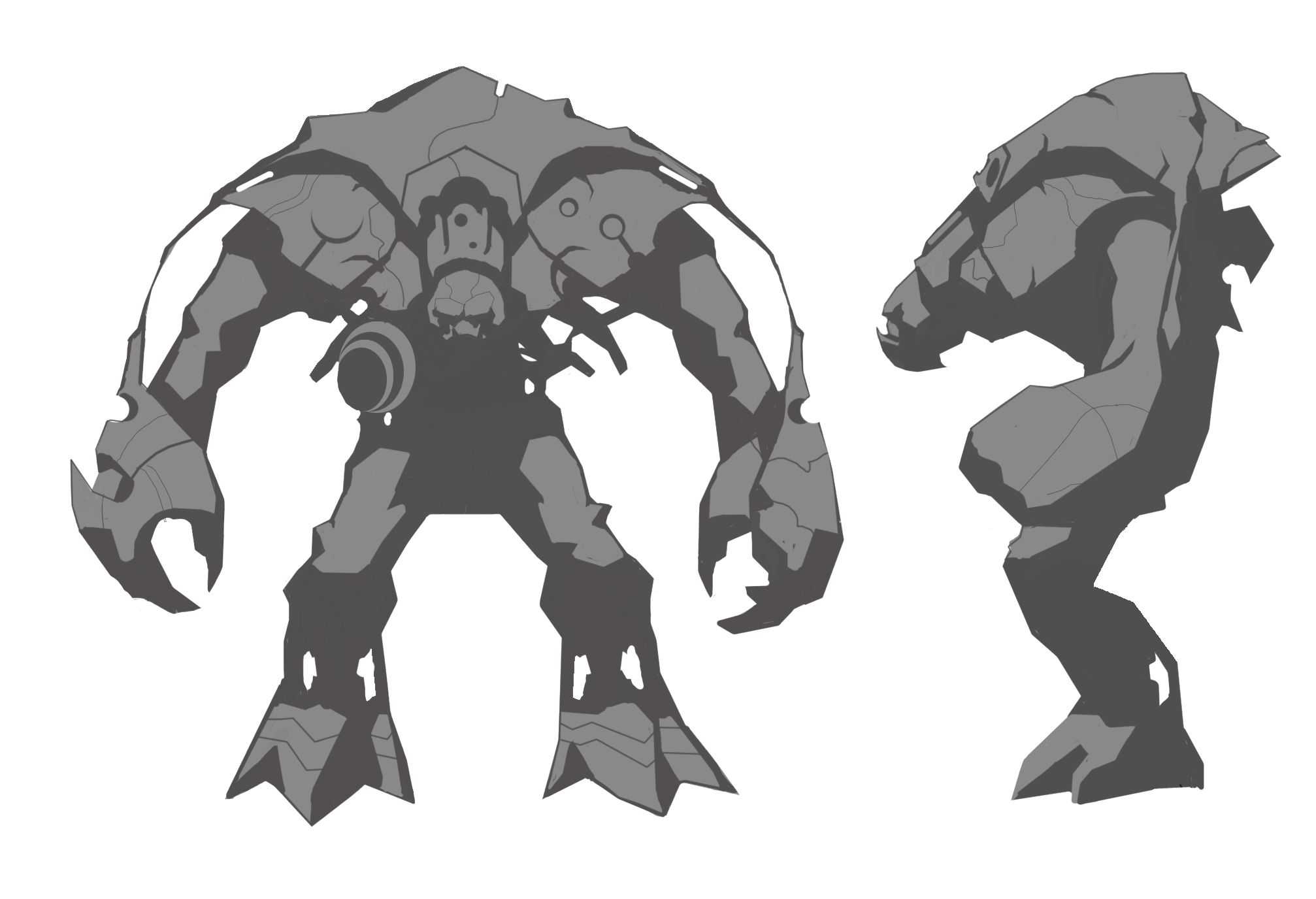
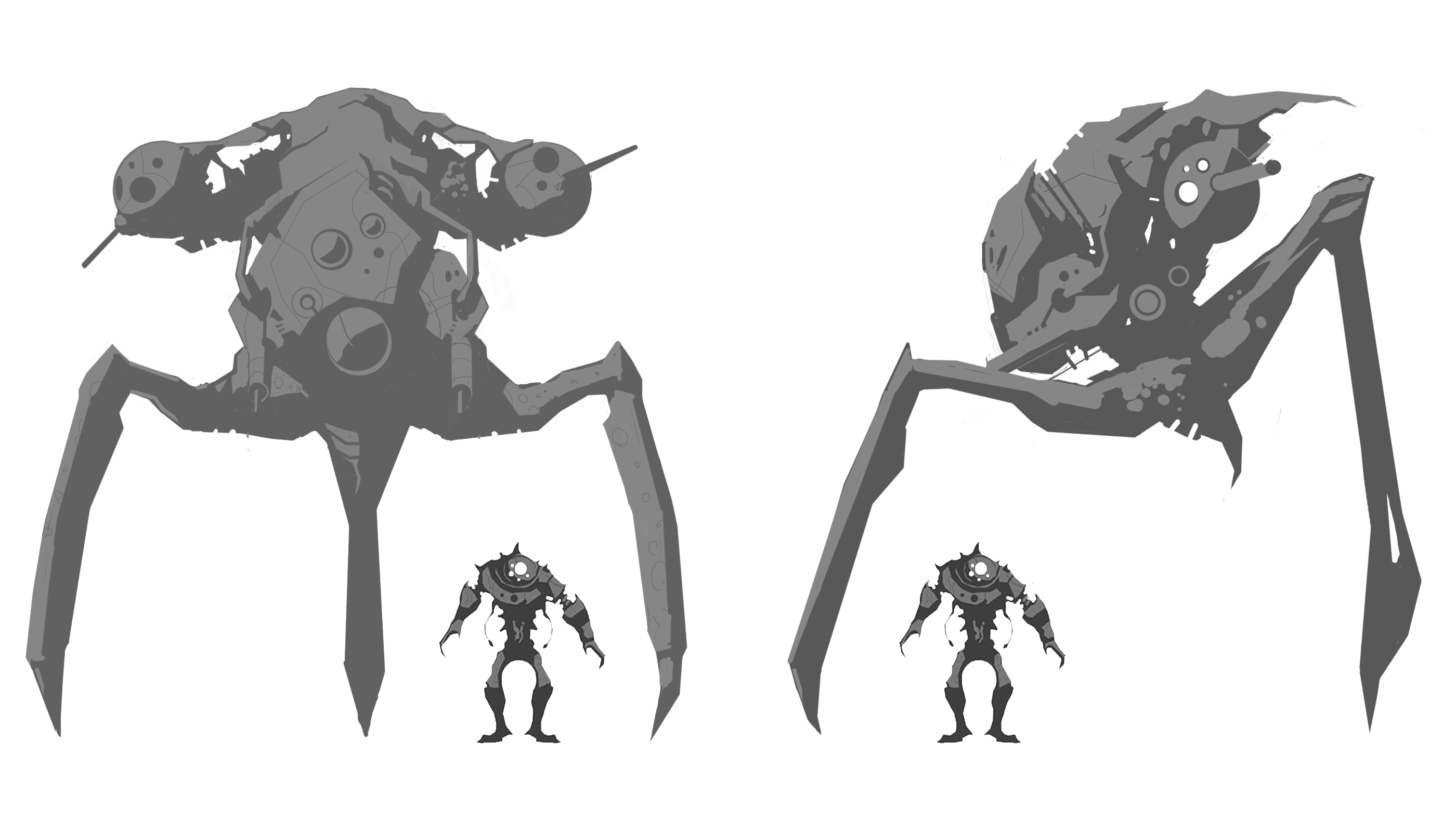
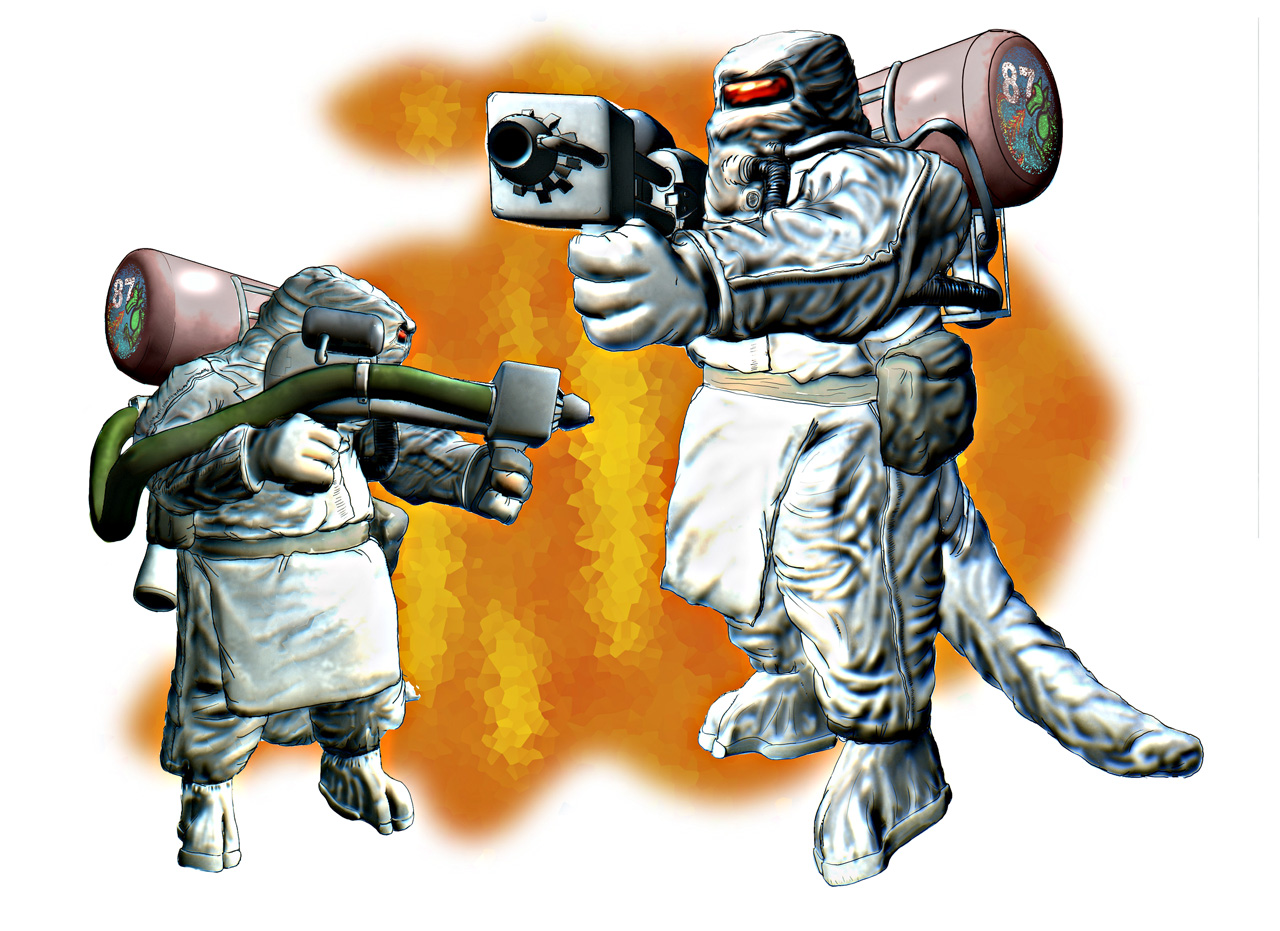
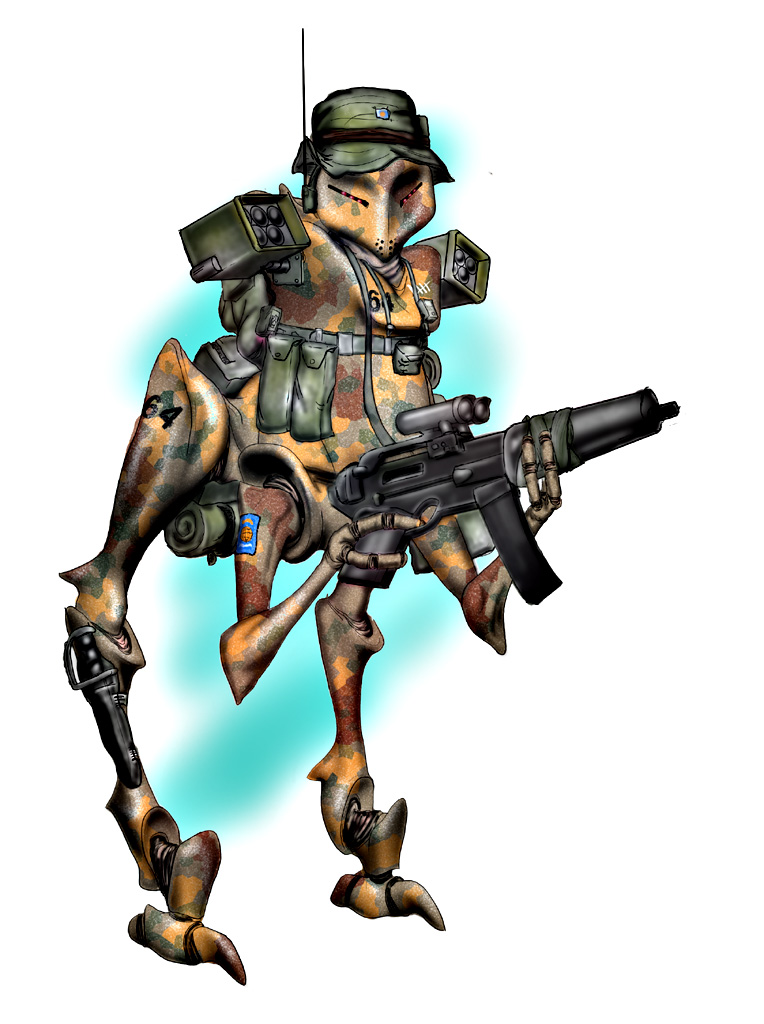
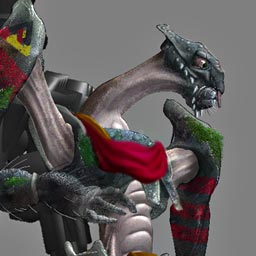
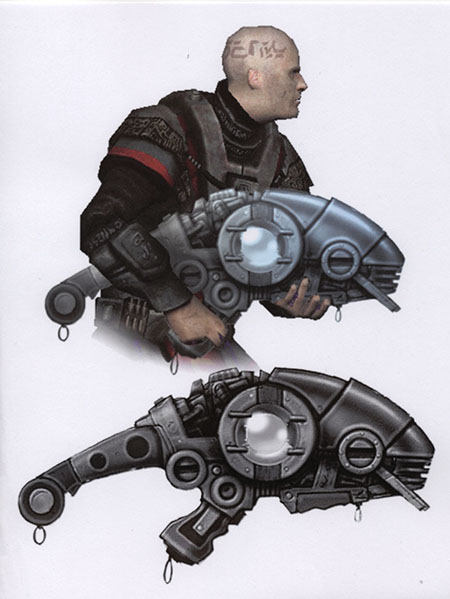
Between mid-2000 and mid-2002, Brotherhood of Arms began transitioning to a futuristic sci-fi art style. This shift eventually developed into a "Humans vs. Aliens" concept after aliens were introduced into the game. While the gameplay retained similarities to the original BoA, it became more focused on territory control and resource collection. This version's source code and several models was later leaked during the infamous Valve source code theft in 2003.
Between late 2003 and mid-2005, the development team recognized that the gameplay had grown overly complex. They began reimagining the project with a design philosophy closer to Team Fortress Classic (TFC). This rework ultimately led to the version of the game that was released in 2007.
For more specific analysis of the leaked files, please visit here
Concept Art#


References#
- https://www.shacknews.com/article/103827/threading-the-needle-the-making-of-quake-team-fortress↩︎
- https://web.archive.org/web/19990508154912fw_/http://www.sierrastudios.com/games/half-life/archives.html#expansion↩︎
- http://web.archive.org/web/20000416190012/http://spyder.fortress2.com/tf2preview.html↩︎