 This article has a talk page!
This is a sub-page of Prerelease:Super Mario Bros..
Sprites#
Mario#
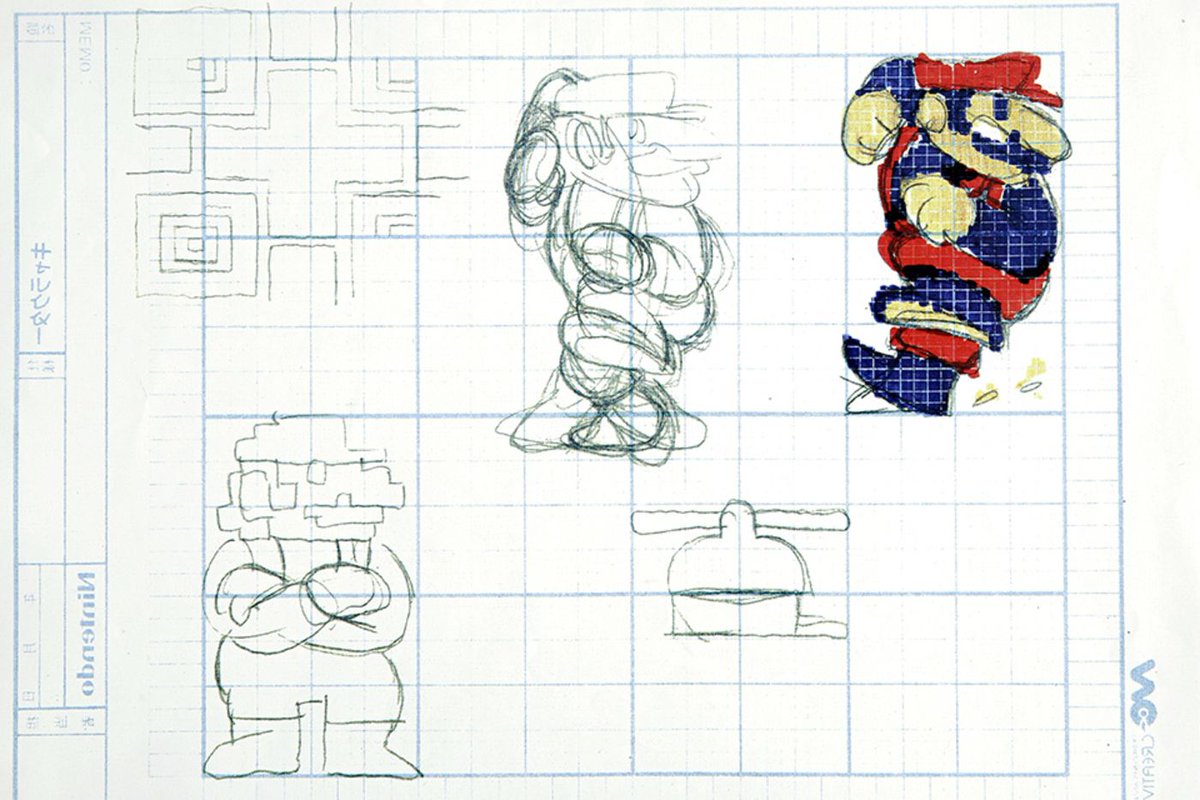

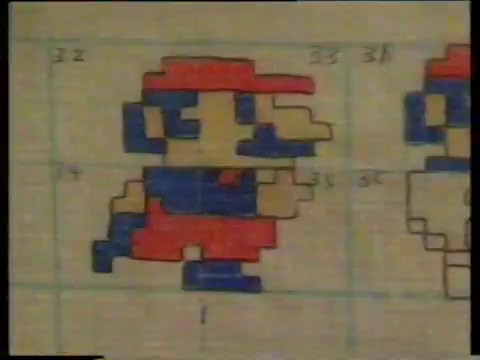
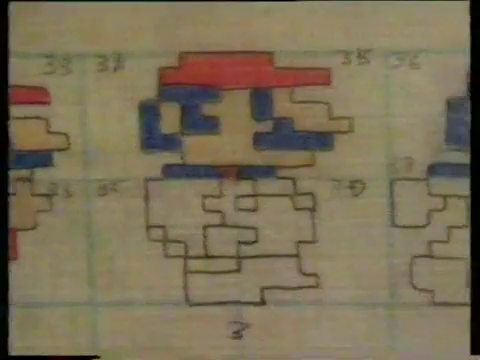
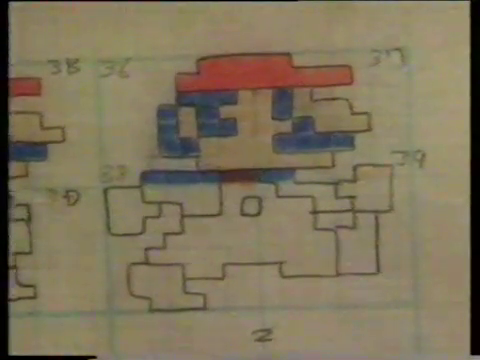
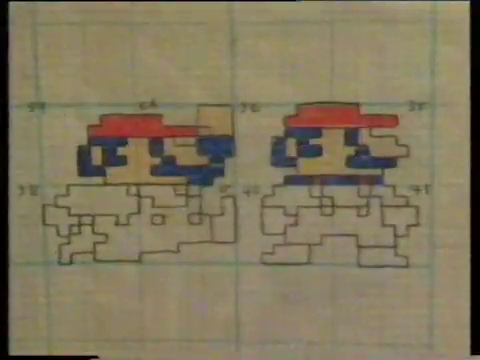
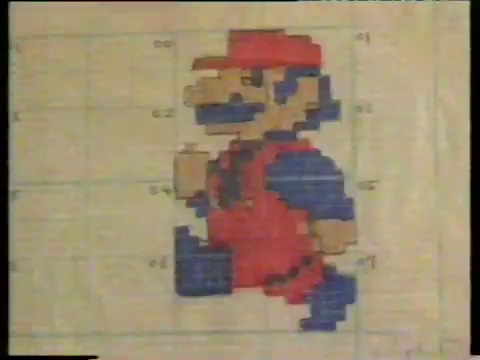
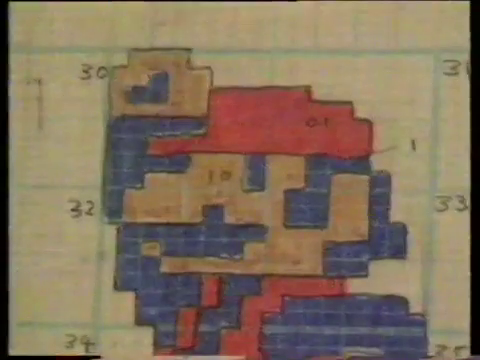
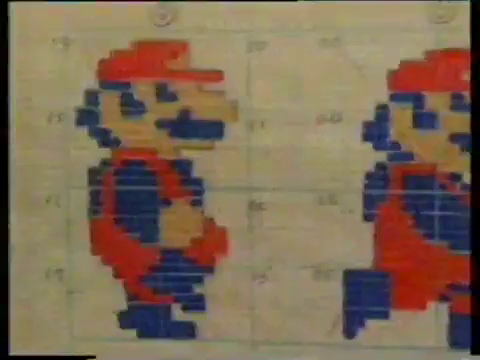
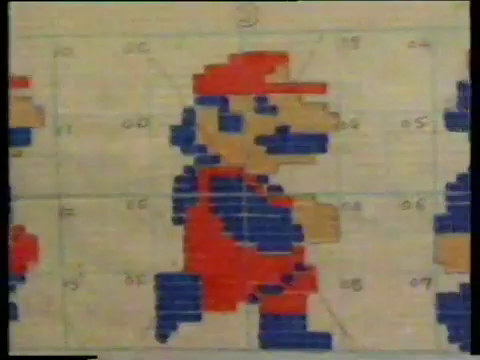
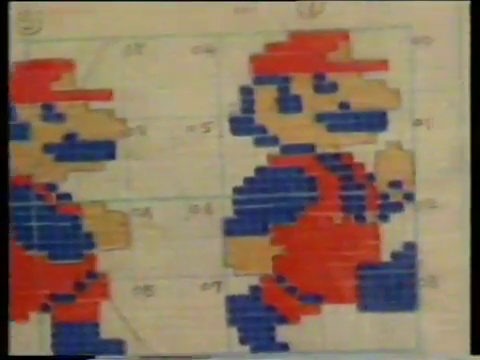

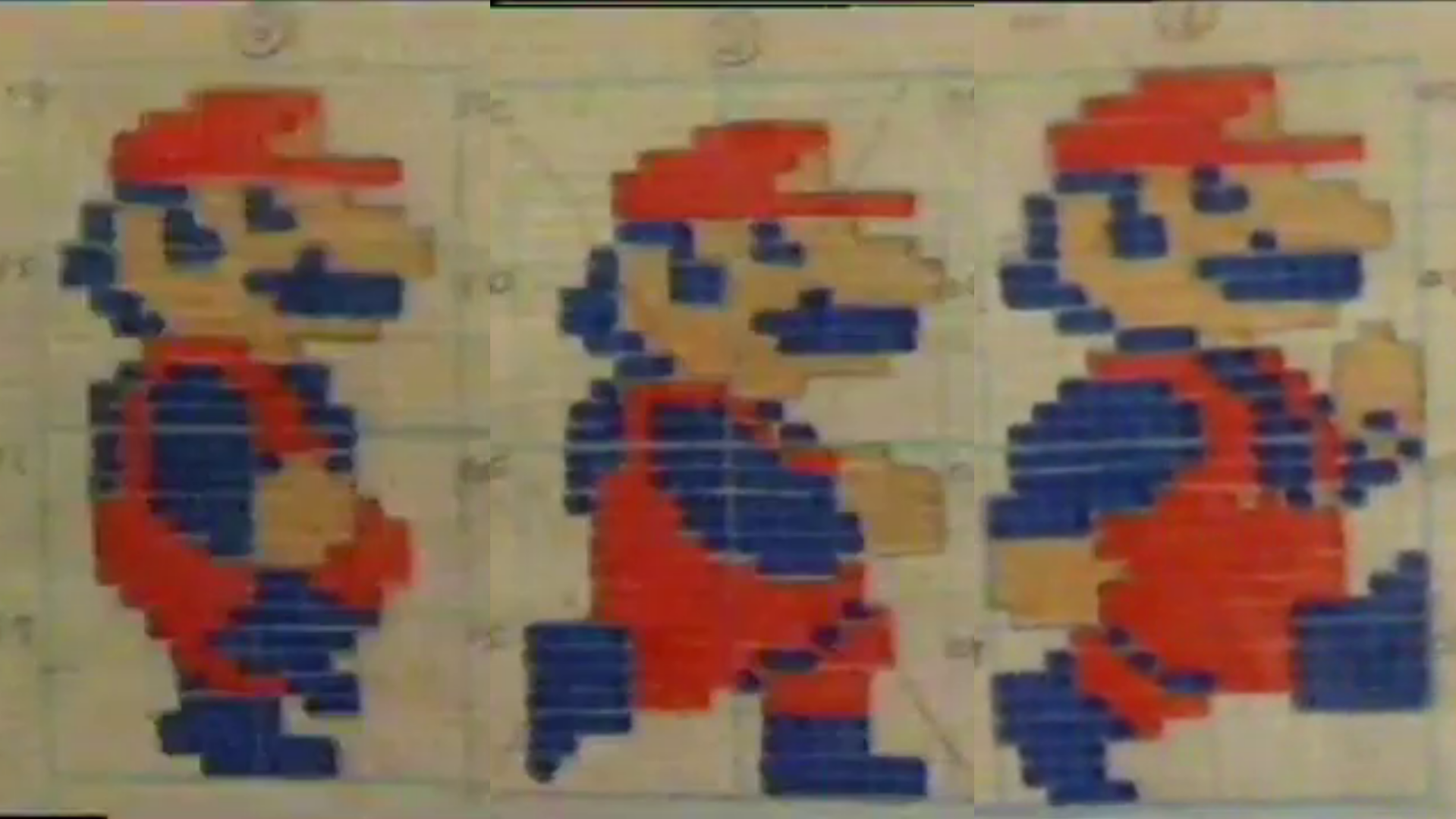
Early big Mario walking sprites#
|
Scan |
Mockup |
|---|---|
|

|

|
Scan |
Mockup |
|---|---|
|
|

|
Early small Mario sprites#
|
Scan |
Mockup |
|---|---|
|

|

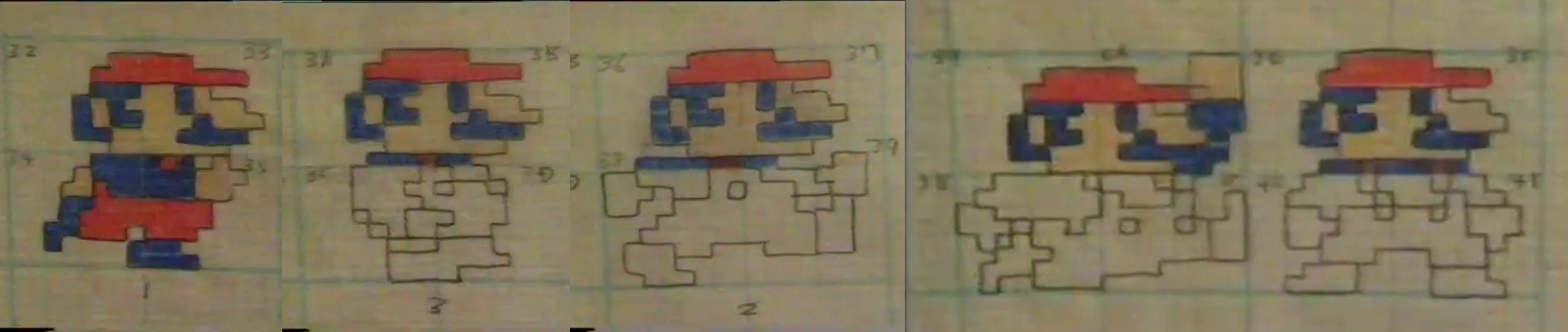
These earlier sprites for small Mario are close to the final ones, however, there are slight differences as mentioned above. To allow for more free tiles, these earlier versions were simplified. This can be seen best in the idle sprite: the mid-section was completely redone. Other minor changes include sections of Mario's hands being removed (left & right) and his head being shifted to the right by 1 in the jumping frame (middle), along with some 1-pixel modifications.
Very Early Mario Walking Animation#
|
Scan |
Mockup |
|---|---|

|

|
|
Mockup |
Family BASIC |
|---|---|
|
|

|
The earlier walking animation sprites for Mario seem to use the same body parts as the ones that are used in Family BASIC.
Early grow sprite#
|
Scan |
Mockup |
|---|---|
|

|
|
Idle sprite from Mario Bros. |
Overlayed with mockup |
|---|---|

|

|
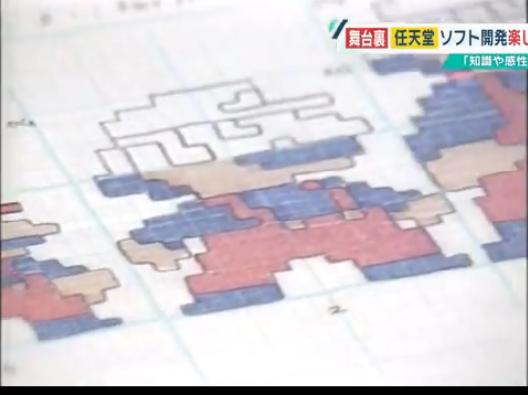
Early asymmetrical grow sprite for Mario that got simplified in the final release to make up space for graphics. Notably, the body is very similar to the body of Mario from the arcade version of Mario Bros.
Early Armcrossed Mario#
|
Scan |
Mockup |
|---|---|
|

|
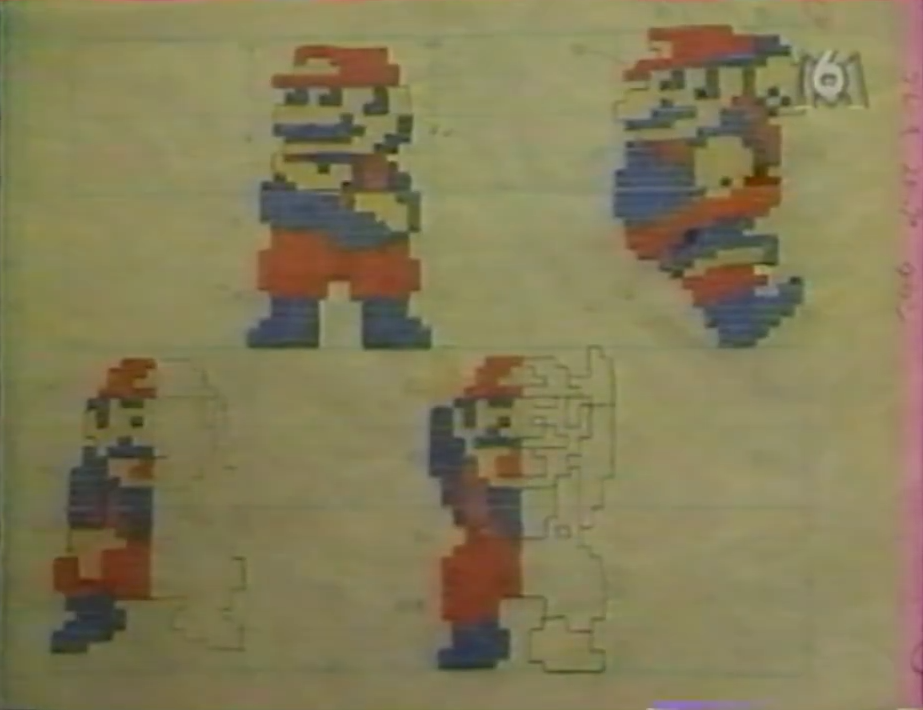
This document includes sprite art of an early version of the skidding sprite, an arm-crossed pose and what looks to be a pair of death sprites for Super Mario, something that is never seen in the final release as when Mario dies after the timer runs out his small death sprite is reused.Retrogaming / VHS tape archive one
Early idle Mario#
|
Scan |
Mockup |
|---|---|
|

|
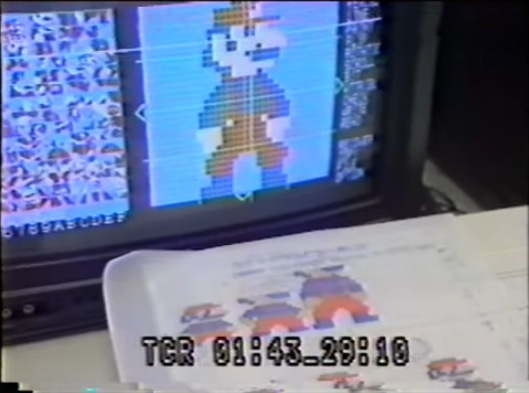
An early idle sprite of Mario, notably with a more square-ish look and asymmetrical sprite
rideable cloud#
|
Scan |
Mockup |
|---|---|
|

|
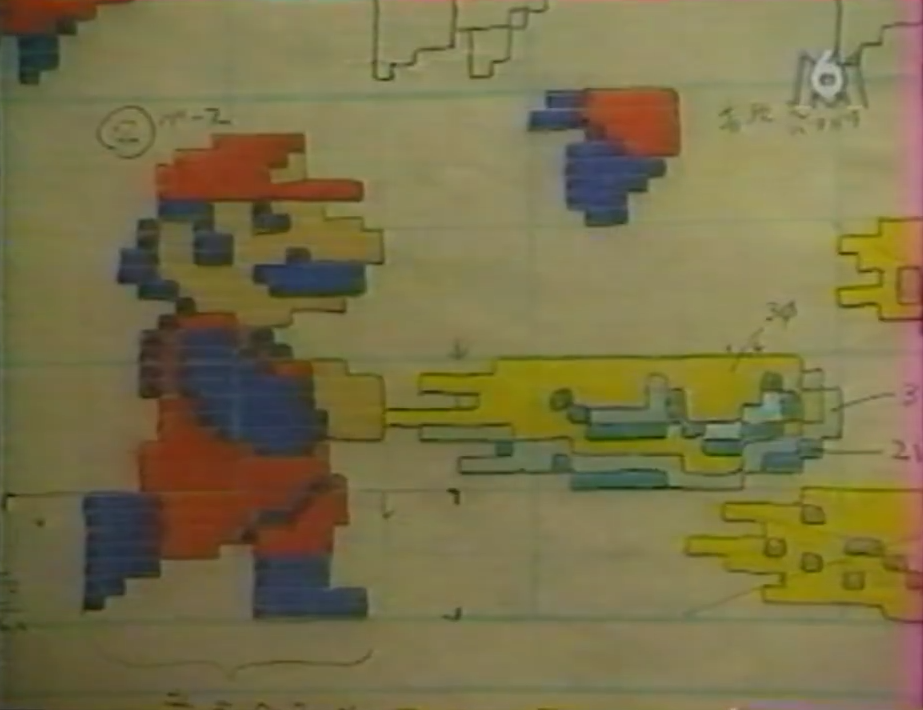
The image above appears to depict sprite art of an earlier frame of Mario's walk cycle and a cloud Mario would have ridden during the scrapped sky flying segments, only one of the three sprites are fully visible but seeing the edge of the other two it suggest its animation would've consisted of several frames,something which could've contributed to its removal due to memory constrains. The number 30, the NES's color value for white, is pointed at the cloud; it's likely that the sprite is only colored yellow so it can be visible on the paper it was drawn on.
earlier rideable cloud#
|
Scan |
Mockup |
|---|---|
|
|

|
the cloud sprite as seen with small Mario early walking sprites, suggesting the other one preceded this version
Unused Power-up#
|
Scan |
Mockup |
|---|---|

|

|
An early design of an unknown power-up, possibly of the Fire Flower.
Other#
Some more planning sheets showcase early designs and sprites.
Foreground Tiles#
|
Scan |
Mockup |
|---|---|

|

|
An early tree-like platform that appears thinner, much more similar in size to the mushroom platforms present in the final.
Toad#
|
Scan |
Mockup |
|---|---|
|

|
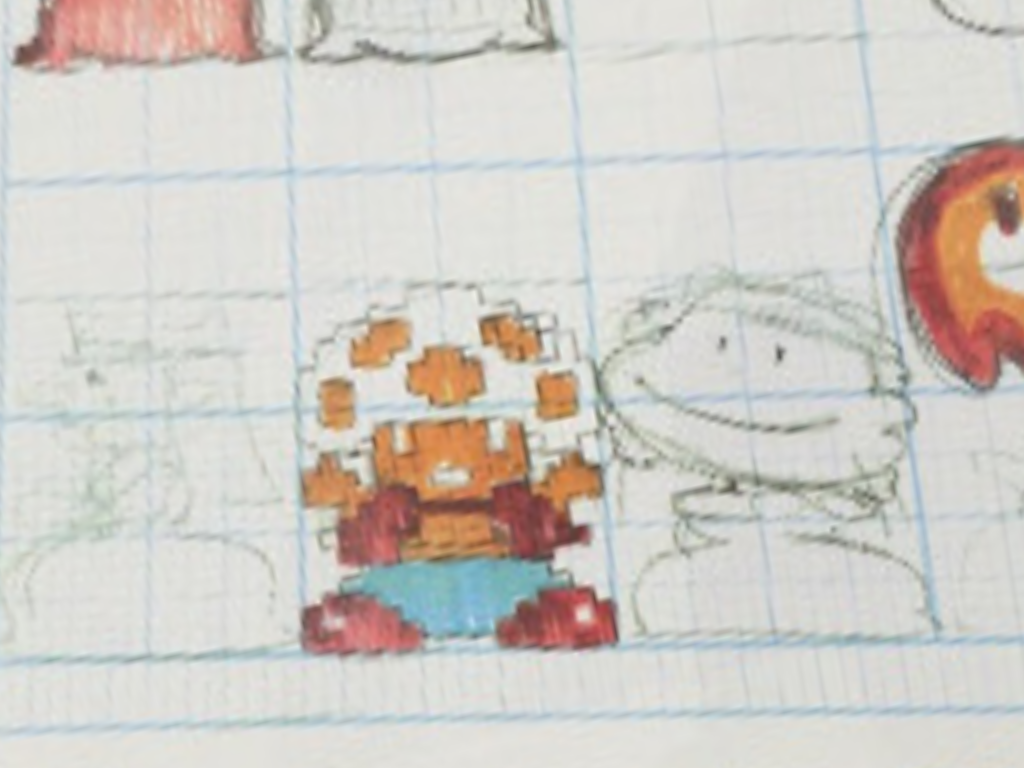
The early design of Toads (Mushroom Retainers) appears slightly different. Notably, his eyes are spaced further apart and the spots differ from the final design in color and shape 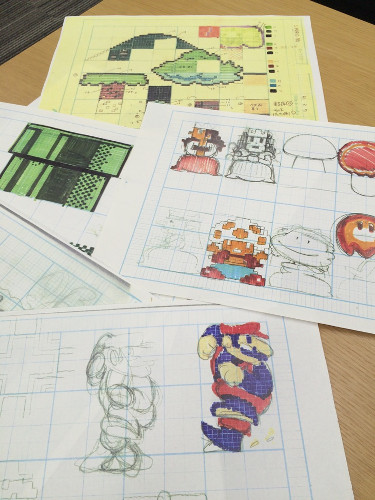
- The early design of Princess Peach (Toadstool) looks different. Notably, having white sleeves, a pink dress, and no visible lips. The second sketch seems to be the basis for her sprite in Japan's Super Mario Bros. 2.
- The early design of what appears to be the Super Mushroom is missing its spots and is more rounded. This design resembles the throwable/stackable mushrooms in the USA's Super Mario Bros. 2.
- The early Lava Bubble (Podoboo) has black eyes, which are missing in his final design. This seems to be a remnant of Fireballs from Donkey Kong also having eyes. Eyes were eventually reintroduced back into their design starting with Super Mario World.
- What appears to be a unknown character to the right of Toad. They have a more rounded, cartoon face, which could be a early design of the princess or possibly a "lady retainer". To the right of them is an alternate body, but it has been overwritten by a Lava Bubble.
(Source: Gaming Alexandria)
Enemies#
Dragon#
|
Scan |
Mockup |
|---|---|
|

|
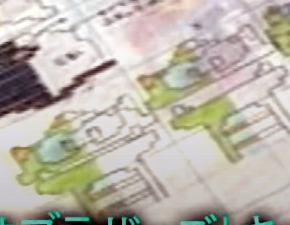
An unused design for a dragon-like enemy. It would've most likely come out of pipes akin to Piranha Plants.
"Cannon" Koopa#

The drawing depicts a Koopa Troopa with a helmet manning a cannon. The text next to the drawing reads: "Aims for Mario." The arrows next to the text show the enemy's attack patterns. It is likely that this is the early concept of the Hammer Bro., as the presence of a helmet and the trajectory of their attack is similar.
Cannons would later appear in Super Mario Bros. 3 with a similar design, though without a Koopa Troopa manning it, and the cannonballs would travel in a straight line instead of in an arc.
(Source: Super Mario Bros. 30th Anniversary Special Interview ft. Shigeru Miyamoto & Takashi Tezuka)
Naked Koopa#

The drawing depicts a naked Koopa Troopa without its shell, wearing a tank top while holding what appears to be a pitchfork. The text next to the drawing reads: "Pacing around naked." This appears to be a more fleshed out mechanic carried over from the previously released Mario Bros.; in that game, if a Shellcreeper is flipped upside down and left alone, it hops out of its shell to flip it back over, revealing it's white tank top.
This idea was dropped for Super Mario Bros., but would reappear in later games, the first being Super Mario World, though without the pitchfork. In that game, if a Koopa Troopa is knocked out of it's shell, it would pace around until it finds it's shell again and hops back in.
(Source: Super Mario Maker booklet)
Sidesteppers#
|
Scan |
Mockup |
|---|---|
|

|
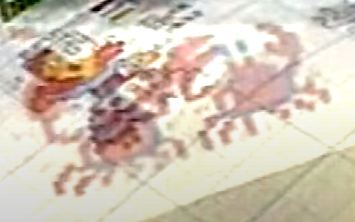
A sprite sheet and accompanying mockup showing Sidesteppers from Mario Bros.. Sidesteppers would later appear in Super Mario Bros. Special, one of Super Mario Bros. direct follow-up games.
(Source: Super Mario Bros. 30th Anniversary Special Interview ft. Shigeru Miyamoto & Takashi Tezuka)
Early Bowser/King Koopa Design#
|
Scan |
Mockup |
|---|---|
|

|
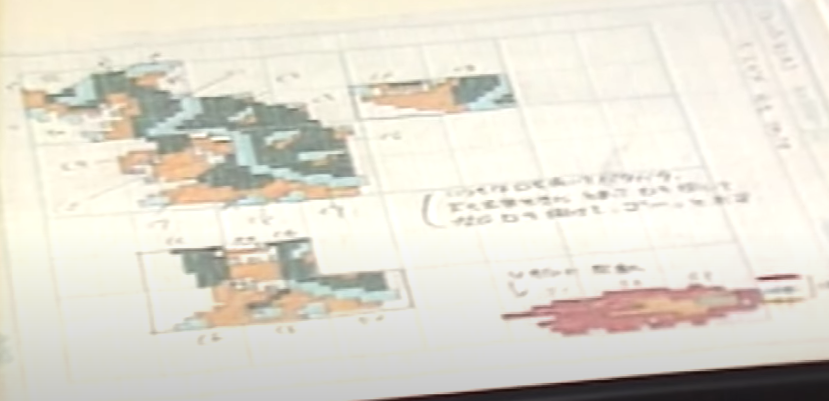
An early Bowser (King Koopa), with a sprite of his arms on his side.
Earlier Bowser Design#
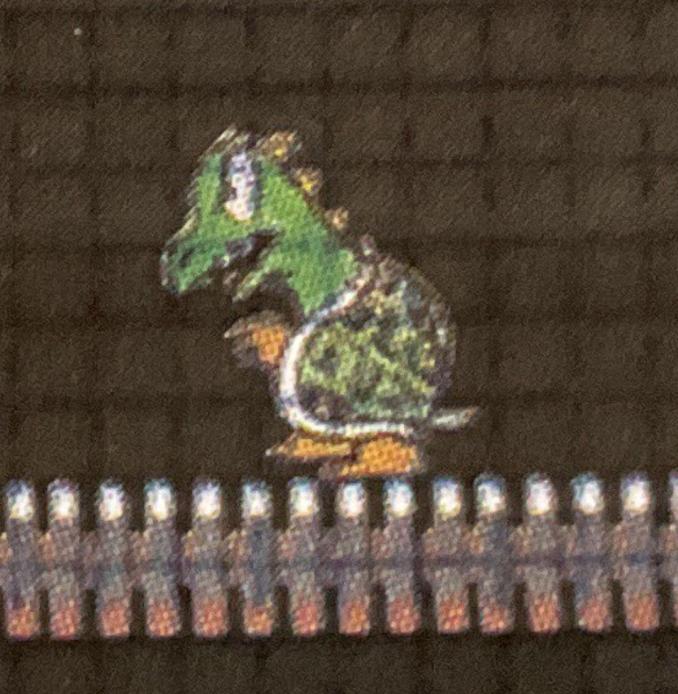
An earlier design of Bowser can be found in the Super Mario Maker booklet.
(Source: 1)