The game was released under a different title in each region. The American version, Quest 64, was actually the first version released, despite the game's Japanese origins. Quest 64 was retitled Holy Magic Century in Europe and was eventually released in Japan as Eltale Monsters. Interestingly, the copyright for the Japanese version is dated 1998, despite the fact that it was published in 1999, a year after the other versions. The French and German versions have a mostly-identical title screen to the European one, with the "Press Start" text translated. That said, it was translated with a noticeable typo in the German version: the text should read "Start drücken"; "dücken", on the other hand, is nonsense.
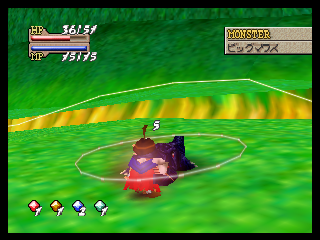
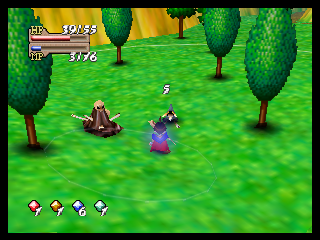
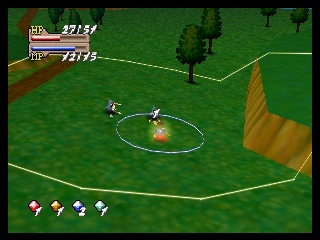
In the international versions, octagons determine the boundaries of the battle field, Brian's movement, and the enemies movement. In the Japanese version, these octagons were changed to more pleasing circles, except for the battle boundary. The ball vertexes were removed from the Japanese version.
To do:
The images below have been scaled up and need to be replaced.
In the Japanese version, whenever a stat increases, a colored mist will surround Brian and a metallic sound will play to inform players of the increase. The color determines what stat was increased.
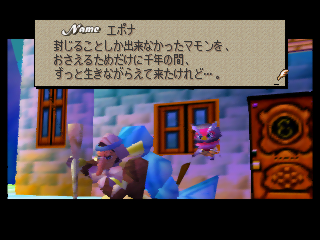
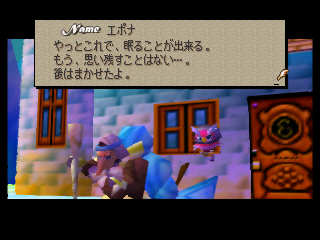
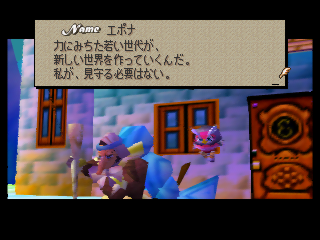
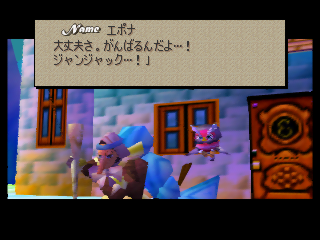
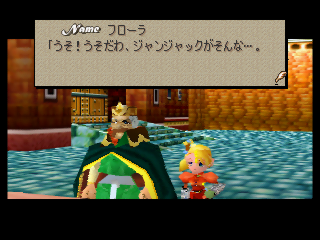
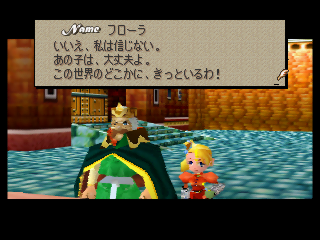
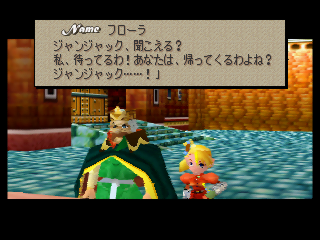
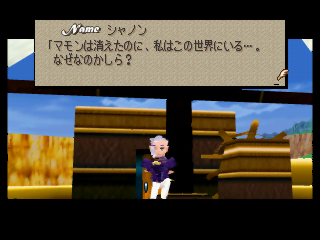
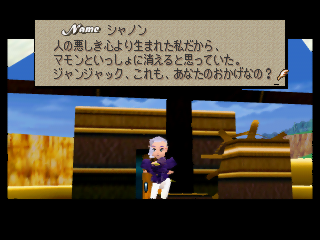
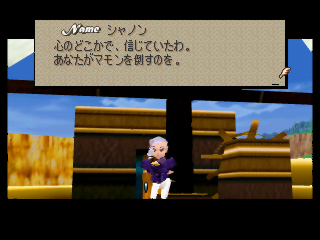
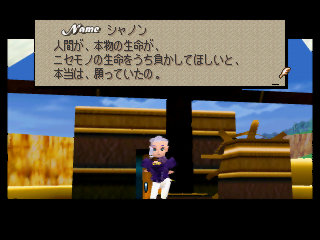
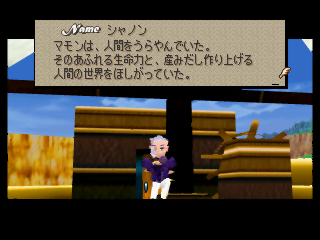
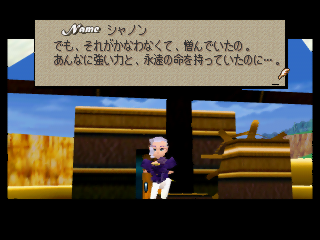
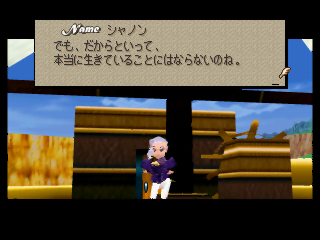
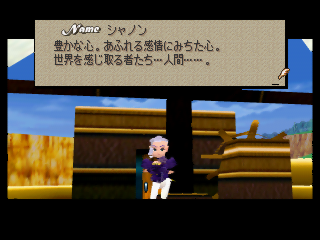
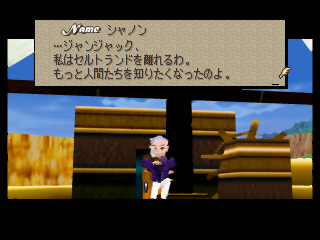
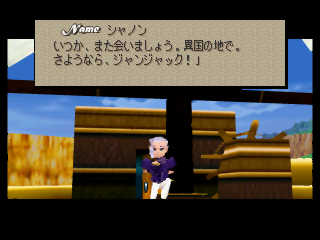
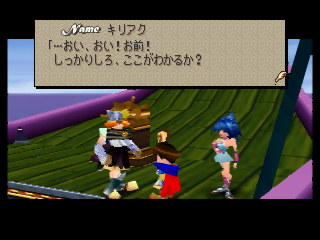
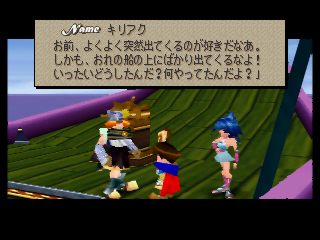
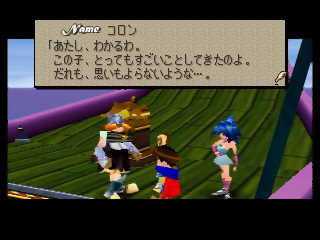
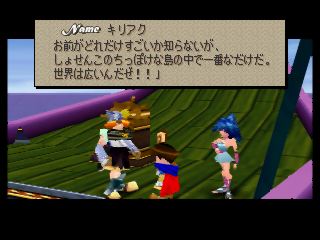
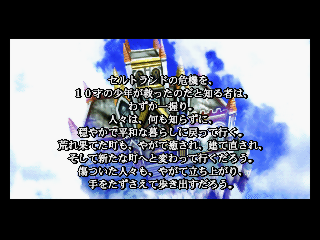
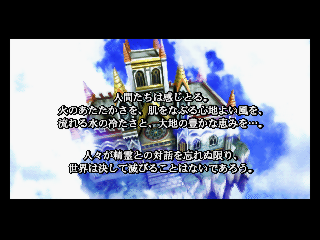
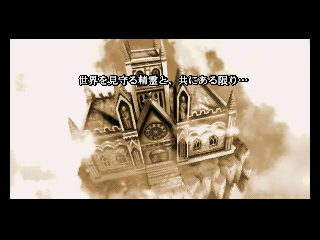
In the international versions, the ending consisted of a scene with Shannon and a text scroll; however, the Japanese version has a totally different ending.
Additionally, the Japanese credits are accompanied by places in the game, while the international versions just has a bland sky as the background.
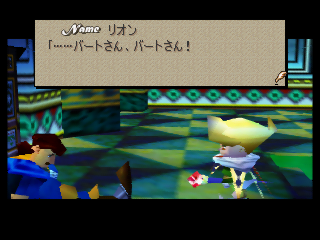
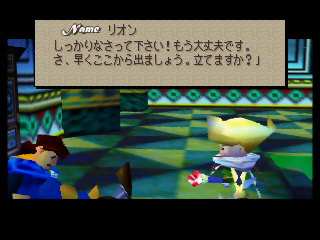
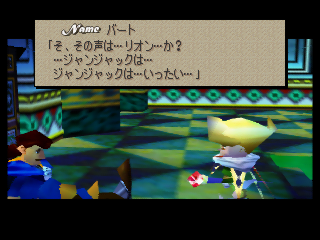
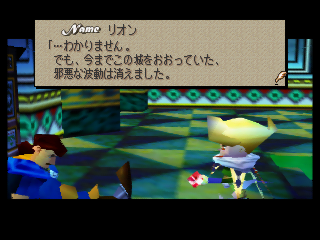
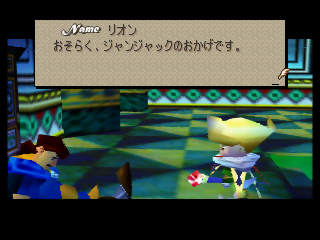
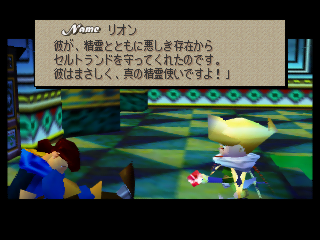
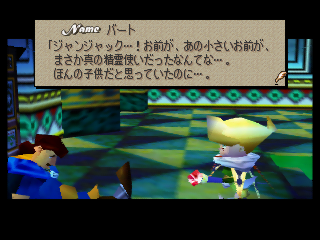
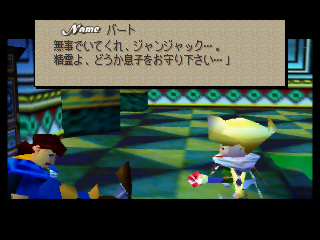
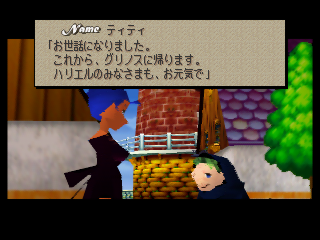
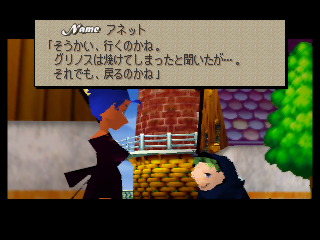
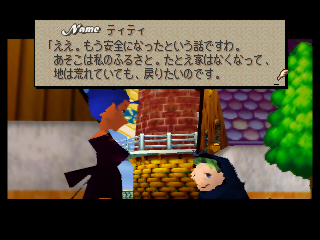
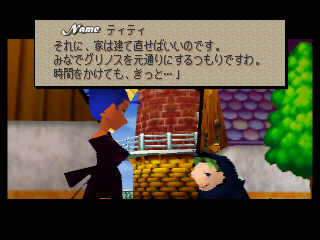
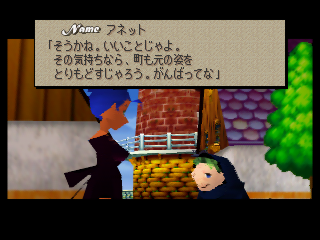
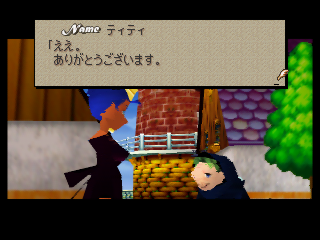
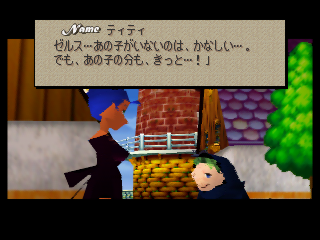
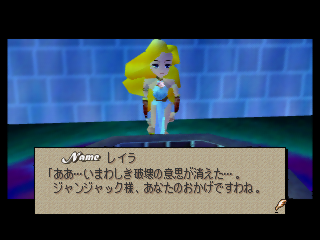
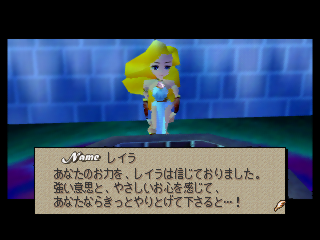
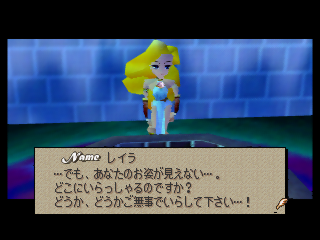
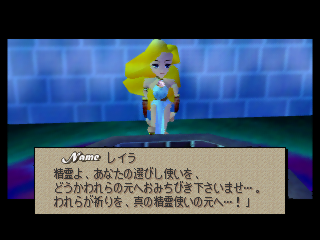
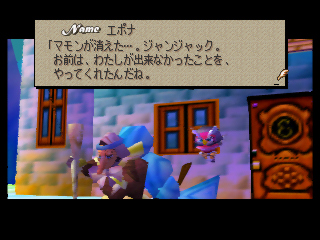
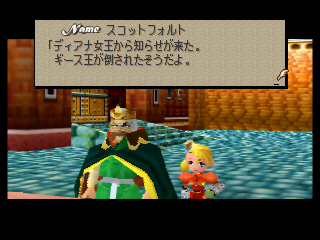
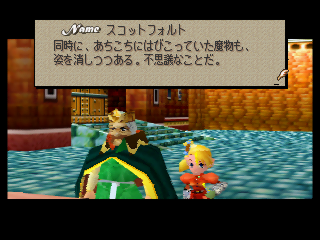
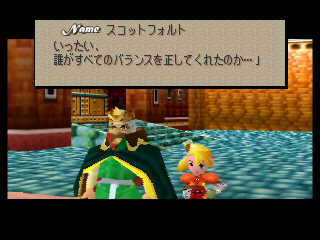
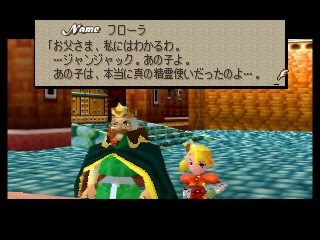
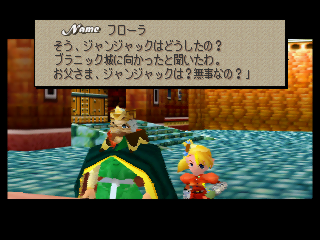
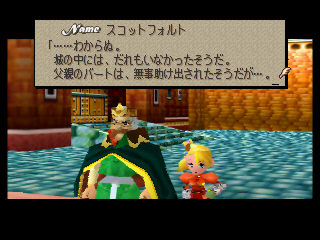
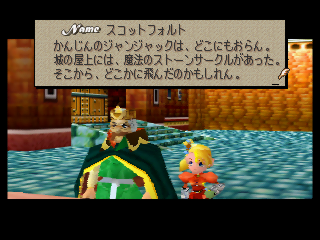
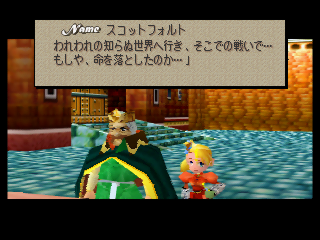
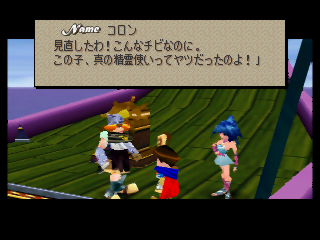
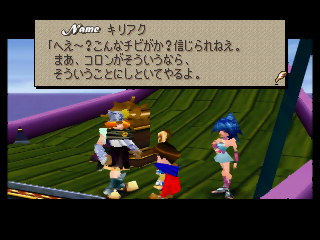
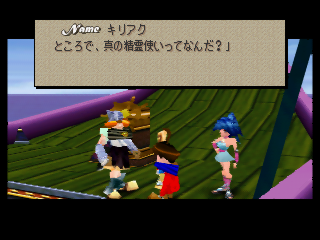
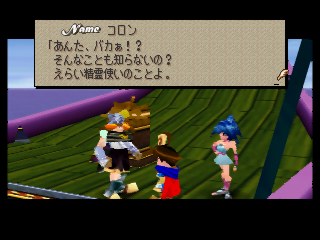
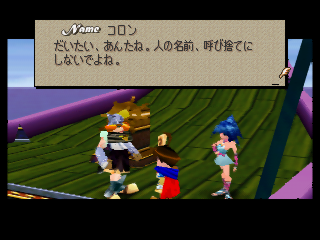
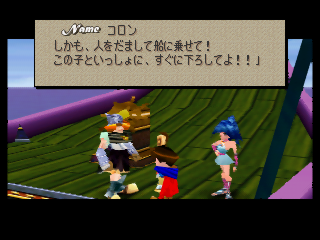
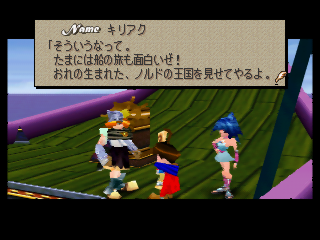
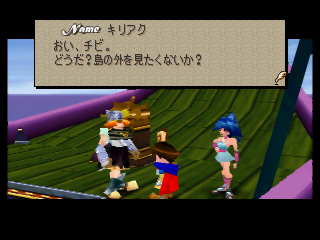
Evil King Mammon: "A... ah! Ahhh... Ah... Why... Spirits... Why... why did you not choose me...? Why is my body... crumbling away... ...?Evil King Mammon: ...Ohhhh... How could... this... ... ... be... ... ... A human... ... The very creatures I've hated... ...Evil King Mammon: This... ... ... is death... ... ... Peaceful... ... rest... ... ... ..."Leonardo: "... Bartholomew...! Bartholomew!Leonardo: Please, hang in there! Everything's alright now. Let's get out of here, quickly. Can you stand?"Bartholomew: "Th, that voice... Leonardo... is that you? ...Brian... Brian... is he...?"Leonardo: "...I don't know. But the evil waves that surrounded the castle are gone now.Leonardo: We may have Brian to thank for that.Leonardo: Together with the spirits, he protected Celtland from the evil ones. Surely, he must have been their envoy!"Bartholomew: "Brian...! Little Brian... to think that you were an envoy of the spirits... When I was convinced that you were just a child...Bartholomew: I pray that you're safe somewhere, Brian... Spirits, please watch over him..."Tilly: "Thank you for everything. I will be returning home to Greenoch. Be well, citizens of Normoon."Anette: "So, you'll be going, then? I heard that Greenoch was burned to the ground... Do you still intend to return?"Tilly: "Yes. They say it's safe now... It is my hometown, after all. Even if all the houses are gone, and the earth itself has been rent asunder, I want to go back.Titi: Houses can always be rebuilt. We'll rebuild our town together. Even if it takes time..."Anette: "I understand, then. I think that's wonderful. If that's how you feel, I'm sure you'll be able to get your town back to normal. I wish you luck!"Titi: "I'm glad you understand. Thank you very much."Titi: "Zelse... I'm sad that he's gone. So, I'll make sure to work doubly hard, for the both of us...!"Leila: "Ah... The dark aura of destruction has vanished. Lord Brian, this was your doing, wasn't it?"Leila: "I believed in your power. I felt your strong mind and kind heart, and I just knew that surely you could pull us through."Leila: "But now you’re nowhere to be found. Where are you? Please, please be somewhere safe…!"Leila: "Spirits, I beseech you! Guide your chosen master back to us. May our prayers reach the master spirit tamer!"Epona: "Mammon is gone… Brian. You’ve done what I couldn’t do."Epona: "I’ve lived on for a thousand years keeping Mammon at bay, yet I’d only managed to seal him."Epona: "And now, I may finally rest. I have no regrets. I’ve left everything to you."Epona: "The young generation, filled with power, will go on to make a new world. There’s no need for me to watch over it."Epona: "Everything will be fine. Just do your best, Brian!"King Scottfort: "A message from Queen Deanna came. King Beigis has been slain."King Scottfort: "At the same time, demons and goblins are disappearing here and there. How mysterious."King Scottfort: "Just who righted the balance of everything…?"Flora: "Father, I know. …Brian. That boy! I told you that boy was a true spirit tamer."Flora: "Hm, what happened to Brian? Last I heard, he was headed for Brannoch Castle. Father, what about Brian? Is he ok?"King Scottfort: "I don’t know. According to sources, there was no one in the castle. Though it seems, at least, his father Bartholomew was safely rescued."King Scottfort: "The most important person in all this, Brian, is nowhere to be found. On the roof of the castle, there was a magic stone circle. He probably flew off somewhere from there."King Scottfort: "He ventured into an unfamiliar world, fought… and perhaps even lost his life…"Flora: "No way! There’s just no way something like that could happen to Brian…"Flora: "No, I don’t believe it. That kid’s fine. He’s surely somewhere in this world."Flora: "Brian, can you hear me? I’m waiting for you! You’ll come back, right? Brian…!"Shannon: "Even though Mammon has disappeared, I’m still in this world. I wonder why?"Shannon: "I was born from the wickedness of people’s hearts, so I thought I would vanish along with Mammon. Brian, is this also your doing?"Shannon: "Somewhere in my heart, I believed. I believed that you would slay Mammon."Shannon: "Really, I wanted humans and their genuine life to beat my false life."Shannon: "Mammon was jealous of humans. He wanted their overflowing life force and creativity."Shannon: "Even being as immortal and strong as he was, he couldn’t make the beauty of humanity his own, so he was filled with hatred."Shannon: "But because of that, he never really lived."Shannon: "You who read into the world and each other with your robust hearts, your hearts filled with overflowing emotion... Humans..."Shannon: "...Brian, I will leave Celtland. I want to know more about you humans."Shannon: "One day, we shall meet again in a different land. Goodbye, Brian!"Kiliac: "Hey, hey you! Get a hold of yourself. Do you know where you are?"Kiliac: "You really like just popping up out of nowhere all of a sudden. And on my boat of all places, too. Stop that! Just what the heck happened to you? What were you doing?"Colleen: "I know. He did something really amazing. Something no one would even think of."Colleen: "Despite being just a wee one, he’s what you’d call a master spirit tamer! I’ve had a change of heart about you, kid."Kiliac: "Huh, this runt? No way I’m believing that. But if Colleen says it’s so, then I’ll play along."Kiliac: "By the way, what’s a master spirit tamer?"Colleen: "What are you, stupid? You don’t even know that? It means he’s a very prestigious charmer of spirits."Colleen: "Generally, you know, people don’t just disregard someone’s title."Colleen: "Furthermore, they don’t deceive others and steal them away on their boats! Get us off this boat at once!"Kiliac: "Don’t talk to me like that. A voyage is fun once in a while! I’ll show you the country of Nord where I was born!"Kiliac: "Hey, runt. Don’t you wanna see what’s beyond this island?"Kiliac: "I don’t know just how amazing you are, but for starters you’re at least number one on this tiny island. But the world is huge--so let’s set sail!" Only a handful of people know that a 10-year-old boy had saved Celtland from disaster. Everyone simply returned to their peaceful quiet lives completely unaware of what had happened. Abandoned towns would soon be revitalized and rebuilt, and eventually will become new towns. The injured would soon stand up, hand in hand, and begin to walk together. Humans could now sense the warmth of fire, the ticklish gentle breeze, the chill of flowing water, and the abundant blessings of the earth... As long as humans remember to speak with the spirits, the world will never fall into ruin. For the spirits are there to watch over it...
The first boss deals less damage in the Japanese version.
Several of the towns and areas have different names in the Japanese version:
Kennishire is called Stonia.
Melrode is called Impaness. However, while the Melrode Monastery retains its name, it also has it slightly altered to Melrode Spirits Cathedral.
Dondoran is called Darlam.
Conor Forest is called Jeanbat Forest.
Loch Kilderey is called Lake Lenos.
Western Carmagh is called West Angulus.
Cull Hazard is called Task Hazard.
Normoon is called Haliel.
Isle of Skye is called Aqua Island.
East Limelin is called Rideen Suburbs.
Limelin is called Rideen.
Baragoon Tunnel is called Veragoon Tunnel.
Dindom Dries is called Dingam Desert.
Shamwood is called Sherwood.
Greenoch is called Grinos.
Boil Hole is called Boiled Hole.
Baragoon Moore is called Veragoon Moore.
Brannoch is called Blanick.
Mammon's World is called the Floating Spirits Cathedral, and Epona is given additional dialogue stating it is the underside of the world, created from the evil in the people's hearts.
Several monsters and enemies have been renamed in the Japanese version:
Were-Hare is called Were-Rabbit.
Merrow is called Unseelie Court.
Scare Crow is called Bugbear.
Termant is called Giant Ant.
Arachnoid is called Spider.
Multi Optics is called Hundred Eyes.
Were-Cat is called Sabatina.
Rocky is called Condensed Sand.
Pin Head is called Nidhögg.
Zelse and Tilly are made siblings hailing from Greenoch, and Zelse's motivation changes from becoming powerful out from ambition to obtaining enough power to kill King Beigis in revenge for destroying his hometown.
Bosses give both HP and MP when defeated in the Japanese version, but only HP in the international versions.
The Japanese version has new music for the save/load menu. It's the unused rearrangement of the Limelin City theme.
Brian is called Aryon in the European version and Jean-Jacques in the Japanese version.
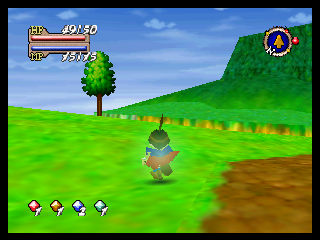
In the international versions, the HP/MP meter goes away after you start moving around even if your MP/HP aren't full. In the Japanese version, the HP/MP meter doesn't disappear even when you are moving around.
The Japanese version lets you mark a spot in the map. The compass will then have a big dot displayed on the direction the marked destination is, to make it easier to travel around.
Signs cannot be read in the international versions, but they can be read in the Japanese version.
The Japanese version allows you and the enemies to deal critical hits to each other.