This is a sub-page of Animal Crossing/Version Differences.
Note: The following features are ones not listed in previous sections.
New Characters in e+#
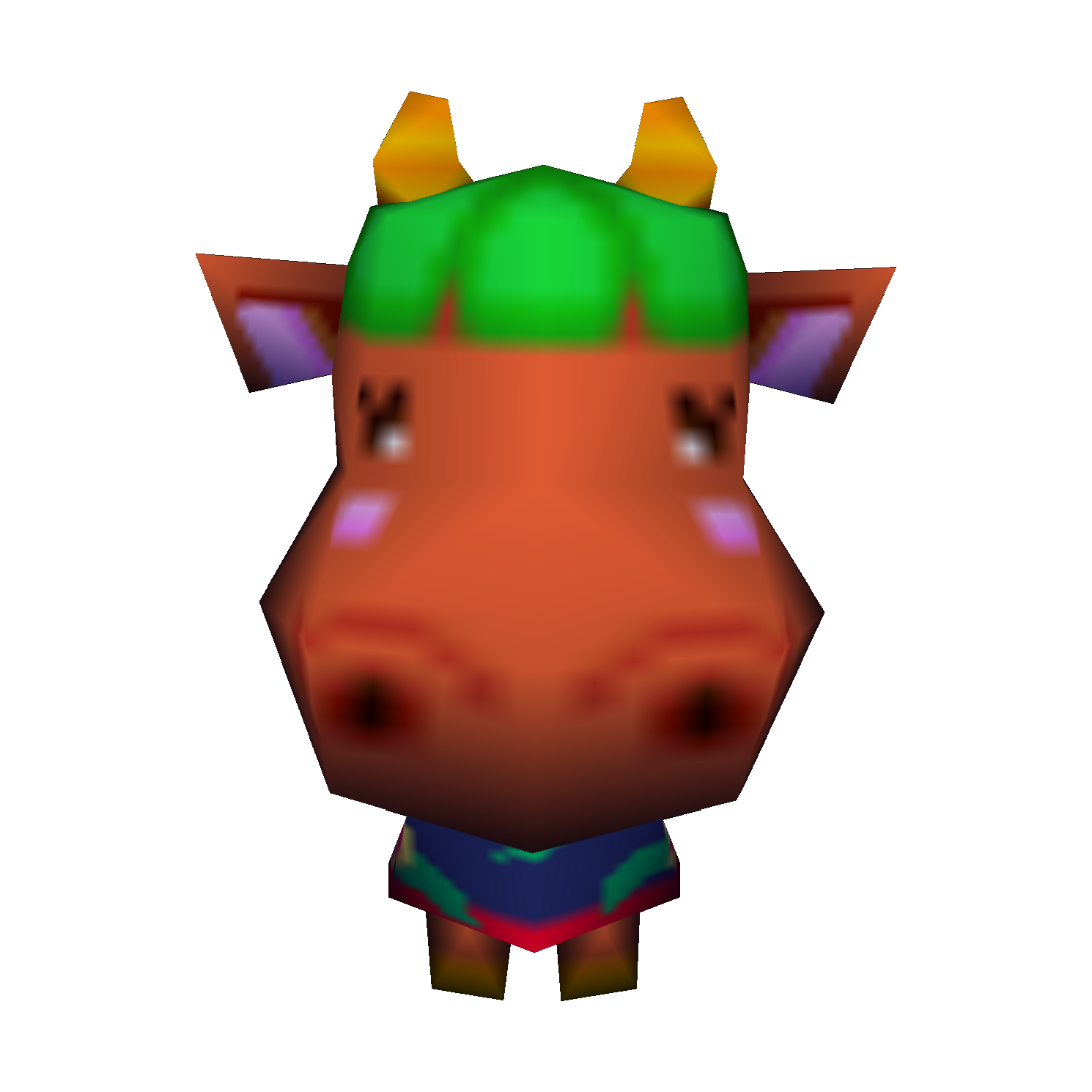
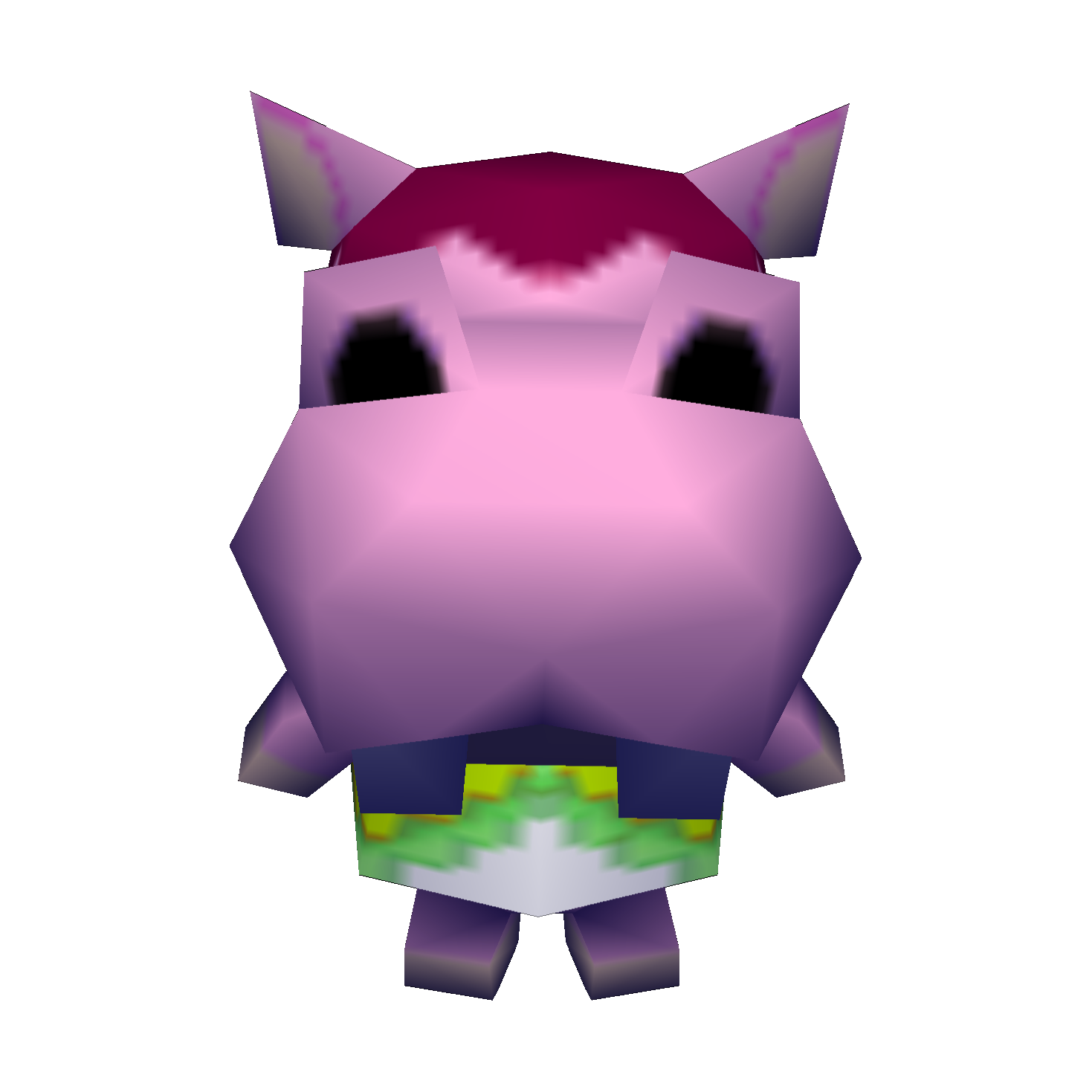
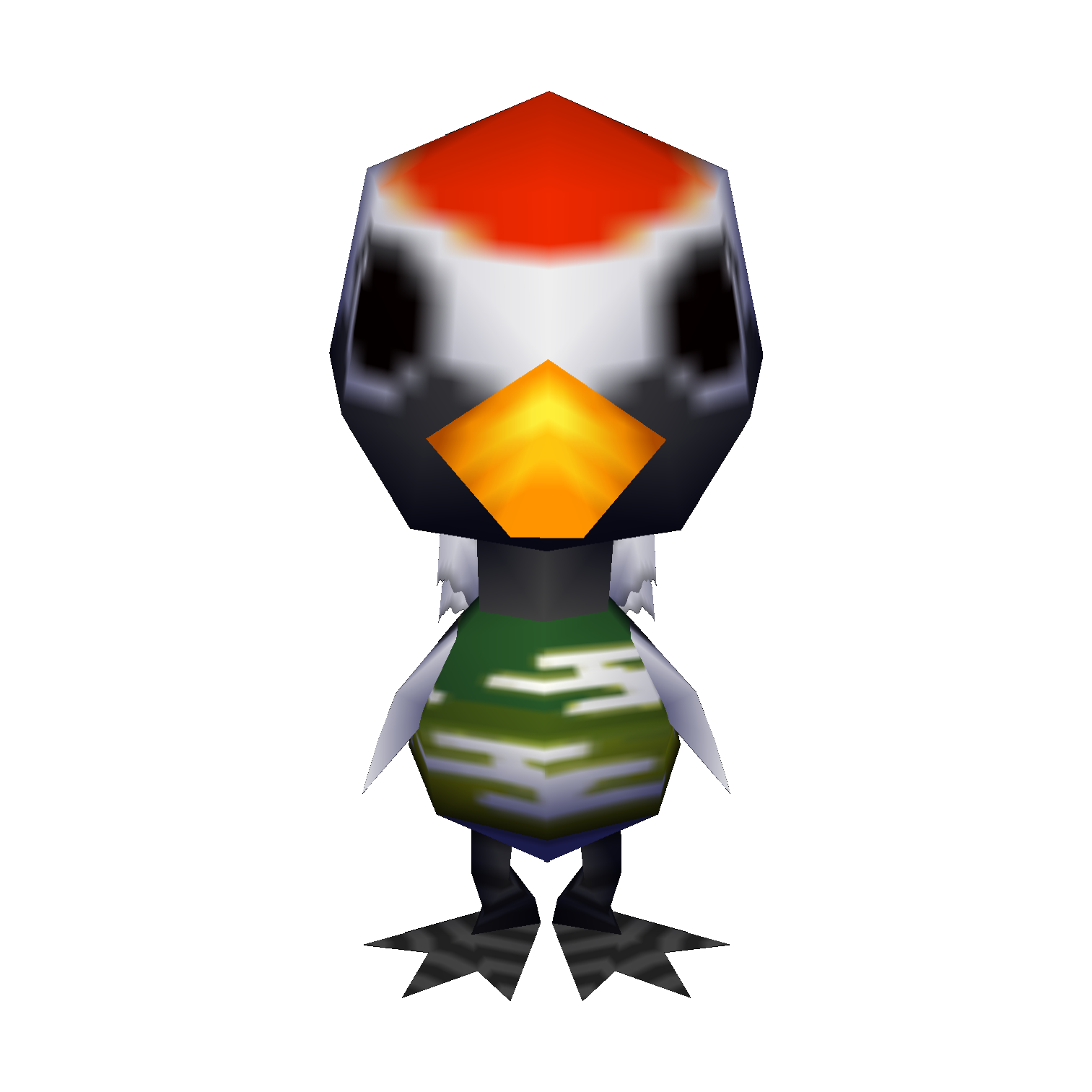
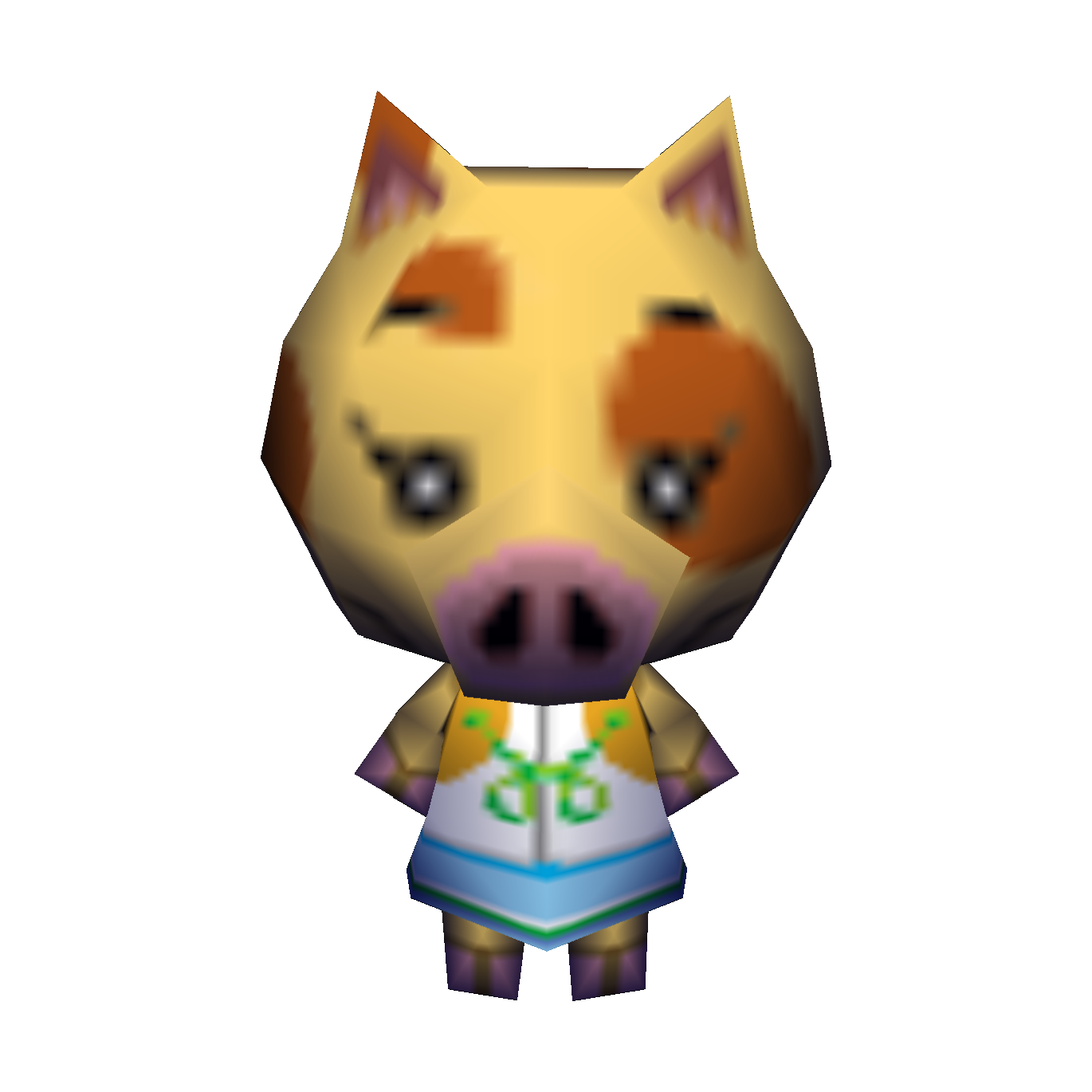
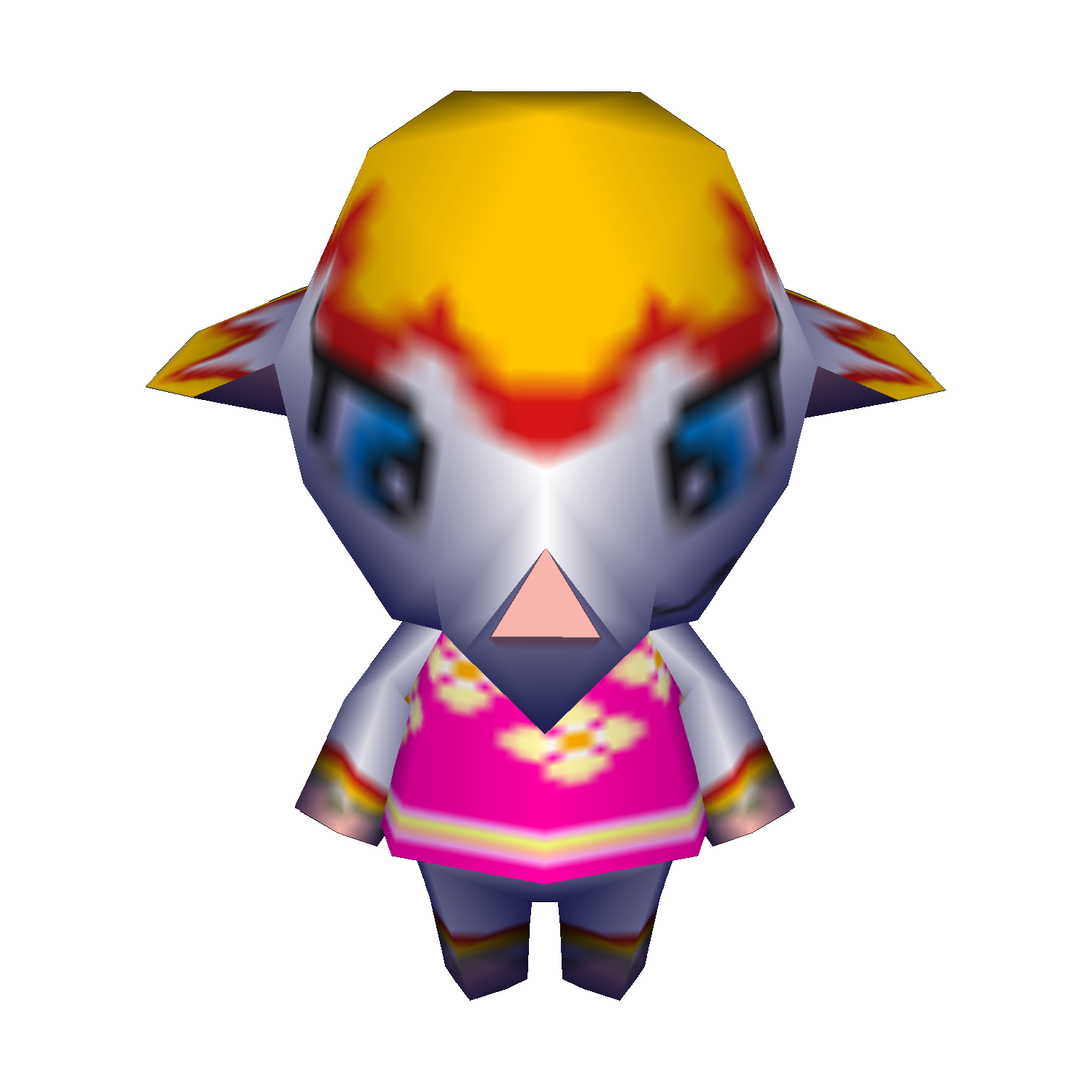
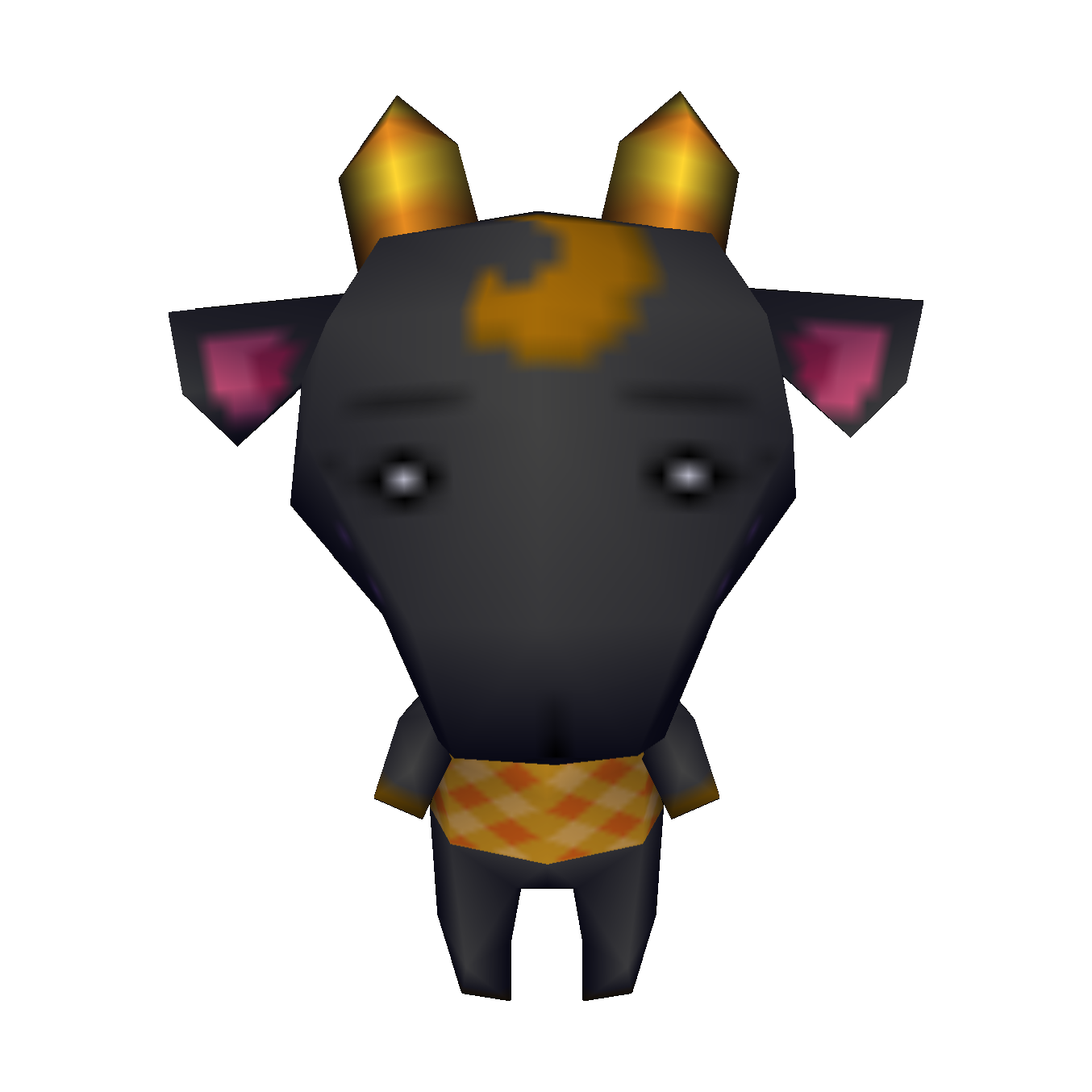
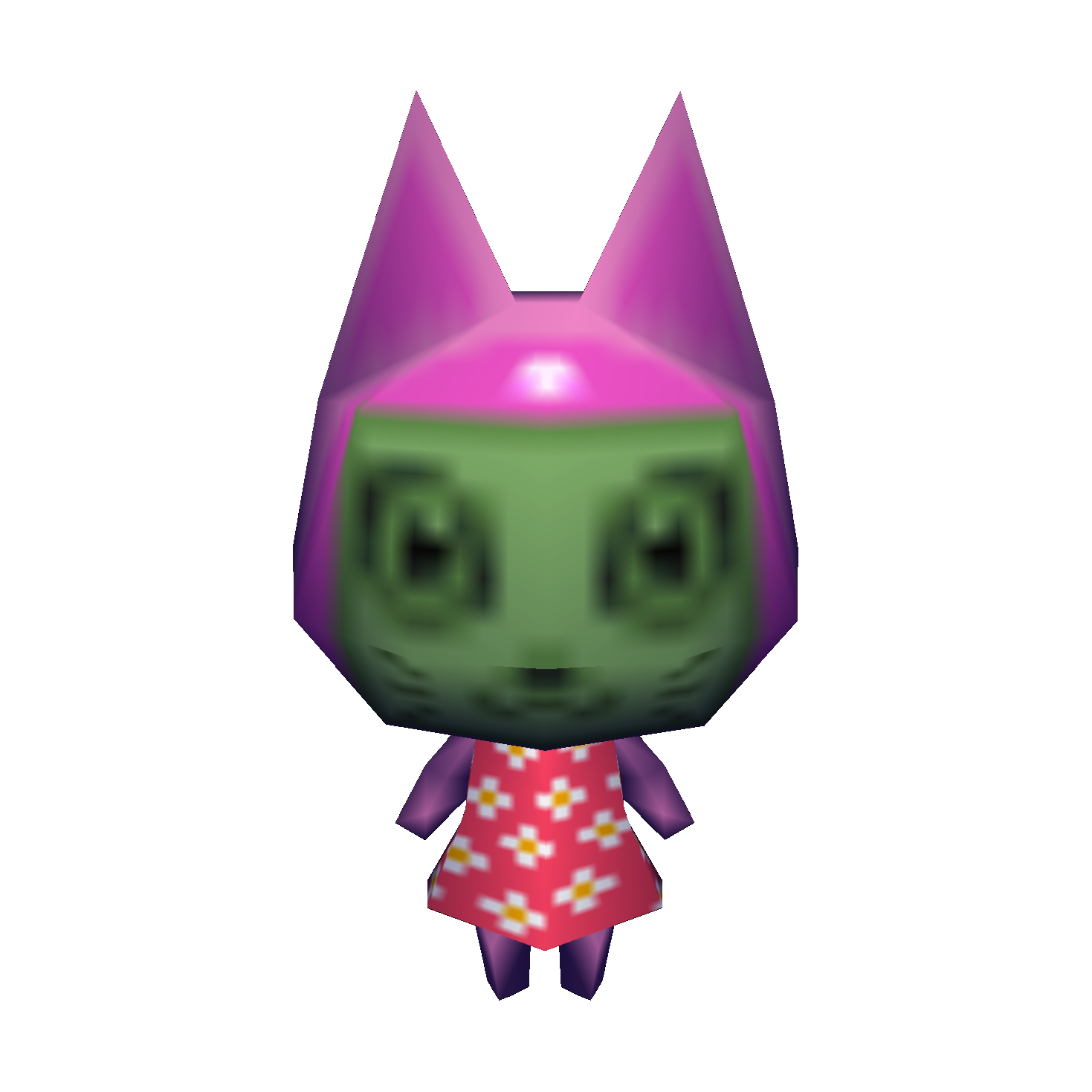
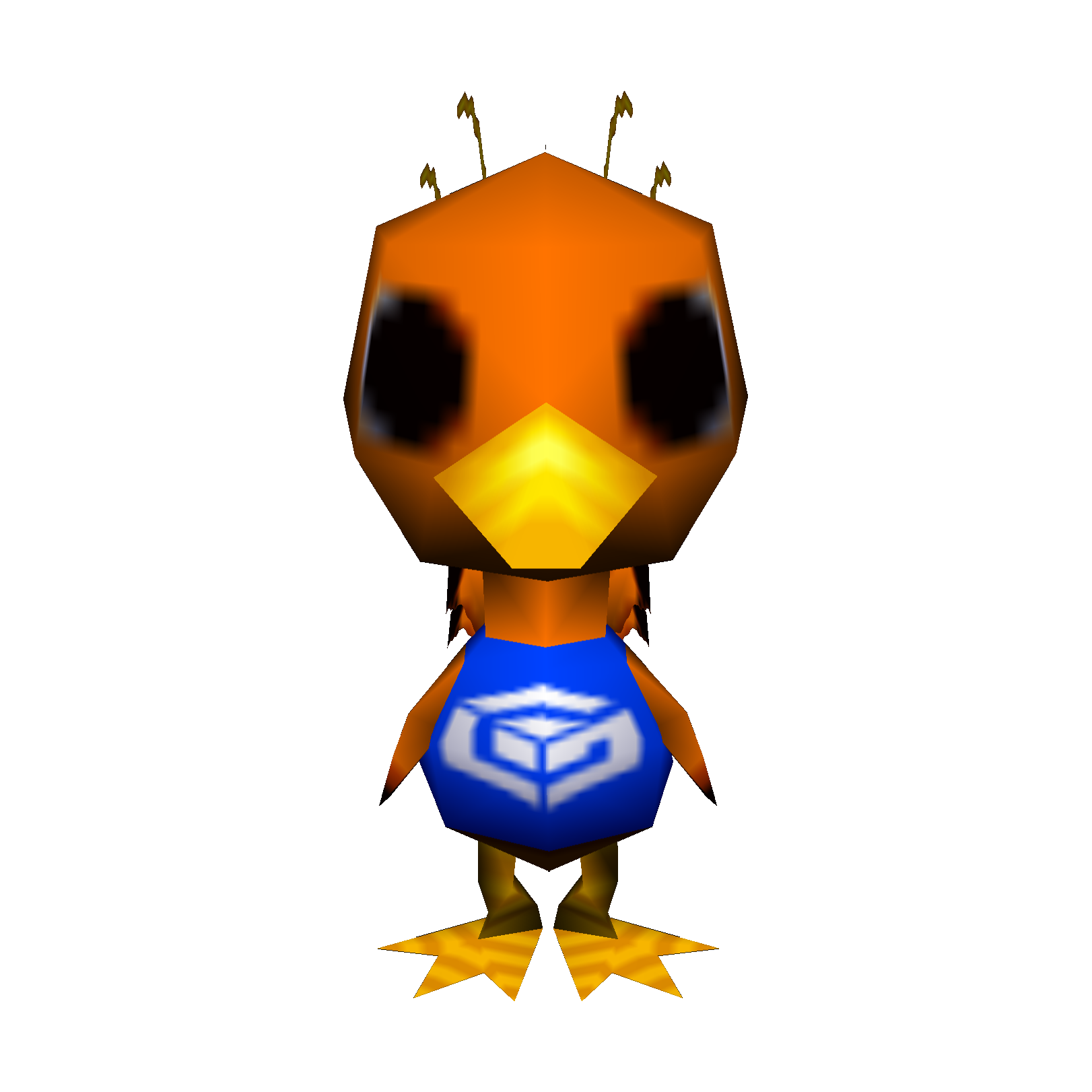
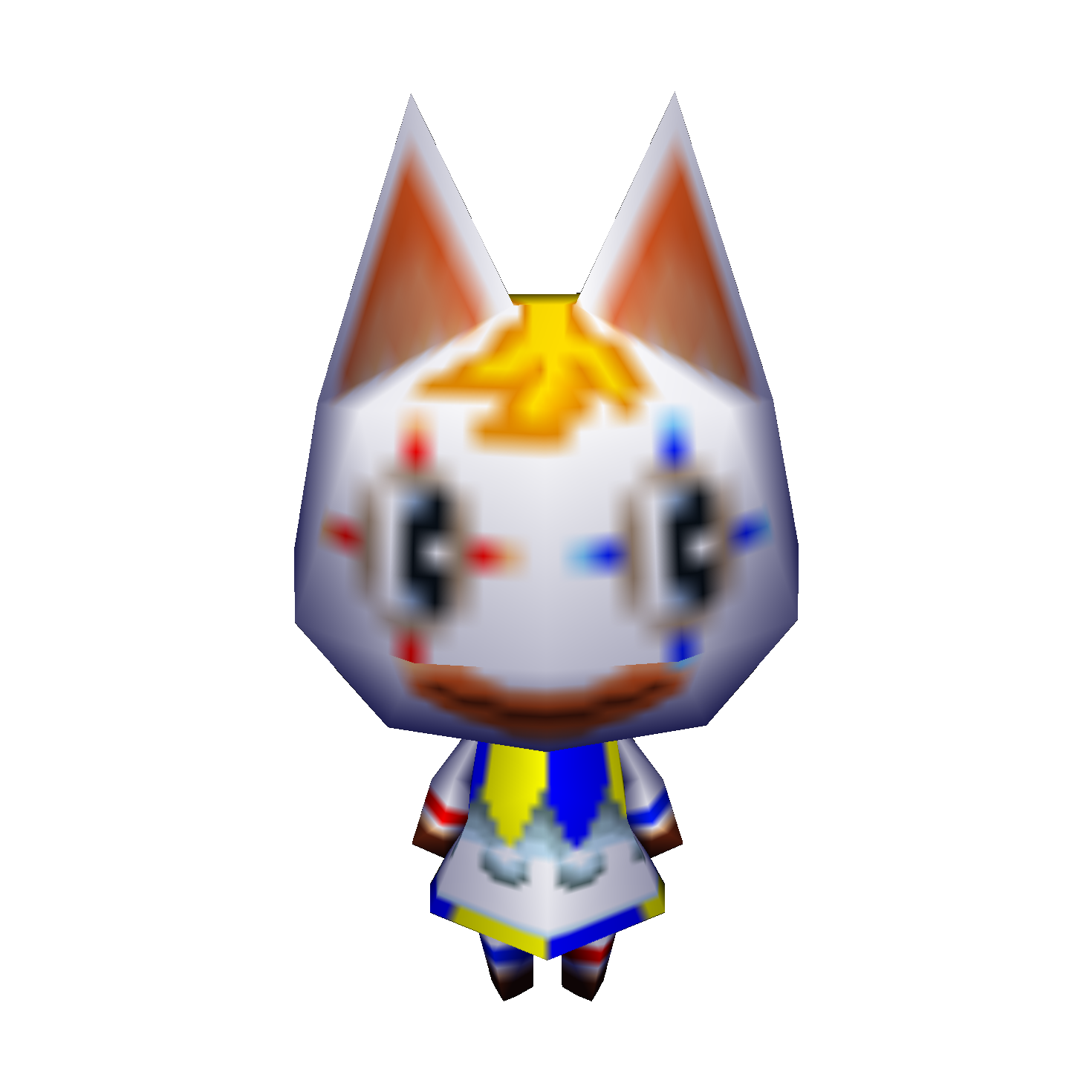
There are 84 new neighbors (60 villagers, 18 islanders, & 6 promo villagers) featured in e-Reader cards, most of whom would reappear in later entries in the series. These additional neighbors can be invited to move in by collecting their corresponding e-Reader card and then swiping them; this method can also be used to add in neighbors present in previous versions of the game as well. Of note is that the new villagers are not actually in the game's code; instead, they get written into blank space on the player's save file using information present in their cards' dot codes. A modified version of this feature, making use of amiibo cards rather than e-Reader cards, would later be implemented thirteen years later with the Welcome amiibo update for New Leaf as well as in New Horizons in 2020. The new characters added are as follows:
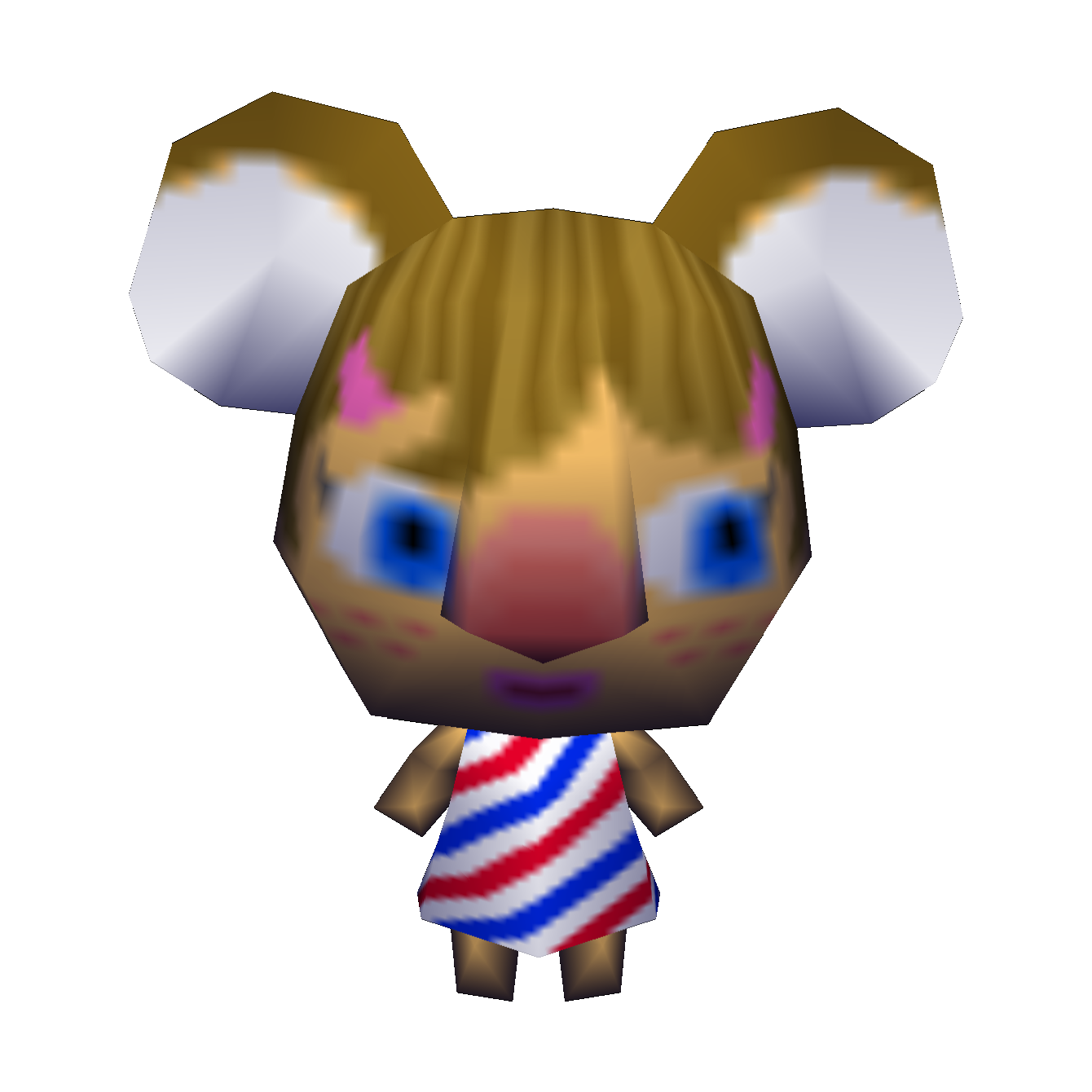
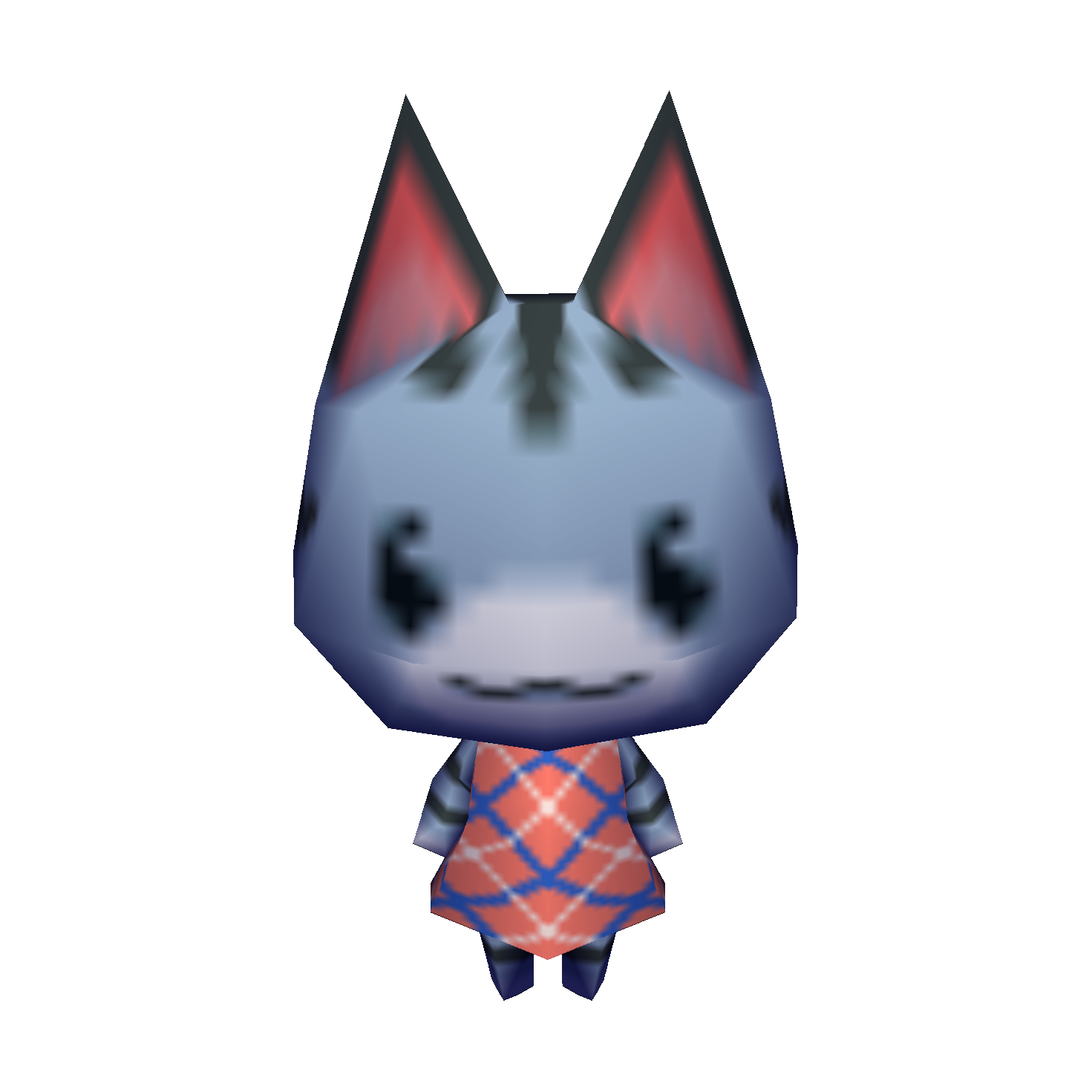
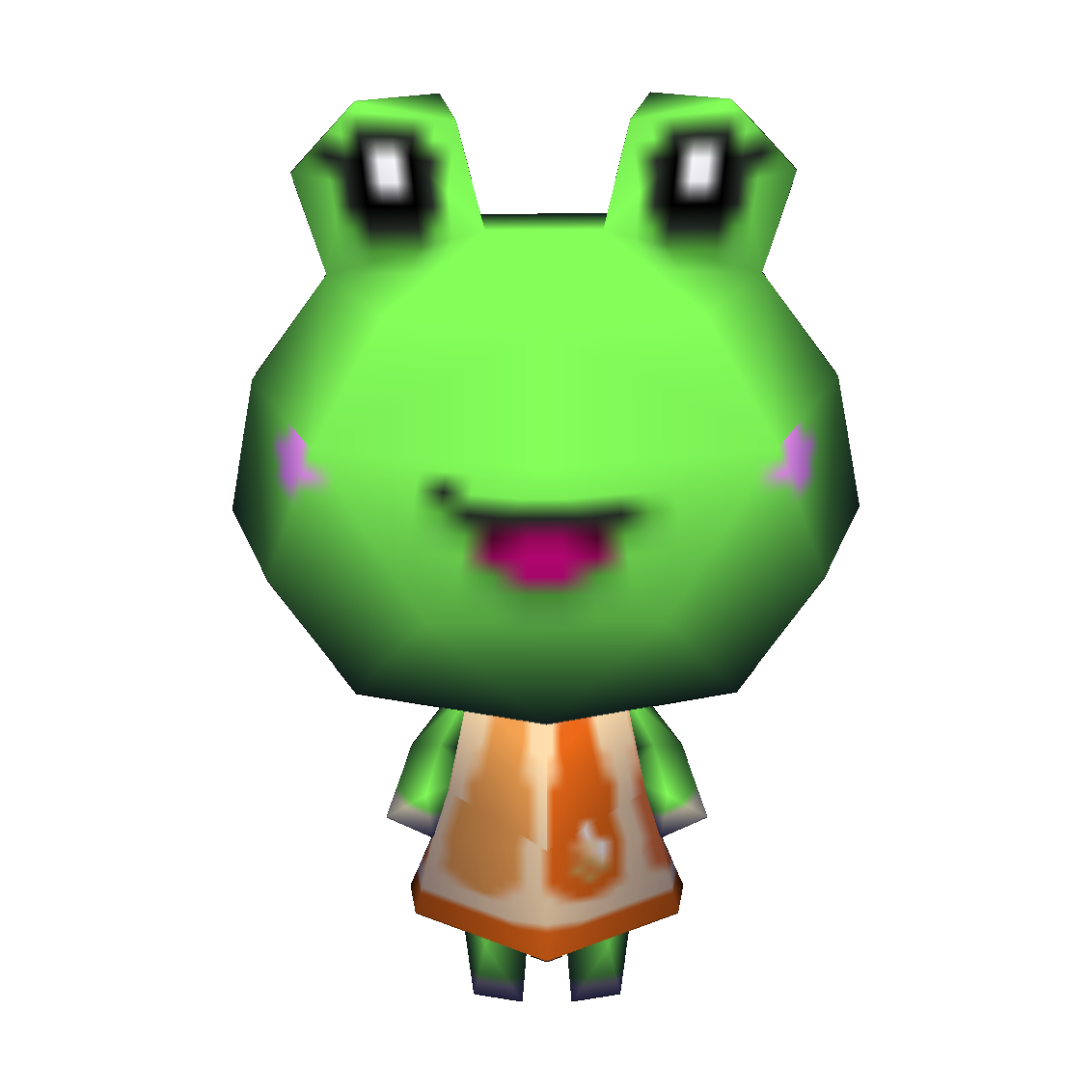
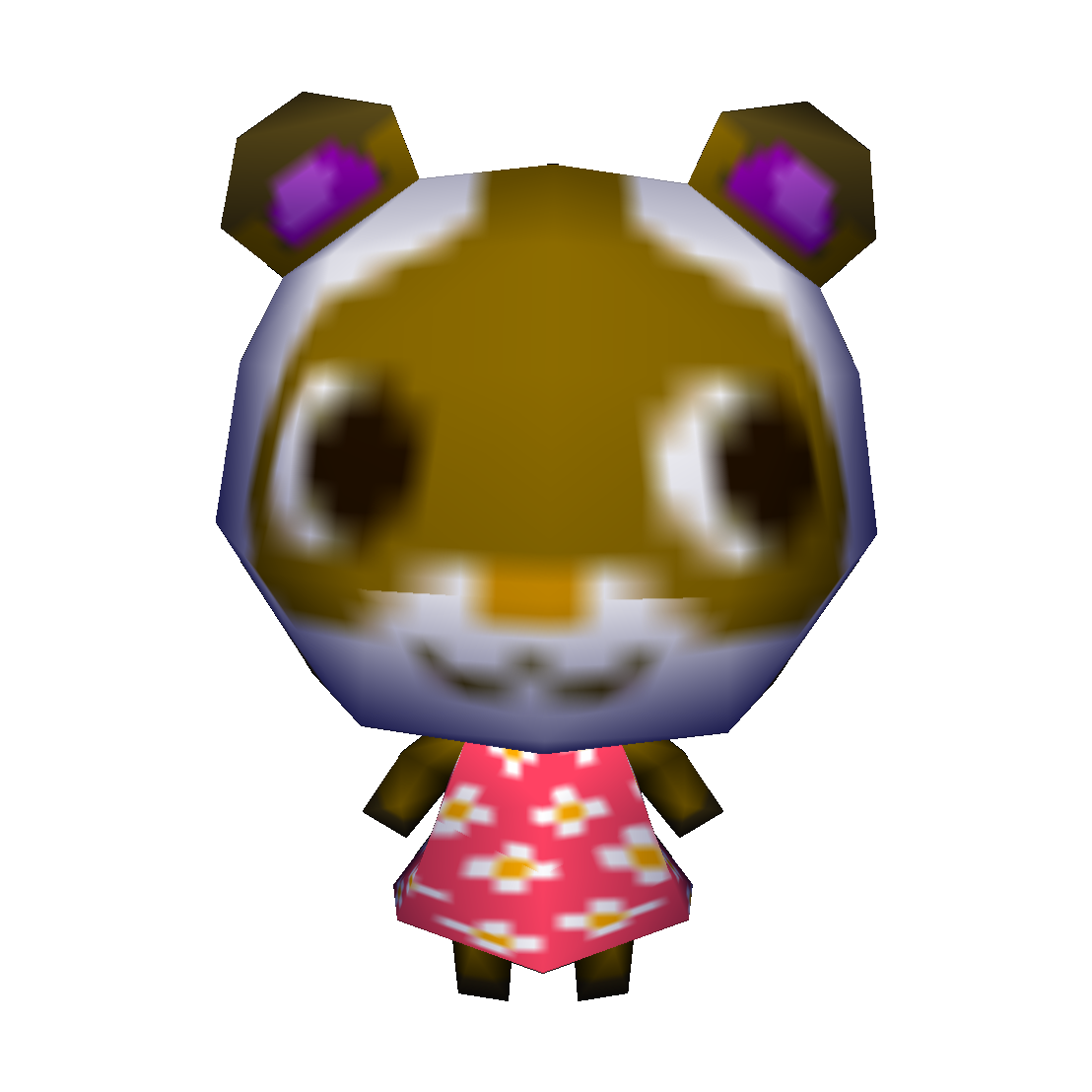
- 10 new normal villagers: Alice, Carrot, Clara, Gladys, Lolly, Maggie, Margie, Nan, Sunny, and Sylvana
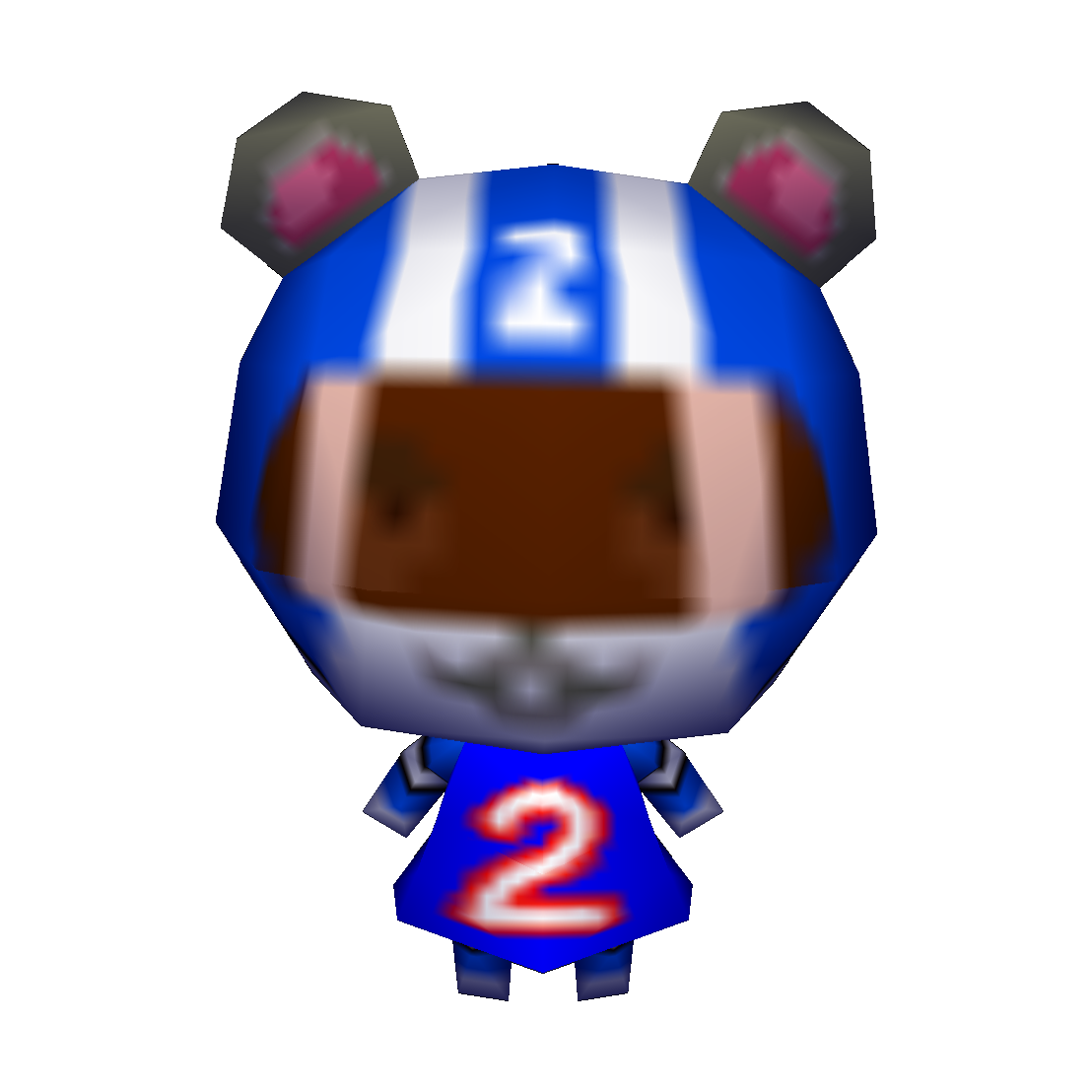
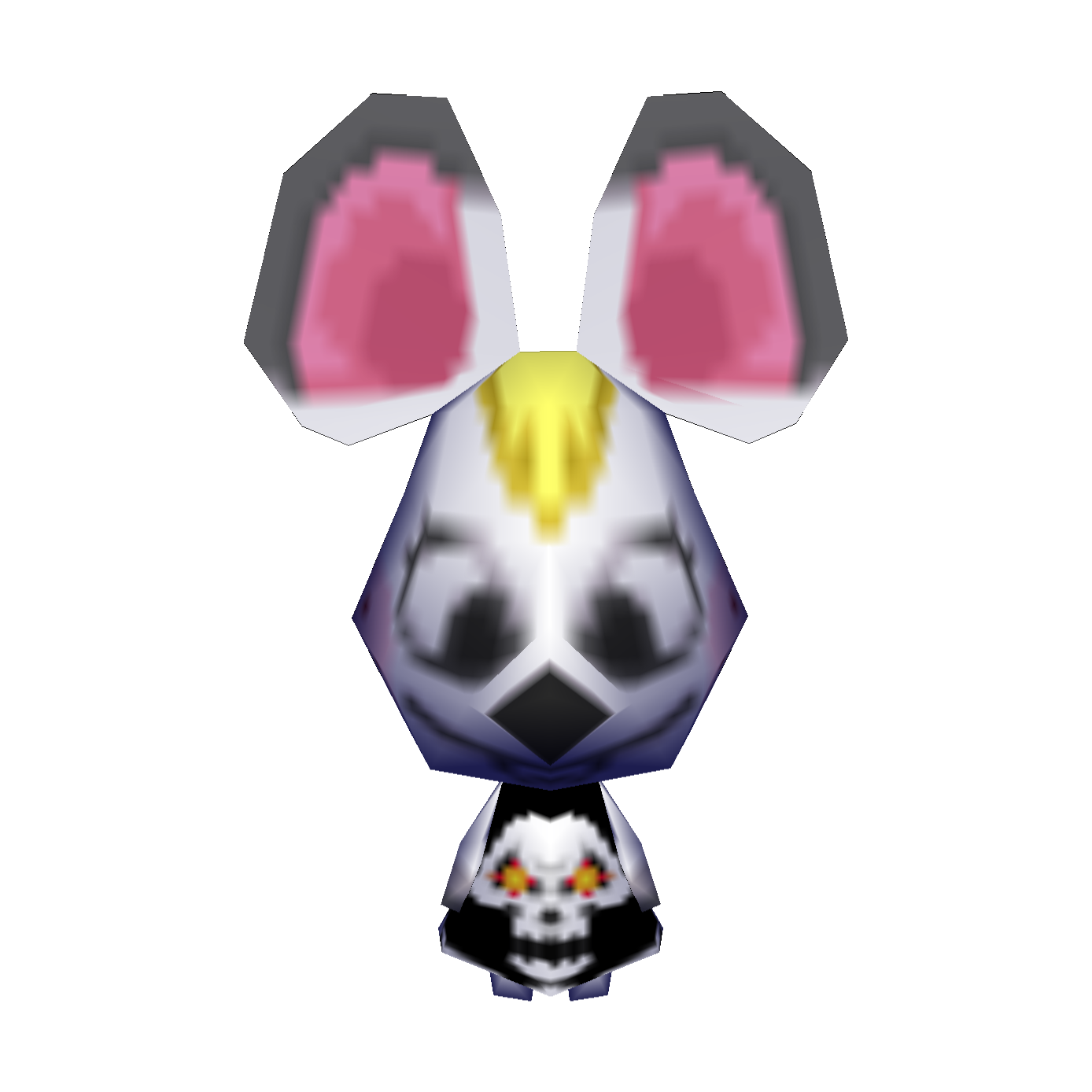
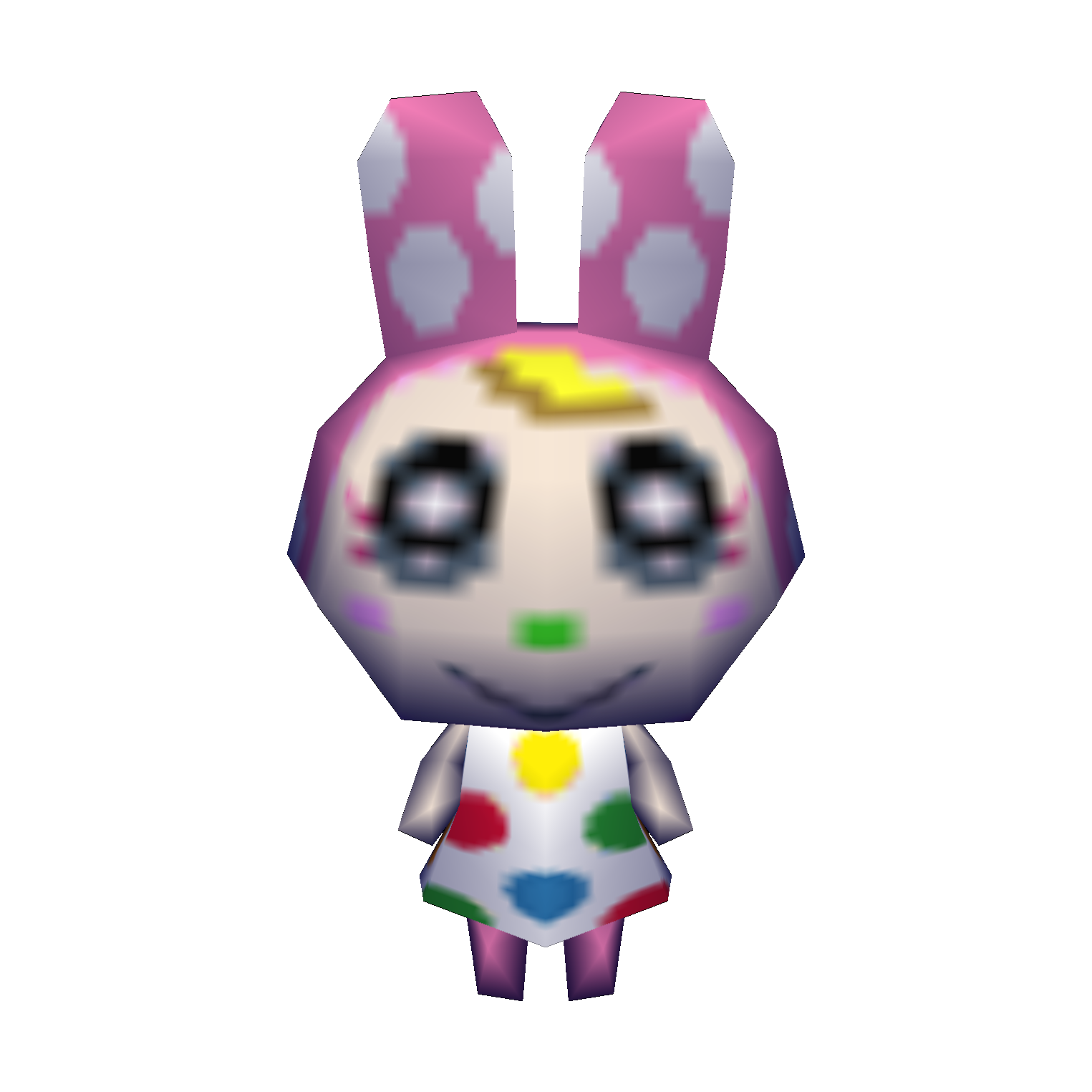
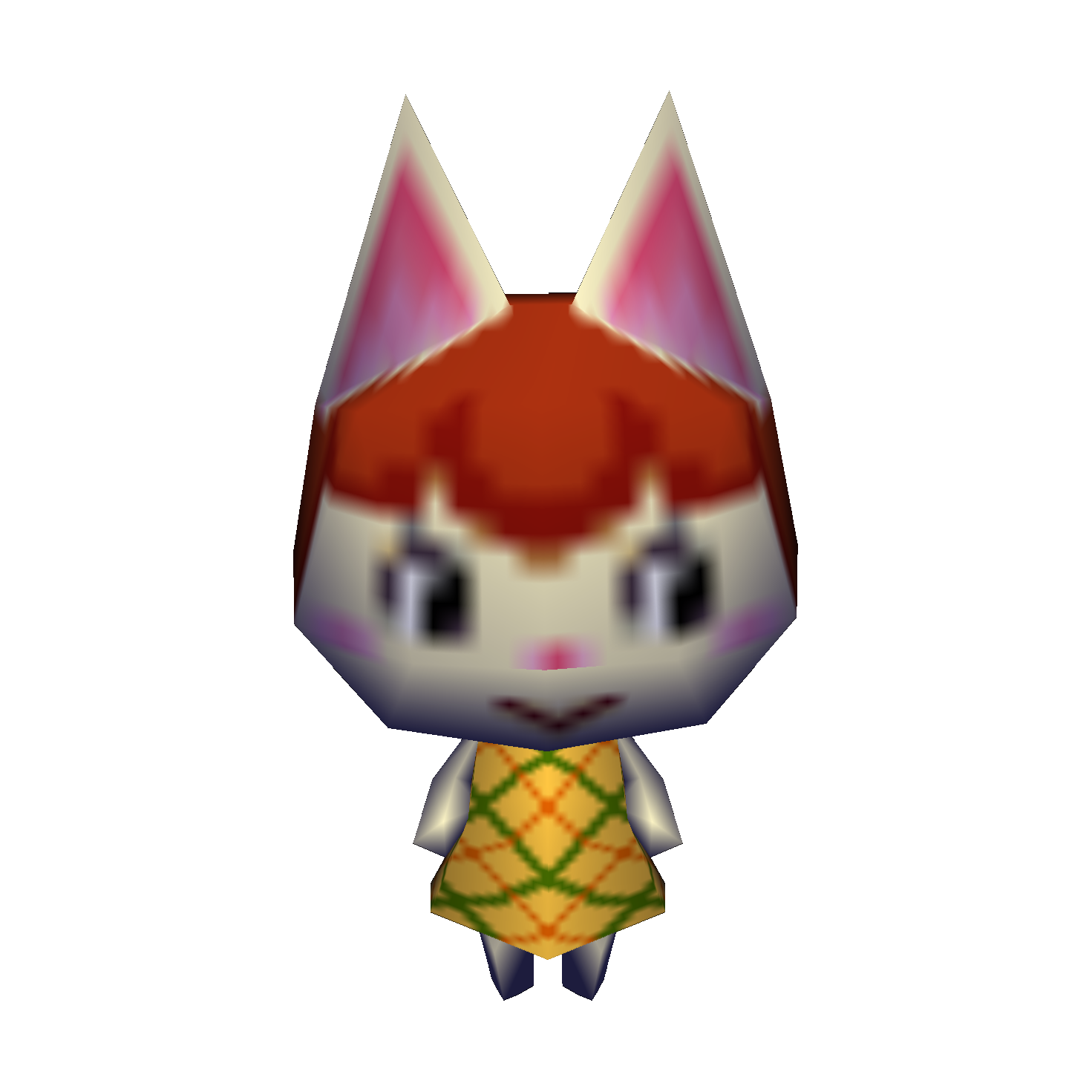
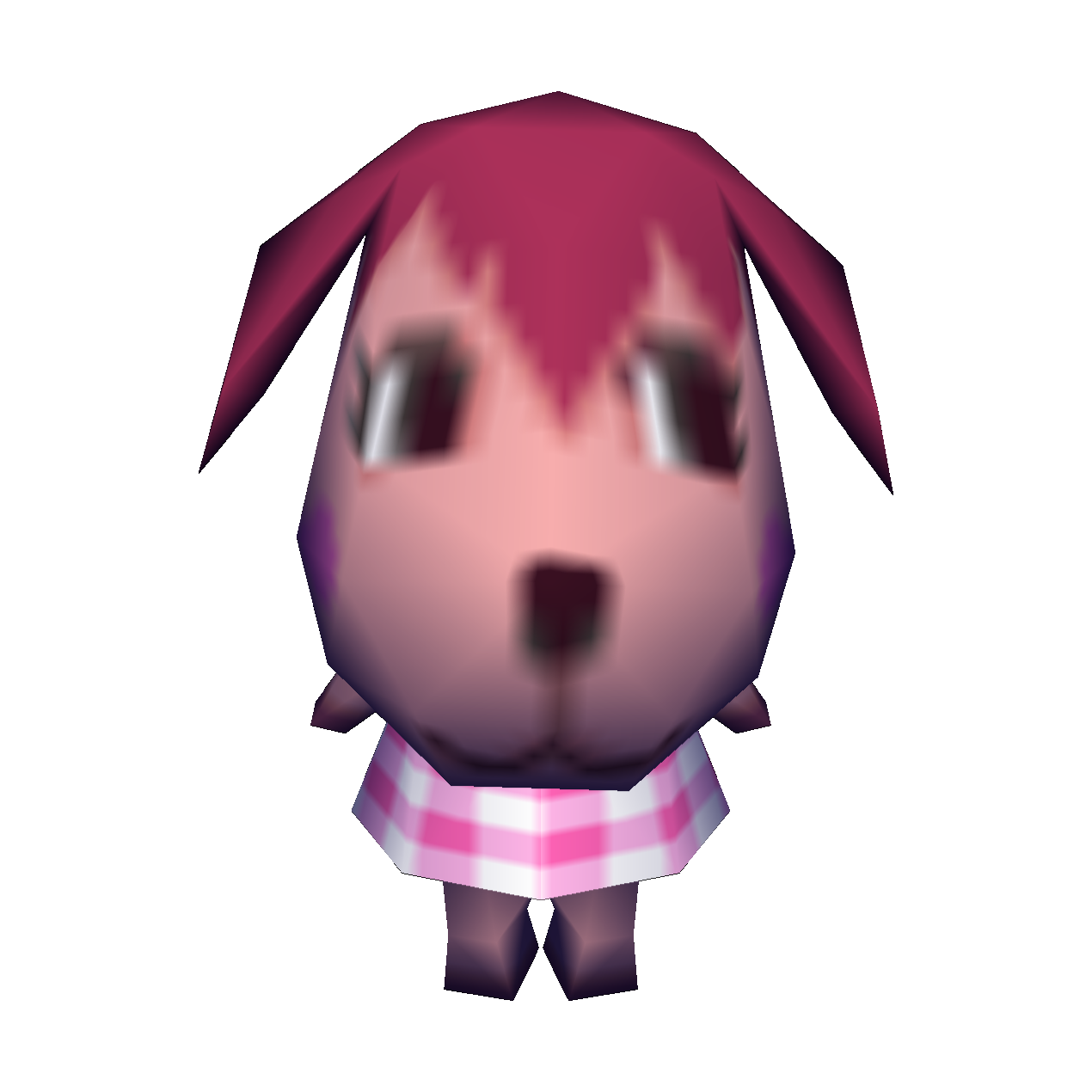
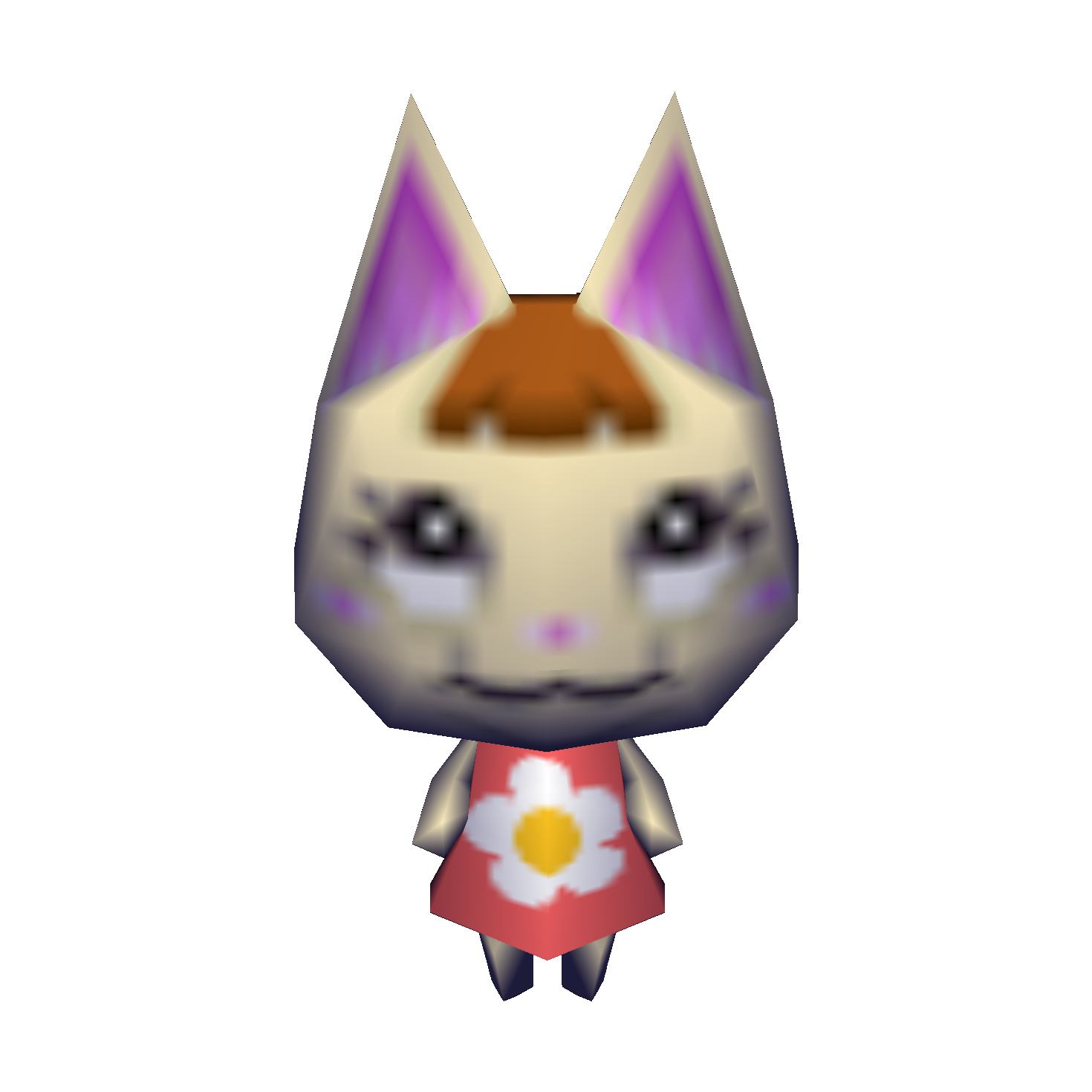
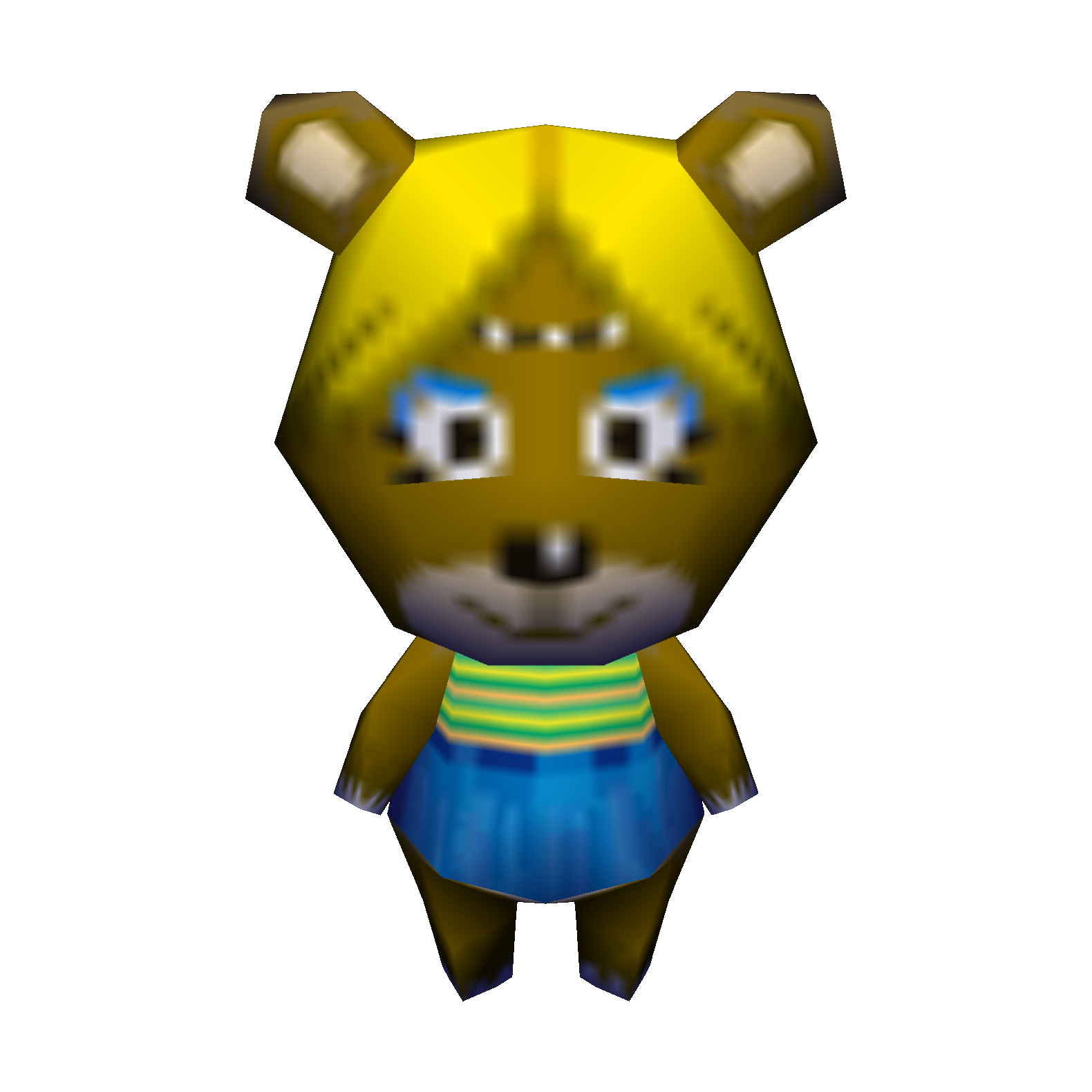
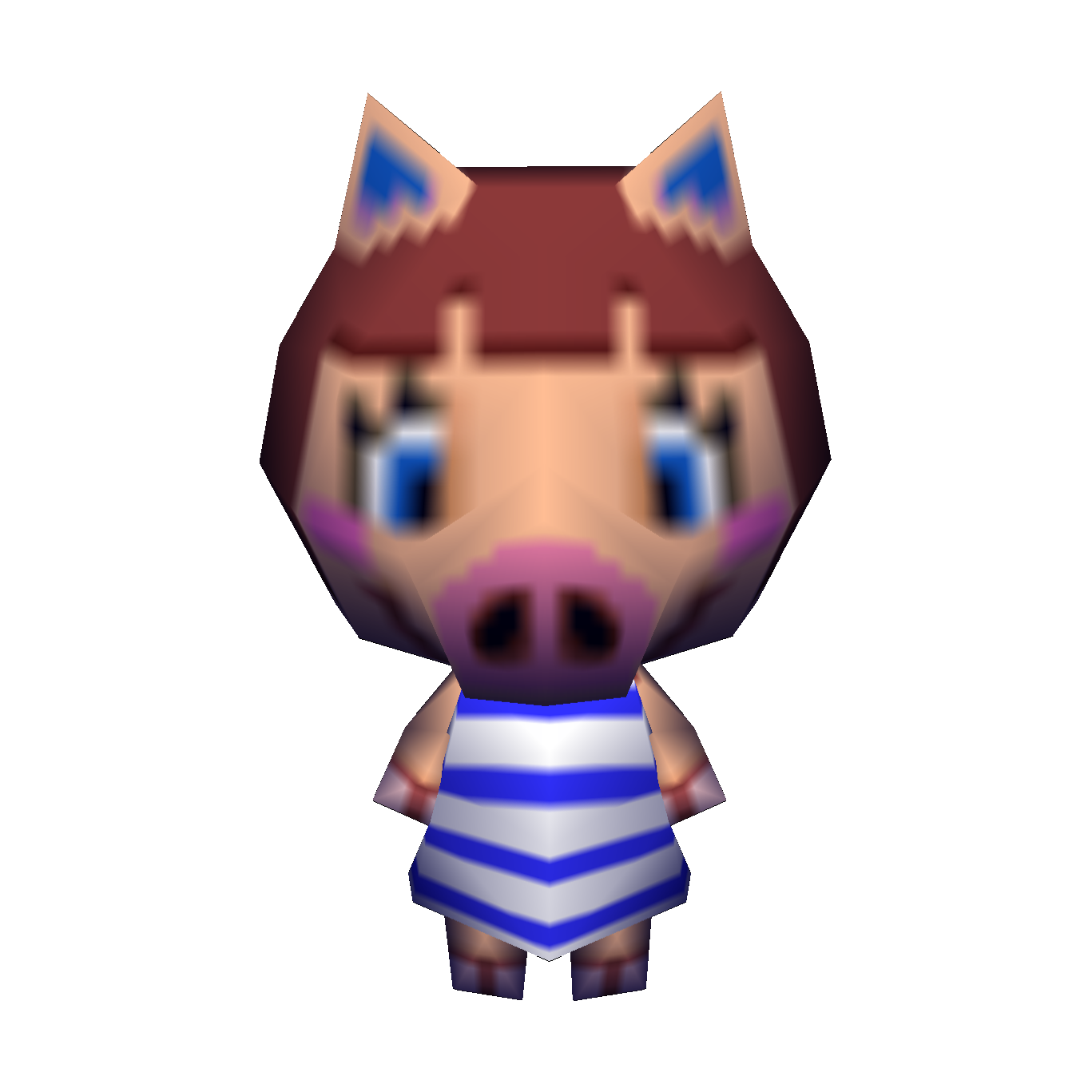
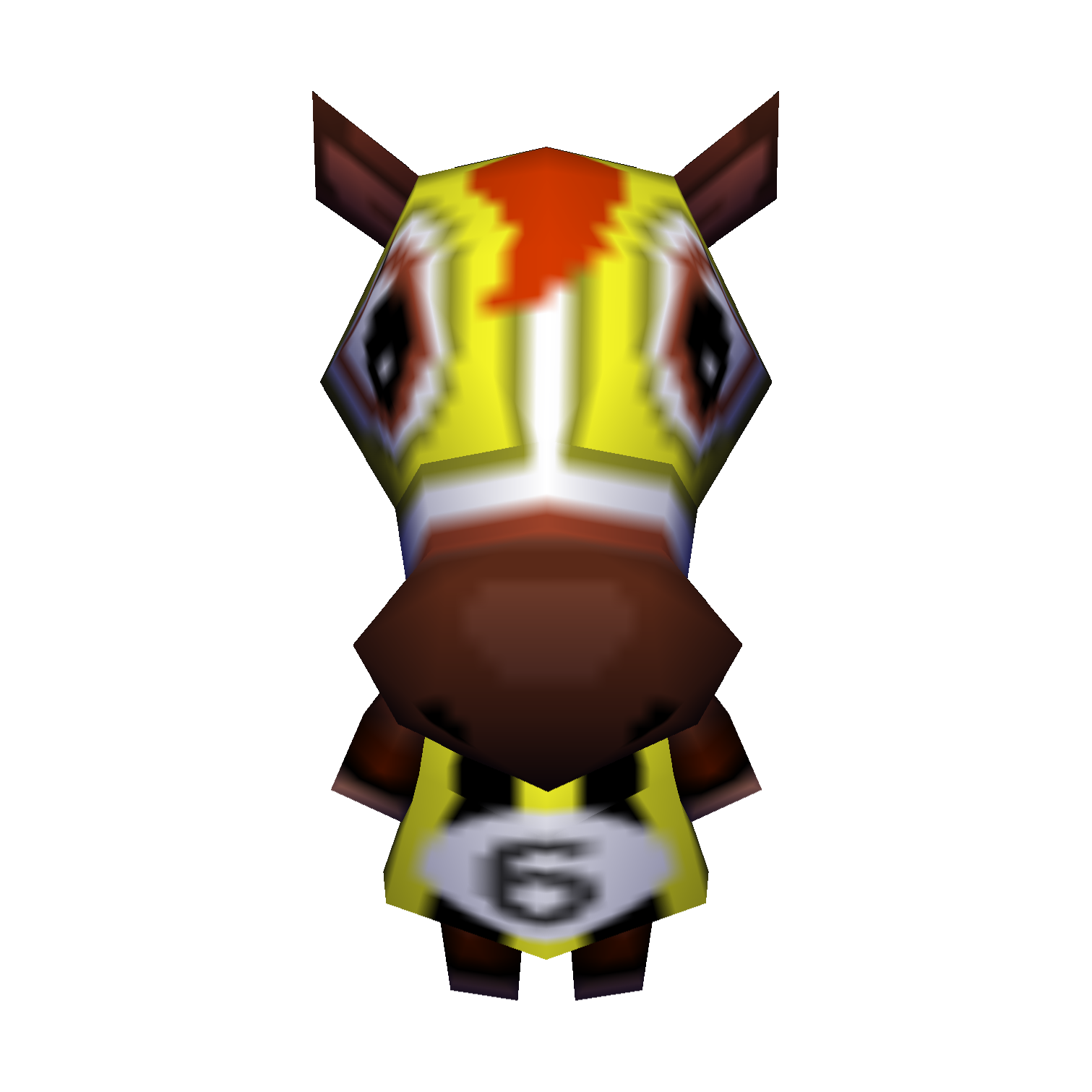
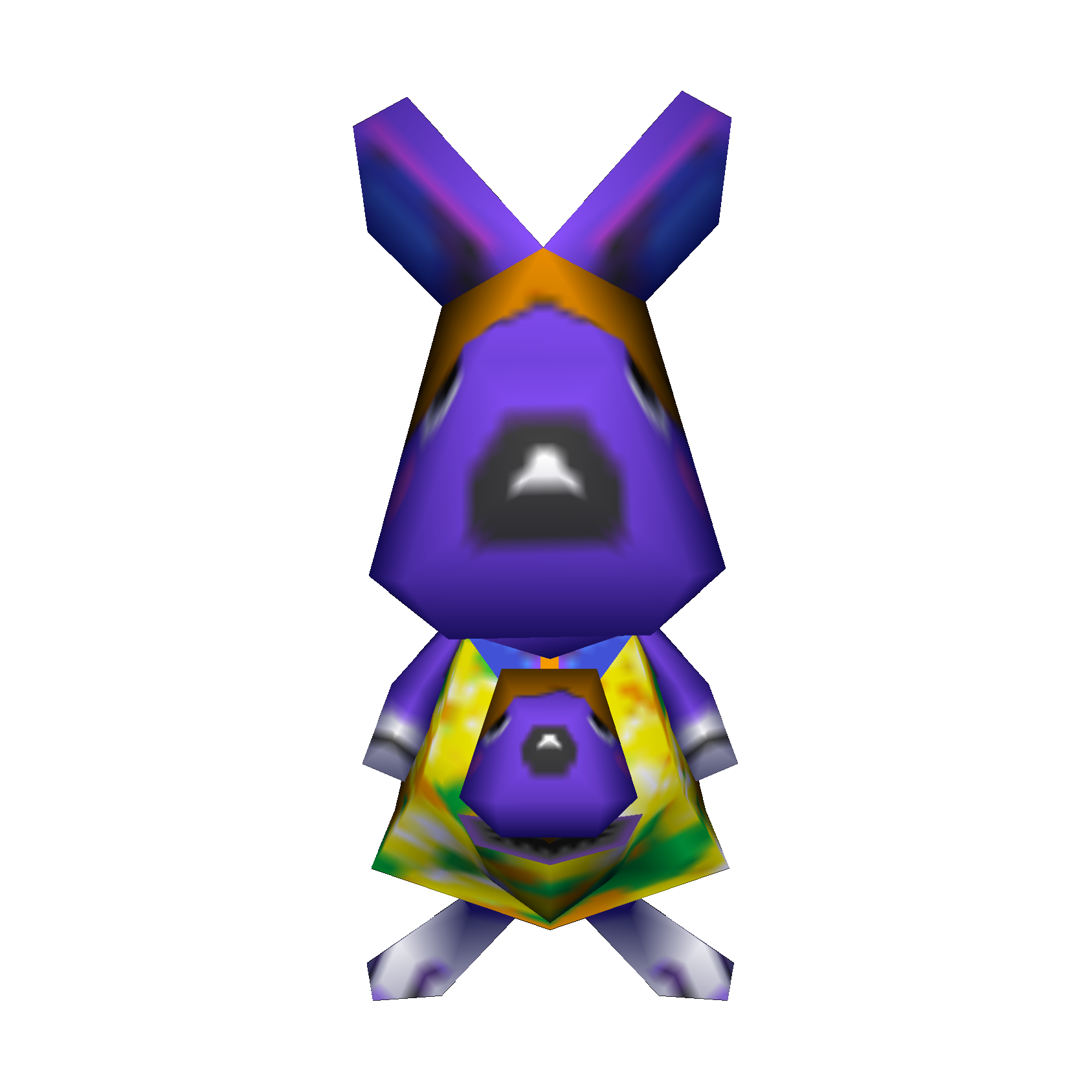
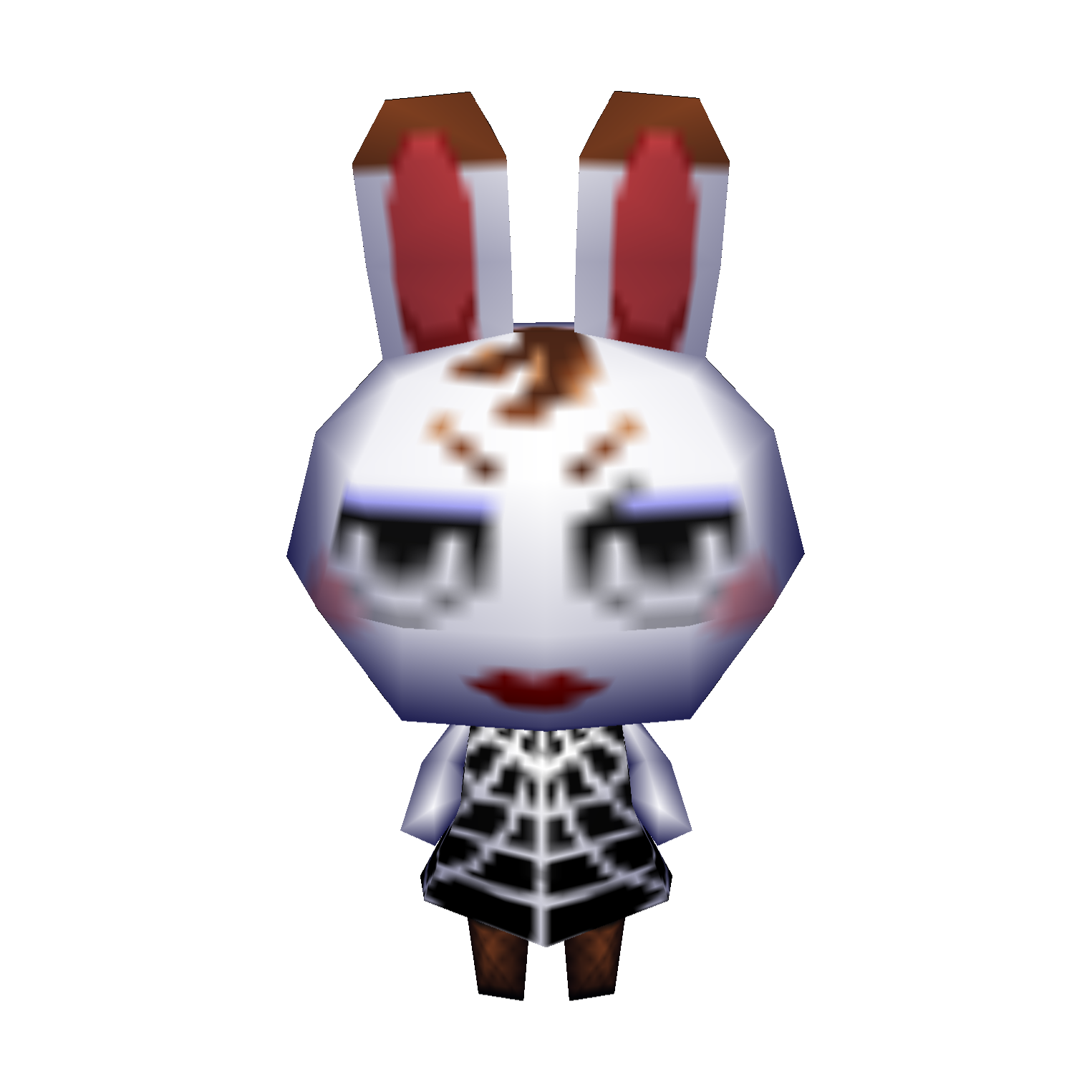
- 10 new peppy villagers: Agent S, Bella, Chrissy, Felicity, Ketchup, Megumi, Merry, Paula, Peggy, and Victoria.
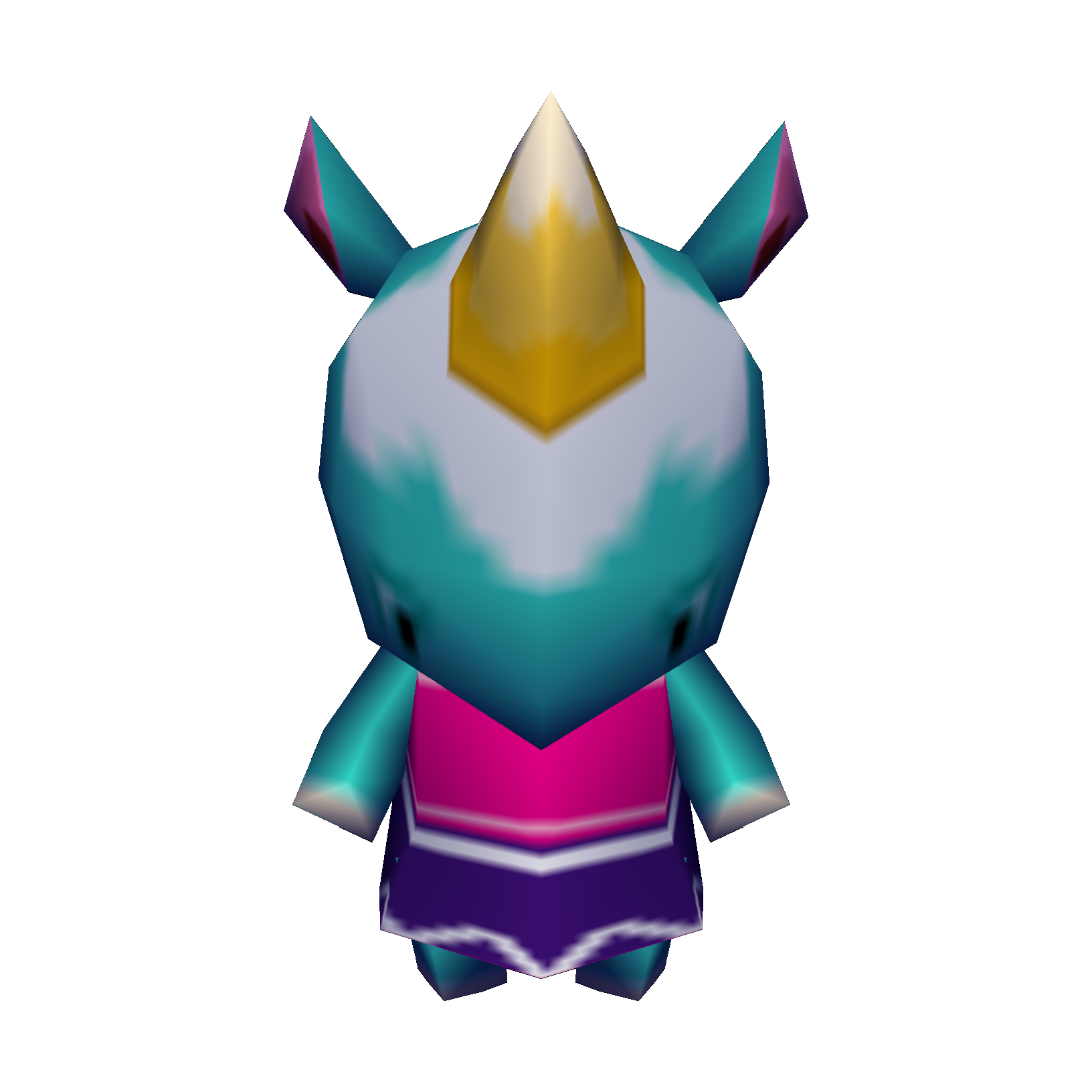
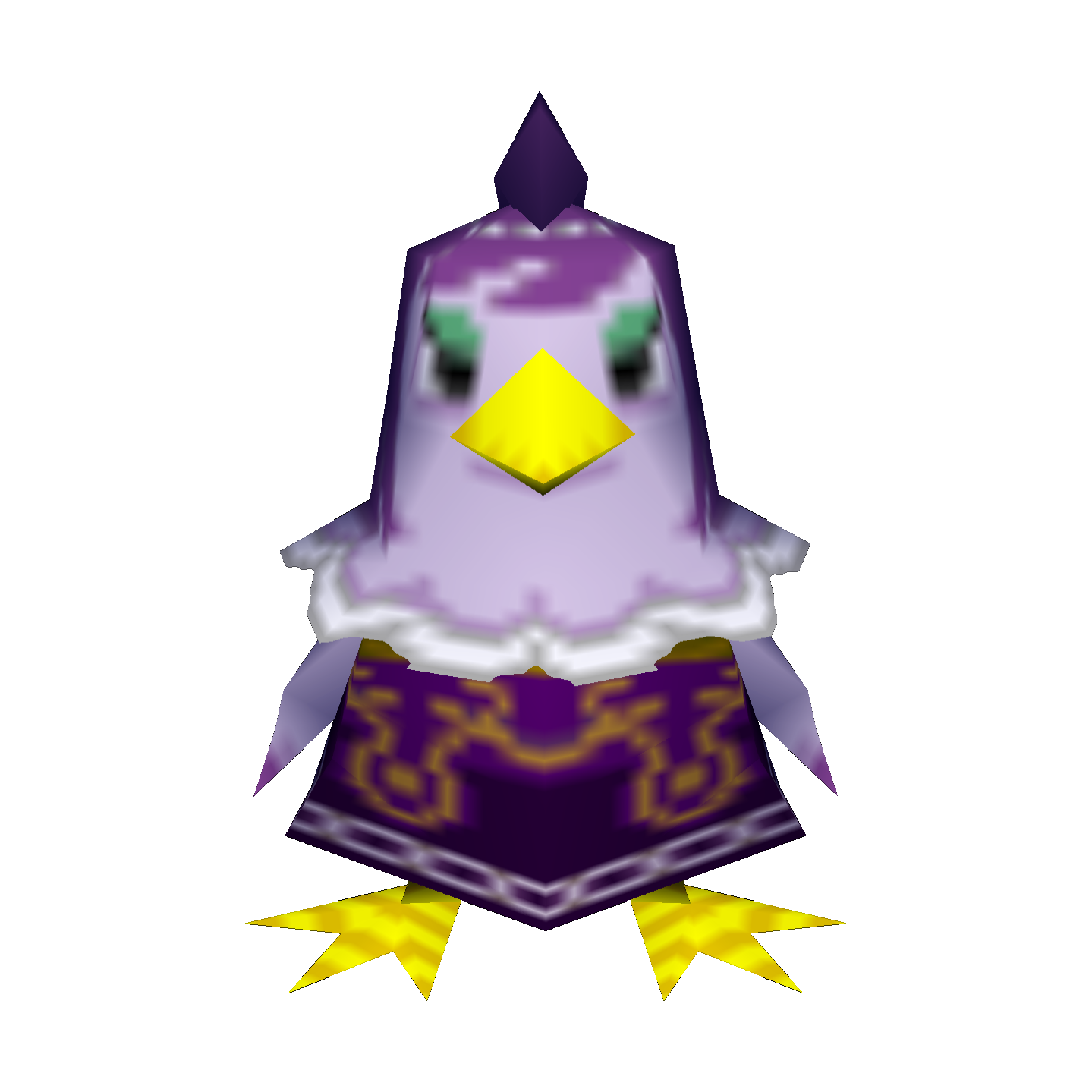
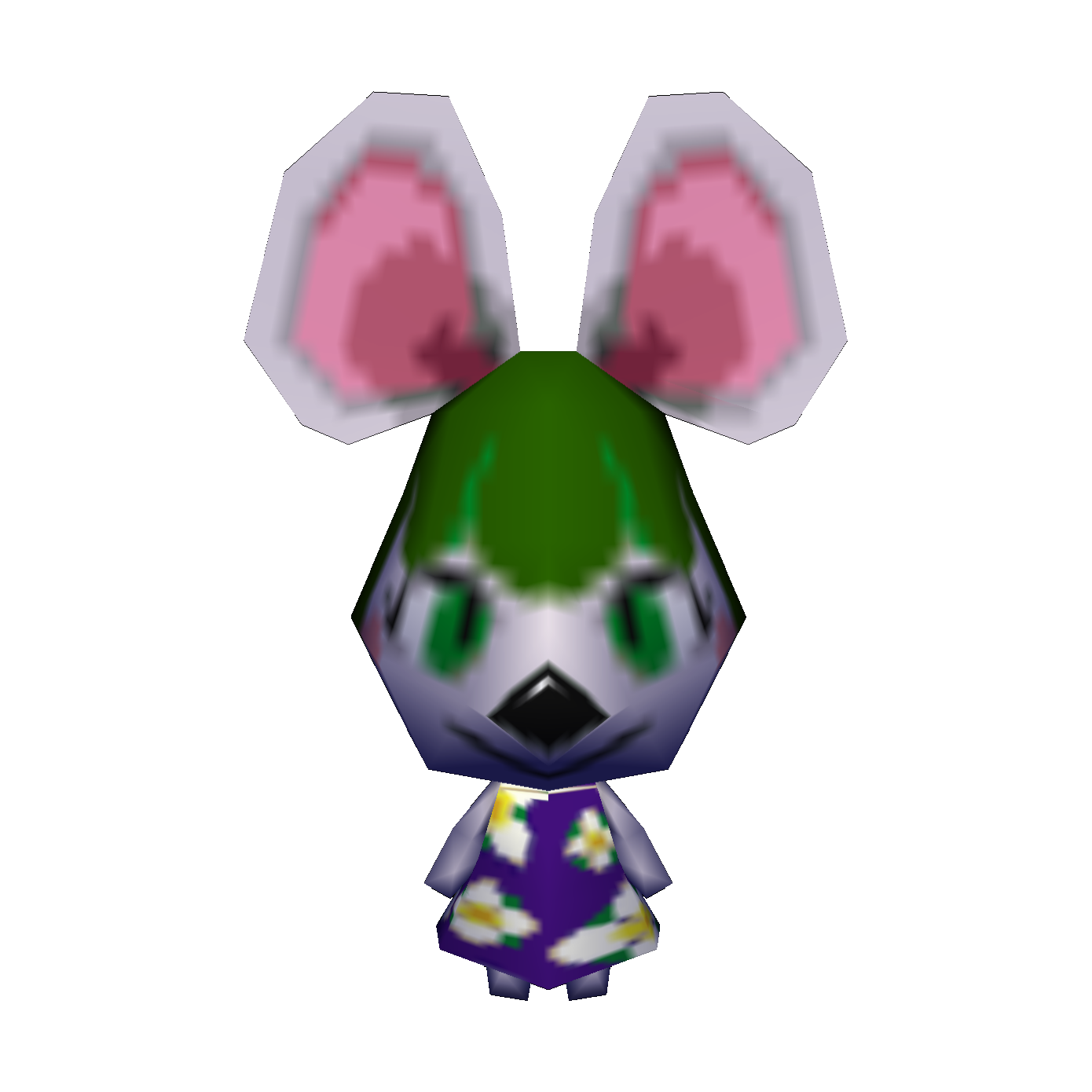
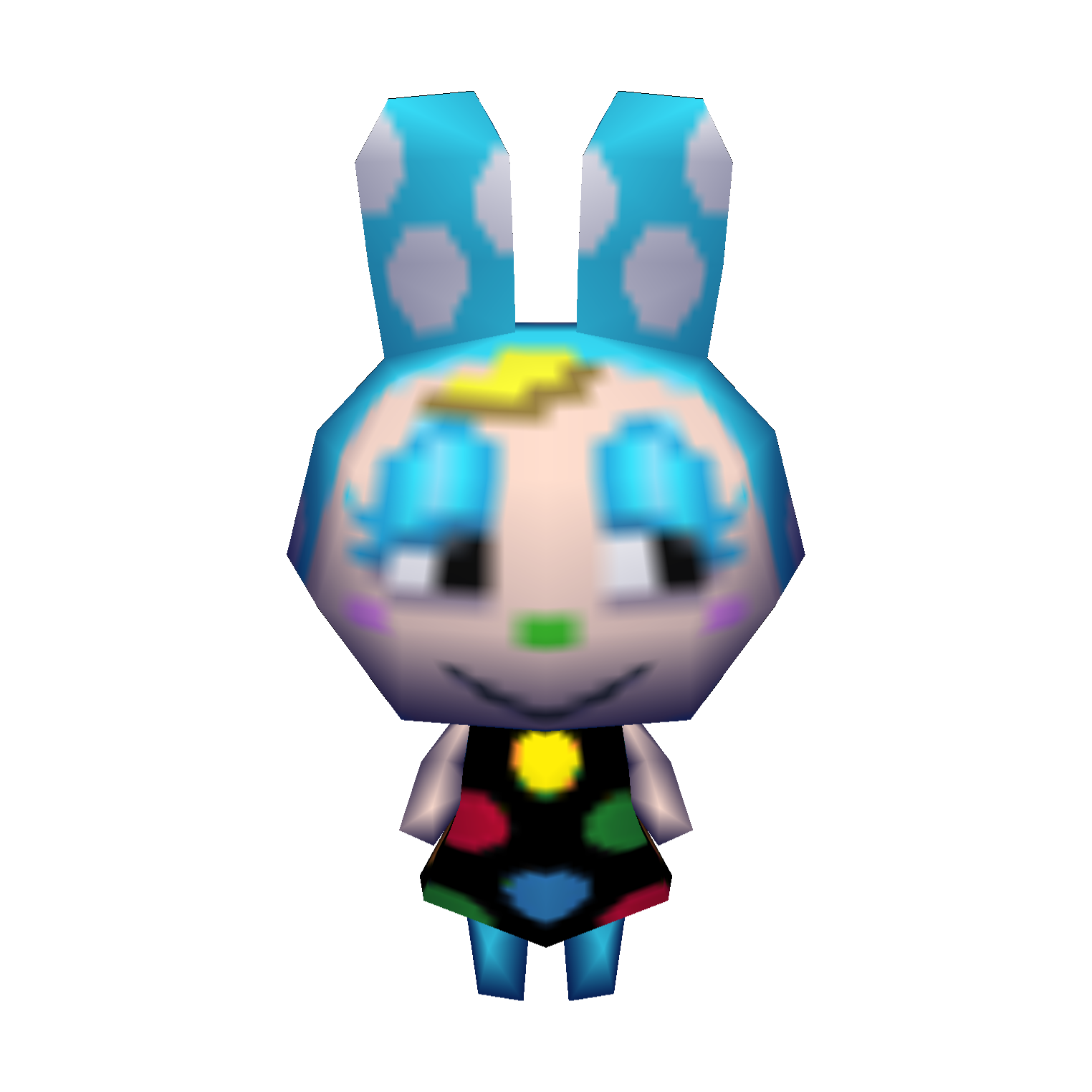
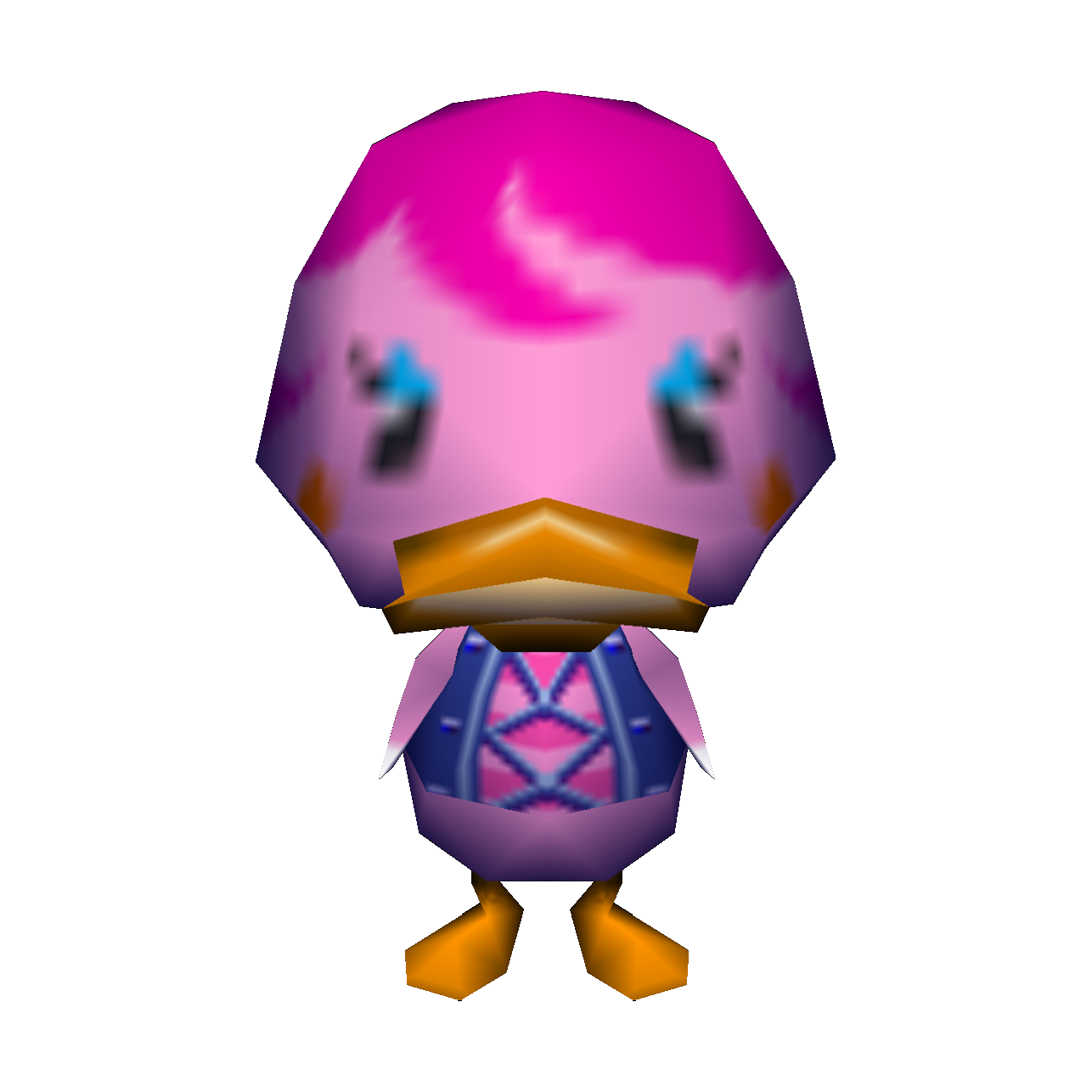
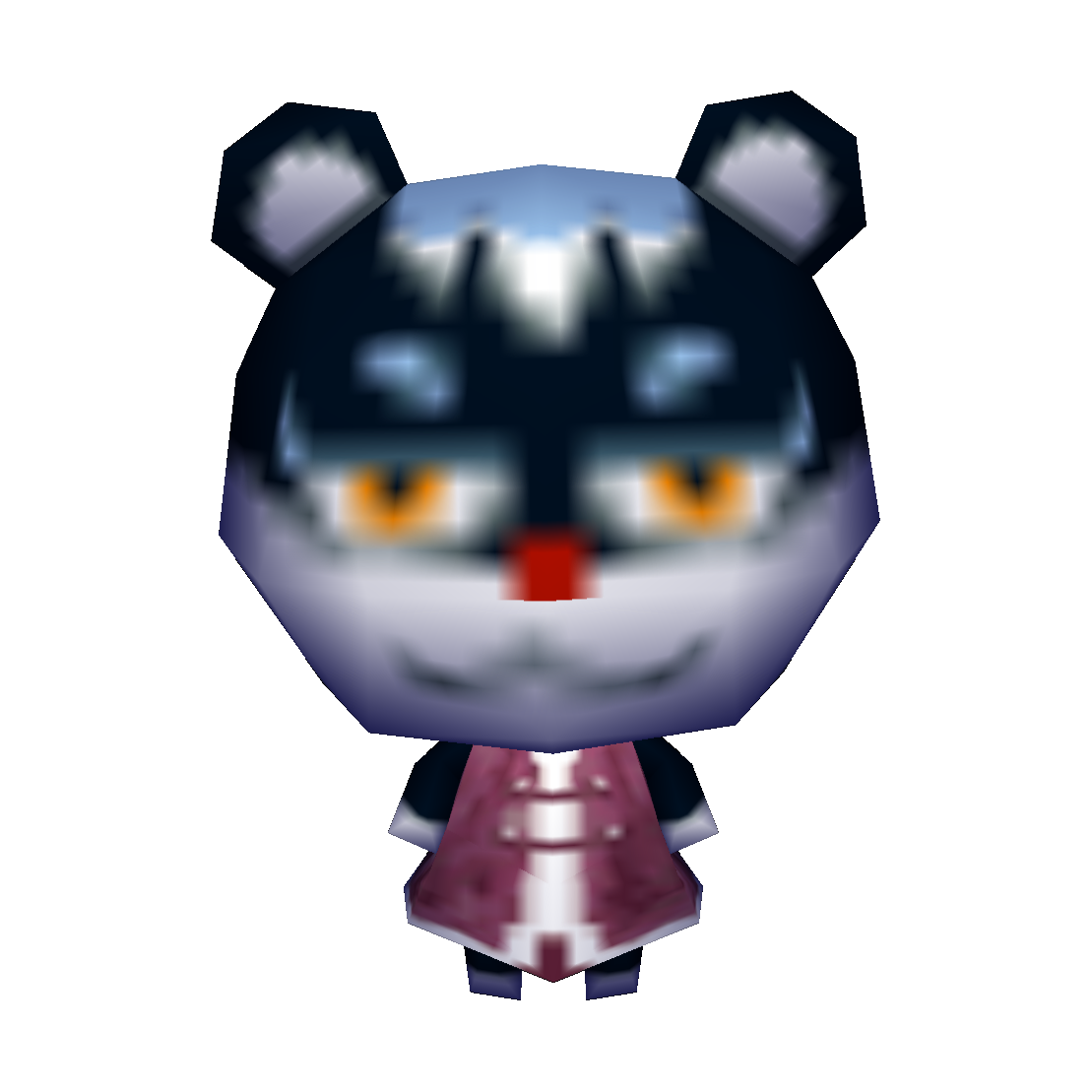
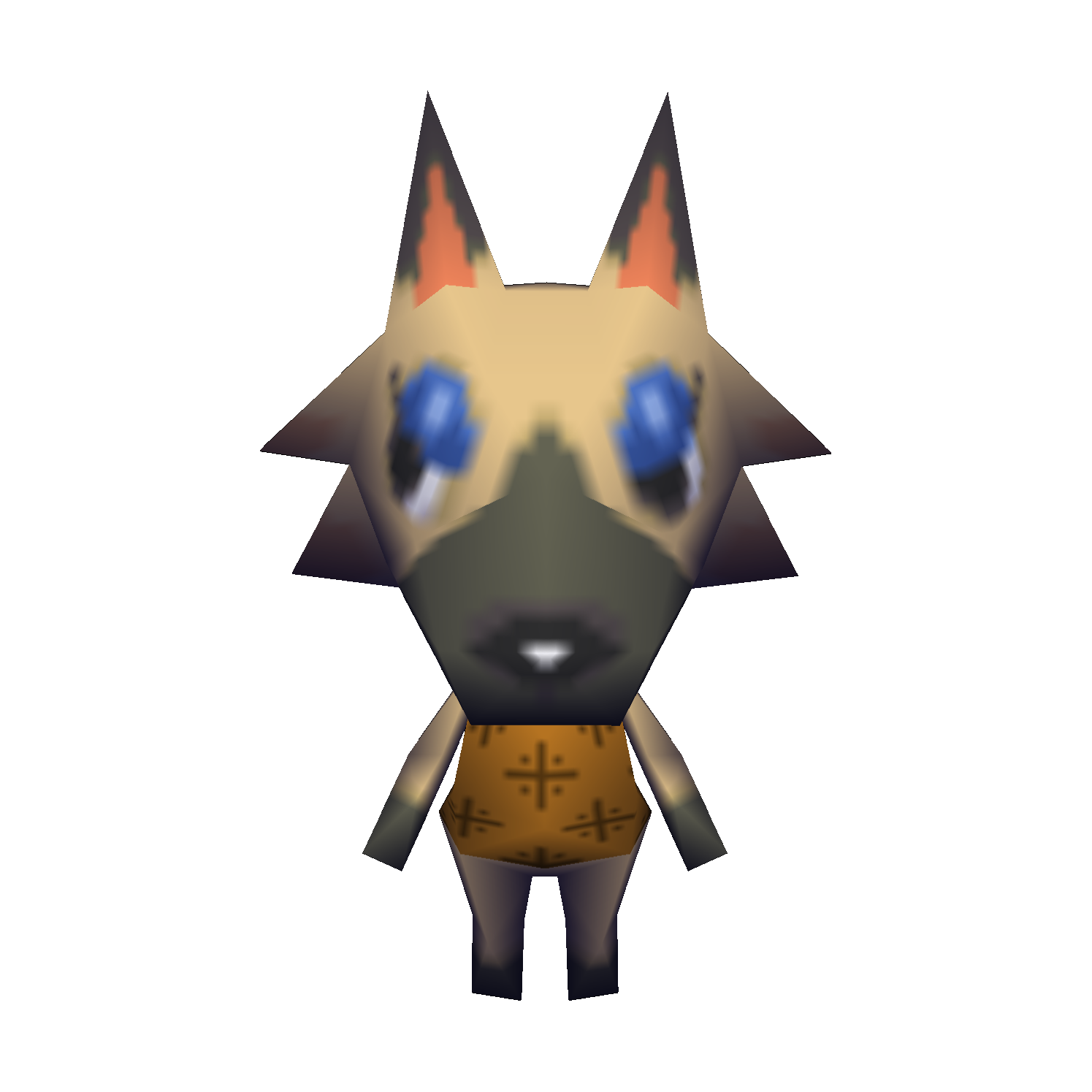
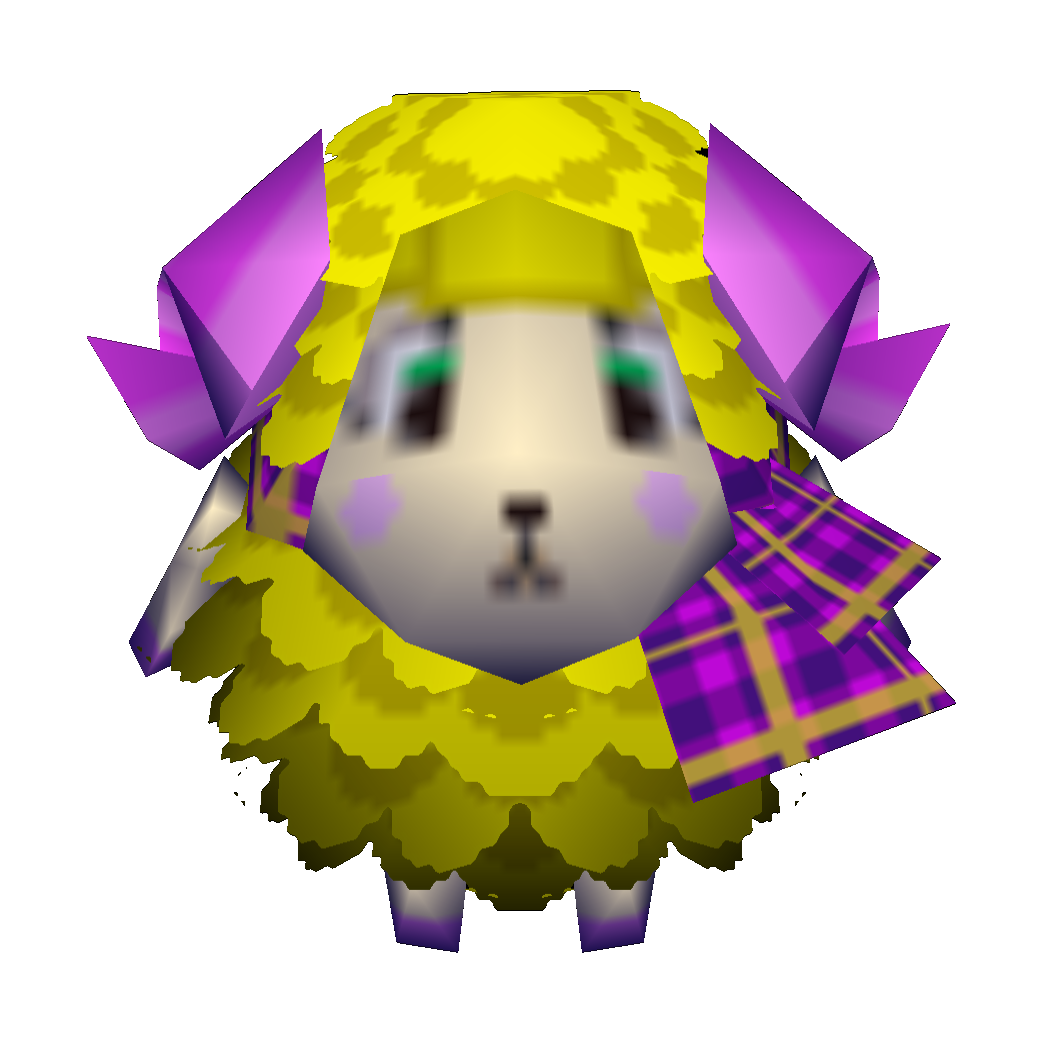
- 10 new snooty villagers: Azalea, Becky, Bree, Francine, Miranda, Sylvia, Tasha, Tiffany, Vivian, and Willow.
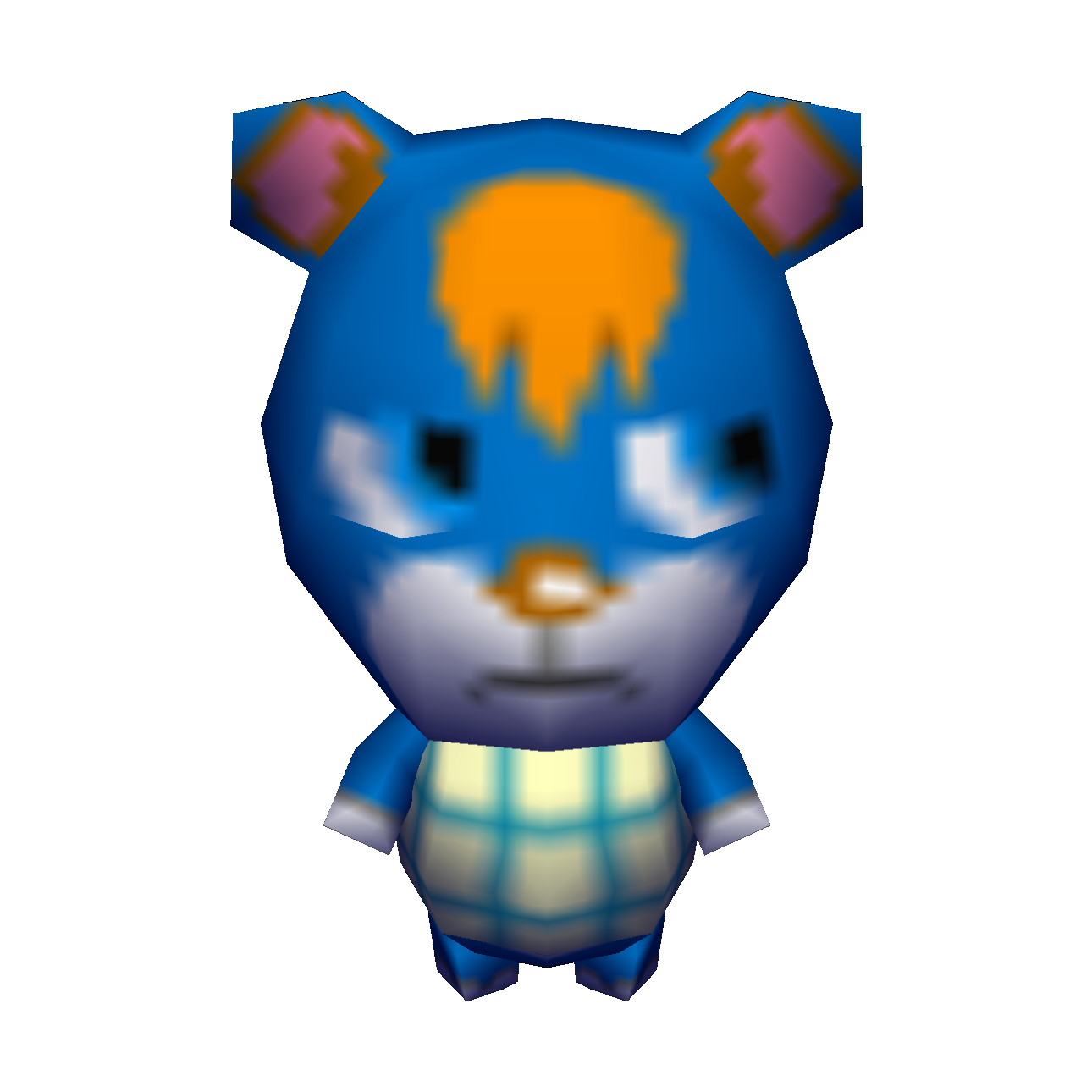
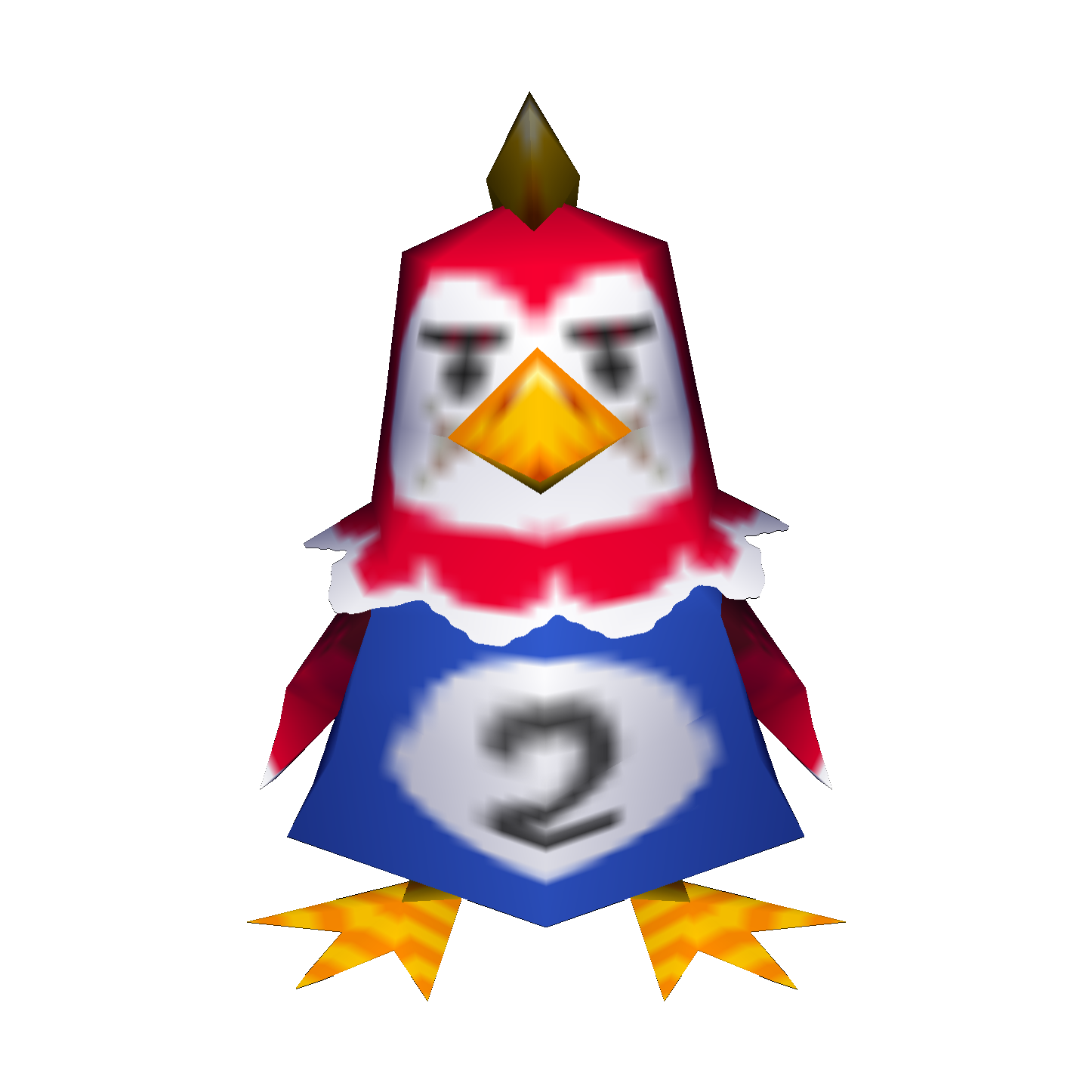

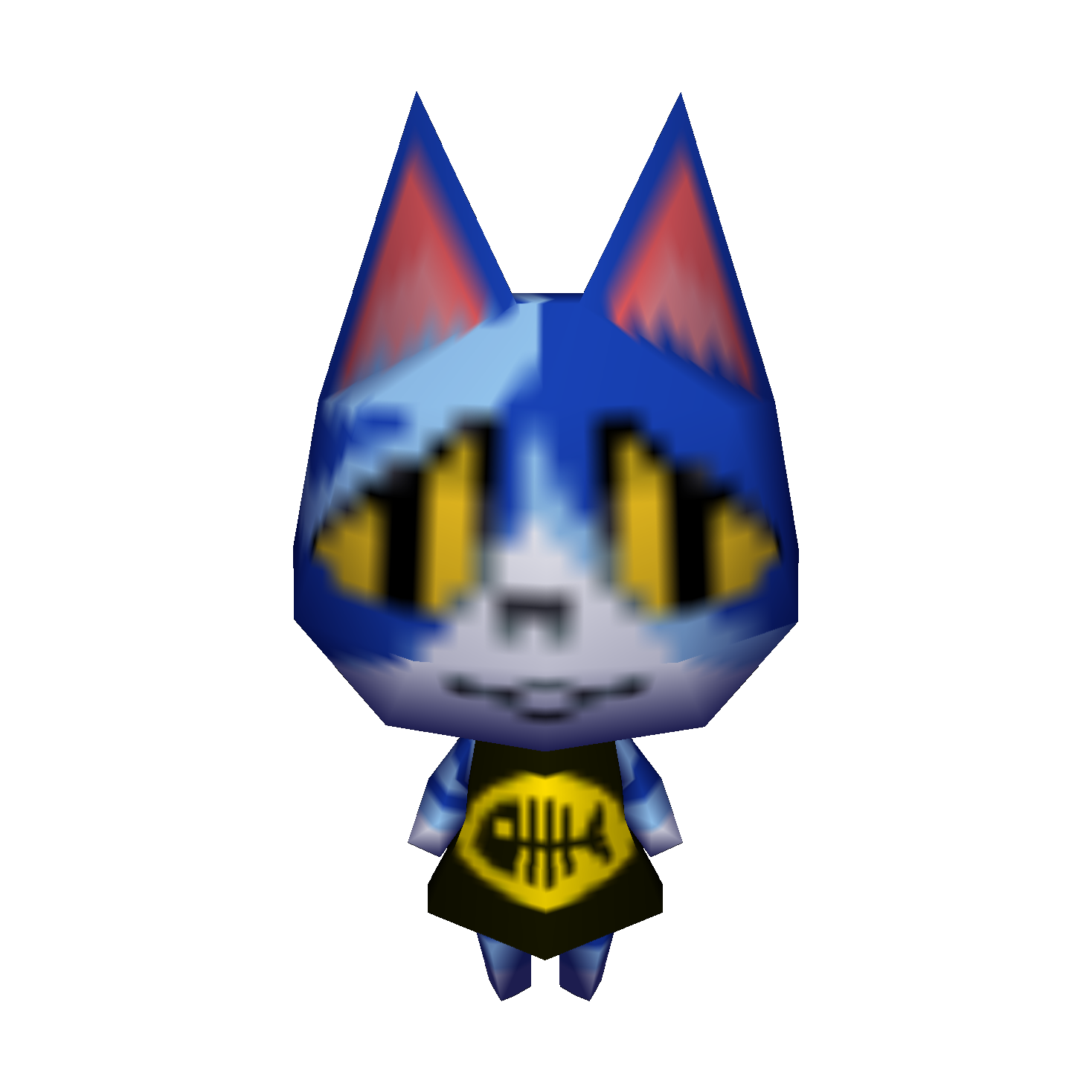

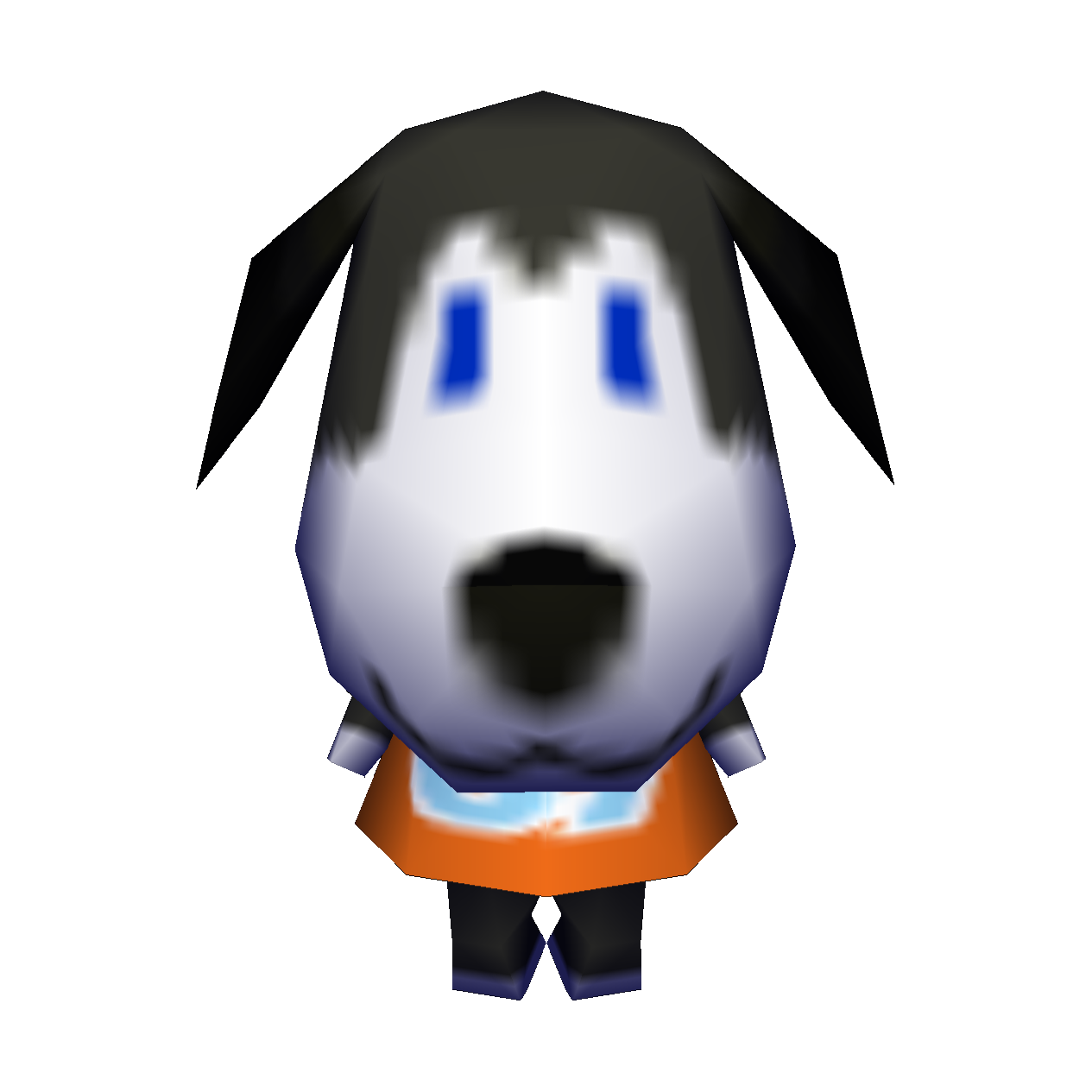
- 10 new lazy villagers: Aisle, Benedict, Big Top, Broccolo, Chabwick, Hopkins, Jacob, Moe, Wade, and Walker.
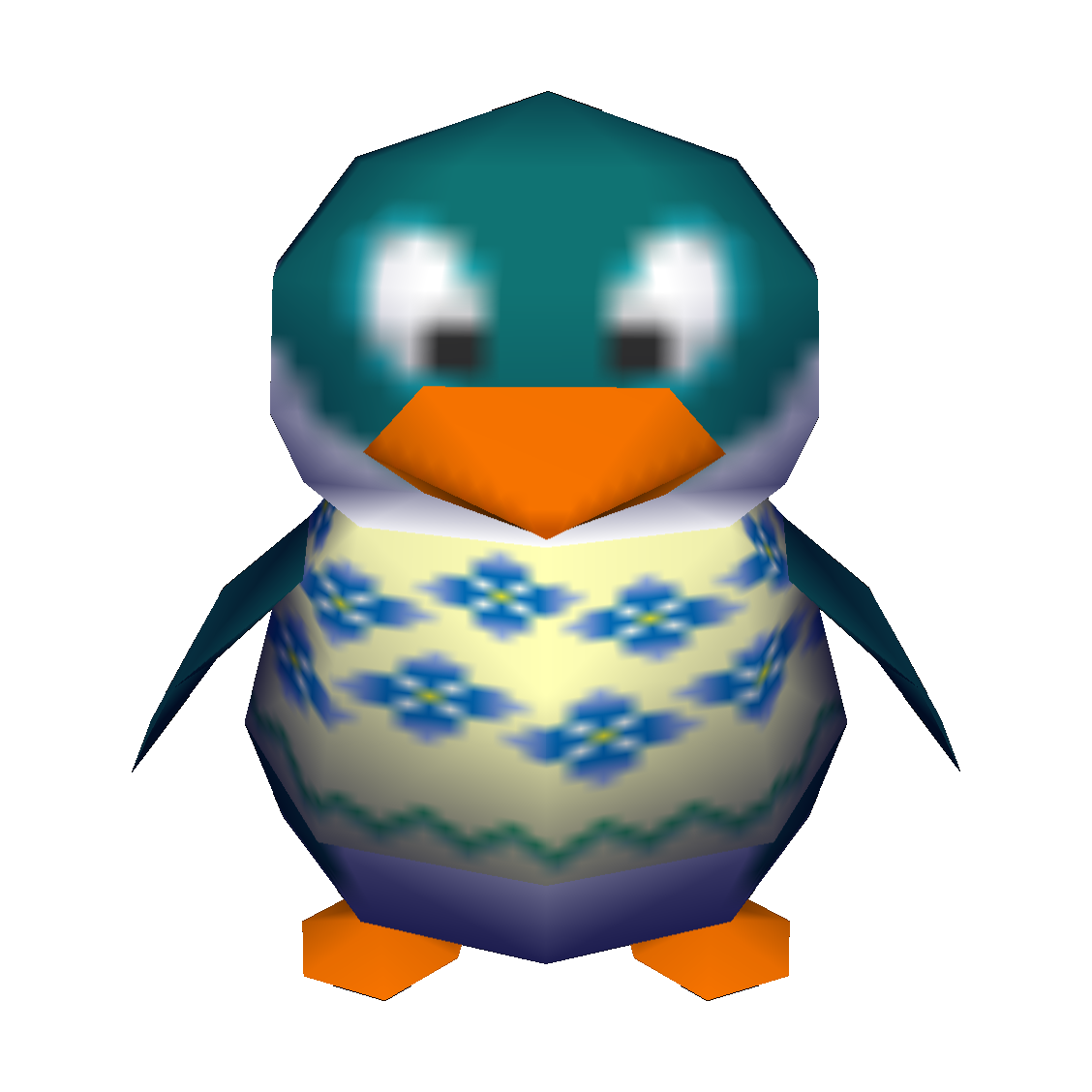
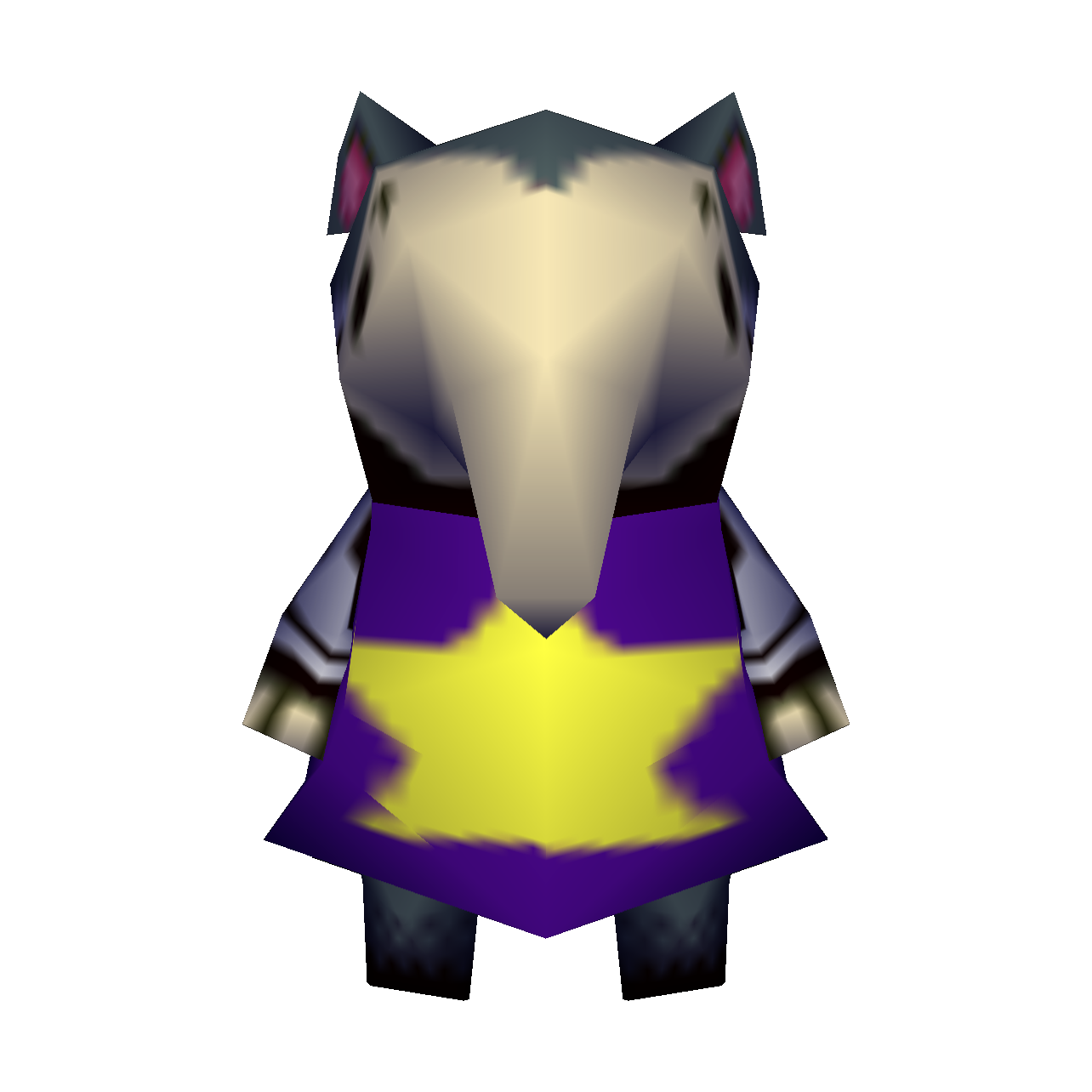
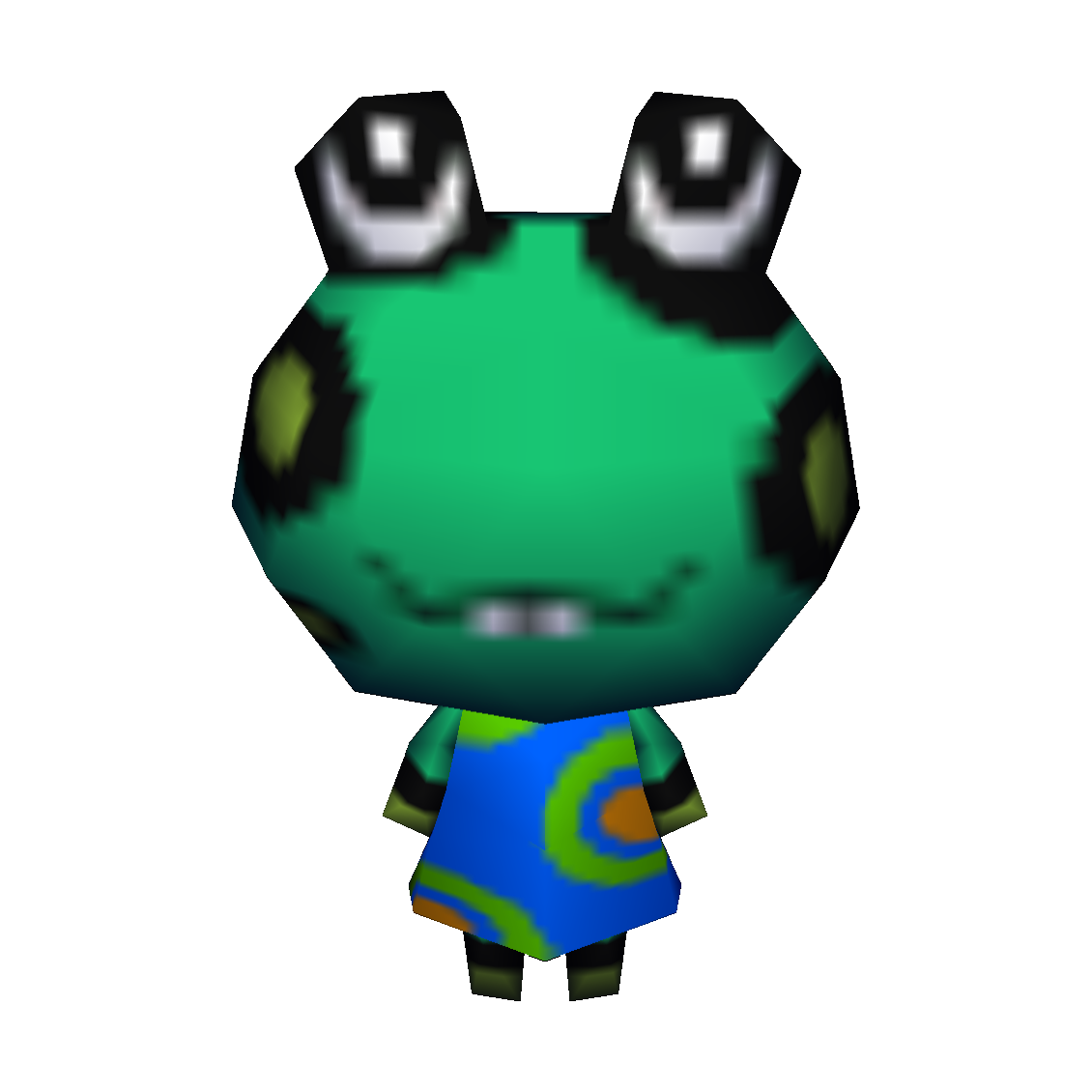
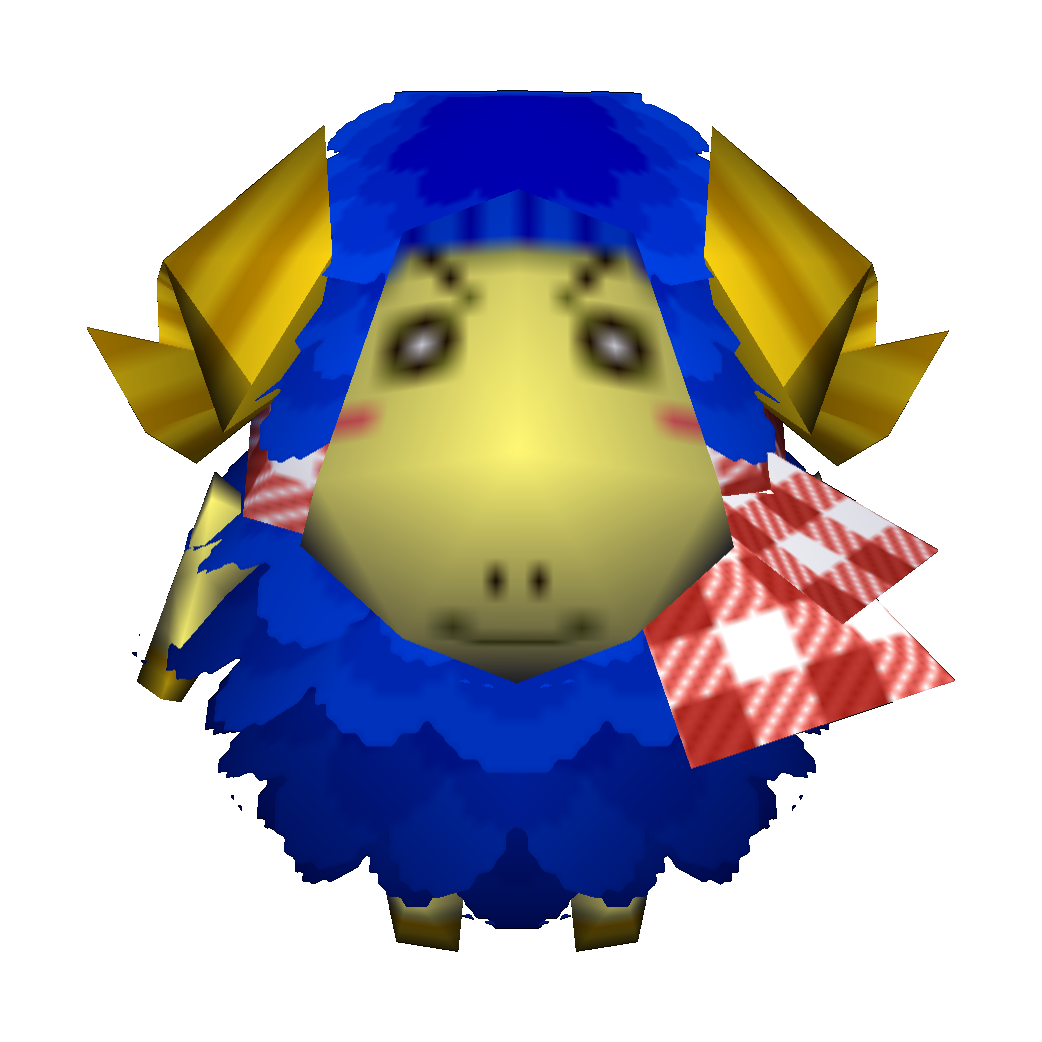
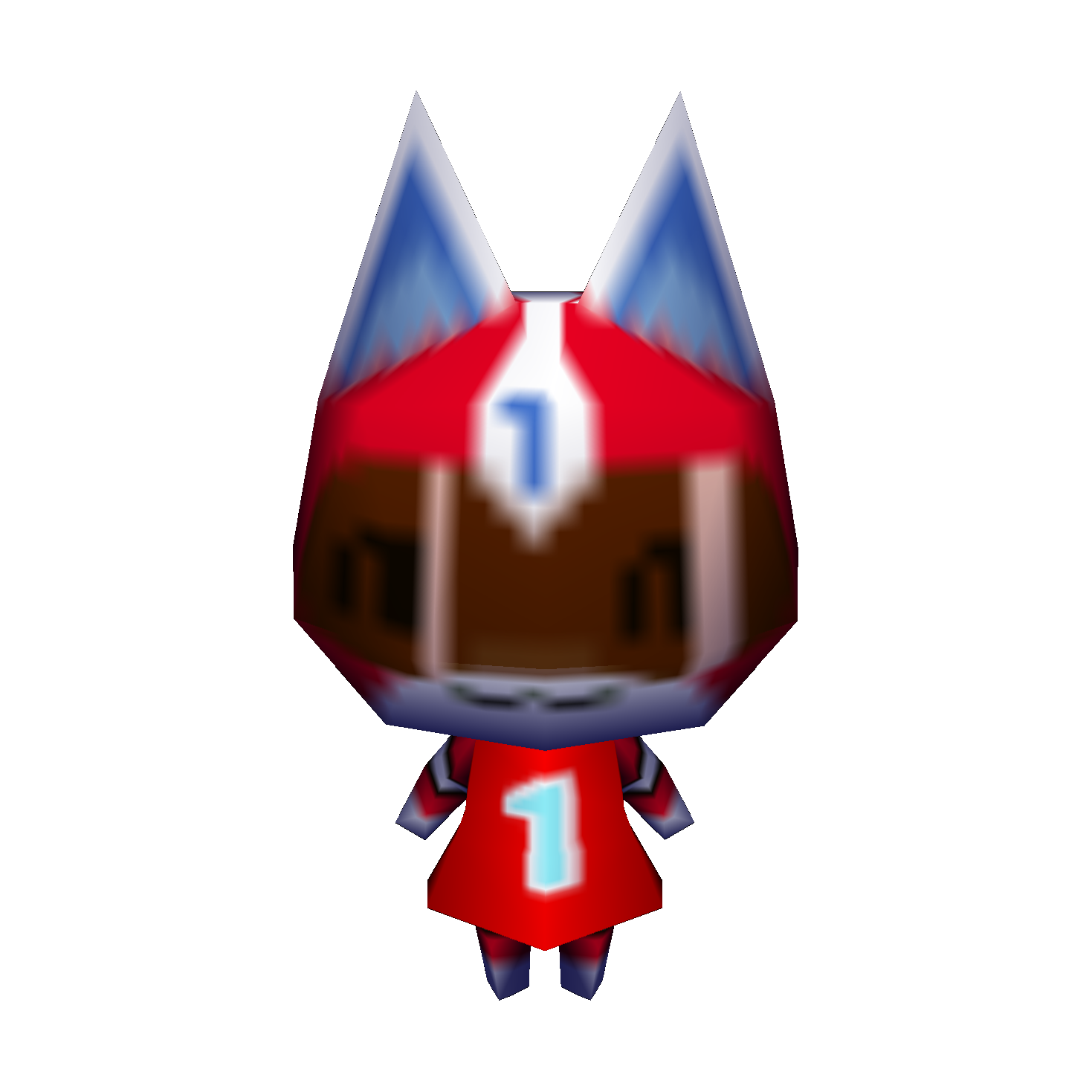

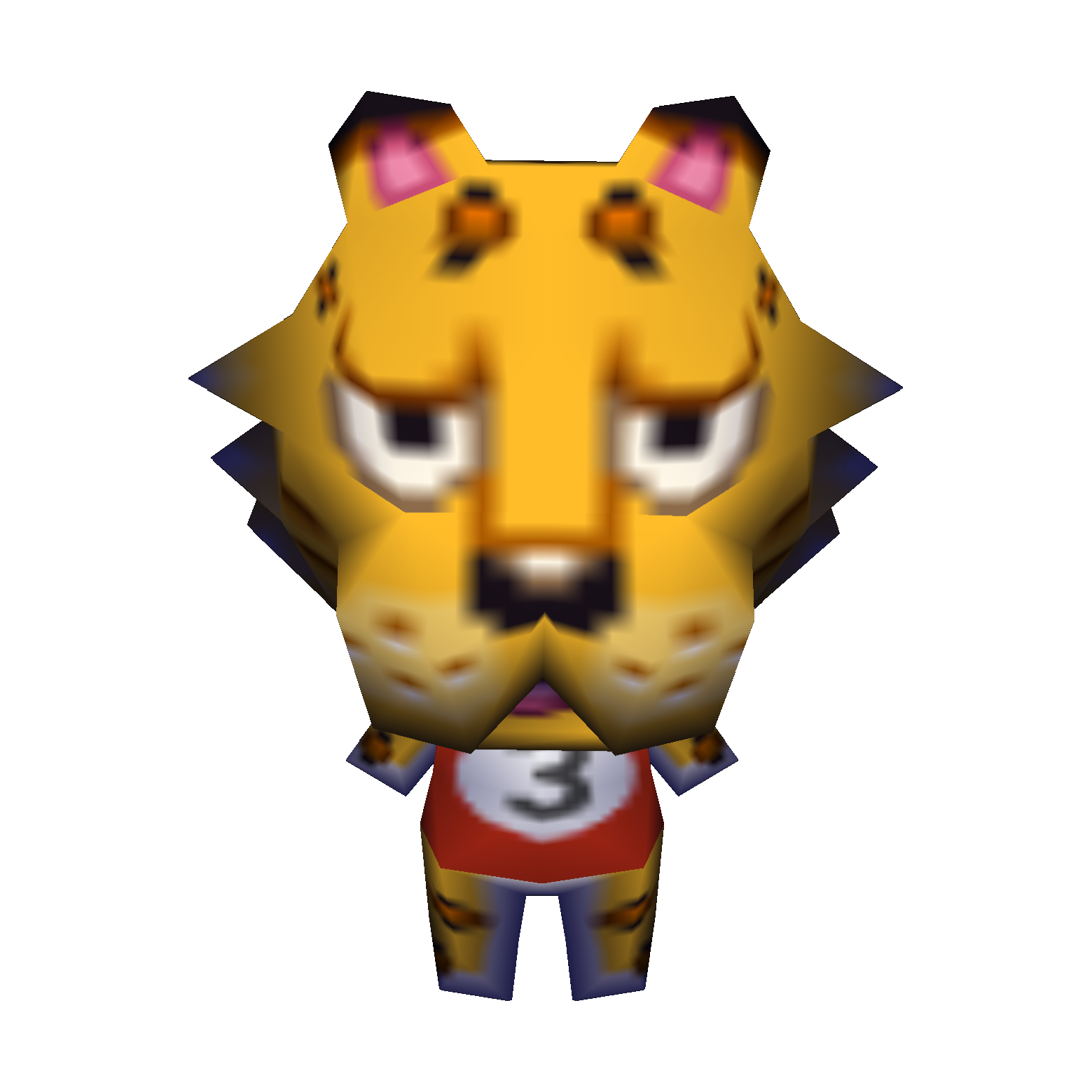
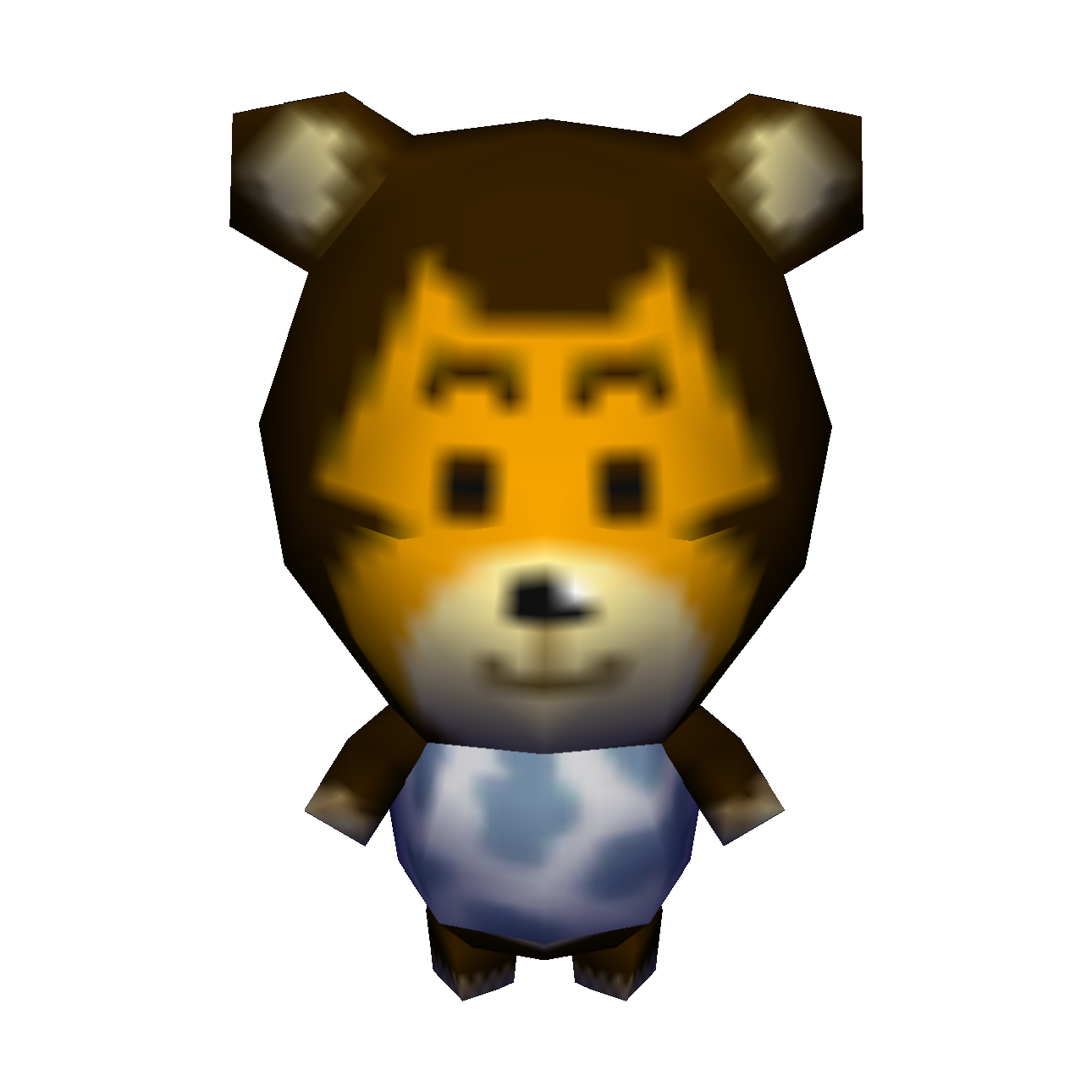
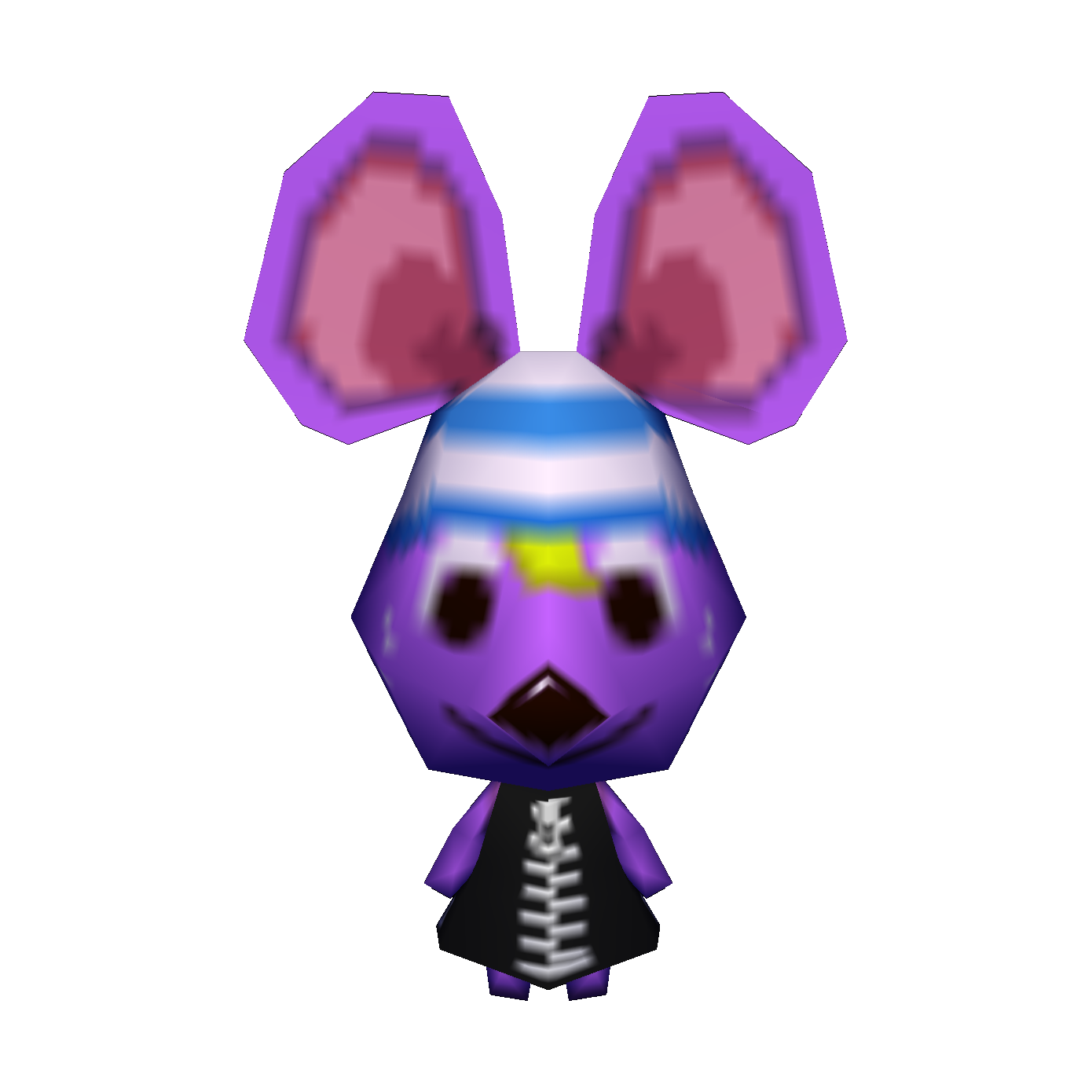
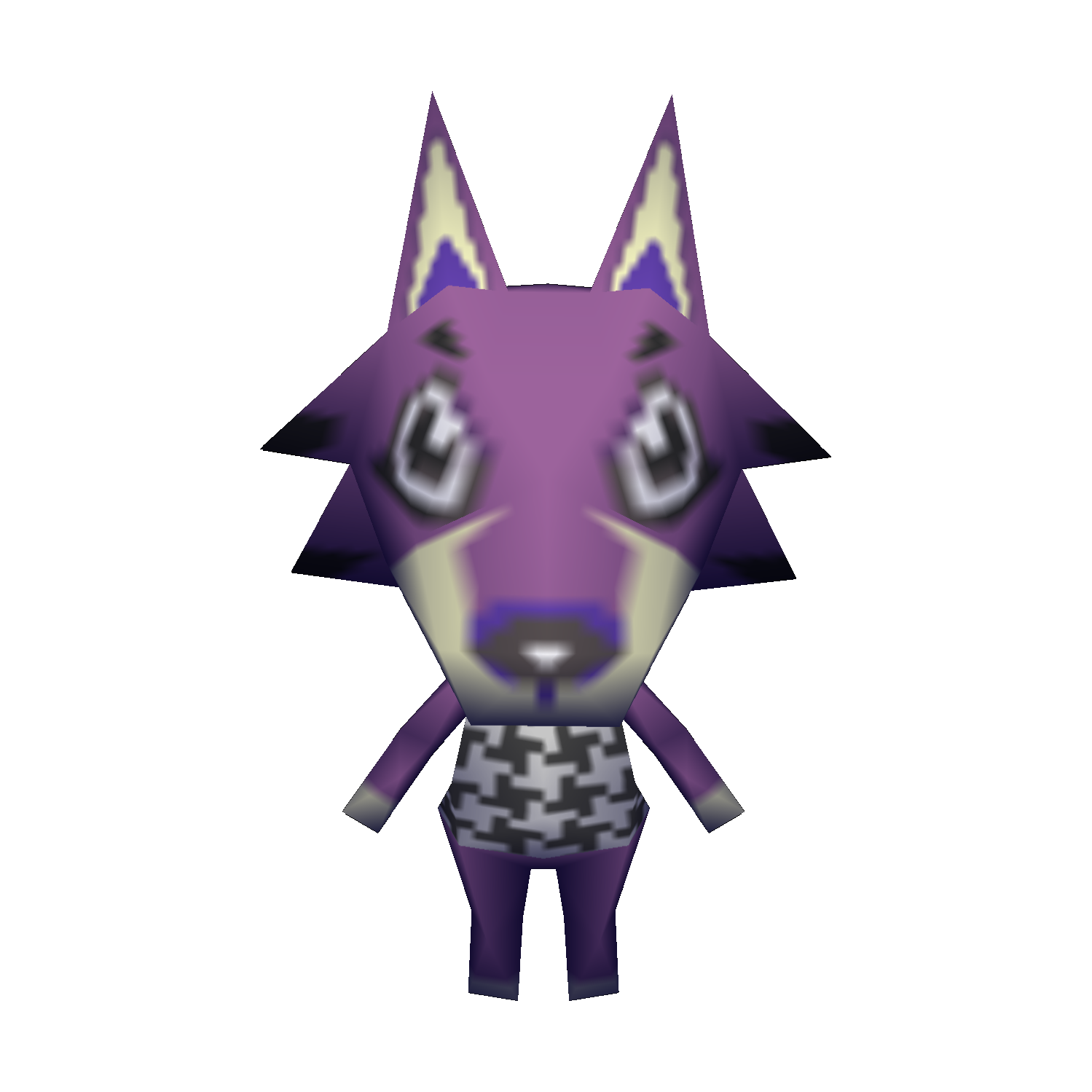
- 10 new jock villagers: Analog, Antonio, Frobert, Gen, Kid Kat, Kit, Leonardo, Poko, Rod, and Tarou.
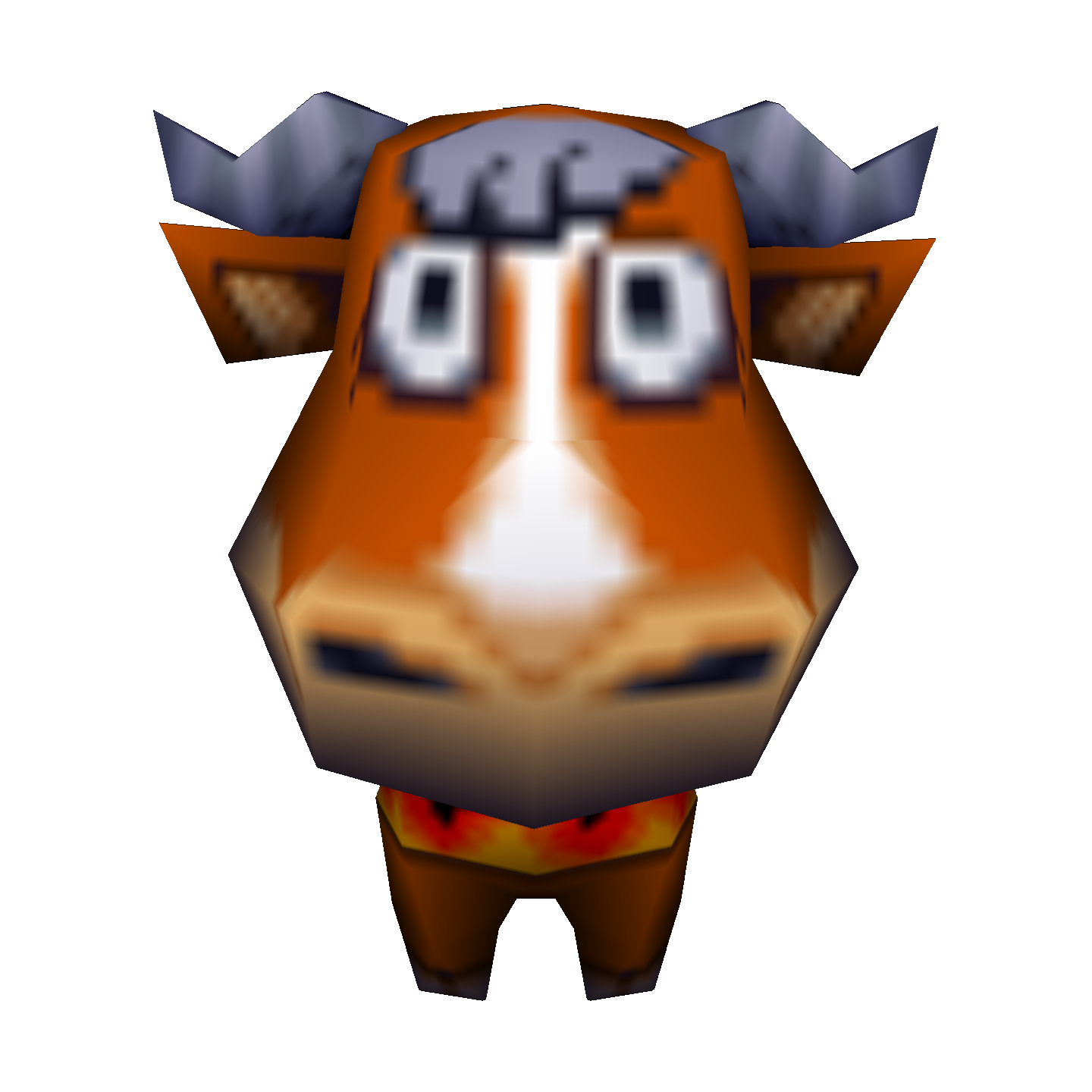
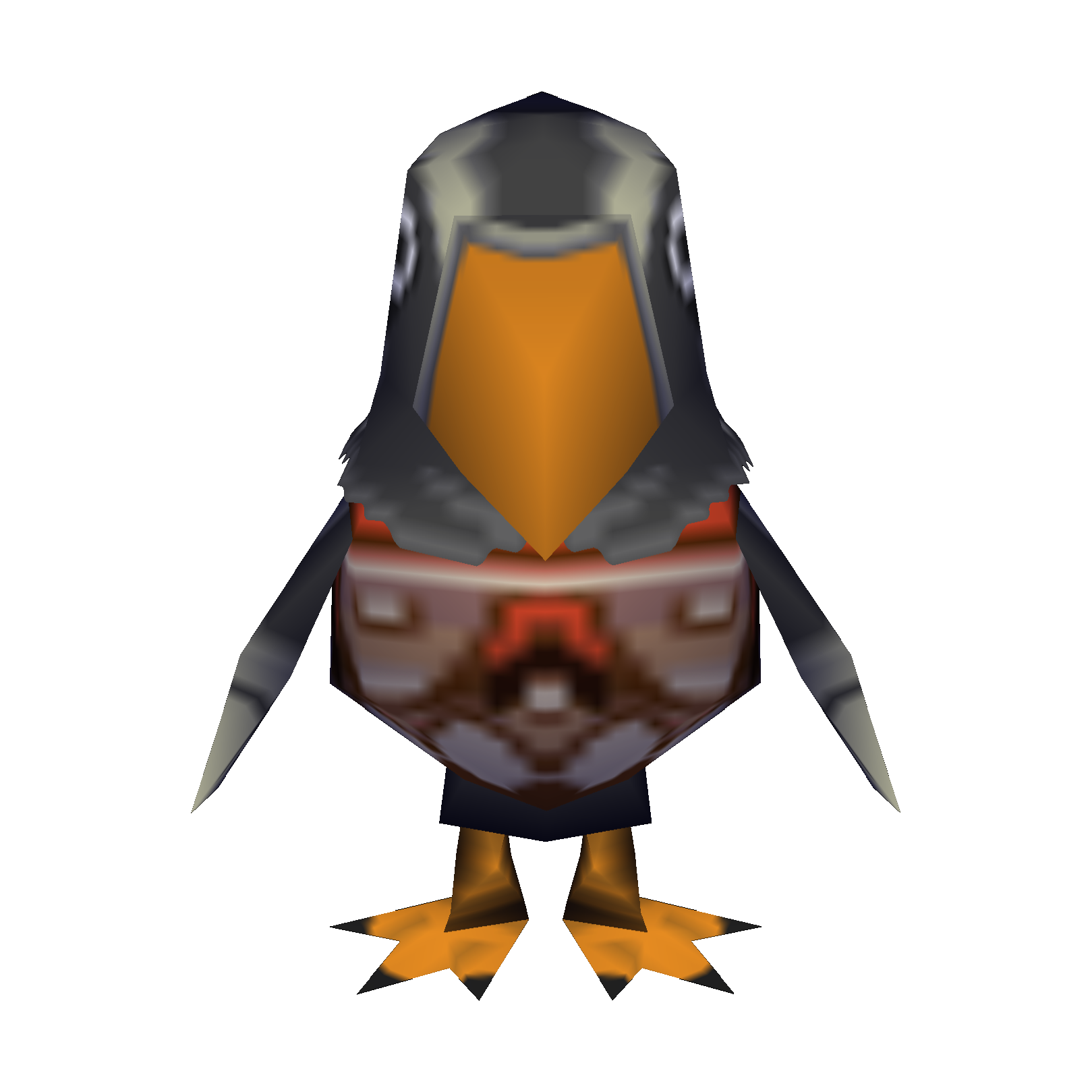
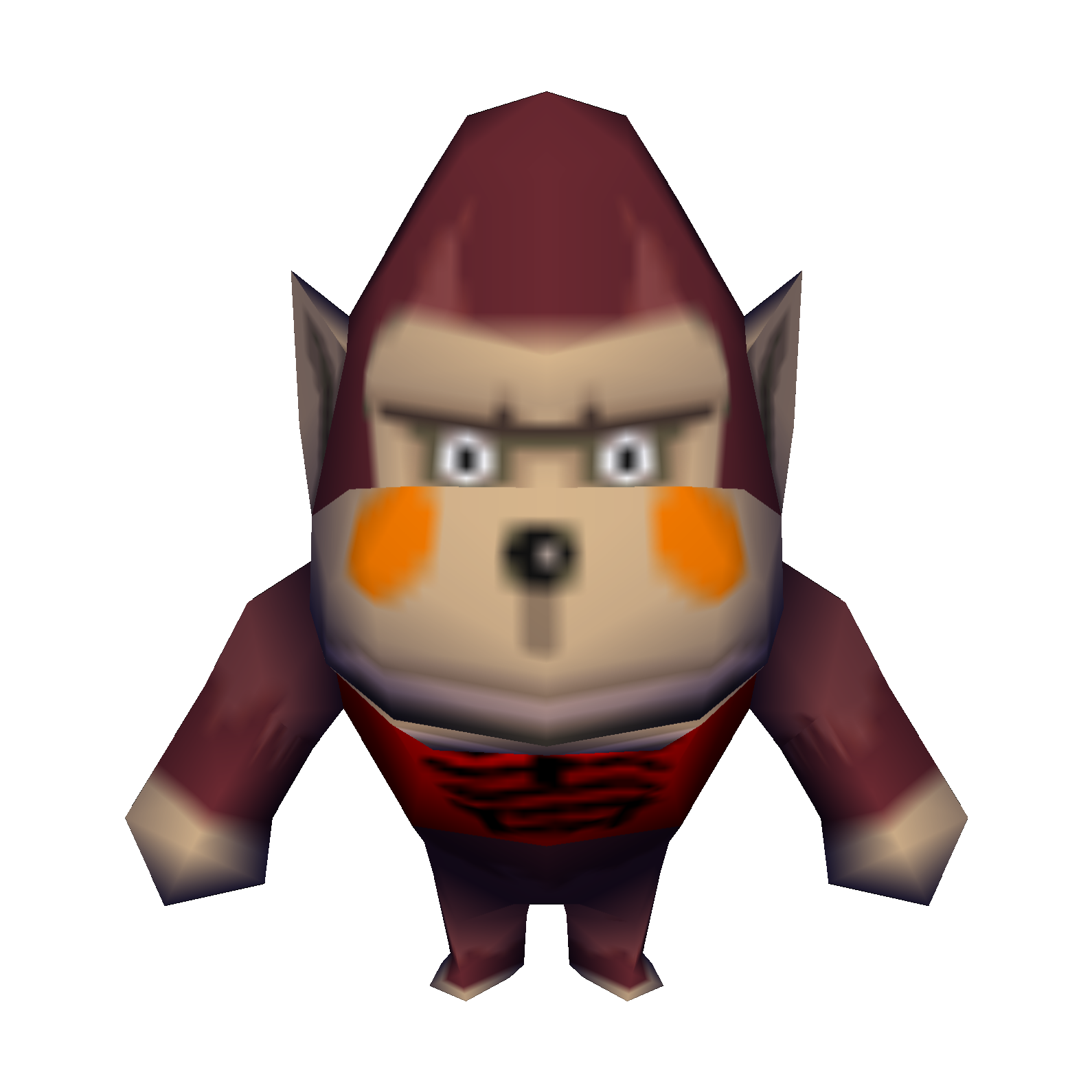
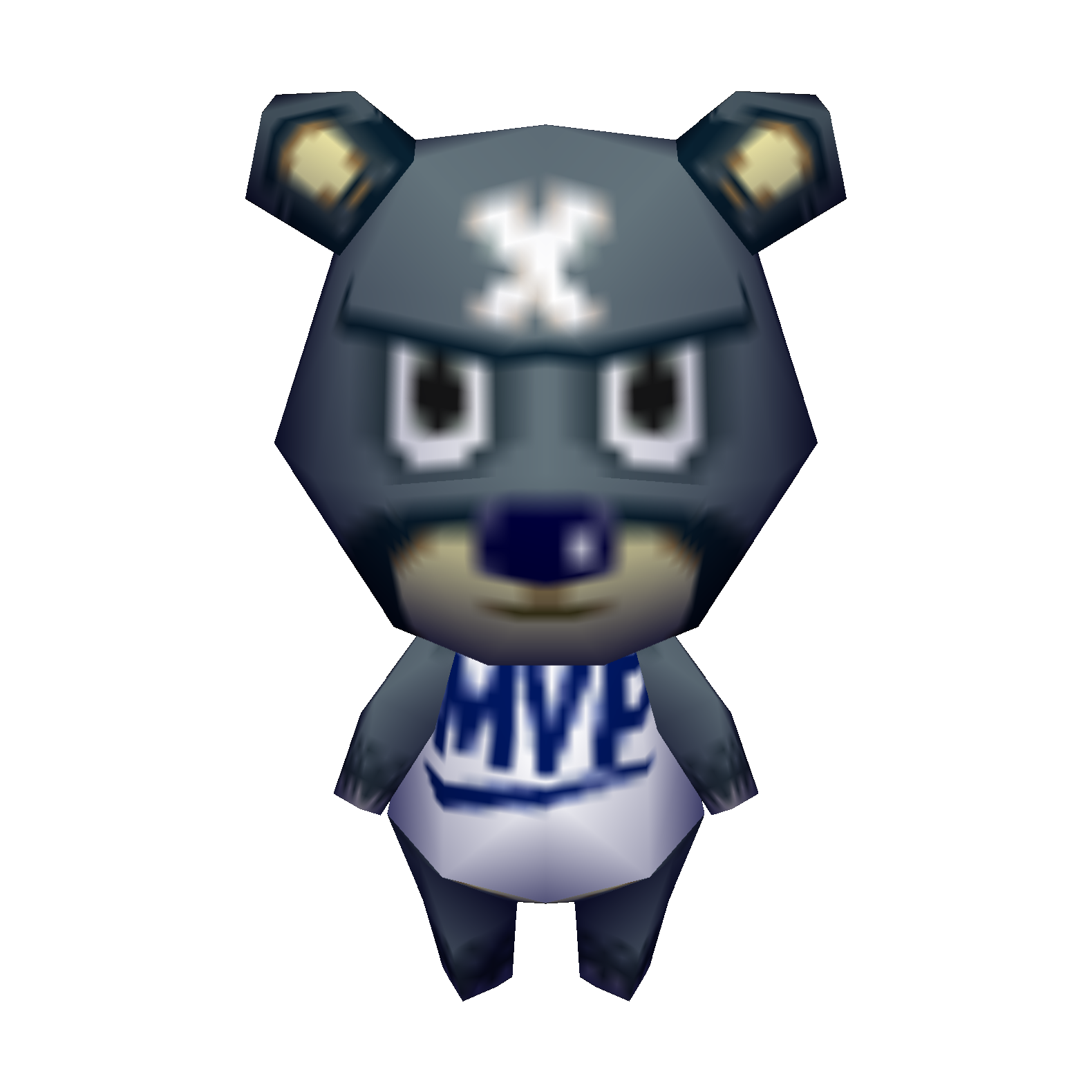
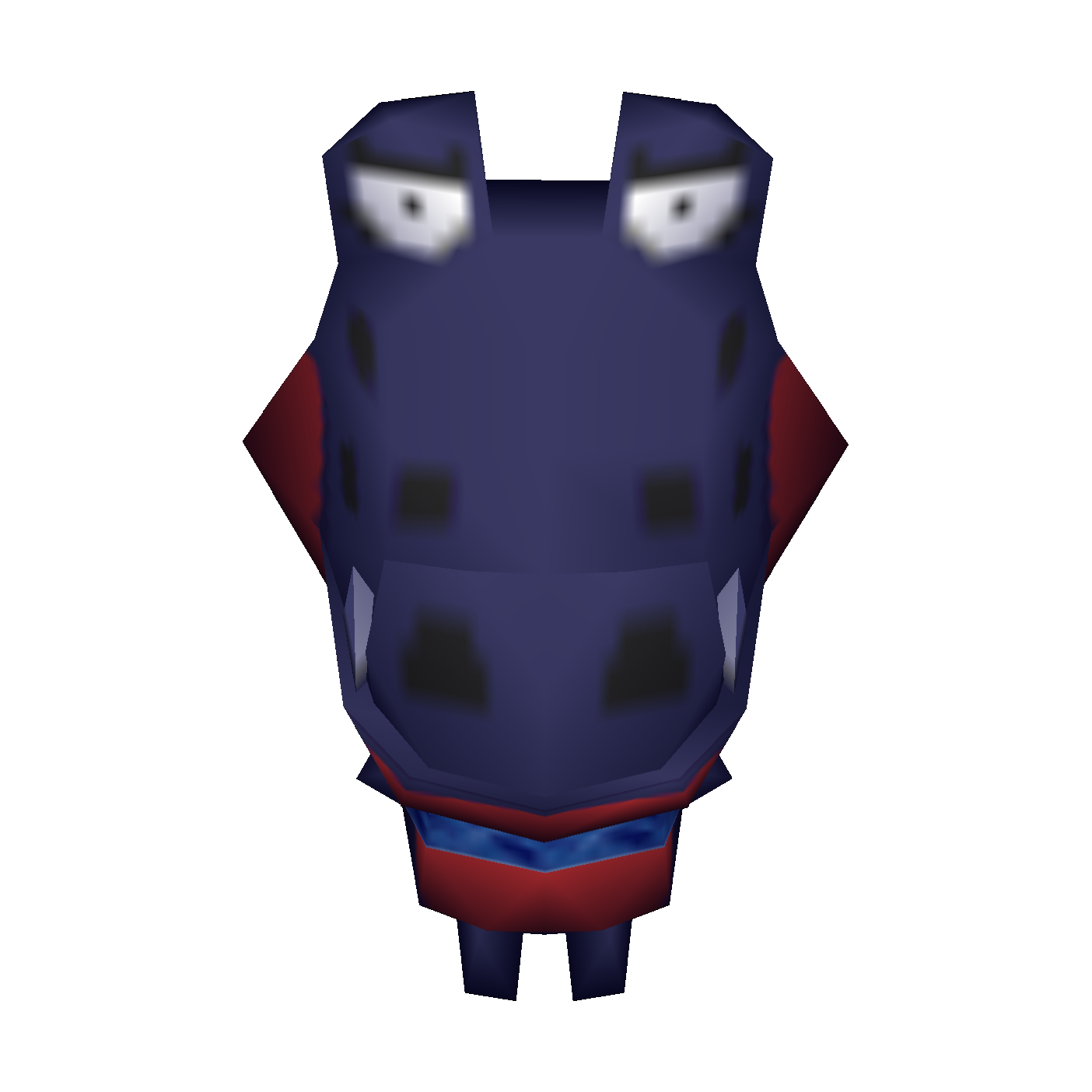
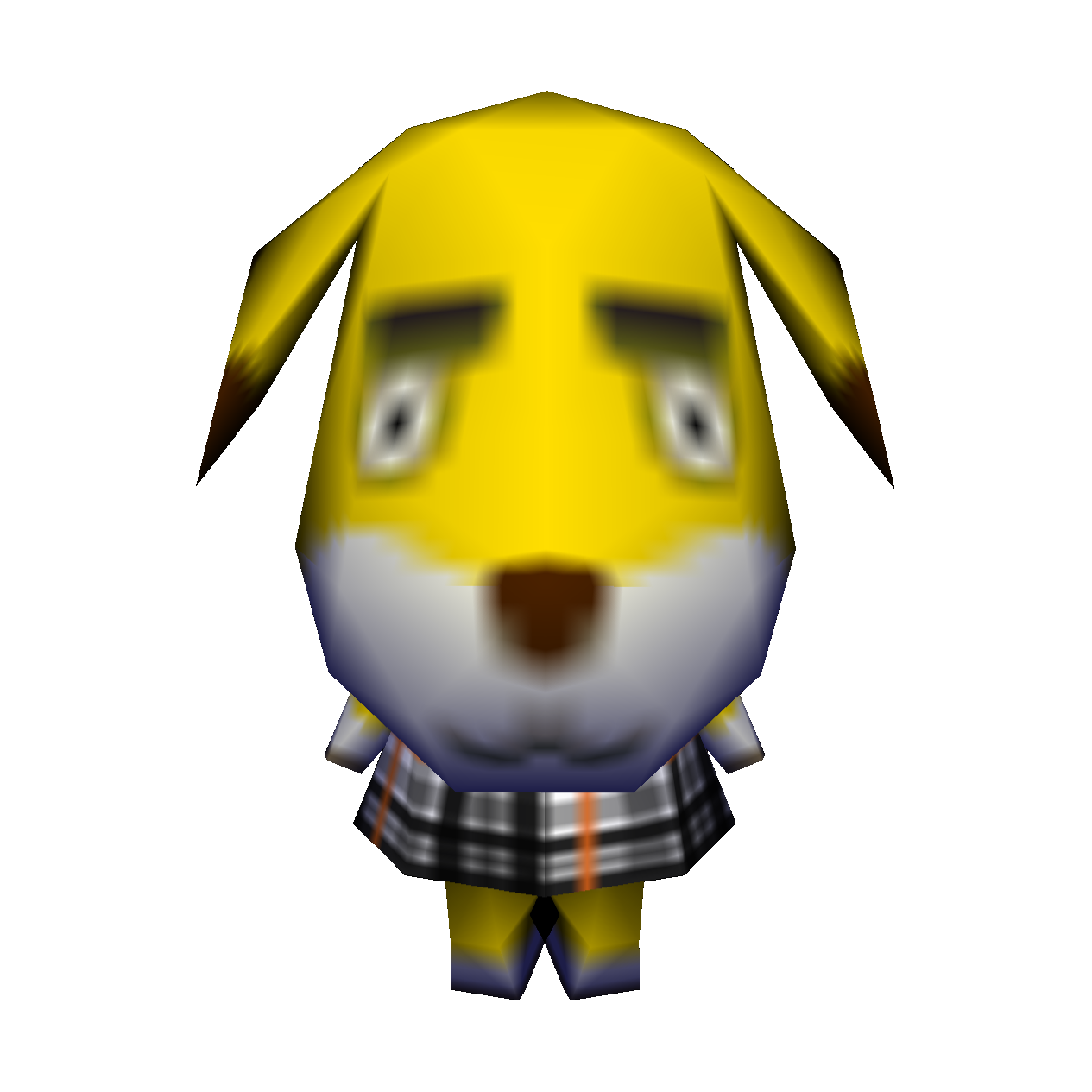
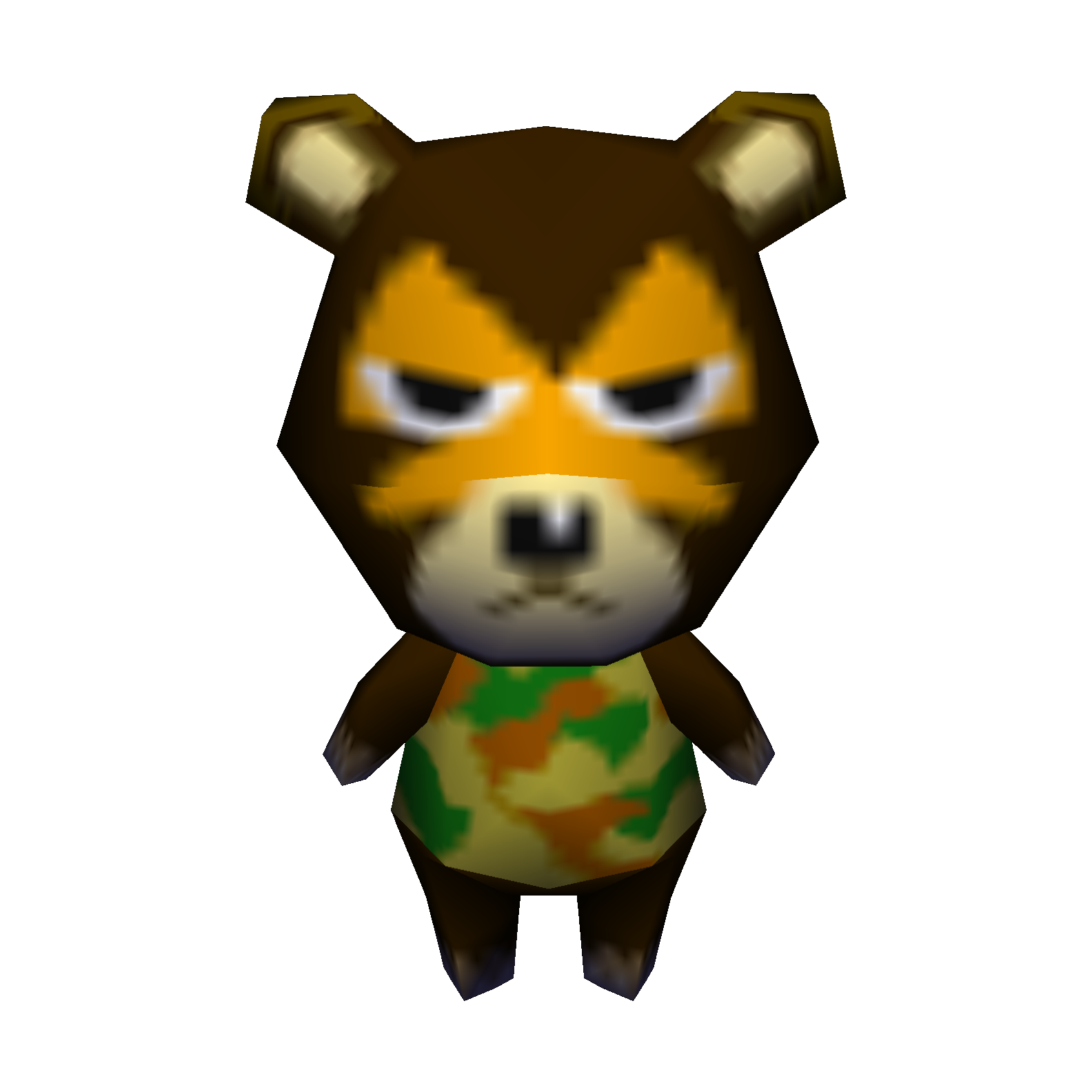
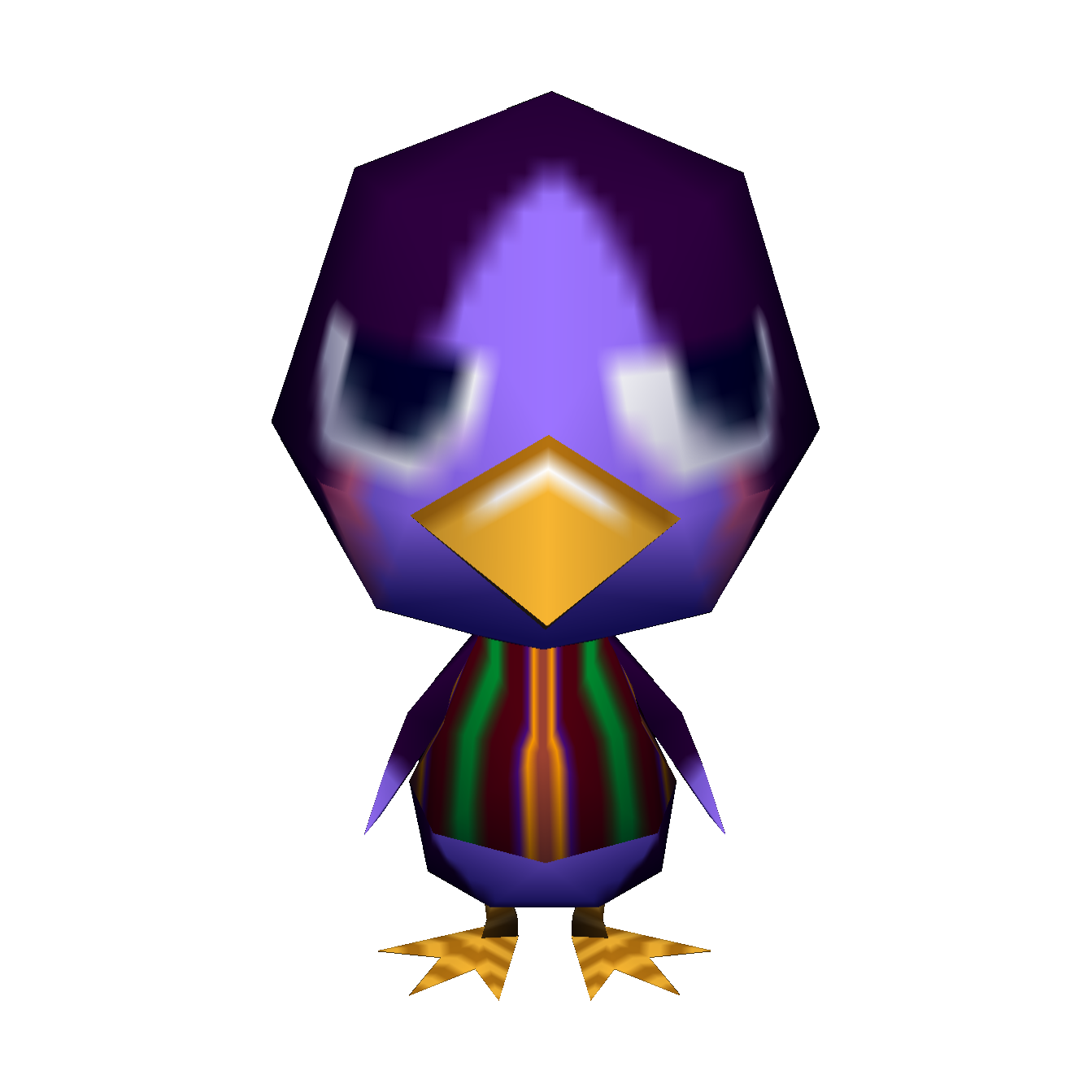
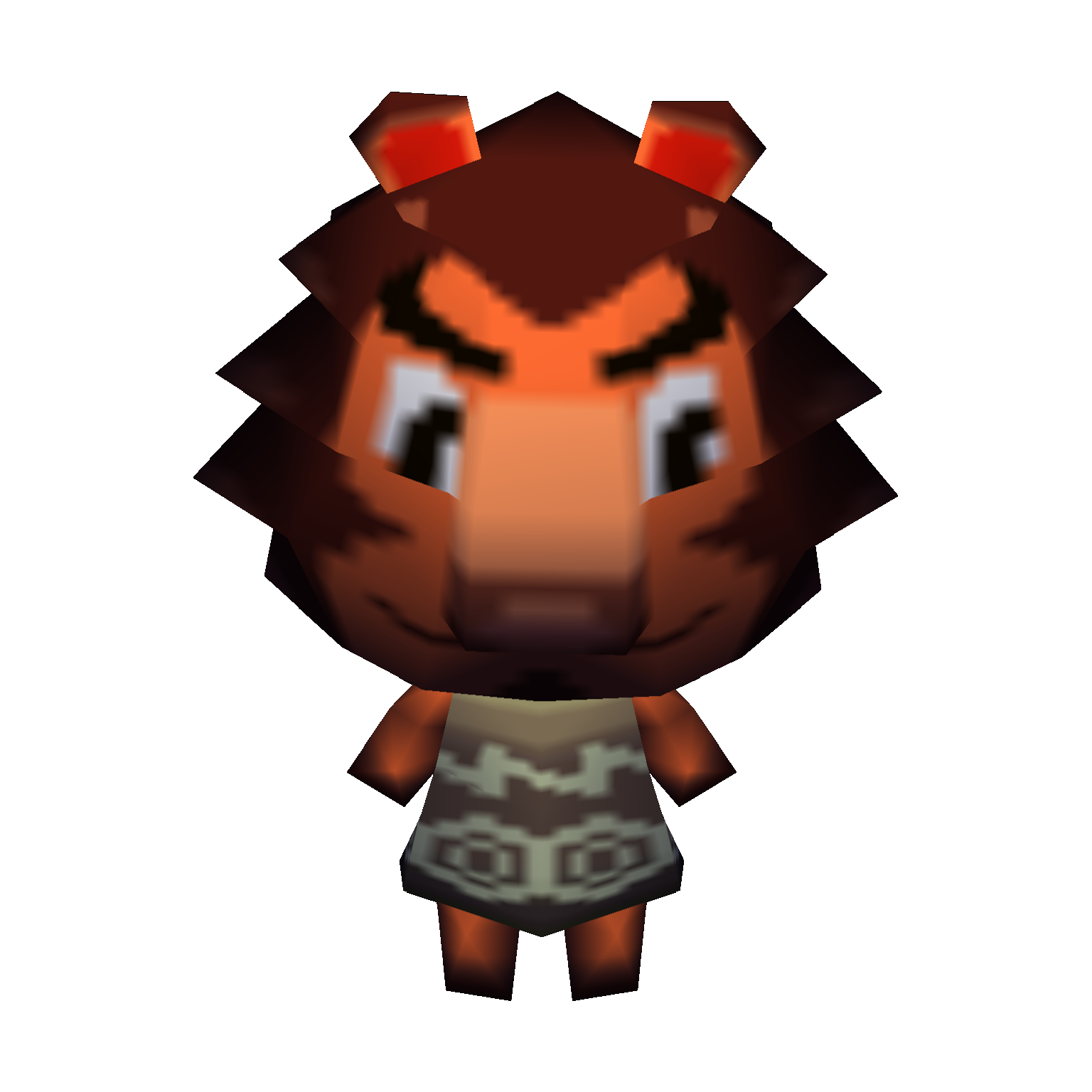
- 10 new cranky villagers: Angus, Avery, Boyd, Curt, Del, Frett, Ike, Joe, Jūbei, and Roscoe.
- 3 new normal islanders: Marina, Norma, and Patricia.
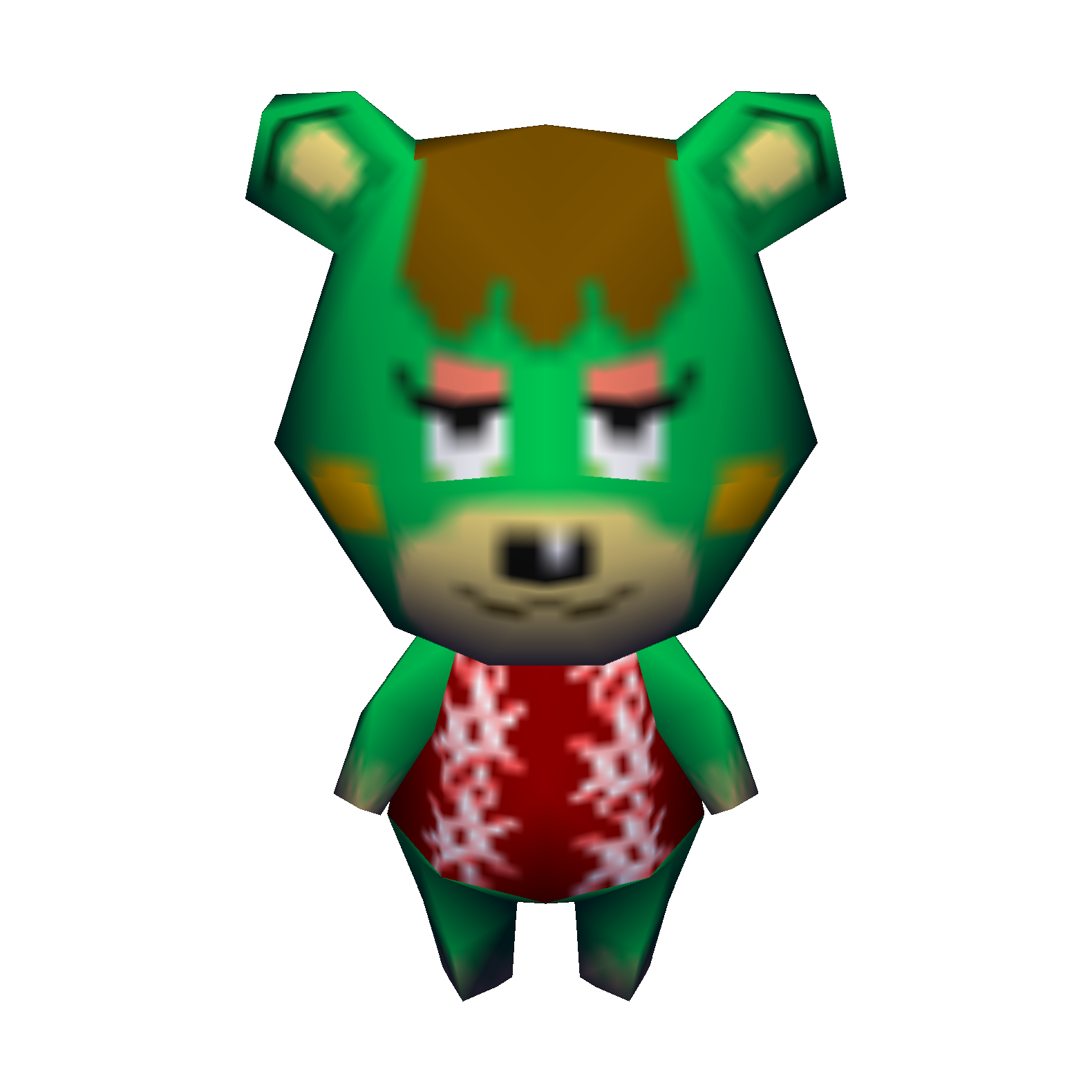
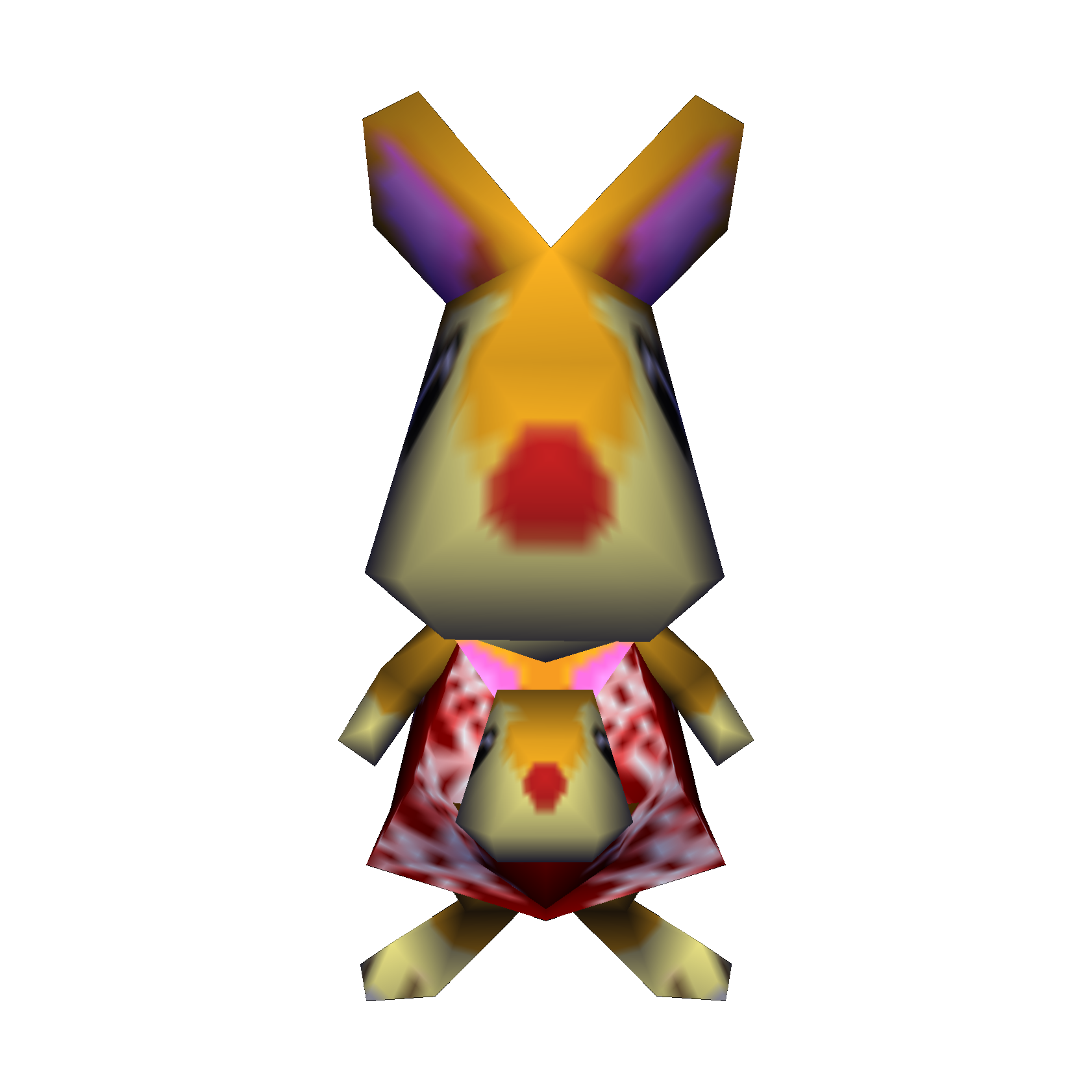
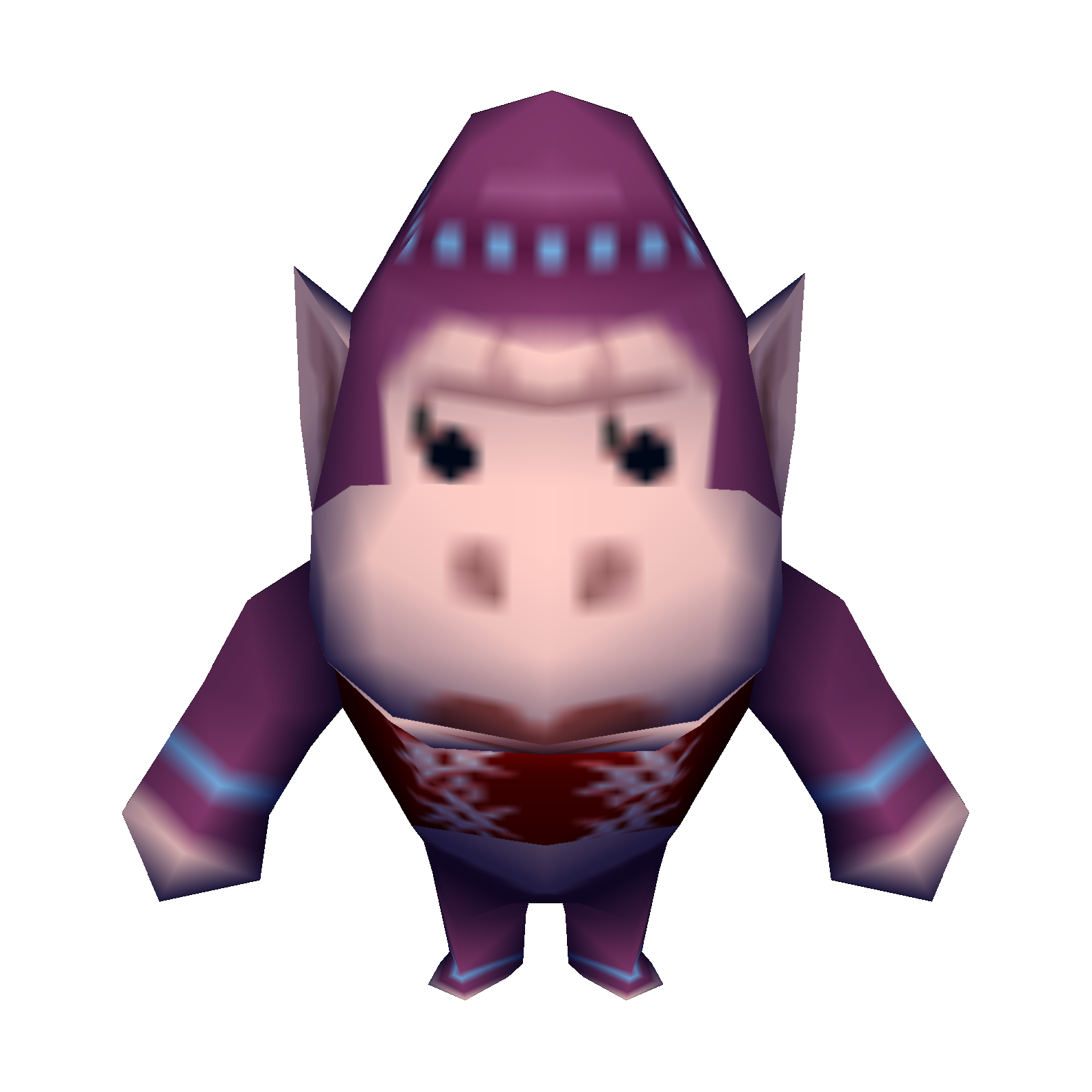
- 3 new peppy islanders: Charlise, Koharu, and Violet.
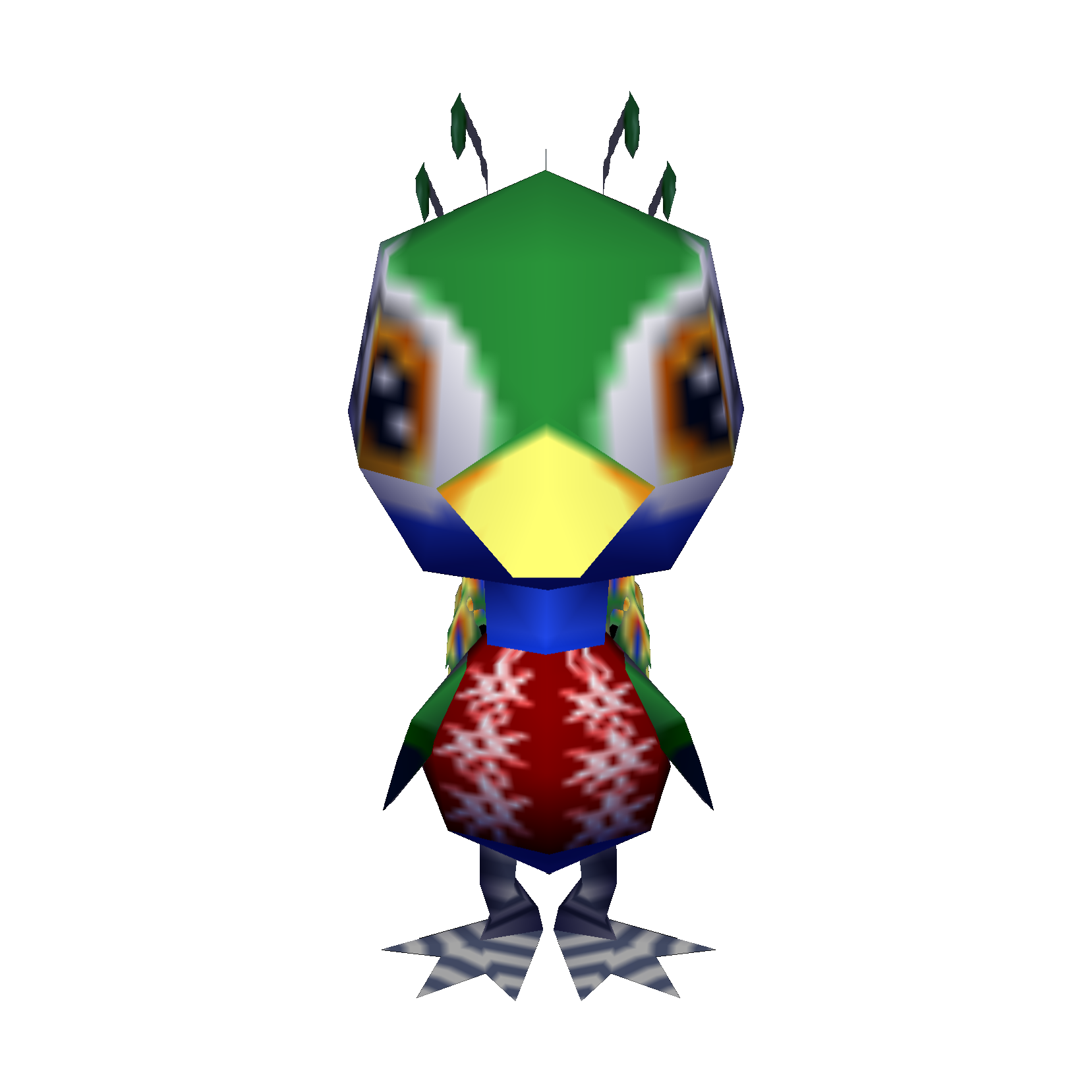
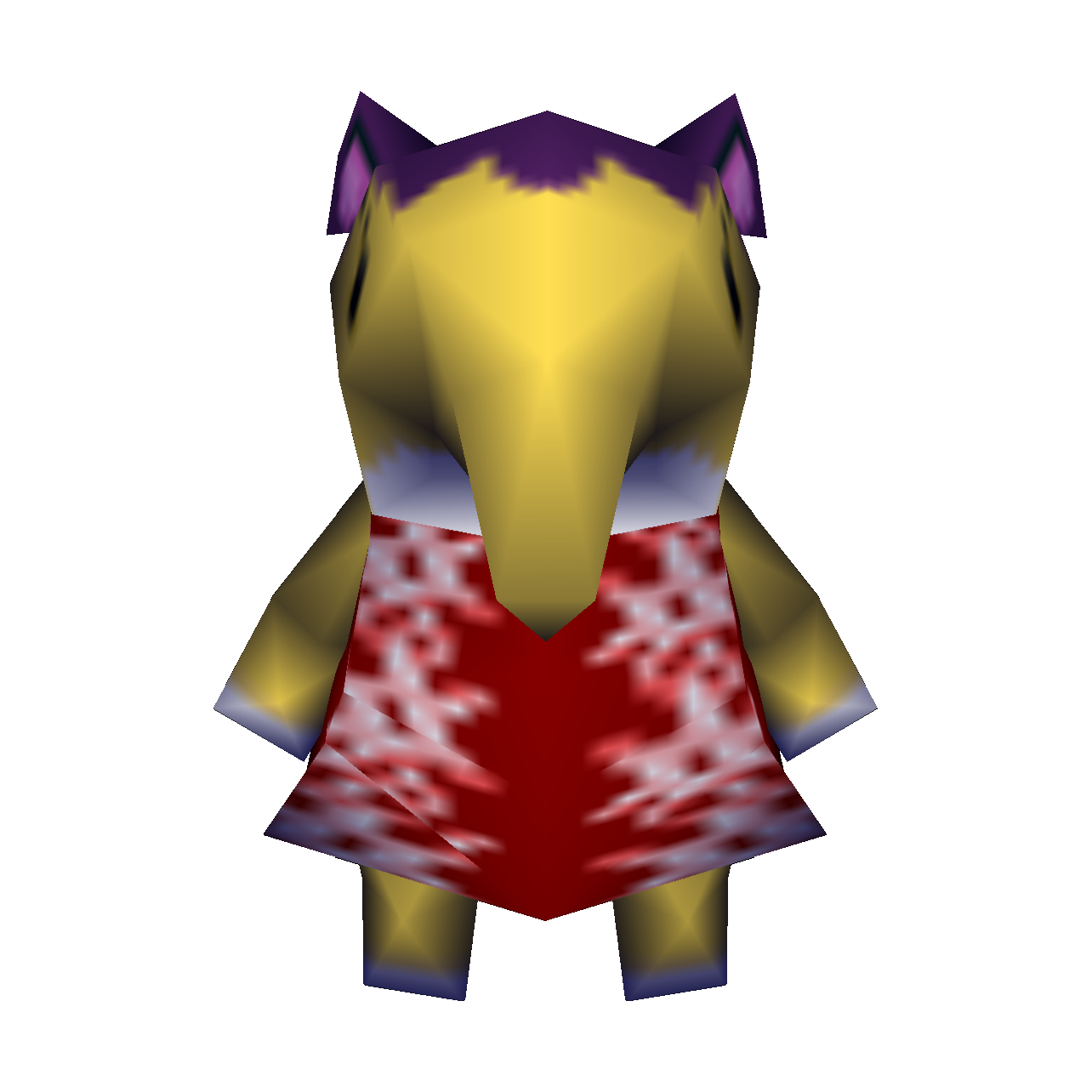
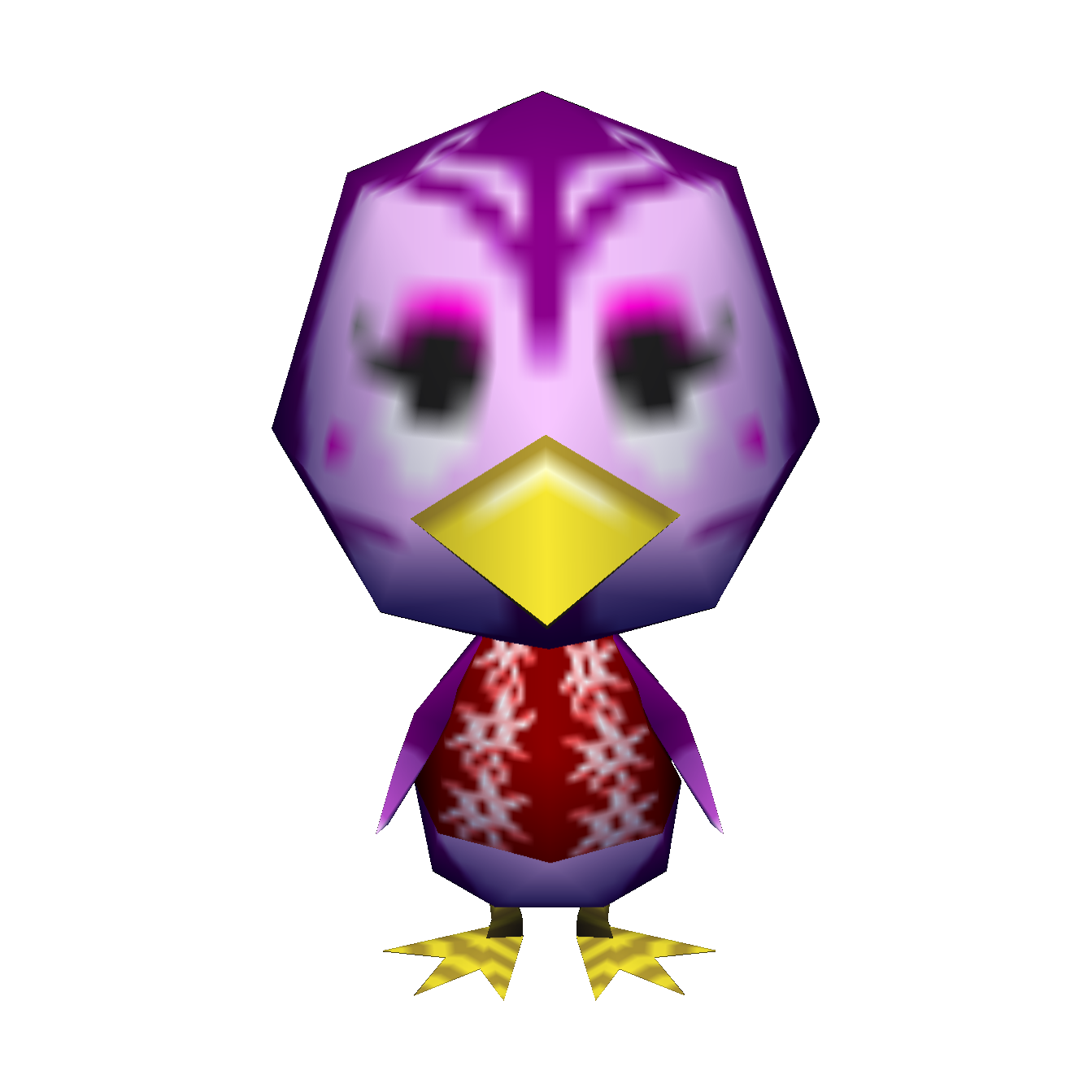
- 3 new snooty islanders: Julia, Lulu, and Madam Rosa.
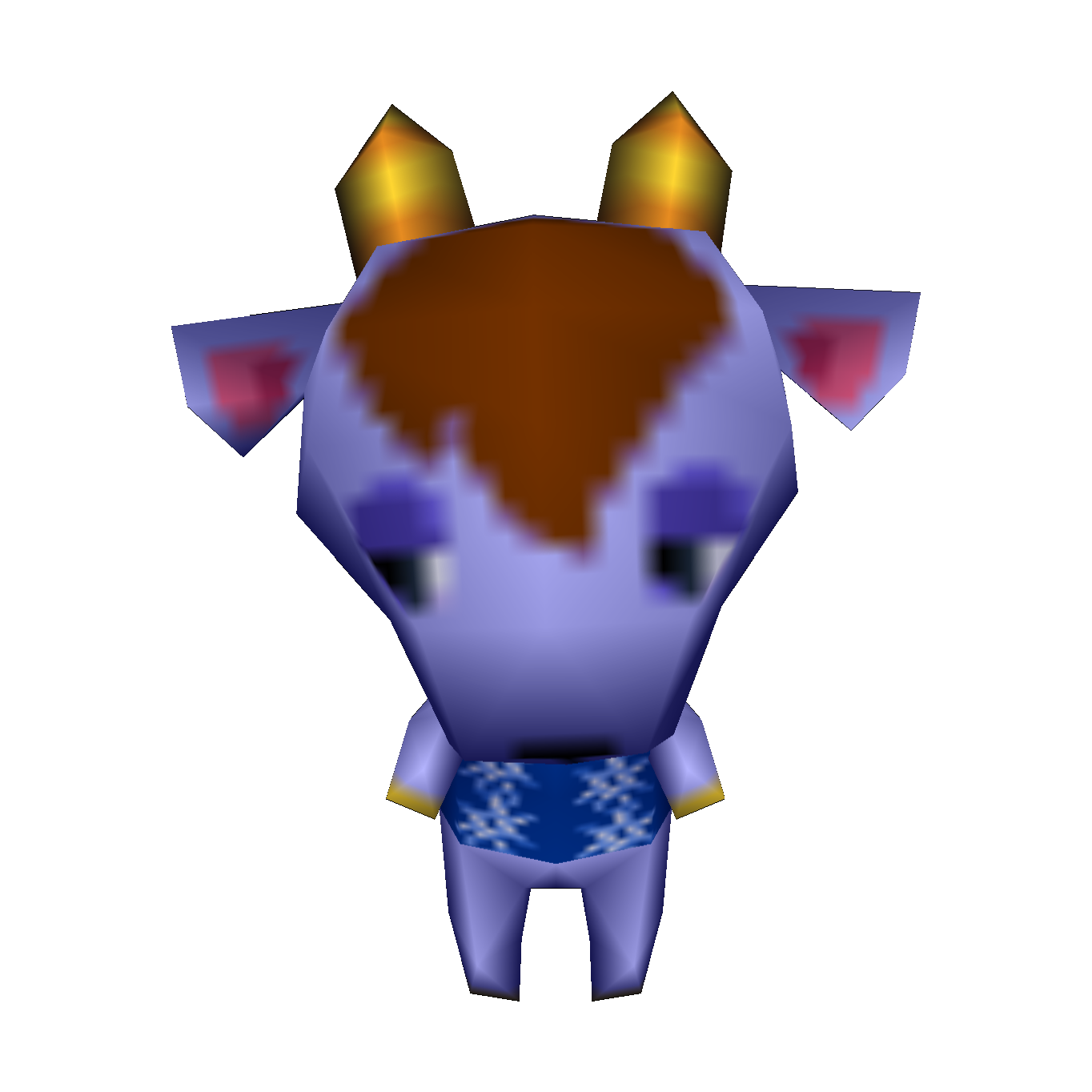
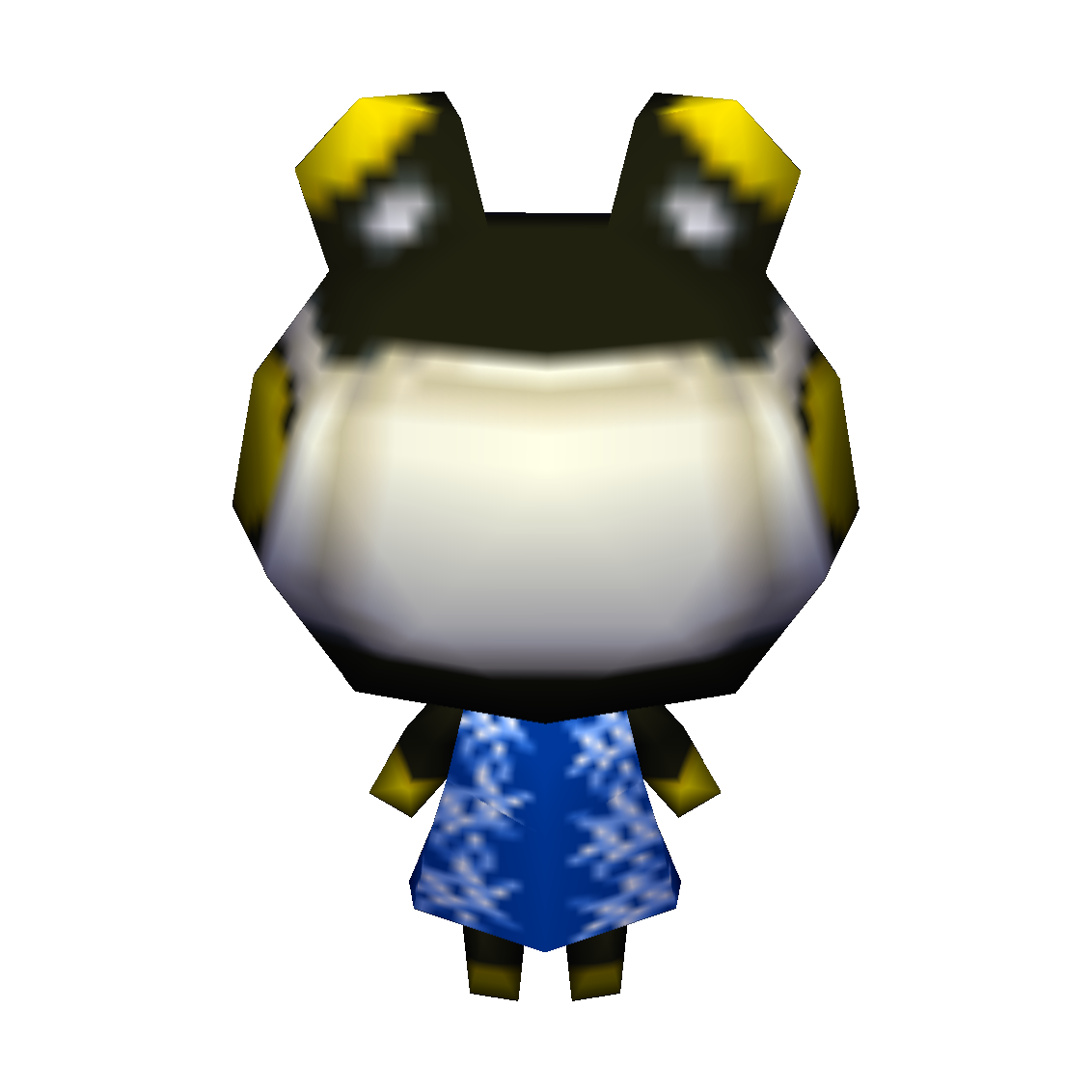
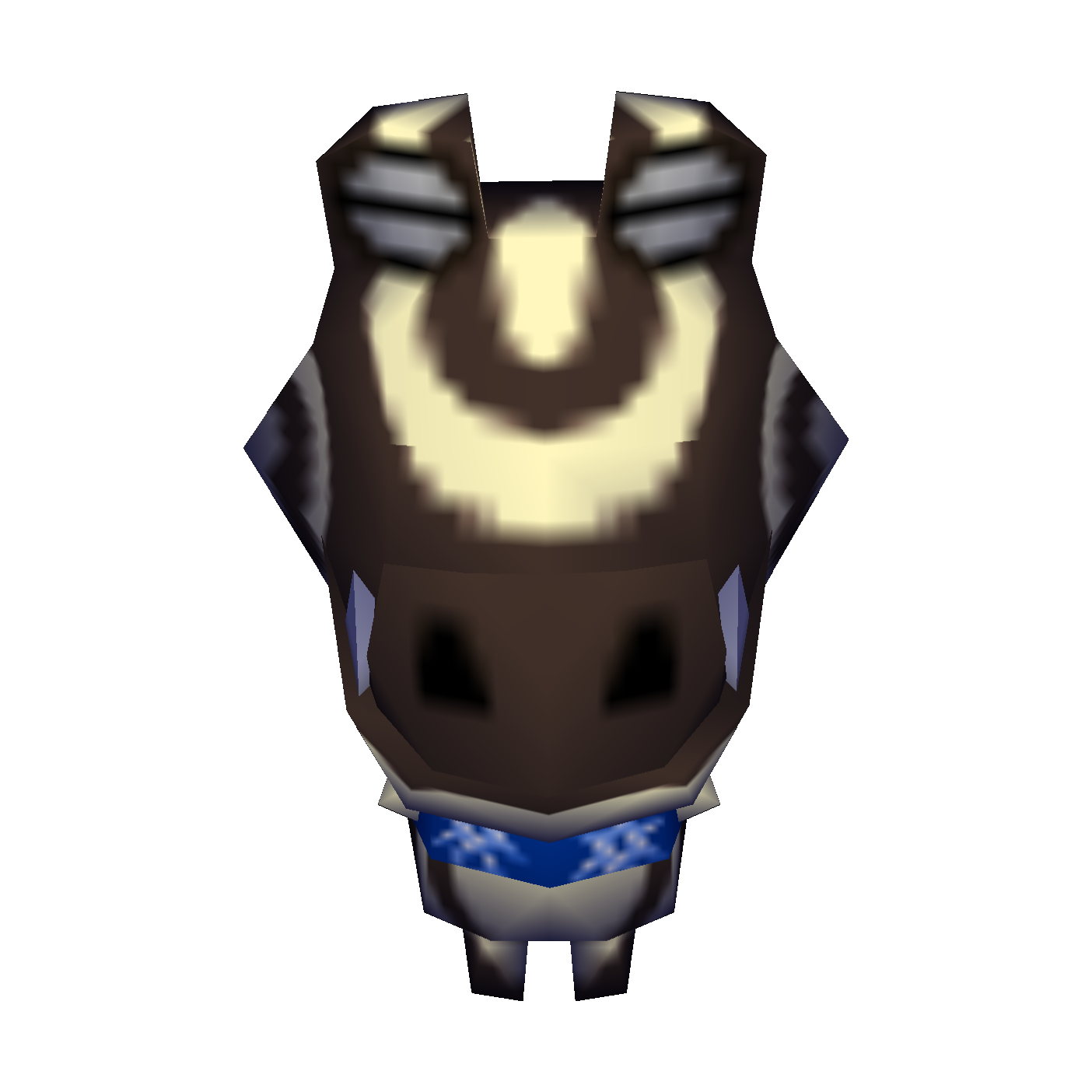
- 3 new lazy islanders: Kidd, Raddle, and Roswell.
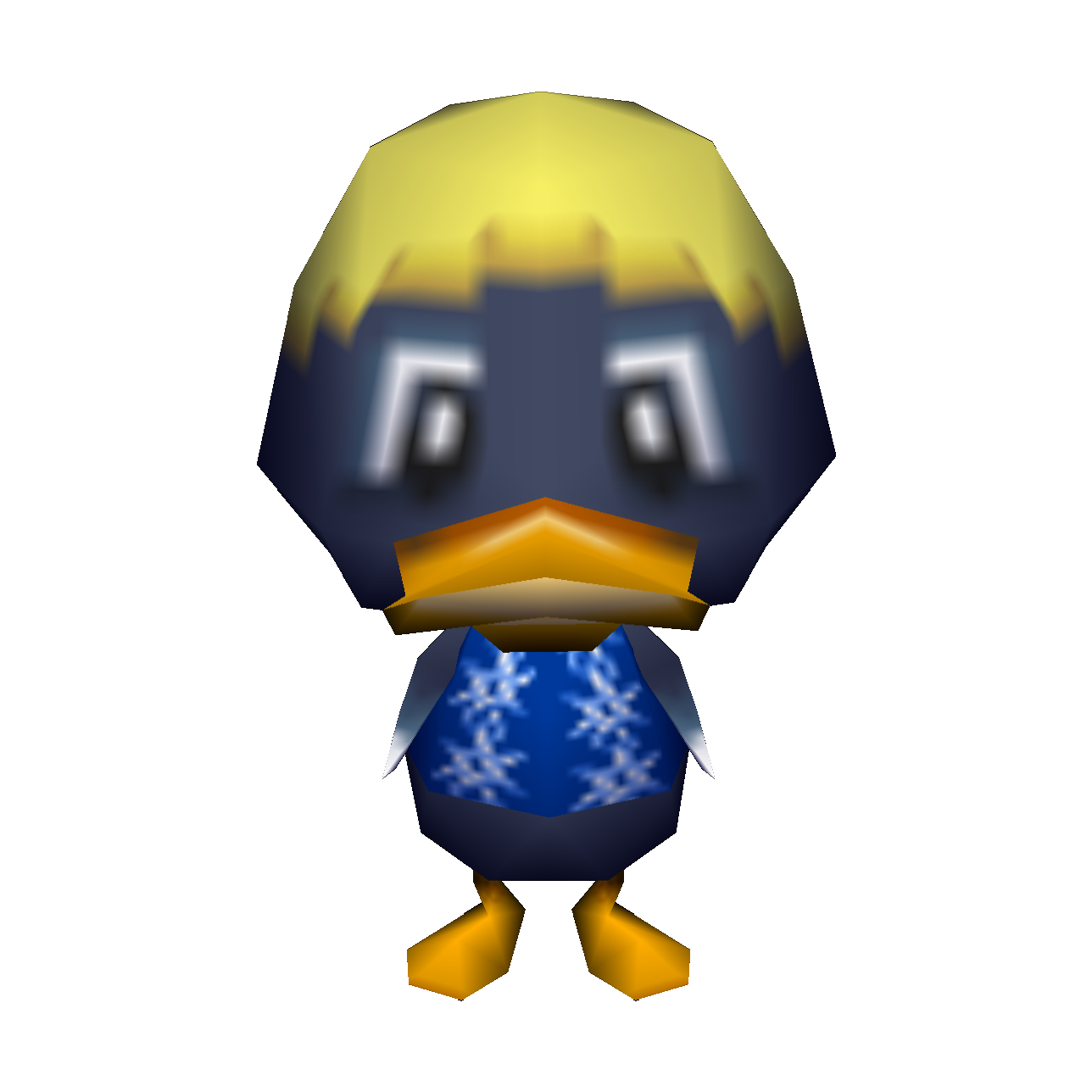
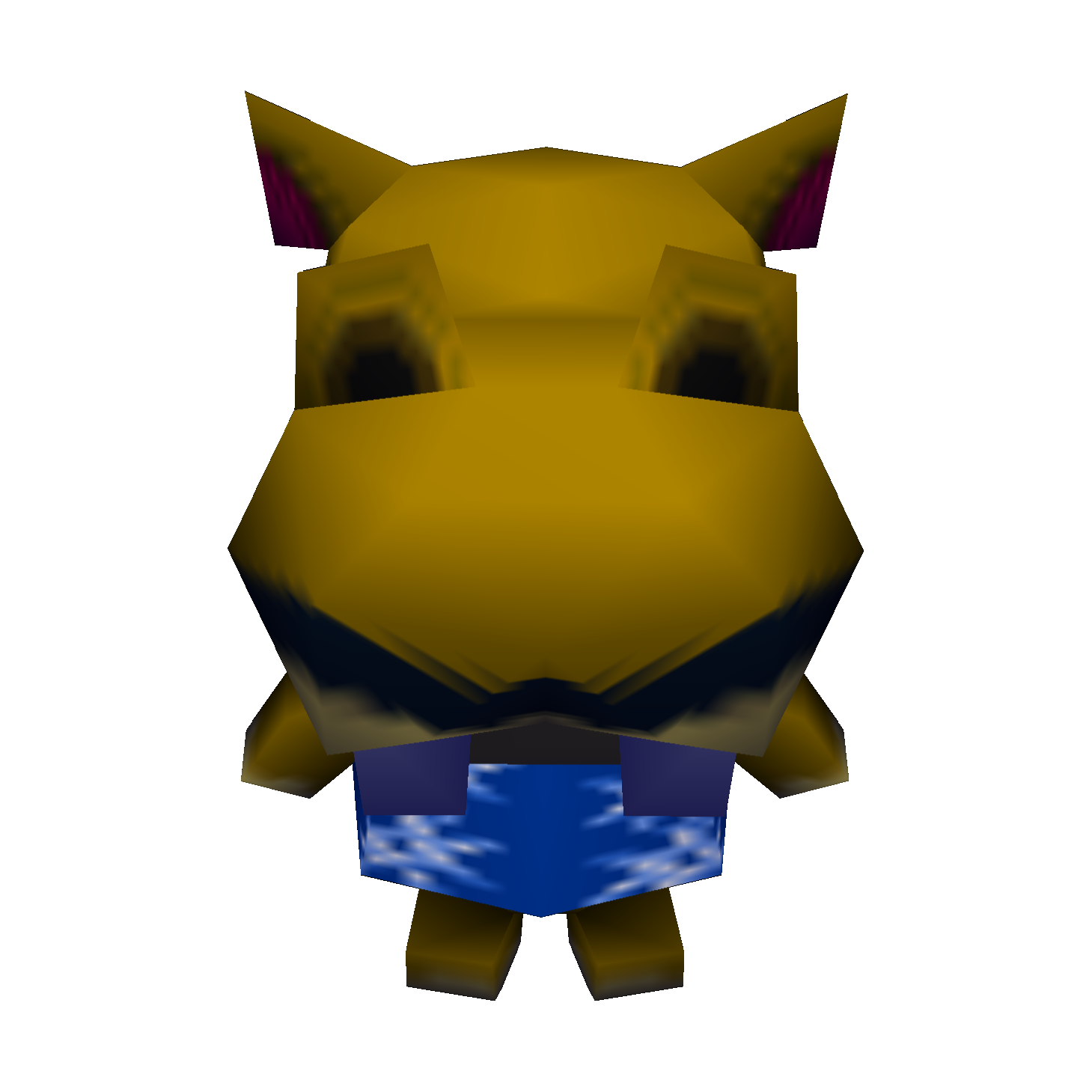
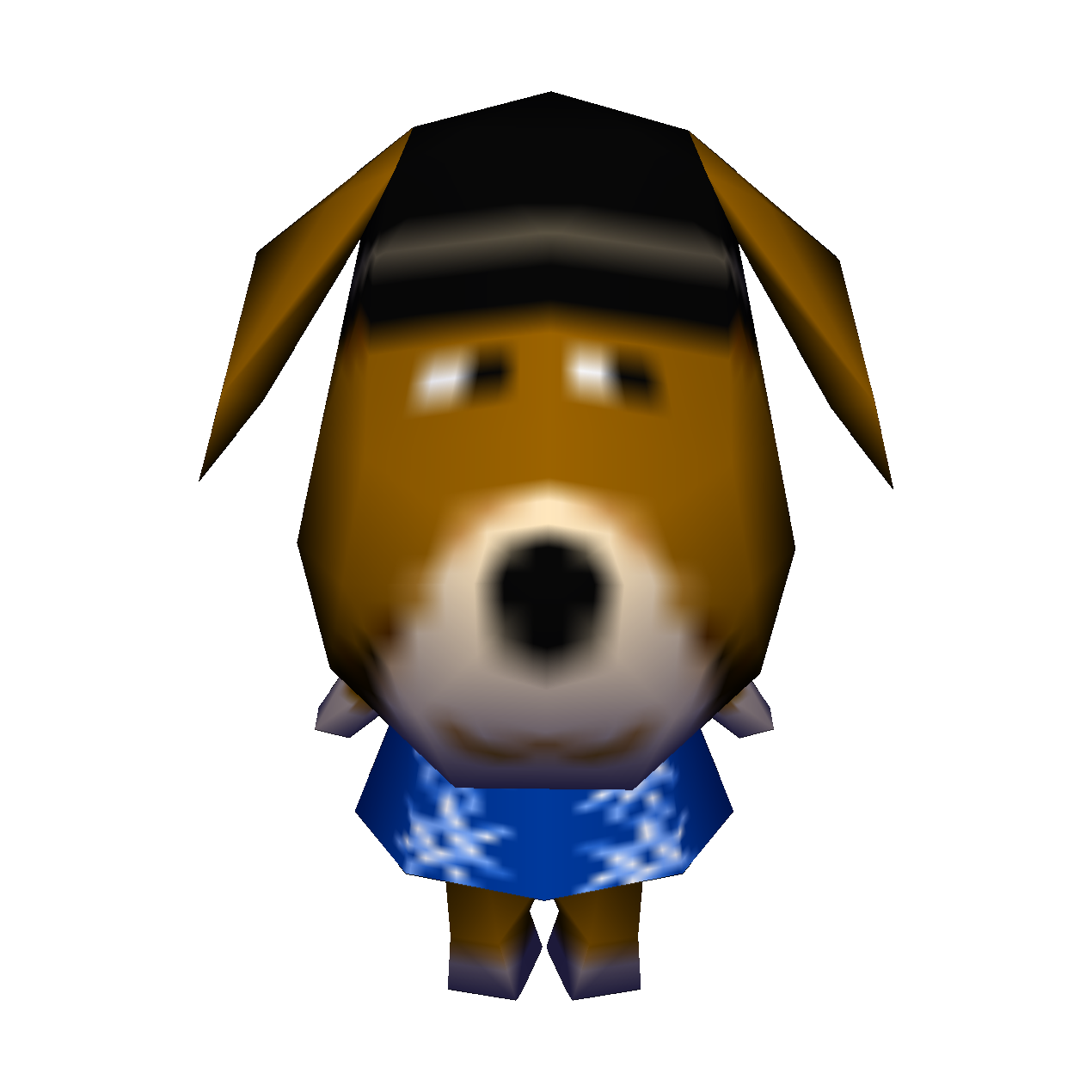
- 3 new jock islanders: Fruity, Harry, and Masa.
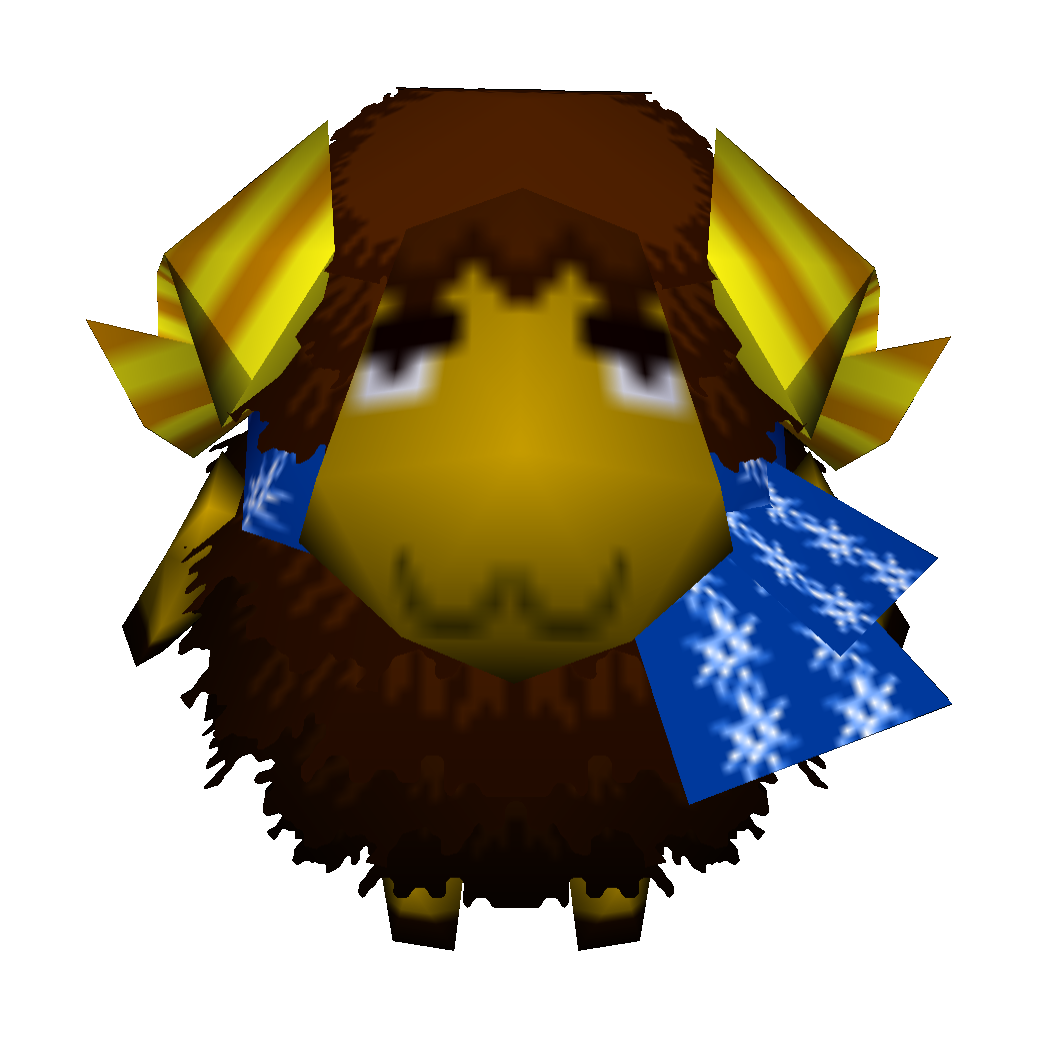
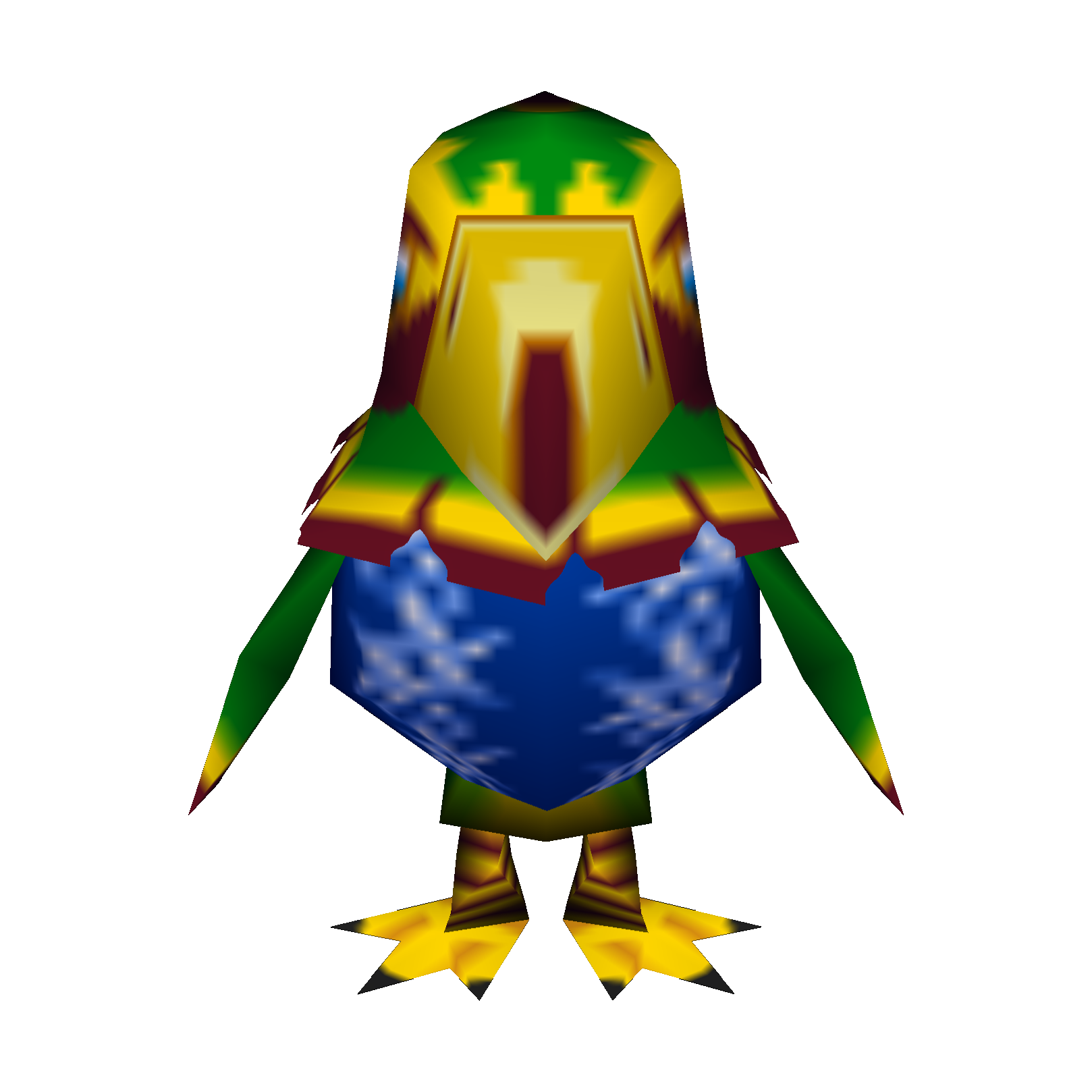
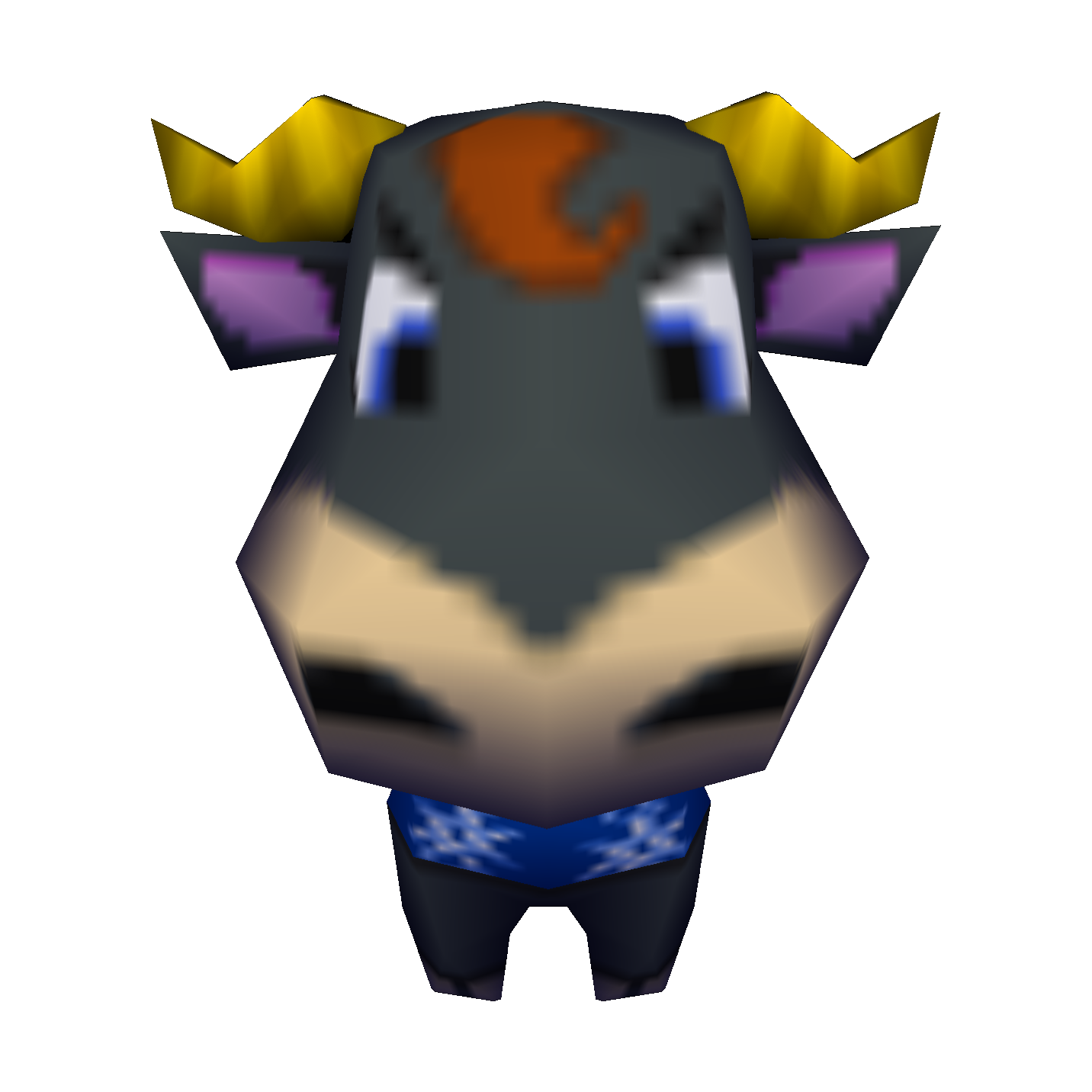
- 3 new cranky islanders: Curlos, Frank, and Weldon.
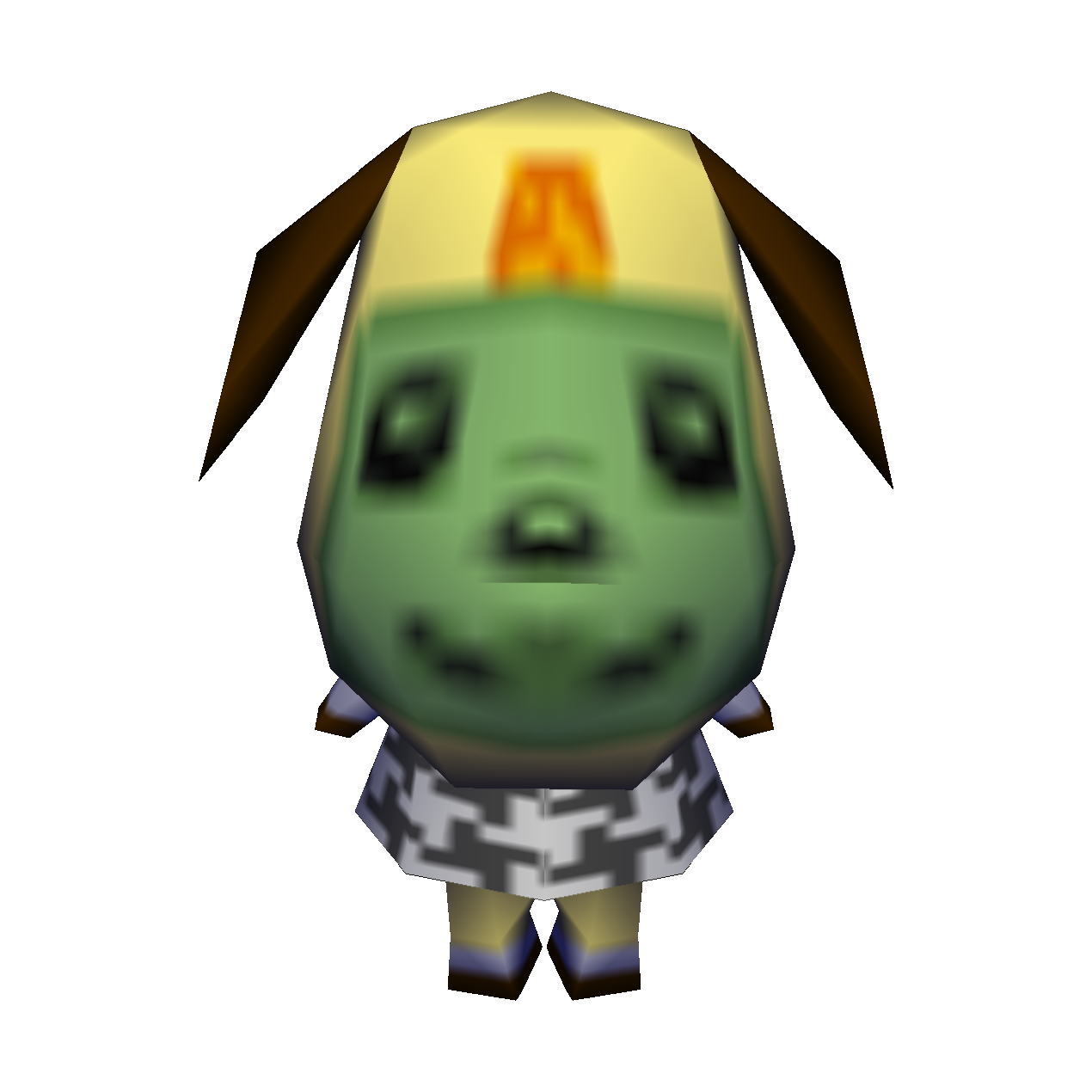
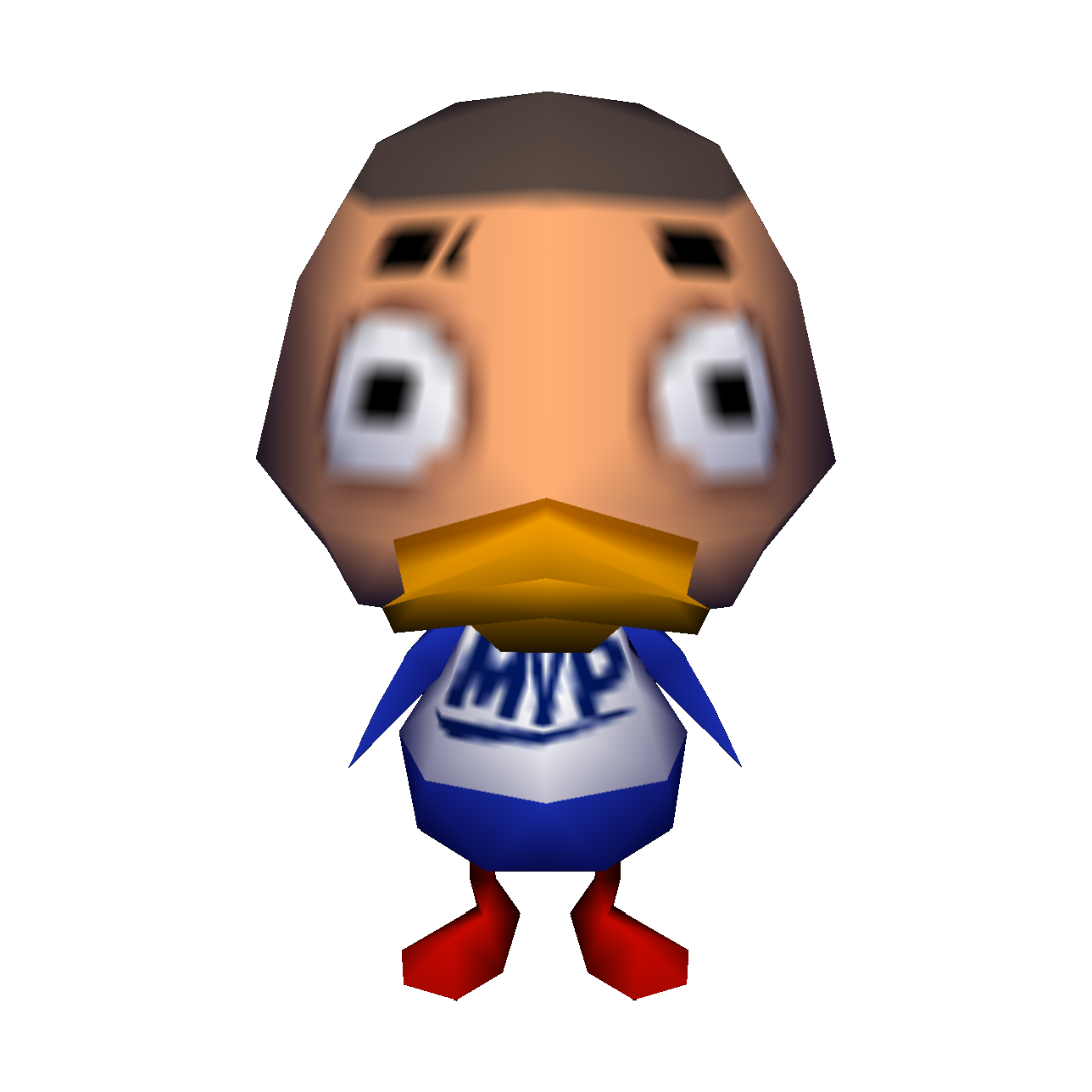
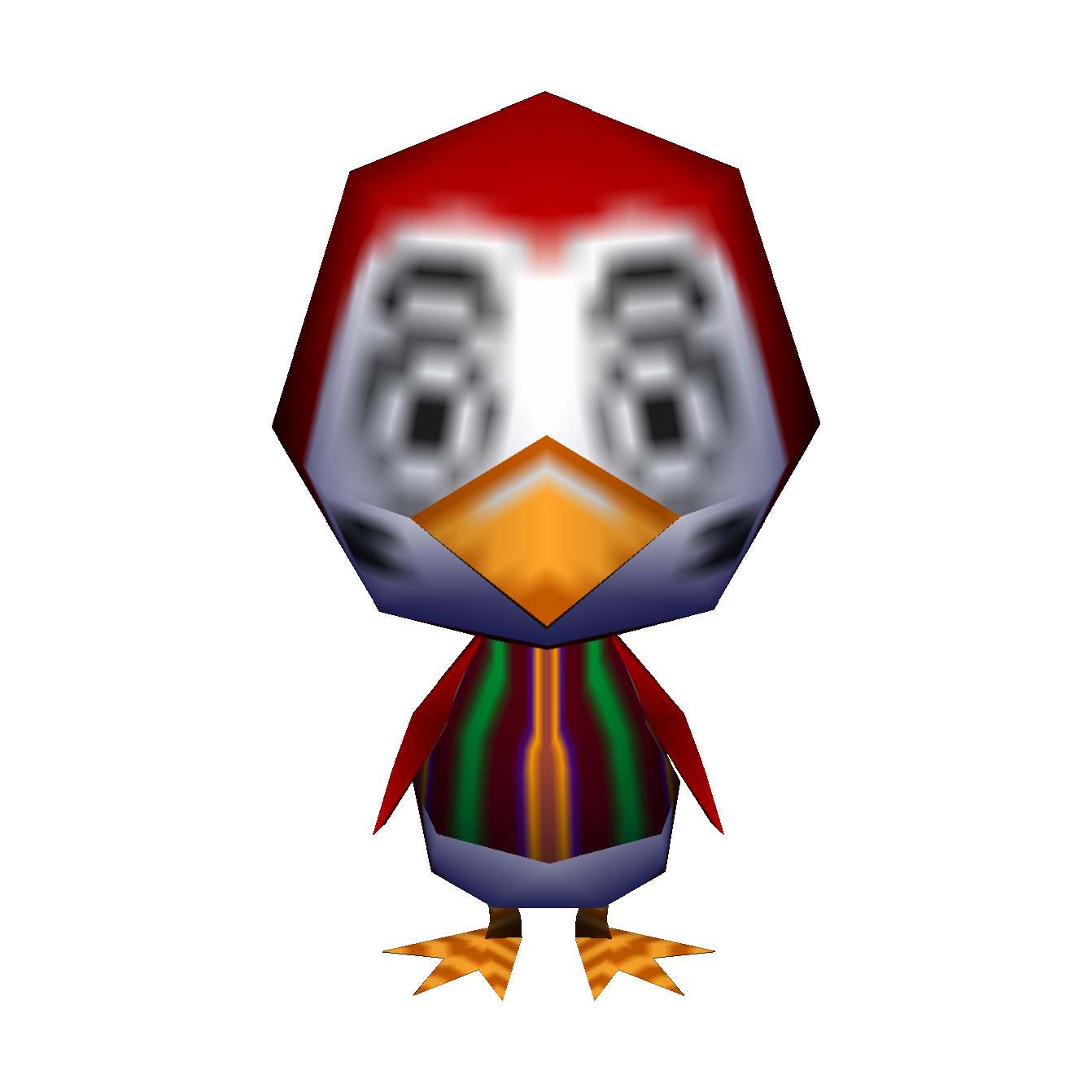
- 6 new villagers exclusively distributed in promotional tie-ins:
- Bow (Lazy), based on the BowLingual translator for dogs. His card is included as part of the Takara's Mori no Tsukurou! figurine sets, specifically set F-48.
- Meow (Peppy), based on the MeowLingual translator for cats. Her card is included as part of the Takara's Mori no Tsukurou! figurine sets, specifically set F-49.
- Nindori (Jock), the mascot of the Japanese Nintendo DREAM magazine, debuting in the 100th issue. His card is included in issue 102 of Nintendo DREAM.
- Pierre (Jock), whose card is included in official collection file for the e-Reader cards.
- Shinabiru (Jock), a caricature of Takayuki Mizushina. His card is included in Volume 768 of Weekly Famitsu.
- Shoukichi (Jock), whose card is included as part of the Takara's Mori no Tsukurou! figurine sets, specifically set F-50.
Villager Interactions#
- The player can make neighbors perform a few more actions than usual if one attains the highest possible friendship status with them, such as waving to the player when they see them. These extra interactions would later debut overseas in Wild World.
- The player can eavesdrop on conversations held between two neighbors in e+. The neighbors in Animal Crossing talk only for a split second, preventing the player from doing the same. This feature appears again in Wild World onward.
- The option to request an errand is no longer possible; favors are instead asked randomly by villagers during conversations. Consequently, Tom Nook no longer requires the player to complete errands for villagers when working for him. This standard would be implemented in all later games.
- In Animal Crossing, asking for errands will cause them to either ask for an item from another neighbor or give an item to the player to deliver to a select neighbor. These items, however, are always unusable even if they were the same kind of object that could be normally used (like clothing or tools). In e+, they will do the same, except the items are always those that can be used by the player, and are contained in presents tied up with blue ribbons. If the player chooses to unwrap the present, they are able to use the item inside, but the one who gave the player the errand will be temporarily upset. They also sometimes offer errands involving the player personally giving another neighbor a letter, which they can choose to read. This is another feature added into Animal Crossing: Wild World, except the color of the ribbons on delivery presents is changed to green.
- After completing a delivery, the sender will ask for the recipient's feedback. This feature was later implemented in Wild World and onward.
Item Changes#
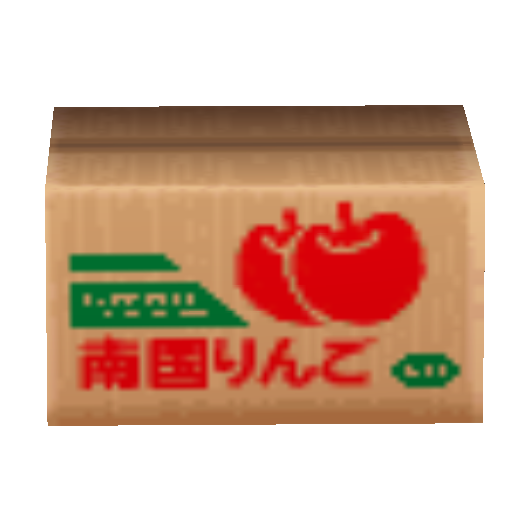
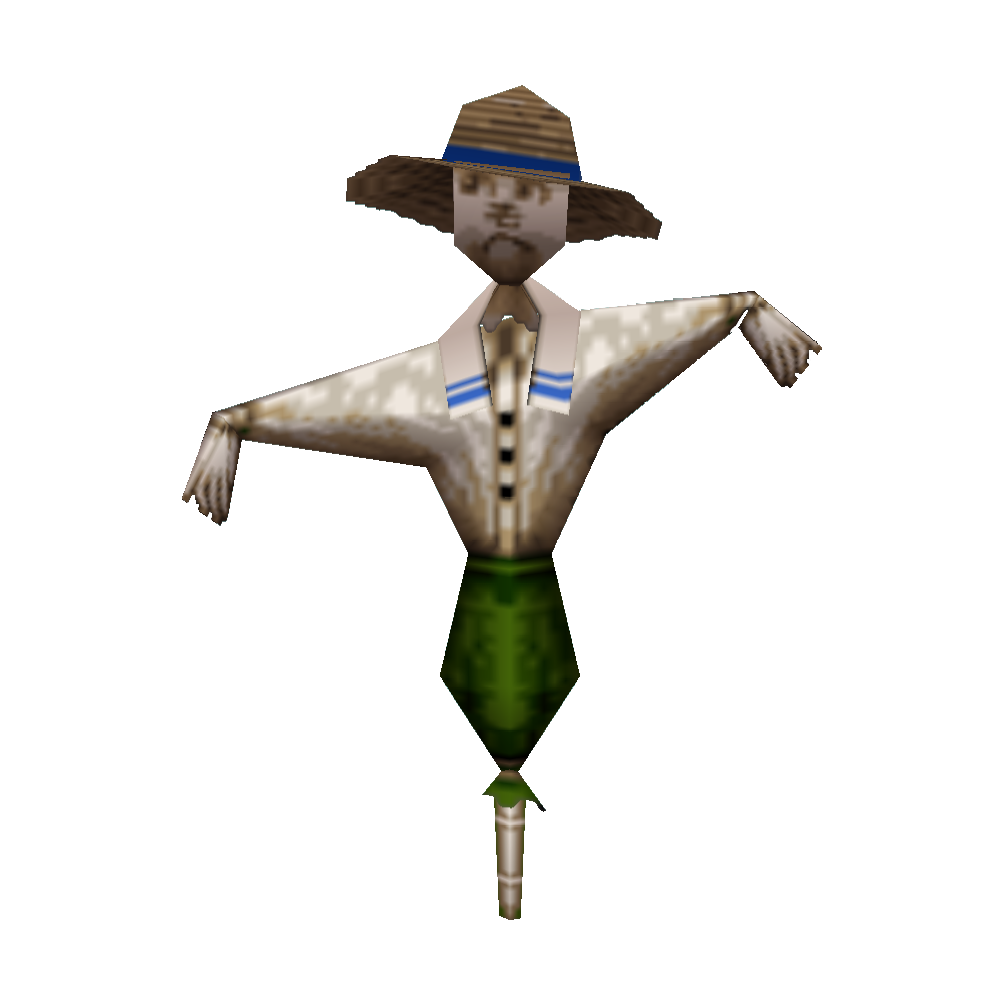
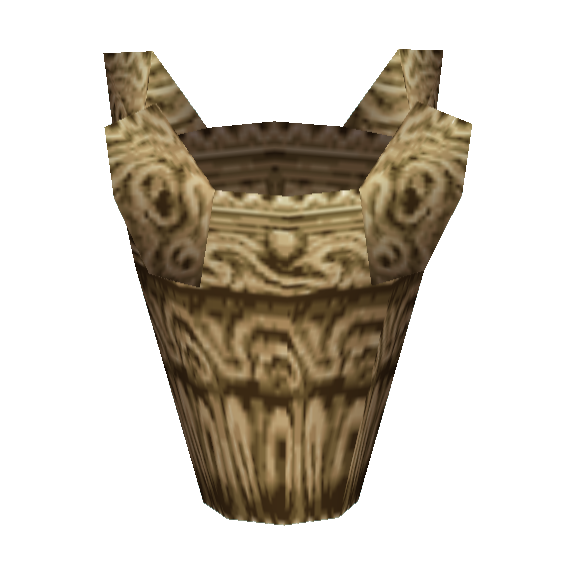

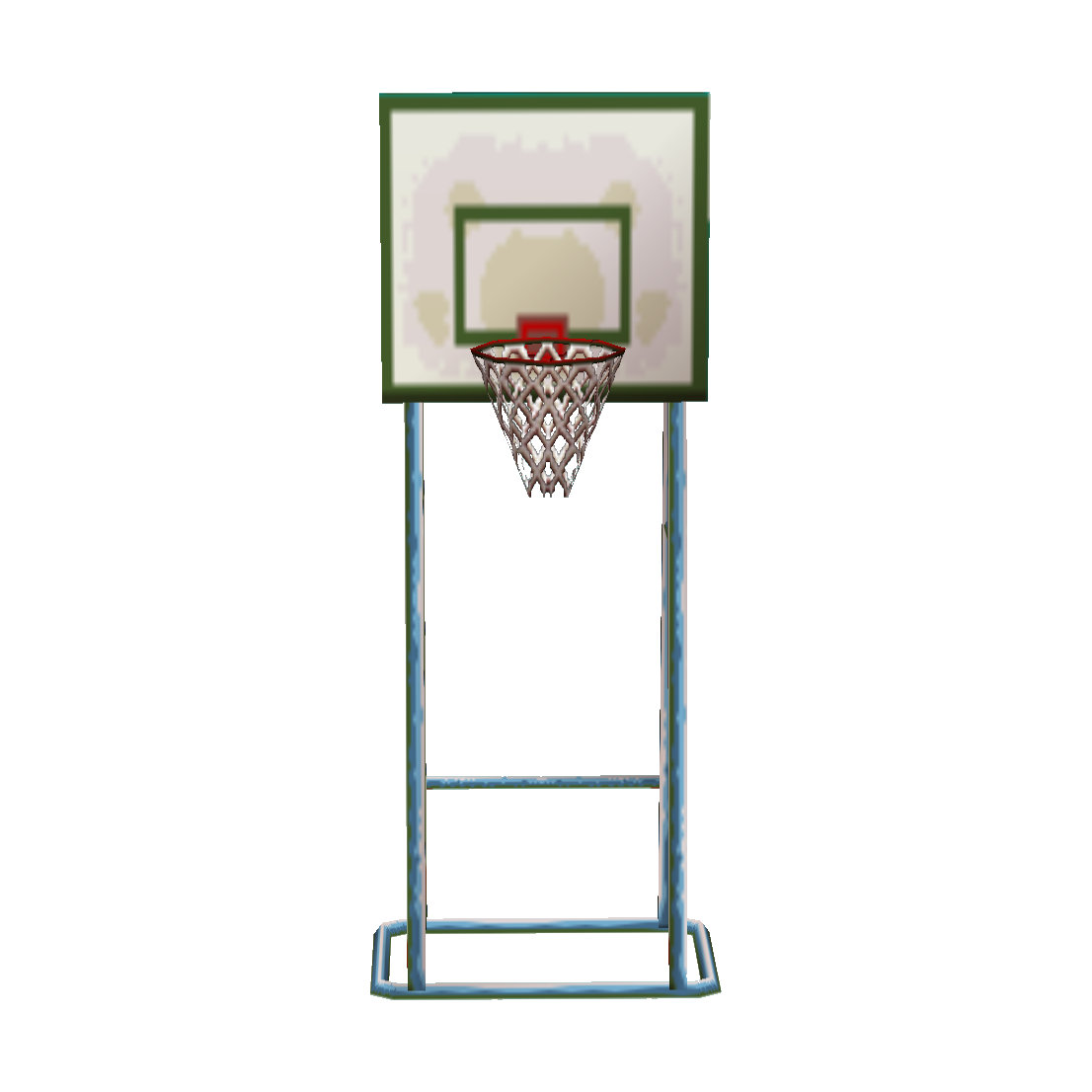
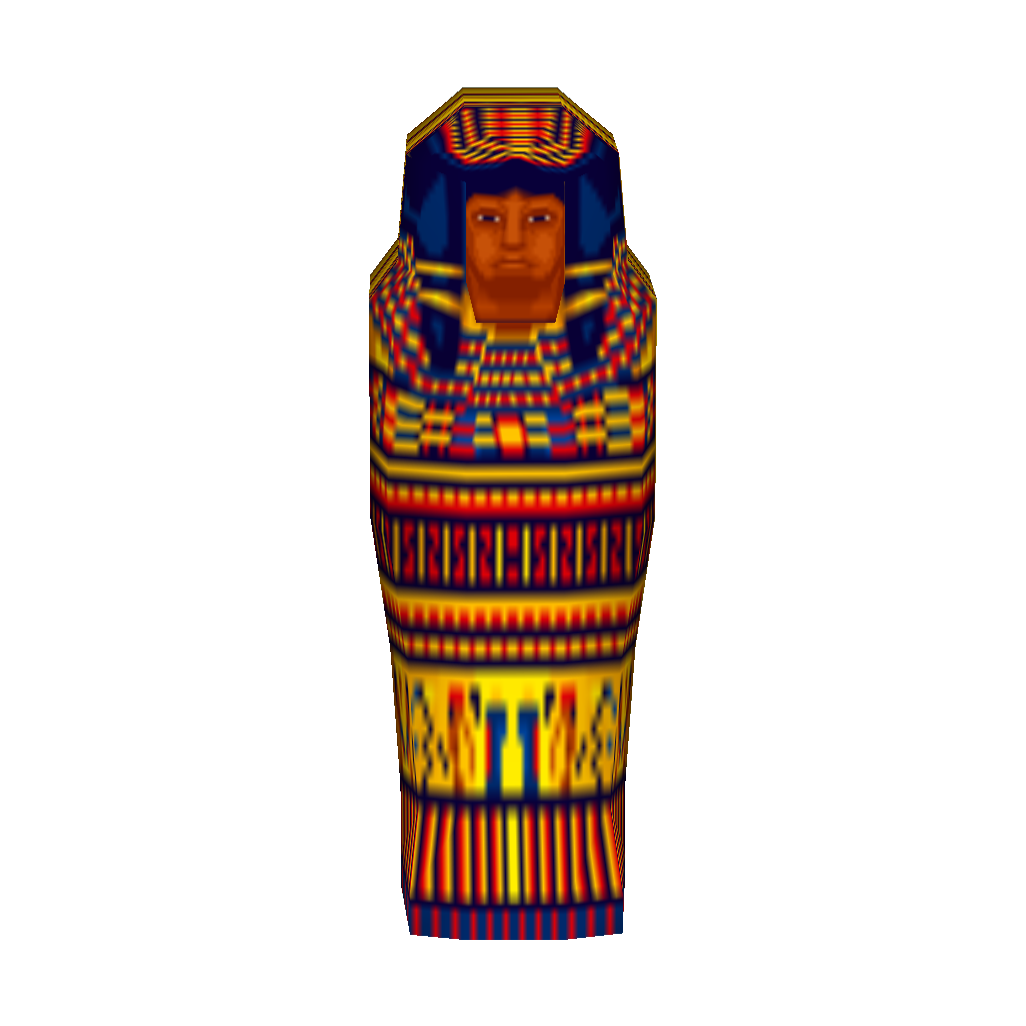
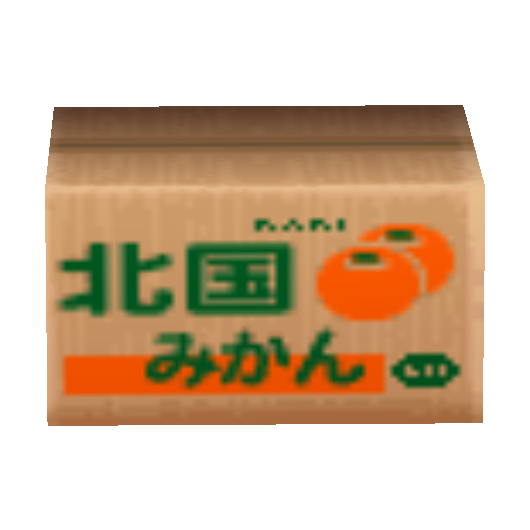
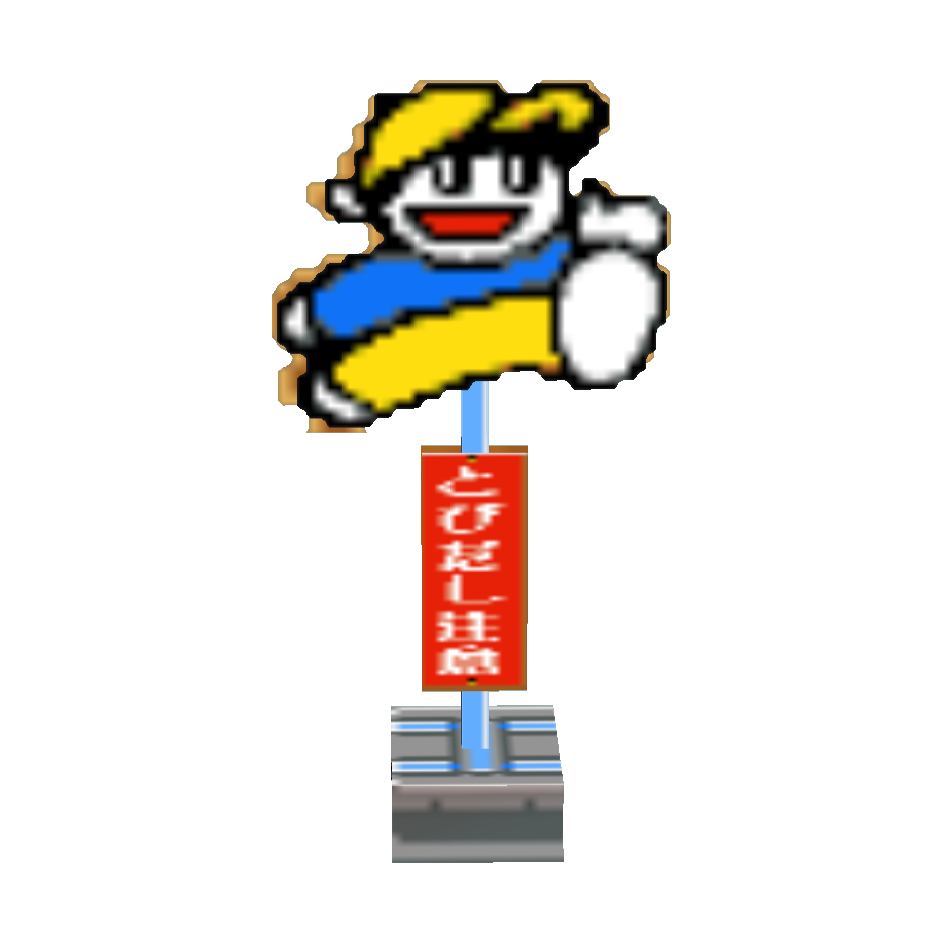
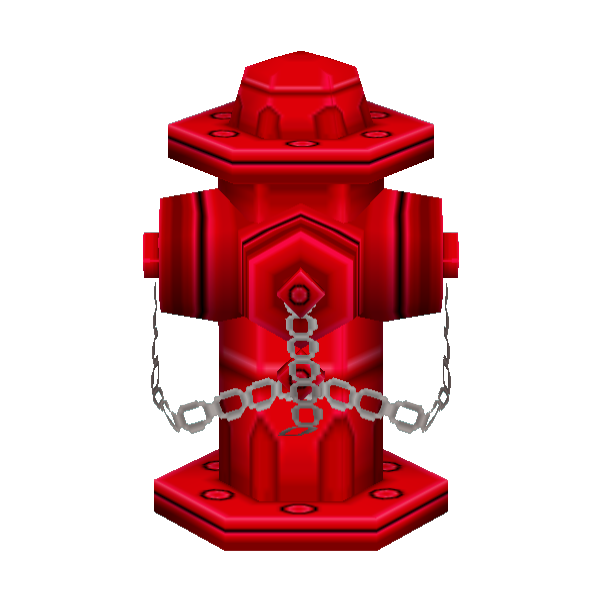
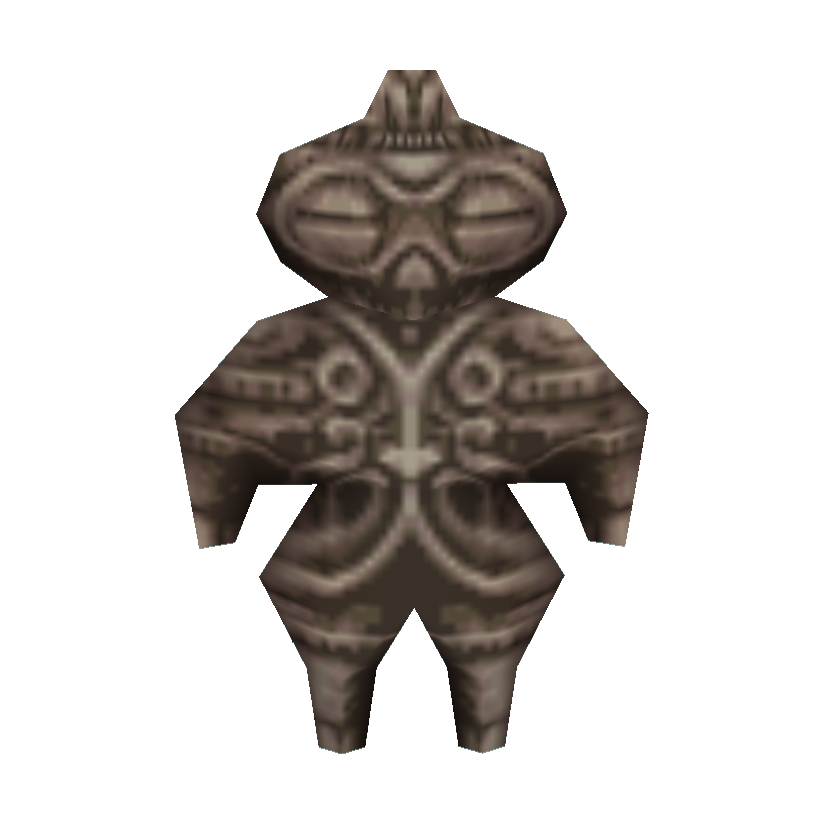
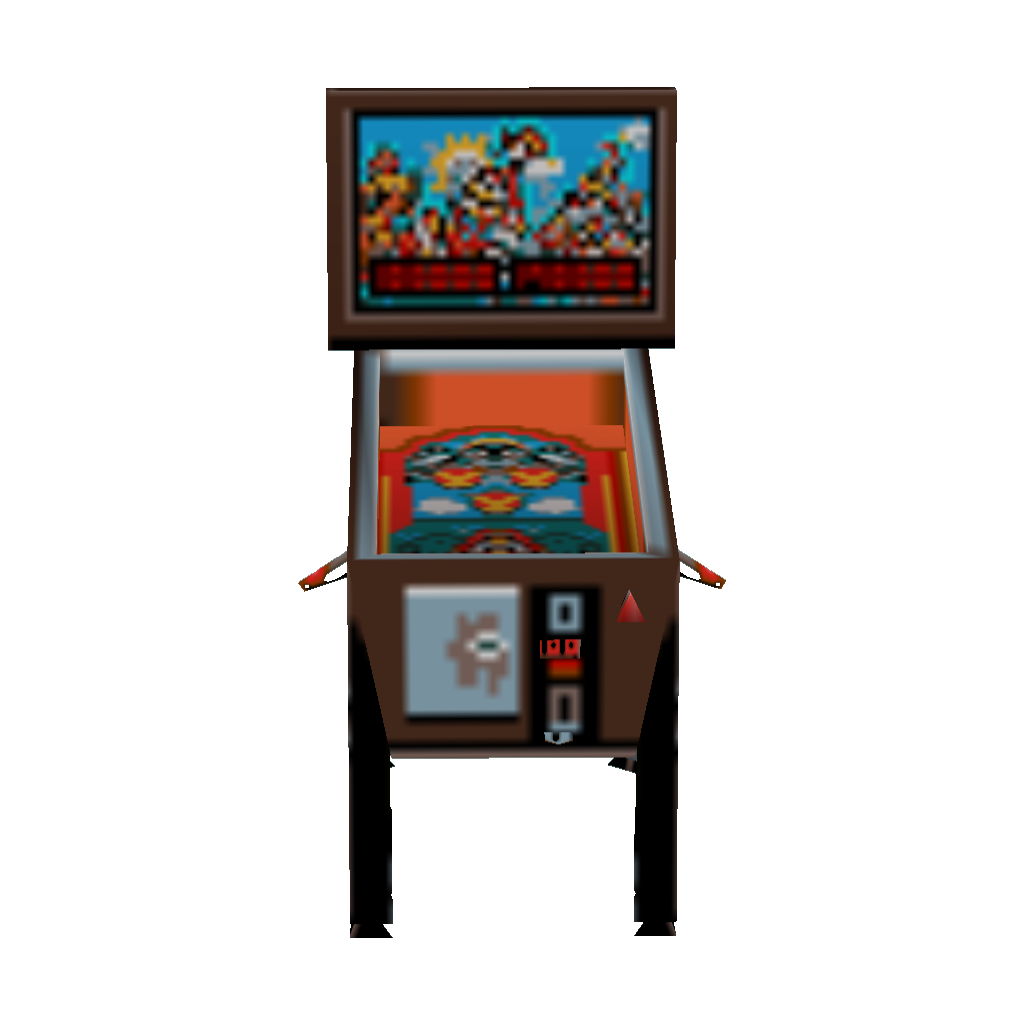
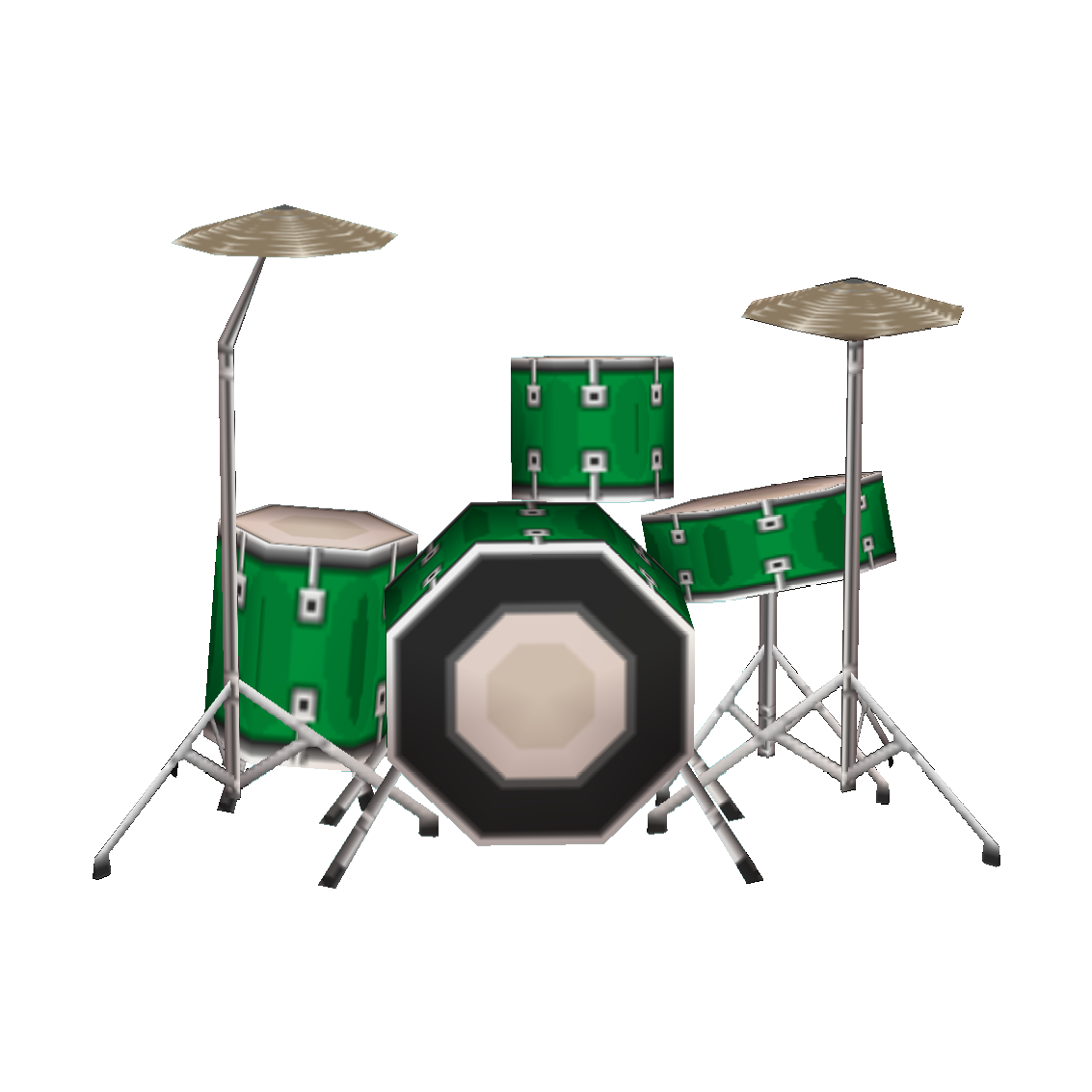

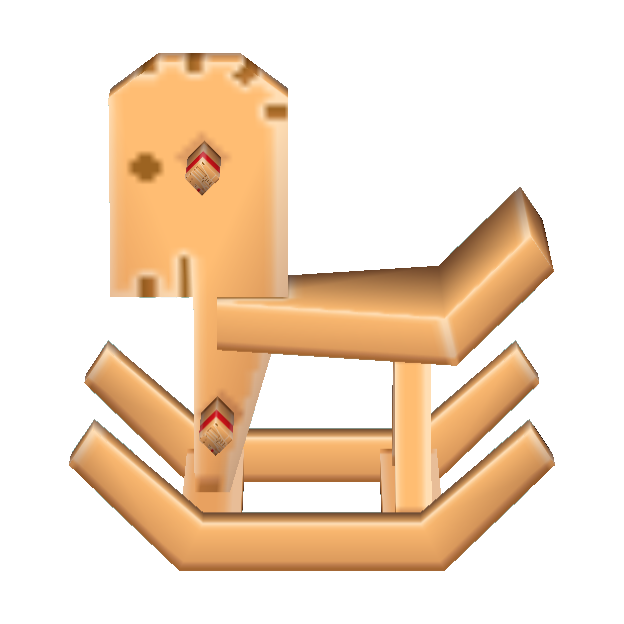
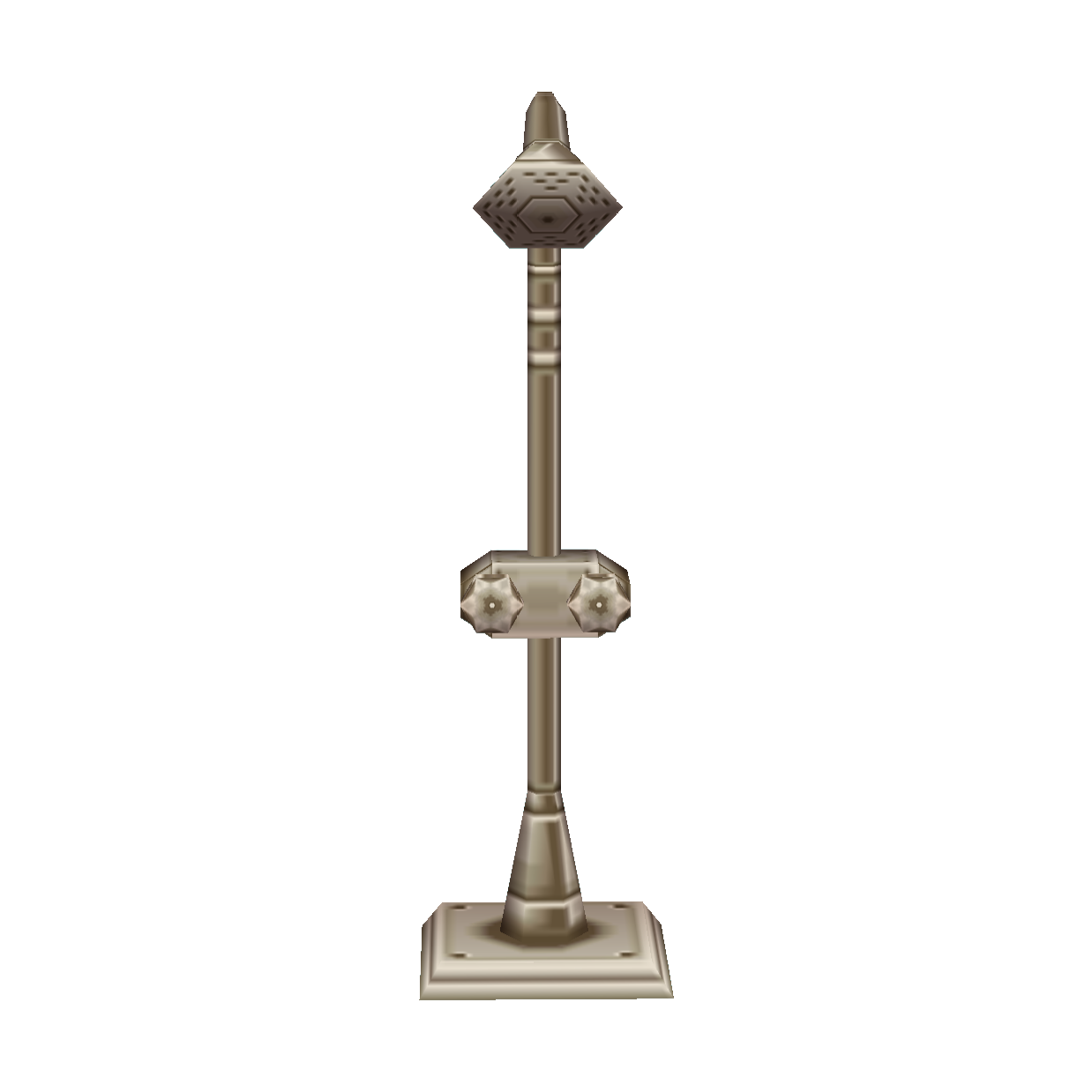
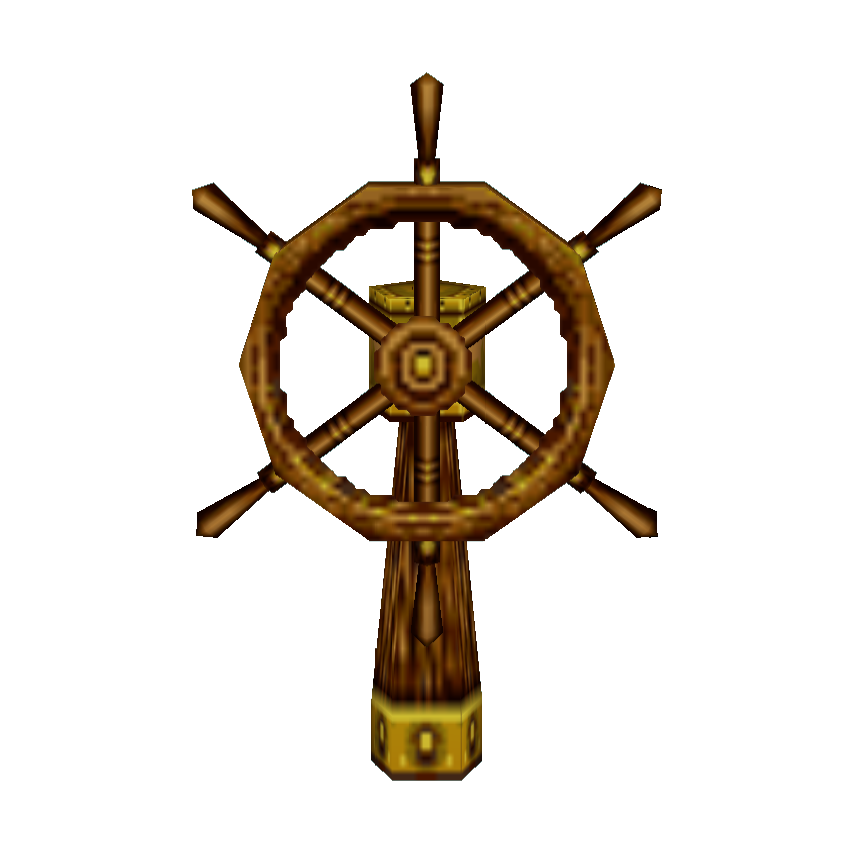
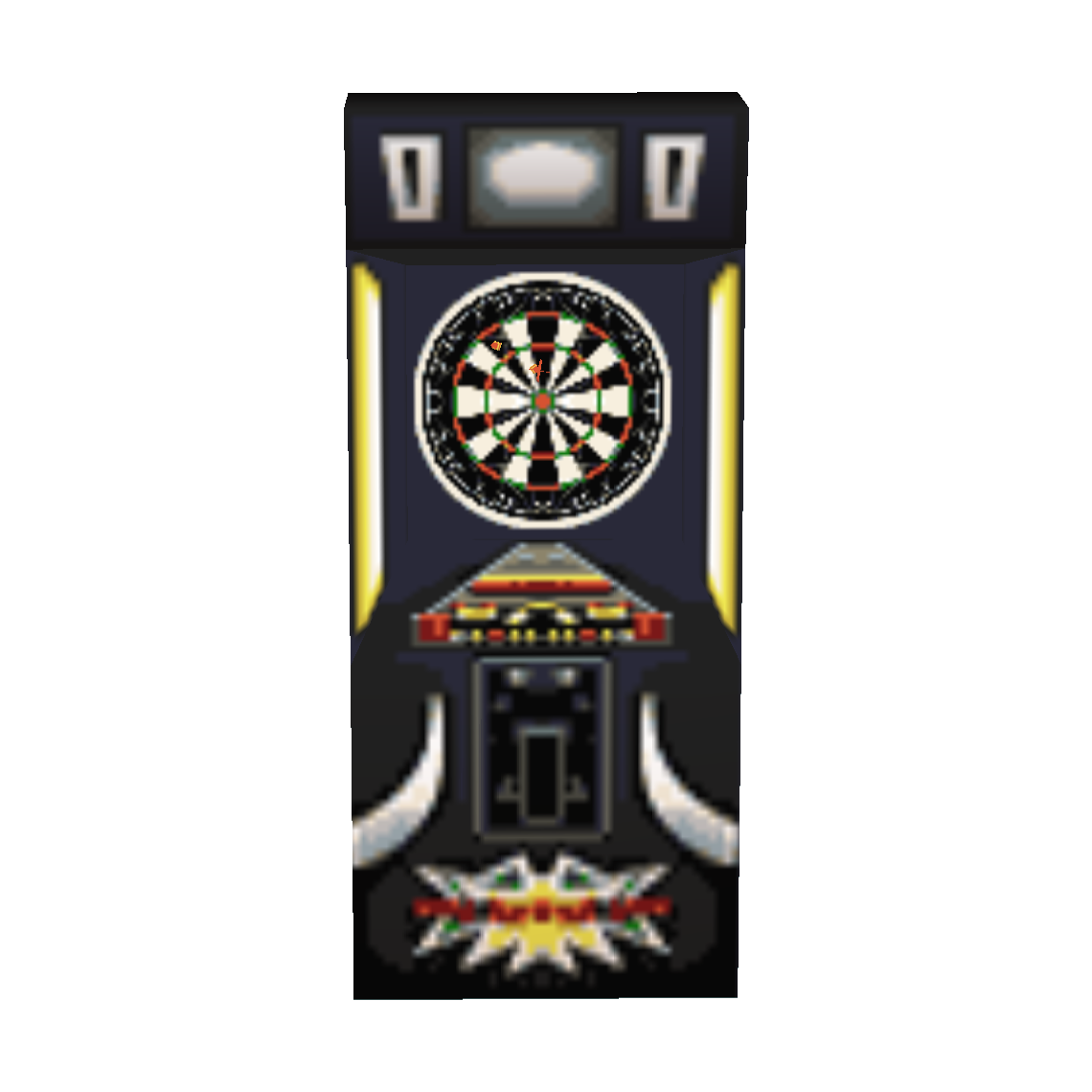


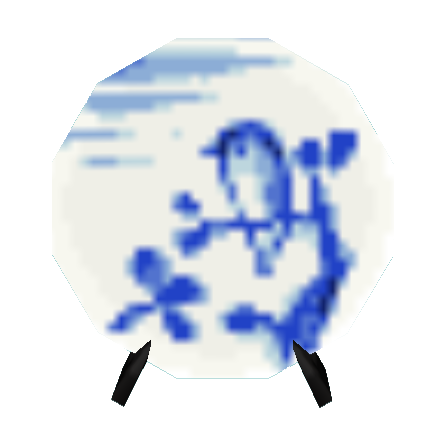

- 21 new furniture items are added to the game: the Apple Box, the Scarecrow, the Joumon Vase, the Bathtub, the Basketball Hoop, the Mummy's Casket, the Mandarin Box, the Jumping Boy Sign, the Fire Hydrant, the Dogu, the Pinball Machine, the Drum Set, the Wooden Crate, the Rocking Horse, the Shower, the Helm, the Dart Board, the Canopy Bed, the Paw Sign, the Display Dish, and Nook's Billboard. Some of these items are only available through winning Game Boy Advance minigames, as described below. All of these items are listed as "not for sale" in the catalog, and thus cannot be repurchased.
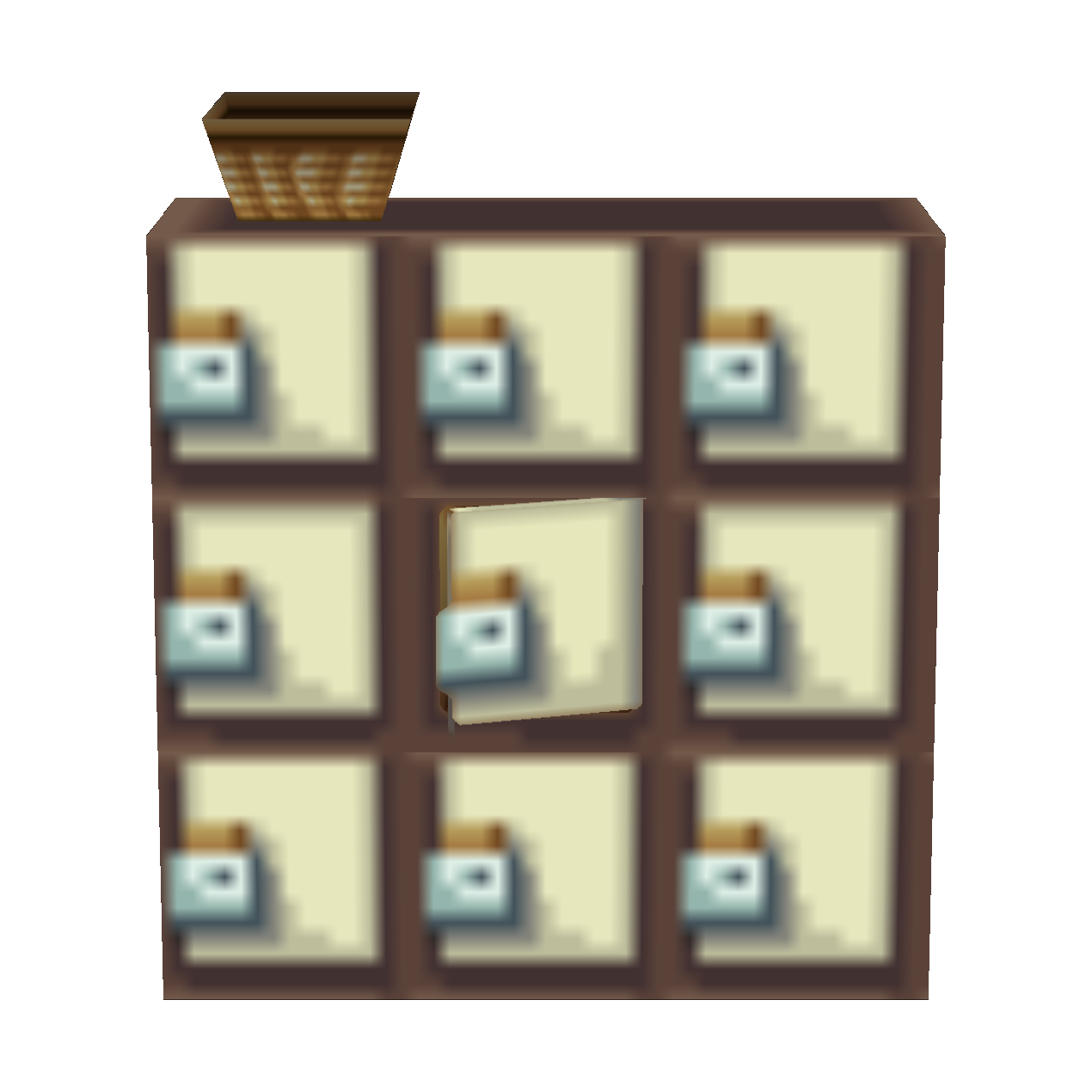
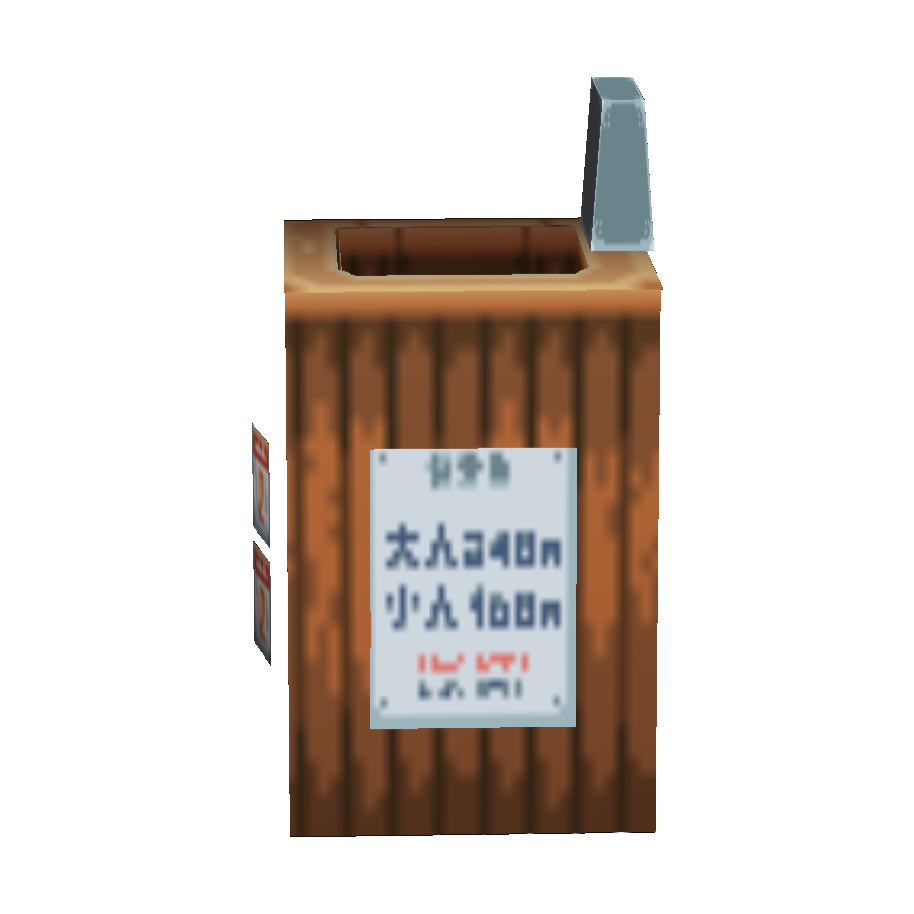
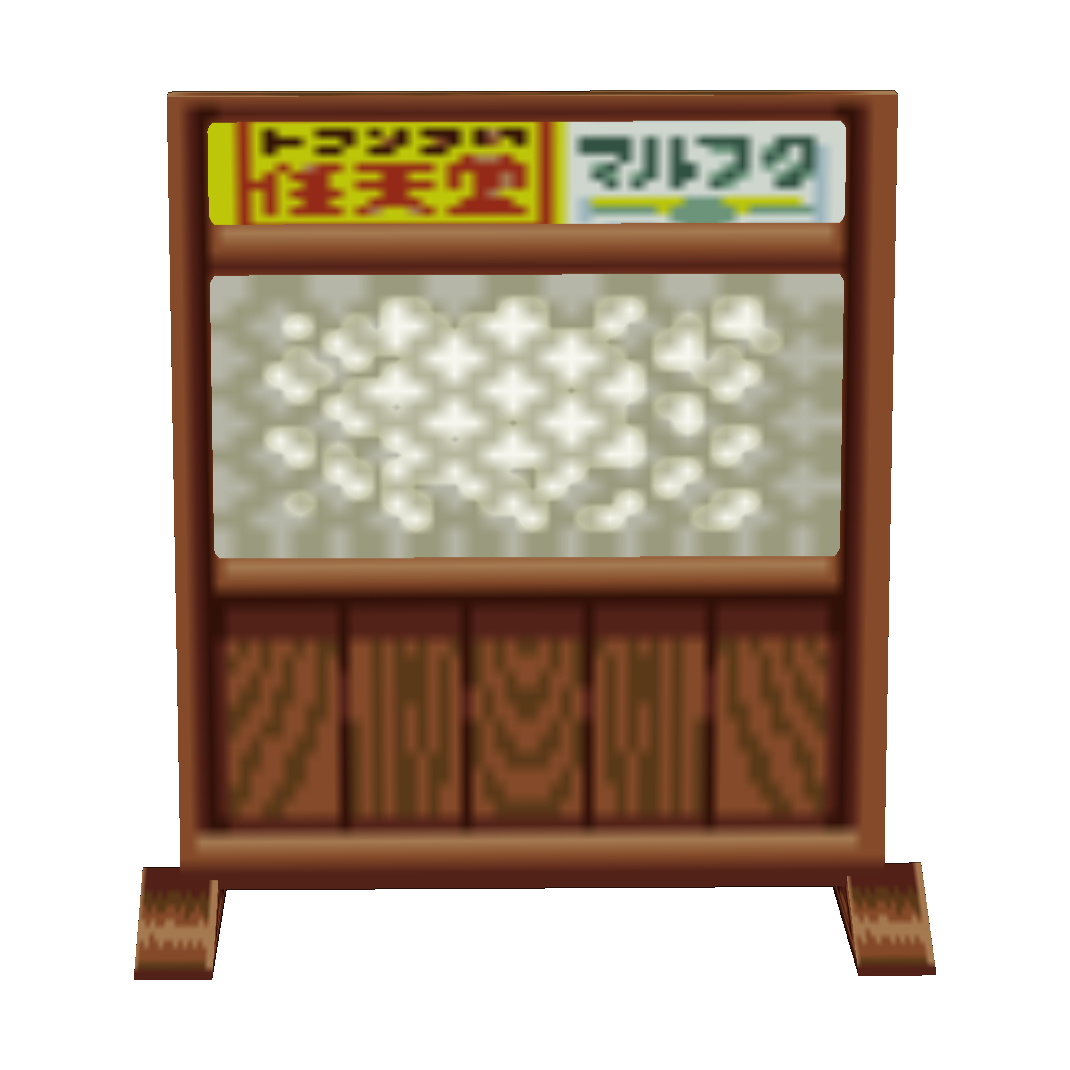
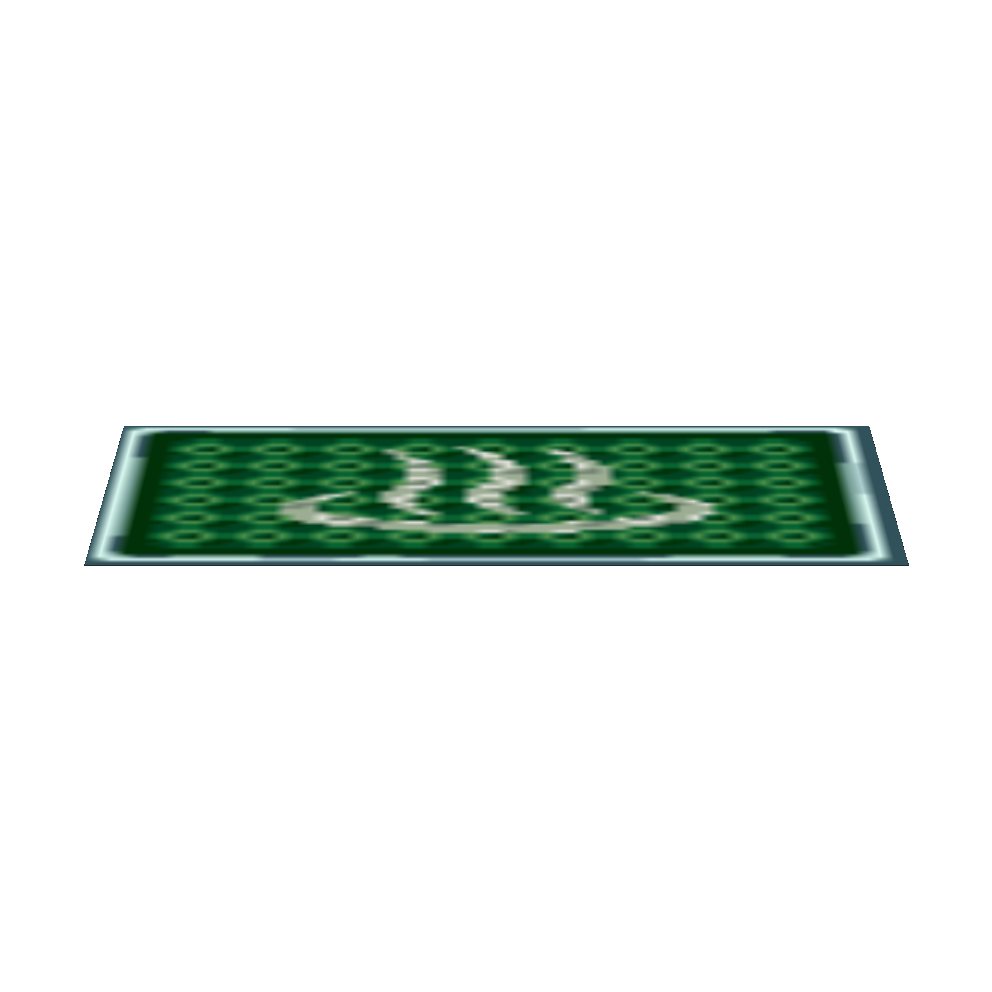
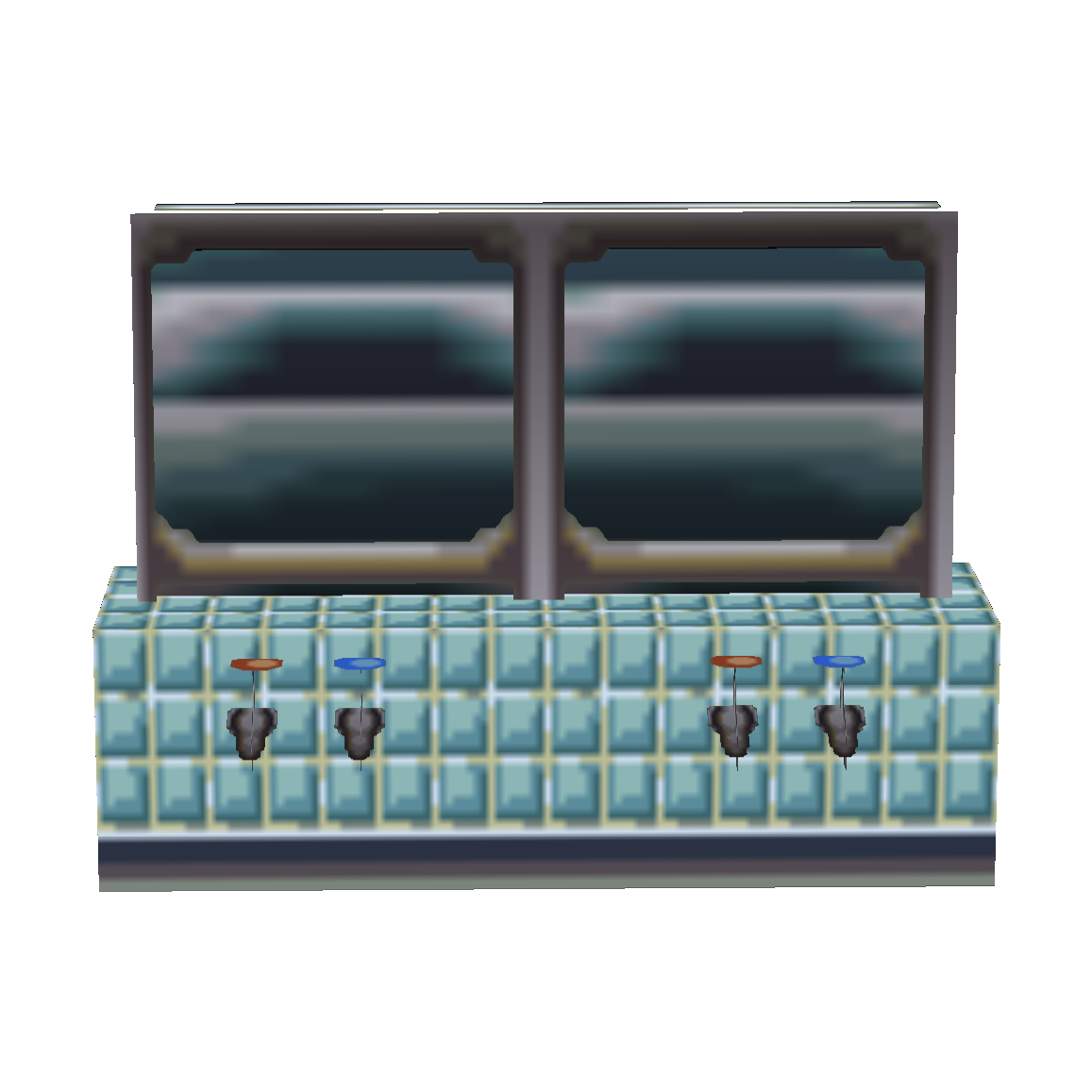



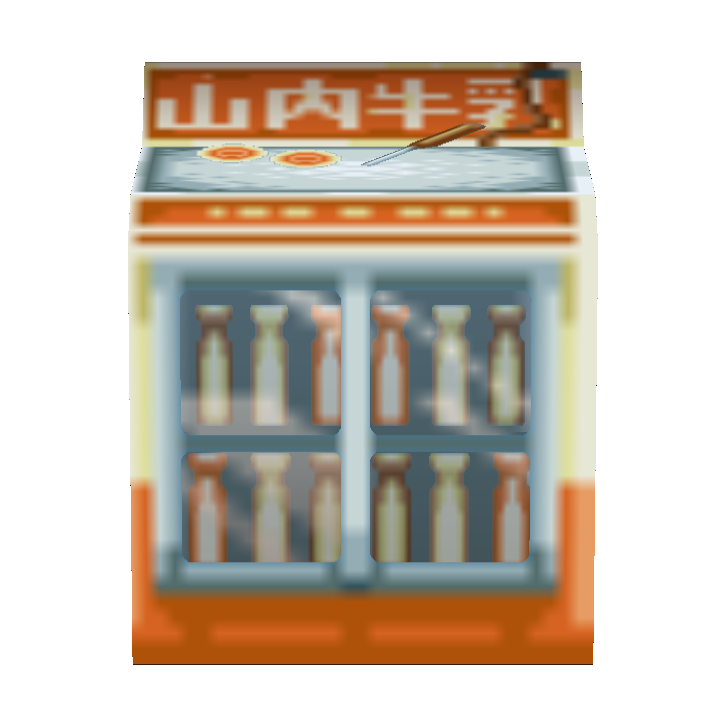
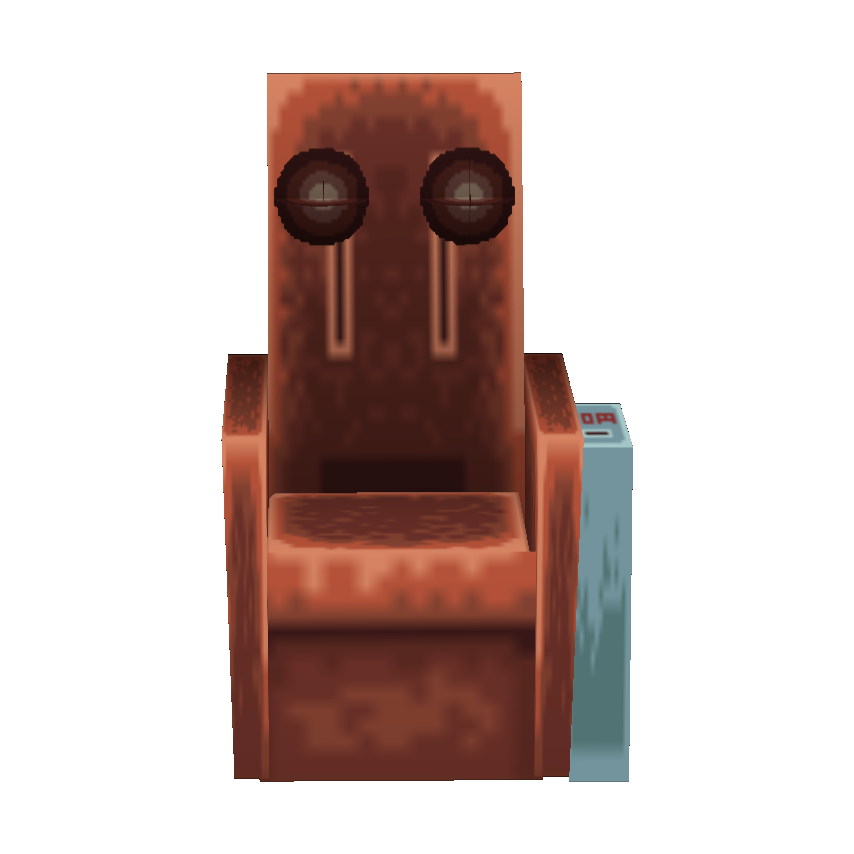
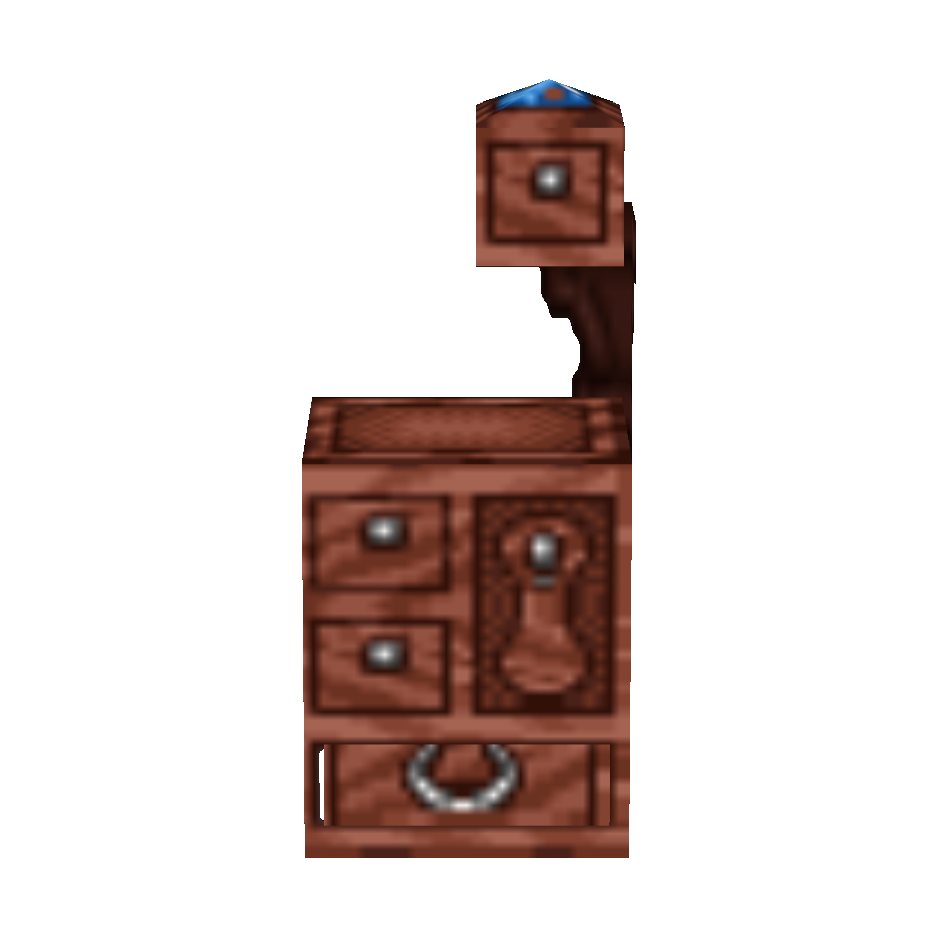




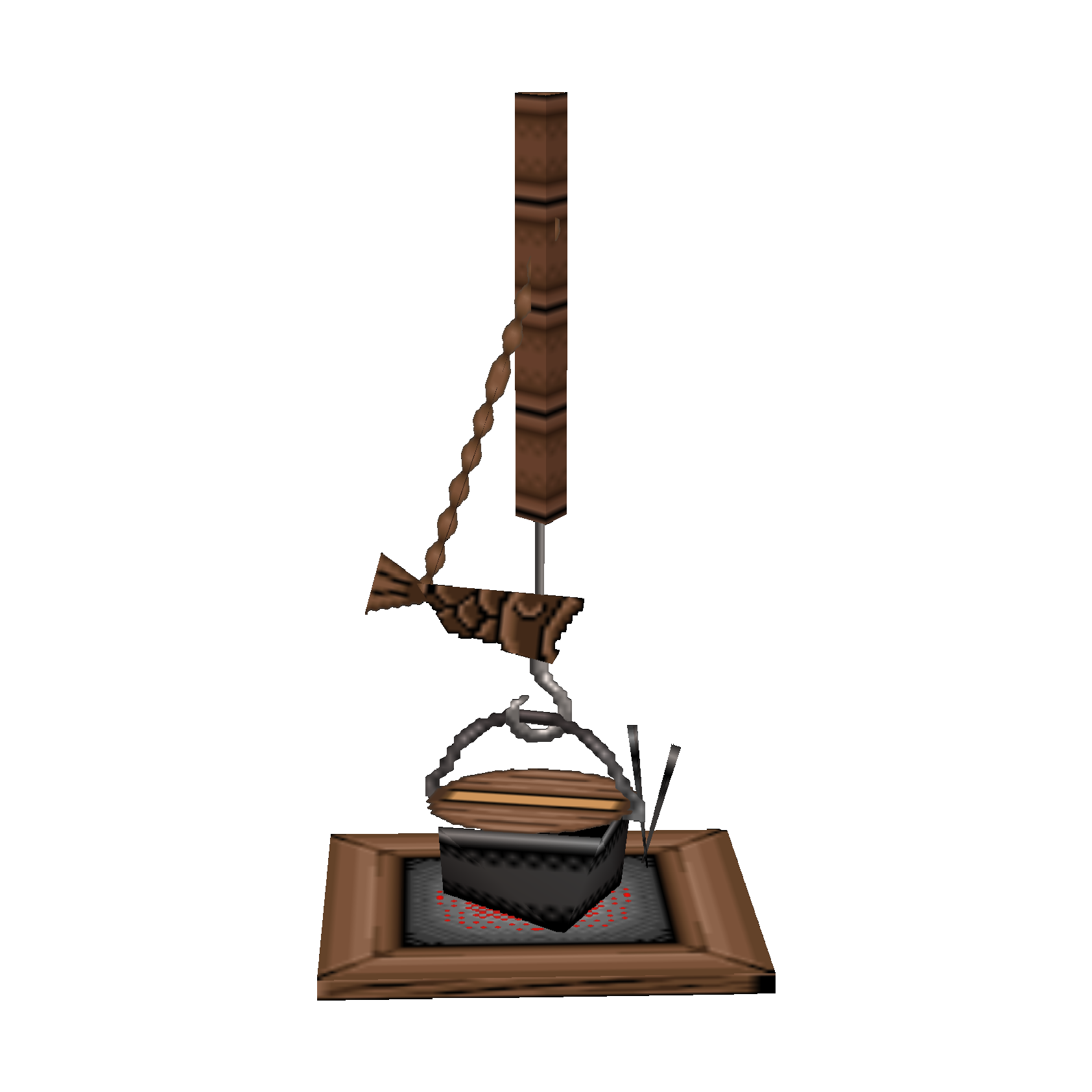
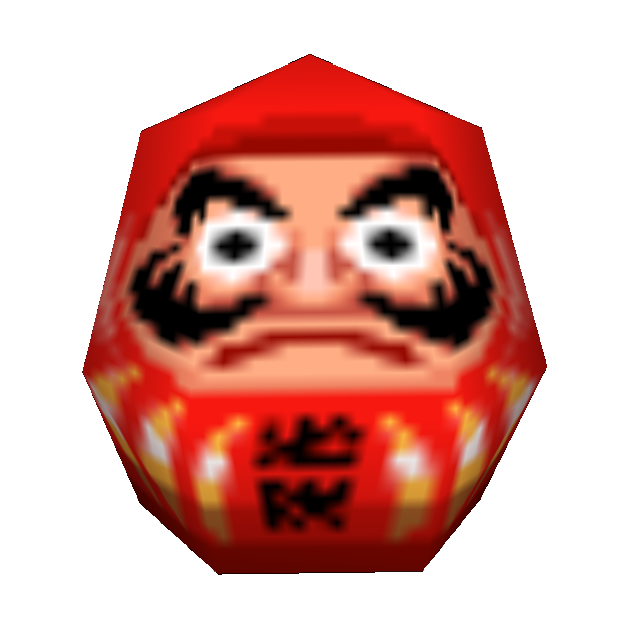
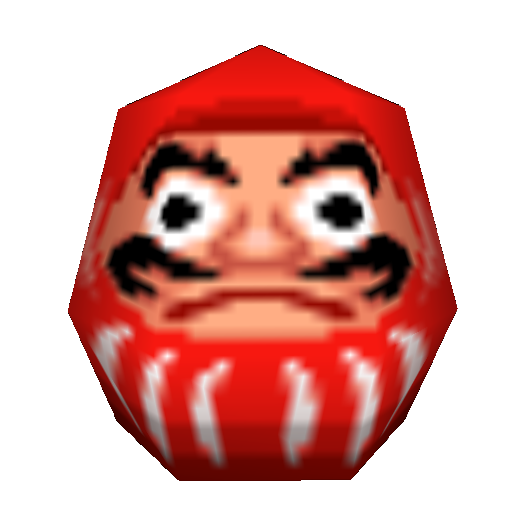
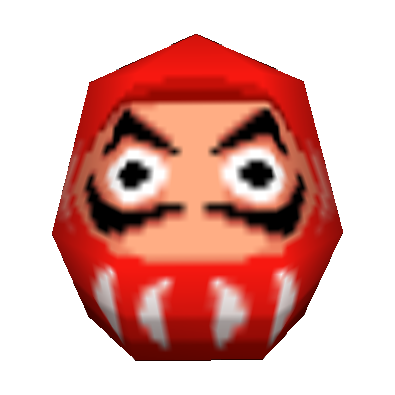
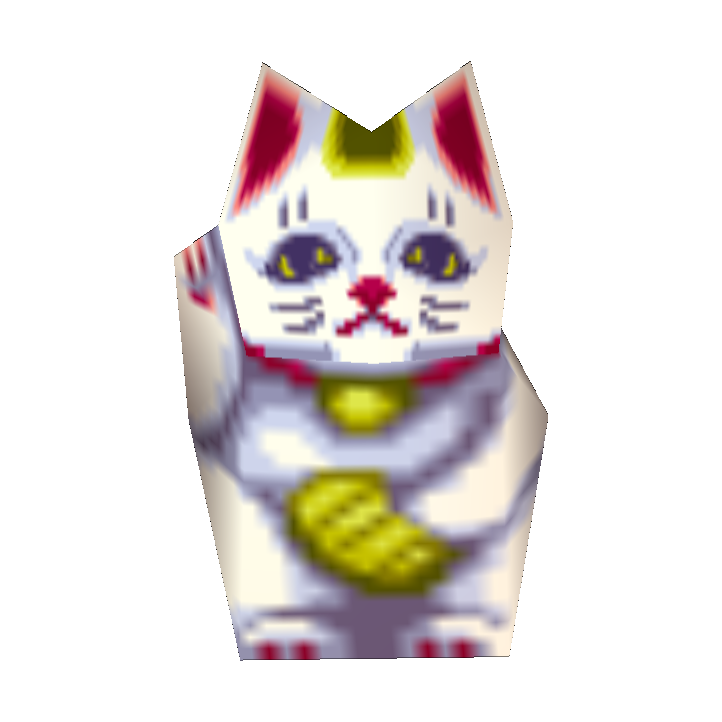

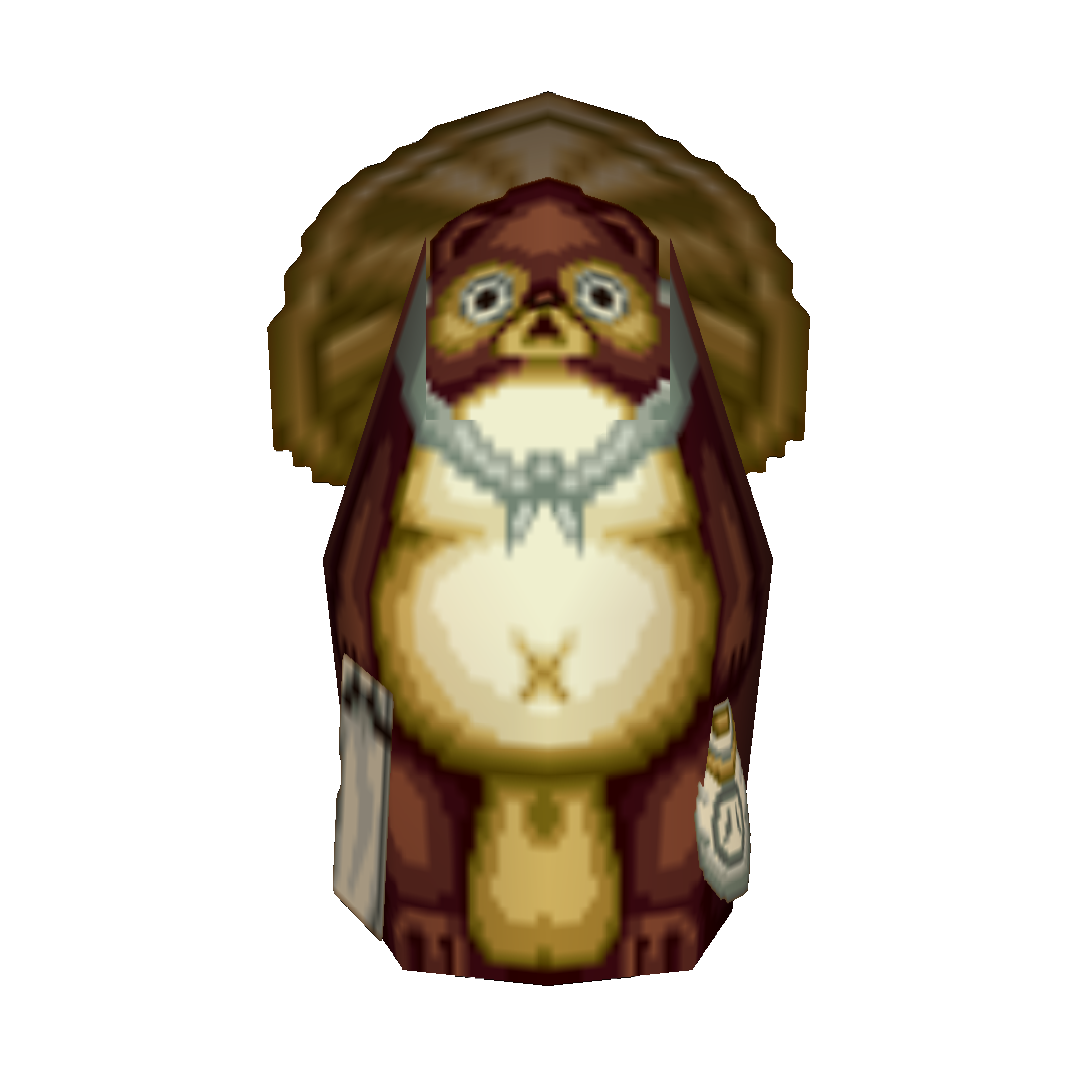
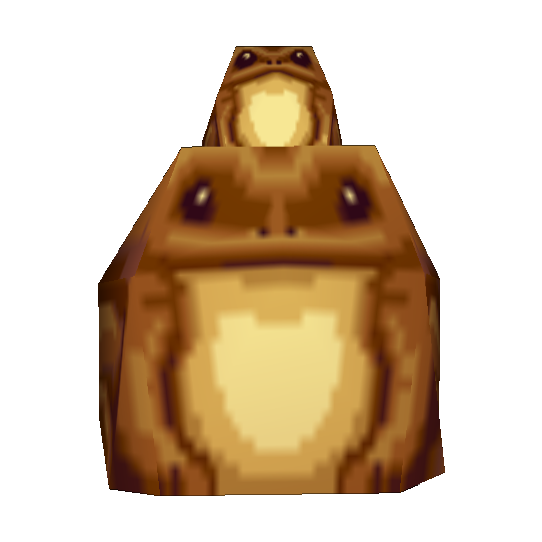
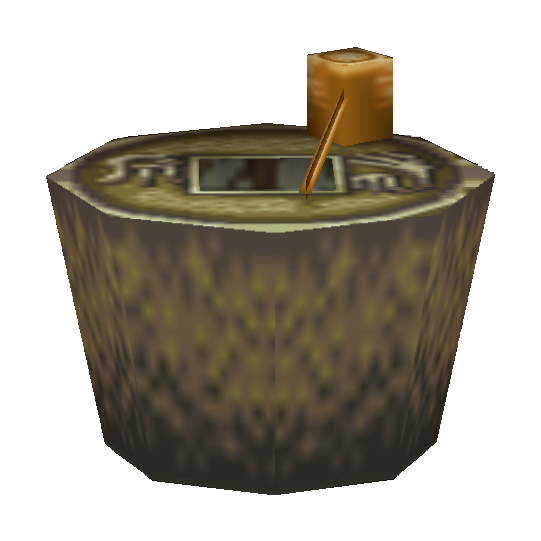
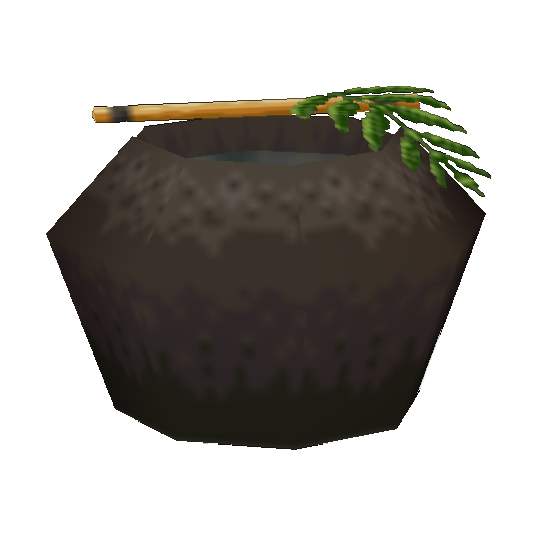
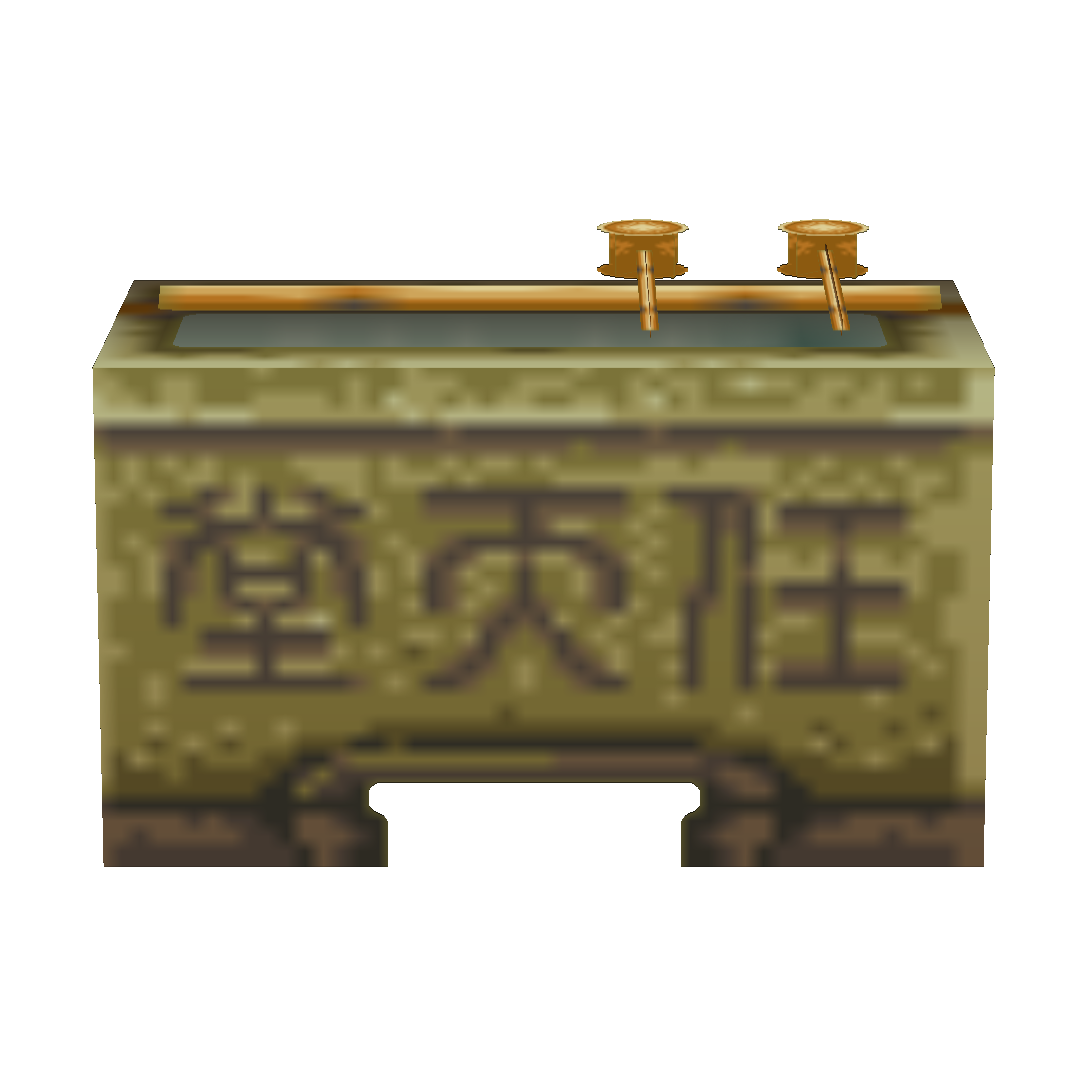
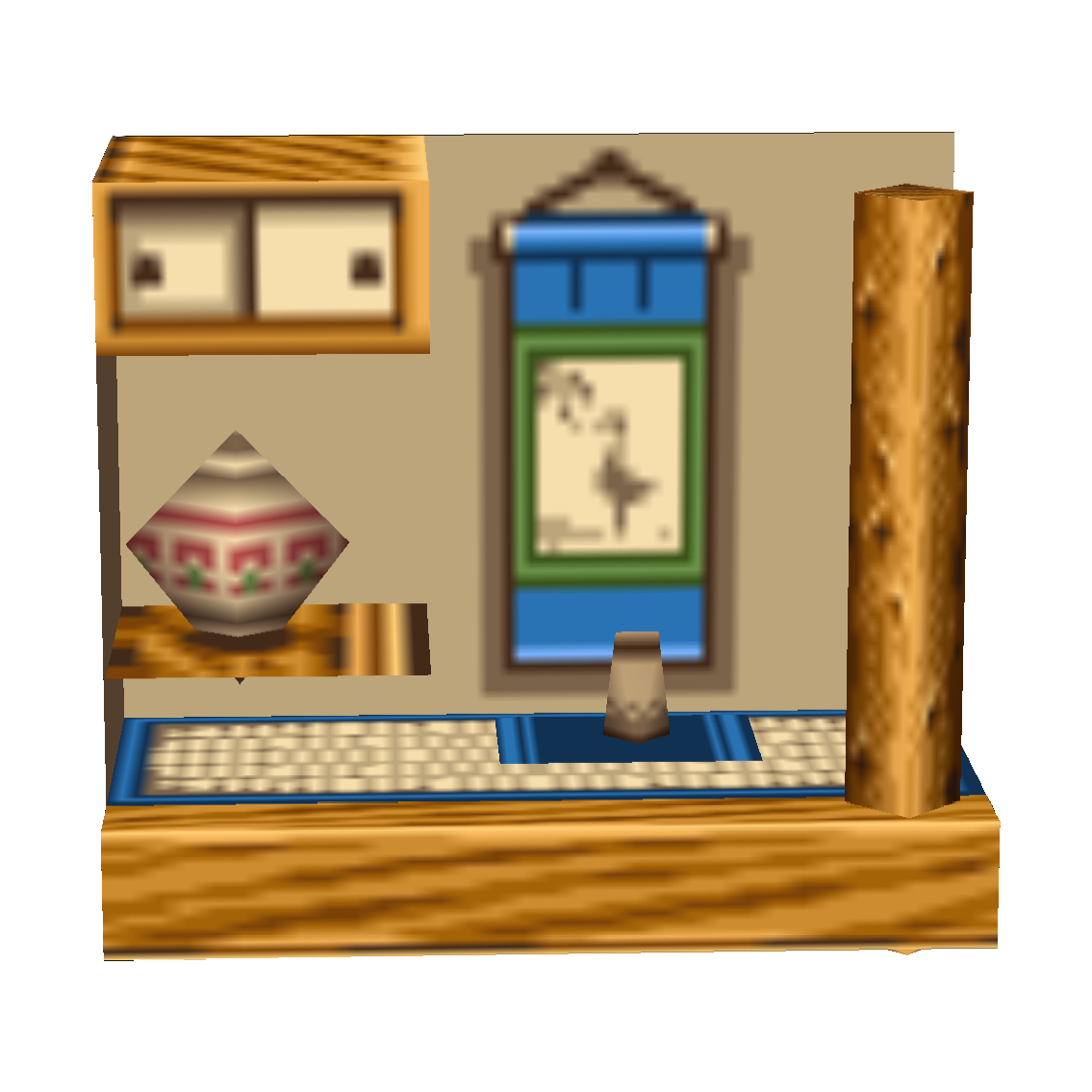

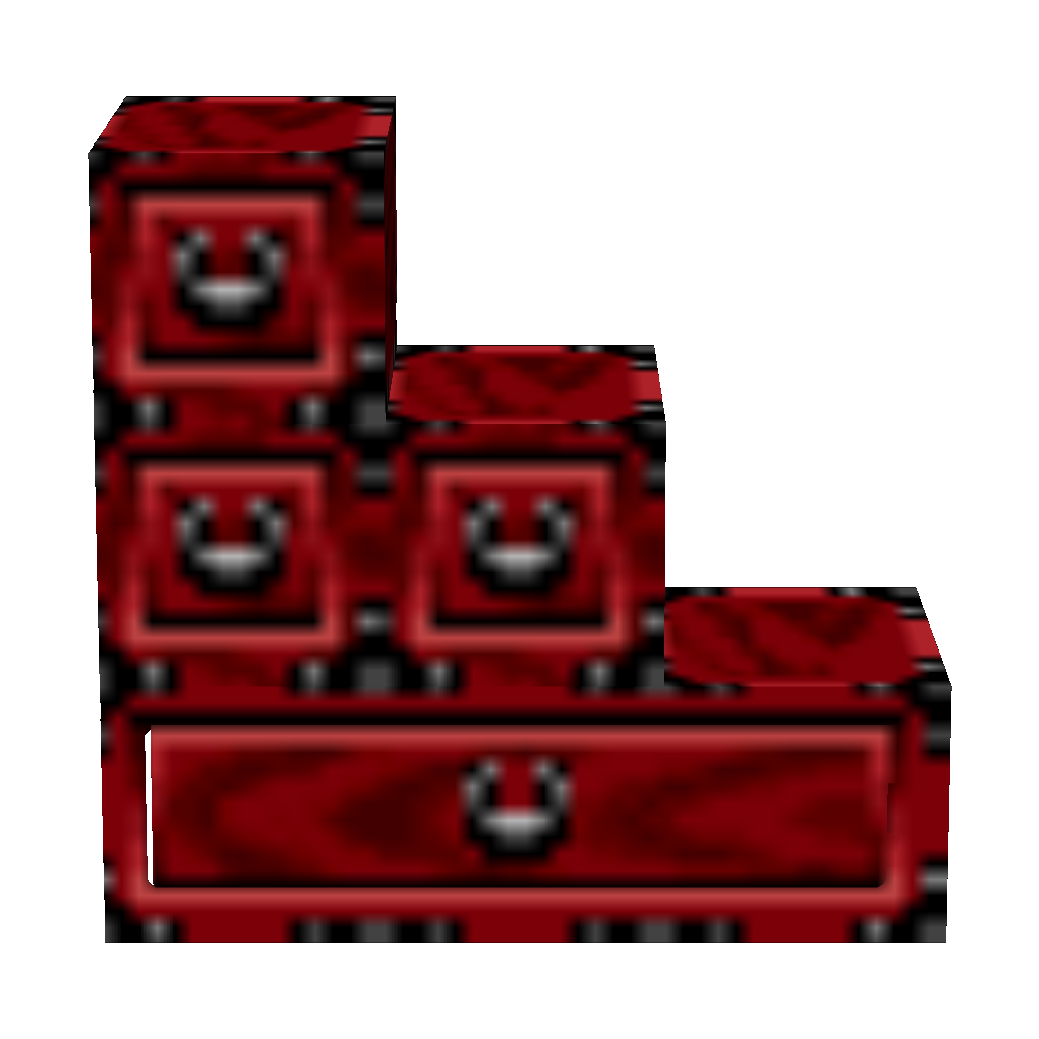
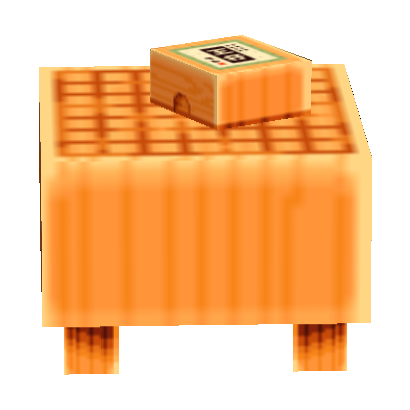

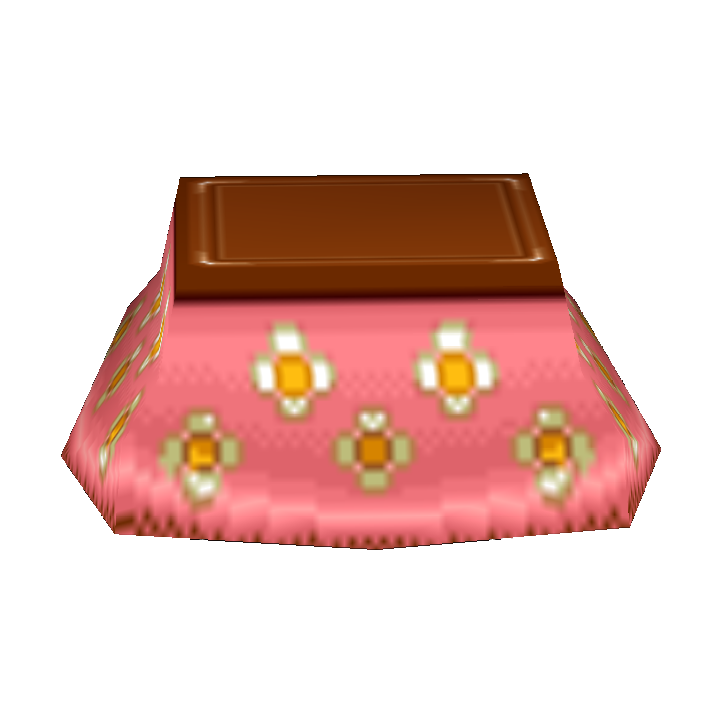
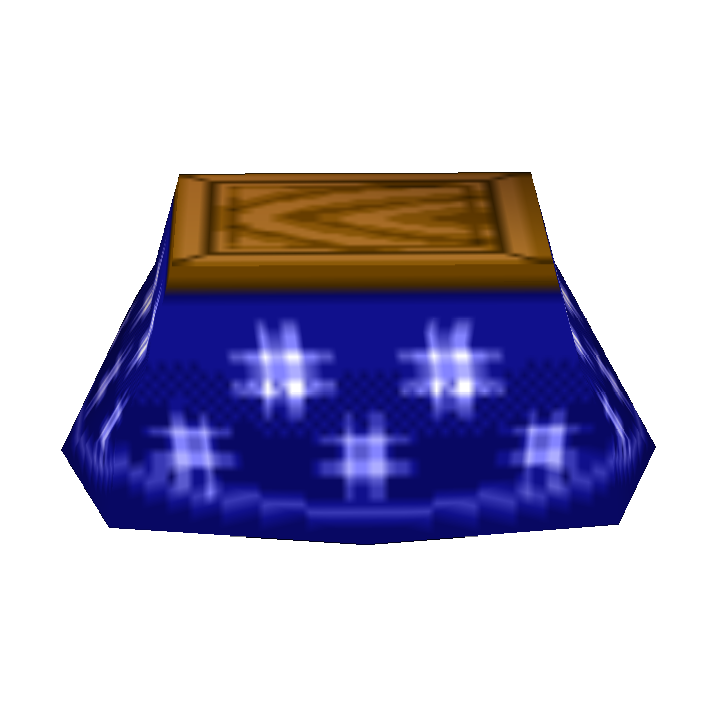

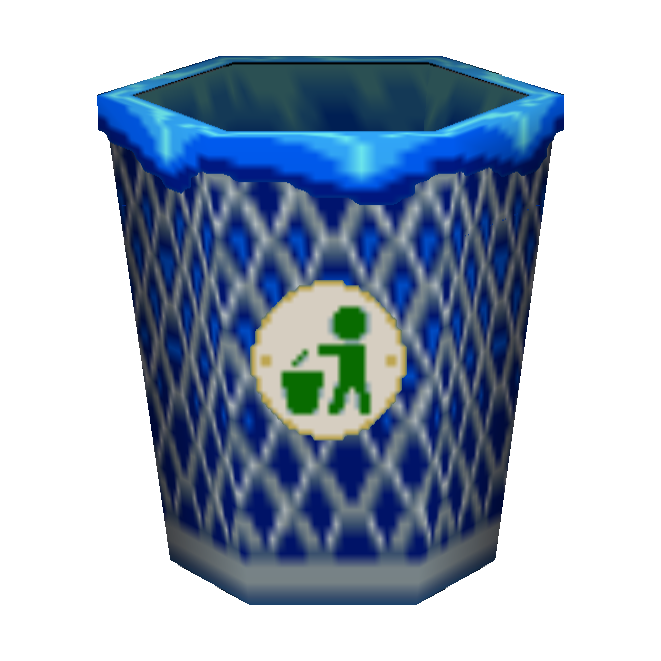

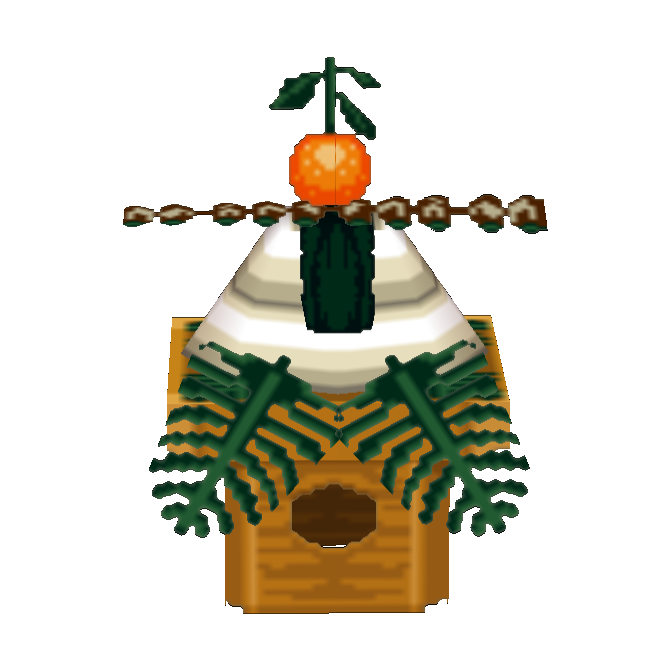


- 41 items removed in Animal Crossing (37 furniture items, two wallpaper items, and two flooring items) are reintroduced: the Bath Locker, the Clerk's Booth, the Spa Screen, the Bath Mat, the Faucet, the Spa Chair, the Bucket, the Spa Tub, the Milk Fridge, the Massage Chair, the Sewing Box, the Paper Lantern, the Tea Table, the Hibachi, the Tea Tansu, the Hearth, the Giant Dharma, the Dharma, the Mini-Dharma, the Lucky Cat, the Lucky Black Cat, the Tanuki Figurine, the Lucky Frog, the Zen basin, the Wash Basin, the Long Washbasin, the Alcove, the Dresser, the Tansu, the Shogi Board, the Screen, the Pink Kotatsu, the Blue Kotatsu, the Garbage Pail, the Trash Can, the Kadomatsu, the Kagamimochi, the Bathhouse Wall, the Bathhouse Tile, the Worn-Out Mud Wall, and the Old Board Floor.


- Party poppers now appear as a held item that is immediately destroyed upon use. Tom Nook will sell these in the second half of December as a lead-up to the new year. He also offers a greater variety of items during his sales, including holiday knickknacks such as the party poppers, fans, balloons, and pinwheels.
- The player can pluck flowers and carry them around as novelty items.
- The standard axe's durability is upgraded to 25 uses.



- Medicine is added, which can cure bee stings and help heal villagers, who can now become sick. This feature was later implemented overseas in Animal Crossing: Wild World.
- The Coconut Palm furniture item is renamed "ココヤシ" ("kokoyashi"), a direct translation of its English name; previously, it was called "ヤシ" ("yashi"), which refers to a generic palm rather than a coconut palm specifically.
Music#
Added Songs#
Fifteen new songs are added, all of which would make their overseas debuts in Wild World:
"My Place" |
"To the Edge" |
"Forest Life" |
|---|---|---|
- "My Place", "To the Edge", and "Forest Life" are accessible by requesting them from K.K. Slider. All three tracks were originally live-only cuts in previous versions, which could only be heard by giving K.K. an invalid song request (with "Forest Life" always being played if said request includes "forest" in the title).
"Agent K.K." |
"King K.K." |
"K.K. Dixie" |
|---|---|---|
"K.K. Marathon" |
"K.K. Metal" |
"K.K. Rally" |
|---|---|---|
"K.K. Rockabilly" |
"Mountain Song" |
"Marine Song 2001" |
|---|---|---|
"Neapolitan" |
"Pondering" |
"Steep Hill" |
|---|---|---|
- "Agent K.K.", "King K.K.", "K.K. Dixie", "K.K. Marathon", "K.K. Metal", "K.K. Rally", "K.K. Rockabilly", "Mountain Song", "Marine Song 2001", "Neapolitan", "Pondering", and "Steep Hill" are accessible by scanning their corresponding e-Reader card. While most of these new songs would remain unaltered in later entries in the series, the extra yodeling part from "Mountain Song" was absent in Wild World, possibly due to audio limitations, though it was added back in City Folk onwards.
Invalid Song Changes#
"Spring Blossoms" |
"Stale Cupcakes" |
"Wandering" |
|---|---|---|
Because the three "invalid request" songs from prior versions were made airchecks in their own right, K.K. now has three different tracks he can perform if the player requests a song that doesn't exist. The three songs would later become obtainable airchecks from City Folk onward as "Spring Blossoms", "Stale Cupcakes", and "Wandering"; incidentally, "Spring Blossoms" is an arrangement of the Cherry Blossom Festival theme from Doubutsu no Mori and +.
Other Music Changes#
|
Studio |
Live |
|---|---|

|

|
- Each song now includes a looped live rendition playable on a stereo furniture item; the sprites for these versions differ from the studio recordings in that they take the form of a pair of eighth notes rather than a single one. These live recordings can be obtained by reaching maximum friendship status with villagers, each of whom possess their own specific song.
- K.K. Slider will perform for the player's birthday. The song he plays was later accessible in New Leaf and New Horizons as "K.K. Birthday" (itself only obtainable on the player's birthday).
- Certain villagers' favorite songs, which will play on a stereo if they have one in their house, are modified; most of these changes are retained in subsequent games.
|
Animal Crossing |
Doubutsu no Mori e+ |
|---|---|

|

|
- The default Town Tune is changed to a new melody, maintaining the cadence of the original but featuring a markedly different notation (note that the images shown here are simply mockups of the tunes based on how they would appear if created in Animal Crossing, and are featured here for ease of access; e+ uses katakana to represent different notes). Recreations of these tunes in fan-made Town Tune makers can be heard here (for Animal Crossing) and here (for e+).
|
Animal Crossing |
Doubutsu no Mori e+ |
|---|---|
- The main theme is remixed, featuring a much larger percussion section compared to previous versions and a more worldbeat-influenced sound.
|
Animal Crossing |
Doubutsu no Mori e+ |
|---|---|
- Kapp'n's song retains the new melody introduced in Animal Crossing, but instead of having the same syllables each time like it did in that game, the "lyrics' change to correspond to what words Kapp'n is singing like they did in Doubutsu no Mori+. This is presumably because the lyrics are in Japanese instead of English, making it easier to sound out different words by vowel sound. (As a note, when Kapp'n's shanties returned in New Leaf, they use the same syllables regardless of region, with the lyrics localized to match up with the rhythm but not necessarily the vowel sounds.)
Holidays and Events#
- The changes in events and related items in Animal Crossing are retained and given Japanese names.
- While events for them are not incorporated, the player's mother will occasionally send letters discussing Tanataba and Mamekami, the Japanese Festival of the Stars and Bean-Throwing Festival (respectively).
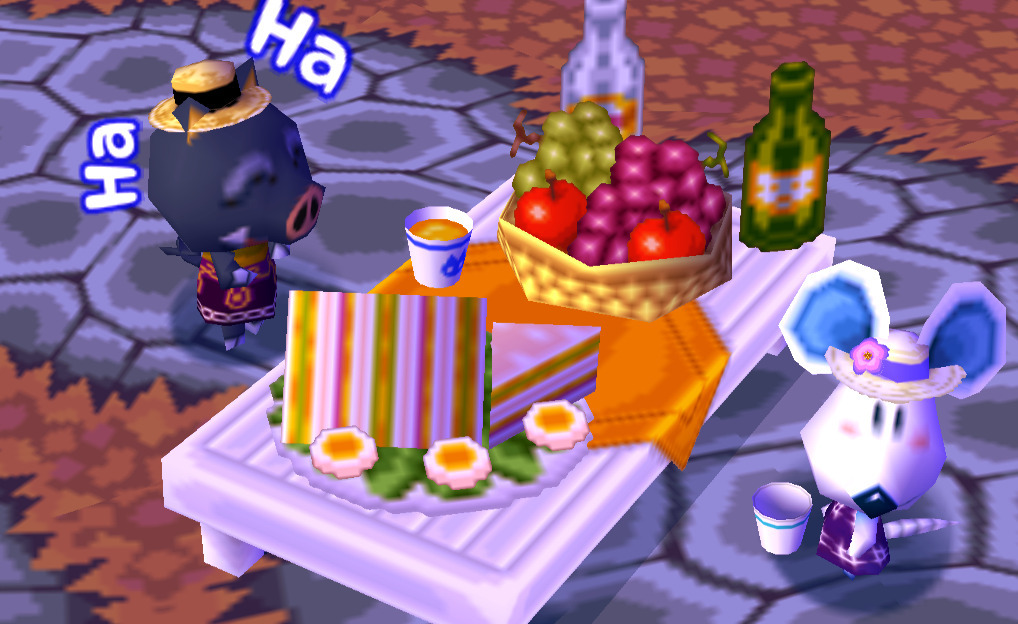
- Villagers will wear special hats during the Harvest Festival and the day after Toy Day. These hats would eventually reappear in New Horizons under similar circumstances.
- Villagers will acknowledge the player's birthday by congratulating them and sending them gifts, and the player's mother will mail them a birthday cake.
- During the Fishing Tourney, Chip will give the player a fishing rod if they don't have one in their inventory. This feature was later implemented in New Leaf.
- Hometown Day is renamed to 村の日 meaning "Village Day" instead of ふるさとのひ meaning "Hometown Day" as in Doubutsu no Mori+.
- Tom Nook's One Day Sale now features more items, including pinwheels, fans and balloons.
Game Boy Advance Changes#
- All e-Reader functionality is changed so that it is accessed at the Wishing Well, as a means of better streamlining the mechanic. While preparing the e-Reader can still be done at the same locations as in + and Animal Crossing, actually scanning cards has to be done at the Wishing Well.
- The player can play three unique minigames on a linked Game Boy Advance, each accessible on certain days of the week.
- "Darumasangakoronda", available on Mondays and Thursdays, is a game of "Red Light, Green Light" in which the player races three other villagers to approach a fourth while their back is turned. Mashing the A button moves the player closer to the target villager, and moving while the target villager is facing forward results in an immediate loss. Winning this game will grant the player the Apple Box, Scarecrow, Vase, Bathtub, Basketball Hoop, or Mummy Casket.
- "Donjanken", available on Tuesdays and Fridays, is a mix of a balancing game, sumo wrestling, and rock-paper-scissors, in which the player and a CPU-controlled opponent villager compete to push each other off of a log via games of rock-paper-scissors. The player must press left and right D-pad to keep themselves balanced laterally on the log, and up on the D-pad, the A button, or the B-button to select a move in rock-paper-scissors. Winning a round will push the loser further back towards their end of the log: if a competitor falls off the log (either through losing balance or being pushed off of their end), the other will win. Winning this game will grant the player the Mandarin Box, Jumping Boy Sign, Fire Hydrant, Spaceman, Pinball Machine, or Drum Set.
- "Nakadojji", available on Wednesdays and Saturdays, is a game of dodgeball. The players and three CPU-controlled villagers run around inside a white square and try not to get hit by balls thrown by two outside villagers; the player must use the D-pad to move and the A-button to dive. Being hit by a ball eliminates a competitor from the game: the last one remaining wins. Winning this game will grant the player the Wooden Box, Rocking Horse, Shower, Helm, Darts Board, or Canopy Bed.
Other Changes in e+#

|
To do:
|
- The game's file size is further increased to 72 blocks (approx. 625 KB): 57 for town data, 5 for saved letters at the post office, 5 for saved patterns at Able Sisters, 1 for NES save data, and 4 for travel data. Because of this increased file size, e+ is the first version of the game to not be bundled with a promotional memory card (as no first-party pack-in GameCube memory cards were manufactured in sizes greater than 59 blocks; the only first-party promotional memory card in a larger size was a Club Nintendo-themed 251-block card, which was sent to Japanese subscribers rather than being bundled with a game).
- The player can adjust their fluency with kanji (Chinese pictographs re-purposed for the Japanese language) in the main menu.
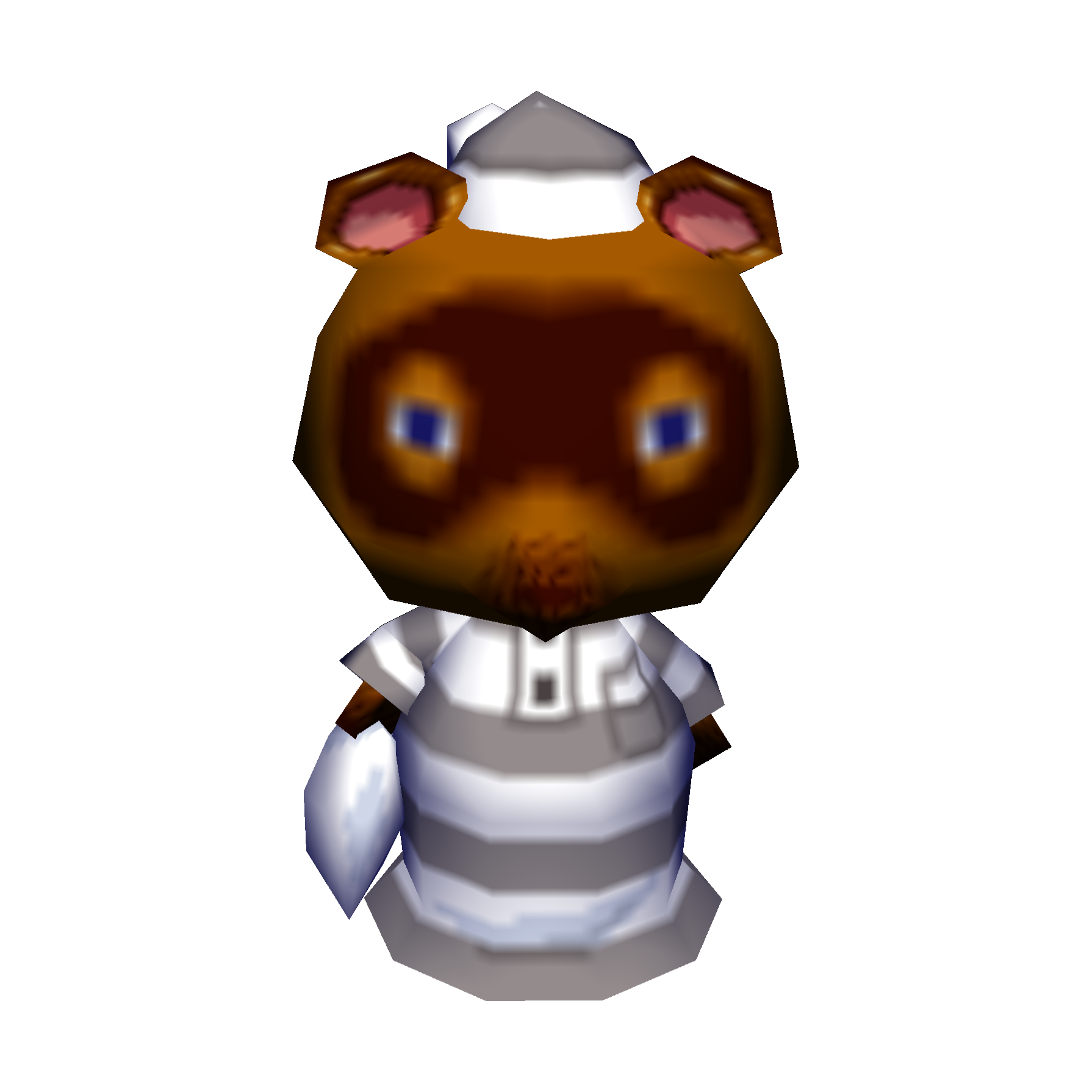
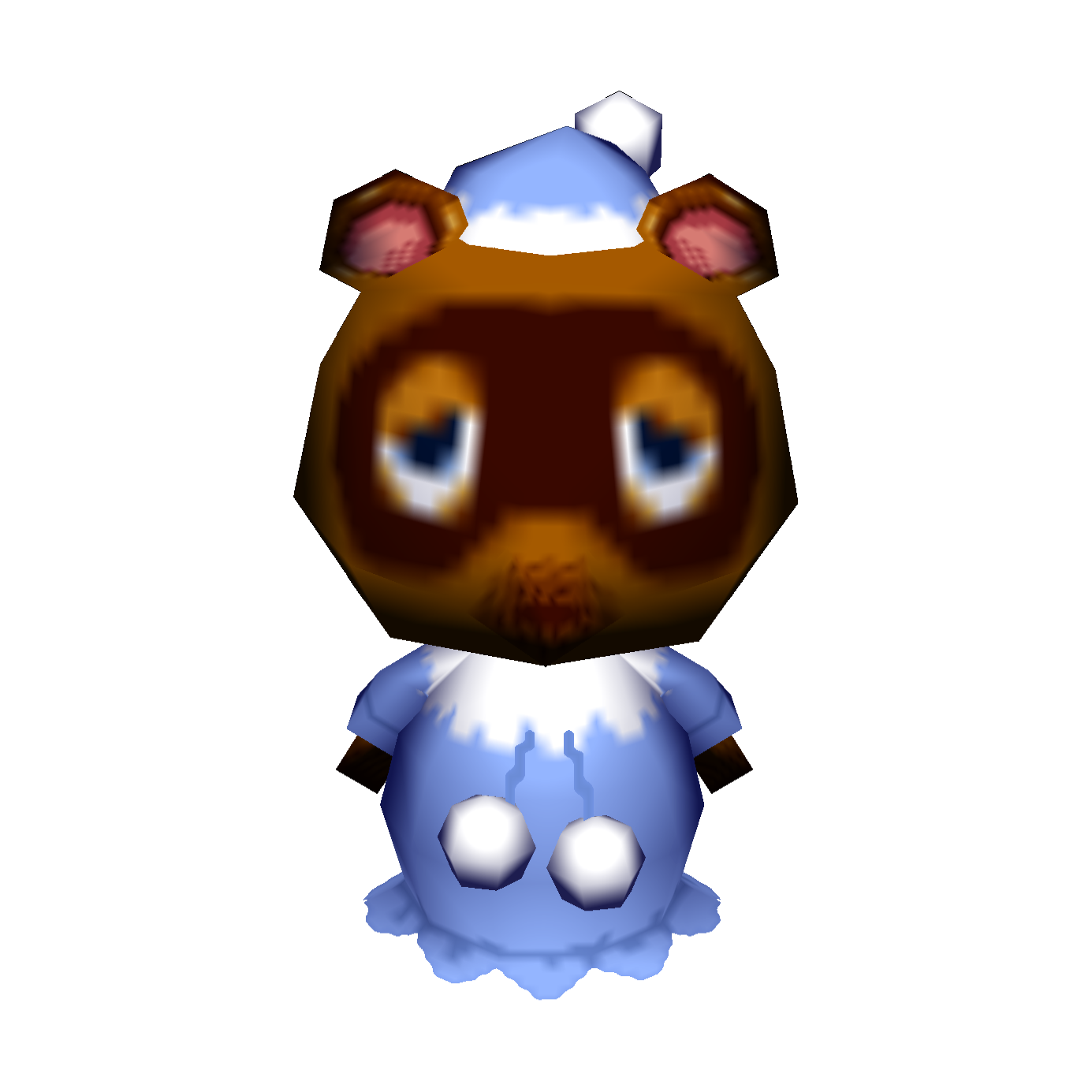
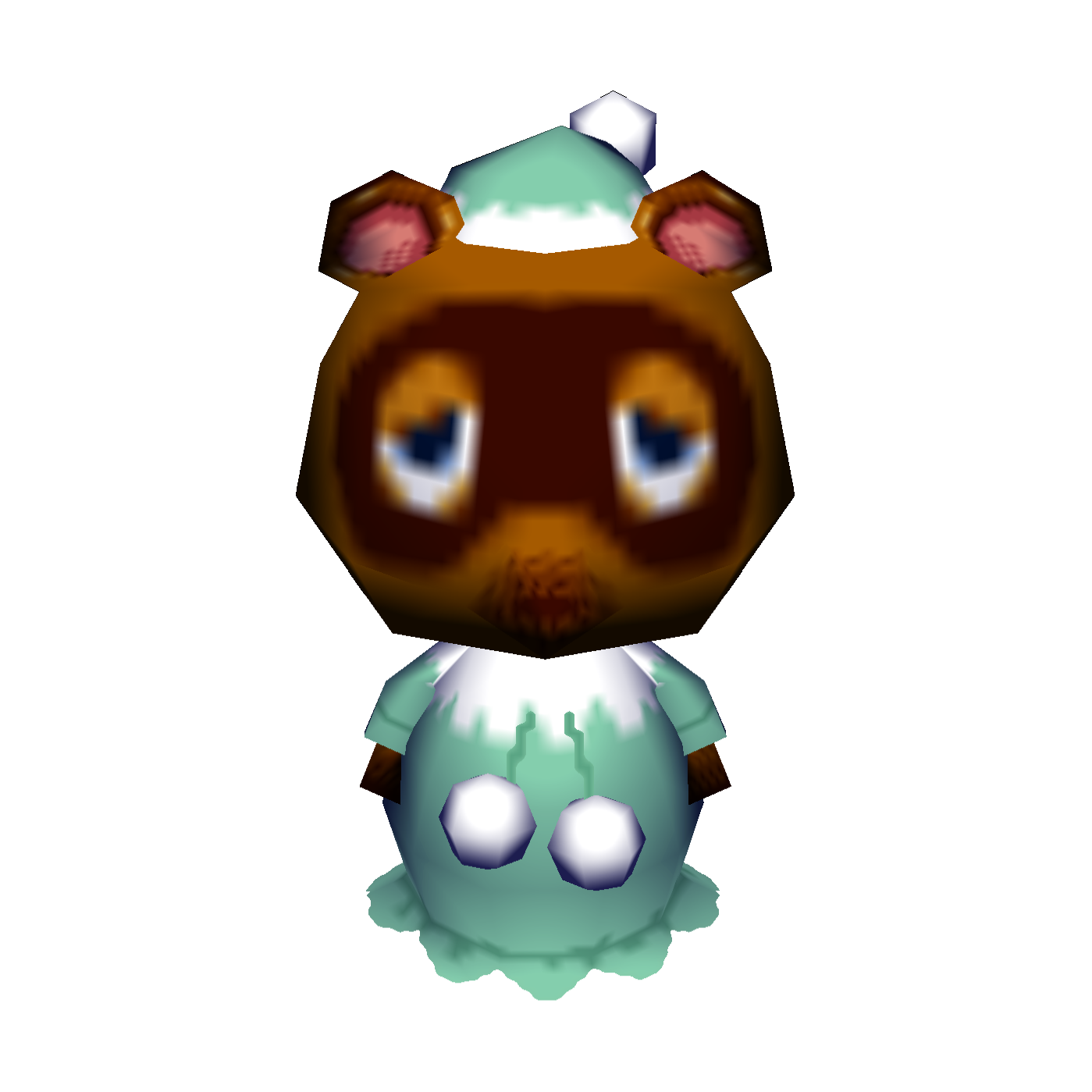
- While Tom Nook's store is closed, if the player hits the shop's door with a shovel or an axe three consecutive times, the shop will open for the player. However, as Tom Nook was sleeping, he moves much slower, prices of his wares are inflated by 40%, prices of wares the player sells are deflated by 20%, and the catalog is unavailable. There is also a special "after hours" theme: a groggy, legato variation of Tom Nook's theme. If the player has upgraded Tom Nook's shop to Nookingtons, Timmy and Tommy will also appear in their pajamas and comment on the fact that they are working past their bedtimes. The pajamas for all three of these characters would eventually reappear in Animal Crossing: amiibo Festival as outfits unlocked by saving enough Happy Points to their respective amiibo figures at the end of a board game session, though the stripes for Tom Nook's pajamas are blue, and the stripes on his cap are vertical instead of horizontal.
Name |
Image |
Construction Cost |
Size (Squares) |
Name |
Image |
Construction Cost |
Size (Squares) |
|
|---|---|---|---|---|---|---|---|---|
Egg |
 |
32,000 Bells |
3x3 |
Floral Clock |
 |
28,000 Bells |
3x3 |
|
Footprints |
 |
19,000 Bells |
3x3 |
Fountain |
 |
30,000 Bells |
3x3 |
|
Gas Lamp |
 |
14,000 Bells |
1x1 |
Geoglyph |
 |
20,000 Bells |
4x4 |
|
Guidepost |
 |
13,000 Bells |
1x1 |
Helipad |
 |
15,000 Bells |
3x3 |
|
Mushroom |
 |
24,000 Bells |
3x3 |
Pipes |
 |
17,000 Bells |
3x3 |
|
Public Clock |
 |
18,000 Bells |
1x1 |
Stonehenge |
 |
26,000 Bells |
4x4 |
|
Well |
 |
14,000 Bells |
2x2 |
Wind Turbine |
 |
18,000 Bells |
1x1 |
|
Windpump |
 |
27,000 Bells |
1x1 |
- The player has the option of hiring Tom Nook to build objects found around town for display for a fee. These include objects such as a water mill, sewer lines, street lamps, and so on. Several of these decorations were reused as Public Works Projects in Animal Crossing: New Leaf, 10 years after the release of e+.
- The island now serves as the product for the player's final loan, which totals in at just under a million bells. Each player will own their own private island, as opposed to all 4 players sharing a single one.
- Similarly to the prior Data Moving Service, players can be copied from + to e+. The player can only take a few things with them, such as their name, birthdate, fishing and insect catching records, their personal patterns, and their item catalog. The duplicated subjects are not deleted from the + version and are still fully accessible there. Unlike the Data Moving Service, however, the process in e+ can be done by the player themselves, without needing to send their memory cards over to Nintendo, thanks to both + and e+ being GameCube titles.
- The Post Office can now hold up to five sections for saved letters, each with 160 slots, either on the same Memory Card or on multiple ones, allowing the player to save up to 800 letters.
- When creating personalized messages via their outdoor Gyroid, the player can now create multiple ones and time them to appear at specific times of day or after a certain amount of time has passed.
- The Reset Surveillance Center can be accessed after encountering Mr. Resetti twice. After the player smacks every rock every day for up to a week, a rock will smash open and reveal the entrance. Mr. Resetti can be found in here as well as Don. This was not available in Animal Crossing, but the Reset Surveillance Center can be visited in both Animal Crossing: City Folk and Animal Crossing: New Leaf through different means.
Name |
Field/Tank Sprite |
Icon |
Tank Model |
Time of Year |
Time of Day |
Location |
Shadow Size |
Sell Price |
|---|---|---|---|---|---|---|---|---|
Blue Marlin |
 |
 |
 |
July to September |
All day |
Private Island |
Huge |
10,000 Bells |
Dab |
 |
 |
 |
October to April |
All day |
Sea |
Large |
200 Bells |
Horse Mackerel |
 |
 |
 |
All year |
All day |
Sea |
Medium |
120 Bells |
Octopus |
 |
 |
 |
March to July; September to January |
All day |
Sea |
Large |
450 Bells |
Olive Flounder |
 |
 |
 |
All year |
All day |
Sea |
Large |
800 Bells |
Puffer Fish |
 |
 |
 |
July to September |
All day |
Private Island |
Small |
200 Bells |
Seahorse |
 |
 |
 |
April to November |
All day |
Sea |
Tiny |
1,500 Bells |
Squid |
 |
 |
 |
December to August 15 |
All day |
Sea |
Medium |
400 Bells |
Name |
Field/Cage Sprite |
Icon |
Cage Model |
Time of Year |
Time of Day |
Location |
Sell Price |
|---|---|---|---|---|---|---|---|
Birdwing Butterfly |
 |

|
|
All year |
All day |
Private Island (in the air) |
3,000 Bells |
Coconut Crab |
 |
 |
 |
July to September |
7 PM to 8 AM |
On coconut trees |
300 Bells |
Crab |
 |
 |
 |
All year |
All day |
Beach |
150 Bells |
Diving Beetle |
 |
 |
 |
March to September |
All day |
In water (can only be caught when surfacing) |
800 Bells |
Dung Beetle |
 |
 |
 |
March to October |
7 PM to 8 AM |
Rolling balls |
400 Bells |
Flea |
 |
 |
 |
March to November |
All day |
On villagers (must hit villager with a net to catch; doesn't count as malicious) |
70 Bells |
Hercules Beetle |
 |
 |
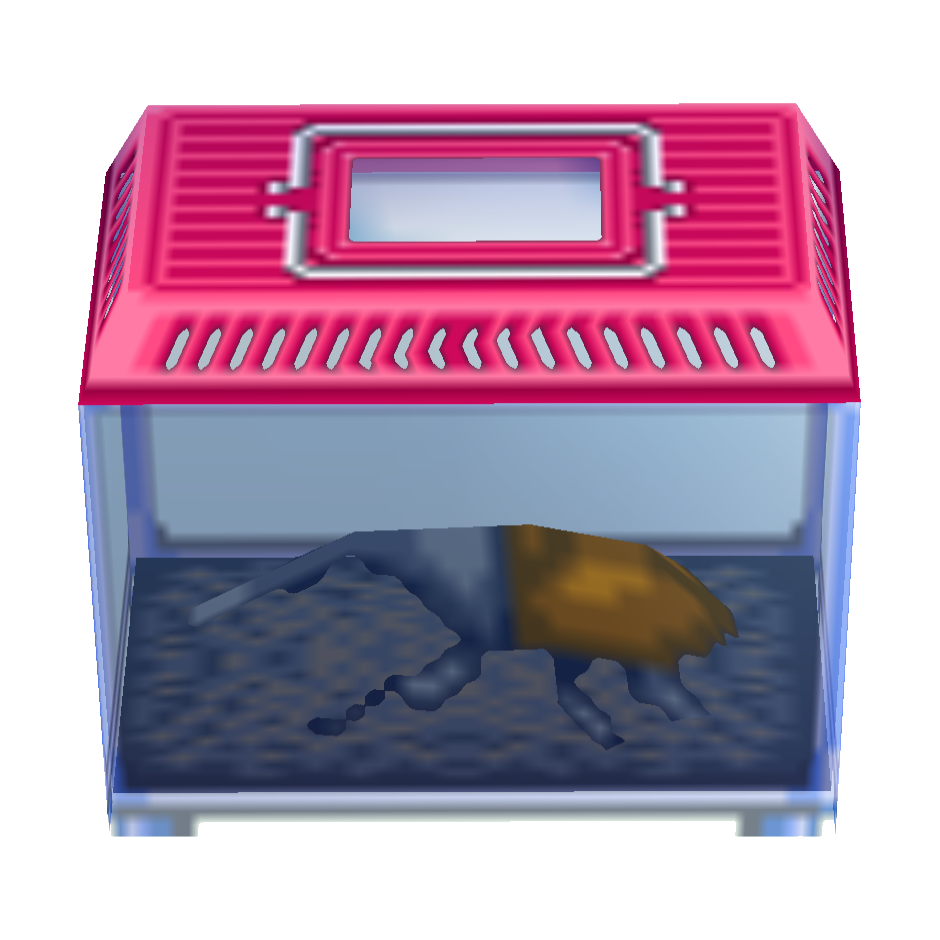 |
July and August |
11 PM to 8 AM |
Private Island (on coconut trees) |
11,250 Bells |
Hermit Crab |
 |
 |
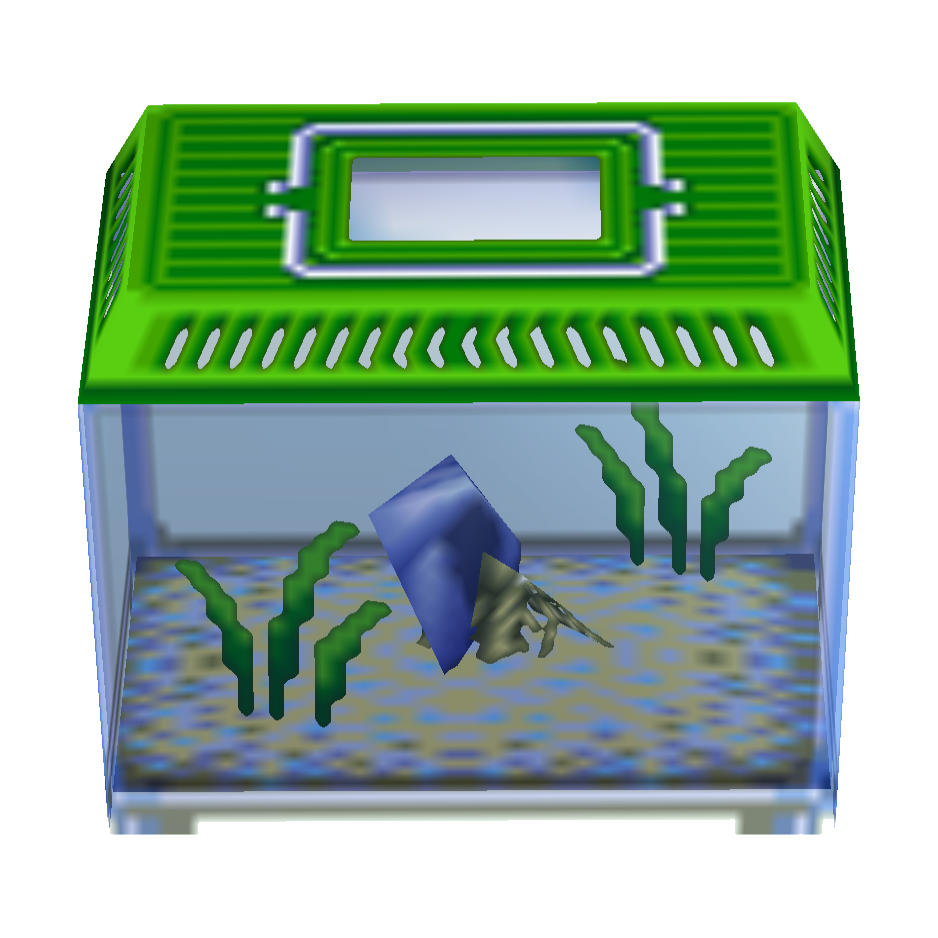 |
March to December |
All day |
Beach |
200 Bells |
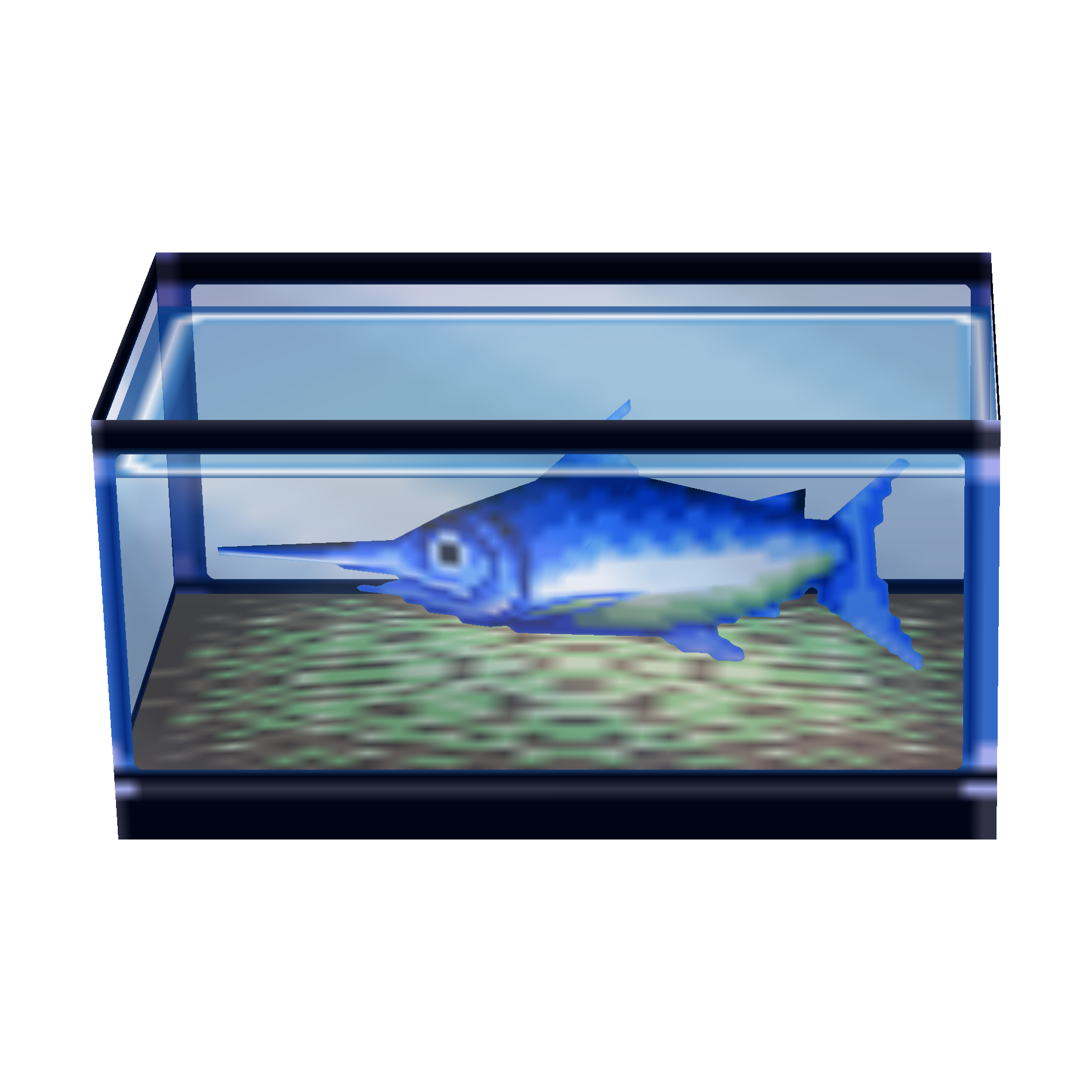
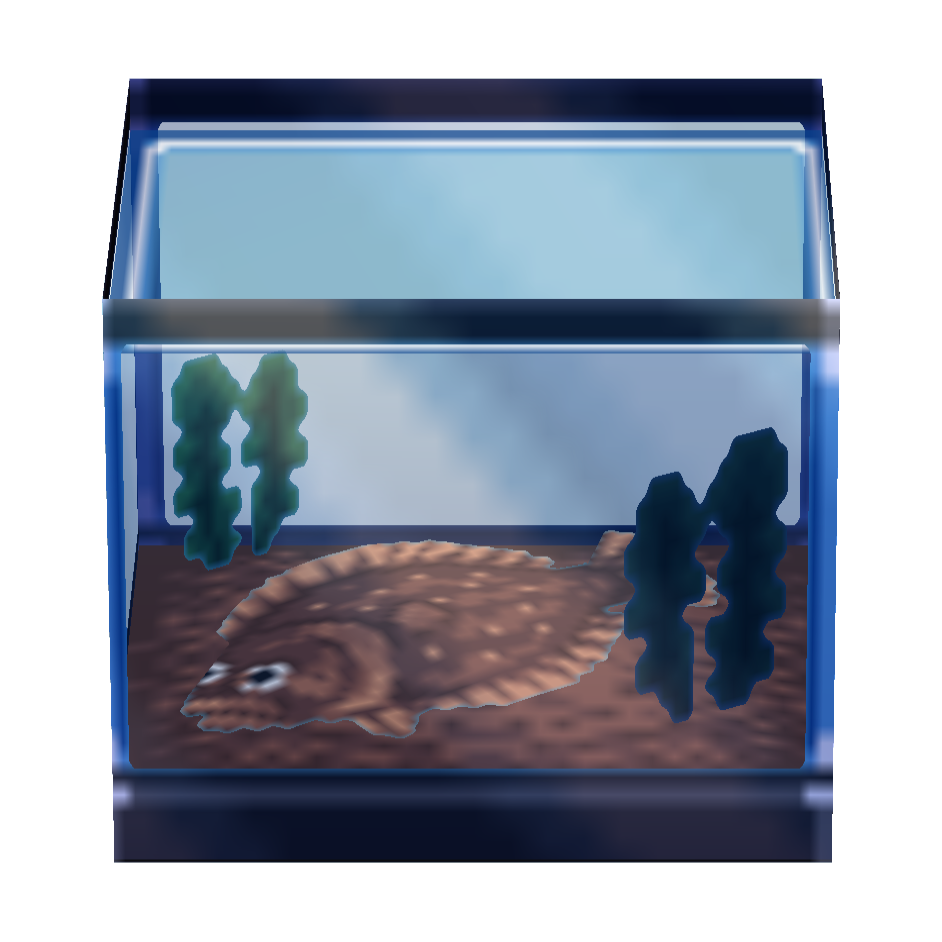
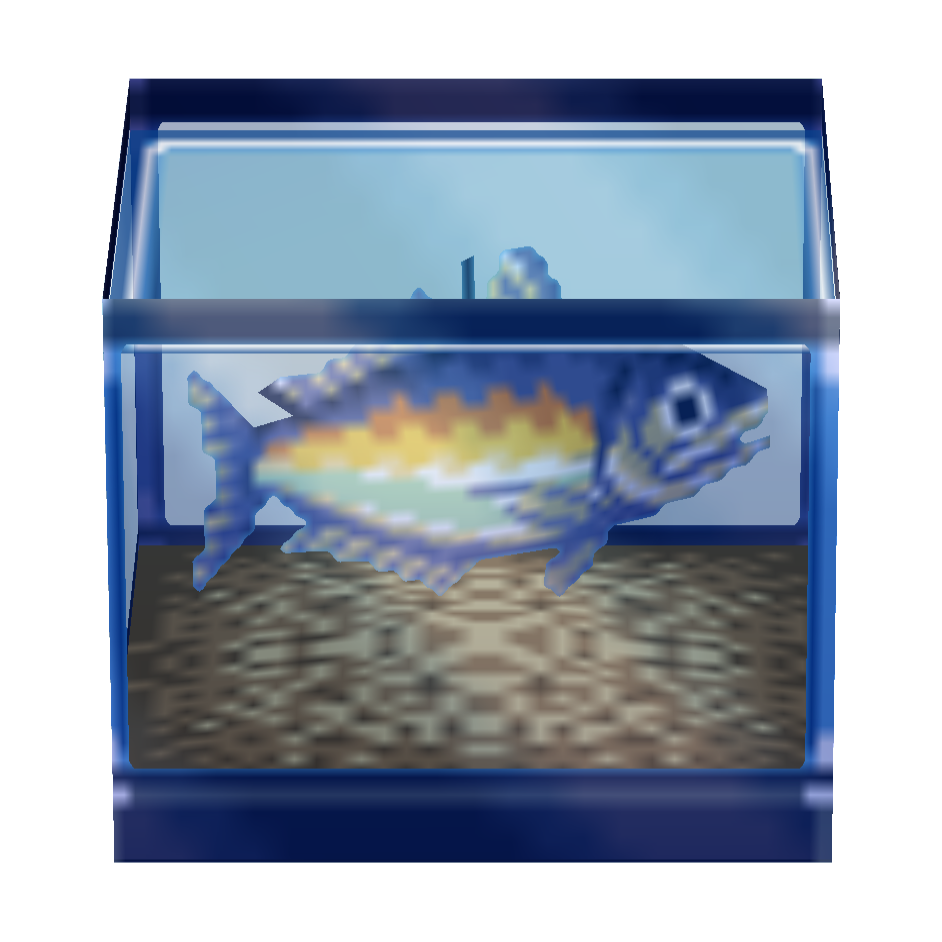
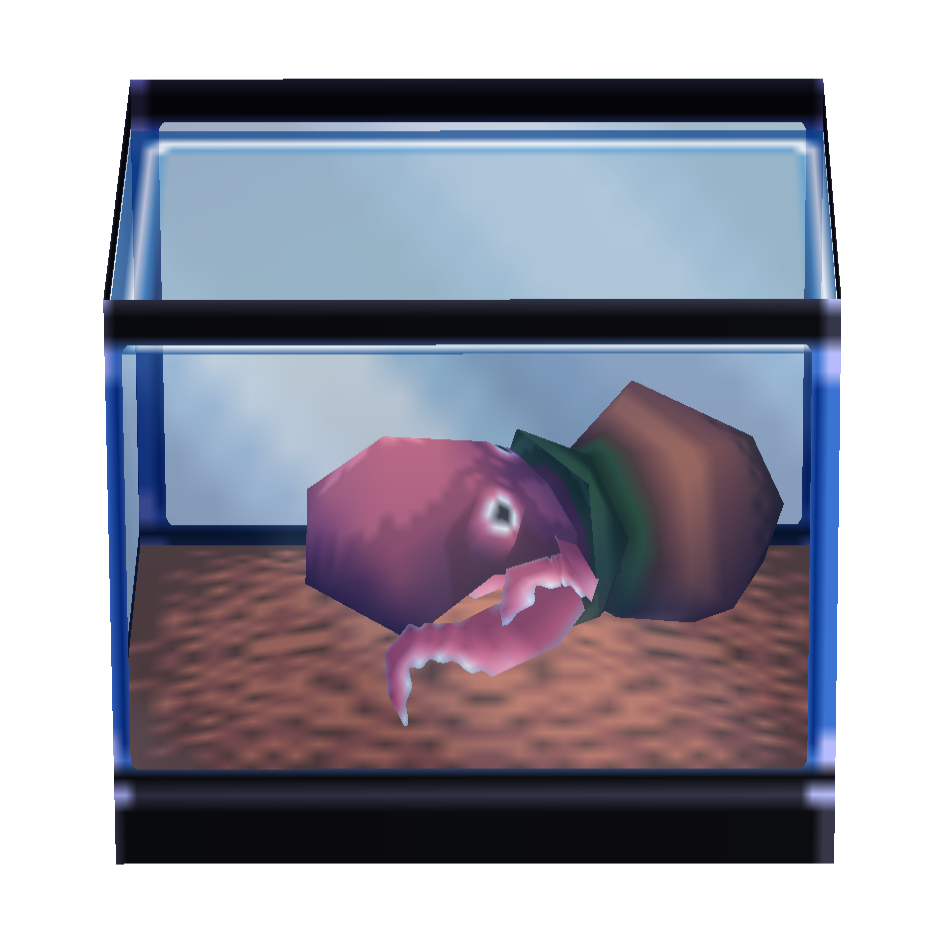
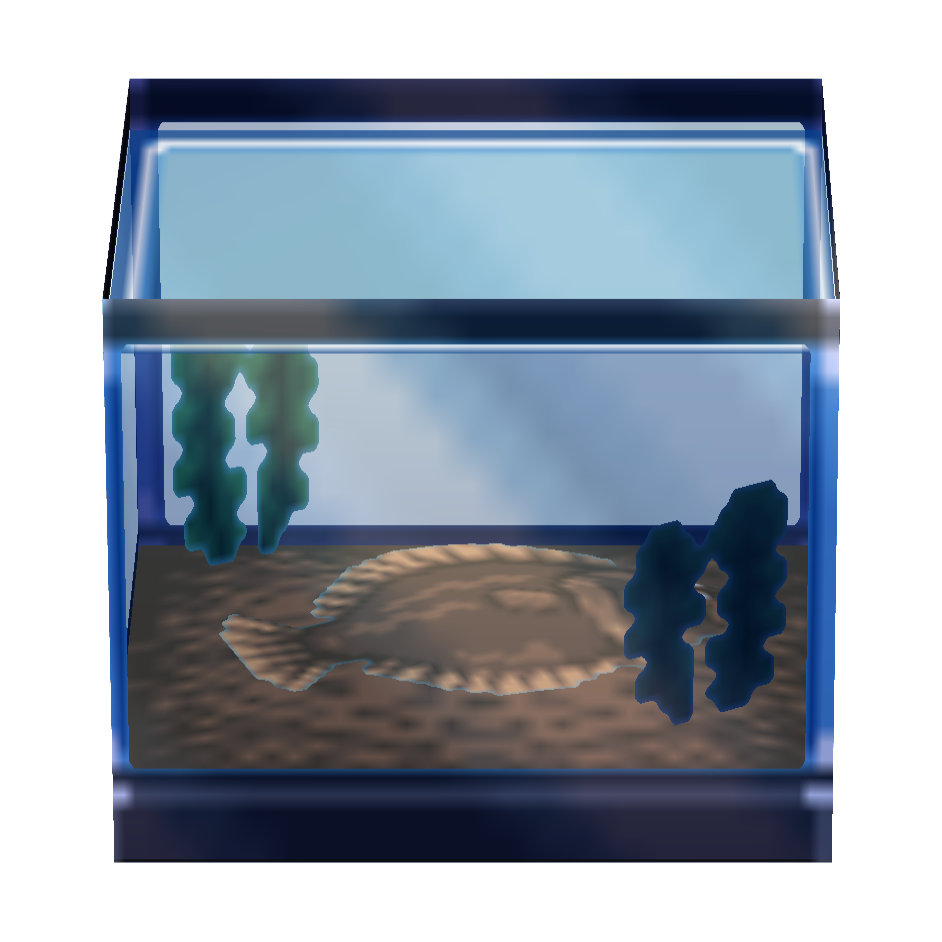
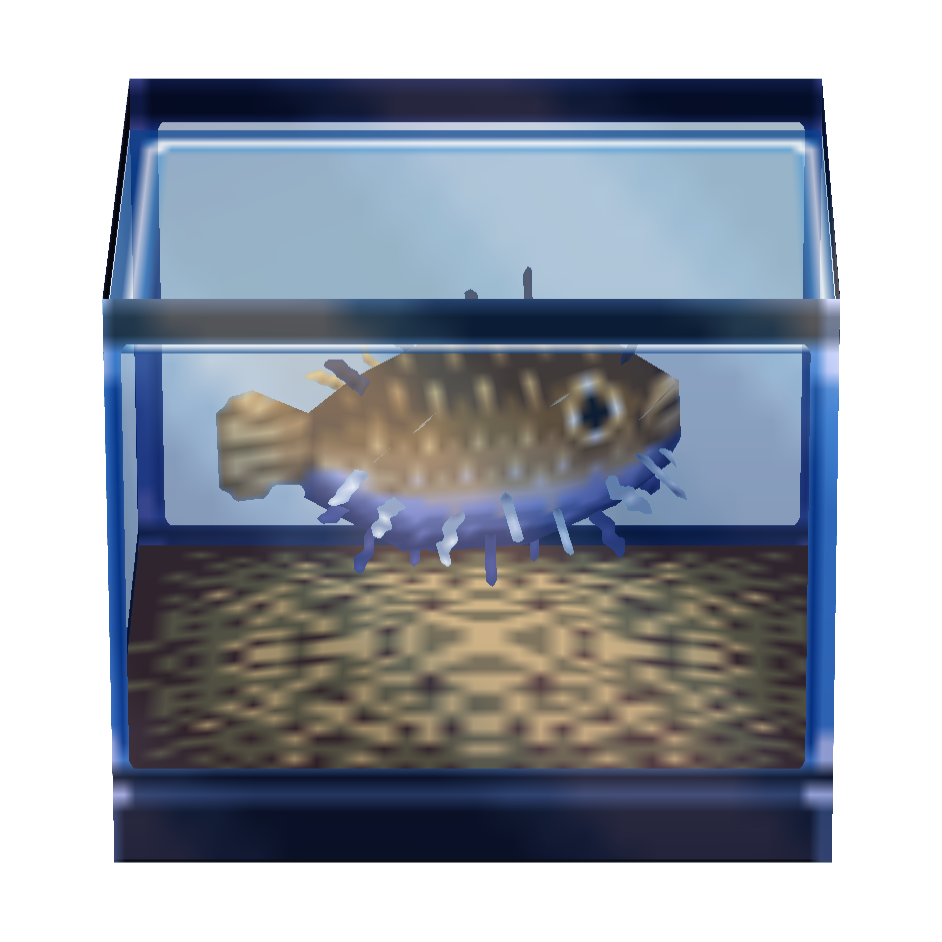
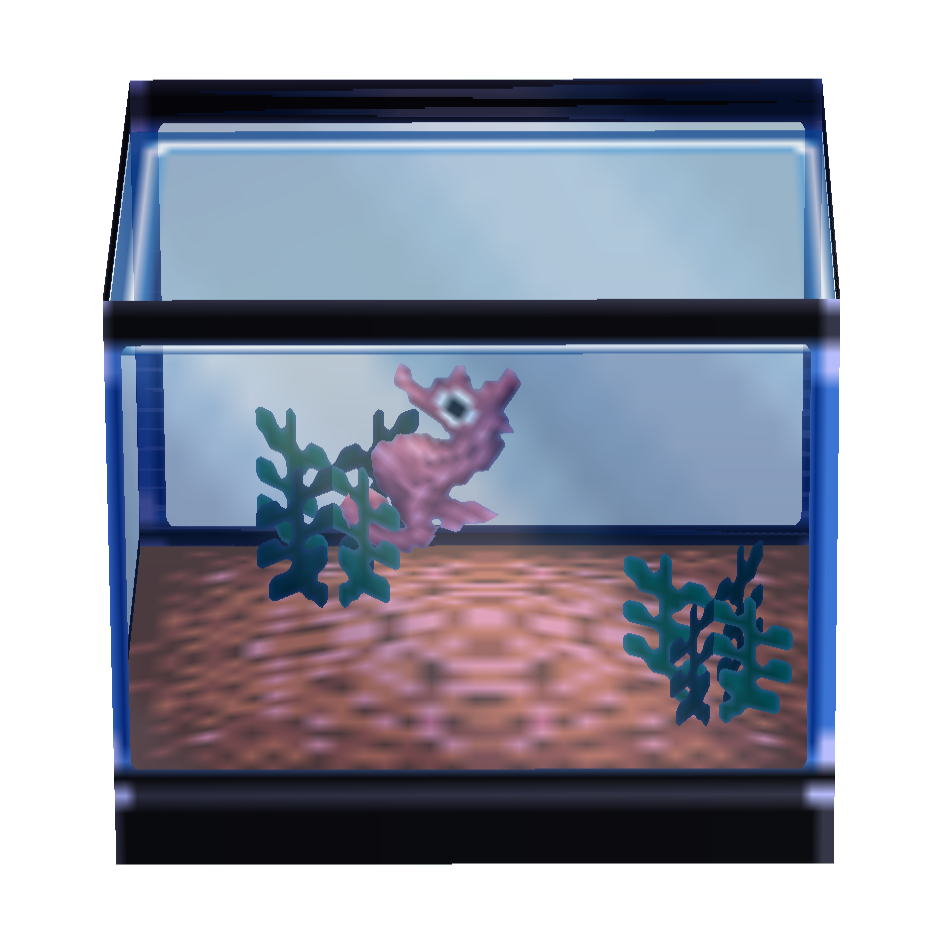
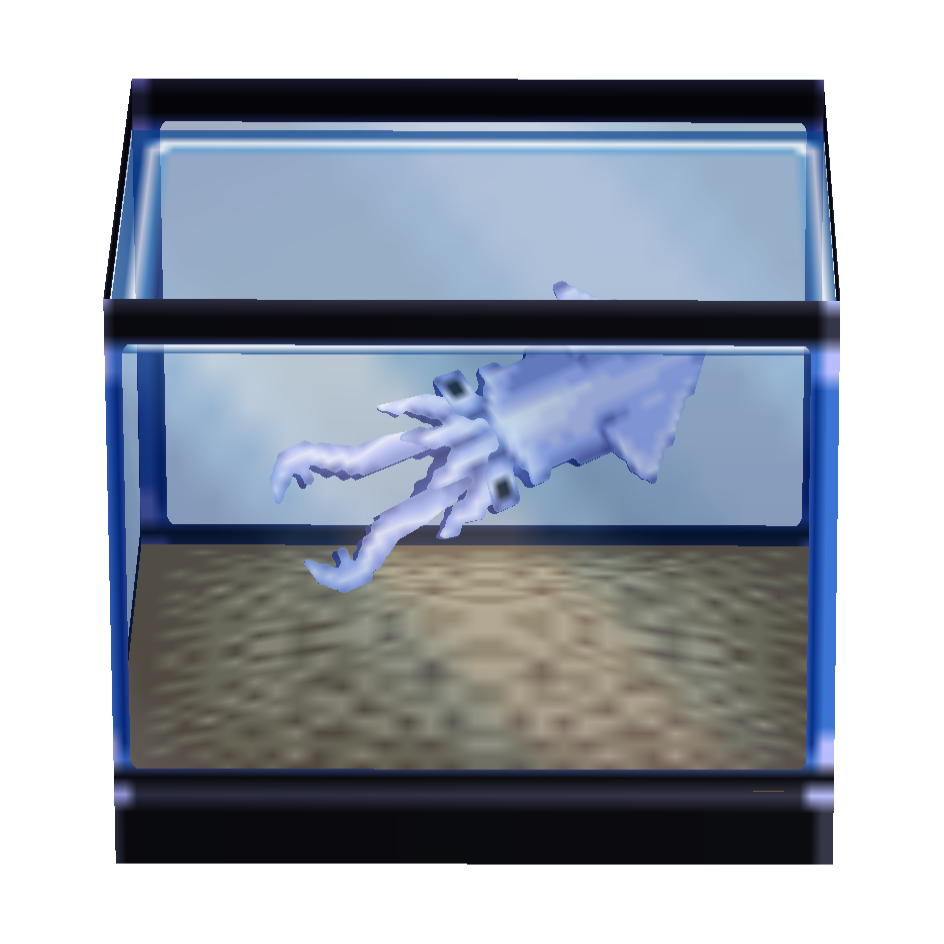
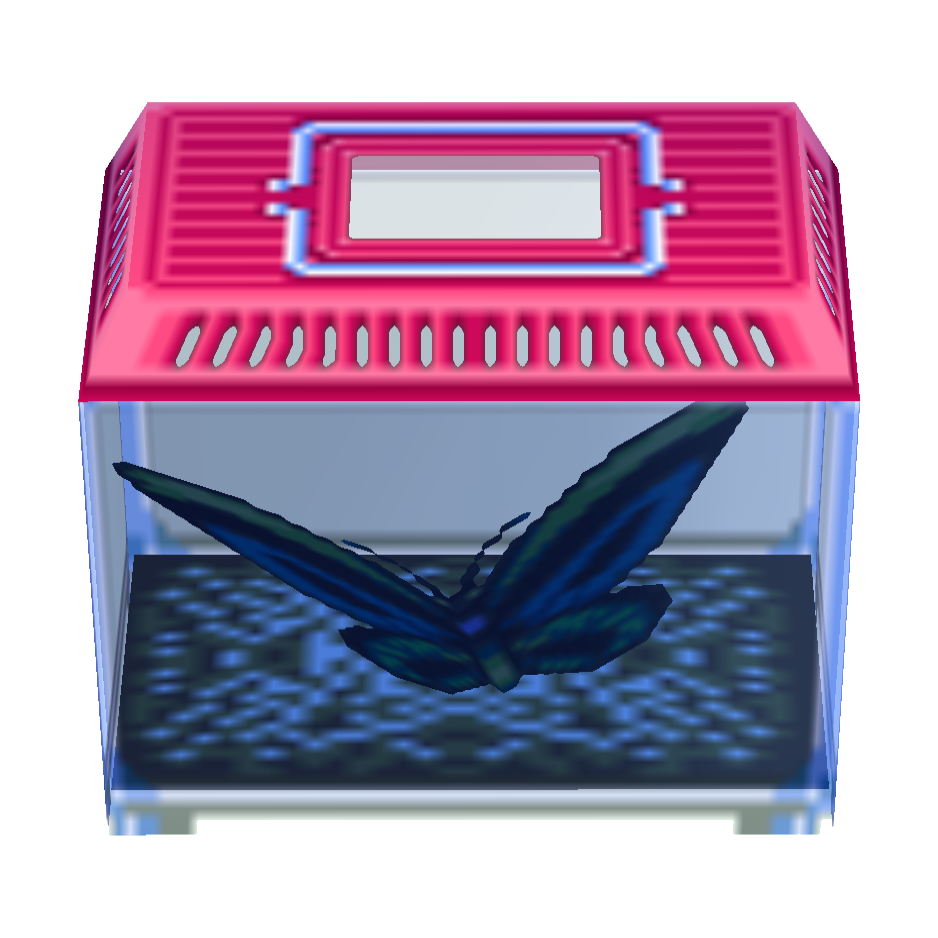
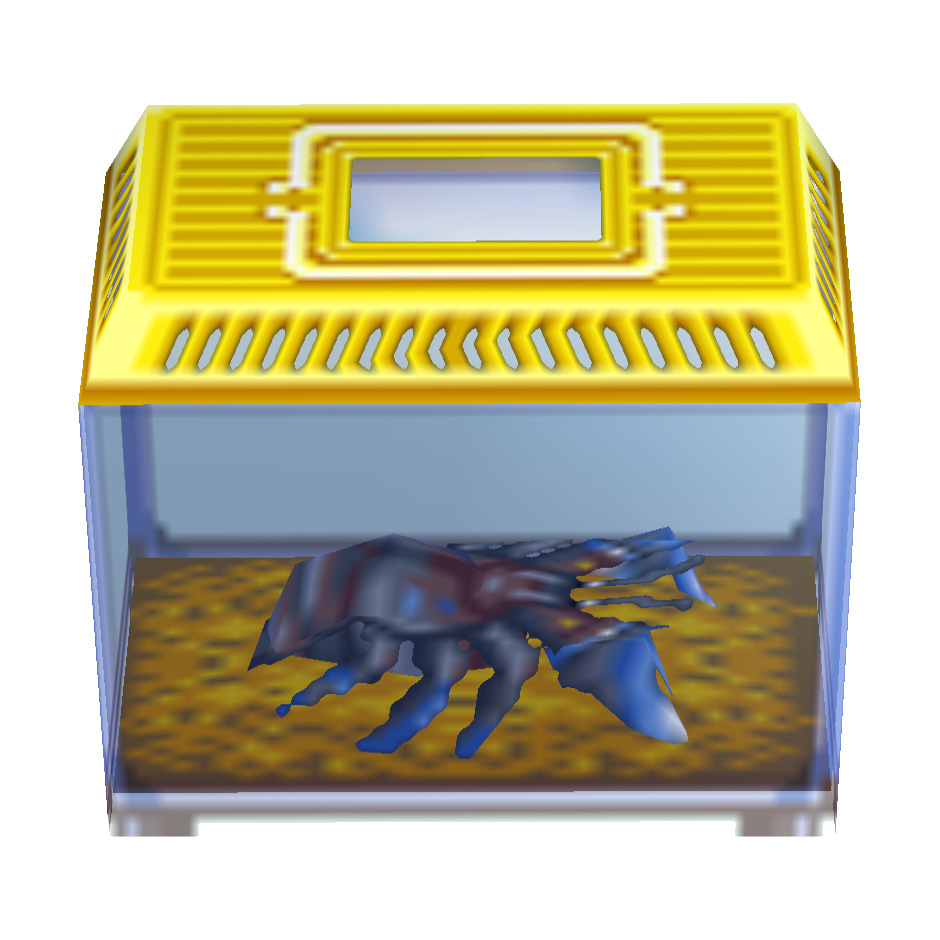
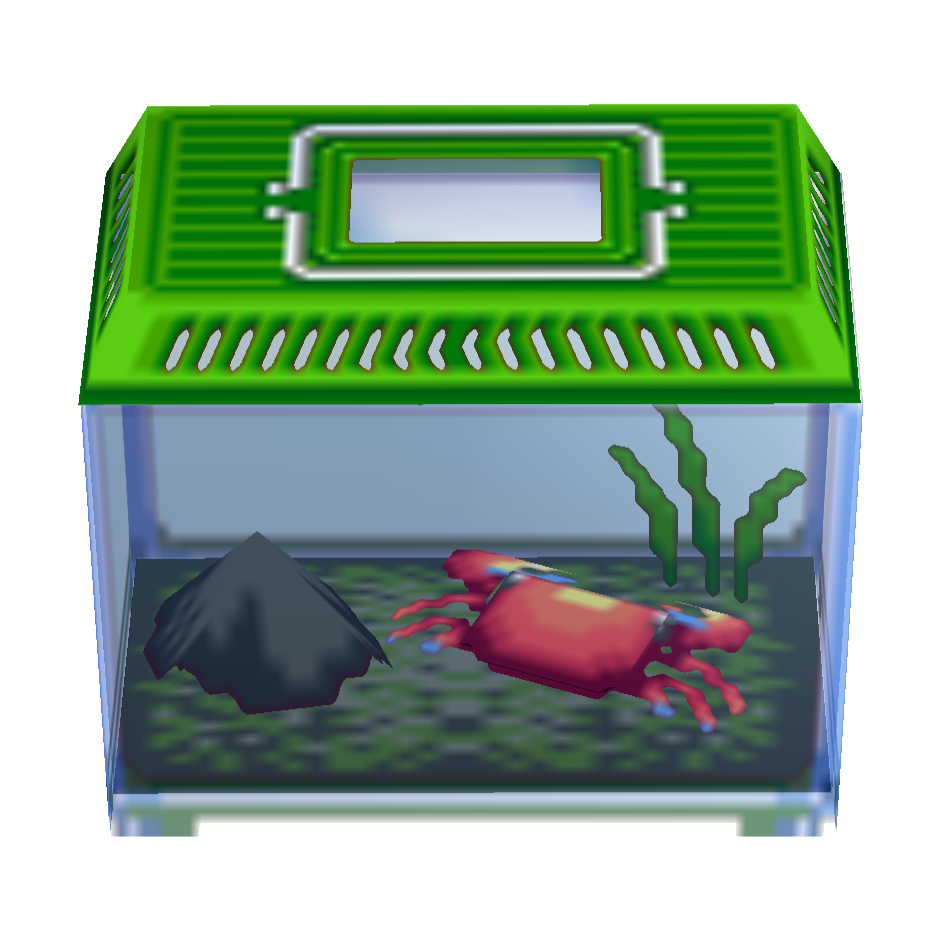
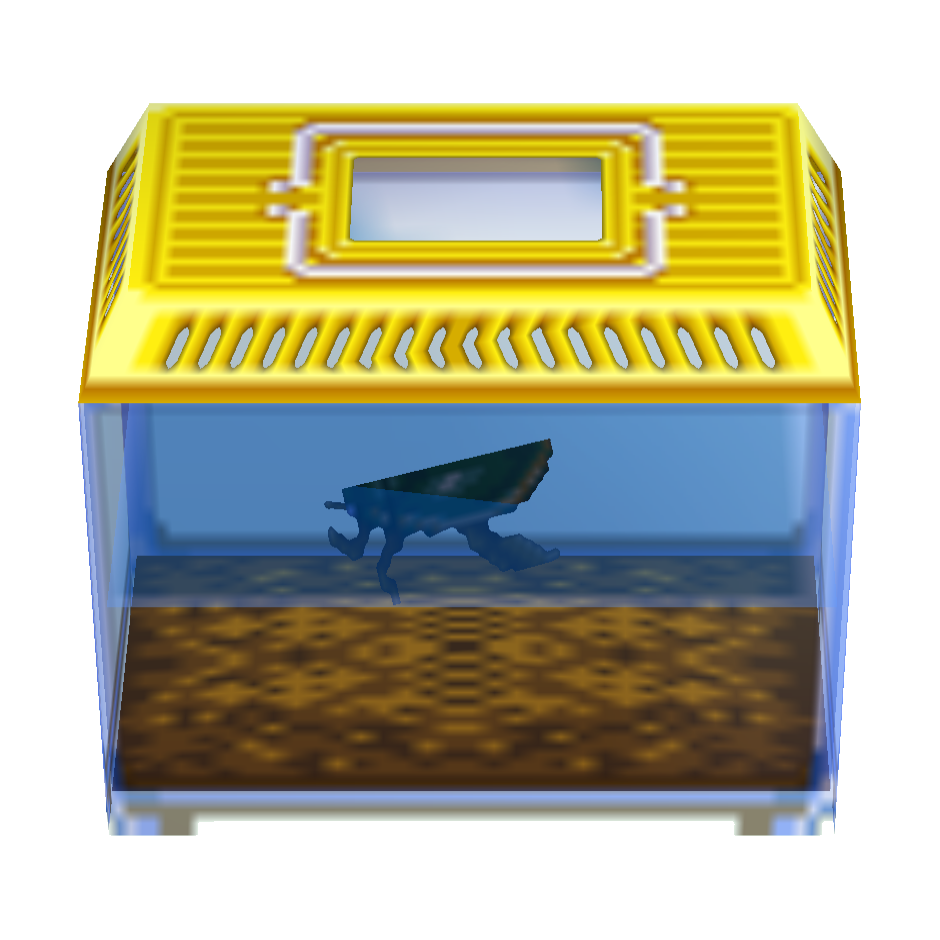
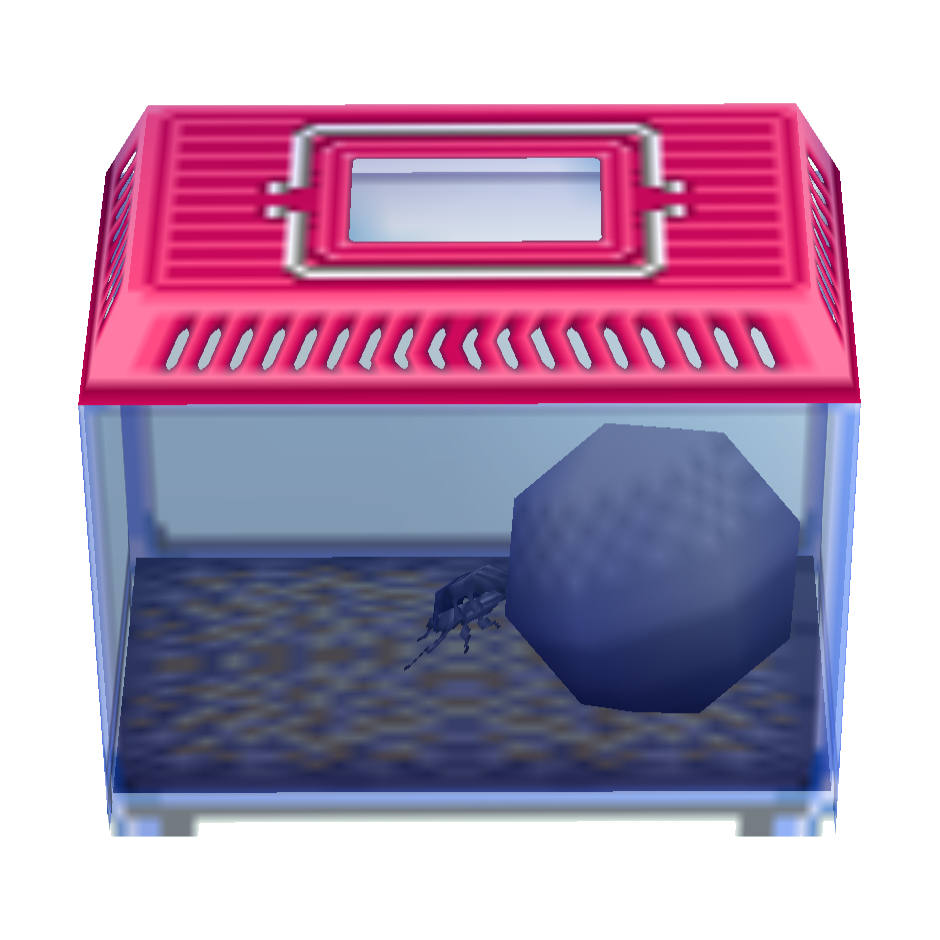
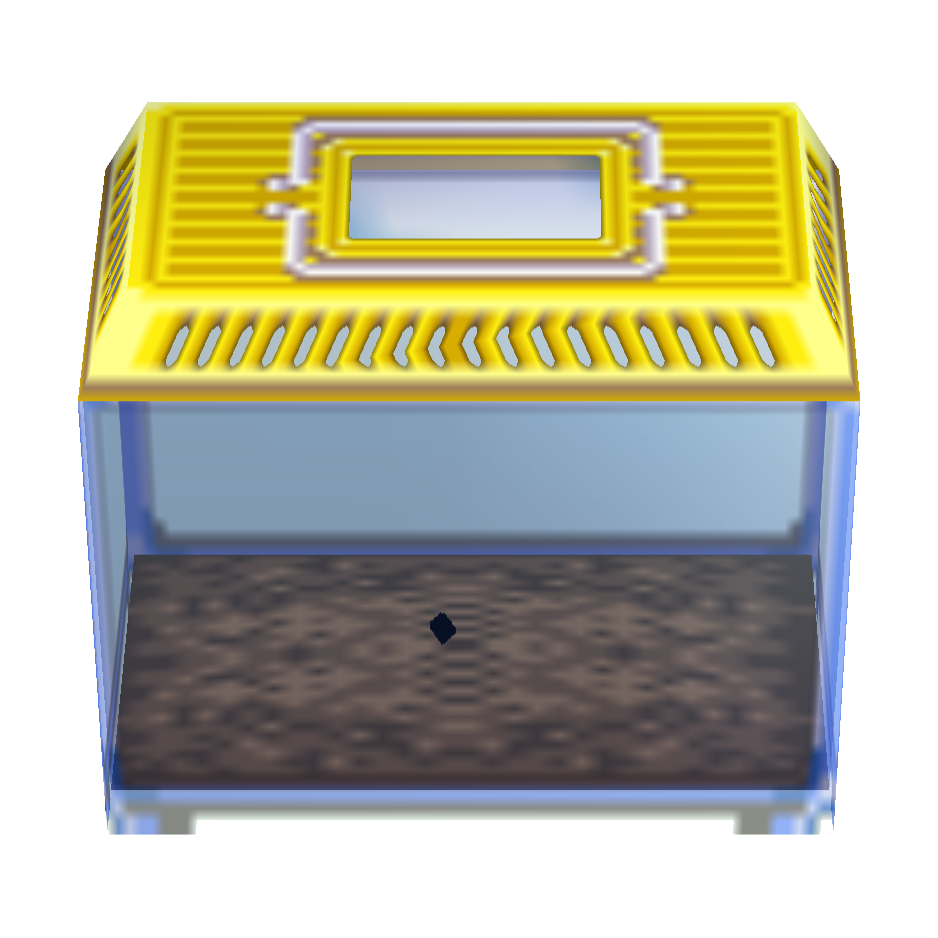
- Eight new fish (Horse Mackerel, Puffer Fish, Dab, Olive Flounder, Squid, Octopus, Seahorse, and Blue Marlin) and eight new insects (Birdwing Butterfly, Hercules Beetle, Diving Beetle, Flea, Crab, Hermit Crab, Coconut Crab, and Dung Beetle) are added. Almost all of these fish and insects would reappear in later installments in the series, the only exceptions being the Crab and the Coconut Crab.
- The shadow size of the Coelacanth is increased, and the fish is now only able to appear once in a single play session; despawning it by catching it or scaring it away requires the player to save and quit, then restart the game in order to allow it to appear again. This latter trait would be removed in later games.
- Conch-type seashells appear as 3D models outdoors rather than 2D sprites, as a means of hiding Hermit Crabs.
- Along with Pokémon Channel, this is one of the only two licensed titles to support SD Cards via a mechanical adapter (DOL-019 or third party equivalent, such as "SD Gecko").
- The game only supports first-generation SD cards (i.e. up to 1 GB); larger SDSC cards will work if repartitioned to said size (which is automatically done by formatting it via the game), while SDHCs are incompatible.
- Among other functions, the player can take screenshots of the game in uncompressed (!) TIFF format and save them to the SD card (by pressing Z); this feature would return in City Folk onward, with New Horizons adding in the ability to save screenshots directly to the console's internal on-board memory in addition to a microSD card. The pictures can be displayed or deleted on the console, very slowly and sequentially, with the appropriate options in the pre-game menu.
- The player can also copy their town to the SD card (in /PRIVATE/GAMECUBE/NINTENDO/DOUBUTU/{filename set at start of game}.DBM); this file can then be used as in ordinary 2-card travel, but with the obvious added advantage of being transferable through the internet, or onto other non-proprietary data mediums. The town owner will afterwards import it back from SD to memory card, as done in ordinary 3-card travel.
- In Animal Crossing, the first player created on the included promotional memory card will receive a special letter from Nintendo, containing a grab bag with two NES games and a song from K.K. Slider inside. In e+, this grab bag arrives as a gift in a letter from Mom.
- Lilies of the valley are introduced, and only grow on cliffsides in perfect towns; this feature would become a staple for the series starting with Wild World, although the English localizations incorrectly called them "Jacob's ladders" until Happy Home Designer.
- Ice Climber, Mario Bros., Super Mario Bros., and The Legend of Zelda are completely excised from the game's code and consequently cannot be obtained even through hacking, despite having previously been available in +.