 This article has a talk page!
This page details pre-release information and/or media for Crash Bandicoot: Warped.

|
To do: |
Development Timeline#
- January 1998
- The development of Crash Bandicoot: Warped begins.
- Pura's conceptual sketches are made.
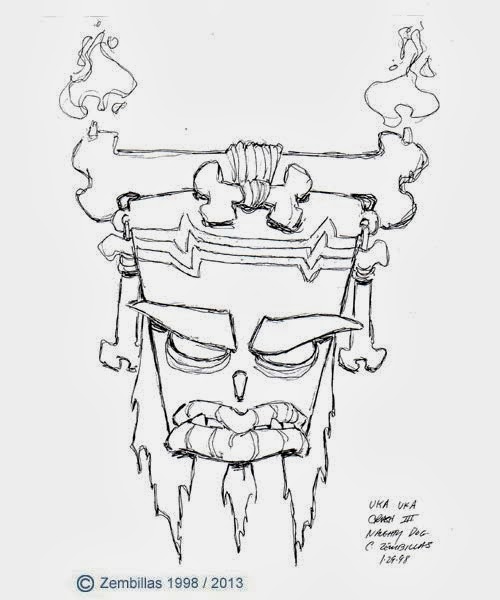
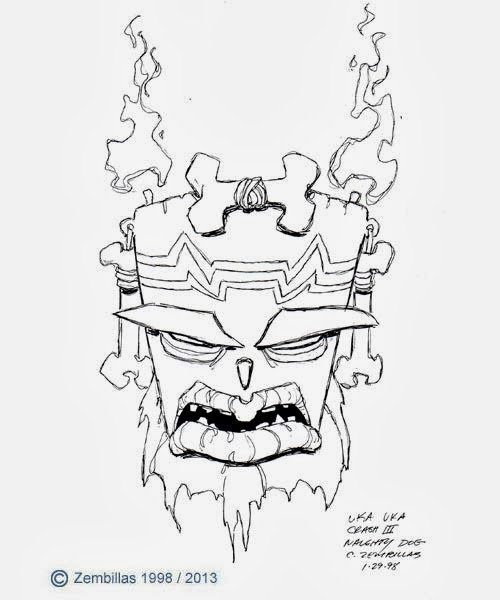
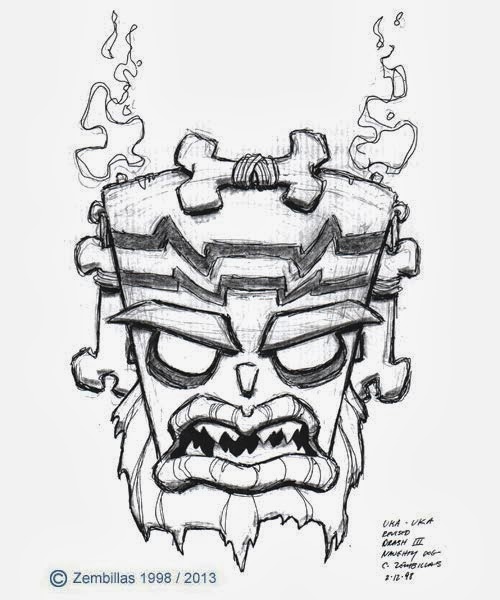
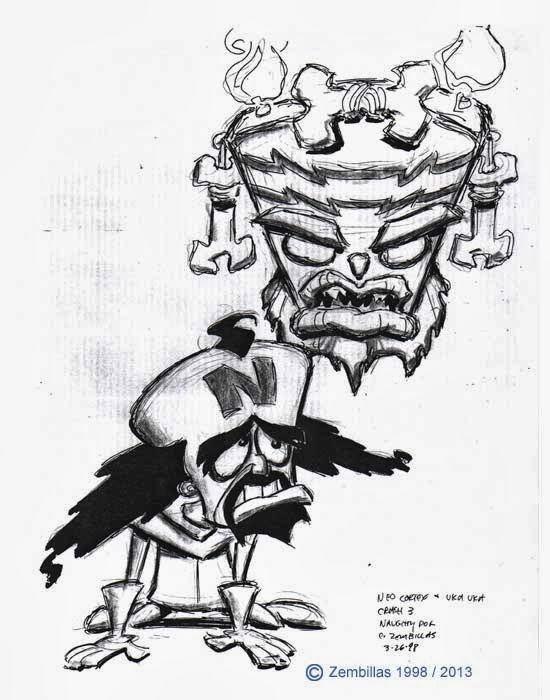
- Uka Uka and N. Tropy's first conceptual sketches are made.
- February 1998
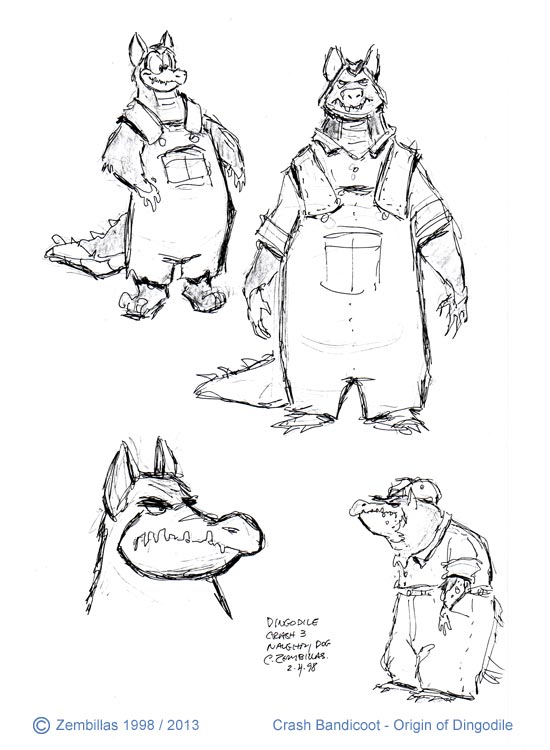
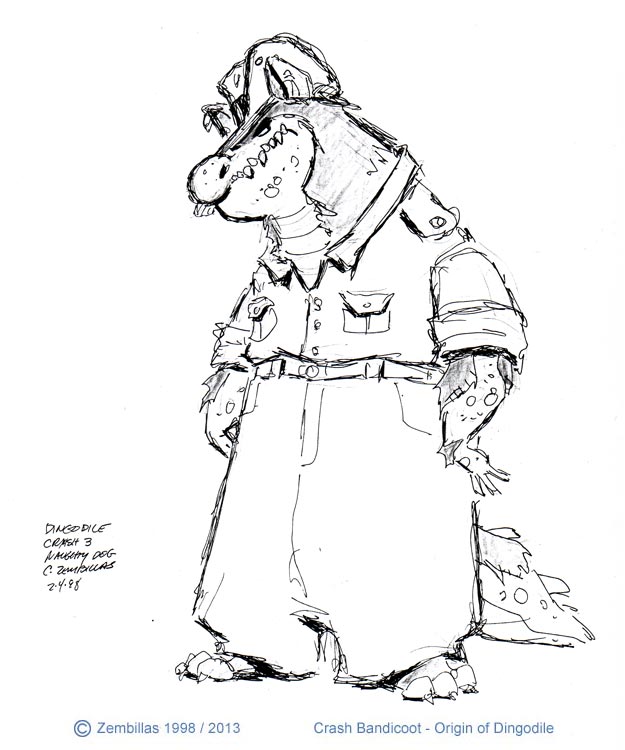
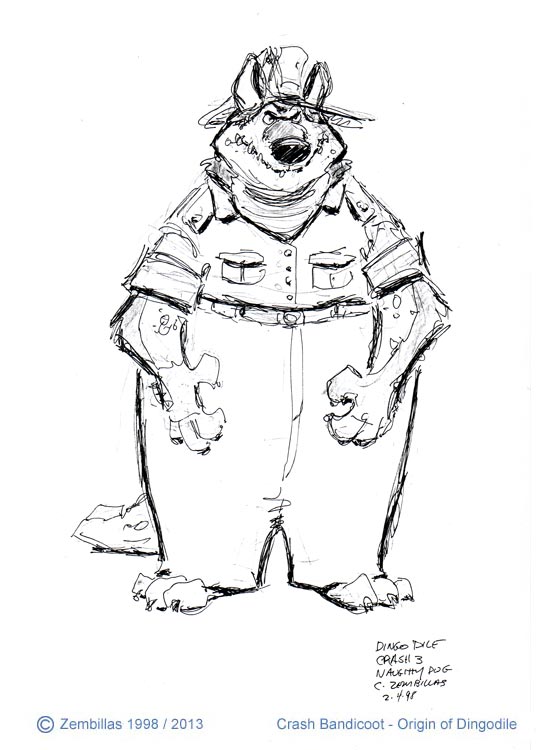
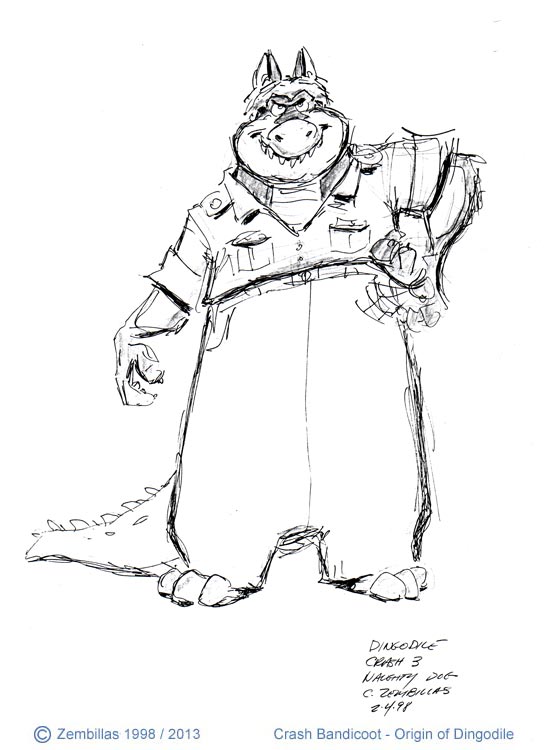
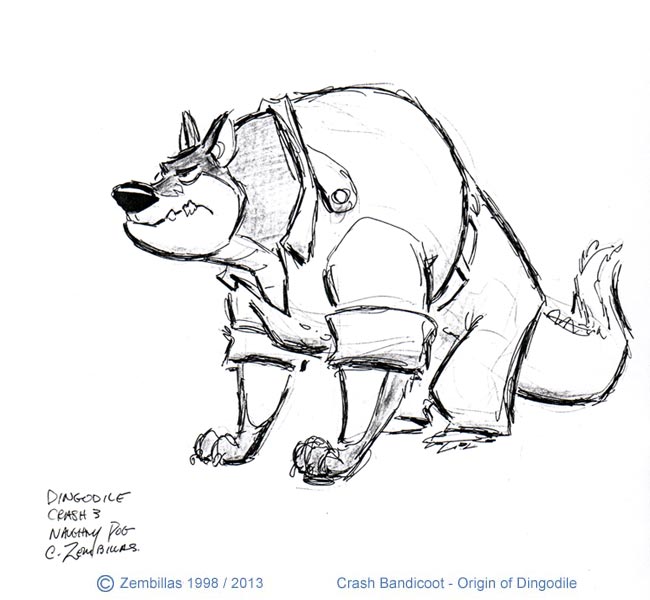
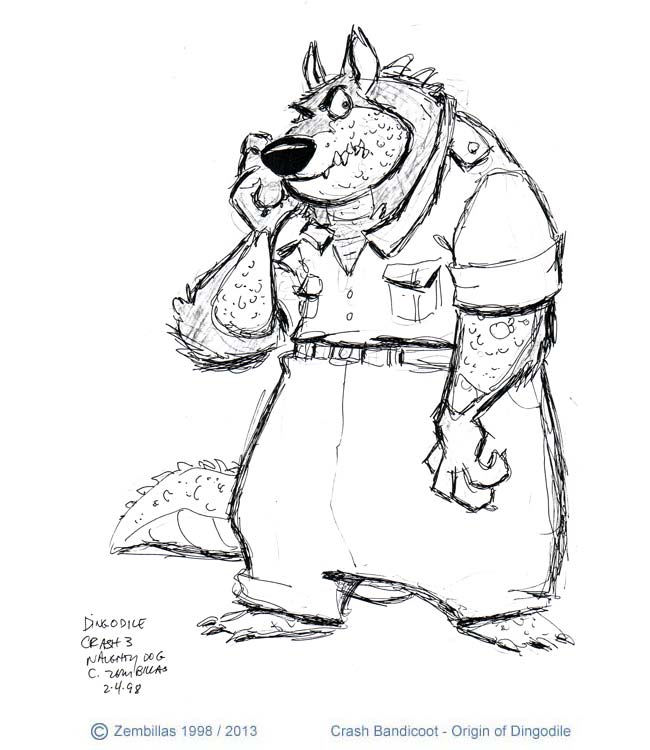
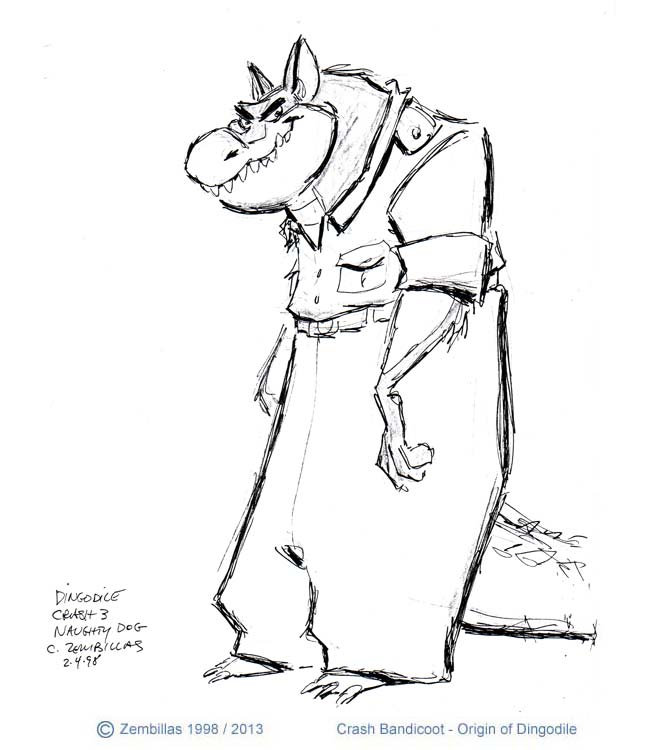
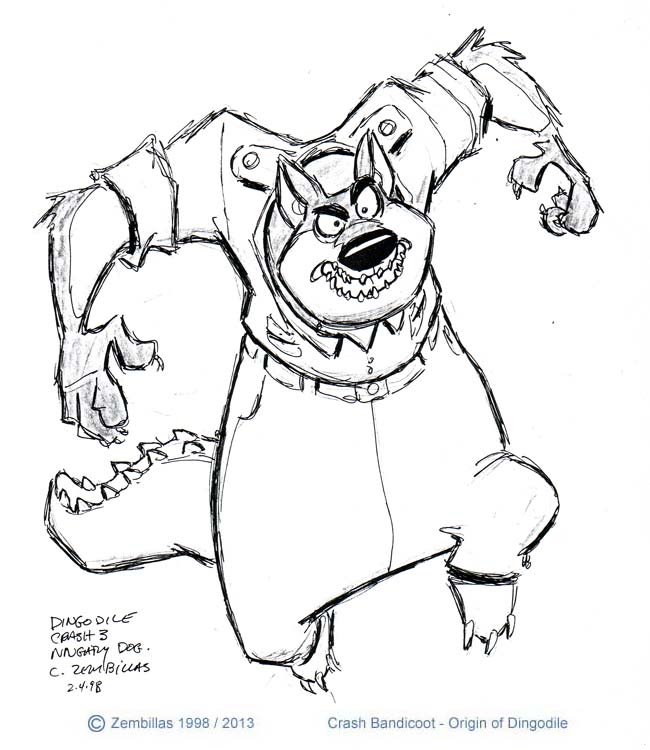
- Dingodile and Baby T's conceptual sketches are made.
- N. Tropy's reaches its final conceptual design.
- March 1998
- Uka Uka reaches its final conceptual design.
- Tiny Tiger's conceptual sketches are made.
- ~April 1998
- Press screenshots and a small handful of builds of some of the earliest publicly seen versions of the game are sent to previewers. The game would not be officially unveiled to the public until E3, at which point the game was more complete than these previews.
- May 14 1998
- The E3 demo is built for the event around two weeks prior. It was later sent out by SCEA and SCEE to a number of gaming publications across America and (especially) Europe for exclusive previews - the latter repurposed as a "News Version" disc.
- May 28-30 1998
- The game is unveiled at E3 1998 with the playable demo.
- July 17 1998
- The SCEE Preview Version 1 is built and sent out by SCEA and SCEE across multiple American and European publications.
- July 29 1998
- The standalone Toys "R" Us store demo is built.
- August 5 1998
- The hidden demo present in the North American version of Spyro the Dragon is built.
- August 14 1998
- A late "alpha version" is built and sent out by SCEA to be eventually previewed in some American magazines.
- August 16 1998
- A European demo for European demo discs featuring Gee Wiz is built.
- August 24 1998
- Roughly the date of the other demo levels found on many North American demo discs featuring Under Pressure or Midnight Run, and the European version of the hidden demo in Spyro the Dragon.
- August 26 1998
- The SCEE Preview Version 2 is built and sent out by SCEE to multiple European publications. The game now enters the beta phase.
- September 26 1998
- The "reviewable version" is built and sent out by SCEA to multiple American publications.
- October 11 1998
- The SCEE Review Version is built. It is apparently dated the same day as the final build, which may have been intended as a release candidate.
- The initial North American build finished development in nine months and eight days after production started. 1
- October 21 1998
- The standalone Japanese store demo is built.
- October 28 1998
- The European build finished development.
- November 3 1998
- The game is released in North America.
- November 19 1998
- The Japanese build finished development.
- December 11 1998
- The game is released in Europe.
- December 17 1998
- The game is released in Japan.
Concept Art#
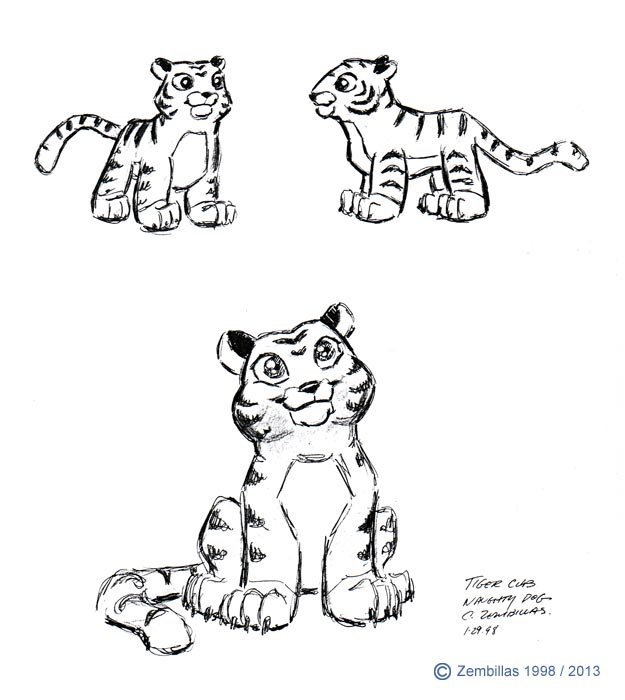
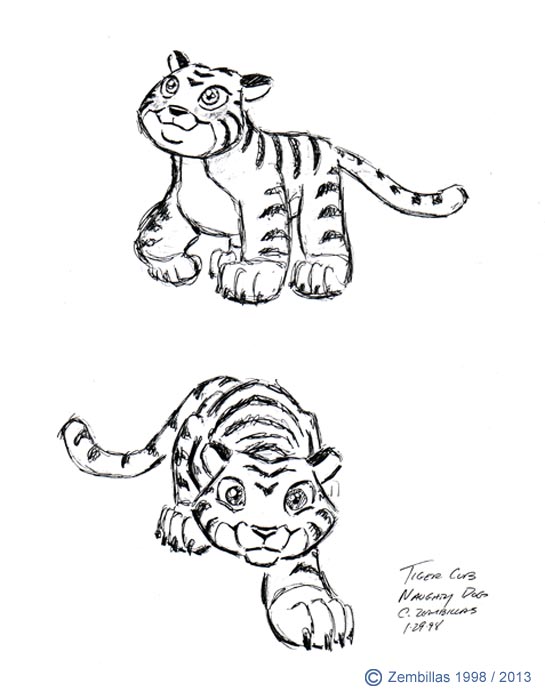
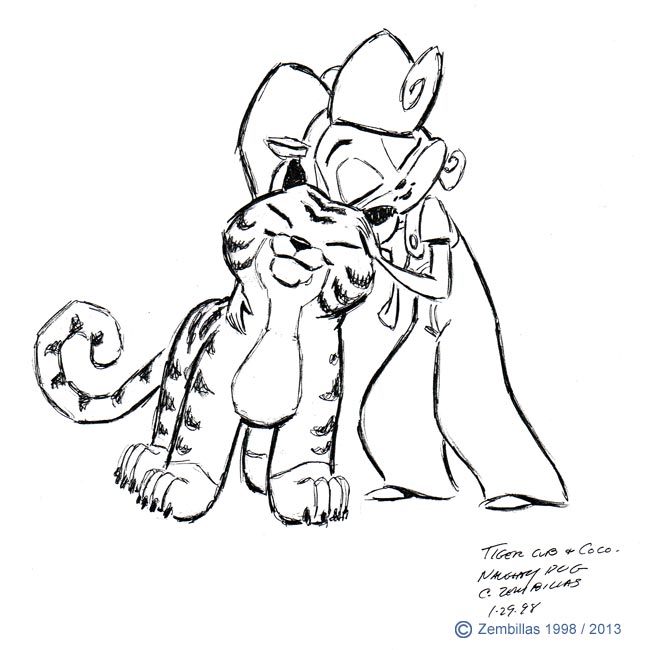
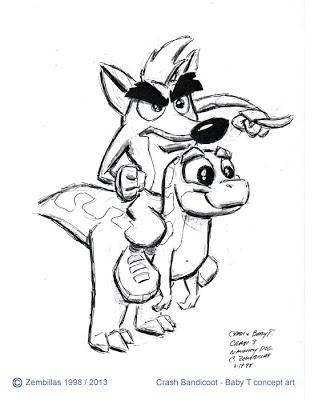
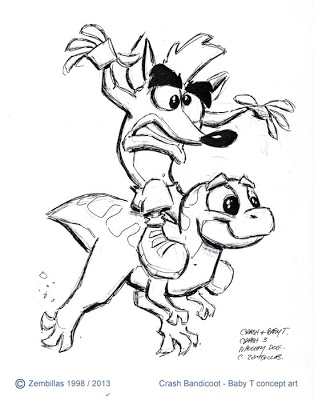
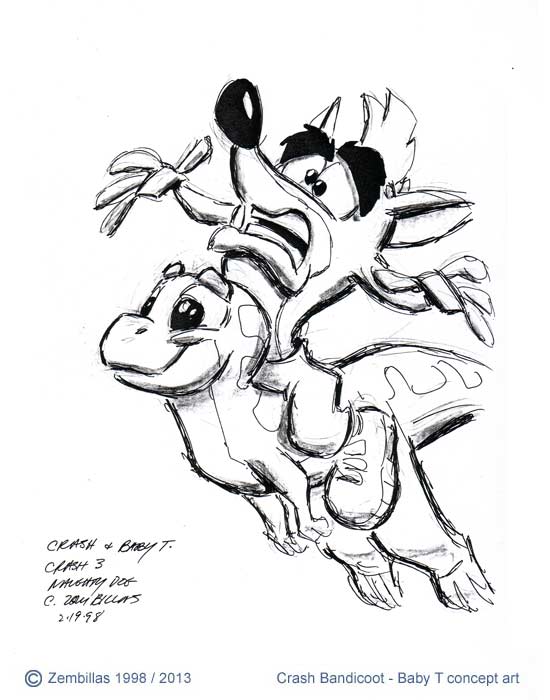
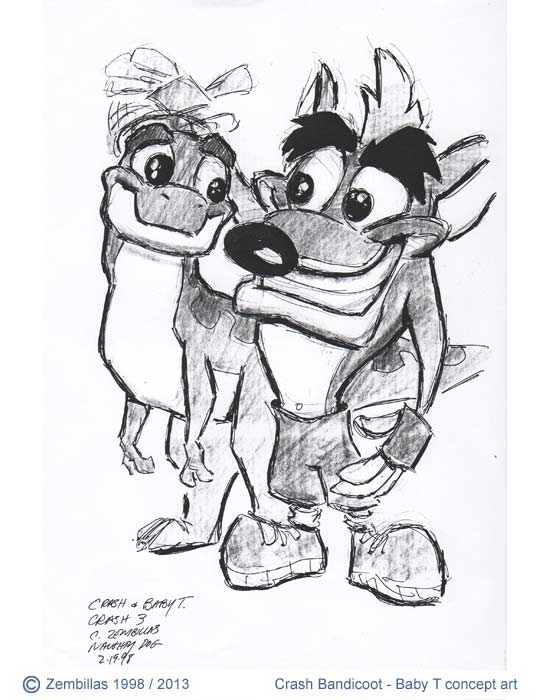
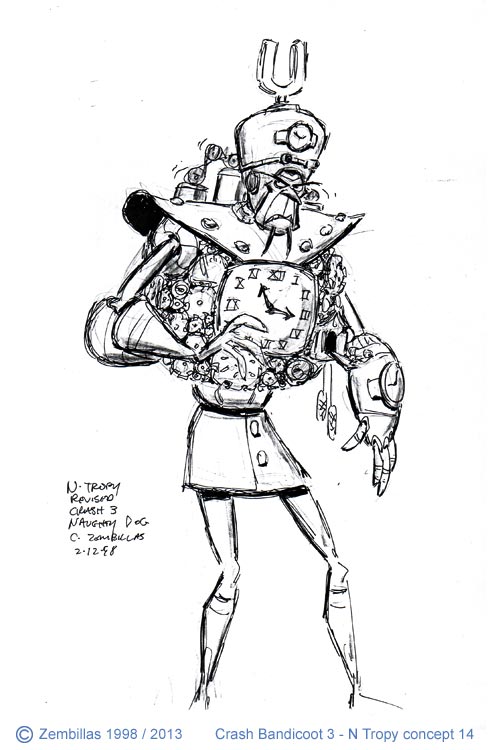
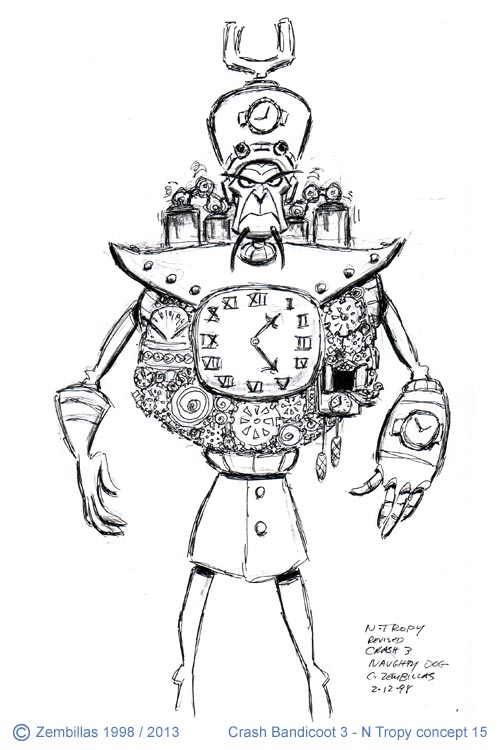
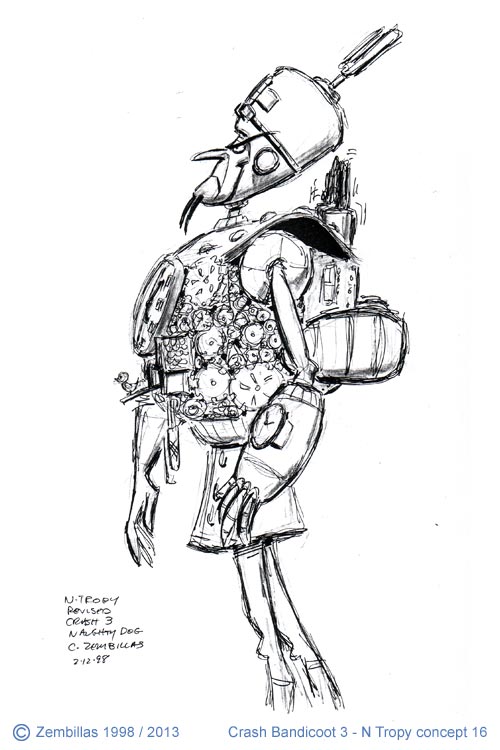
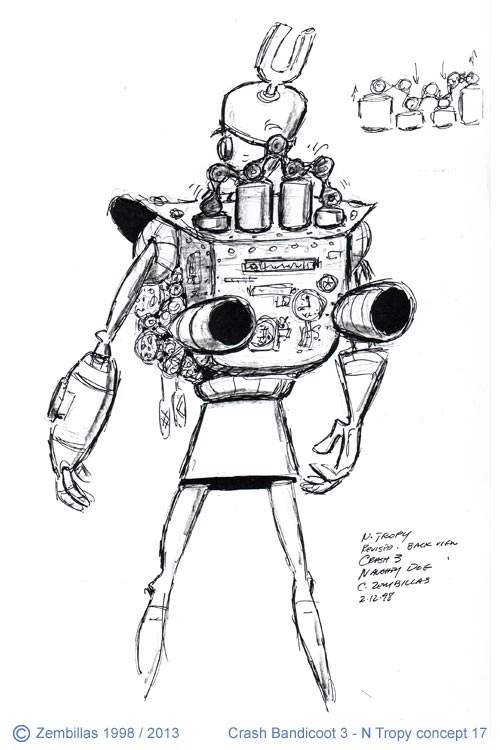
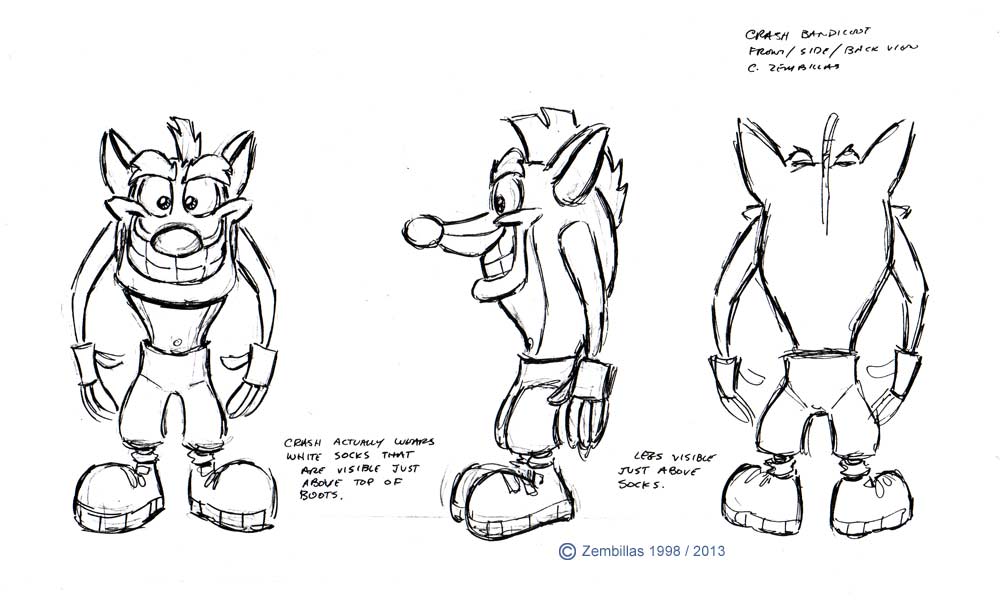
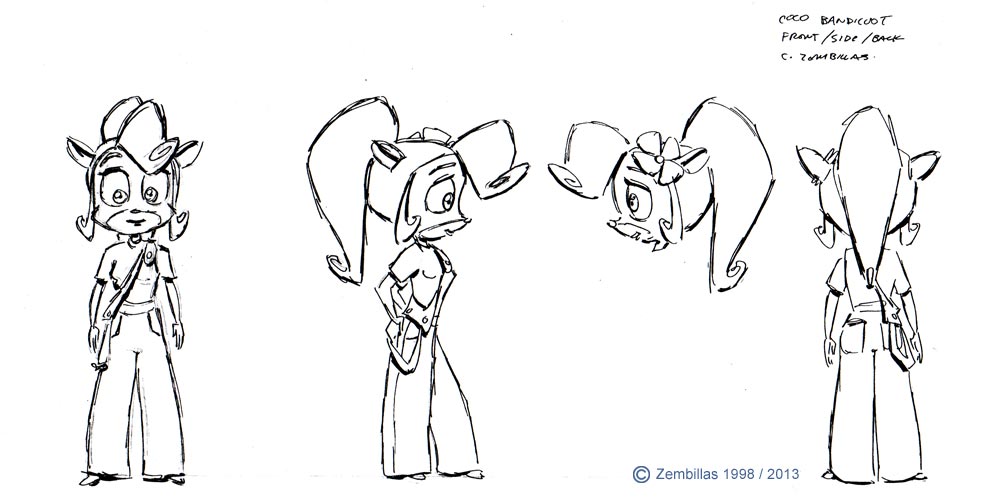
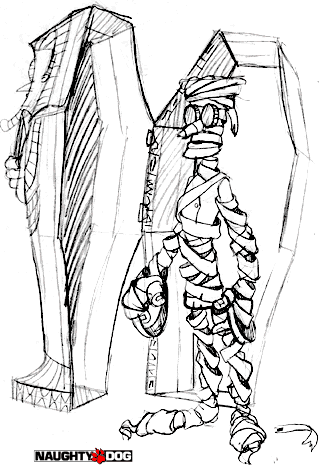
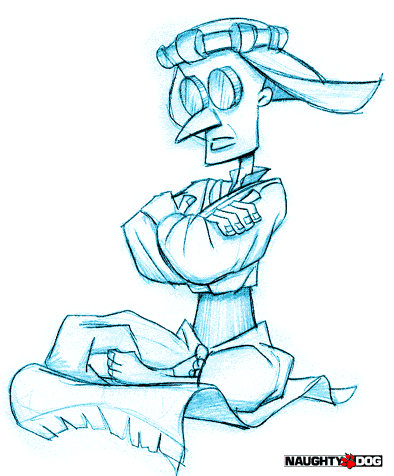
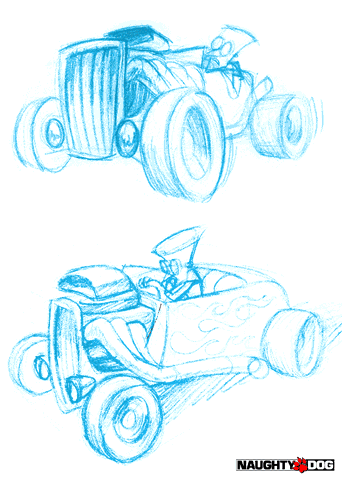
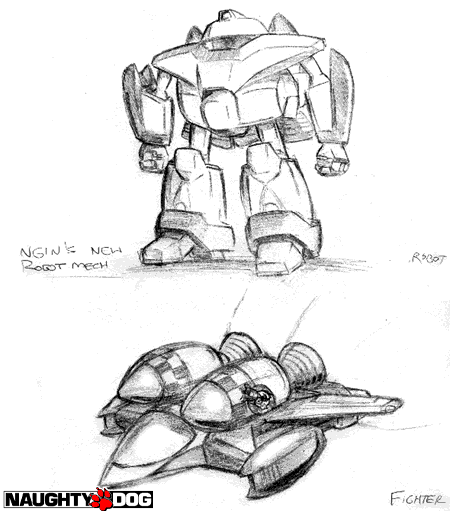
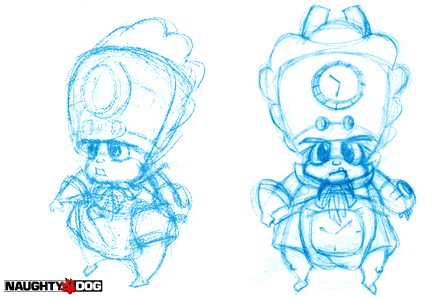
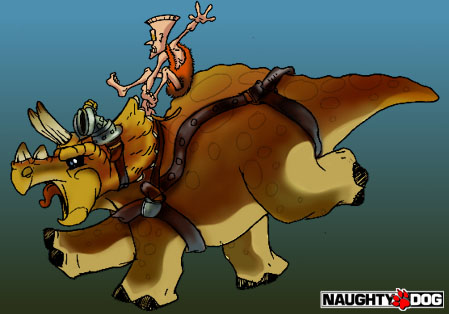
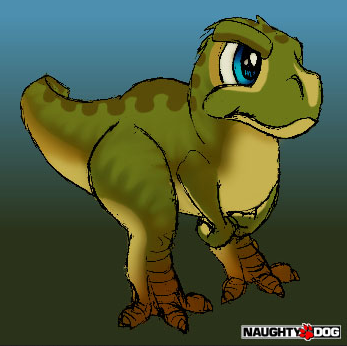
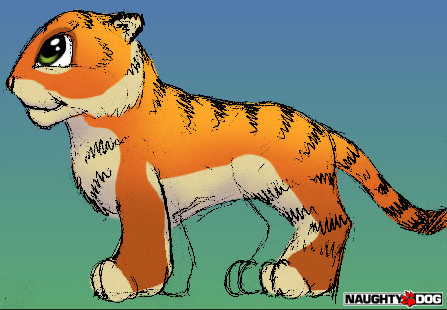
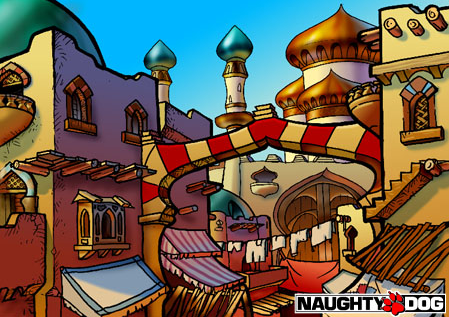
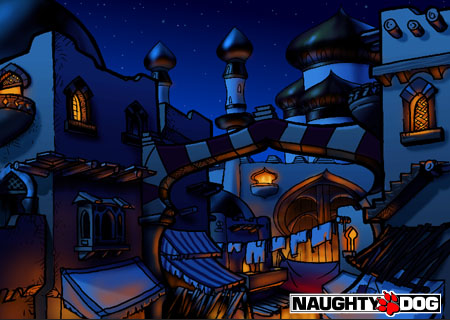
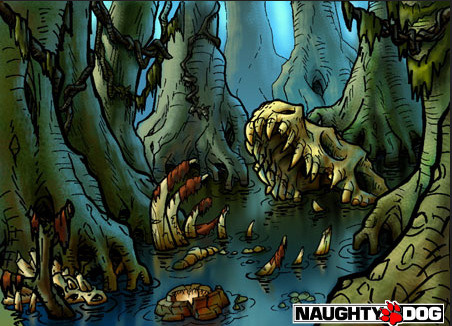
The following art was posted by Charles Zembillas, one of the main character designers for the game, on his blog in 2013. 2
Characters#
Pura#
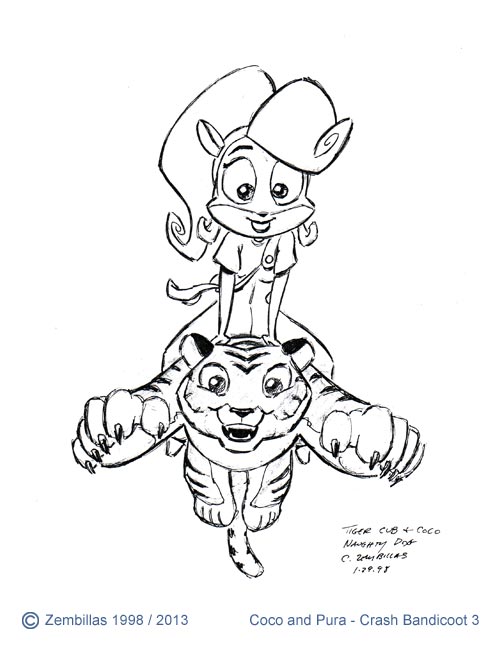
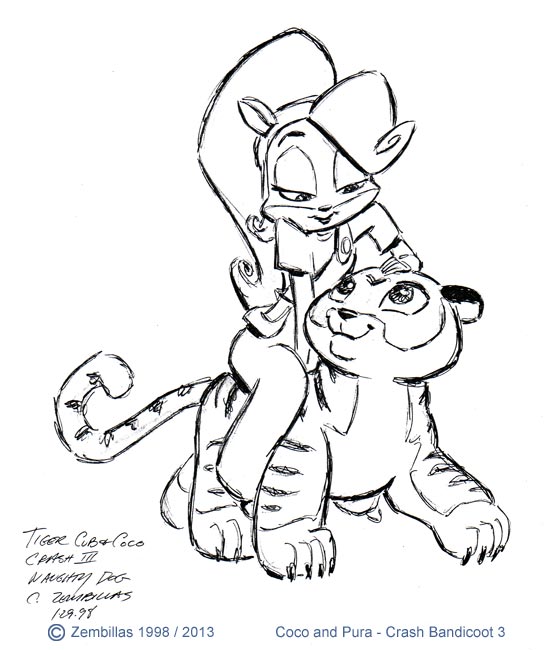
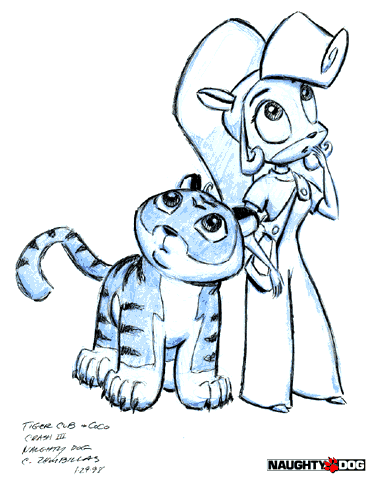
According to Naughty Dog, Pura was originally intended to be a panda bear but was later changed into a tiger cub so it wouldn't feel too similar to Polar from Crash 2 while also fitting in the theme of the China levels. Unlike his other creations, this time Charles was provided with a sketch from one of ND's artists and was directed to use it as a model for the design of the character.
The following sketches are dated January 29 1998.
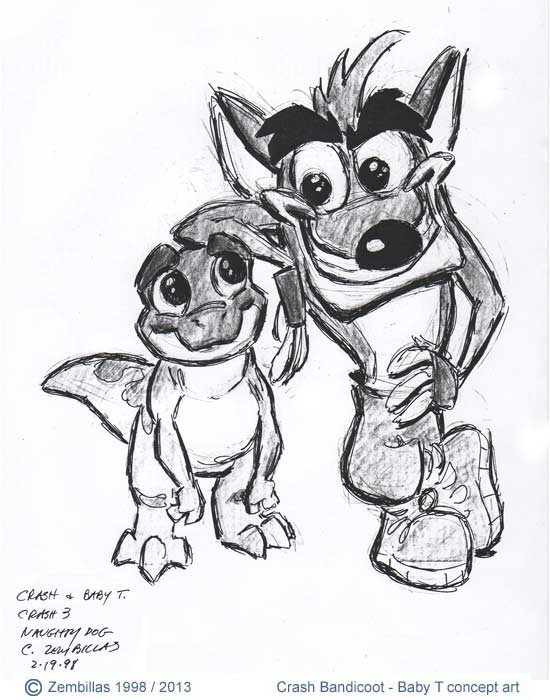
Baby T#
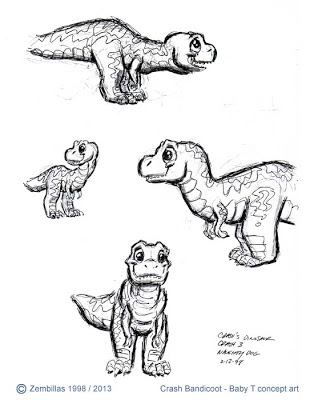
Early sketches of Baby T and Crash dated from February 12 to February 19 1998.

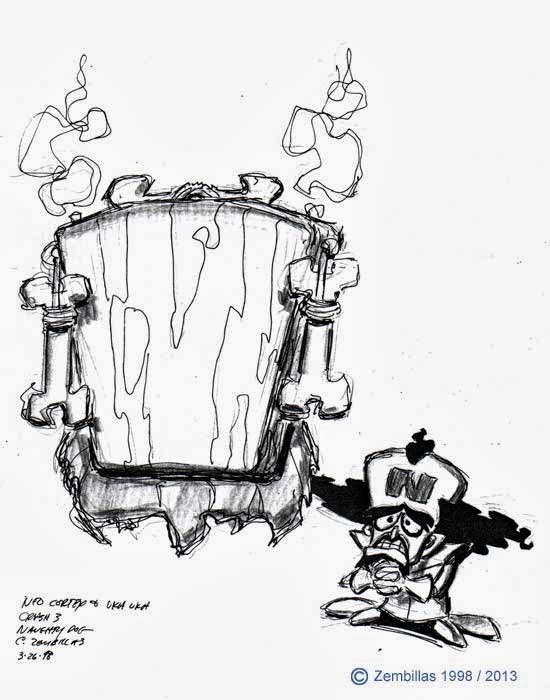
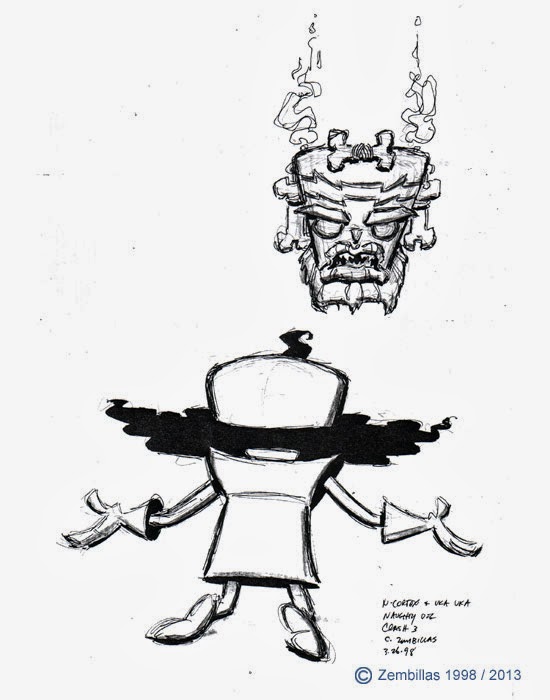
Uka Uka & Cortex#
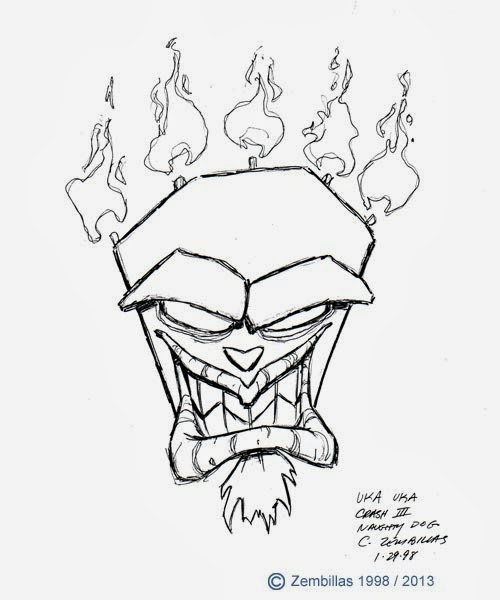
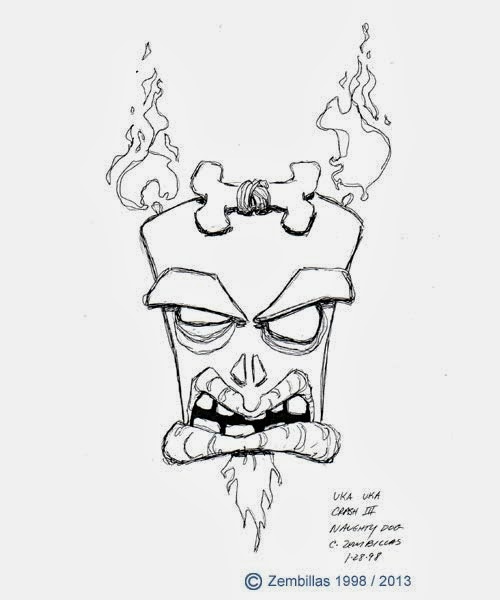
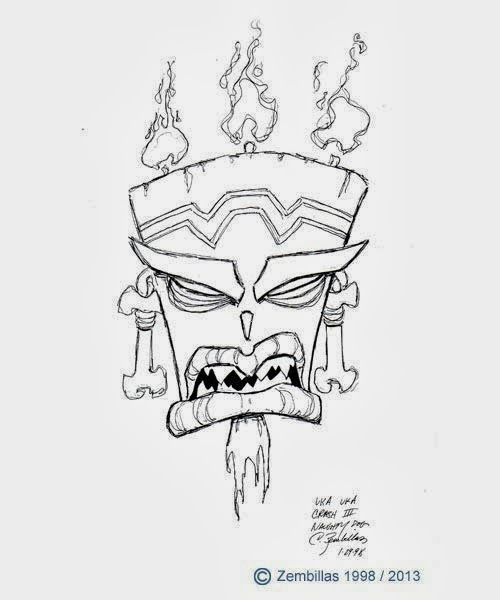
While Cortex's appearance remained unchanged, Uka Uka had a few minor differences to his design. Most notably his beard used to be much smaller, had different nose shapes and multiple flames above his head.
The following sketches are dated from January 29 to March 26 1998.
Tiny Tiger#
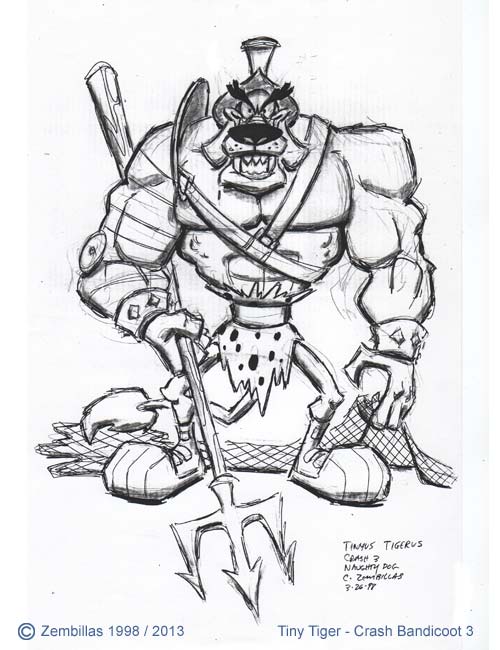
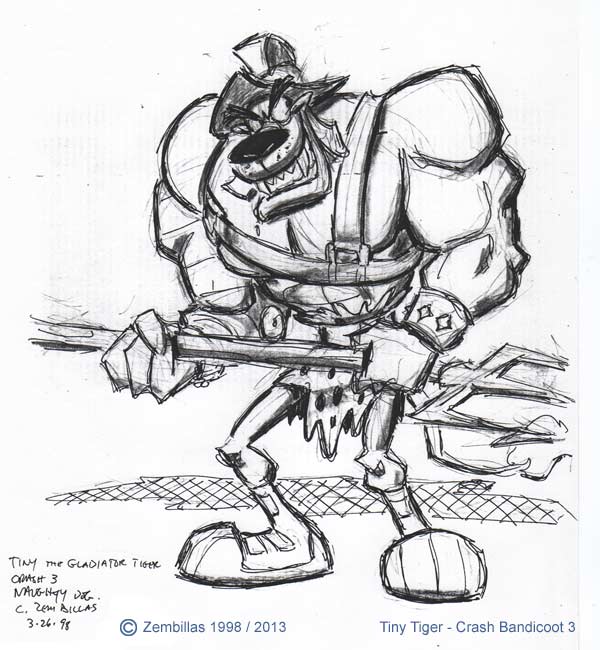
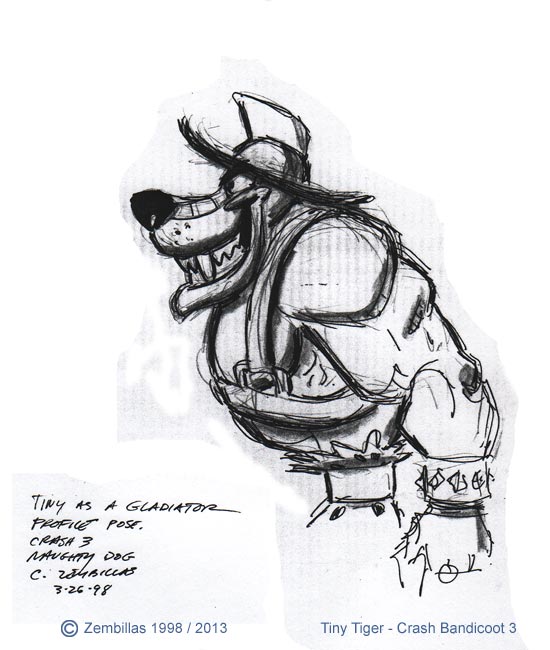
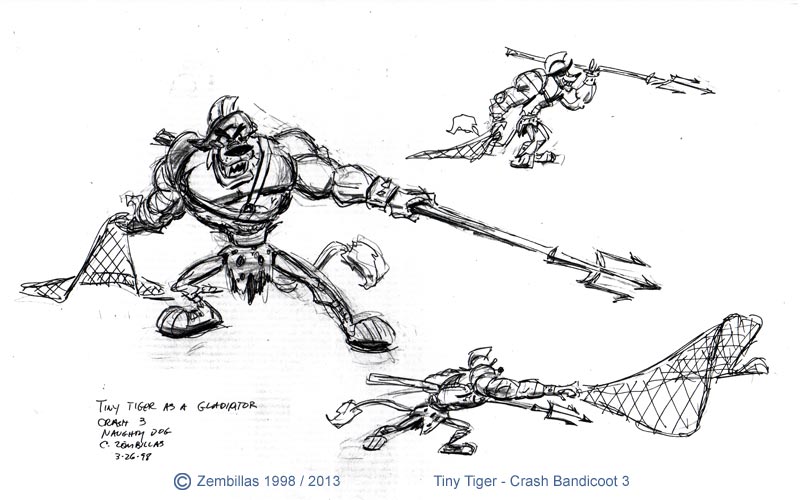
Tiny was chosen to re-appear in Warped after his breakout popularity from the previous game. In a similar fashion to returning characters in the other games, his appearance barely changed - the new additions to his design were made to match the Roman coliseum aesthetic and include a Roman battle helmet, an armguard on his right arm, and some new weapons. In addition to his trident, the sketches depict Tiny holding a net that he would throw at Crash to presumably capture him while attacking him during the fight. According to Zembillas, this likely got scrapped due to being too complex to program.
The following sketches are dated March 26 1998. Interestingly, the file names of the old scans of this concept art from the original Naughty Dog site refer to him as "Taz," the provisional name given to him during development of Crash 1 and 2.

Dingodile#
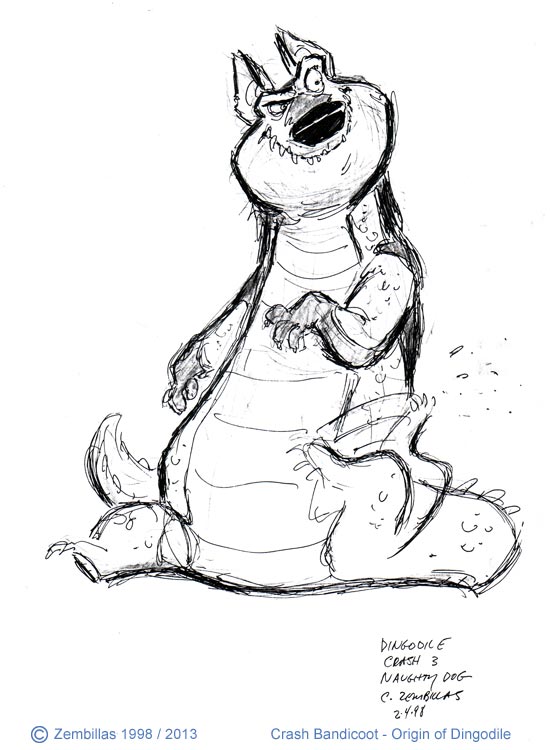
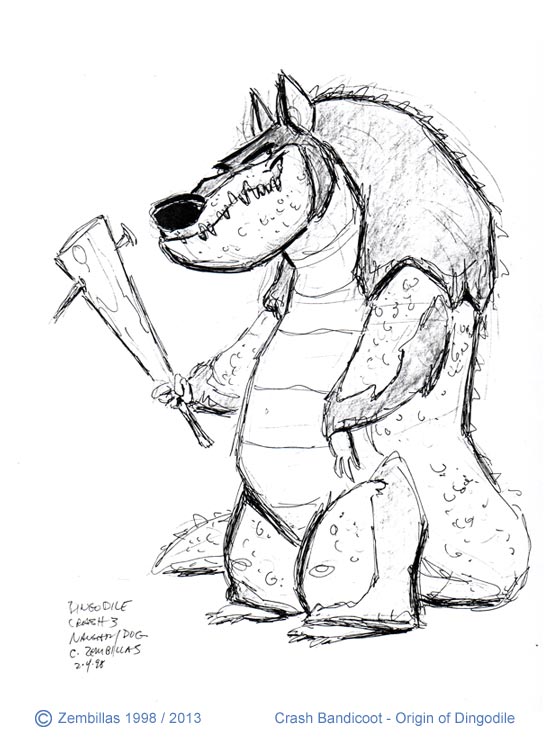
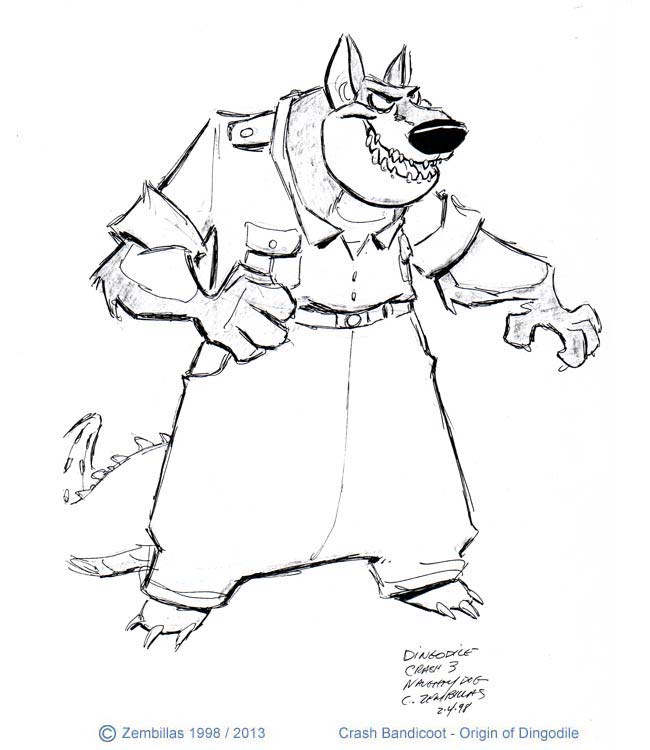
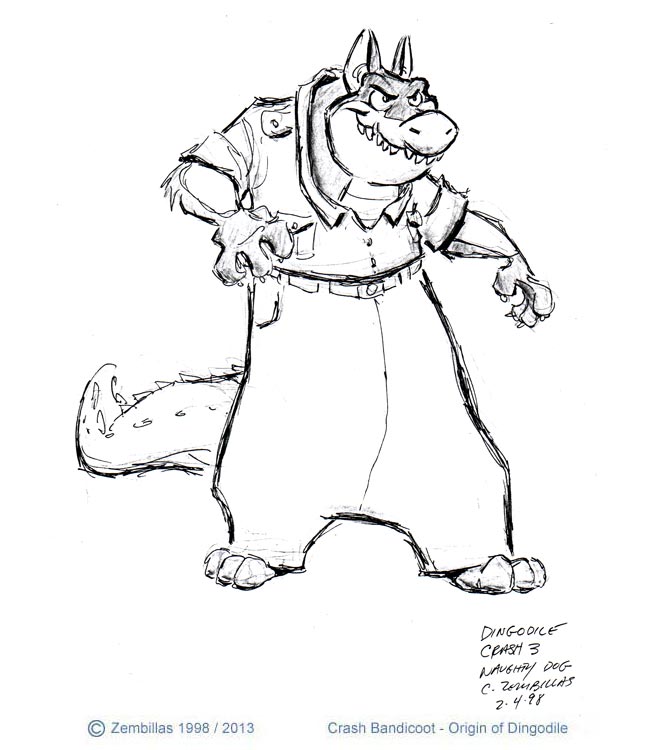
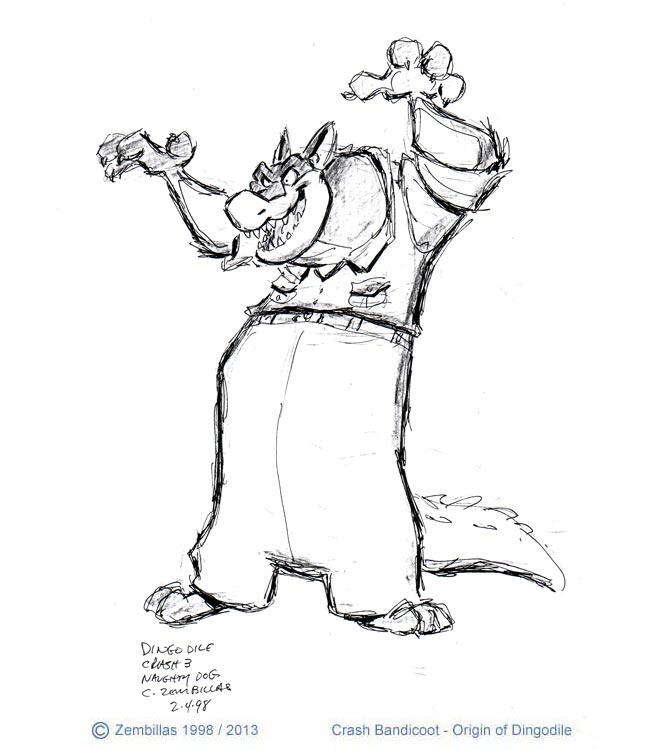
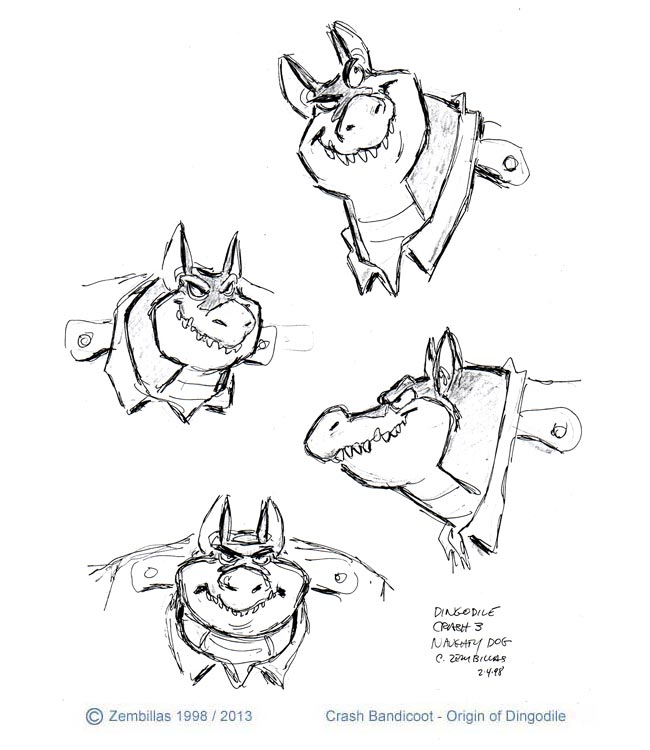
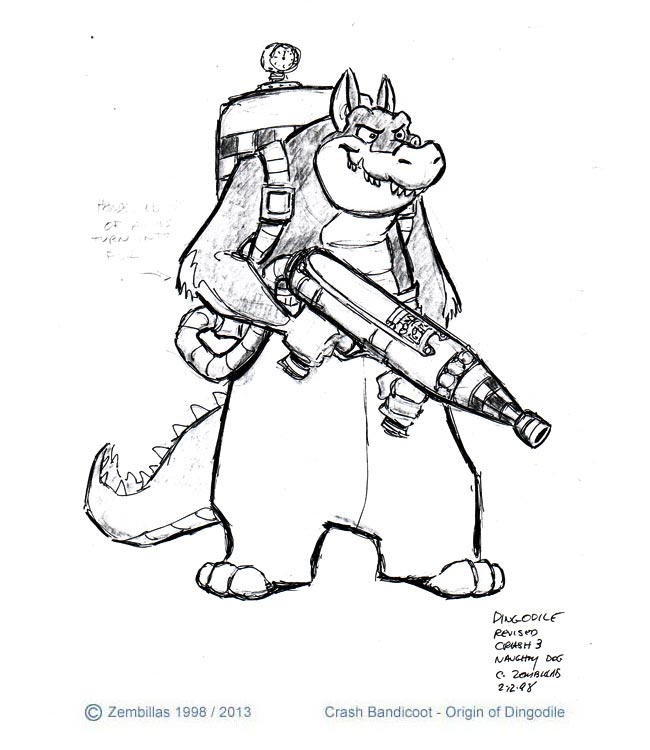
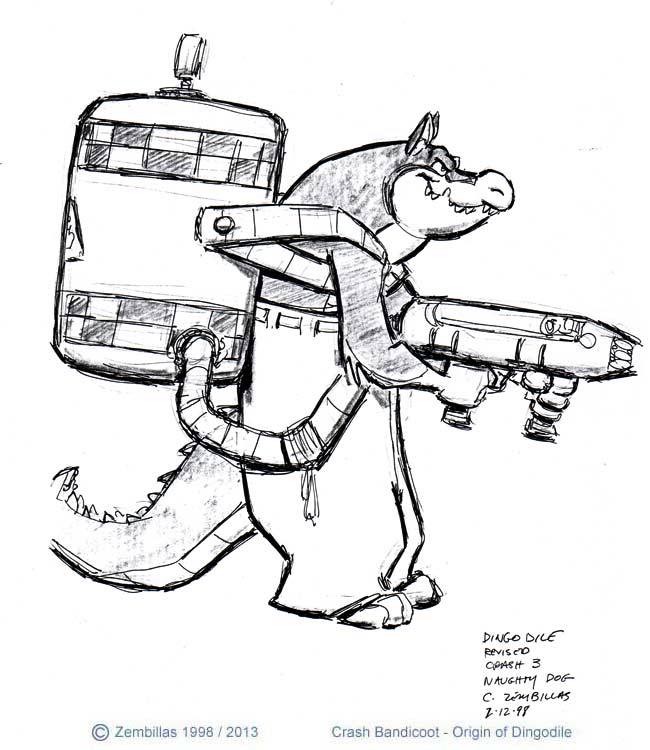
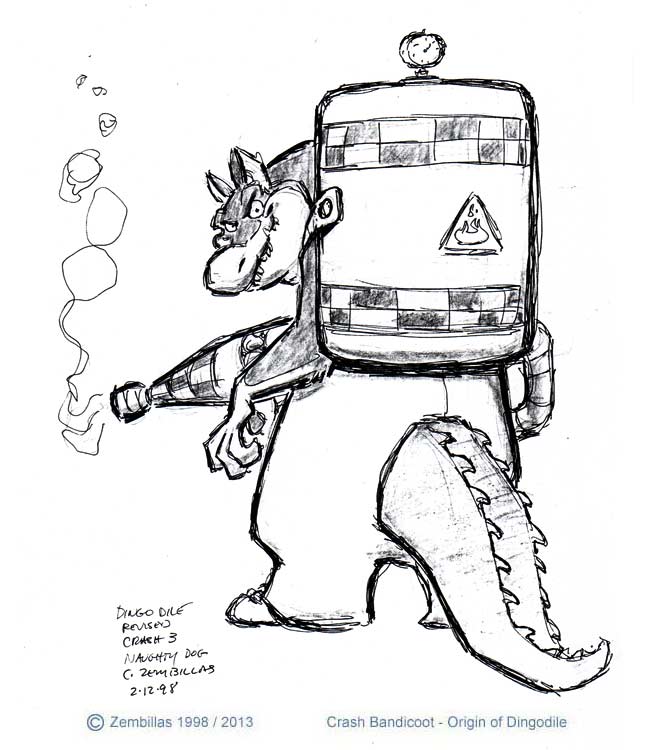
The idea for Dingodile was conceptualized by developer Joe Labbe II, who requested a character that was a cross between a dingo and a crocodile.3 His design changed throughout the game's development varying from a more animalistic appearance to an Australian-looking one. Apparently, at some point he would walk on all fours. According to Charles, Naughty Dog originally wanted Dingodile to be a fire-breathing character similar to a dragon, but he suggested giving him a weapon (like a flamethrower) to make him "much more interesting".
The following sketches are dated from February 4 to February 12 1998. Based on the nose shape, his boss icon art in-game actually reflects one of these early iterations of his design rather than the final concept art.
N. Tropy#
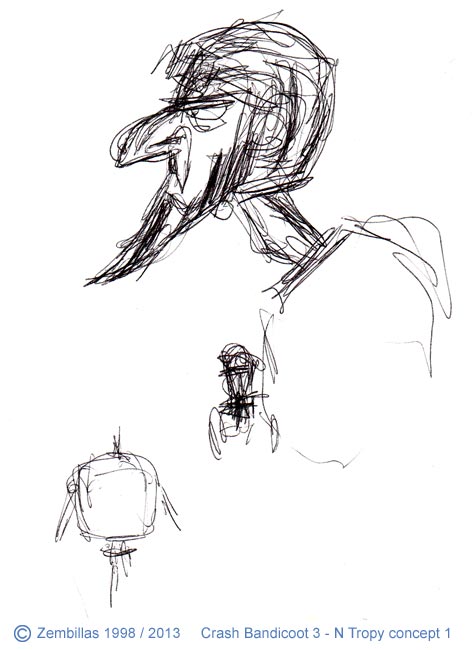
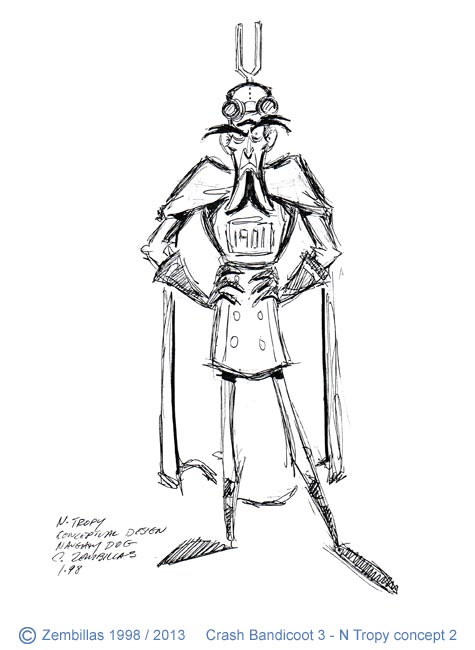
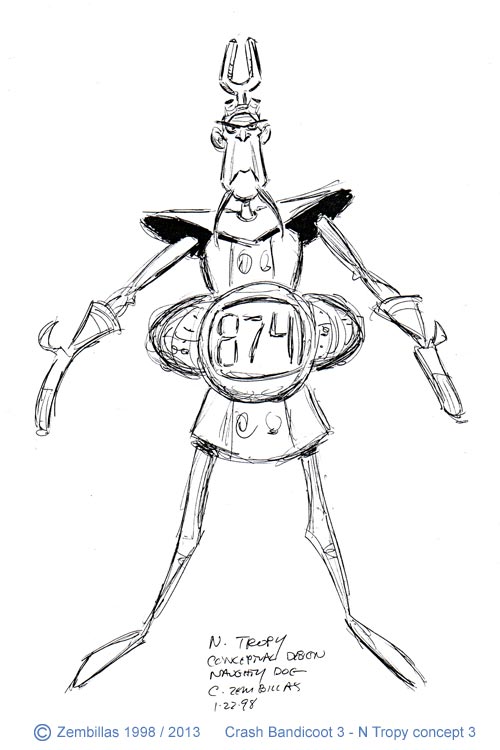
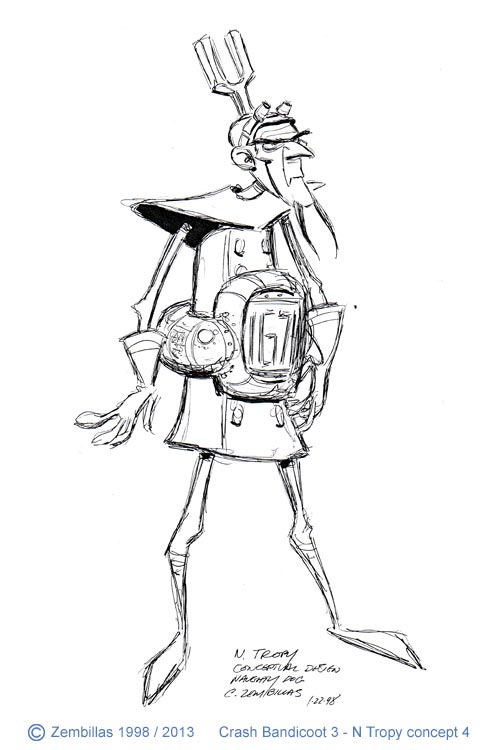
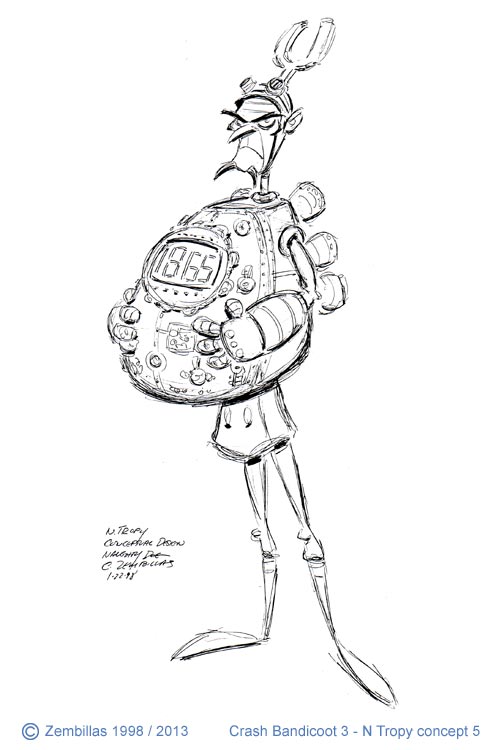
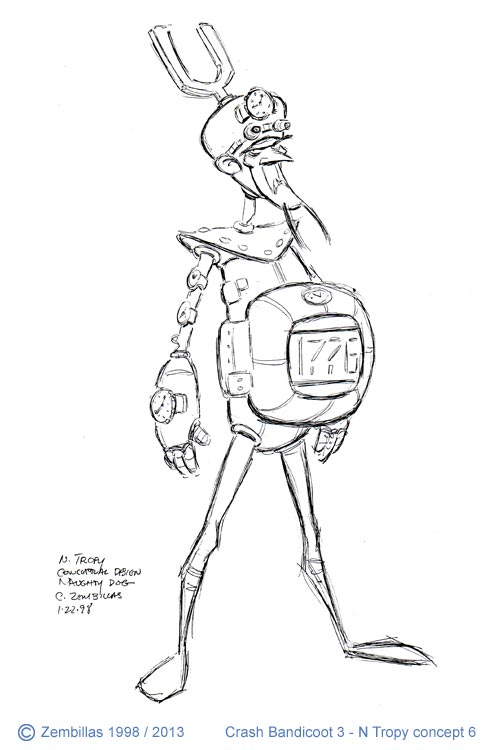
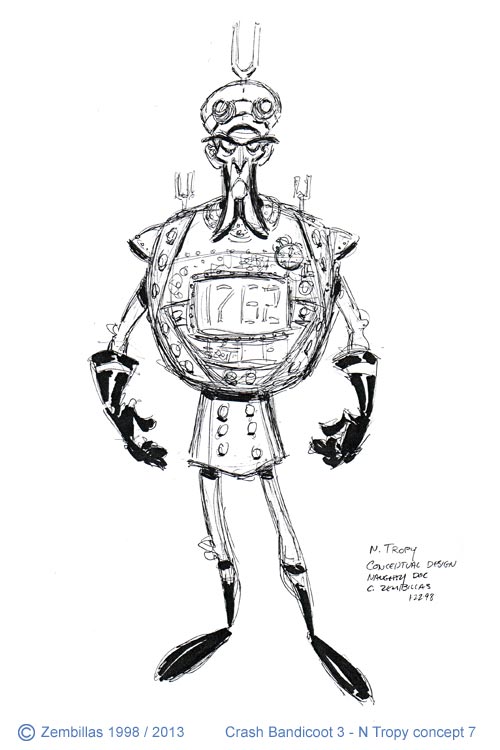
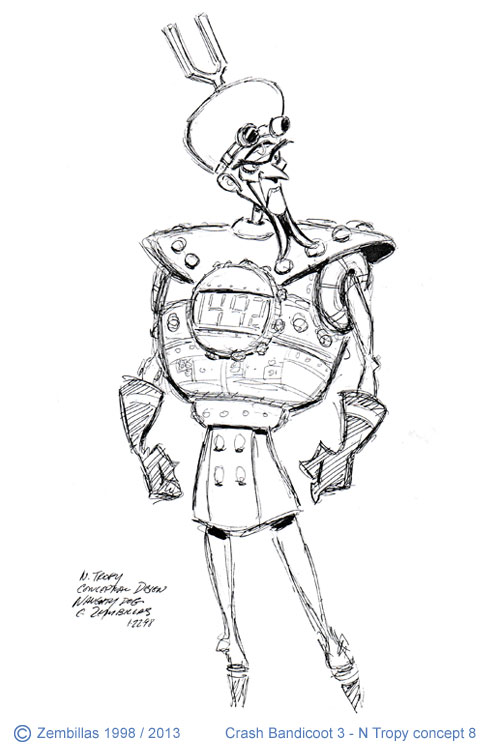
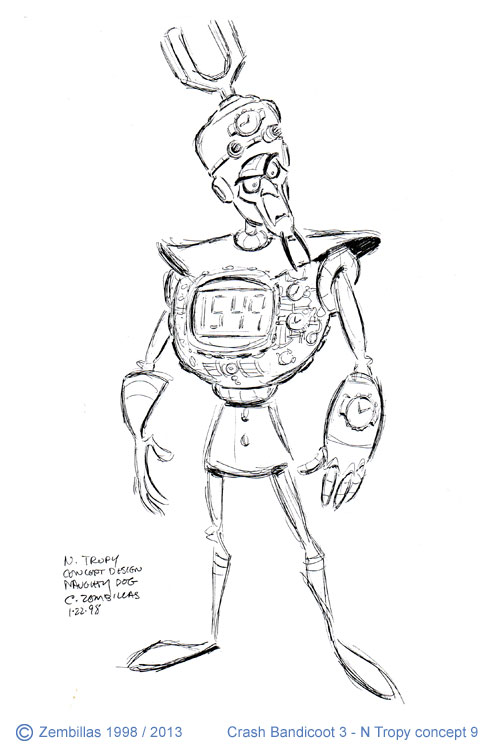
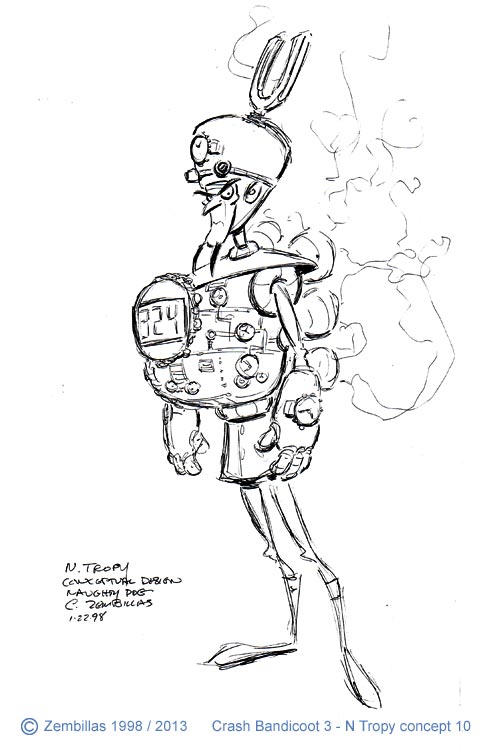
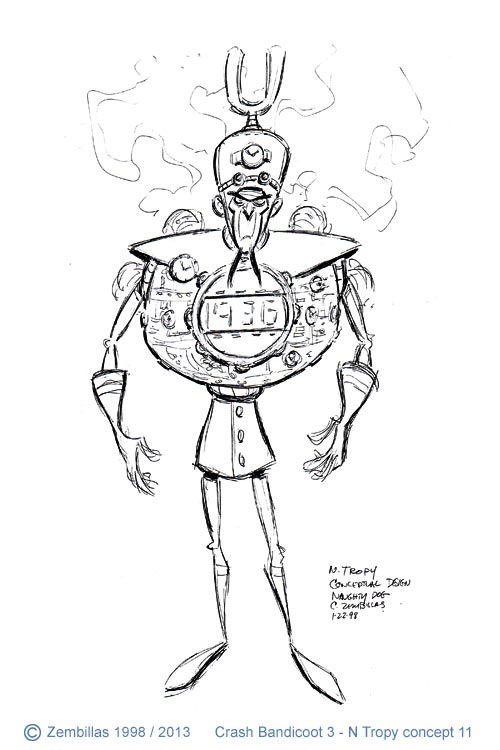
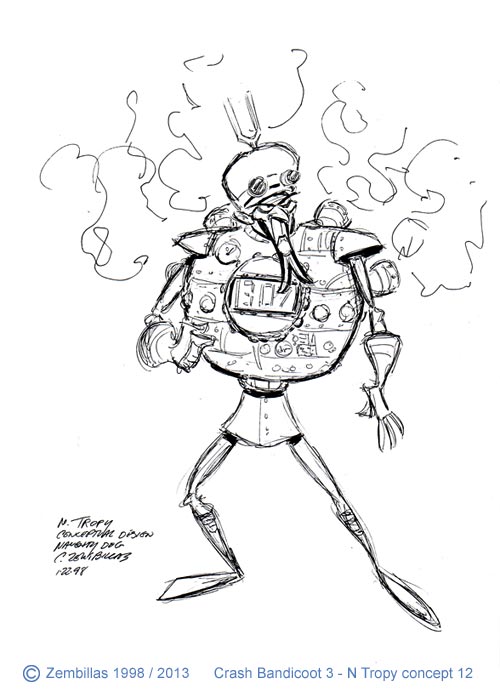
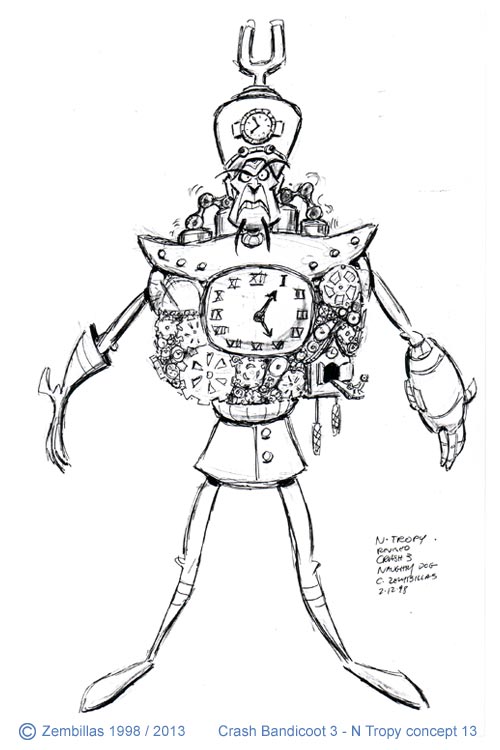
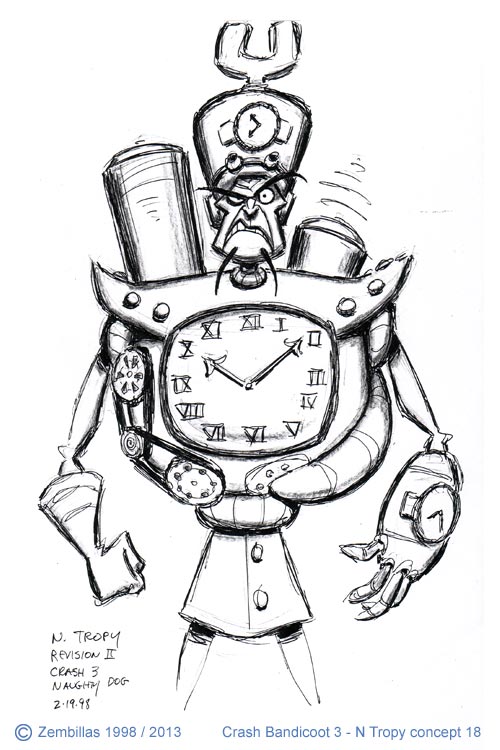
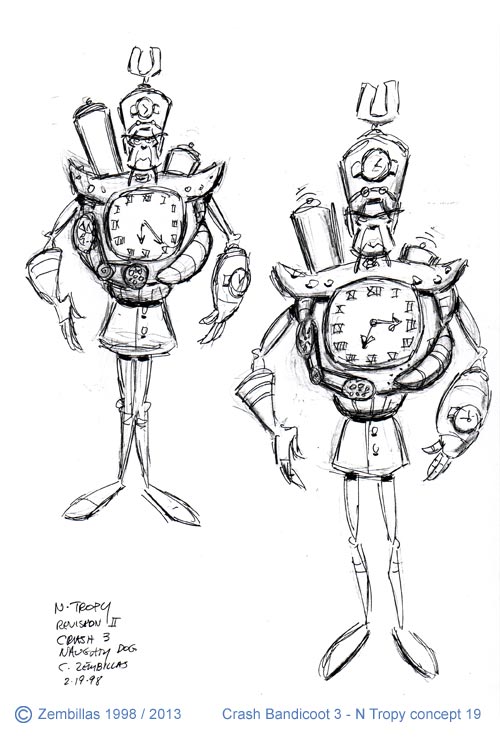
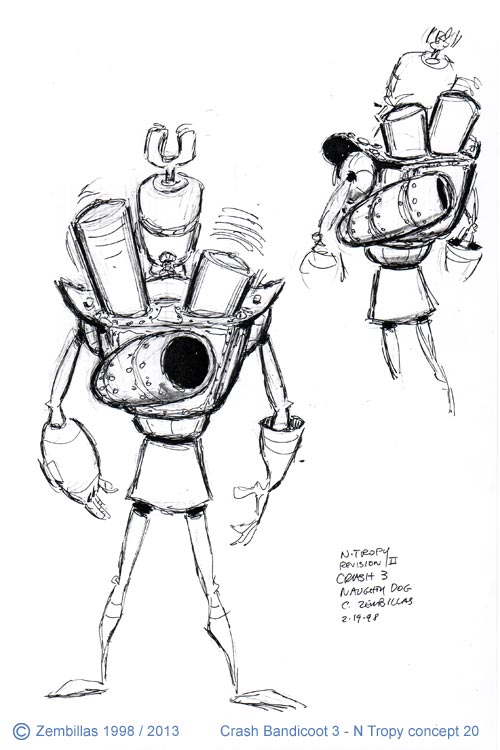
Early sketches depict Nefarious Tropy having two beards and wearing a cape. Originally, he had a belt-like time traveling device wraped around his waist with a digital display showing the year he intended to travel to but was later changed to look more industrialized. By February 12 1998, N. Tropy mostly resembled his appearance in the final game. However, his suit had now a complex array of pistons, gears and other clockwork, intended to add absurdity to his character. Charles hoped these would be implemented as drawn textures placed over his model in the game but this was deemed to be too complex, eventually simplifying the suit in his final design.
The following sketches are dated from January 22 to February 19 1998.
Other#






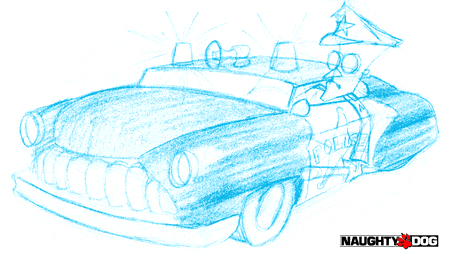


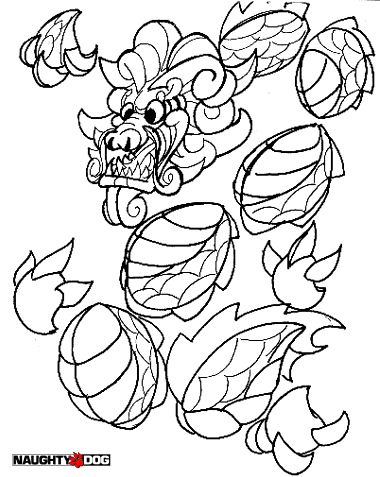


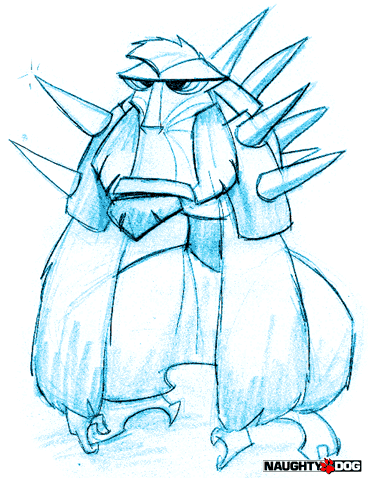


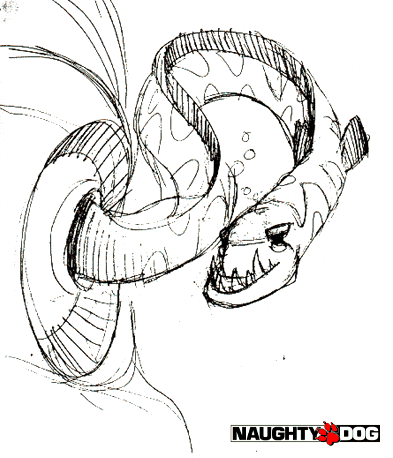

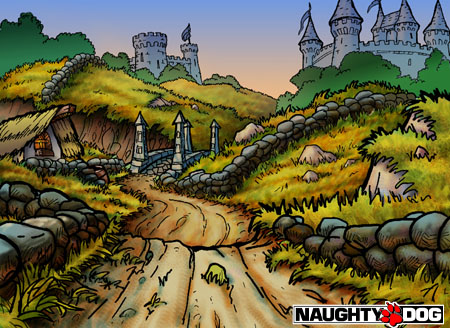
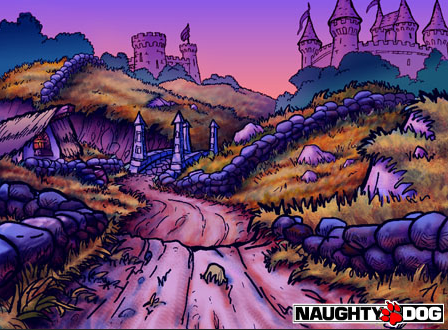
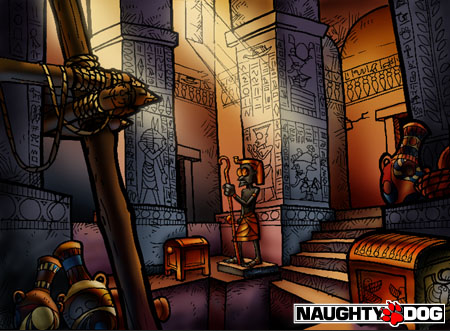
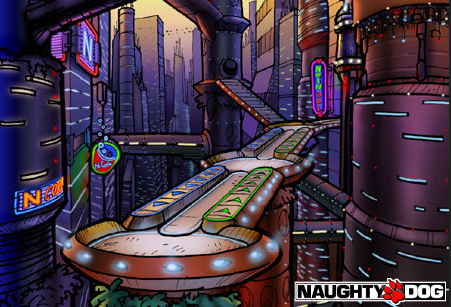
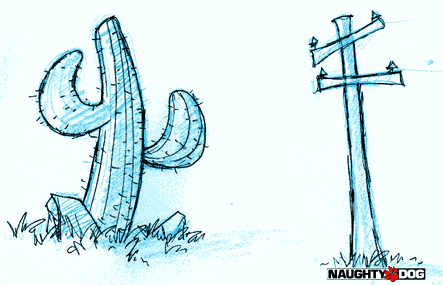
Environments#
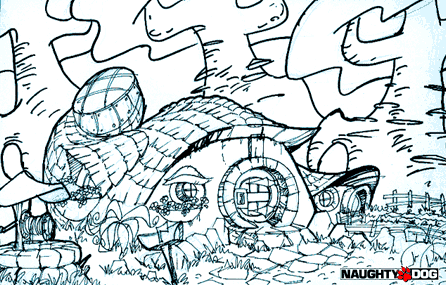
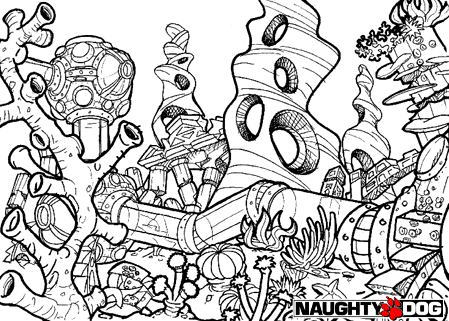
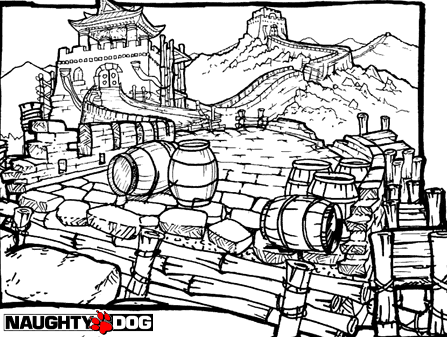
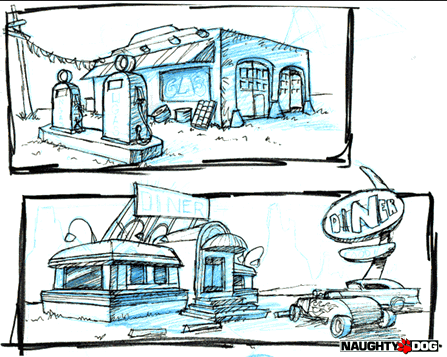

Early Builds#
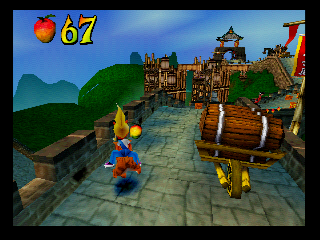
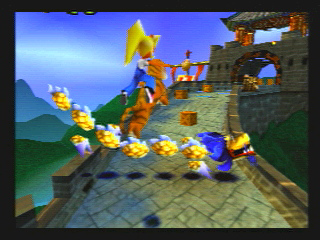
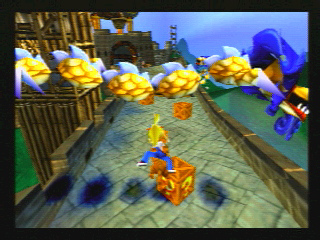
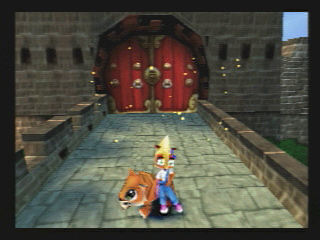
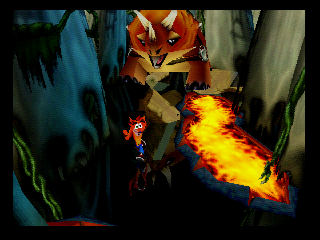
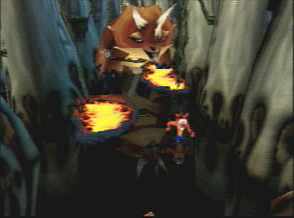
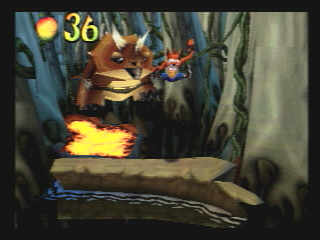
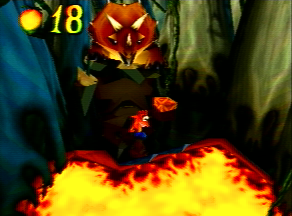
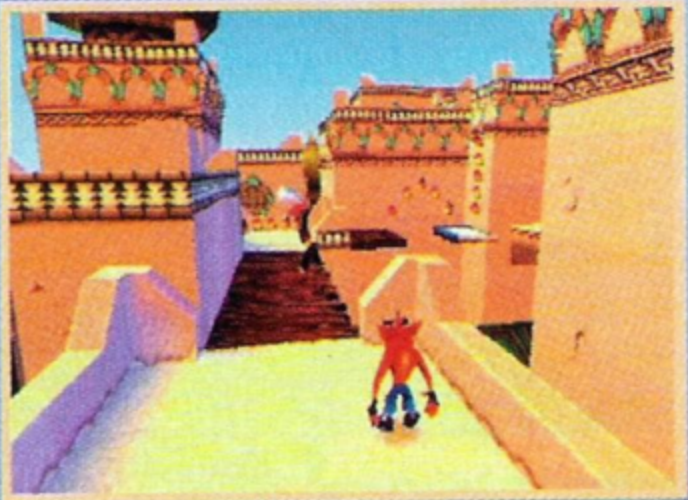
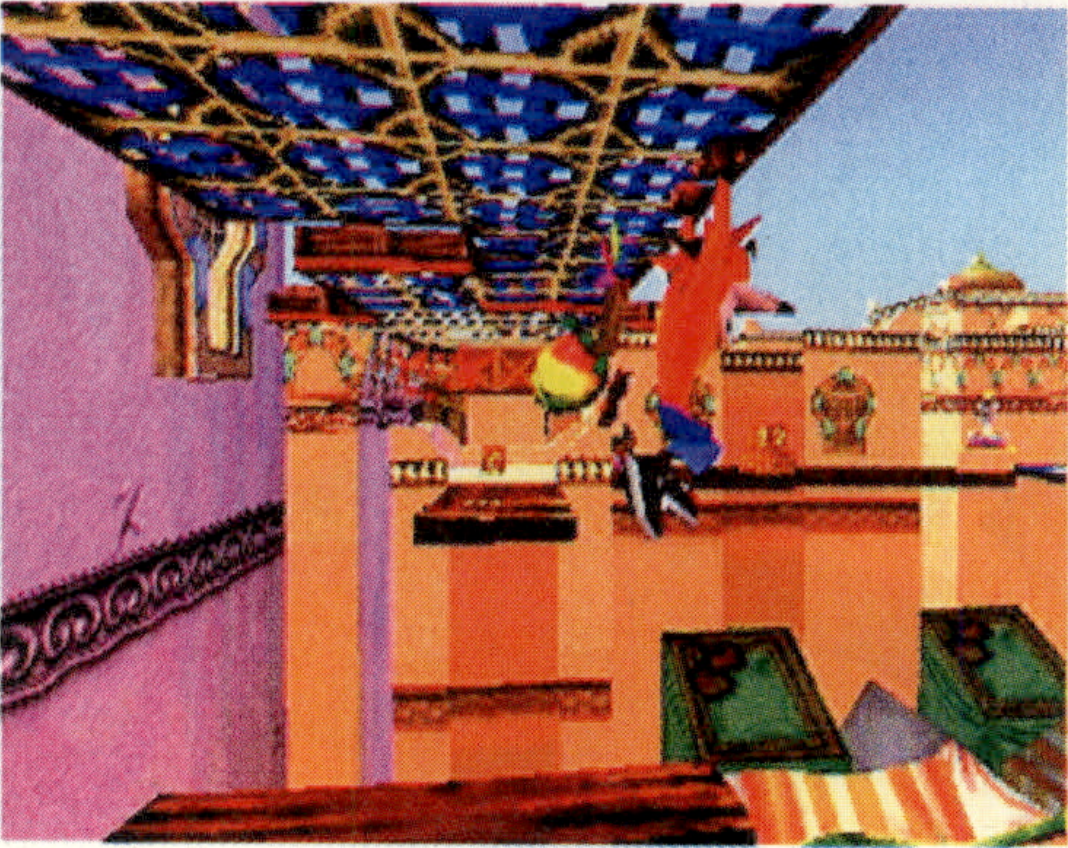
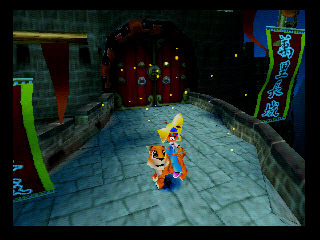
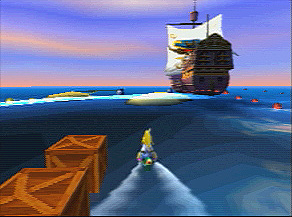
The game as officially unveiled at E3 1998. Several press screenshots were included in a few press kits throughout the months depicting the earliest versions of the game.
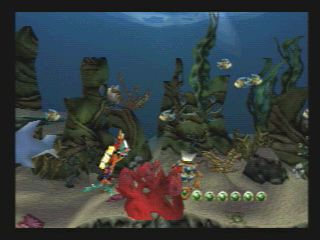
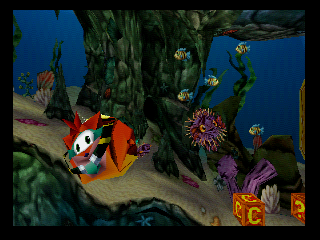
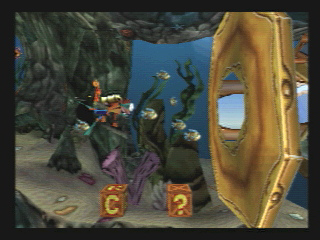
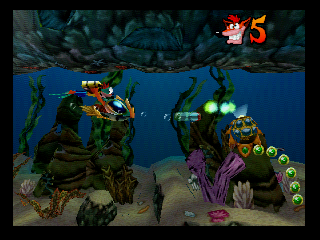
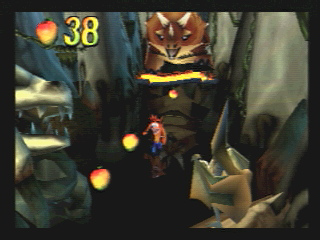
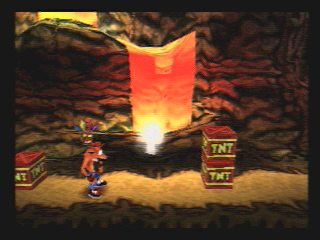
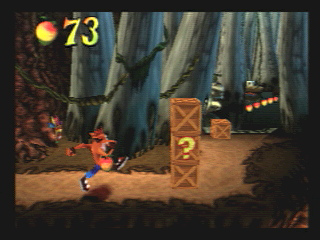
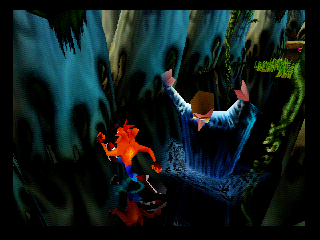
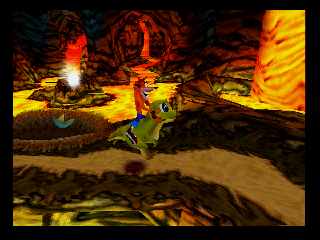
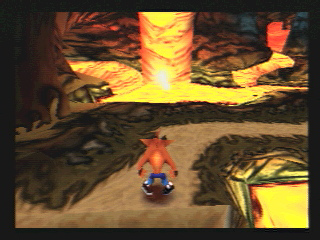
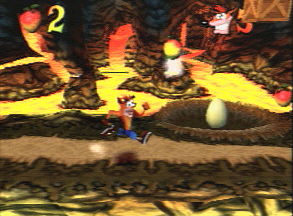
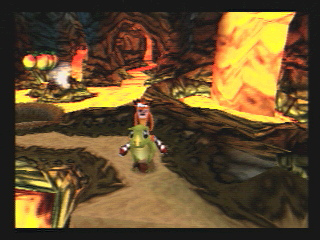
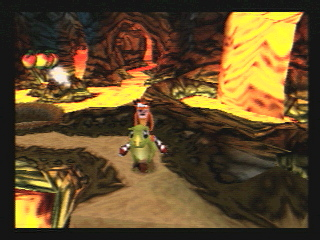
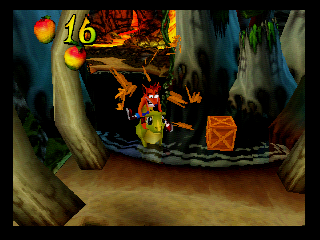
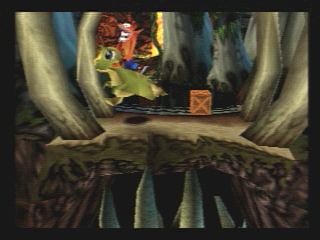
There are at least two builds that predate the E3 demo - the one shown in the Total Play Magazine VHS, and a second one shown in the direct feed of the Electric Playground's E3 1998 coverage. Although both are largely similar, the one shown in the Electric Playground episode also includes a portion of Tomb Time, a level not present in the VHS footage.
The first video was released in September 1998 by French publication Total Play Magazine, which released a promotional video called Découvrez les futurs hits PlayStation 98 VHS containing gameplay previews of a lot of games, including Crash: Warped. In spite of the date, this might be the earliest Crash 3 footage to surface, and highlights lots of fascinating differences.
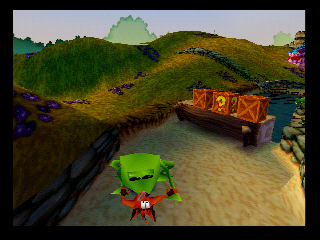
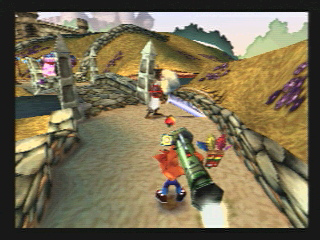
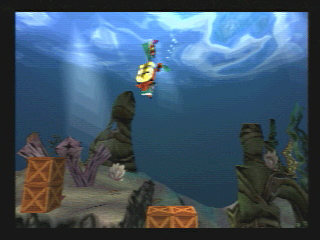
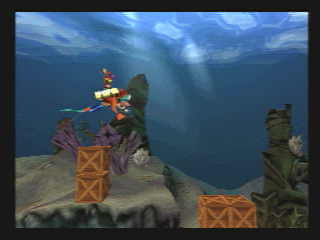

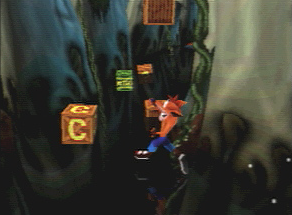
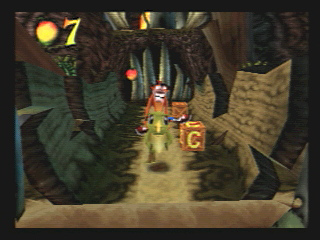
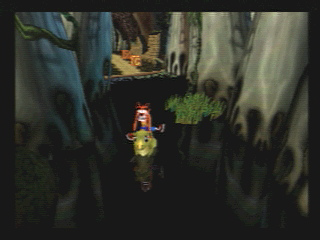
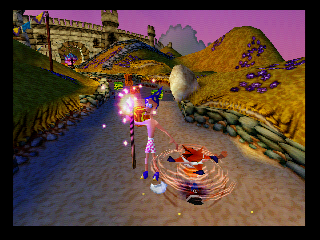
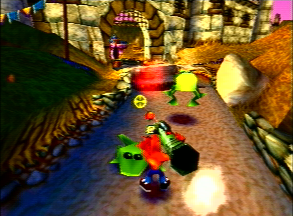
General Differences#
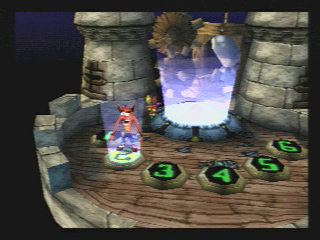
- There is no title screen. Instead, a plainly-titled "Crash 3" is seen above a level select that lists seven available options (none of the levels have proper names at this point).
WARP ROOM
GREAT WALL1 (Orient Express)
GREAT WALL2 (Midnight Run)
MEDIEVAL1 (Toad Village)
MEDIEVAL2 (Gee Wiz)
ATLANTIS1 (Under Pressure)
PREHISTORIC1 (Bone Yard) - The warp room is in a very primitive state and with a very early design. The floor has Cortex's face on it, and only the first chamber is available. The load/save monitor has an extremely different design.
- The background is much plainer, appearing to be a solid gradient.
- Buttons have a completely different style, being pitch black and using a green 80's computer font, similar to the "LOAD/SAVE" text in the final game. The button frames are also tinted yellow.
- Instead of a boss button, there is a number 6 button due to the fact that only six levels were finished at the time and no boss levels were present.
- When Crash stands on a button it lights up from below, followed by the portal pad lighting up, instead of a warp sphere.
- The portal pad has a different design which was eventually re-used for the secret chamber.
- All of the UI is missing, including the level name and crystals and gems obtained.
- Crash is seen sighing while standing on a button, but he only ever plays his default animation (no sighing or any other idle animations) when he stands on a button in the final game.
- A lot of elements present in this build are incomplete and use placeholders lifted from Crash 2. Namely:
- Naughty Dog screen from Crash 2 seen at the start of the footage, except Crash itself is not present.
- The white screen used for loading transitions, rather than a distorting vortex effect.
- The Crash 2 game over screen, complete with Cortex.
- The warp entrance animation, the exit portal, as well as the corresponding warp sounds upon reaching the level's end. This coincides with the fact the warp chambers do not show warp spheres in this version.
- Checkpoint crates lacking the chime sound.
- The drop shadow is a dark circle instead of the more accurate shadow used in the final game.
- There's a lot going on in the audio department as well. As...
- There is no music at any point heard in the footage.
- A lot of sound effects to elements that would be heard in the final are missing. The SFX that are heard are either glitched, improperly assigned, or just obviously a placeholder. Noteworthy are:
- The normal spin sound effect is used underwater.
- The TNT beep sound effect plays twice at the end of the first section of the triceratops chase in Bone Yard, which seems to be used as a placeholder sound for an early iteration of the slot crate, which still featured the regular crate design.
- Aku Aku has a red nose.
- Bonus rounds appear to be missing from the levels.
- There are no box counters at the end of the levels.
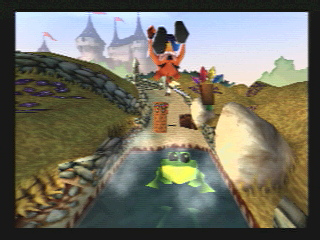
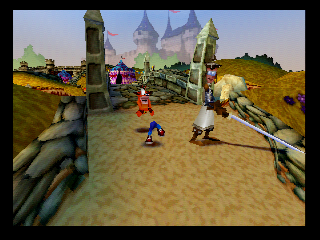
Toad Village#
- There are no swallows or butterflies at all.
- The chicken don't scream or drop feathers when shot by the Fruit Bazooka.
- After the second puddle of water, the ? crate is missing, and the second Aku Aku crate is merged into the pile of three crates - the pile is also placed further to the left.
- The checkpoint crate before the log with two normal crates and one ? crate is missing.
Gee Wiz#
- The sky background has a purple coloration.
- The prince lab assistant has a blonde hair.
- The wizards have an extra hit point. When you hit them for the first time, their robes and beard will disappear and they'll stay in their underpants, similar to when you shoot them with the bazooka in the North American version (this was re-added in the European version).
- They also have no shadow.
- The crate behind the first wizard lab assistant is a checkpoint one by default.
Under Pressure#
- The background lacks the city details, and is more of a navy-blue color.
- The pufferfish are purple instead of red.
- Crash shouts "Whoa!" when inflated by a pufferfish.
- The underwater mine is completely different, both in color and design. It also appears to emit a small light beam from its top. The final mine is yellow and red, and has small bulbs.
- The mine's exploding animation in the final game actually still uses this model, but all of the textures that were used are long gone.
Orient Express#
- Barrel wagons are smaller as the model is not stretched.
- There are two scaffoldings holding hanging baskets on the left side after the first barrel wagon that were removed in the final game. The background when passing through them also displays some flickering.
- Pura has a round shadow.
Bone Yard#
- A lab assistant that didn't make it to the final game was supposed to be riding the triceratops that chases Crash.
- Crash uses the same animation for getting stomped on by a triceratops as he had for getting crushed by a boulder in Crash 2.
- The level has a nest with an egg in the side-scrolling area in front of a lava pit; the Baby T that comes out can be used for the final chase sequence that follows right after, though no triceratops will appear.
Hang'em High#
- The wooden floor before the bouncy tarp is shorter.
- An extra row of five Wumpa fruits is present above the bouncy tarp.
- Meshes have a different texture, being colored blue with an ornament around them.
Tomb Time#
- Before the first door switch, there is line of three crates on the left side of the scenery instead of one.
- The oil floor afterwards is missing, and instead the pit in front of the door is larger, which also contains a moving platform.
- The projectiles thrown by the jar monkeys are blue.
- You can spin the helpless monkeys away.
- The corridor with the first set of jar monkeys is narrower.
- The crate ahead is also a checkpoint one by default.
- The layout before the split-path is different - rather than a small pit between the two doors, there is one door and a large pit before it with two block platforms on either side that will activate in succession.
- A staggered spear trap is placed instead of a large gap at the beginning of the left path.
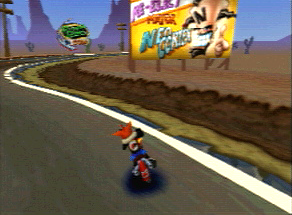
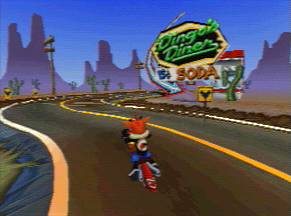
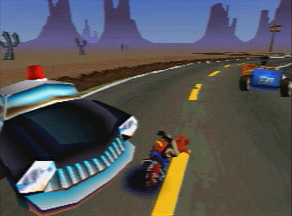
Road Crash#
- It takes place during the daytime, sharing the same skybox as Hog Ride.
- The race position is missing from the HUD.
- The motorcycle features a round shadow.
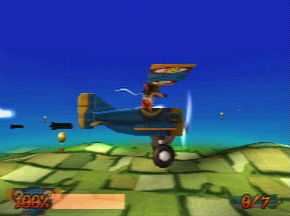
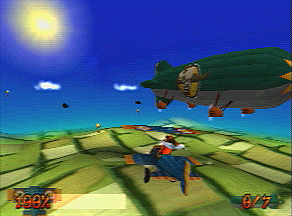
Bye Bye Blimps#
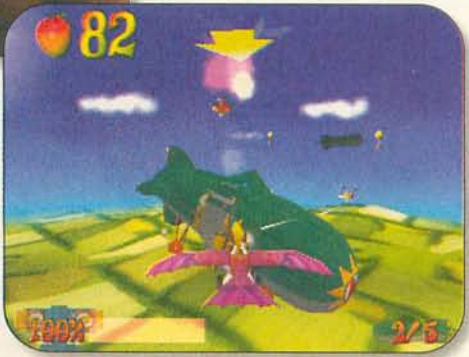
- Crash is a playable character instead of Coco.
- Instead of Crash's face, the health bar used to have an icon of his plane.
Tell No Tales#
- The directional arrow is missing from the HUD.
E3 Demo#
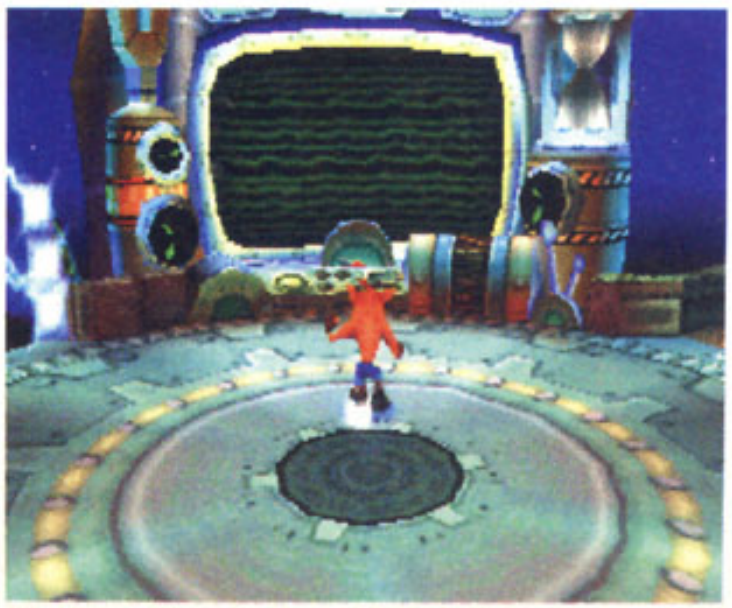
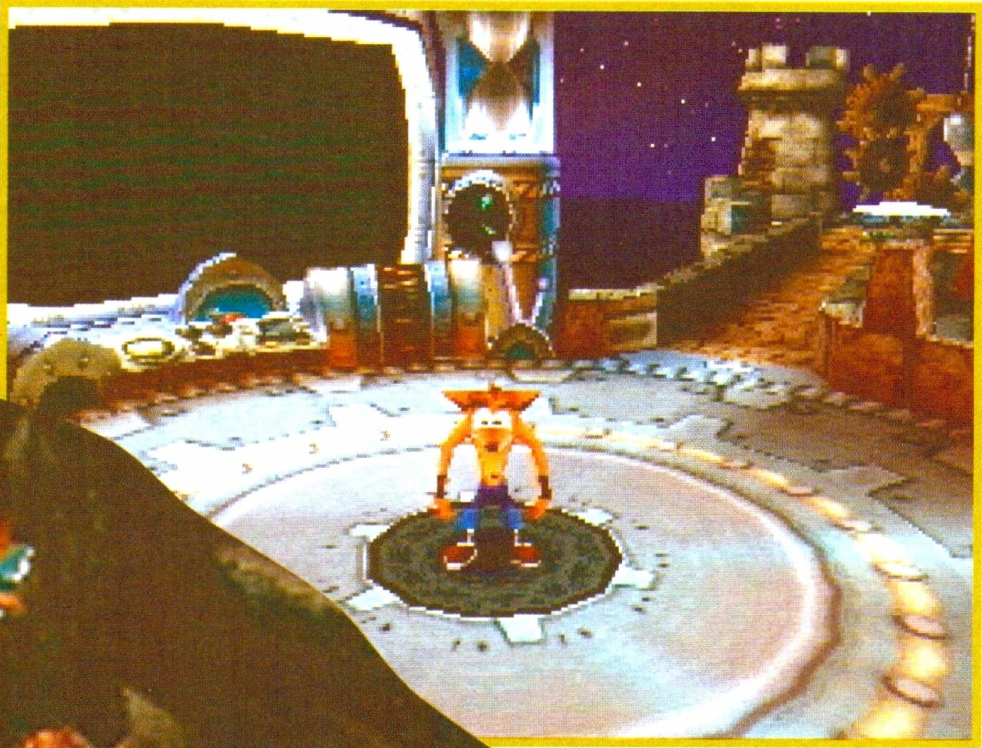
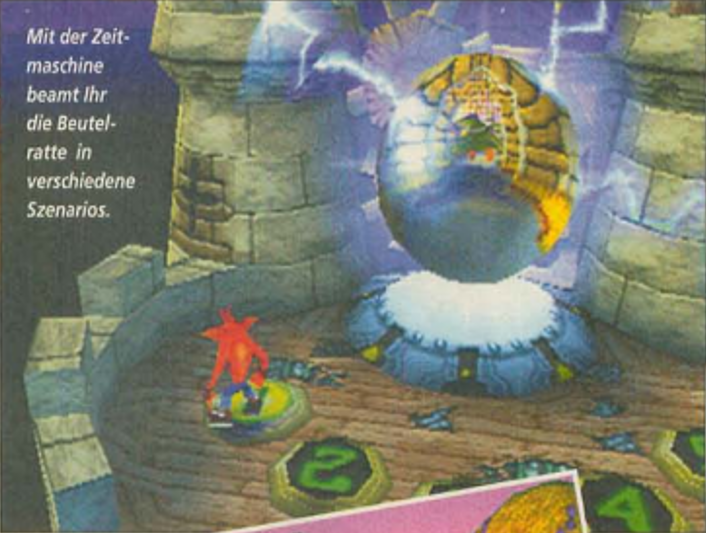
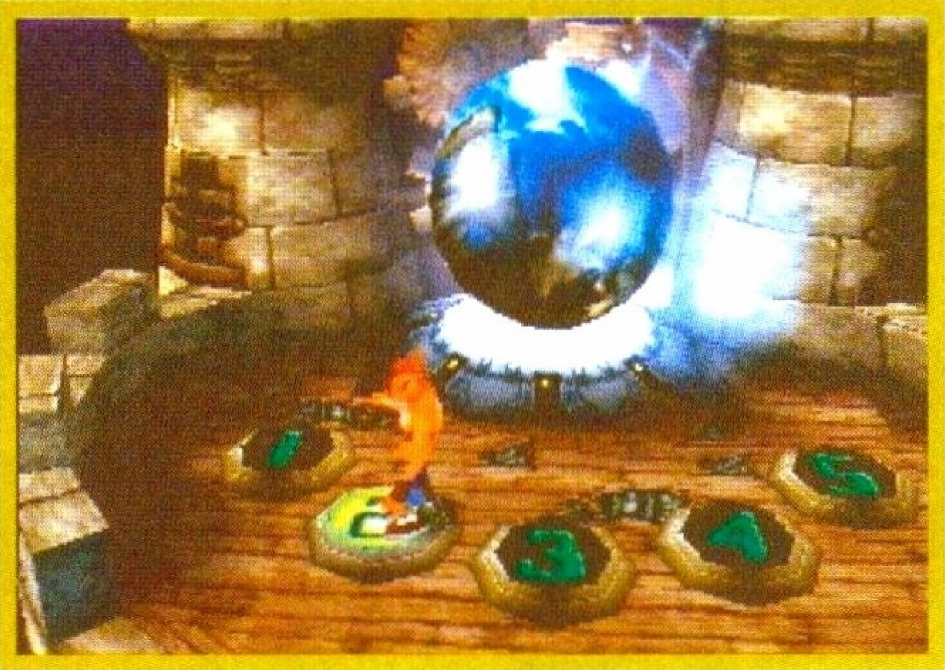
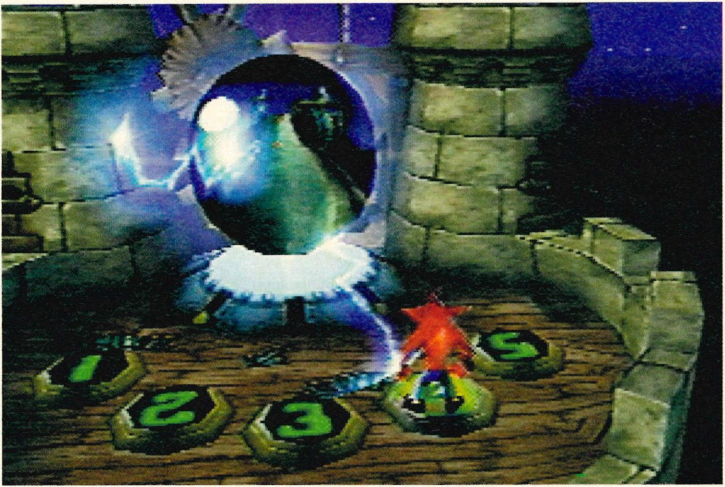
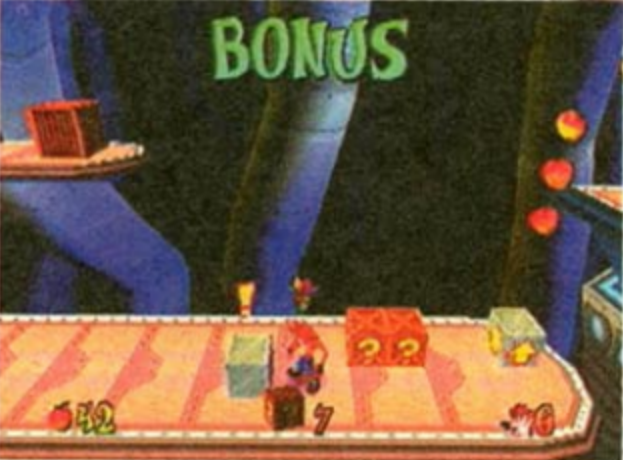
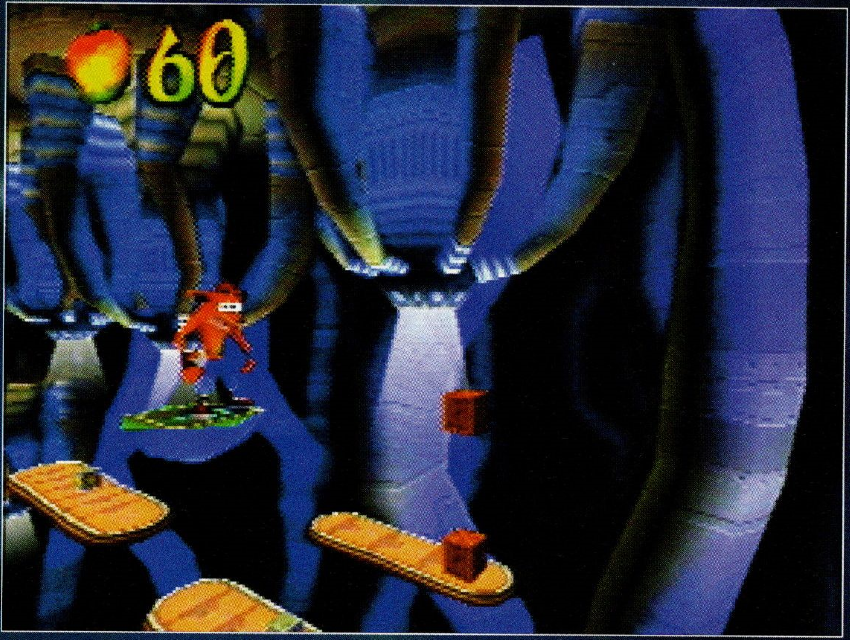
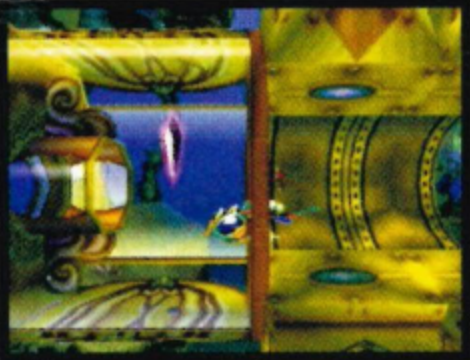
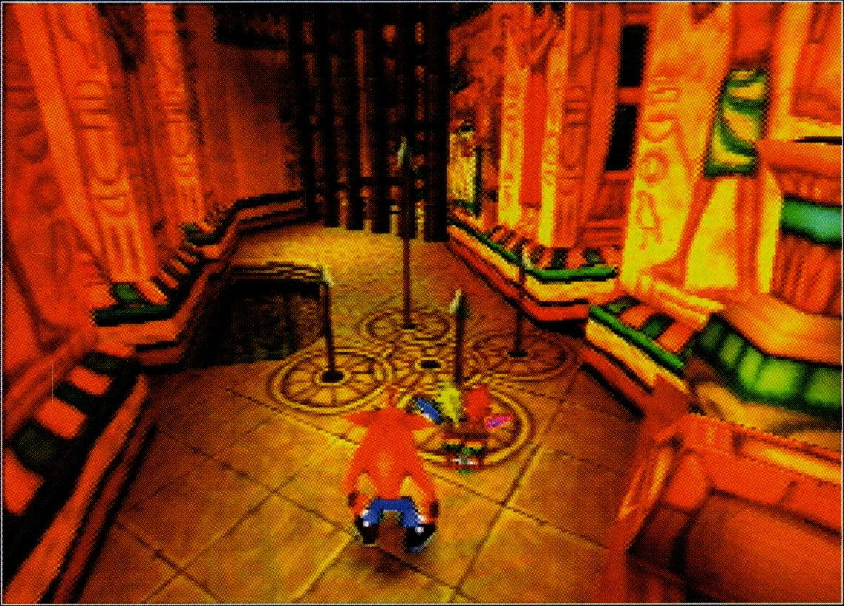
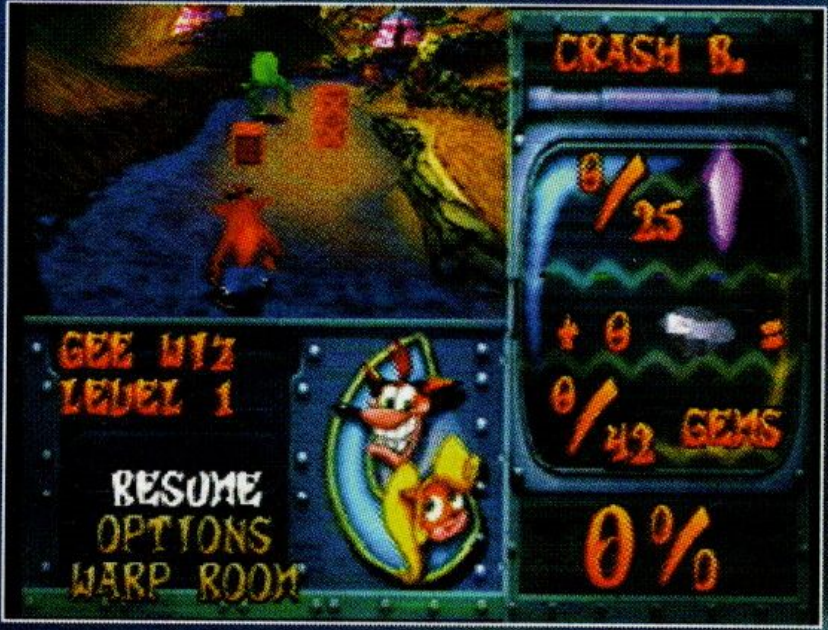
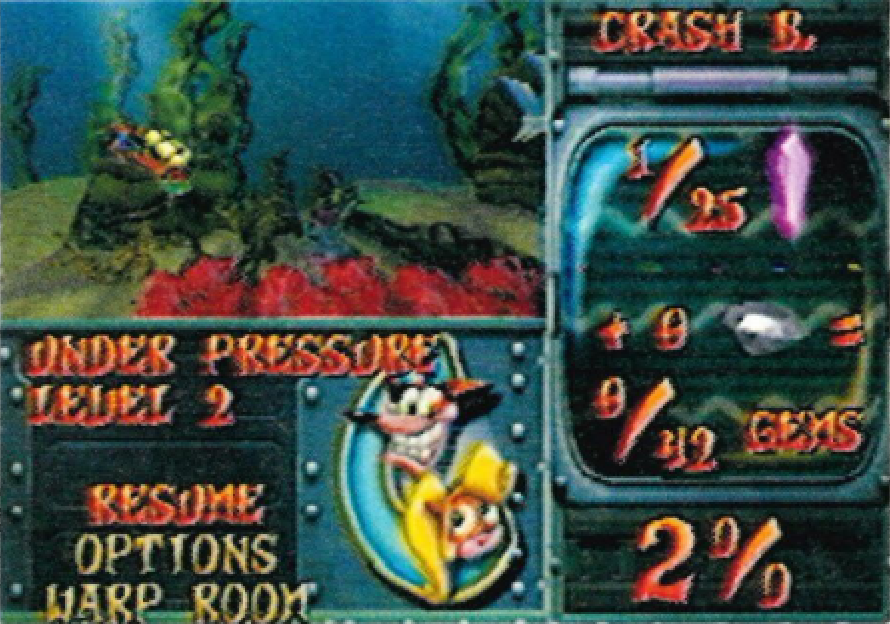
The May 14th 1998 build was a playable demo featured on the E3 1998 showfloor from May 28th to May 30th. This demo features the first chamber with five playable levels: Gee Wiz, Under Pressure, Bone Yard, Midnight Run and Tomb Time. It is particularly remarkable for an early version of the warp room featuring a rather unique load/save monitor design and the presence of a futuristic bonus round in Gee Wiz which has been completely scrapped in favor of a more robust one in keeping with the medieval theme of the level.
This version was later sent out to gaming publications for exclusive previews.
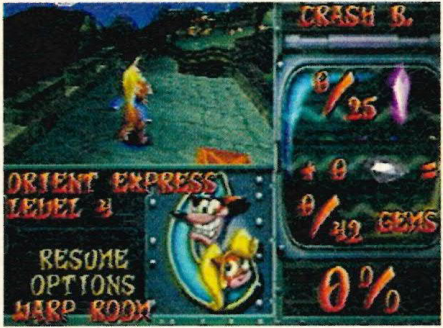
US Demo Disc Trailer#
A promotional trailer featured on US demo discs and the Test Drive Demo shows a build that is very similar to the E3 demo. Despite this, three additional levels are shown here: Road Crash, Bye Bye Blimps and Tell No Tales.
Bye Bye Blimps#
- Crash is a playable character instead of Coco.
- Instead of Crash's face, the health bar used to have an icon of his plane.
Road Crash#
- It takes place during the daytime, sharing the same skybox as Hog Ride.
- The motorcycle makes a different engine sound and features a round shadow.
- The race position is missing from the HUD.
- It seems that Crash didn't need to go on boost pads to make wheelies.
Tell No Tales#
- The jet ski makes a different engine sound.
- The directional arrow is missing from the HUD.
Other Pre-Release Builds#
July Prototype#
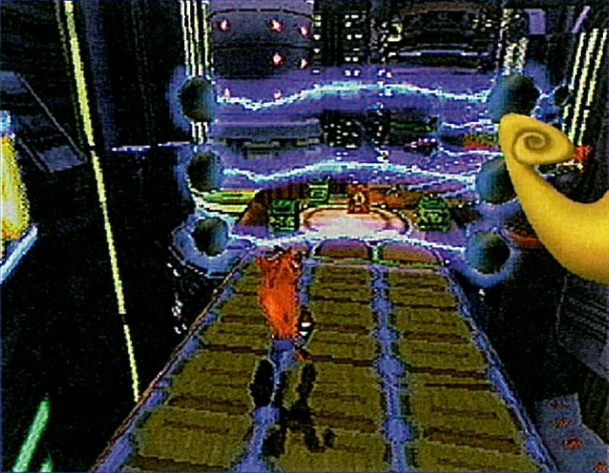
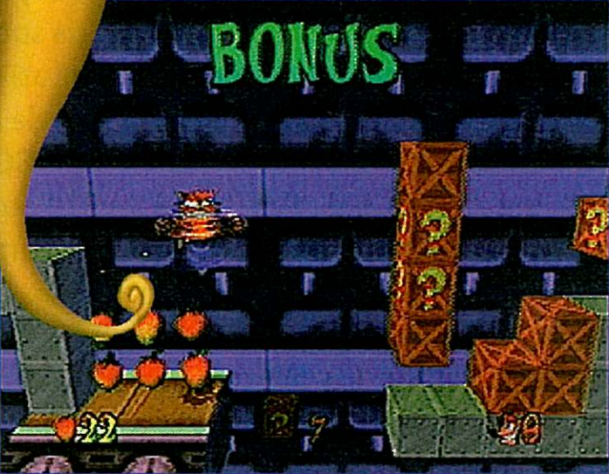
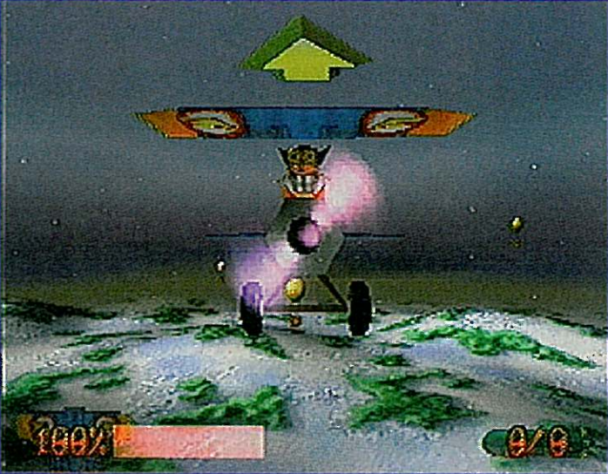
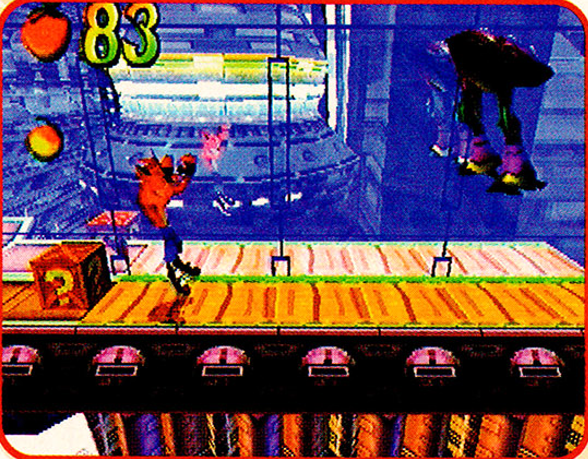
The July 17th, 1998 prototype can be seen on some preview footage (including the website trailer) and many gaming magazines across US, Europe, and Japan.
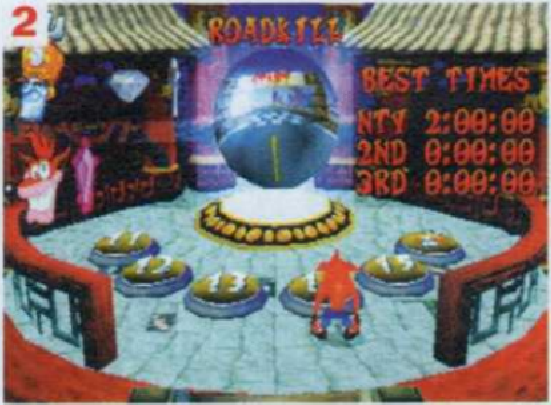
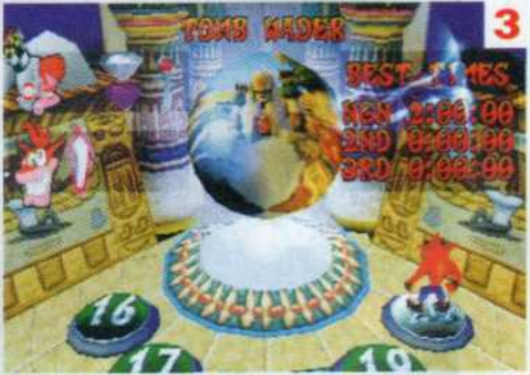
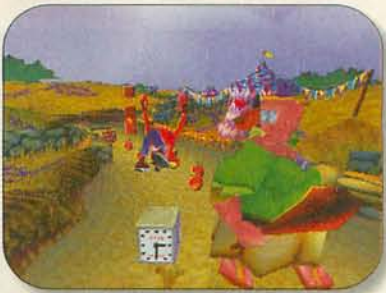
Early Japanese Prototype#
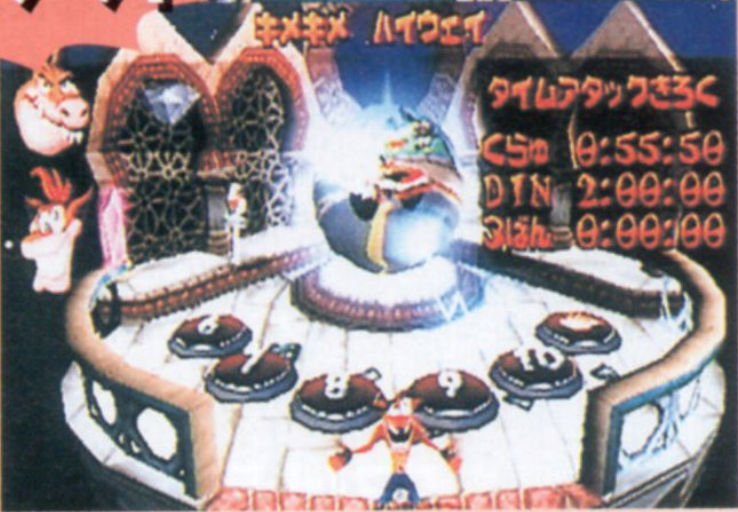
An early Japanese prototype can be found on trailers for two promotional discs and some Japanese magazines. It appears to be very similar, if not identical, to the August 14th, 1998 prototype, meaning that this was likely a Japanese variant of this preview build. Major differences include the early title screen and early localization work.
General Differences#
- An early version of the Japanese game logo appears on the title screen. The game already features the final Japanese subtitle at this point.
- The logo simply moves towards the screen with no animation.
- The globe is completely light blue, lacking the land textures.
- The subtitle is placed futher down to the center.
- Crash does not appear on the bottom right side of the screen.
- There is no TM symbol.
- There is no PocketStation option.
- Some textures still keep their English names, such as the boss health bars and the Future neon lights.
- Hog Ride is referred to as キメキメ ハイウェイ, which roughly translates to "Stylish Highway".
Late Prototype#
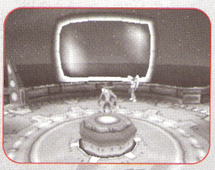
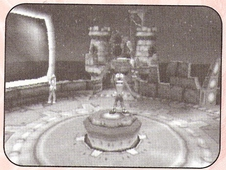
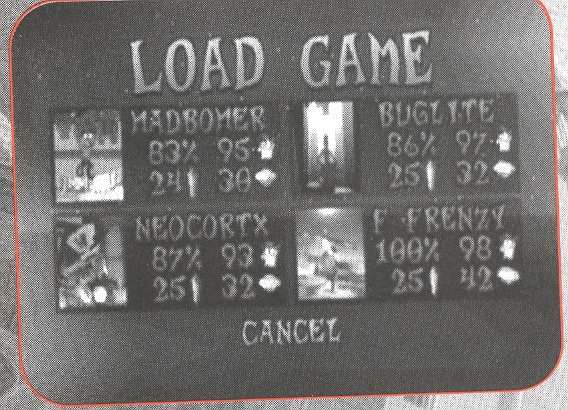
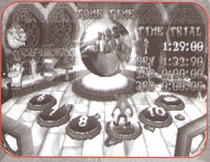
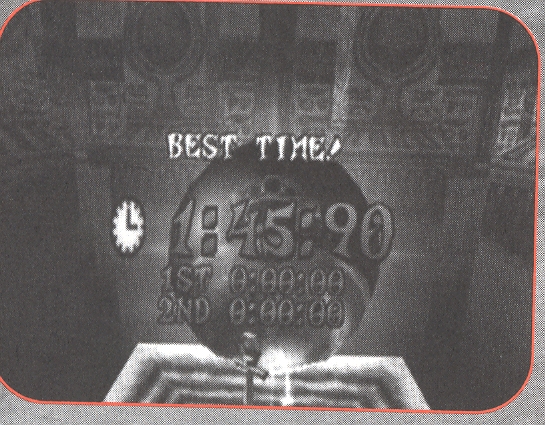
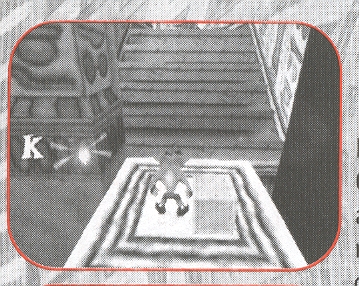
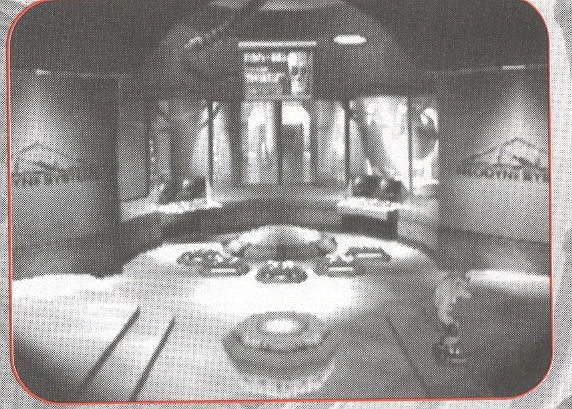
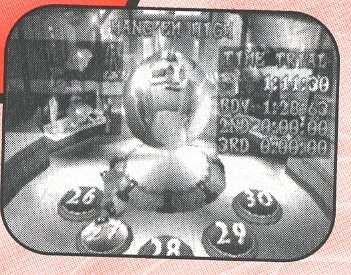
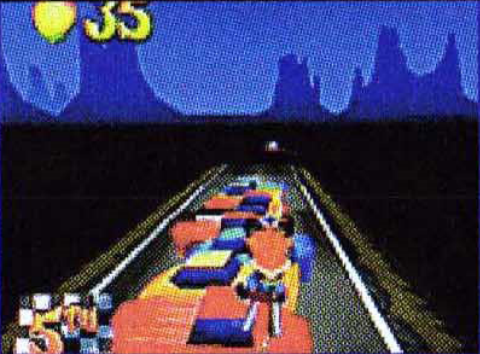
A late pre-release build of the game dated between the August 26th, 1998 and the September 26th, 1998 prototypes was shown in some American sources, as well as in the Crash Bandicoot III: Warped - Totally Unauthorized Pocket Guide - an unofficial strategy guide released by Brady Games a few weeks before the game's initial release.
General Differences#
- The lowest relic tier is now Sapphire.
- The stopwatch balloon in Baron levels is still yellow.
- The stopwatch still doesn't go away after shooting down airplanes in Mad Bombers.
- Aku Aku is kept between levels once again.
- The missile robot now has the final coloration.
- Bosses now appear in the portal graphics.
- All levels now have proper portal graphics.
- The game is now 100% completeable - the misassigned gem bug in Rings of Power has been fixed.
Late Japanese Prototype#
A second Japanese variant of a pre-release build was also shown in some Japanese magazines. This version appears to be very similar to the aforementioned late build, apart from the Japanese features.
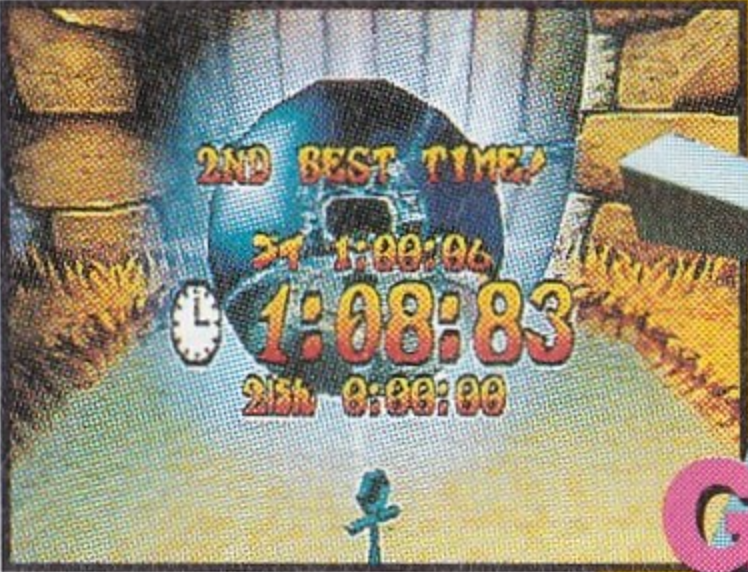
General Differences#
- Japanese text localization is partially complete, as seen in the Time Trial UI still displaying the English message.
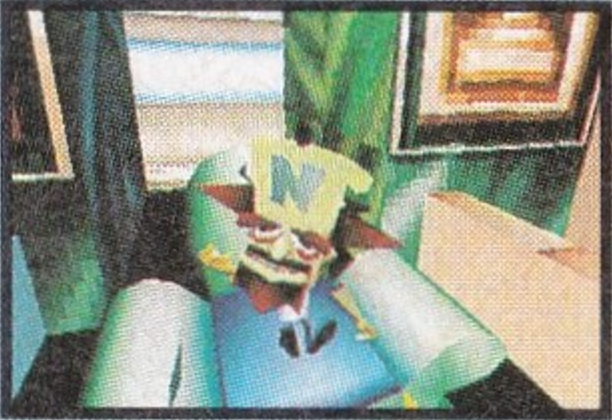
- The area around Cortex in the Tiny Tiger boss fight is closer to the one from the September 26th, 1998 prototype, but it still lacks a proper floor.
Fake Crash Origin#
Fake Crash was initially created by Sony Japan marketing team for a Japanese commercial for Crash Bandicoot 2: Cortex Strikes Back. Naughty Dog thought it was so funny that they decided to put him in Warped as an easter egg.
“Fake Crash came from a Japanese commercial. They had this really funny commercial where some kids were chasing Crash and instead they caught "fake crash." We thought he was so funny, that put him in Crash 3 as a sort of easter egg. The Japanese loved it. Part of the joke too was that Universal had made a series of stuffed Crash toys which were SO UGLY, I mean SO UGLY, that they looked more like fake Crash than real Crash -- seeing them the first time in the marketing exec's office set me to [literally] laughing for 30 minutes straight and rolling on the floor (Jason will verify). The mark[et]ing peeps didn't think it was funny.”4
— Andy Gavin
Scrapped Vehicle#
In an interview with the Naughty Dog's co-founder for the Next Generation magazine, Jason Rubin mentioned that despite the developers being able to include pretty much everything they wanted, some ideas were abandoned, such as another vehicle that would appear in the Future levels - some sort of floating device similar to a snowboard that Crash would hover in. The idea was scrapped because games with snowboards and other hovering things were very common at the time, and they didn't feel like copying that trend.
“With Crash Bandicoot: Warped, we knew what we wanted to do from the start. Almost nothing was cut. I guess that two previous titles had taught us what worked and what didn't. We had always wanted to do a free-roaming water level, as well as put Crash in planes and motorcycles. At one point we were thinking about a snowboard-like hover-thingy for Crash's use in the future levels, but everybody is doing snowboards and hover-thingies these days, so we never let that get very far.”5
— Jason Rubin
Pre-Console Music#
|
|
To do: |
The music tracks in the Crash games created for the PlayStation were MIDI-like files with unique samples for each level. The developers might have changed the samples or instrumentation for some of these tracks during development for any reason. Josh Mancell, the creator of the soundtracks for the Crash games created by Naughty Dog, has released many of the original tracks from the games from before they were converted to the Naughty Dog music format on his SoundCloud:
Level |
Pre-Console |
Final |
Notes |
|---|---|---|---|
Title Screen |
The marimba has more reverb in the pre-console version. |
||
Warp Room |
One of the bass instruments is different. The marimba instrument sounds like the same one used in the pre-console title theme. In addition, in the Naughty Dog version, the sound effect at the end recycles the sample from Dingodile's theme. |
||
Medieval |
The strings use a different instrument. |
||
Medieval (Bonus) |
|||
Atlantis |
|||
China |
|||
Prehistoric |
The marimba is quieter in the pre-console version. |
||
Prehistoric (Bonus) |
|||
Prehistoric (Hard) |
|||
Jet Ski |
|||
Arabian |
Several parts of the percussion are noticeably louder in the pre-console version. |
||
Arabian (Bonus) |
|||
Arabian (Hard) |
|||
Highway |
|||
Egyptian |
There are no ride bells, just like the version of the song used in prototypes of the game. |
||
Egyptian (Bonus) |
|||
Egyptian (Hard) |
|||
Future |
There are louder snare drums at the beginning of the track in the pre-console version. |
||
Future (Bonus) |
|||
Future (Hard) |
|||
Rings of Power |
This song was originally created by Mancell as a demo track for the jet-ski levels. The drumkit and wind instrument are different and the vibraphone is louder in the pre-console mix. |
||
Tiny Tiger |
The string instrument in the pre-console version was changed to a xylophone. |
||
Dingodile |
|||
N. Tropy |
|||
N. Gin |
|||
N. Cortex |
References#
- Crash Bandicoot Time Line - Official Website↩︎
- Charles Zembillas Blogspot↩︎
- Character Sketches - Crash 3↩︎
- All Things Andy Gavin - Making Crash Bandicoot – part 3, page comments↩︎
- Next Generation Issue 48 (December 1998), page 145↩︎