 This article has a talk page!
This page details pre-release information and/or media for Sonic the Hedgehog (2006).

|
To do:
|
Sonic the Hedgehog was planned to be a "rebirth" of the franchise, where the team wanted to implement many features that were not featured in previous games. However, Yuji Naka's resignation in early 2006 and the subsequent producer change had unexpectedly led the game to be released at the end of the year, resulting in a lot of rushed development and poorly-implemented ideas in the final product.
It was critically panned by fans and critics alike upon release.
Development Timeline#
2004
- Fall - Development begins with Yojiro Ogawa as director and Yuji Naka as producer.
2005
- May 18 - The game is announced in a closed-doors presentation.
- September 16 - Sega launches the game's official website.1
- September 17 - The game is demonstrated at the Tokyo Game Show (TGS). Naka announces the title, while lead game designer Shun Nakamura demonstrates how the game uses the Havok engine.
- September-November - Sonic Team receives Wii development kits and realizes that a port cannot be completed in time for the Wii's launch. Ogawa leaves the project and takes some staff with him to start Sonic and the Secret Rings, leaving directorial duties in Nakamura's hands.
2006
- February - Recording for the English voice dub begins, even though the script is not finished.
- March 10 - The script is completed.
- March 16 - Naka announces that he is resigning as head of Sonic Team.
- April 14 - Sega relaunches the official website to build anticipation for E3. This includes the reveals of Silver and Elise.
- May - A demo is playable at E3, featuring playable levels for Sonic and Silver. The game is said to be only 40% finished. This demo is later shown at the Games Convention in Leipzig, Germany.
- September - Another demo is playable at TGS featuring a Sonic level, a Silver level, and a Shadow level.
- September 27 - A shorter version of the TGS 06 demo is shown at Microsoft's X06 event and released on Xbox Live Arcade later that day. Only Sonic's section is playable.
- October 22 - The Xbox 360 version of the game goes gold.
- November 14 - Sonic the Hedgehog is released for the Xbox 360 in North America.
- November 24 - The game is released for the Xbox 360 in Europe.
- December 21 - The game is released for the Xbox 360 and PlayStation 3 in Japan.
2007
- January 30 - The game is released for the PlayStation 3 in North America.
- March 23 - The game is released for the PlayStation 3 in Europe.
Early Ideas#
Realistic Textures/Models#
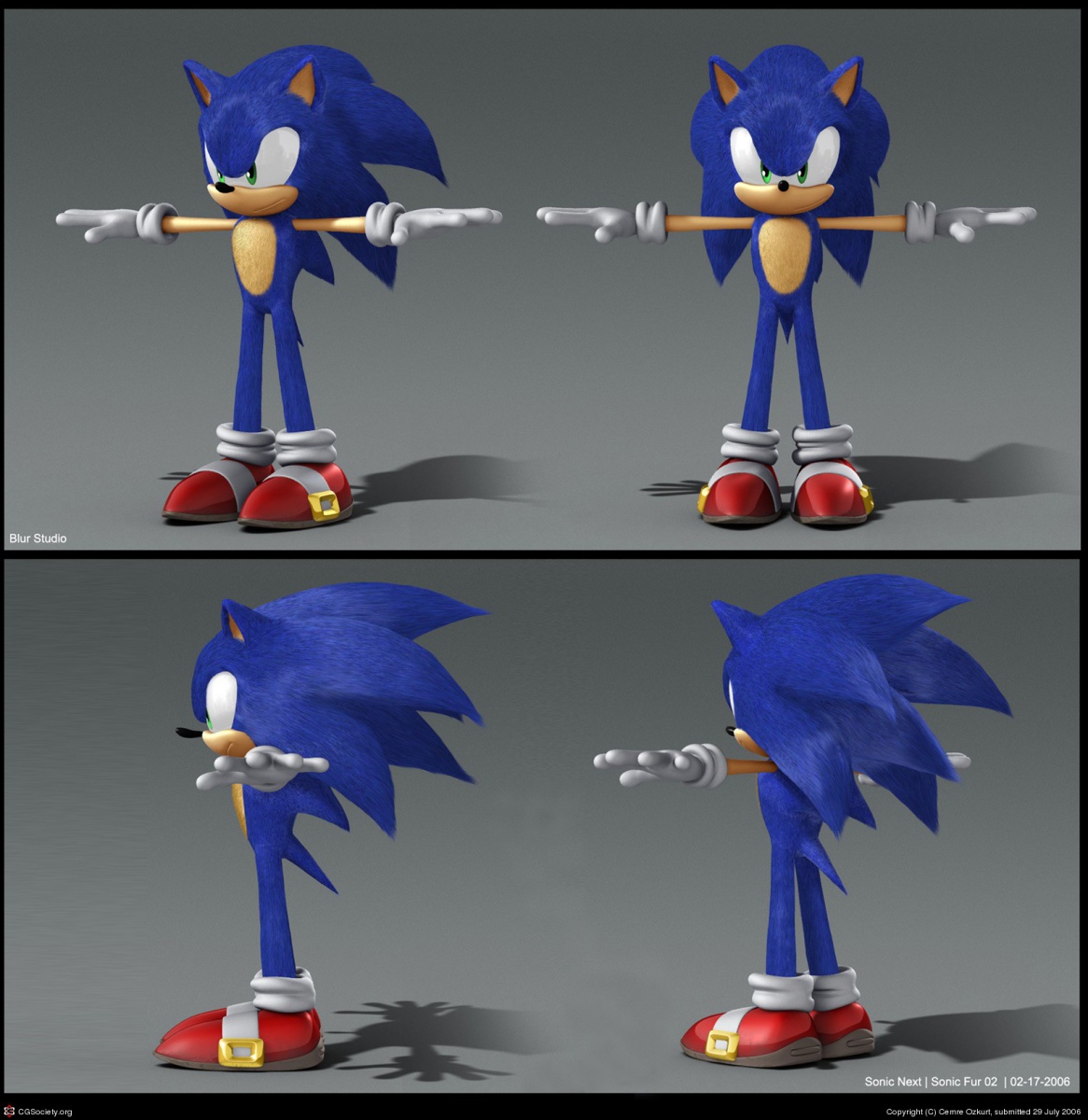
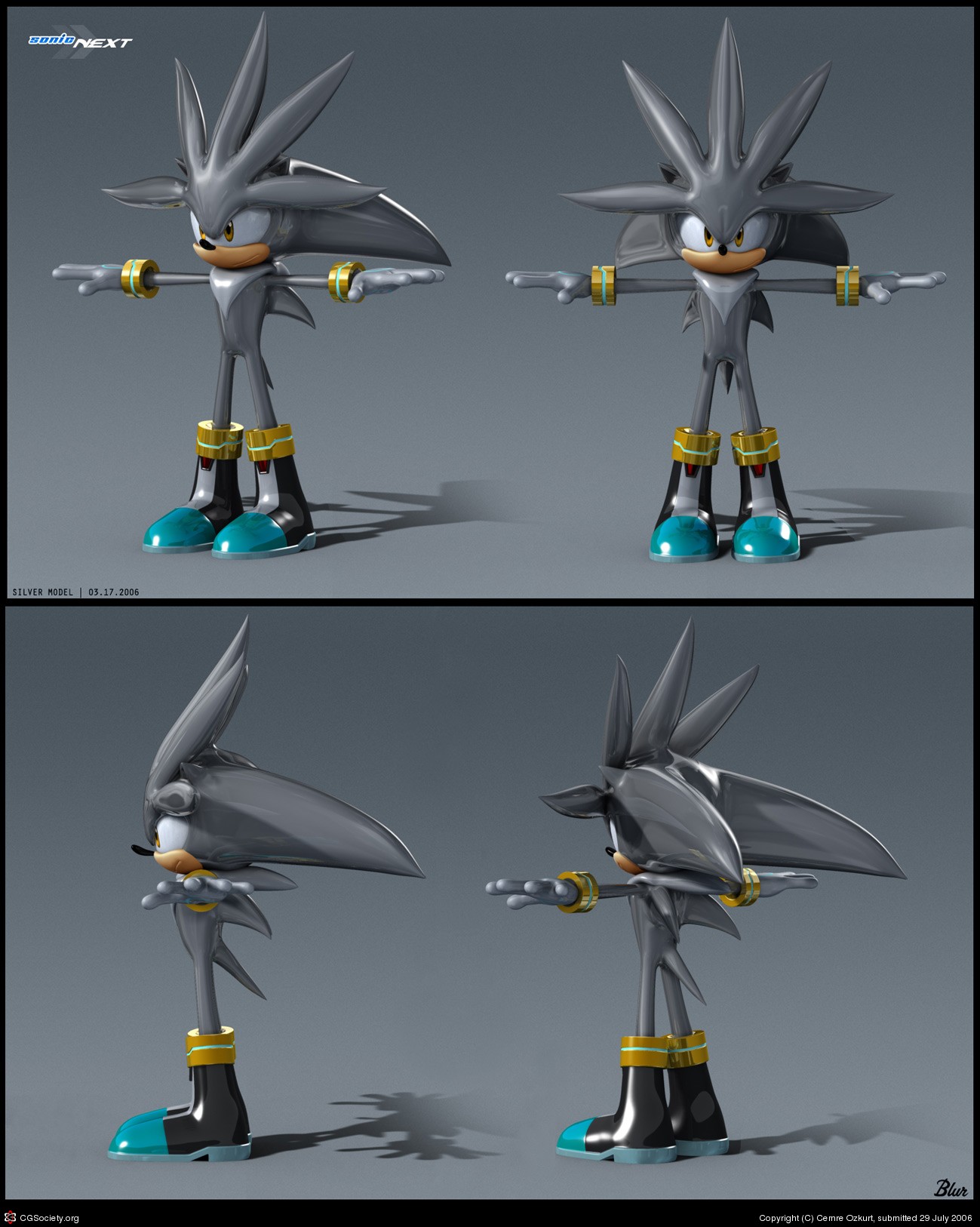
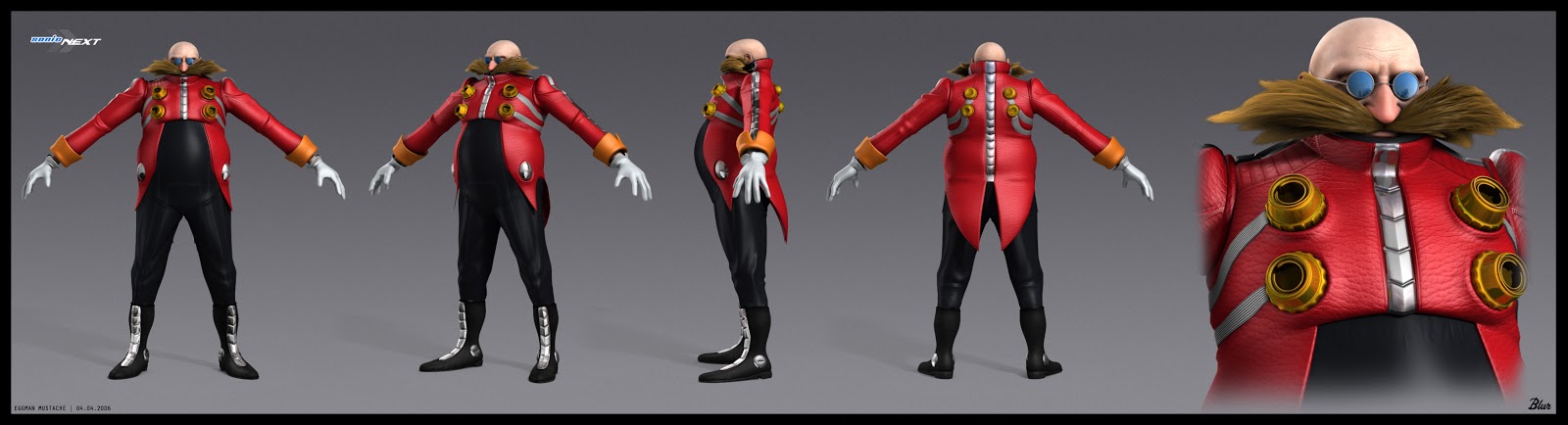
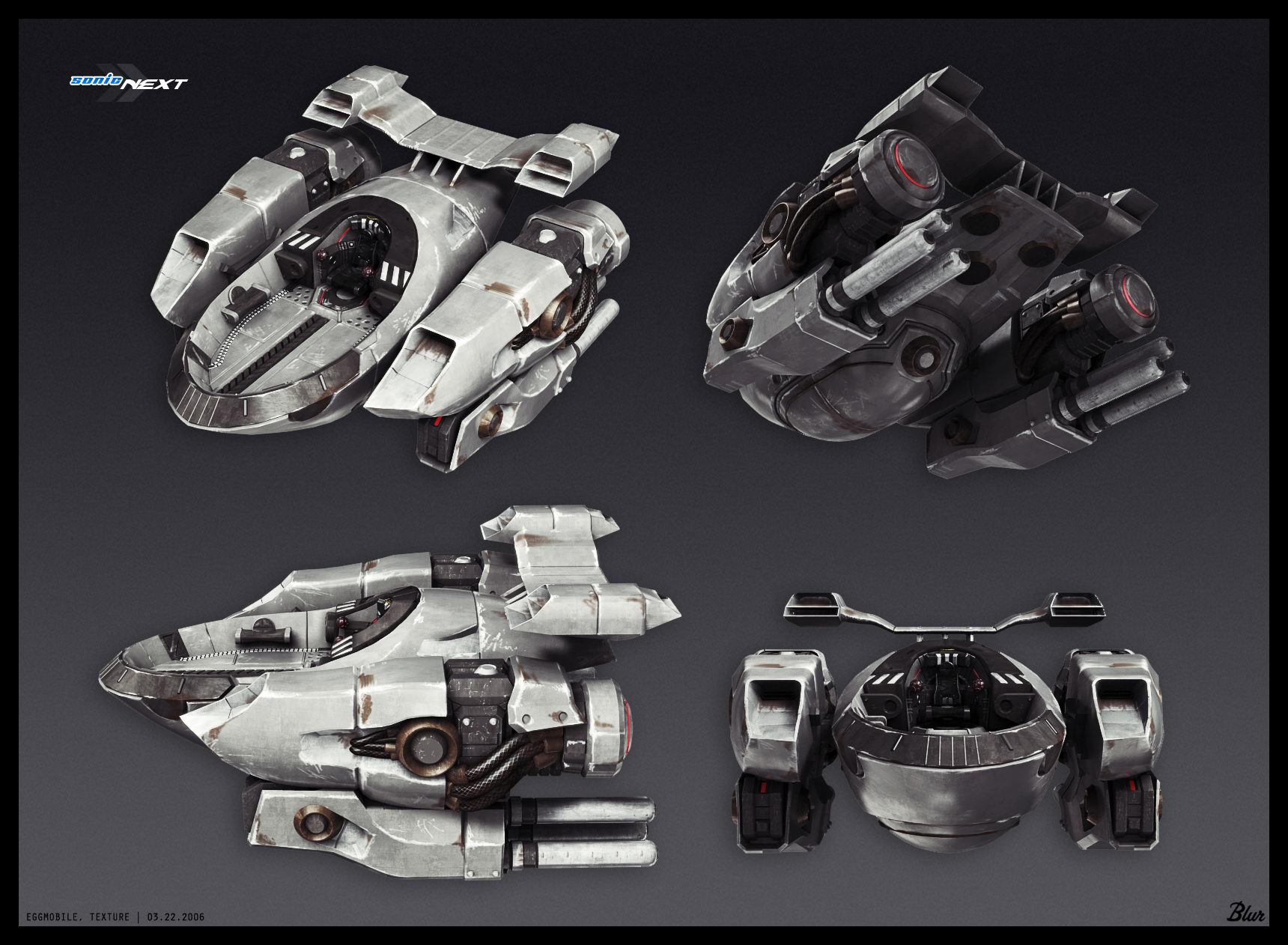
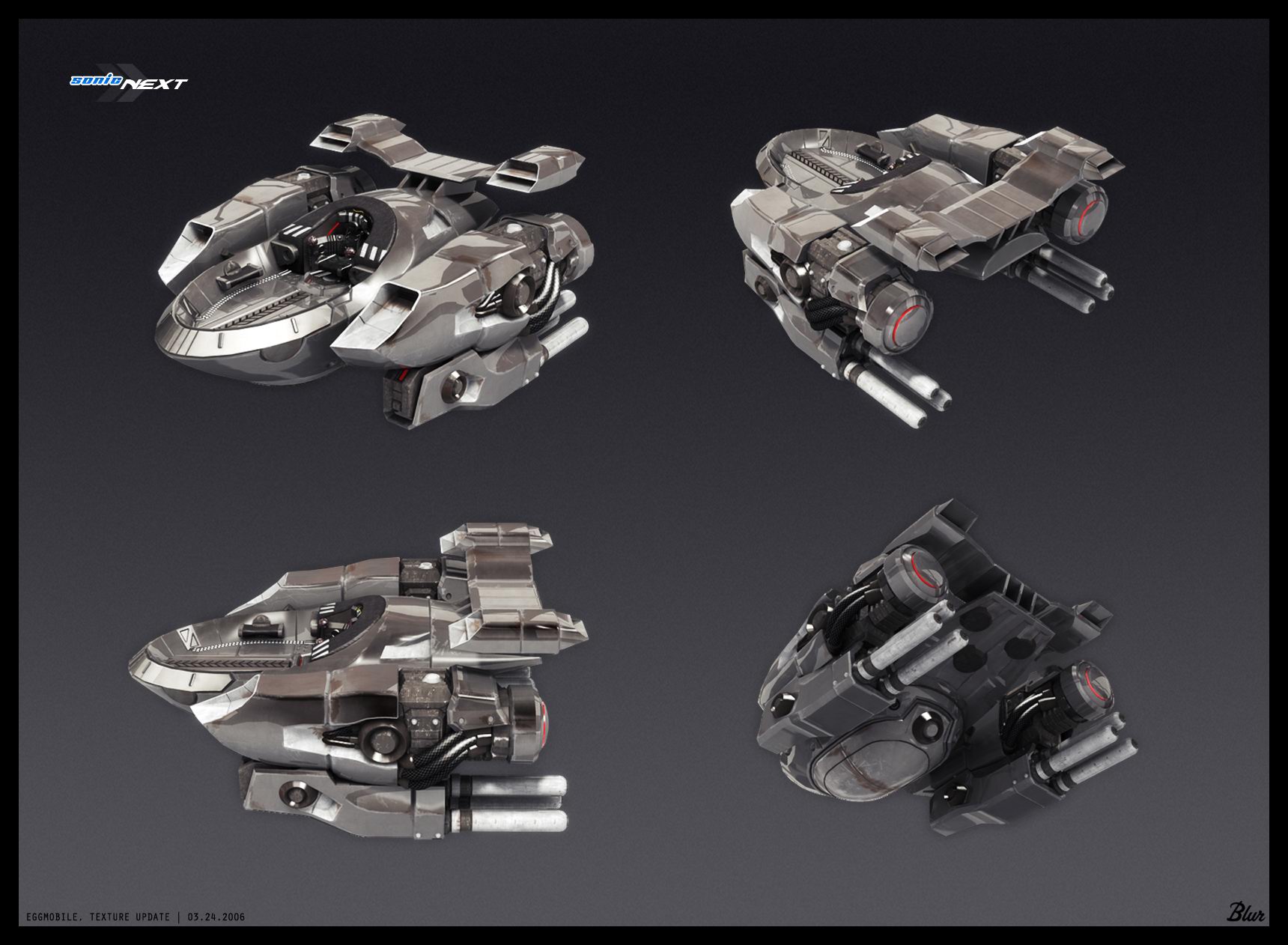
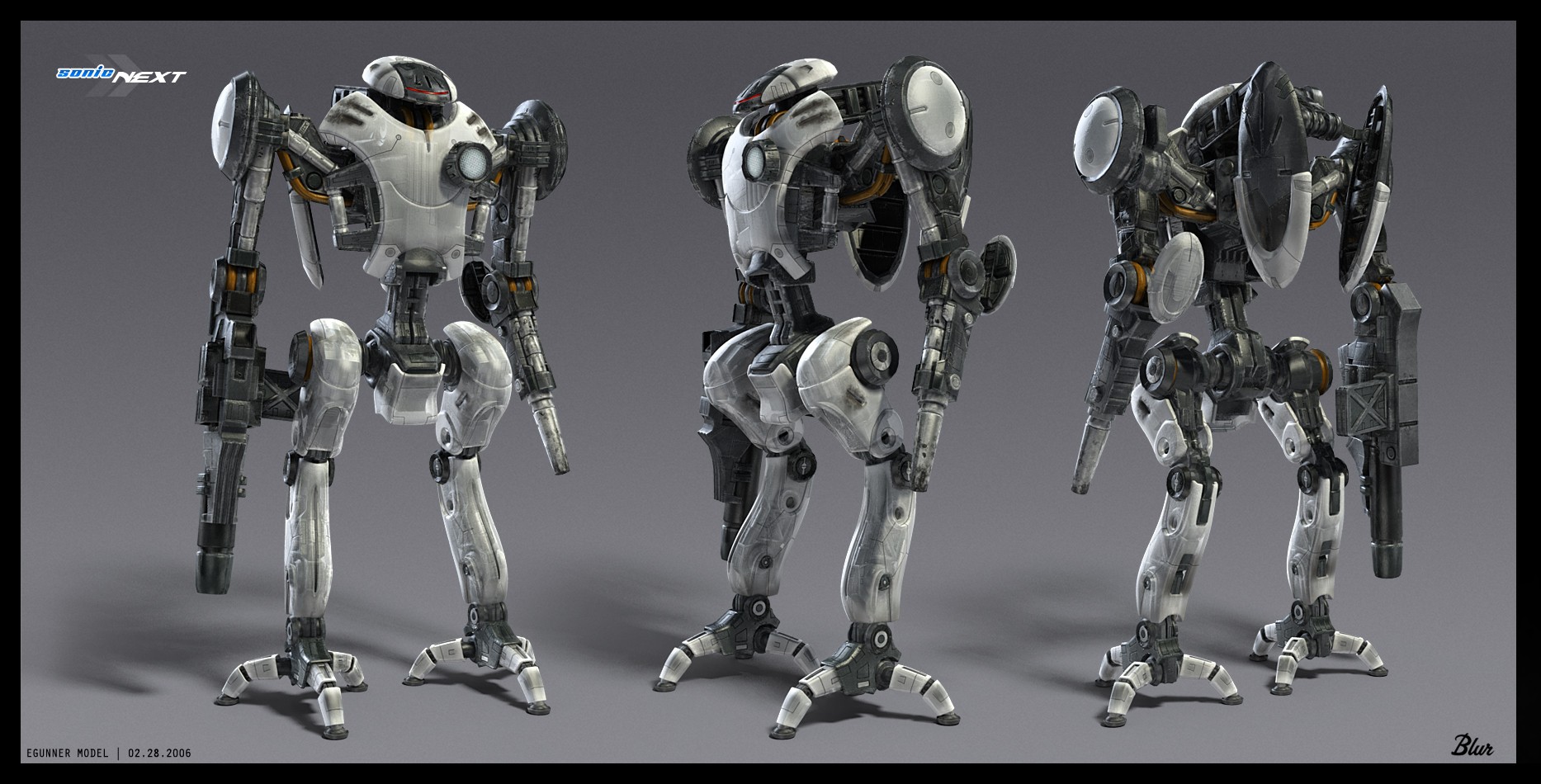
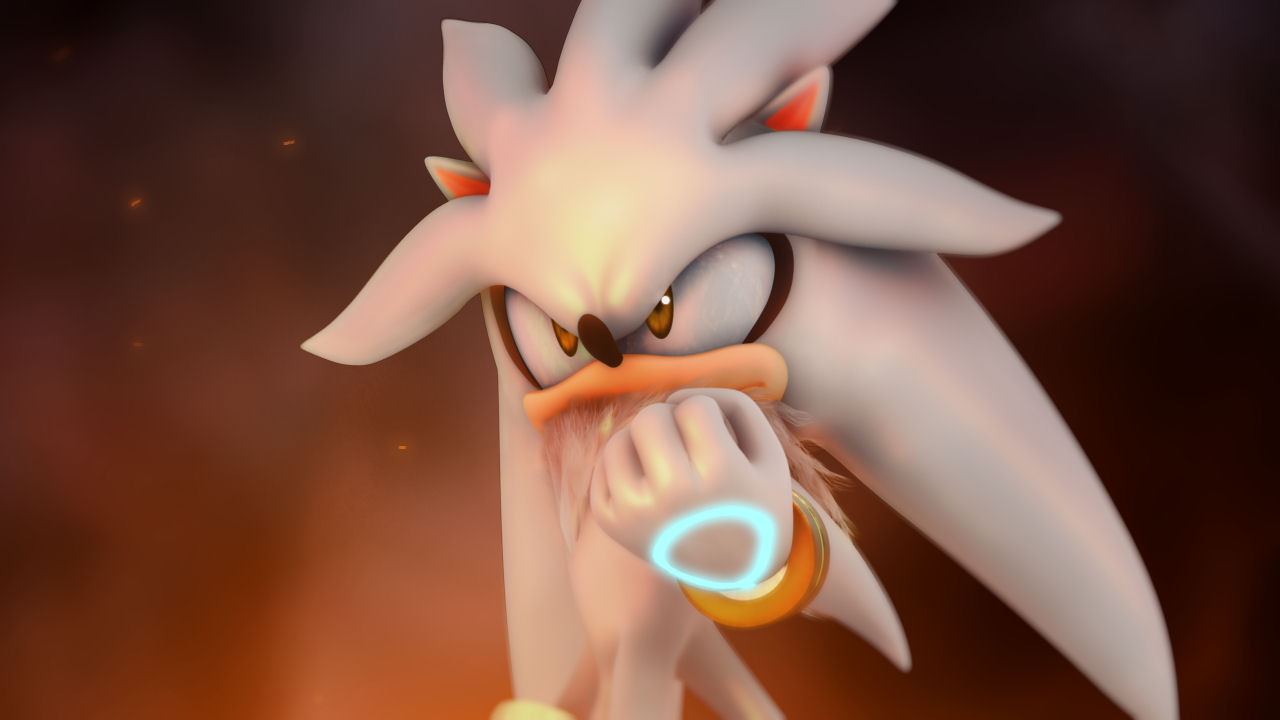
Early in development, Sonic Team experimented with using realistic fur and rubber textures on the character models, since the game world was more realistic. The textures are not in any known build of the game, but these renders by Blur Studio show what they would have looked like.
Day and Night Cycle#
 |
 |
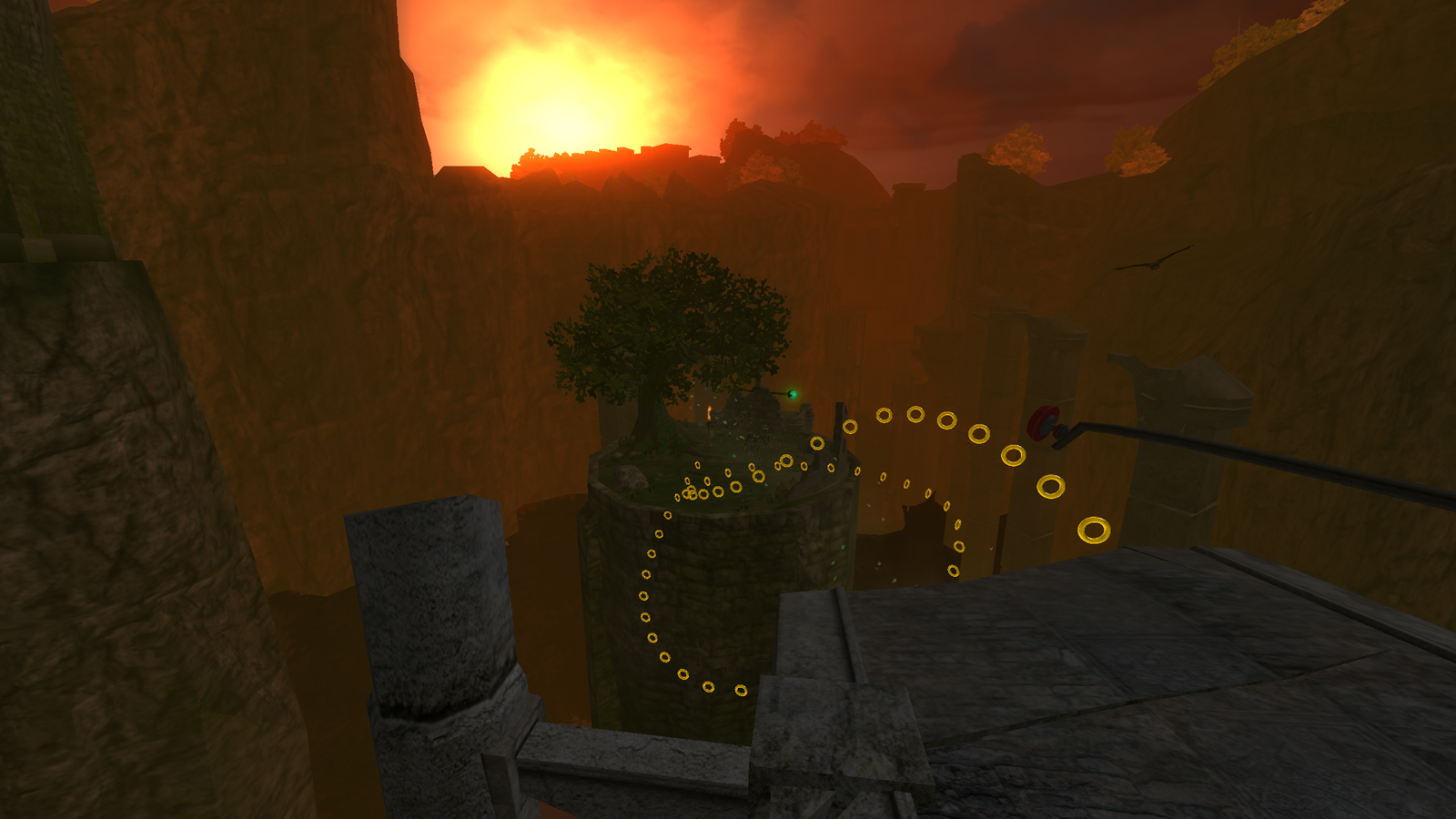 |
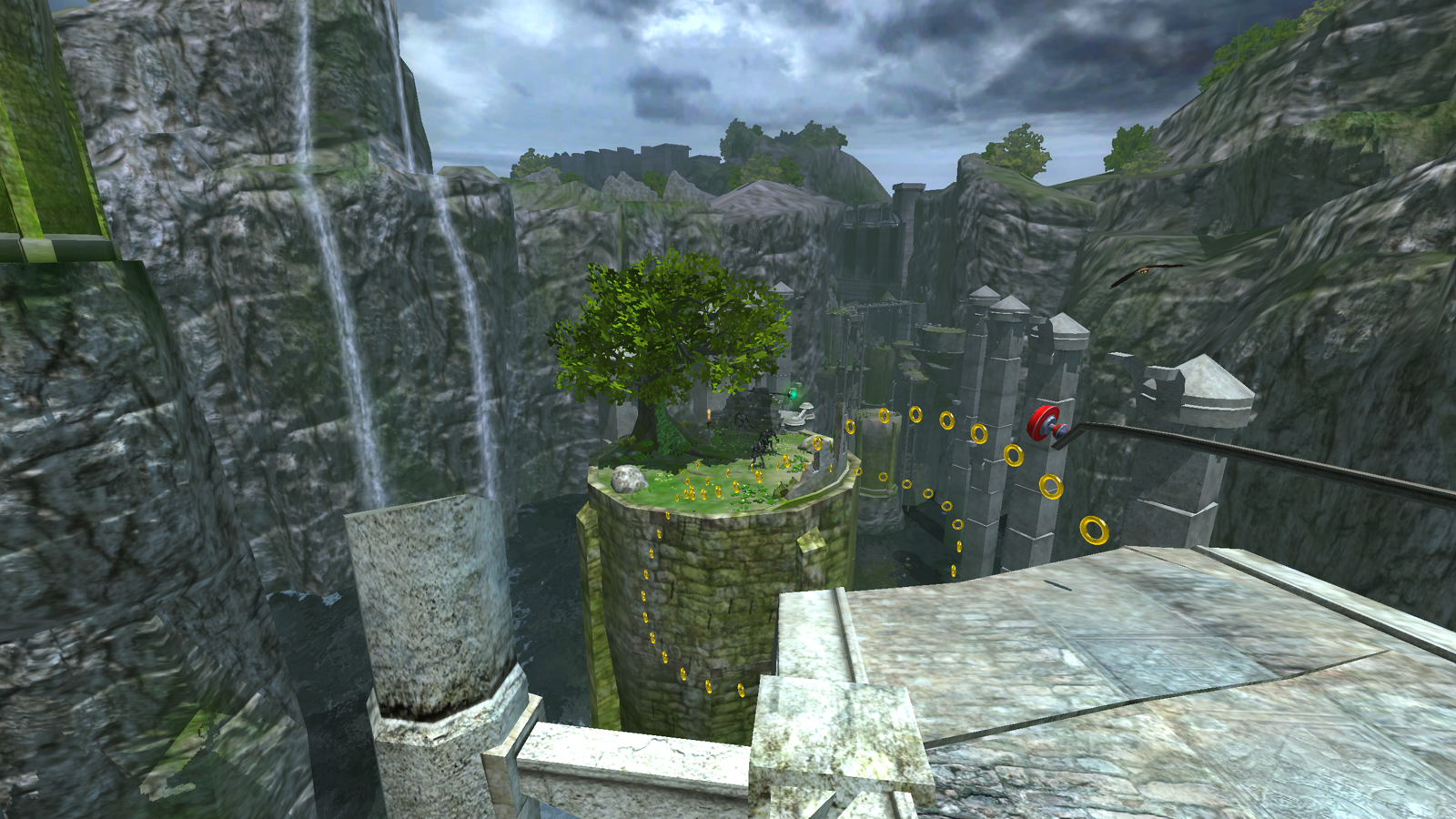
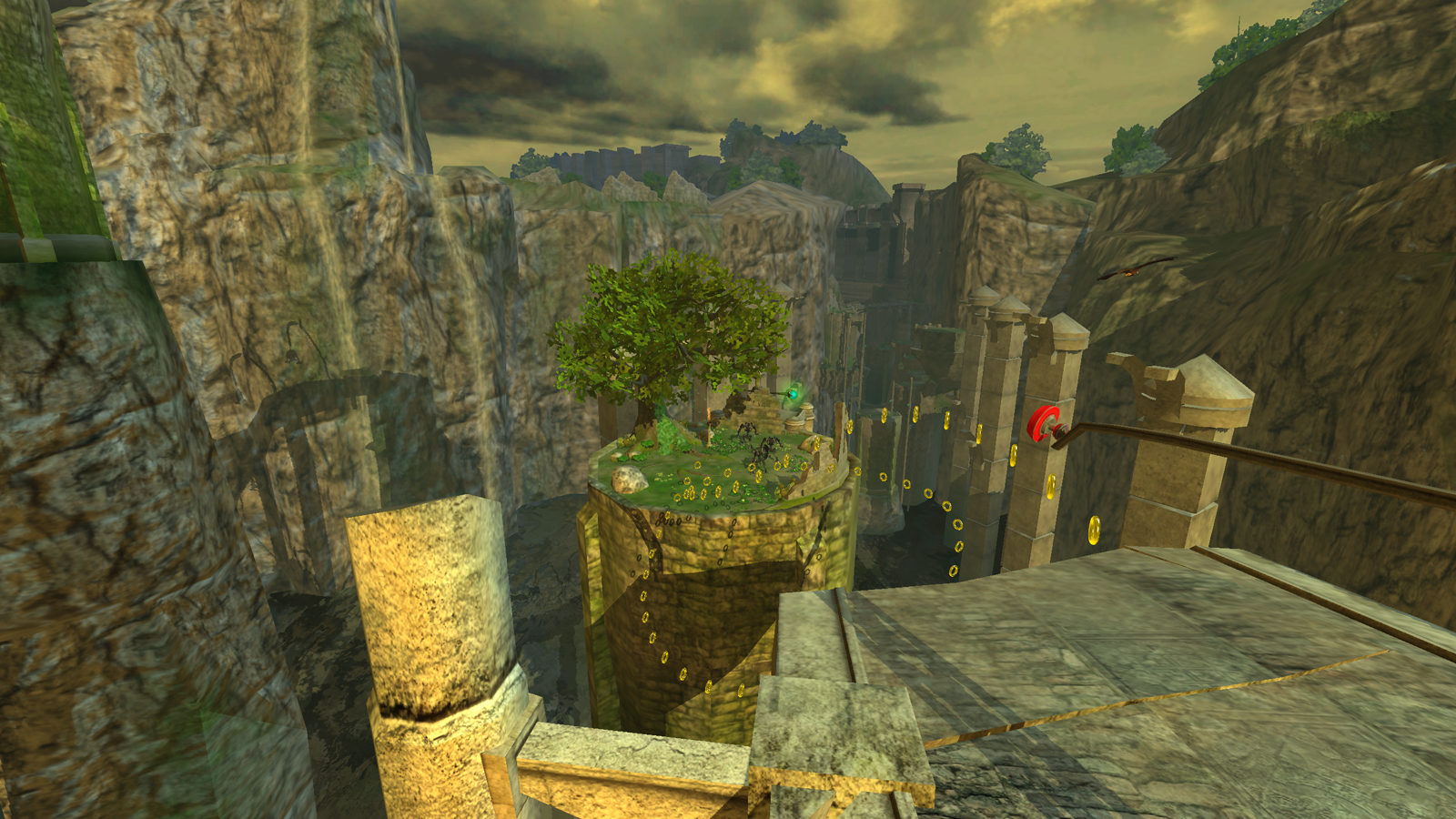
A day and night feature was shown in the TGS demo fully implemented and functional, but it's unclear if it was ever intended to be in the final game and may have just been a demonstration of what the next-gen technology was capable of. The next mainline Sonic game Sonic Unleashed does feature a day-night cycle, but only after completing stages.
Features Mentioned in the Manual#
Due to how rushed the game was, the manual mentions features that weren't properly implemented in the retail release.
- On page 7, the hub worlds and action stages are referred to as having a level indicator. This is meant to show the current level of Sonic's custom actions and Shadow's Chaos Boost, but since Sonic cannot level up his Gem abilities in the retail release, that behavior goes unused. It's still used for Shadow.
- On page 11, the Shield is listed as an available power-up, despite no shields appearing in any level. Shields do exist in the game's code and are fully functional.
- On page 13, Sonic's Gem abilities are described as being able to upgrade up to Level 3, draining energy when used, and that Chaos Drives power up the bar like for characters which have a working one, but this function was never finalized. Despite this, the bar still shows up when you play as Sonic.
- On pages 17 and 18, Tails and Omega's character bios state that you can use their flight abilities until the gauge runs out. While these abilities do use an internal timer, no such gauge is visible onscreen.
- On page 20, the manual describes Tag Mode (the game's co-op mode) as having two variants: Tag Story and Tag Trial. Players could save their progress in Tag Story, and completed stages were playable individually in Tag Trial. Unused dialogue reveals that Tag was intended to follow Sonic and Shadow collecting the Chaos Emeralds before Eggman. In the final release, Tag does feature unique stage progression and collecting Chaos Emeralds as a goal, but there's no contextualizing story, you can't save, and individual stages can't be played at will.
Canceled Ports#
Aside from Xbox 360 and PlayStation 3, Sonic the Hedgehog was also planned to have Windows and Wii versions. Nothing is known of the Windows version other than being promoted on the back cover of the Sonic Riders instruction manual (which mentions it was due for release on PC DVD-ROM alongside the Xbox 360) and the game's E3 2006 flyer. Due to the Wii's weaker-than-expected hardware, Sonic Team scrapped plans for a port and began a separate game, Sonic and the Secret Rings, that could be released during the Wii's launch window.

2005#
May#
E3 2005#
Demonstration#
Watch on YouTubeThe E3 2005 demonstration that represented the announcement of the project. It was shown behind closed doors, meaning not many people would get the chance to see it. Of course, the internet is a wonderful thing, so it ended up finding its way online.
The demonstration is around two minutes long and shows Sonic running around what appears to be an early version of Kingdom Valley while fighting Eggman's robots. At the end, he transforms into Super Sonic and rams into a giant robot fleet.
September#
TGS 2005 Closed Doors Tech Demo#
Watch on YouTubeGameplay was first shown off at TGS 2005 in a prototype version of Kingdom Valley, with a number of differences:
- Sonic's character model is different, looking a little more detailed and like the prerendered CG cutscenes. Sonic's shoes are also shiny and have the area reflecting on it. The final game features a much brighter, less detailed Sonic.
- Sonic's animations are different and closer to his depiction in Sonic Adventure. They also seem a little unfinished, as he uses a walking animation when jumping on a rope, similar to Shadow in the final game's stage "End of the World". Strangely, this glitch doesn't happen later on in the footage. These animations actually still exist in the final game, they're just unused.
- The game is running slower, presumably because of how early in development it is. Despite the slow speed, Sonic goes extremely fast when grinding.
- Many debug functions are seen, including freecam and levitation.
- The day-night cycle is seen functioning via debug controls. It's unknown how the cycle worked, but it is shown that it fully moves along with the shading.
- The assets are a little different from the final. For instance, the boxes don't have stars on them, making them more realistic. In contrast, the springs and dash panels don't look as realistic and look closer to their depiction in Sonic Heroes.
- Sonic seems to be directly homing into the ground, which does not happen in the final game as Sonic air dashes instead.
- The level ends earlier, presumably because it wasn't finished yet. Notably, the level-clear jingle is the same version from Adventure 2 and Heroes.
2006#
March#
Leaked Script#
Before the game was released, a UK tester obtained an early script and leaked it to the Sonic fansite Sonic Cult. The document, "SONICNEXT_allscript", is an internal document saved in XSL format. It contains some pretty interesting insight into the game's development, including unused concept art. The leaked script can be downloaded here.
- For the character bios, Sonic, Tails, Knuckles, Shadow, Omega, and Amy all use their renders from Sonic Heroes, while Blaze uses line art from Sonic Rush. Elise, Eggman, and Mephiles use their renders from the final game. Silver, the Duke of Soleanna, Soleanna's scientists, and Elise's maids use concept art that was never seen during the build-up to release. Rouge, the G.U.N. soldier, and Iblis do not have any images.
- Silver's original name was Venice (a name that is still used internally in the final release), and was based on Trunks from Dragon Ball Z. He was also supposed to have an ability that drew from the powers of the Chaos Emeralds. According to the script, he was renamed Silver on November 22, 2005.
- Princess Elise was originally named Princess Oliga (named after Russian singer Origa). Her name was changed on March 5, 2006 (after voice recording had begun).
- The developers, according to some change comments left in the script, were considering whether to make additional hubs for the game, such as a desert or snow area. However, as a method of saving labor, the only additional hub made was the Forest.
- A lot of the prerendered sequences (e.g. Sonic and Elise in the forest) were going to be in-game sequences.
- Some bosses are referred to as "Amigo Bosses", which indicates you would've had to fight them as secondary characters. For instance, the script (including the final version) implies that Tails was supposed to be the one who fights Egg Cerberus, which is listed as an Amigo Boss.
- The name of the Scepter of Darkness changed a few times. It was first the way edgier "Tears of the Sun", before becoming the more generic "Book of Darkness", and then finally the Scepter of Darkness. It's worth noting that there is one scene where it is accidentally referred to as the Book of Darkness.
- For some reason, between Silver's final boss and closing cutscene, he's given the town mission "Get info on Mephiles". This is only seen in the leaked script, which is understandable because it makes absolutely zero sense.
The last revision to the script was made on March 10, 2006. At this point, it was essentially the same as it is in the final; the only differences are minor sentence restructures.
(Source: Sonic Retro, Andrea Ritsu)
June#
E3 2006#
Trailer and Demo
A demo and trailer were shown at E3 2006. The version shown has a huge variety of differences from the final.
- The main menu for the demo has two stages that can be selected: Kingdom Valley for Sonic, and Crisis City for Silver. It features unreleased character art.
- The first section of Kingdom Valley is played. After Sonic grabs the eagle, the speed section is used. Silver's Crisis City ends near the end of the first section, where the second PK Mark before the last checkpoint is located in the final game.
- The character voice acting doesn't play.
- The loading screen is different. It's a blue screen with the level's name with an objective at the bottom, rather than an image of the level with control tutorials. The Now Loading text also fades away instead of completely disappearing.
- The HUD is different, featuring a Sonic head for the character image, which was also used in Sonic Unleashed. Sonic's power meter also isn't on-screen, but Silver's is.
- When an Item Box is destroyed, its icon does not appear at the bottom of the screen. Additionally, the 1-up Item Box is completely different, and breaking it plays the 1-up jingle from Sonic Adventure rather than the one used in the final.
- Sonic and Silver have all their moves unlocked.
- Sonic and Silver run faster in the demo.
- Sonic's foot sweep attack causes him to lose speed. The value for this is still present and loaded in the final game, but is never actually used.
- Sonic's jump dash retains gravity akin to previous games, giving it a downwards arc that allows the player to more easily build up speed. His homing attack is also spammable without a delay. He uses multiple different animations for flips, which are only used by the White Gem in the final game.
- When Sonic is jumping from wall to wall, he curls up into a ball before landing. This is broken in the final game.
- Silver doesn't drop any objects when hovering.
- Kingdom Valley has a clear blue skybox texture rather than the final's overcast sky, and the lighting is noticeably different.
- Kingdom Valley's wind collision is fully functional in this build.
- The subtitle font is bigger.
- When the Goal Ring is touched the game shows a Mission Completed text, and the loading delay doesn't happen until the result screen displays.
- The trailer has Sonic running in Tropical Jungle without carrying Elise.
- In the trailer, the town seems more lively with more people interacting with each other.
Early Music#
Watch on YouTubeWatch on YouTubeBoth stages' background tracks in the E3 demo haven't been finished. As such, they have different, synth-y instrumentation. In particular, Kingdom Valley is missing a choir section in "The Castle" track, while Crisis City doesn't include "Tornado" and loops at the end of "Whirlwind".
August#
THQ LOADED '06 MEDIA KIT#
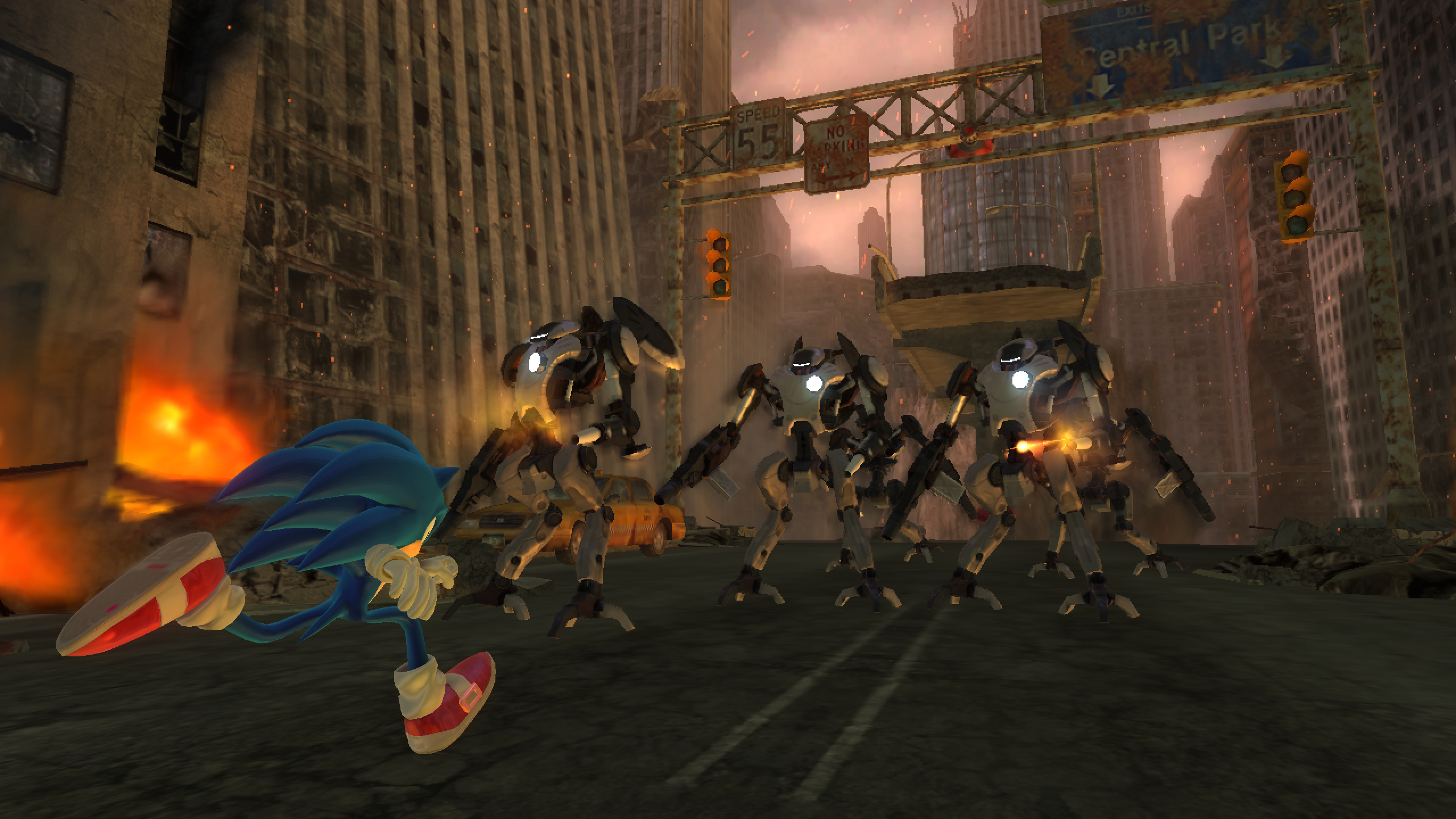
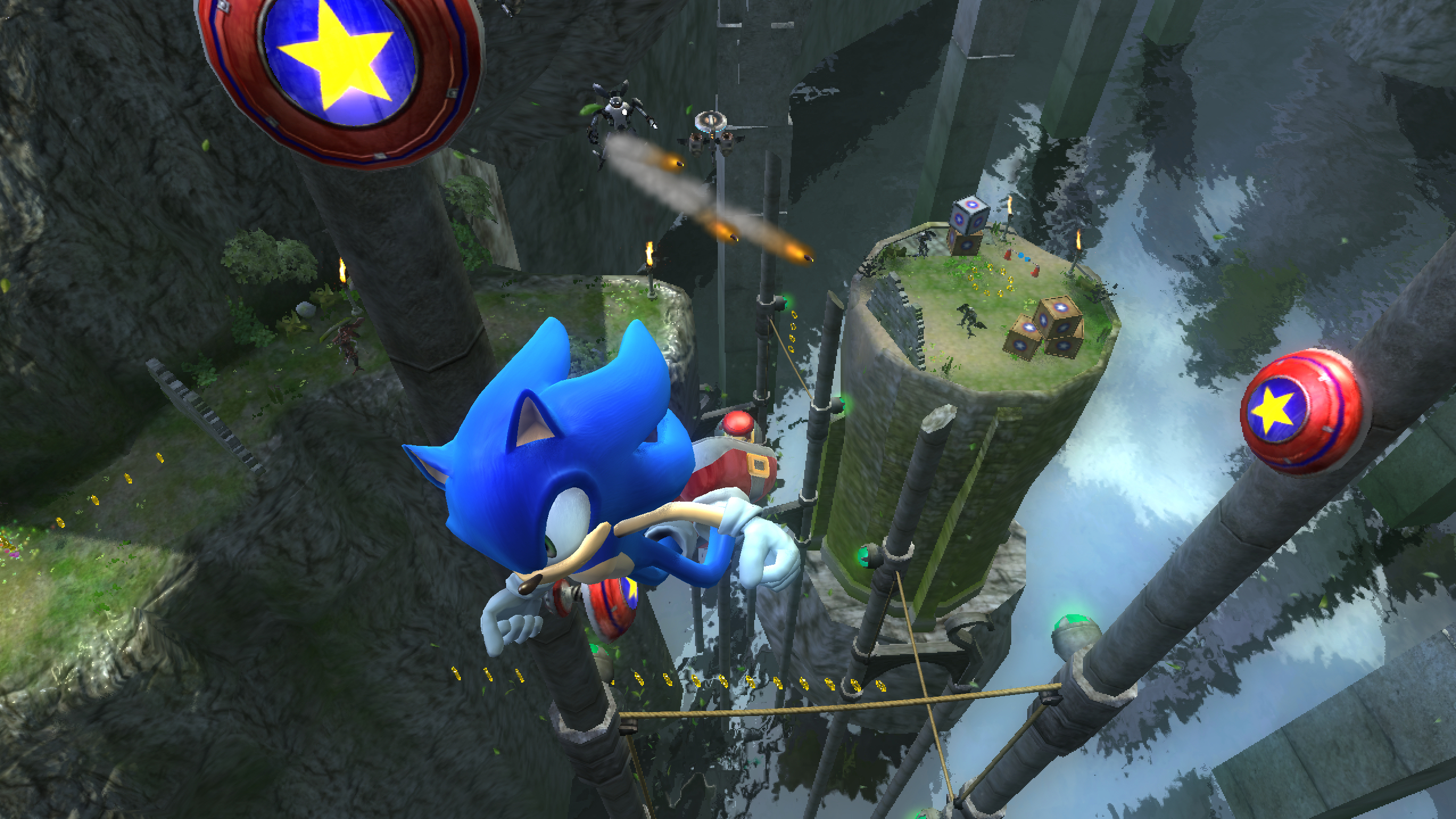
In this Media Kit, there exist screenshots from the PS3 version of the game dated 17th of August 2006.
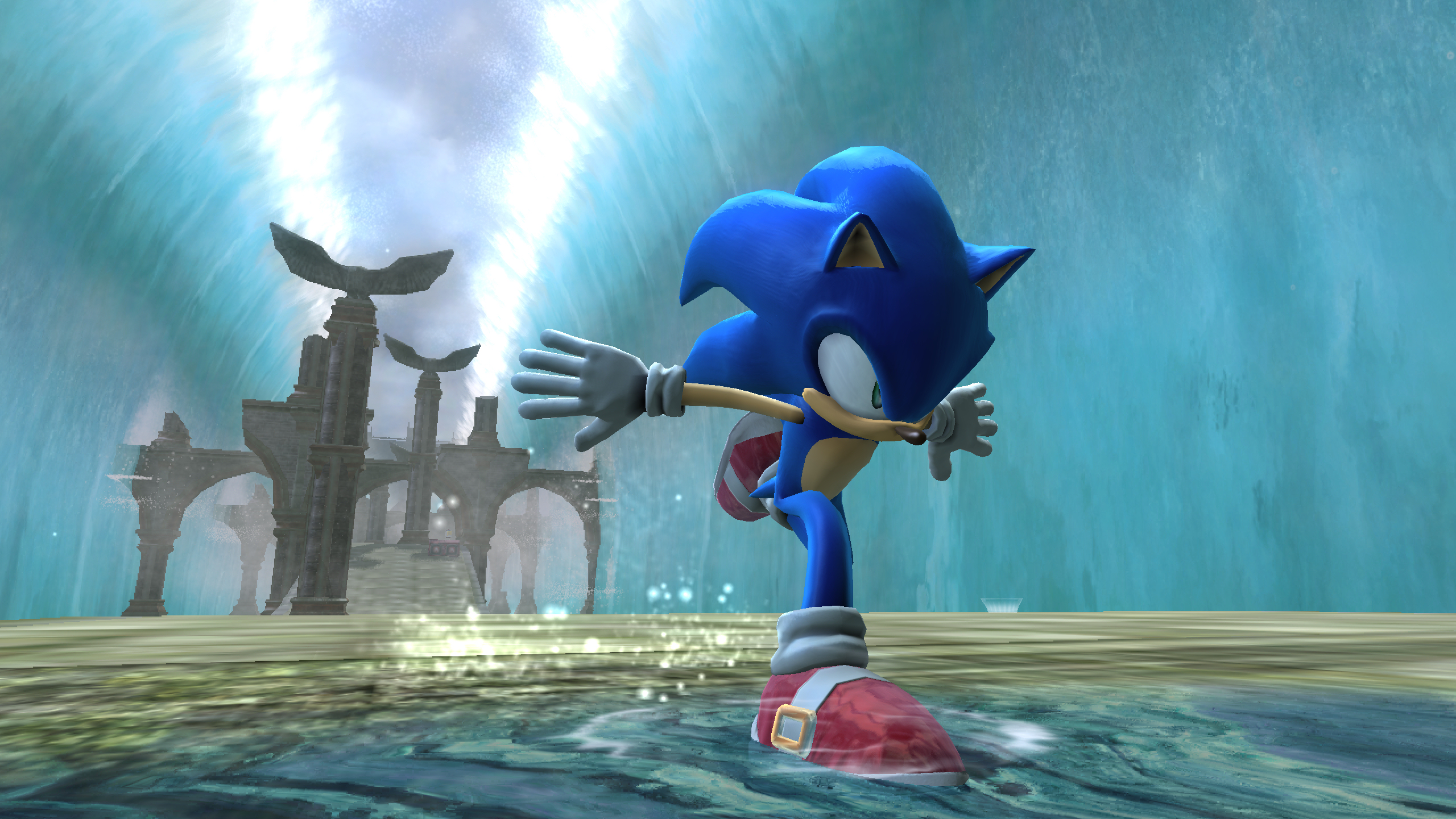
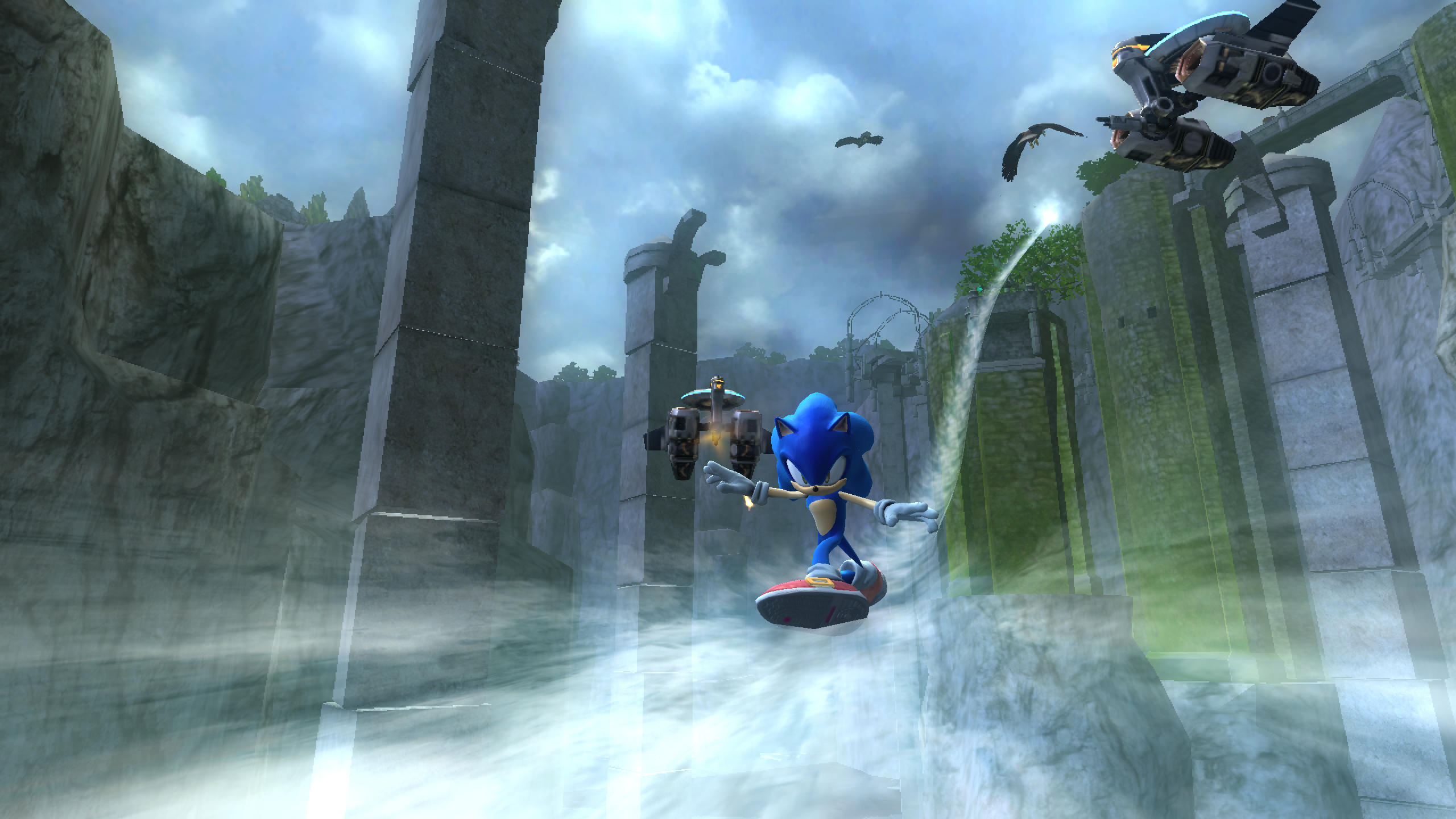
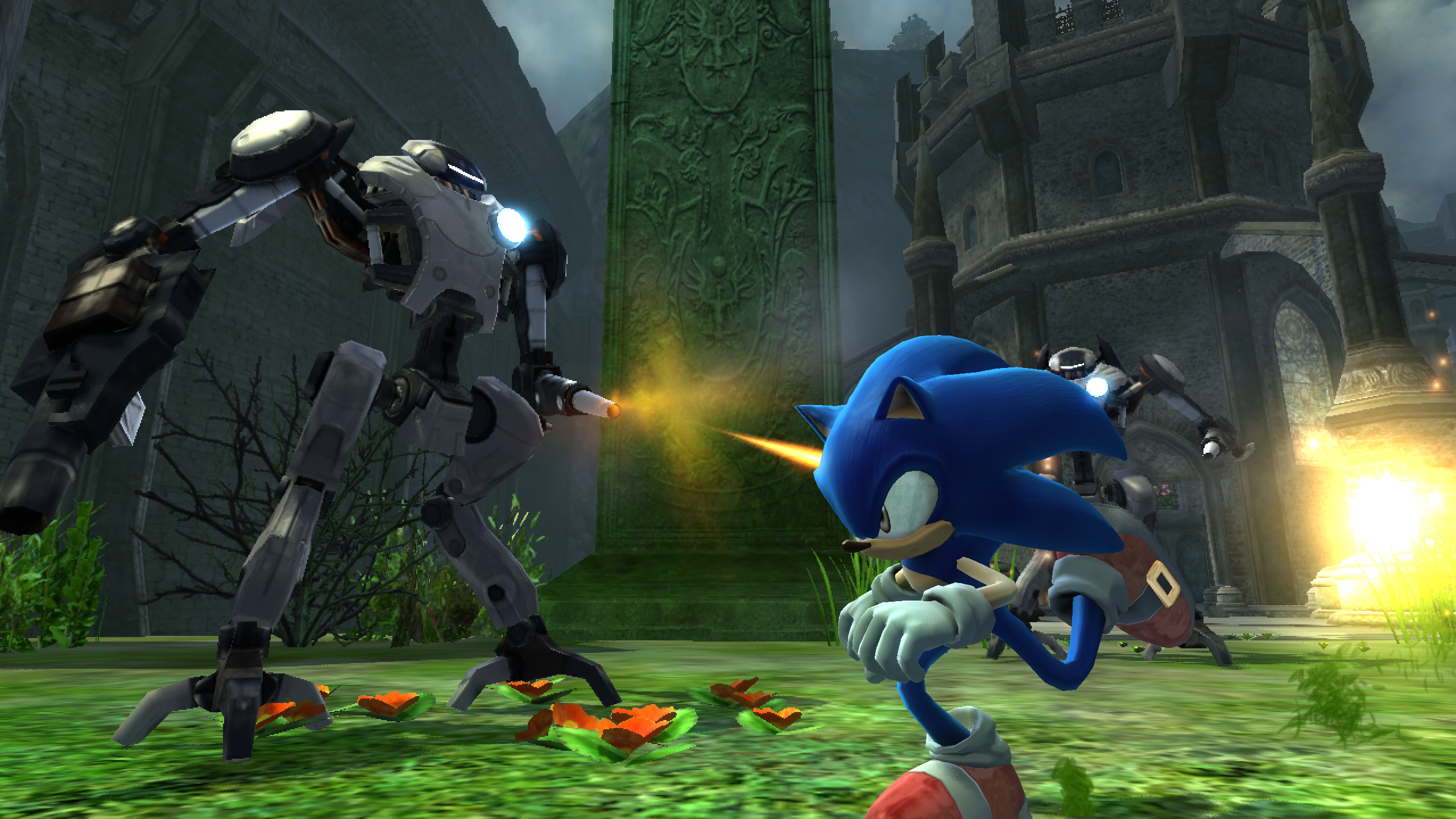
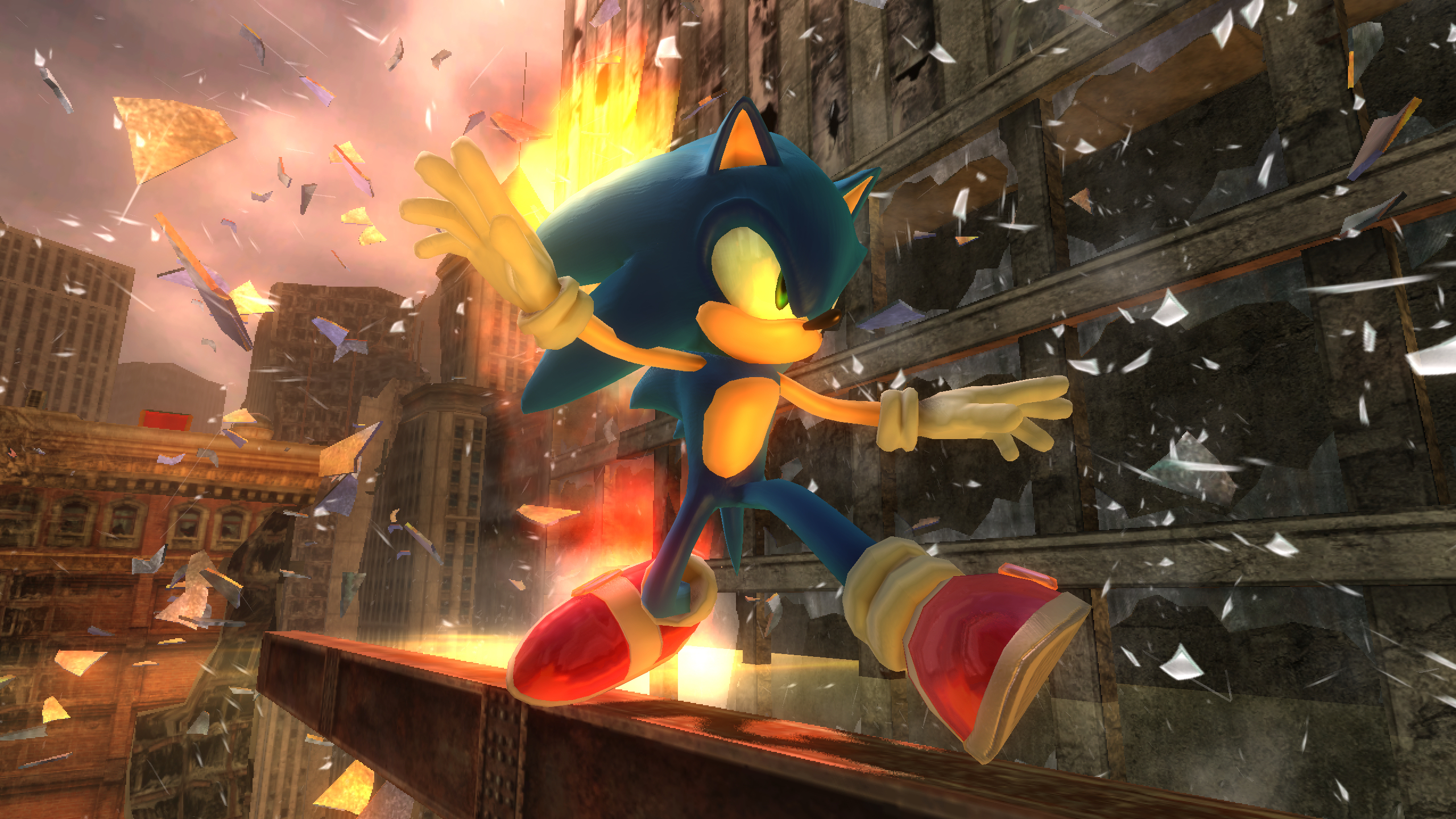
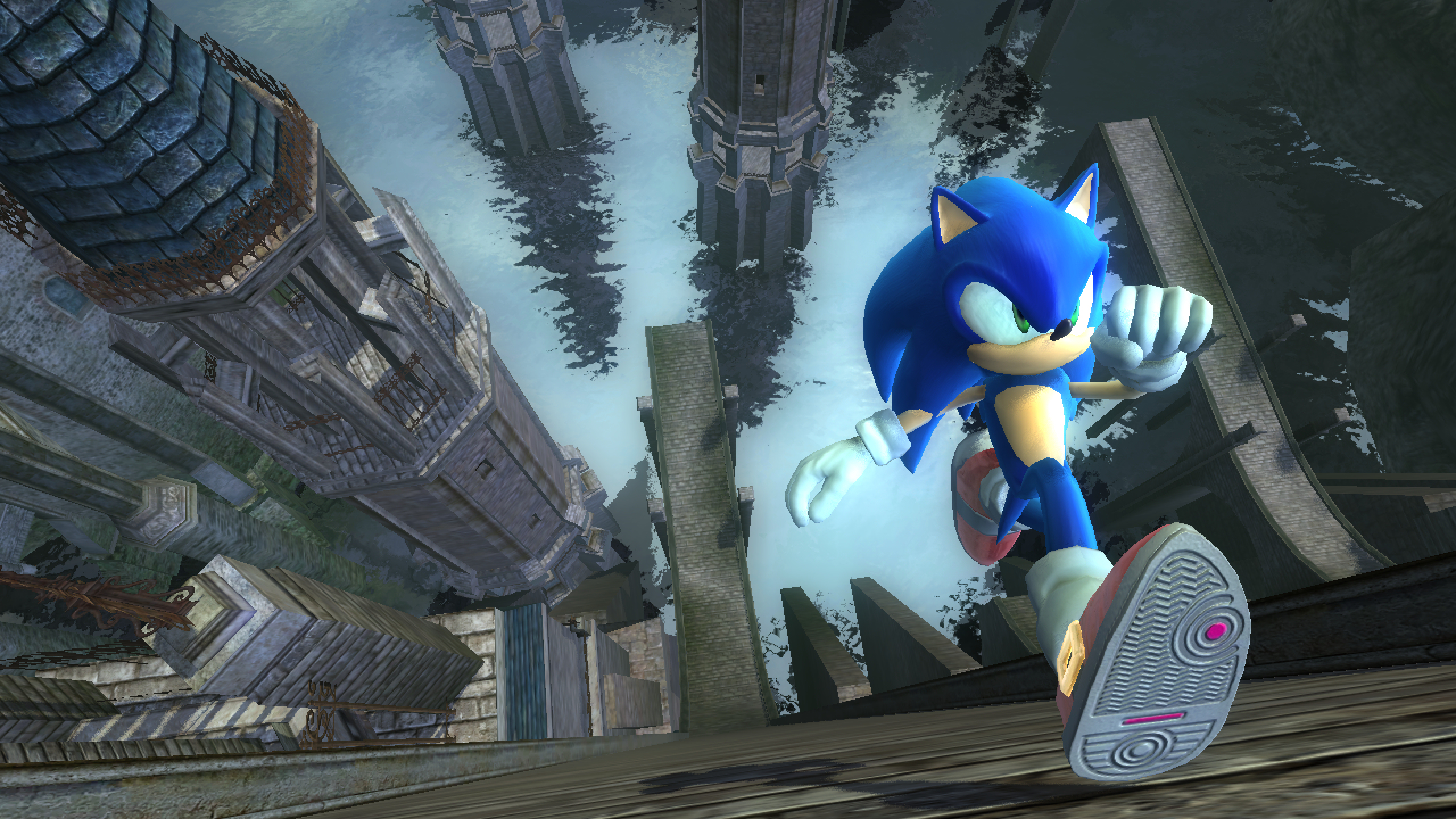
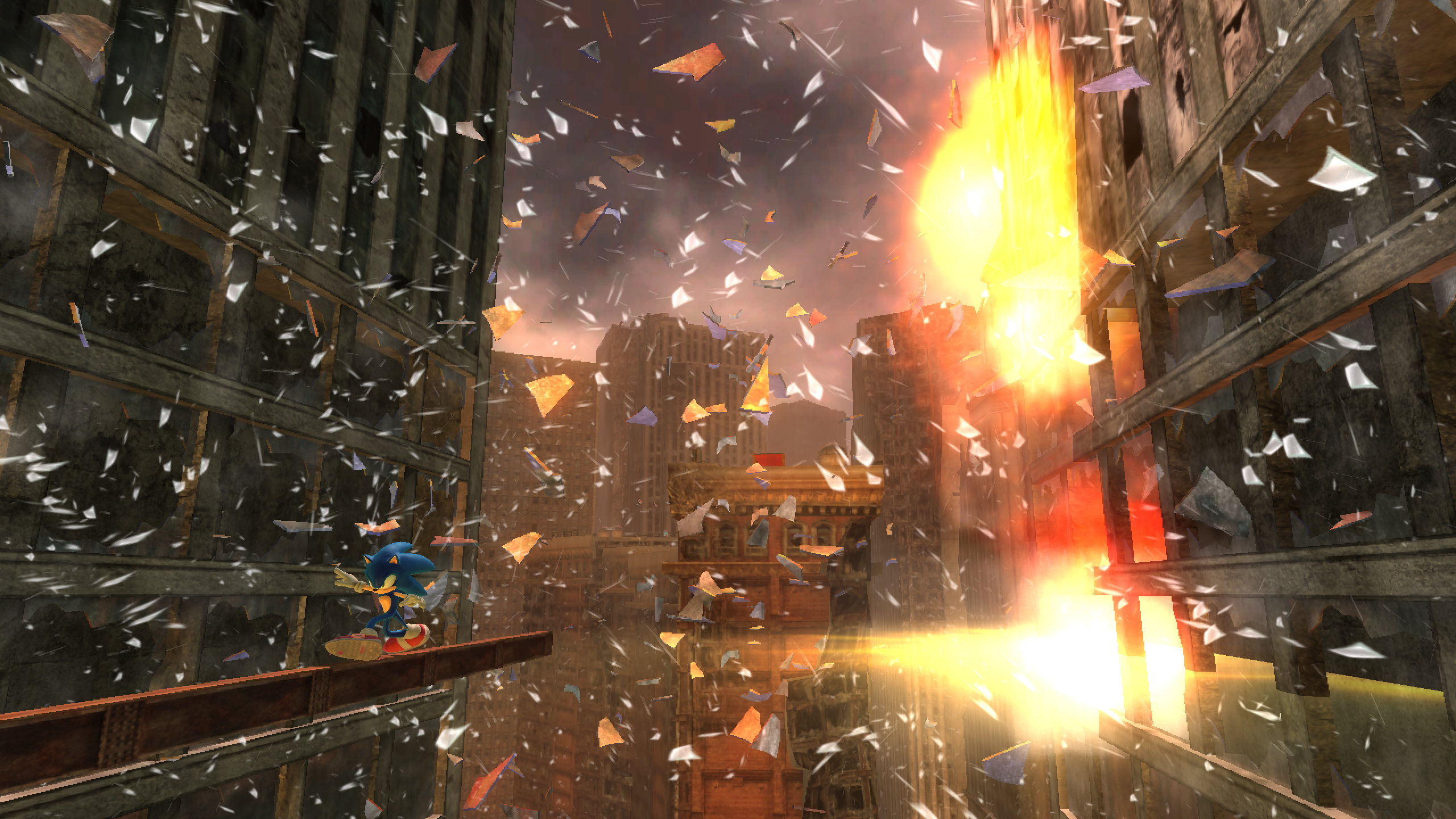
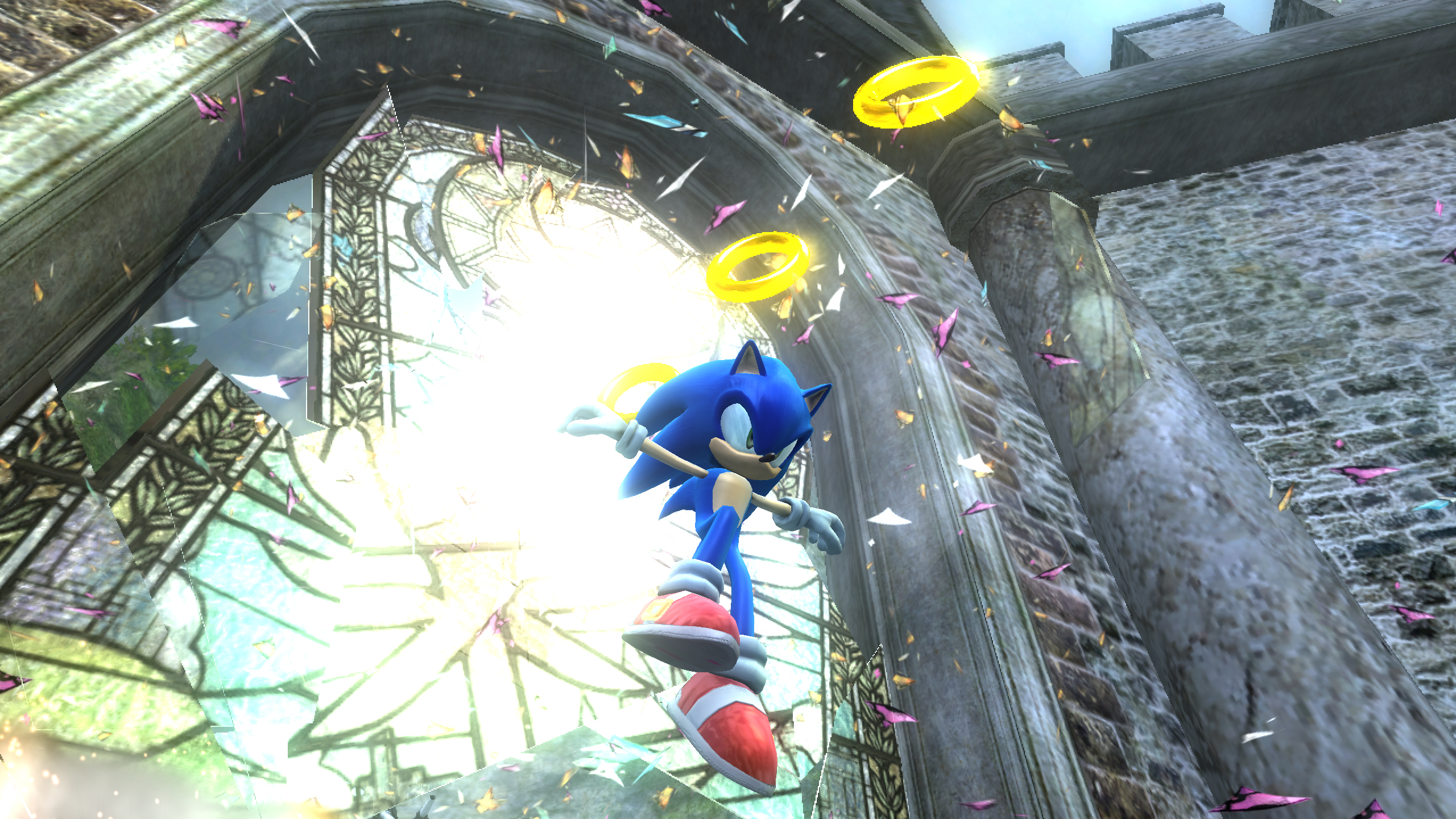
November#
Manual#
Early Total Ring Icon
Game Manual |
Recreation |
Retail |
|---|---|---|
 |
 |
 |
In the game's manual for both the Xbox 360 and PlayStation 3 release, there are many screenshots showcasing prerelease versions of the game. On Page 7 under the Town Stage section, there is a screenshot showcasing Soleanna Castle Town. Highlighted as "money" is an early icon for the total rings counter, shown above. It features a ring (most likely taken from the in-game HUD) with the letter R in the New Rodin font.
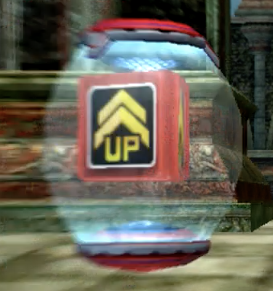
Early 1-UP Icon
E3 2006 |
Recreation |
Retail |
|---|---|---|
 |
 |
 |
In the footage for the E3 version of the game, this early 1-UP icon can be spotted in this item box. It depicts two yellow arrows above the same "UP" text used on the retail 1-UP icon.
Early Opening Cutscene#
Watch on YouTubeHas different camera angles and music. Most notably, Elise is voiced by Bella Hudson/Erica Schroeder (VA of Blaze) instead of Lacey Chabert.
Early Castle Town#
In trailers for the game, you can catch a glimpse of an early Castle Town. The most obvious difference is how it was originally much brighter and colorful than the final. In the final game, it bakes the lighting onto the vertex colors, causing Castle Town to look very dull. In the early version, the lighting was real-time, allowing many small details (such as tarps and balconies) to cast shadows. Other differences include a much more populated Castle Town, a different layout with more height variations, different buildings, different tree textures, a different sky, as well as the cliffs to the south being completely absent.
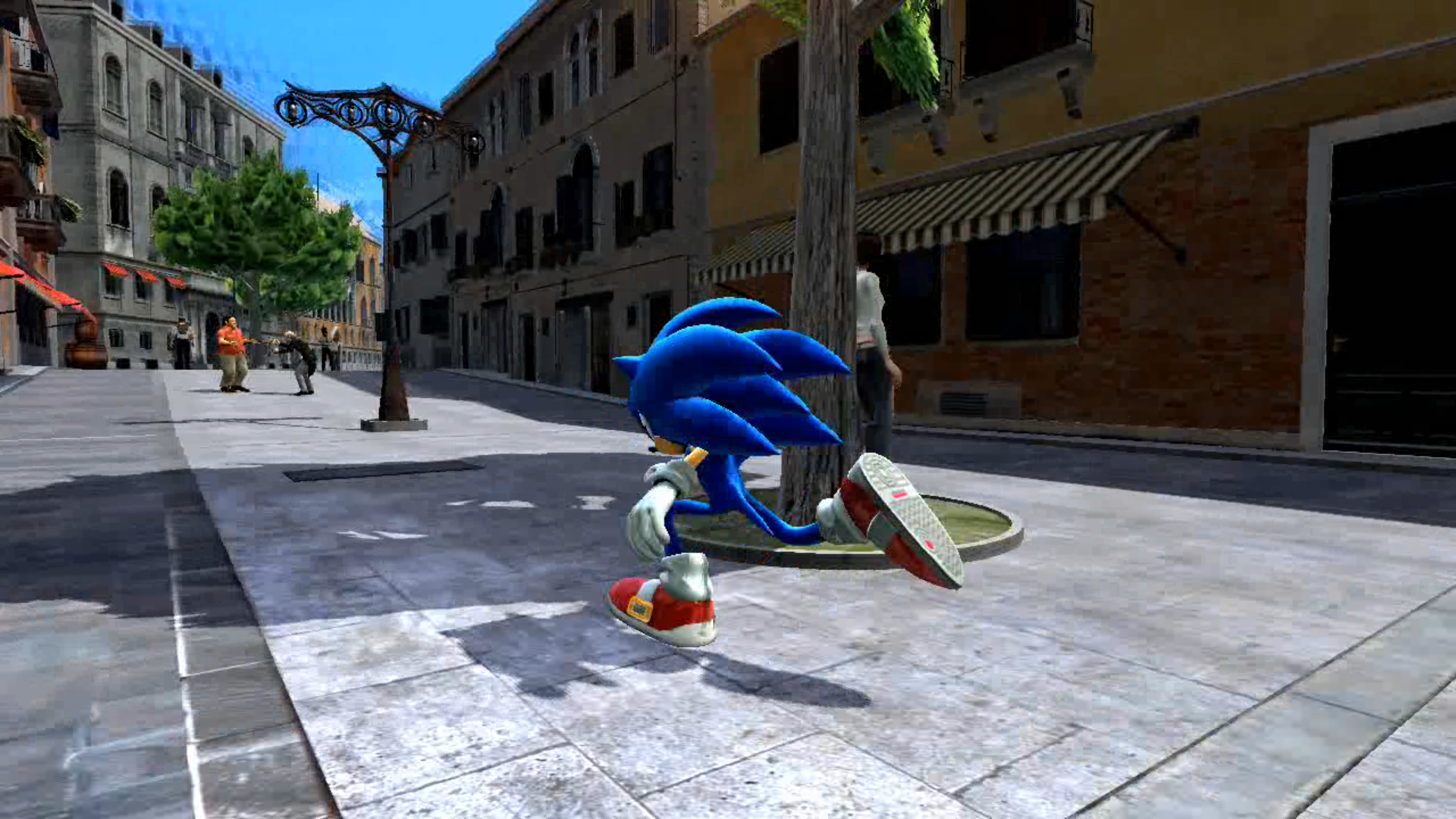
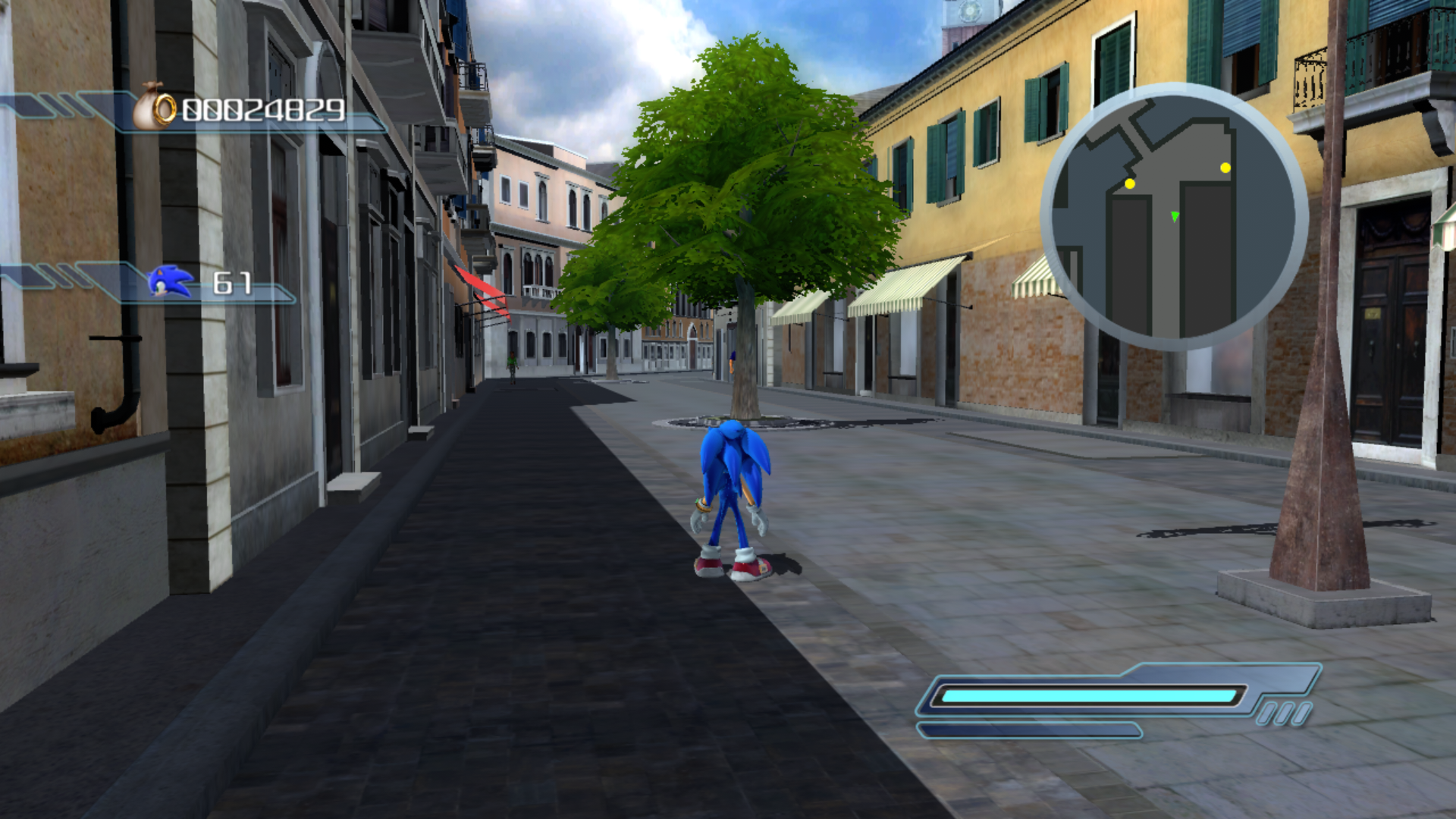
Buildings are quite different, and the road originally sloped up. The textures on the road are different, and the trees looked completely different.
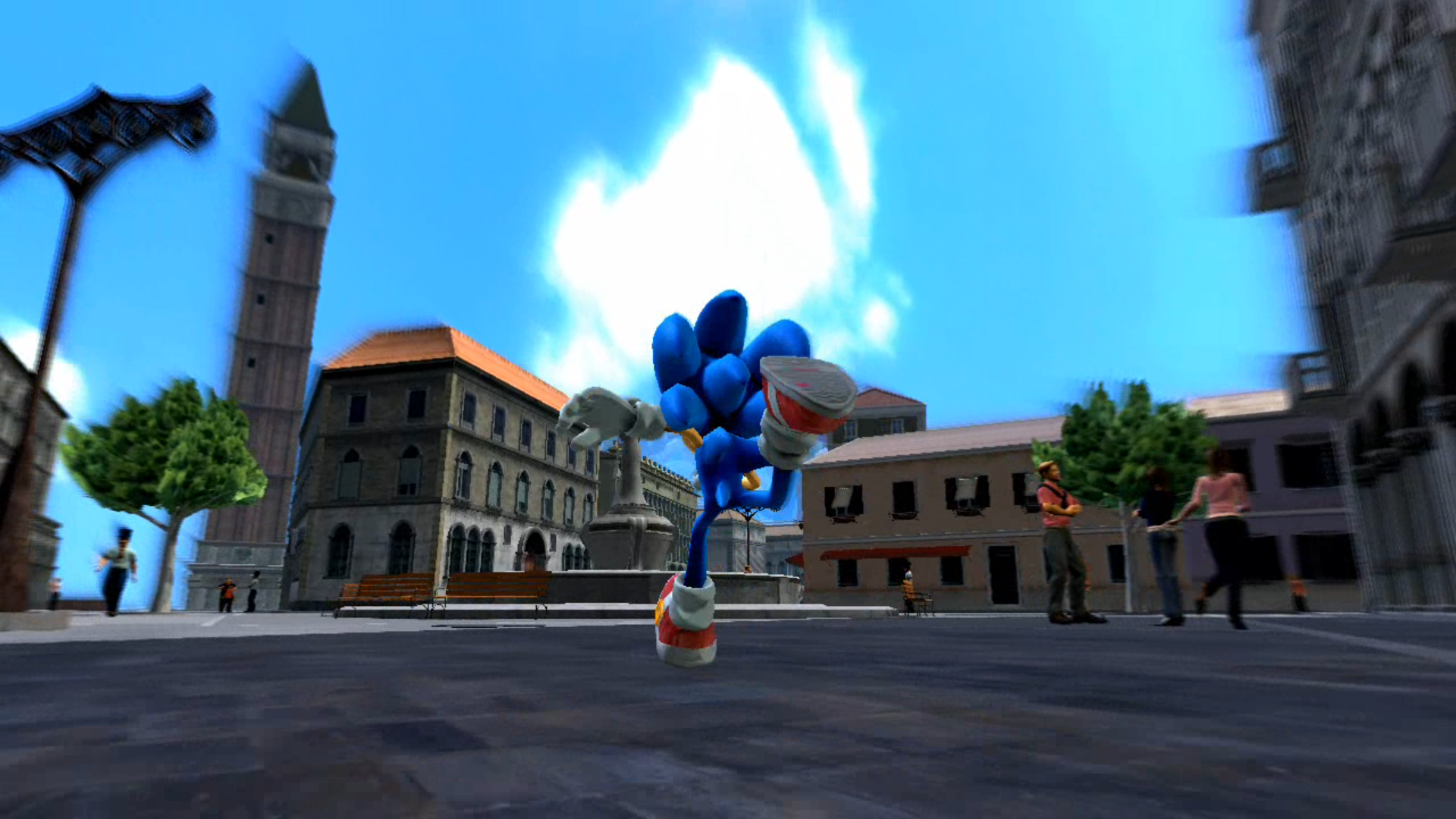
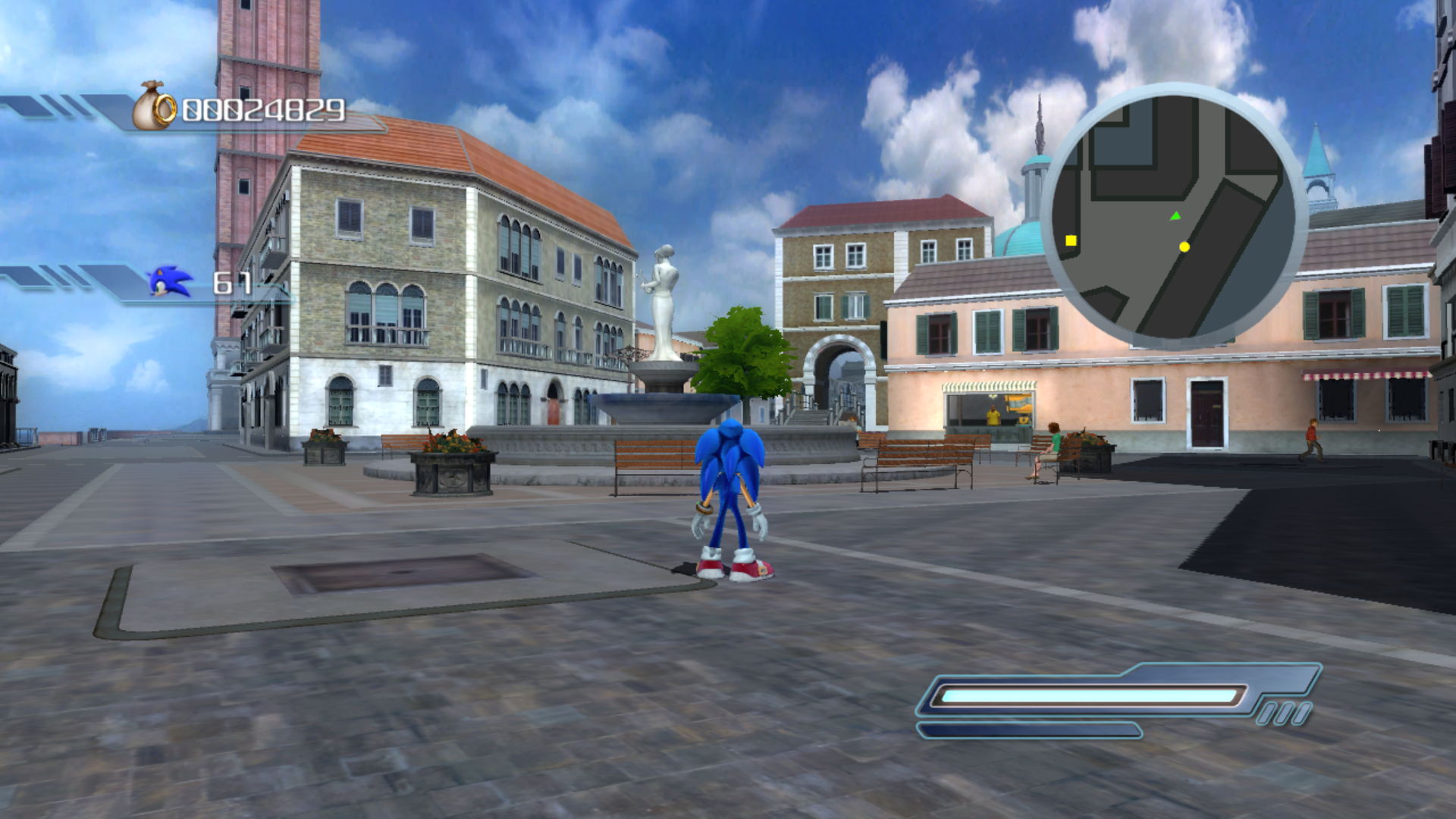
The shop is missing and several buildings are also different. The archway that would be after the bridge is also missing. The statue was moved to the north-east part of Soleanna, and was replaced with a different statue. The plants around the fountain are also missing.
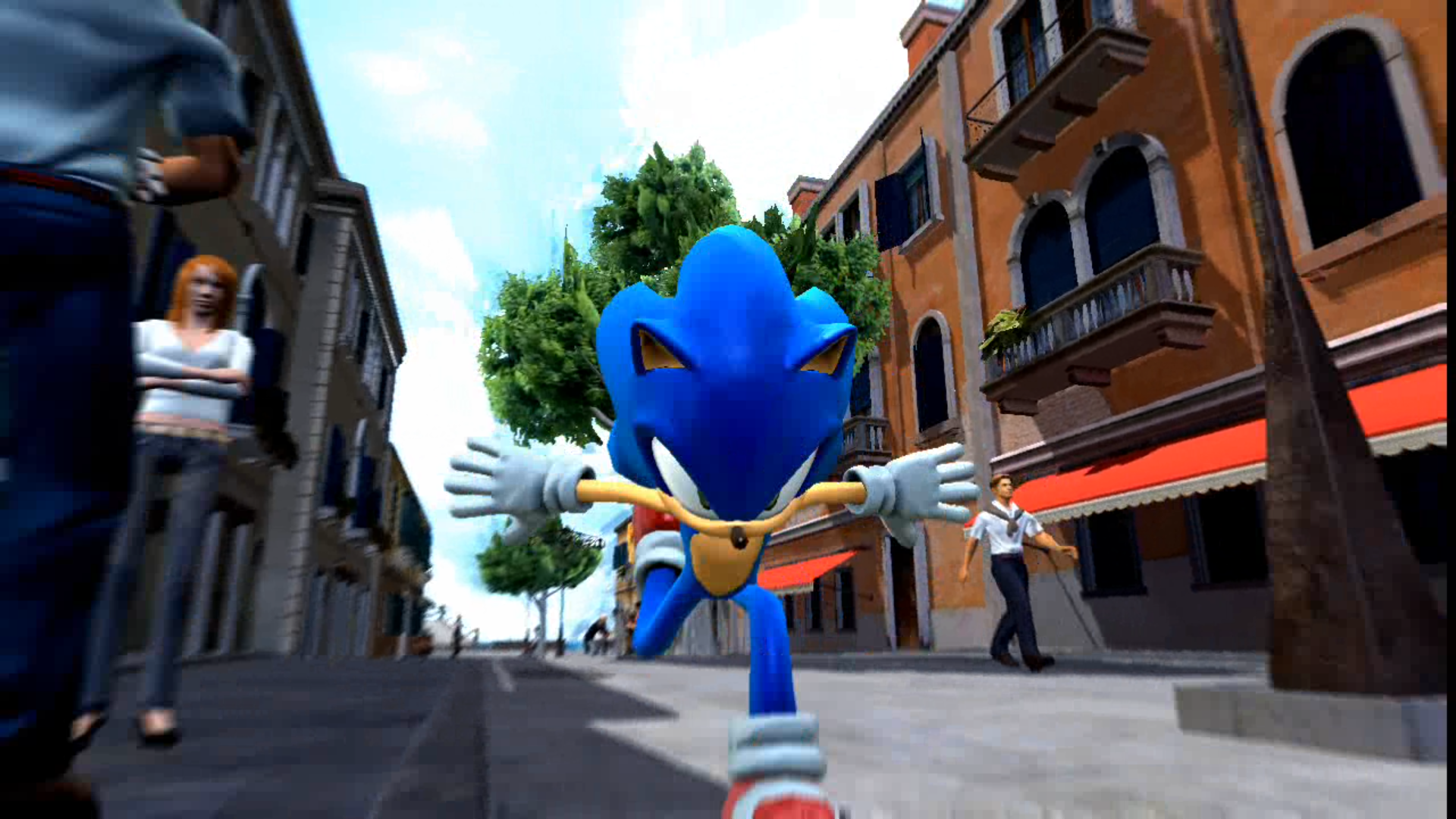
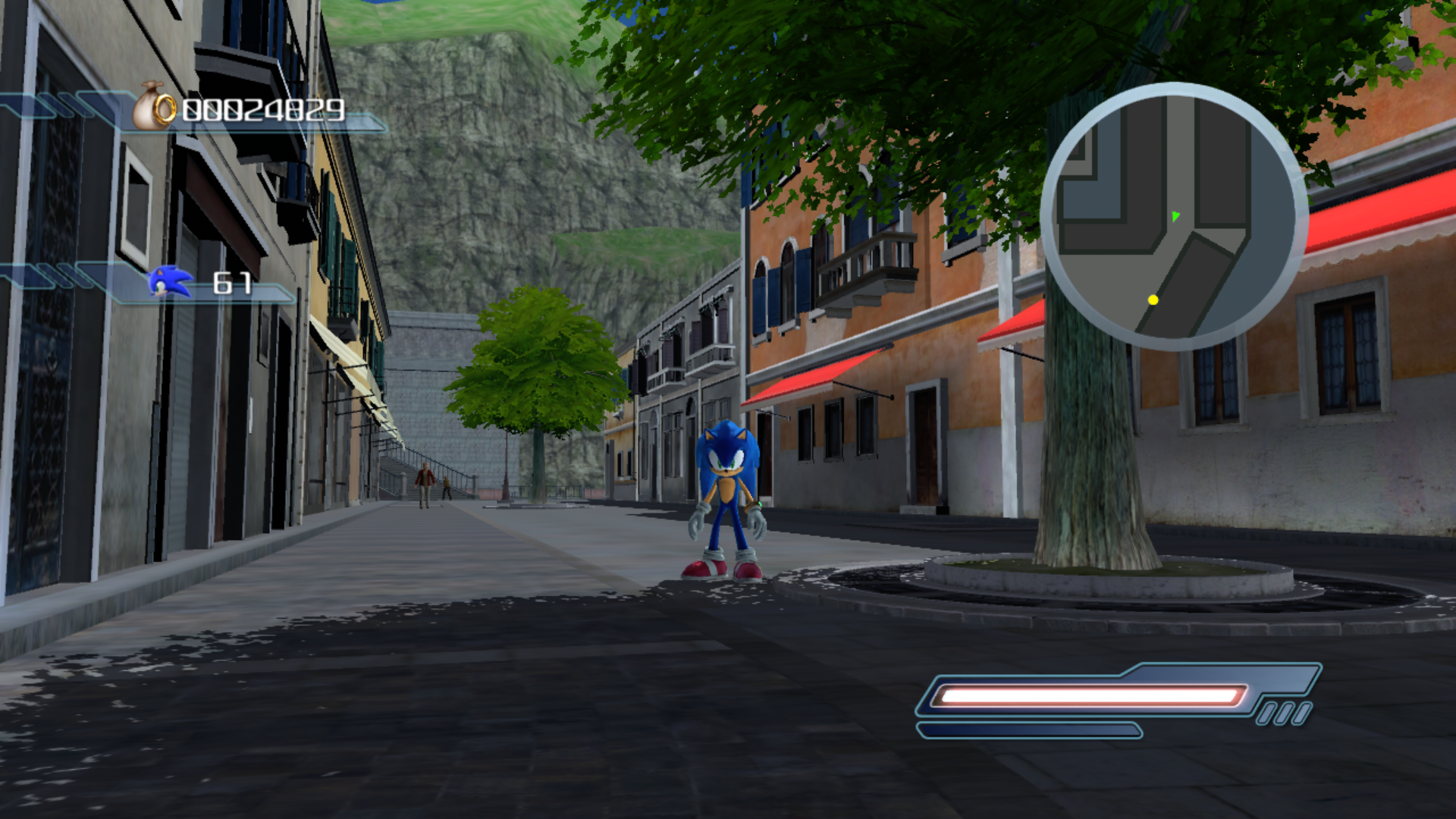
The cliffs to the south are completely absent. There are also plants on the balconies that were later removed.
References#
- ソニックチャンネル/新着情報/2005 (Japanese)↩︎