 This article has a talk page!
This page details pre-release information and/or media for ICO.
Development Timeline#
1997
- Early 1997 - After leaving WARP, Fumito Ueda joins SCE Japan Studio.
- February - Production begins on a CG three-minute short film, which would reflect the project's "boy meets girl" theme.
- June - Short film is completed and presented internally.
- September - Ueda and producer Kenji Kaido begin pre-production on PlayStation.
- November - Ueda and Kaido are joined by two programmers, four artists, and one designer to work on the project.
1998
- August (?) - The "Summer Holiday 1999" demo reel was created and presented internally.
- October - The project enters full production.
1999
- March 2 - The then-unnamed successor to the PlayStation is announced by Sony.
- September - With the finish line nowhere in sight, and worries that the game would be too ambitious for the hardware, the future of the project is in question.
- October - Development is moved to PlayStation 2.
- December - A new graphics engine is created for the project. The game is reportedly running at 60 frames-per-second.
2000
- January - Enemies are changed from human soldiers to shadows, and the HUD was eliminated.
- May - ICO (working title) is shown at E3.
- June - E3 footage is included in the PlayStation Underground 4.2 demo disc.
2001
- May - A near-final version of ICO is shown at E3.
- September 11 - A playable demo is included in Official U.S. PlayStation Magazine's issue 49 demo disc.
- September 24 - ICO is released in the United States.
- December 6 - ICO is released in Japan.
2002
- March 22 - ICO is released in Europe.
Early development (1997-1998)#
In June 1997, a three-minute CG short film that generally showcased what Ueda hoped to achieve with the project was completed. As of 2025, the full film has not been released to the public, however, there are some snippets included in several early trailers and internally-produced production reels.
Some differences from the final game can be observed:
- The castle was originally located near a coastal town.
- Ico appears to be a regular boy without horns.
- Yorda has a horned helmet and runic tattoos on her arms.
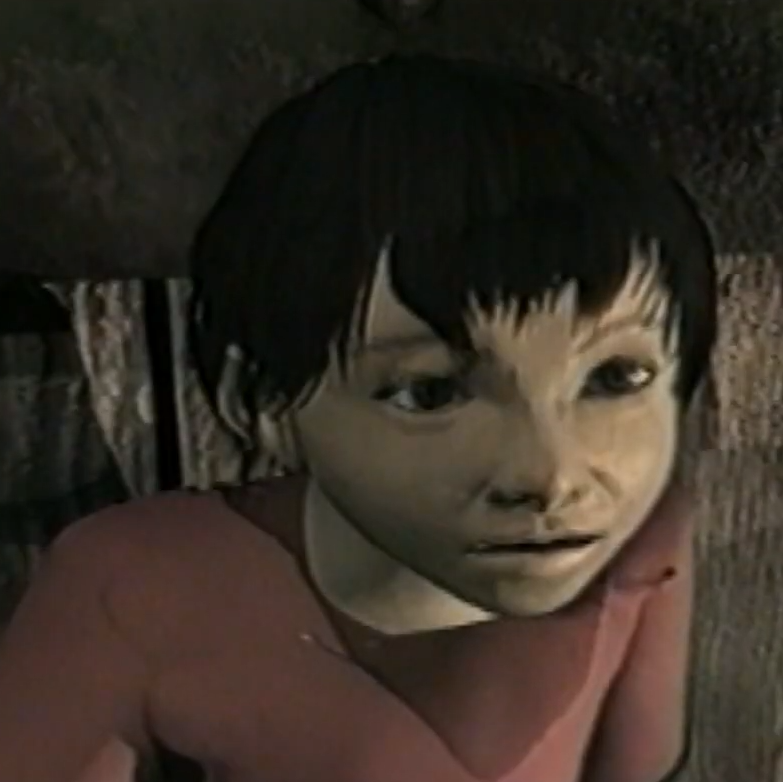
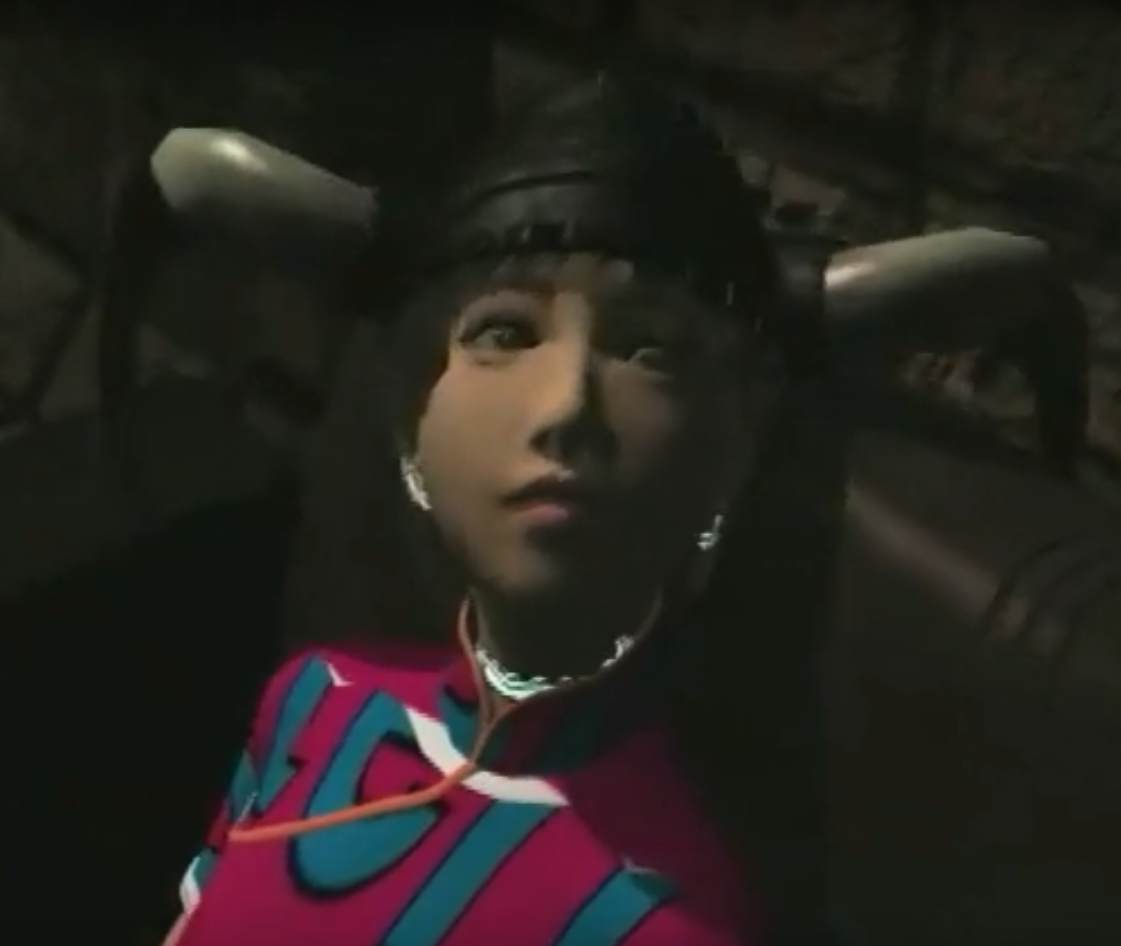
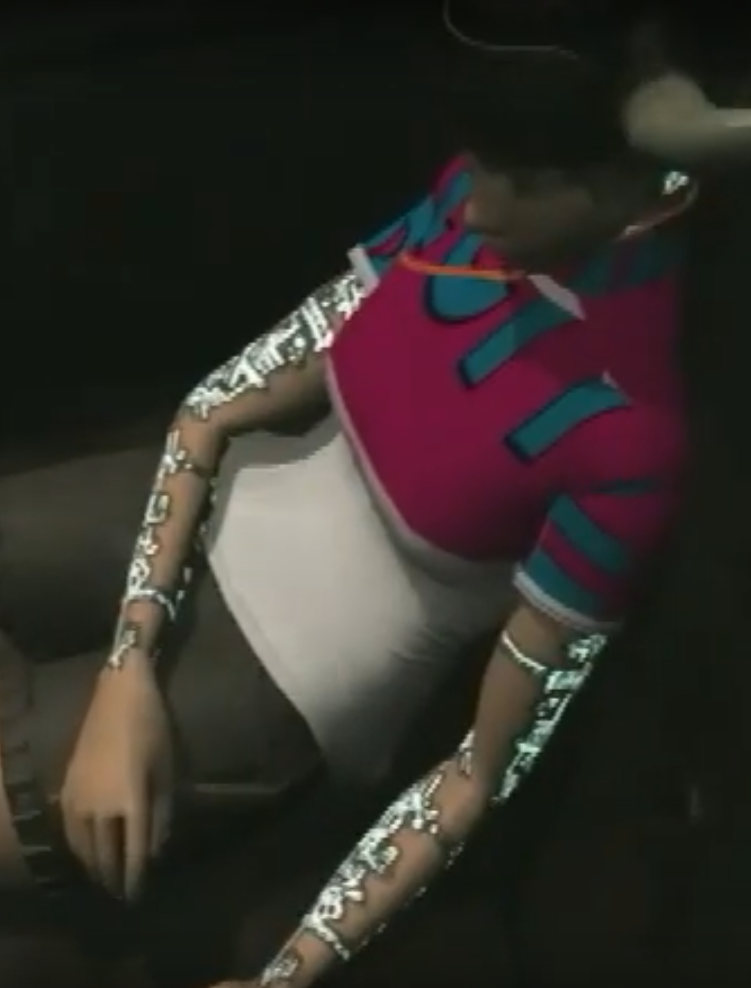
On December 6, 2021, genDESIGN published a production reel created sometime in 1998 (likely August) to YouTube. It is composed of shots from the CG short film, in-engine footage from the PS1 version, and animation tests. By this point in development, Ico was given horns, and Yorda's helmet was removed. The video features the song "Summer Holiday 1999" by Momus.
Move to PlayStation 2 (1999-2000)#
By September 1999, two years had passed since the start of development, but the finish line was still out of sight. The developers were reaching the limit of what they could do with the PlayStation hardware, and the project was at a crossroads. In October, they decided to migrate development to Sony's then-upcoming PlayStation 2. By December, work had started on a new graphics engine that took advantage of the upgraded hardware.
In 2005, a second reel from later in development was included in the "Special NICO DVD", which was released as a pre-order bonus for Shadow of the Colossus in Japan. The video features much of the same footage from the 1998 reel until about halfway through, where early in-engine footage from the PS2 version of the game is shown. The footage is likely dated from December 1999 and January 2000, and demonstrates many improvements compared to the PS1 builds, namely particle effects, cloth physics, higher-quality lighting and models, and a 60 FPS refresh rate.
ICO was first unveiled to the public at E3 2000. Gameplay footage from the event was included in the PlayStation Underground 4.2 demo disc, with producer Kenji Kaido detailing the game. IGN and Gamespot also released off-screen video and screenshots around this time. It is interesting to note that the shadows break away as the player hits them. Watch on YouTubeWatch on YouTubeWatch on YouTubeWatch on YouTube


Finish line (2001)#
ICO was once again demonstrated at E3 2001. Footage from the event, alongside a playable demo, was included in Official U.S. PlayStation Magazine's issue 49 demo disc. Differences from the final game are minimal at this point in development. Watch on YouTube